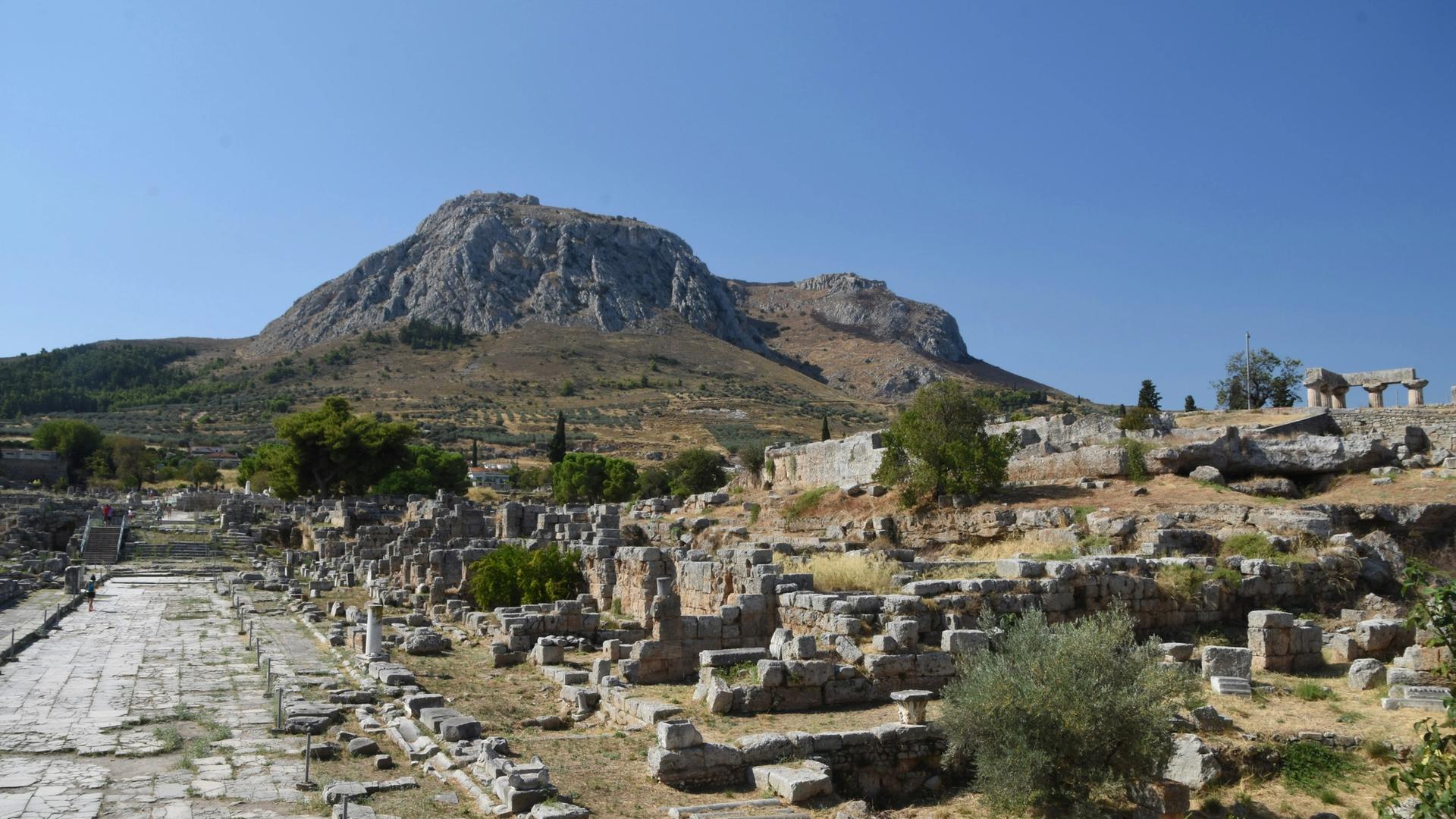
Acrocorinth rises dramatically above ancient Corinth as one of Greece's most impressive fortresses. This comprehensive guide covers everything you need to know about visiting this spectacular mountaintop citadel in the Peloponnese.
Rising 575 meters above the ancient city of Corinth, Acrocorinth stands as one of the most formidable fortresses in all of Greece. This massive citadel, crowned by layers of Byzantine, Frankish, Venetian, and Ottoman fortifications, has guarded the strategic Isthmus of Corinth for over two millennia.
The journey to the summit rewards visitors with breathtaking panoramic views stretching across the Saronic Gulf to Athens, south to the mountains of Arcadia, and west toward the Gulf of Corinth. Few ancient sites in Greece combine such dramatic natural beauty with such rich historical significance.
Quick Facts About Acrocorinth
Essential Information:
- Location: 4 km southwest of ancient Corinth, Peloponnese
- Elevation: 575 meters (1,886 feet) above sea level
- Site Size: Approximately 24.6 hectares on the summit
- Entrance Fee: Free admission
- Opening Hours: Daily 8:00 AM to 8:00 PM (summer), 8:30 AM to 3:00 PM (winter)
- Average Visit Duration: 2-3 hours
- Best Time to Visit: Spring (April-May) or autumn (September-October)
The Strategic Importance of Acrocorinth
Acrocorinth's position made it one of the most coveted military strongholds in ancient Greece. The fortress controlled the narrow Isthmus of Corinth, the only land route between mainland Greece and the Peloponnese.
Ancient historians described Acrocorinth as one of the "fetters of Greece," along with Demetrias in Thessaly and Chalcis on Euboea. Whoever controlled these three fortresses effectively controlled movement throughout Greece, making Acrocorinth a prize fought over by countless armies across the centuries.
Ancient History and Mythology
According to Greek mythology, the sun god Helios gave Acrocorinth to Aphrodite when the gods divided the world among themselves. The goddess of love established a temple on the summit where sacred prostitution was practiced as part of her worship.
Archaeological evidence confirms that a Temple of Aphrodite once crowned the highest point of Acrocorinth. Ancient writers claimed that over one thousand temple servants worked here, contributing to Corinth's reputation as a city of pleasure and vice.
Mythological Connections:
- Sisyphus: The legendary king of Corinth who was punished by Zeus to eternally roll a boulder uphill
- Bellerophon: The hero who tamed the winged horse Pegasus at the Peirene Spring on Acrocorinth
- Medea: Jason's wife who sought refuge here and allegedly killed her children in Corinth
- Aphrodite: The goddess whose temple dominated the summit for centuries
The Three Gates: Entering the Fortress
Reaching the summit of Acrocorinth requires passing through three massive gates, each representing different periods of fortification. The approach road winds dramatically up the mountainside, offering increasingly spectacular views with each turn.
The first gate dates primarily to the Ottoman period, though it incorporates earlier Byzantine and Frankish elements. Massive stone walls flank the entrance, demonstrating the defensive sophistication that made Acrocorinth nearly impregnable.
The Gate System:
- First Gate (Lower Gate): Ottoman construction with Byzantine foundations, featuring a right-angled entrance to slow attackers
- Second Gate (Middle Gate): Frankish architecture from the 13th century with impressive tower remains
- Third Gate (Upper Gate): Byzantine origins with later Venetian modifications, marking the entrance to the upper citadel
Between each gate, defensive walls create killing zones where defenders could rain arrows, stones, and boiling oil on invaders. The ingenious design meant that even if attackers breached one gate, they faced two more equally formidable barriers.
What to See at the Summit
The summit plateau of Acrocorinth contains a fascinating palimpsest of structures spanning over 2,000 years of occupation. Wandering among the ruins feels like walking through a physical timeline of Greek history.
The most prominent structure is the Frankish keep, a medieval tower that served as the final refuge during sieges. From here, the views extend in every direction, making it clear why this location was so strategically valuable.
Major Sites on the Summit:
- Temple of Aphrodite ruins: Fragmentary remains at the highest point, now mostly incorporated into later structures
- Upper Peirene Spring: Ancient sacred spring where Bellerophon allegedly found Pegasus
- Frankish Keep: Imposing medieval tower offering the best panoramic views
- Mosque: Ottoman-era mosque converted from a Frankish church
- Byzantine chapels: Several small churches scattered across the plateau
- Venetian barracks: Military buildings from the final period of Venetian control
- Ancient cisterns: Massive underground water storage facilities
- Turkish fountain: Well-preserved Ottoman-era water feature
The Upper Peirene Spring deserves special attention as one of the most atmospheric spots on Acrocorinth. This ancient water source, carved deep into the rock, supplied the fortress during sieges and was considered sacred in antiquity.
Byzantine, Frankish, and Ottoman Periods
After the fall of ancient Corinth, Acrocorinth took on new importance as a Byzantine fortress. The Byzantines constructed the core of the fortification system still visible today, including much of the triple gate complex.
In 1210, Crusaders captured Acrocorinth after a five-year siege, establishing it as the capital of the Frankish Principality of Achaea. The Franks added the impressive keep and strengthened the fortifications, transforming Acrocorinth into one of the most powerful castles in medieval Greece.
Timeline of Control:
- 1210-1358: Frankish Principality of Achaea
- 1358-1395: Byzantine reconquest under the Palaiologos dynasty
- 1395-1400: Knights Hospitaller
- 1400-1458: Byzantine Despotate of the Morea
- 1458-1687: Ottoman Empire (first period)
- 1687-1715: Venetian Republic
- 1715-1822: Ottoman Empire (second period)
- 1822: Greek independence forces capture the fortress
Each successive power left its architectural mark, creating the layered fortifications visible today. The Venetians, during their brief control, added artillery positions and modernized defenses for the age of gunpowder.
Hiking to Acrocorinth: What to Expect
While you can drive to the lower gate, the authentic experience involves hiking from ancient Corinth. The trail offers a more gradual approach and allows you to appreciate the fortress's commanding position.
The hike takes approximately 45-60 minutes from the archaeological site of ancient Corinth, following a partially paved road that switchbacks up the mountainside. Wear sturdy shoes, bring plenty of water, and start early during summer months to avoid the midday heat.
Hiking Essentials:
- Sturdy hiking boots or athletic shoes with good tread
- At least 1.5 liters of water per person
- Sun protection (hat, sunscreen, sunglasses)
- Light snacks or energy bars
- Camera with extra battery (you'll take many photos)
- Light jacket for wind at the summit
- Trekking poles if you have knee issues
The trail is well-maintained but includes steep sections with loose stones. Take your time, enjoy the increasingly spectacular views, and remember that you'll need energy for exploring the summit and descending.
Combining Acrocorinth with Ancient Corinth
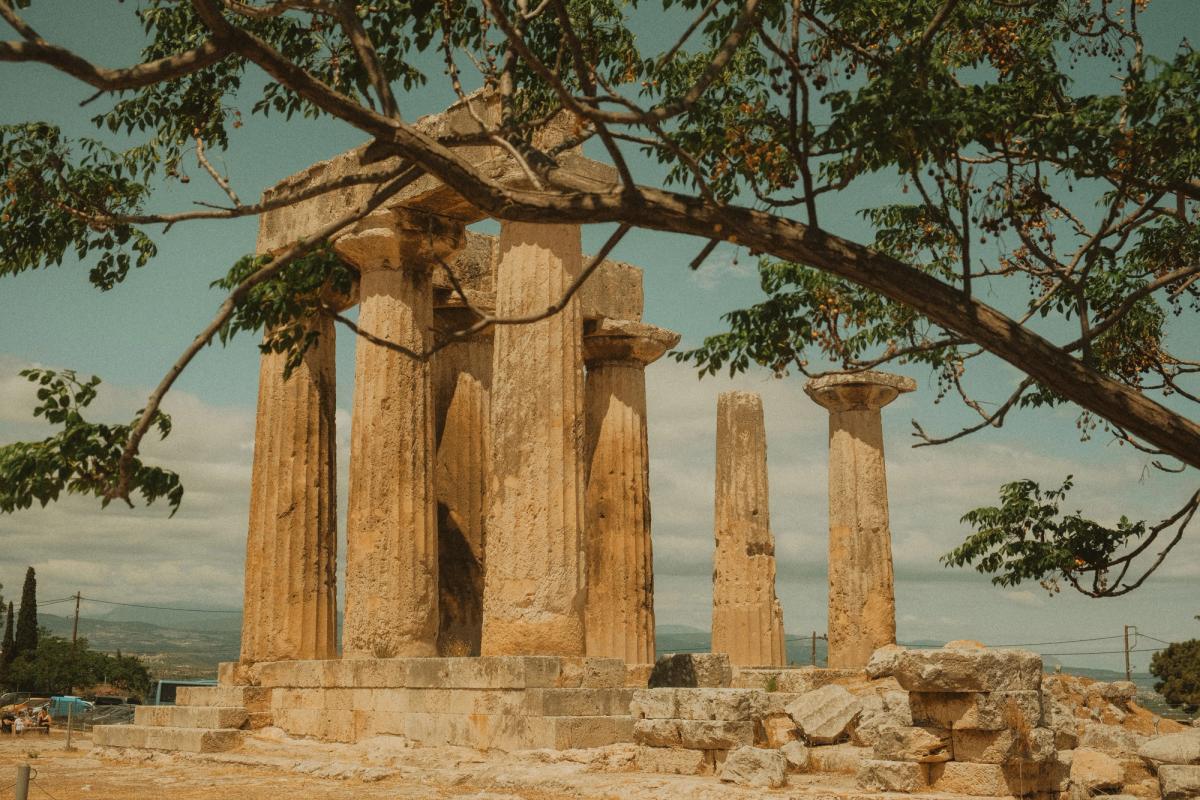
A visit to Acrocorinth pairs perfectly with exploring the archaeological site of ancient Corinth at the mountain's base. The ancient city was one of the wealthiest and most powerful in classical Greece, famous for its bronze work, pottery, and strategic location.
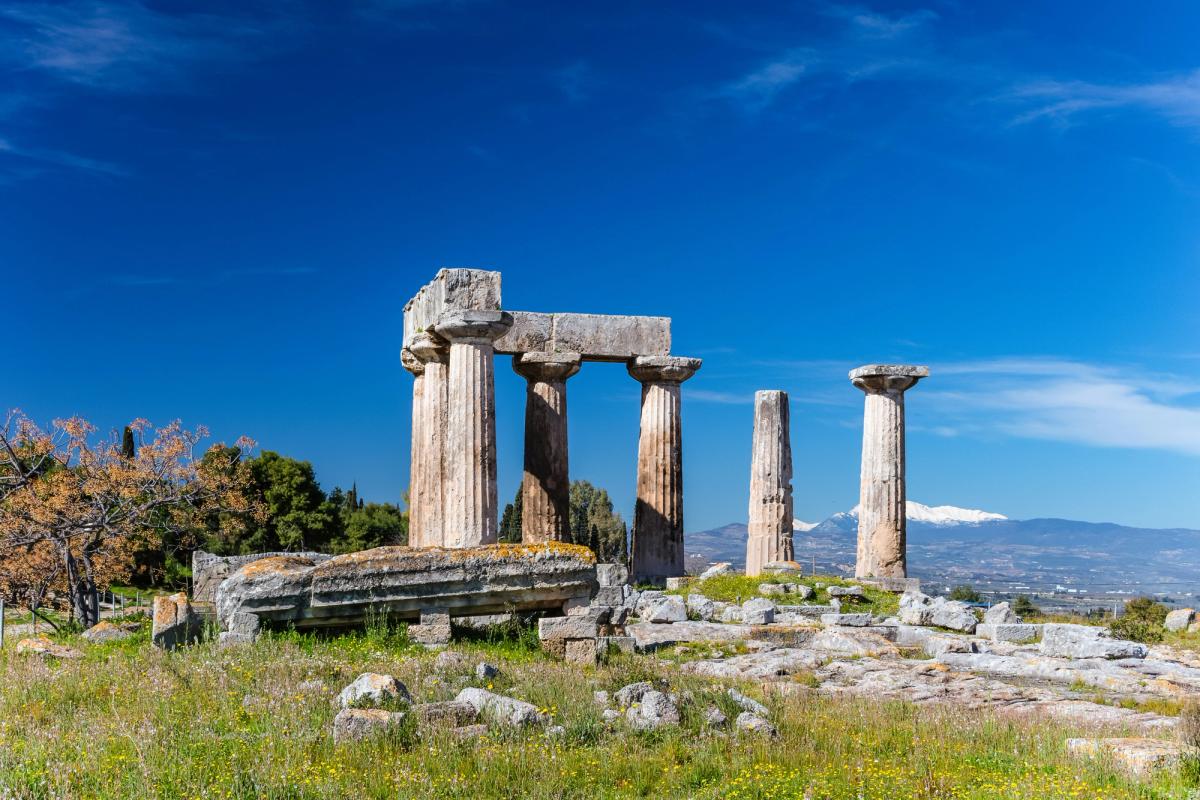
The Corinth archaeological site features the impressive Temple of Apollo, one of the oldest Doric temples in Greece, along with the Roman agora, elaborate fountains, and a fascinating museum. Many visitors spend the morning exploring ancient Corinth before ascending to Acrocorinth in the afternoon.
Combined Itinerary Suggestion:
- Morning (8:00 AM - 12:00 PM): Explore ancient Corinth archaeological site and museum
- Lunch (12:00 PM - 1:00 PM): Eat in modern Corinth village
- Afternoon (1:00 PM - 4:00 PM): Hike to and explore Acrocorinth
- Late Afternoon: Return to Nafplio or continue to other Peloponnese destinations
This combination provides a comprehensive understanding of Corinth's importance throughout Greek history. You'll see where ancient Corinthians lived, worked, and worshipped, then climb to the fortress that protected them for millennia.
Photography Tips for Acrocorinth
Acrocorinth offers some of the most dramatic photography opportunities in the Peloponnese. The combination of ancient ruins, sweeping fortification walls, and panoramic views creates endless compositional possibilities.
The golden hours of early morning and late afternoon provide the best light, with the sun illuminating the stone walls and creating long shadows that emphasize architectural details. Midday light can be harsh but works well for capturing the intense blue of the Greek sky against honey-colored stone.
Photography Recommendations:
- Best viewpoints: Frankish keep summit, upper gate looking back toward lower gates, western walls at sunset
- Ideal times: Sunrise (6:00-7:30 AM), late afternoon (5:00-7:30 PM)
- Equipment: Wide-angle lens for landscapes and architecture, telephoto for distant views and details
- Subjects: Gate passages, wall textures, wildflowers against ruins, panoramic views
- Drone use: Check current regulations; historically allowed but rules change
- Weather: Partly cloudy days create dramatic sky compositions
Don't forget to photograph the journey itself—the winding approach road, the successive gates, and the changing perspectives as you climb. These shots help tell the story of Acrocorinth's impressive defenses.
Nearby Attractions in the Corinthia Region
Acrocorinth sits within easy reach of numerous other significant archaeological and natural sites. The Corinthia region rewards extended exploration with ancient theaters, Byzantine monasteries, and scenic coastal towns.
The ancient theater of Epidaurus, considered the best-preserved classical Greek theater in the world, lies just 45 minutes east. Its perfect acoustics and summer festival performances make it a must-visit destination that combines beautifully with Acrocorinth.
Regional Highlights:
- Ancient Corinth: Archaeological site at Acrocorinth's base (5 minutes)
- Corinth Canal: Impressive 19th-century engineering marvel (15 minutes)
- Nemea: Ancient sanctuary of Zeus and famous wine region (30 minutes)
- Epidaurus: Ancient theater and Asclepius sanctuary (45 minutes)
- Nafplio: Beautiful Venetian town, ideal base for exploration (45 minutes)
- Mycenae: Bronze Age palace of Agamemnon (50 minutes)
- Ancient Nemea Wine Roads: Boutique wineries and tastings (35 minutes)
Many visitors base themselves in charming Nafplio and take day trips throughout the Argolid and Corinthia regions. This approach allows you to enjoy comfortable accommodations and excellent restaurants while exploring multiple archaeological sites.
The View from the Top: What You'll See
The panoramic view from Acrocorinth's summit ranks among the finest in Greece. On clear days, visibility extends for over 100 kilometers in every direction, encompassing mountains, seas, plains, and cities.
To the north, the Gulf of Corinth shimmers beneath the mountains of central Greece, with the distinctive profile of Mount Parnassus visible on exceptionally clear days. The narrow Isthmus of Corinth, barely six kilometers wide, is clearly visible with the modern canal cutting through it.
Directional Views:
- North: Gulf of Corinth, Gerania Mountains, central Greece
- Northeast: Isthmus of Corinth, Corinth Canal, Saronic Gulf toward Athens
- East: Argolic Gulf, ancient Corinth below, Argolid plain
- Southeast: Mountains of Arcadia, route toward Nafplio and Epidaurus
- South: Taygetos Mountains, Peloponnese interior
- West: Gulf of Corinth coastline, mountains toward Patras
Bring binoculars to pick out specific landmarks and watch for birds of prey that frequently soar on the thermal currents around the fortress. The strategic value of this vantage point becomes immediately obvious when you see how completely it commands the surrounding landscape.
Practical Visitor Information
Planning your visit to Acrocorinth requires some practical considerations, especially regarding weather, accessibility, and facilities. The site is relatively undeveloped compared to major tourist attractions, which adds to its authentic appeal but means fewer amenities.
There are no facilities (restrooms, water, food) at Acrocorinth itself, so come prepared. The nearest services are in the village of ancient Corinth at the mountain's base, where you'll find tavernas, cafes, and shops.
Visitor Essentials:
- Access: Paved road to lower gate; passenger cars can drive up
- Parking: Free parking area near the first gate
- Facilities: None on-site; use facilities in ancient Corinth village before ascending
- Accessibility: Not wheelchair accessible due to steep paths and uneven terrain
- Guided tours: Available through tour companies; self-guided exploration is easy
- Signage: Limited information panels; guidebook or tour recommended
- Safety: Watch for loose stones, unprotected drops, and slippery surfaces when wet
- Mobile coverage: Generally good at the summit
The site is open year-round, but winter hours are significantly shorter. Summer visits require early starts or late afternoon timing to avoid extreme heat, as there's limited shade on the exposed summit.
Best Times to Visit Acrocorinth
Timing your visit to Acrocorinth can dramatically affect your experience. The fortress takes on different characters depending on season, time of day, and weather conditions.
Spring (April through May) is arguably the ideal time, when wildflowers carpet the mountainside and temperatures remain comfortable for hiking. The weather in October also provides excellent conditions with clear skies and moderate temperatures.
Seasonal Considerations:
- Spring (April-May): Wildflowers, mild temperatures, occasional rain, moderate crowds
- Summer (June-August): Hot and dry, long days, most crowded, arrive early morning
- Autumn (September-October): Perfect weather, clear views, fewer visitors, golden light
- Winter (November-March): Cold and windy, possible snow, short hours, almost no crowds
Time of Day:
- Sunrise: Magical light, completely empty, cool temperatures, eastern views spectacular
- Mid-Morning: Good light, warming temperatures, few other visitors
- Midday: Harsh light, very hot in summer, less atmospheric
- Late Afternoon: Beautiful golden light, cooling temperatures, western views stunning
- Sunset: Spectacular but note closing times; winter visits end too early
Weekdays see fewer visitors than weekends, and the site rarely feels crowded even during peak season. Unlike more famous Greek archaeological sites, Acrocorinth remains relatively undiscovered by mass tourism.
Cultural Significance and Historical Impact
Acrocorinth's importance extended far beyond its military value throughout Greek history. The fortress played crucial roles in conflicts from the Peloponnesian War through the Greek War of Independence in the 1820s.
During the Byzantine period, Acrocorinth served as a refuge for surrounding populations during invasions. The fortress's ability to withstand lengthy sieges made it a symbol of resistance and endurance throughout the medieval period.
Historical Milestones:
- 146 BC: Romans destroy Corinth but maintain Acrocorinth as a military base
- 551 AD: Earthquake damage repaired by Byzantine Emperor Justinian
- 1210 AD: Crusaders capture fortress after five-year siege
- 1458 AD: Ottoman Sultan Mehmed II conquers Acrocorinth
- 1687 AD: Venetians capture fortress during Morean War
- 1822 AD: Greek independence forces take Acrocorinth after lengthy siege
- 1858 AD: Fortress officially abandoned as military installation
The 1822 siege during the Greek War of Independence proved particularly significant. The Ottoman garrison held out for months before surrendering, and the fortress's capture represented a major victory for Greek independence forces.
Exploring Beyond the Main Path
While most visitors follow the main route through the three gates to the summit, adventurous explorers will find numerous side paths and hidden corners throughout Acrocorinth. The extensive fortification walls extend far beyond the central citadel, enclosing a much larger area than initially apparent.
The western and southern sections of the fortress see few visitors but contain fascinating ruins including additional towers, cisterns, and defensive positions. These areas require careful navigation and sturdy footwear, as paths are less maintained and vegetation can obscure obstacles.
Off-Path Discoveries:
- Lower fortress walls: Extensive Byzantine fortifications encircling the lower slopes
- Hidden cisterns: Underground water storage chambers throughout the site
- Secondary gates: Additional entrances in the outer walls
- Cave shelters: Natural and modified caves used by defenders
- Chapel ruins: Small Byzantine churches scattered across the plateau
- Observation posts: Outer towers with excellent views
Always prioritize safety when exploring off the main paths. Inform someone of your plans, watch for unstable structures, and don't venture into dark spaces without proper lighting and companions.
Acrocorinth in Literature and Art
Acrocorinth has captured the imagination of writers, artists, and travelers for centuries. Ancient authors described the fortress in their histories, while Romantic-era travelers included it in their Grand Tour accounts of Greece.
The 19th-century philhellene movement brought numerous European artists to Greece, many of whom painted or sketched Acrocorinth. These works, now housed in museums across Europe, helped introduce Western audiences to Greece's medieval heritage beyond its classical antiquities.
Notable References:
- Strabo: Ancient geographer who described Acrocorinth's strategic importance
- Pausanias: 2nd-century traveler who detailed the Temple of Aphrodite
- William Miller: Historian who chronicled the Frankish period in "The Latins in the Levant"
- Patrick Leigh Fermor: Travel writer who visited in the 1930s and described it in his works
- Edward Lear: Artist who sketched Acrocorinth during his Greek travels
Modern Greek literature and poetry frequently reference Acrocorinth as a symbol of endurance and the layered nature of Greek history. The fortress represents how Greece absorbed and transformed successive waves of conquerors into elements of its own complex identity.
Planning Your Acrocorinth Adventure
A successful visit to Acrocorinth requires some advance planning, especially if you're combining it with other regional attractions. Most visitors base themselves in Nafplio, the Peloponnese's most charming town, and take day trips to surrounding archaeological sites.
Unique Greek Tours offers expertly guided experiences that combine Acrocorinth with ancient Corinth, the Corinth Canal, and Epidaurus in comprehensive day tours. Professional guides provide historical context that dramatically enriches the experience, pointing out details and explaining significance that independent visitors might miss.
Planning Checklist:
- Research: Read about Acrocorinth's history before visiting
- Timing: Choose your season and time of day based on preferences
- Accommodation: Book lodging in Nafplio or Corinth area
- Transportation: Arrange rental car or book guided tour
- Preparation: Pack appropriate clothing, water, and supplies
- Combinations: Plan which nearby sites to visit on the same day
- Backup plans: Have alternatives for bad weather days
Many travelers find that a guided tour from Nafplio provides the best experience, eliminating navigation concerns and providing expert commentary. Tours typically include transportation, allowing you to relax and enjoy the scenery rather than focusing on driving unfamiliar roads.
The Spiritual Dimension of Acrocorinth
Beyond its military and strategic importance, Acrocorinth has served as a spiritual center for millennia. The Temple of Aphrodite crowned the summit in antiquity, while Byzantine Christians built numerous chapels among the ruins.
The Upper Peirene Spring held particular sacred significance, associated with the myth of Pegasus and Bellerophon. Ancient Greeks believed the spring possessed special properties, and its waters were used in religious ceremonies.
Sacred Sites:
- Temple of Aphrodite: Ancient sanctuary at the highest point
- Upper Peirene Spring: Sacred spring associated with Pegasus myth
- Byzantine chapels: Christian places of worship built among pagan ruins
- Ottoman mosque: Islamic prayer space converted from earlier church
- Meditation spots: Quiet corners perfect for contemplation
Many modern visitors report feeling a special atmosphere at Acrocorinth, particularly in the early morning or late afternoon when the site is quiet. The combination of natural beauty, ancient stones, and sweeping views creates a contemplative environment that transcends specific religious traditions.
Conservation and Archaeological Work
Acrocorinth presents significant conservation challenges due to its size, complexity, and exposure to weather. The Greek Archaeological Service conducts ongoing stabilization work to prevent further deterioration of the walls and structures.
Unlike more famous sites that receive extensive restoration, Acrocorinth largely remains in its "as found" condition. This approach preserves authenticity but means visitors encounter ruins in various states of preservation, from well-maintained gates to barely visible foundation traces.
Conservation Priorities:
- Wall stabilization to prevent collapse
- Vegetation management to reduce root damage
- Documentation of structures before further deterioration
- Minimal intervention to preserve historical authenticity
- Drainage improvements to reduce water damage
- Visitor path maintenance for safety
Archaeological excavations continue sporadically, occasionally revealing new insights into Acrocorinth's long history. Recent work has focused on better understanding the Byzantine fortification phases and documenting the extensive cistern system that allowed the fortress to withstand lengthy sieges.
Travel Tips for Visiting Acrocorinth
Experienced travelers to Acrocorinth offer consistent advice that can significantly improve your visit. Learning from others' experiences helps you avoid common mistakes and make the most of your time at this spectacular site.
The single most important tip is bringing adequate water—more than you think you'll need. The exposed summit offers little shade, and dehydration can quickly ruin your experience, especially during summer months.
Essential Travel Tips:
- Start early: Beat heat and crowds with morning visits
- Bring water: At least 1.5 liters per person, more in summer
- Wear layers: Summit can be windy even on warm days
- Sturdy shoes: Essential for uneven terrain and loose stones
- Sun protection: Hat, sunscreen, and sunglasses mandatory in summer
- Camera ready: Keep camera accessible for frequent photo opportunities
- Allow time: Don't rush; 2-3 hours minimum for proper exploration
- Check hours: Winter closing time comes early (3:00 PM)
- Use facilities: Visit restroom in ancient Corinth before ascending
- Download maps: Mobile coverage usually works but have offline backup
- Respect site: Don't climb on fragile walls or remove stones
- Watch step: Many unprotected edges and drops
Consider bringing a small backpack with snacks, water, first aid supplies, and a light jacket. The summit's exposure to wind means temperatures can feel significantly cooler than in the valley below, especially during shoulder seasons.
Acrocorinth for History Enthusiasts
For serious history buffs, Acrocorinth offers an unparalleled opportunity to trace Greek history from antiquity through the modern era. Few sites in Greece present such a complete architectural record spanning over two millennia.
Studying the fortification walls reveals the evolution of defensive architecture from Byzantine through Ottoman periods. Each successive power adapted the fortress to contemporary military technology, from arrow slits to cannon positions.
Historical Study Opportunities:
- Ancient period: Temple foundations, cisterns, sacred spring
- Byzantine era: Core fortification system, triple gate complex
- Frankish period: Keep, towers, Gothic architectural elements
- Venetian phase: Artillery positions, modernized defenses
- Ottoman period: Mosque, fountain, residential structures
- Modern era: Greek independence war damage and modifications
Bringing reference materials enhances the experience significantly. Several excellent guidebooks detail Acrocorinth's complex history, while smartphone apps can provide additional context and help identify specific structures.
Frequently Asked Questions
How difficult is the hike to Acrocorinth?
The hike from ancient Corinth to Acrocorinth's lower gate takes 45-60 minutes and involves steady uphill walking on a paved road with an elevation gain of approximately 350 meters. While the path is well-maintained, the climb is moderately strenuous, especially in warm weather. Alternatively, you can drive directly to the lower gate, then explore the fortress on foot, which involves additional climbing through the three gates to reach the summit plateau with its ruins and viewpoints.
Can I visit Acrocorinth year-round?
Yes, Acrocorinth is open year-round, though hours vary seasonally with summer hours (8:00 AM to 8:00 PM) significantly longer than winter hours (8:30 AM to 3:00 PM). Spring and autumn offer the most comfortable visiting conditions with mild temperatures and clear skies, while summer requires early morning starts to avoid extreme heat. Winter visits are possible but can be cold and windy at the exposed summit, and occasional snow may make paths slippery, though the fortress takes on a dramatic character in winter weather.
How long should I plan to spend at Acrocorinth?
Allow a minimum of 2-3 hours to properly explore Acrocorinth, including time to pass through the three gates, explore the summit plateau, visit major structures like the Frankish keep and Upper Peirene Spring, and enjoy the panoramic views. History enthusiasts and photographers often spend 4-5 hours thoroughly investigating the extensive ruins and fortification walls. If you're combining Acrocorinth with ancient Corinth at the base, plan for a full day with 3-4 hours at the lower archaeological site and museum, plus 2-3 hours at the fortress.
Is Acrocorinth suitable for families with children?
Acrocorinth can be suitable for families with older children (ages 8+) who are comfortable with hiking and can follow safety instructions, as the site features numerous unprotected edges, steep drops, and uneven terrain requiring constant supervision. The adventure of exploring a real medieval fortress excites many children, and the climbing involved appeals to active youngsters. However, the site is not appropriate for strollers or very young children due to the steep paths, lack of barriers, and extended walking required. Families should bring plenty of water, snacks, and sun protection, and consider visiting during cooler months.
What's the best way to reach Acrocorinth from Athens?
The most convenient way to reach Acrocorinth from Athens is by rental car, which takes approximately 90 minutes via the Athens-Corinth National Road, allowing you to explore at your own pace and combine the visit with other nearby sites like ancient Corinth and Epidaurus. Alternatively, take a KTEL bus from Athens to Corinth (90 minutes), then taxi to Acrocorinth, though this limits flexibility. Many travelers prefer booking a guided tour from Athens or basing themselves in Nafplio for several days to explore the entire Argolid region, which provides the best overall Peloponnese experience.
Are there any facilities at Acrocorinth?
Acrocorinth has no facilities whatsoever—no restrooms, water fountains, food services, or shops—so visitors must come fully prepared with water, snacks, sun protection, and any other necessities. The nearest facilities are in the village near ancient Corinth at the mountain's base, approximately 4 kilometers away, where you'll find tavernas, cafes, shops, and public restrooms. This lack of development preserves Acrocorinth's authentic, unspoiled character but requires advance planning, especially for visits lasting several hours or during hot weather.
Can I see Acrocorinth and Epidaurus in one day?
Yes, combining Acrocorinth and Epidaurus in one day is entirely feasible and makes for an excellent Peloponnese itinerary, as the two sites are only 45 minutes apart. A typical schedule involves visiting ancient Corinth and Acrocorinth in the morning (8:00 AM to 1:00 PM), having lunch in Nafplio (1:30 PM to 2:30 PM), then exploring Epidaurus theater and sanctuary in the afternoon (3:00 PM to 6:00 PM). This combination works particularly well with a guided tour that handles transportation and timing, allowing you to relax and focus on experiencing these remarkable ancient sites.
What should I wear and bring to Acrocorinth?
Wear sturdy closed-toe shoes with good tread (hiking boots or athletic shoes), comfortable clothing appropriate for physical activity, and layers since the summit can be windy even on warm days. Bring at least 1.5 liters of water per person (more in summer), sun protection including hat and sunscreen, sunglasses, camera with extra battery, light snacks or energy bars, and a small backpack to carry everything. During cooler months, add a windbreaker or light jacket, and consider trekking poles if you have knee issues, as the descent can be challenging on steep sections.
Conclusion: Why Acrocorinth Deserves Your Time
Acrocorinth stands apart from Greece's many archaeological treasures through its unique combination of dramatic natural setting, layered historical significance, and relative freedom from mass tourism. While crowds flock to the Acropolis in Athens or Delphi's ancient sanctuary, Acrocorinth rewards visitors with a more intimate encounter with Greek history.
The fortress tells a story that extends far beyond classical antiquity, encompassing Byzantine resilience, Crusader ambition, Venetian engineering, and Ottoman adaptation. Walking through the successive gates and exploring the summit plateau, you experience Greek history not as a series of disconnected periods but as a continuous narrative of adaptation and survival.
For travelers seeking authentic experiences beyond the standard tourist circuit, Acrocorinth delivers unforgettable rewards. The combination of spectacular views, fascinating ruins, and profound historical significance creates memories that endure long after your Greek journey ends, making this sky fortress one of the Peloponnese's most compelling destinations.