Discover Ancient Argos, one of Greece's most historically significant yet underrated archaeological sites. From its mythological connections to Perseus and Agamemnon to its impressive Roman theater and Byzantine castle, Argos offers travelers an authentic glimpse into 7,000 years of continuous civilization.
Stepping Into 7,000 Years of History
Nestled in the fertile Argolid plain, Ancient Argos stands as a testament to human endurance and cultural evolution spanning millennia. While nearby Mycenae and Epidaurus capture most tourist attention, this unassuming city holds the distinction of being one of the oldest continuously inhabited settlements in Europe, with archaeological evidence dating back to the Neolithic period.
Walking through modern Argos, you'll discover layers of history beneath your feet—from prehistoric settlements to classical temples, Roman monuments to Byzantine fortifications. The city's strategic location between Nafplio and Mycenae made it a powerhouse in ancient times, rivaling even Sparta for dominance in the Peloponnese.
The Mythological Legacy of Argos
Ancient Greek mythology weaves Argos into some of its most compelling narratives. According to legend, the city was founded by Argos, son of Zeus, though other accounts credit King Inachus as its first ruler.
The hero Perseus, slayer of Medusa, ruled Argos and founded the Perseid dynasty that would later include the great Heracles. The tragic story of Agamemnon, leader of the Greek forces in the Trojan War, connects Argos to the broader Mycenaean world, as he ruled the nearby citadel of Mycenae.
Argos also features prominently in the tale of Io, a priestess transformed into a heifer by Zeus and guarded by the hundred-eyed giant Argus Panoptes. These mythological connections aren't mere stories—they reflect Argos's genuine importance in the Bronze Age world and its cultural influence throughout ancient Greece.
Archaeological Treasures Worth Discovering
The Ancient Theater of Argos
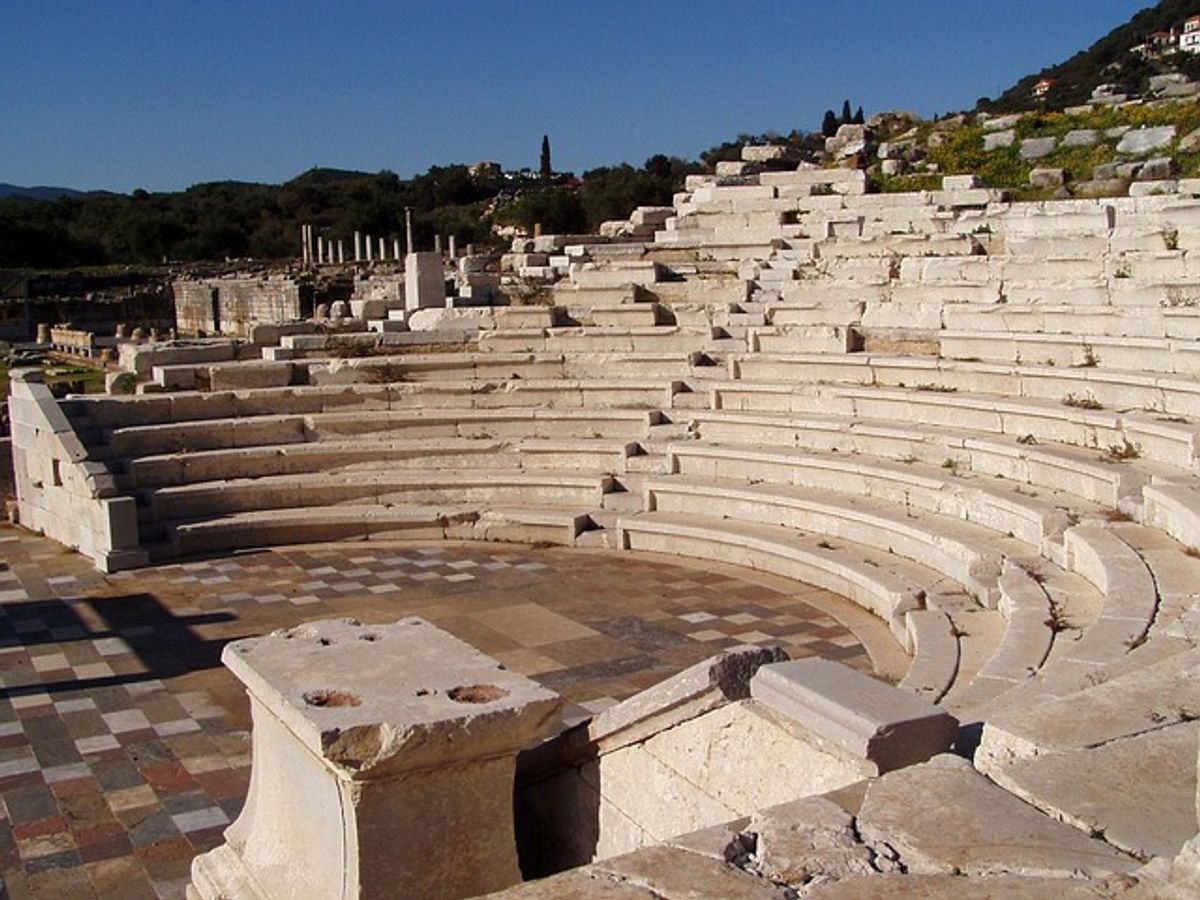
The Roman theater of Argos ranks among the largest in ancient Greece, with capacity for approximately 20,000 spectators. Built into the hillside during the 3rd century BCE and extensively modified by the Romans, this magnificent structure showcases exceptional acoustics and engineering prowess.
Unlike the more famous theater at Epidaurus, Argos's theater remains relatively uncrowded, allowing visitors to explore freely and imagine the dramatic performances and political assemblies that once filled these stone seats. The orchestra area and lower seating rows are remarkably well-preserved, offering photographers stunning opportunities.
Larissa Castle: The Fortress on the Hill
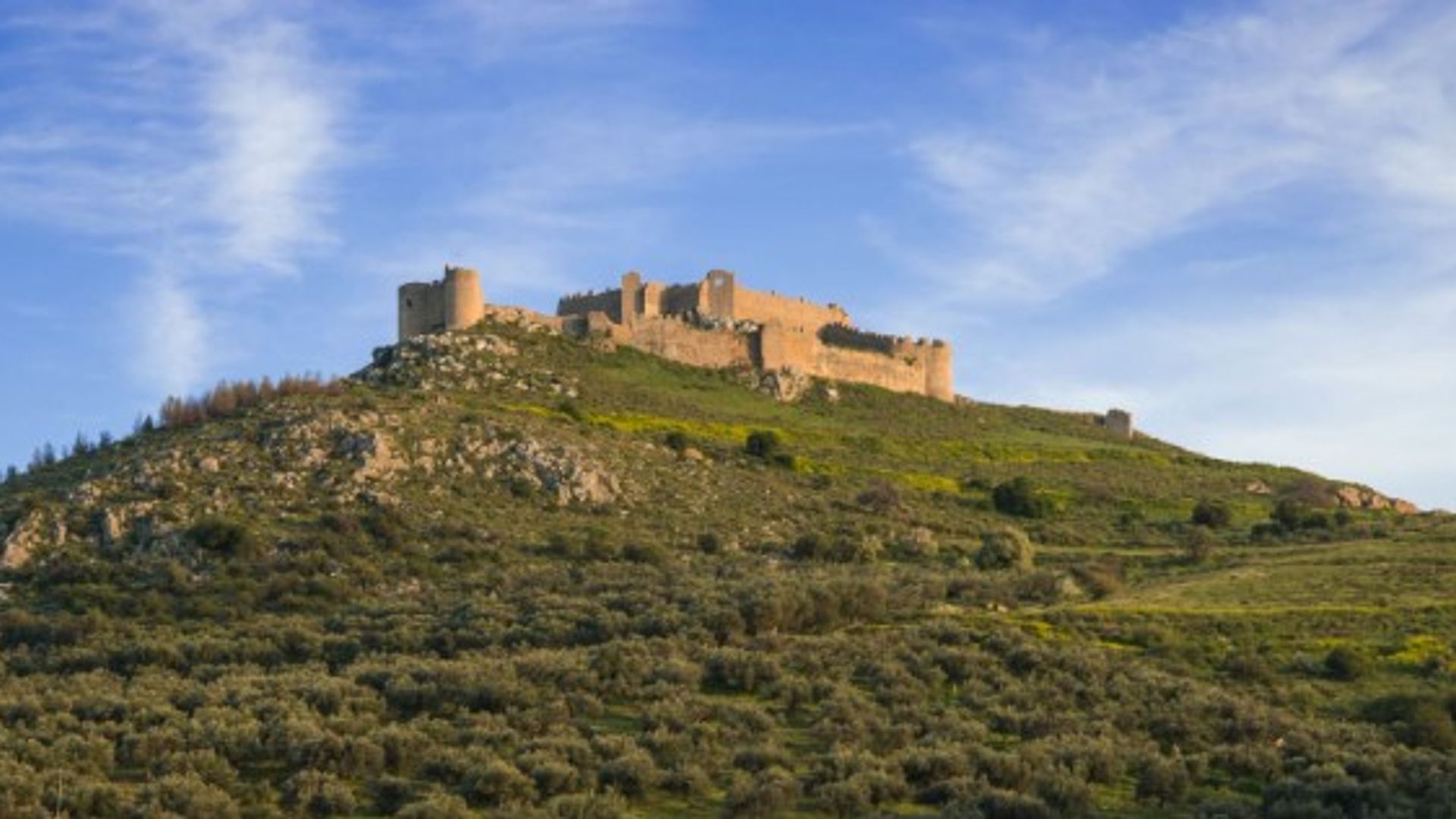
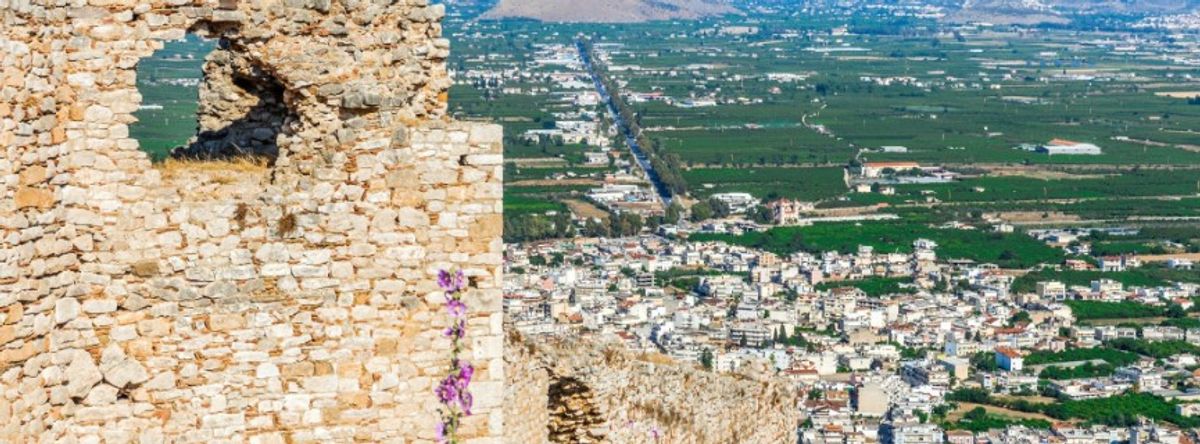
Dominating the skyline above Argos, Larissa Castle crowns the ancient acropolis with Byzantine and Venetian fortifications. The steep climb rewards visitors with panoramic views across the Argolid plain, stretching to the Gulf of Argos and surrounding mountains.
The fortress complex includes remnants from various periods—ancient Greek foundations, medieval walls, and Venetian modifications. On clear days, you can spot Nafplio's Palamidi Fortress, Mycenae's citadel, and even the distant peaks of the Arcadian mountains.
The Ancient Agora and Roman Baths
The archaeological site in modern Argos's center preserves portions of the ancient agora, where citizens gathered for commerce and political discourse. Roman-era baths demonstrate the city's continued prosperity during imperial times, with intricate mosaic floors and sophisticated heating systems still visible.
Excavations have revealed a complex network of buildings, including temples, administrative structures, and public facilities. The site provides tangible evidence of daily life across different historical periods, from classical Greece through the Roman and Byzantine eras.
The Archaeological Museum of Argos
Housed in a neoclassical building near the ancient theater, the museum displays artifacts spanning Argos's long history. The collection includes Mycenaean pottery, classical sculptures, Roman mosaics, and Byzantine religious artifacts.
Particular highlights include a remarkable suit of bronze armor from the 8th century BCE and exquisite geometric-period pottery. The museum offers essential context for understanding the archaeological sites scattered throughout the city and surrounding region.
Quick Facts About Ancient Argos
Historical Timeline:
- Neolithic settlement: circa 7,000 years ago
- Bronze Age prominence: 1600-1100 BCE
- Classical period rivalry with Sparta: 5th-4th centuries BCE
- Roman occupation: 146 BCE onwards
- Byzantine fortification: 6th-13th centuries CE
- Venetian and Ottoman periods: 13th-19th centuries
Key Statistics:
- Theater capacity: 20,000 spectators
- Larissa Castle elevation: 289 meters above sea level
- Distance from Nafplio: 12 kilometers
- Modern population: approximately 22,000 residents
- Archaeological sites: over 15 major locations
Planning Your Visit to Ancient Argos
Best Time to Visit
Argos welcomes visitors year-round, but strategic timing enhances your experience significantly. Spring (April-May) brings wildflowers to Larissa Castle's hillsides and comfortable temperatures for exploring outdoor sites.
Autumn (September-October) offers similarly pleasant conditions with fewer tourists and beautiful light for photography. If you're planning an October trip, check our guide on Greece weather in October for detailed information.
Summer visits are certainly possible but require early morning starts to avoid midday heat, especially when climbing to Larissa Castle. Winter visits offer solitude and dramatic skies, though some archaeological sites may have reduced hours.
Getting There and Around
Argos sits conveniently along the main highway connecting Nafplio to Corinth, making it easily accessible by car or bus. From Nafplio, the journey takes approximately 20 minutes by car or 30 minutes by public bus.
The city center and main archaeological sites are walkable, though the climb to Larissa Castle requires good fitness and sturdy footwear. Parking is generally available near major sites, though spaces can be limited during peak hours.
Many visitors base themselves in charming Nafplio and make Argos a half-day or full-day excursion. Our Nafplio Argos Cultural Tour combines both cities with expert guidance and comfortable transportation.
What to Bring
Essential Items:
- Sturdy walking shoes with good grip
- Sun protection (hat, sunglasses, sunscreen)
- Water bottle (at least 1 liter per person)
- Camera with charged batteries
- Light snacks for energy
Recommended Additions:
- Binoculars for viewing architectural details
- Guidebook or downloaded information
- Light jacket for castle breezes
- Portable phone charger
- Small backpack for hands-free exploration
Combining Argos with Nearby Attractions
The Mycenaean Triangle
Argos forms part of what archaeologists call the "Mycenaean Triangle" along with Mycenae and Tiryns. These three Bronze Age powerhouses dominated the Argolid plain during Greece's heroic age, and visiting all three provides comprehensive understanding of this fascinating period.
Tiryns, just 5 kilometers from Argos, features massive Cyclopean walls that ancient Greeks believed could only have been built by giants. The fortress predates even Mycenae and showcases remarkable engineering achievements.
Mycenae, 15 kilometers north, needs little introduction as the legendary kingdom of Agamemnon. The combination of these three sites creates an unforgettable journey through Bronze Age civilization.
Epidaurus and Its Ancient Theater
The world-famous theater at Epidaurus lies just 30 kilometers from Argos, making it an easy addition to your itinerary. While smaller than Argos's theater, Epidaurus is better preserved and still hosts performances during the annual Epidaurus Festival.
The Sanctuary of Asclepius at Epidaurus was ancient Greece's most important healing center, attracting pilgrims from across the Mediterranean world. The combination of Argos and Epidaurus offers contrasting perspectives on ancient Greek culture—civic life versus religious healing.
Nafplio: The Perfect Base
Charming Nafplio serves as the ideal base for exploring Argos and the wider Argolid region. This elegant Venetian town offers excellent restaurants, comfortable accommodations, and its own historical attractions including Palamidi Fortress and Bourtzi Castle.
The short distance between Nafplio and Argos allows you to explore ancient sites during the day and return to Nafplio's romantic waterfront for evening dining. Check out our recommendations for Greek restaurants in Nafplio to plan your culinary adventures.
Travel Tips for Visiting Ancient Argos
Practical Advice:
- Start your visit early morning to avoid heat and crowds
- Allow 3-4 hours to explore the main sites thoroughly
- Visit the museum first for historical context
- Wear layers as temperatures vary between valley and castle
- Bring cash for entrance fees and refreshments
- Download offline maps as cellular coverage can be spotty
- Respect archaeological sites by staying on marked paths
- Check opening hours in advance, especially for smaller sites
Photography Tips:
- Golden hour (early morning/late afternoon) provides best lighting
- Use wide-angle lens for theater and castle panoramas
- Capture details like stone carvings and mosaic patterns
- Include scale references to show monument size
- Respect any photography restrictions at museum
Cultural Considerations:
- Learn basic Greek phrases for friendly interactions
- Dress modestly when visiting religious sites
- Ask permission before photographing local residents
- Support local businesses by shopping and dining in town
- Understand that siesta time (2-5 PM) affects shop hours
Understanding Argos's Historical Significance
The Classical Period Rivalry
During Greece's classical period, Argos emerged as Sparta's primary rival in the Peloponnese. While not as militaristic as Sparta, Argos maintained a powerful army and democratic institutions that challenged Spartan hegemony.
The city remained neutral during the Persian Wars, a controversial decision that damaged its reputation among other Greek city-states. However, Argos later allied with Athens against Sparta during the Peloponnesian War, demonstrating its strategic importance.
For those interested in Spartan history, our article on facts about Sparta in ancient Greece provides fascinating context for understanding this regional rivalry.
Roman and Byzantine Transformations
Roman conquest in 146 BCE brought new prosperity to Argos. The Romans expanded the theater, constructed elaborate bath complexes, and integrated the city into their provincial administration.
Byzantine rule transformed Argos into a fortified stronghold against invasions. The construction of Larissa Castle and strengthening of defensive walls reflected the city's continued strategic value.
This layering of civilizations creates the complex archaeological landscape visible today, where ancient Greek foundations support Roman structures topped with Byzantine fortifications.
Experiencing Modern Argos
Local Life and Culture
Modern Argos thrives as a working Greek town rather than a tourist destination, offering authentic cultural experiences. The Wednesday and Saturday morning markets fill the central square with vendors selling fresh produce, local cheeses, olives, and traditional products.
Cafés around Agios Petros Square buzz with locals engaged in animated conversation over Greek coffee and Greek liquor like tsipouro. This everyday atmosphere provides refreshing contrast to more tourist-oriented destinations.
The town's lack of mass tourism means you'll encounter genuine hospitality and have opportunities to practice your Greek language skills with patient locals who appreciate visitors' interest in their city's heritage.
Dining and Refreshments
Argos offers numerous tavernas and cafés serving traditional Greek cuisine at prices lower than nearby tourist centers. Look for family-run establishments frequented by locals for the most authentic experiences.
Specialties include fresh grilled meats, seasonal vegetables, and regional dishes like gogges (pasta with rooster). Don't miss trying local wines from nearby Nemea, one of Greece's premier wine-producing regions.
After climbing Larissa Castle, reward yourself with a cold frappe or traditional Greek coffee at one of the cafés near the archaeological museum. The simple pleasure of resting in the shade while watching local life unfold captures the essence of Greek travel.
Beyond the Main Sites: Hidden Gems
The Pyramid of Hellinikon
Just outside Argos lies one of Greece's most mysterious structures—the Pyramid of Hellinikon. This small pyramid-shaped building dates to either the 4th century BCE or possibly much earlier, with some controversial theories suggesting it predates Egyptian pyramids.
Most scholars believe it served as a fortification or tomb, but its exact purpose remains debated. The structure demonstrates sophisticated masonry techniques and offers another layer to the region's archaeological richness.
Ancient Lerna
Twelve kilometers south of Argos, the archaeological site of Lerna reveals one of Greece's oldest settlements. The site is famous in mythology as the location where Heracles slew the nine-headed Hydra as one of his twelve labors.
Archaeologists have uncovered a remarkable sequence of occupation from Neolithic through Bronze Age periods, including the mysterious "House of Tiles," an Early Bronze Age structure that predates the Mycenaean palaces.
The Kefalari Springs
A few kilometers from central Argos, the Kefalari Springs create a lush oasis where crystal-clear water emerges from underground sources. Ancient Greeks considered these springs sacred, and a small Byzantine church now stands beside the pools.
The area offers pleasant walking paths, shaded picnic spots, and a peaceful retreat from archaeological exploration. Local tavernas serve fresh trout raised in the spring-fed ponds.
Frequently Asked Questions
How much time should I spend in Ancient Argos?
Plan for 3-4 hours to visit the main archaeological sites including the theater, museum, and Larissa Castle. A full day allows for leisurely exploration, lunch in town, and visits to nearby sites like the Pyramid of Hellinikon or Kefalari Springs. The climb to Larissa Castle alone takes 45-60 minutes each way, so factor this into your schedule.
Is Ancient Argos suitable for children and families?
Yes, Argos works well for families with children interested in history and mythology. The ancient theater provides space for kids to explore safely, and the mythological connections to Perseus and Heracles capture young imaginations. However, the Larissa Castle climb is challenging for small children, and the summer heat can be intense. Consider visiting during cooler months and bringing plenty of water and snacks.
What are the entrance fees for Argos archaeological sites?
The ancient theater and archaeological museum charge modest entrance fees (typically €4-6 per adult), while Larissa Castle is free to access. Combined tickets covering multiple sites in the Argolid region offer better value if you're visiting Mycenae and Epidaurus as well. EU students and seniors often receive discounts, so bring appropriate identification.
Can I visit Argos as a day trip from Athens?
Absolutely, though it makes for a long day. Argos lies approximately 140 kilometers from Athens, requiring 2-2.5 hours driving each way. Consider combining it with Nafplio and Mycenae for a comprehensive Argolid experience. Alternatively, our Nafplio Mycenae Epidavros tour from Nafplio allows you to explore multiple sites efficiently with expert guidance.
How does Argos compare to other ancient Greek sites?
Argos offers a more authentic, less touristy experience than famous sites like Delphi or the Acropolis. While the monuments aren't as dramatically preserved, the combination of continuous habitation, mythological significance, and multiple historical periods creates unique appeal. The lack of crowds allows for contemplative exploration and genuine connection with the past. Visitors seeking off-the-beaten-path experiences while still accessing major historical significance will find Argos particularly rewarding.
What should I wear when visiting archaeological sites in Argos?
Wear comfortable walking shoes with good ankle support and grip, especially if climbing to Larissa Castle. Lightweight, breathable clothing in layers works best, as temperatures vary between the valley and hilltop. Bring sun protection including a hat and sunglasses. Modest clothing is respectful when visiting any churches or religious sites. Avoid flip-flops or sandals without straps, as ancient stone paths can be uneven and slippery.
Are there guided tours available for Ancient Argos?
While Argos doesn't attract as many tour groups as nearby Mycenae, local guides can be arranged through tourism offices in Nafplio or directly at the archaeological museum. Private tours offer the advantage of flexible scheduling and personalized attention to your interests. Group tours from Nafplio often include Argos as part of broader Argolid itineraries, combining it with other significant sites for comprehensive regional understanding.
What makes Argos historically significant compared to other Greek cities?
Argos holds the remarkable distinction of being continuously inhabited for approximately 7,000 years, making it one of Europe's oldest cities. Its mythological connections to Perseus, Agamemnon, and the Trojan War reflect genuine Bronze Age importance. During the classical period, Argos rivaled Sparta for Peloponnesian dominance and maintained democratic institutions that influenced Greek political development. The layering of civilizations—from Neolithic through modern times—creates an archaeological palimpsest unmatched in its completeness and accessibility.
Making the Most of Your Argolid Adventure
Ancient Argos rewards curious travelers who venture beyond Greece's most famous destinations. The combination of significant archaeological sites, mythological resonance, and authentic Greek town atmosphere creates memorable experiences that complement visits to nearby Mycenae, Epidaurus, and Nafplio.
Whether you're passionate about ancient history, fascinated by mythology, or simply seeking to understand Greece beyond the tourist trail, Argos delivers unexpected depth and richness. The city's 7,000-year story of human civilization unfolds in its stones, offering perspectives on continuity, change, and cultural evolution that few places can match.
As you stand in the ancient theater where Greek citizens gathered for drama and democracy, or gaze across the Argolid plain from Larissa Castle's windswept heights, you'll understand why this unassuming city deserves recognition as one of Greece's most historically significant destinations. The whispers of Perseus, the footsteps of Roman soldiers, and the prayers of Byzantine monks echo through these ancient stones, waiting for travelers willing to listen.
Explore the timeless wonders of Ancient Argos and the greater Peloponnese region with expert guidance and comfortable transportation. Book your Nafplio cultural adventure today and discover why this ancient city continues to captivate those who seek authentic connections with Greece's extraordinary past.