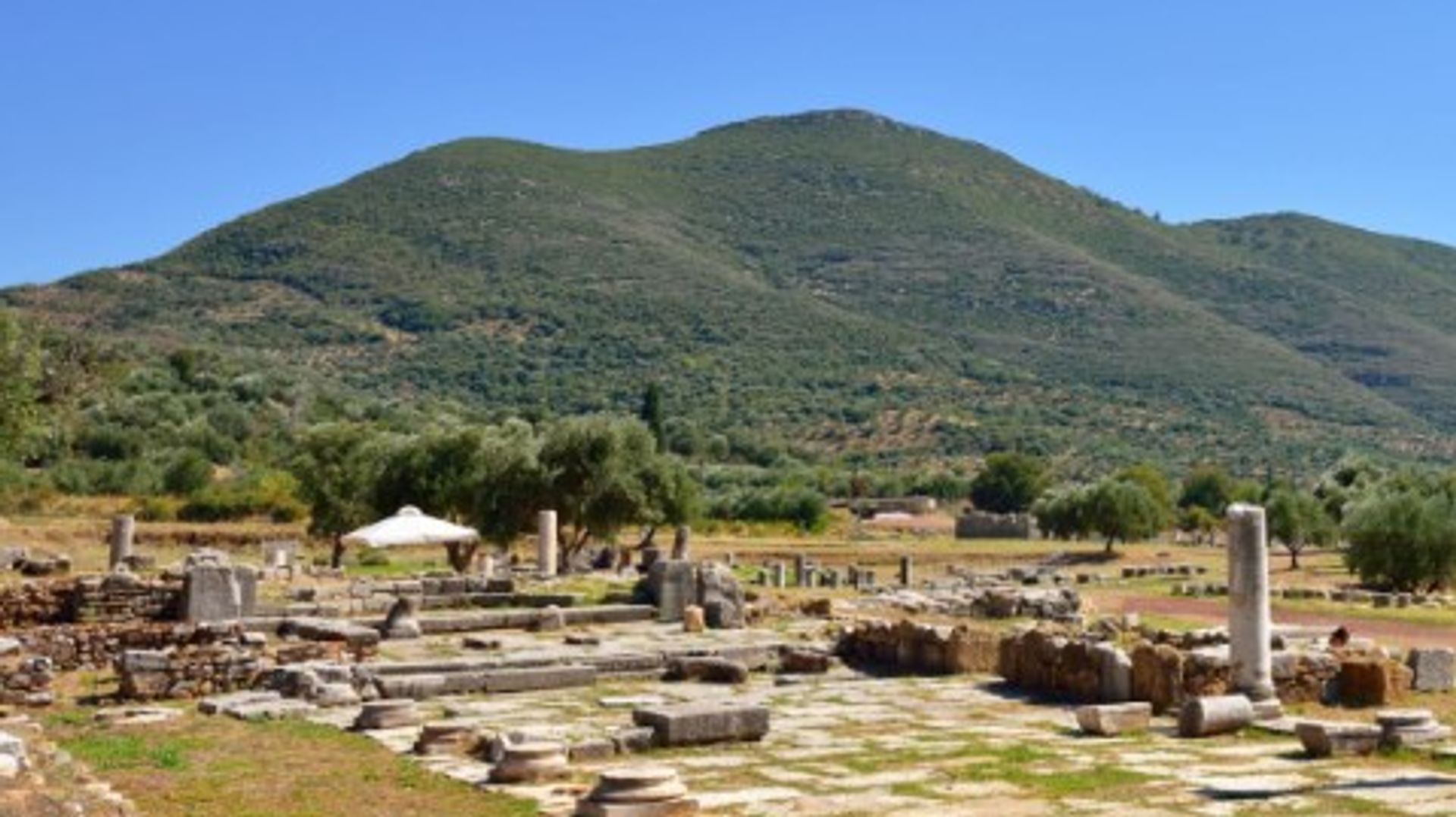
Discover Ancient Messini, one of Greece's most spectacular yet underrated archaeological sites. This remarkably preserved classical city in the Peloponnese offers stunning ruins, dramatic mountain views, and an authentic glimpse into ancient Greek life.
Hidden in the shadow of Mount Ithome in the Peloponnese lies one of Greece's most extraordinary archaeological treasures. Ancient Messini stands as a testament to classical Greek civilization, yet it remains blissfully free from the crowds that throng to more famous sites.
This sprawling ancient city offers something truly special: the chance to walk through remarkably intact ruins while experiencing the authentic atmosphere of archaeological discovery. Unlike heavily restored sites, Ancient Messini preserves its raw beauty and historical authenticity in ways that will leave you breathless.
Why Ancient Messini Deserves Your Attention
While most travelers rush between Athens and the islands, those who venture to Ancient Messini discover one of Greece's hidden gems. The site rivals Epidaurus in preservation quality but receives a fraction of the visitors.
The city's unique history sets it apart from other classical sites. Founded in 369 BCE after the Spartans' defeat at Leuctra, Messini represented freedom for the Messenian people after centuries of brutal Spartan rule.
Quick Facts About Ancient Messini
Essential Information:
- Location: Near modern Messini village, 25km northwest of Kalamata
- Founded: 369 BCE by Theban general Epaminondas
- Area: Approximately 9 square kilometers
- UNESCO Status: On the tentative World Heritage list
- Best Time: Early morning or late afternoon for optimal lighting
- Average Visit: 2-3 hours minimum
- Entrance Fee: €8 (€4 reduced), free on certain days
- Facilities: Museum, café, restrooms, shaded areas
The Remarkable History of Messini
The story of Ancient Messini begins with liberation and hope. After enduring centuries of subjugation under Spartan rule, the Messenian people finally gained their freedom in the 4th century BCE.
Epaminondas, the brilliant Theban general who defeated Sparta at Leuctra, helped establish this new city as a powerful counterweight to Spartan influence. The Messenians built their capital with unprecedented ambition, creating defensive walls that stretched for 9 kilometers around Mount Ithome.
Key Historical Periods:
- Classical Era (369-146 BCE): City foundation and golden age of prosperity
- Roman Period (146 BCE-395 CE): Continued importance as regional center
- Byzantine Era (395-1204 CE): Gradual decline and partial abandonment
- Modern Rediscovery (1895-present): Systematic excavation and restoration
The city flourished for over 700 years, maintaining its importance through the Roman period. Unlike many ancient sites destroyed by conquest, Messini simply faded away as populations shifted, leaving its monuments remarkably intact.
What Makes Ancient Messini Extraordinary
The preservation quality at Ancient Messini astounds even seasoned archaeologists. Walking through the site feels like stepping back 2,300 years, with structures standing to their original heights.
The city's remote location actually worked in its favor. While other sites were plundered for building materials over centuries, Messini's monuments remained largely untouched beneath protective soil.
Outstanding Features:
- Fortification Walls: Among the best-preserved in Greece, stretching 9km with towers and gates
- Asklepieion: Massive healing sanctuary rivaling the famous Asclepieion of Epidaurus
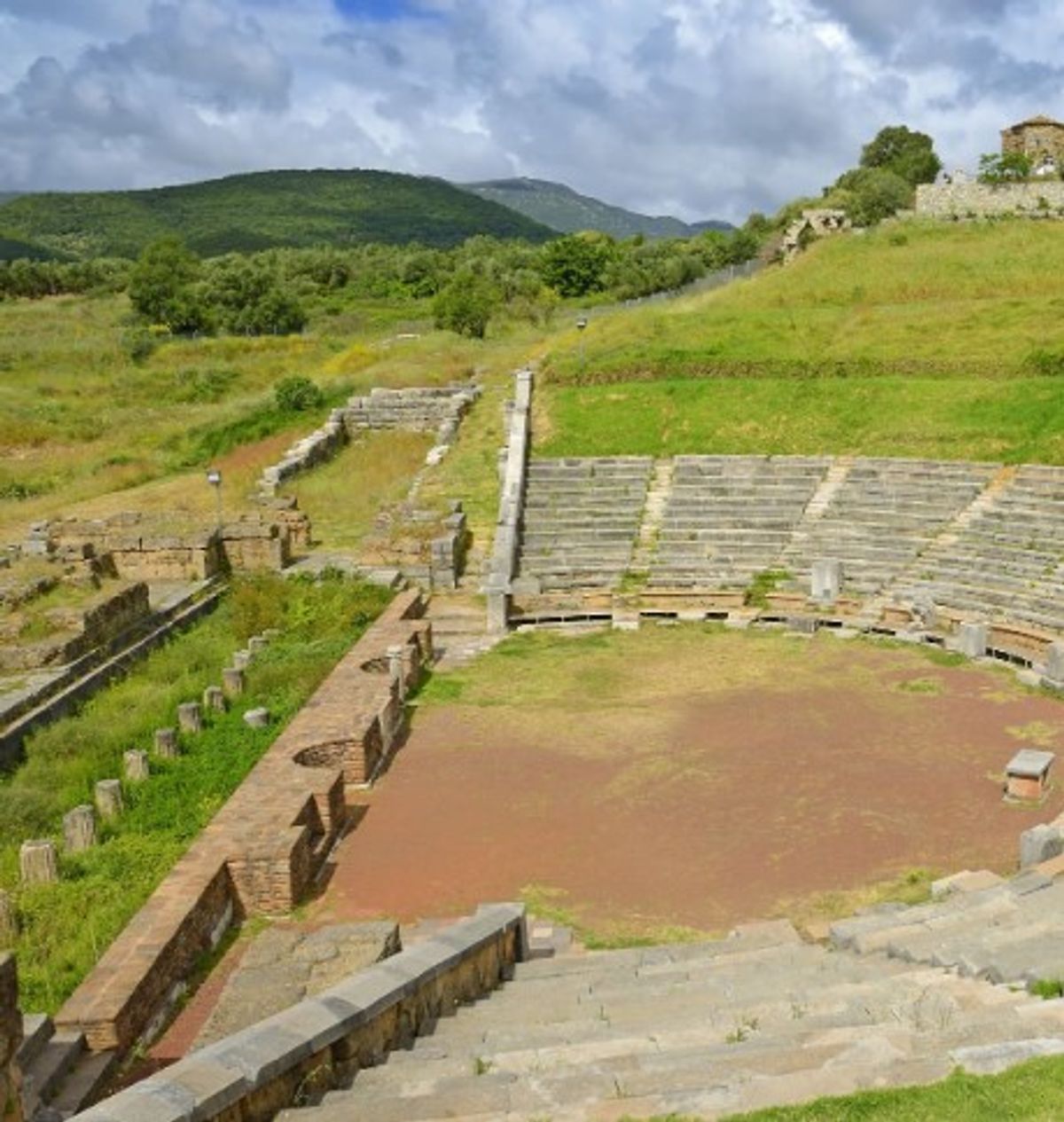
- Stadium: 191-meter track with intact starting blocks and seating areas
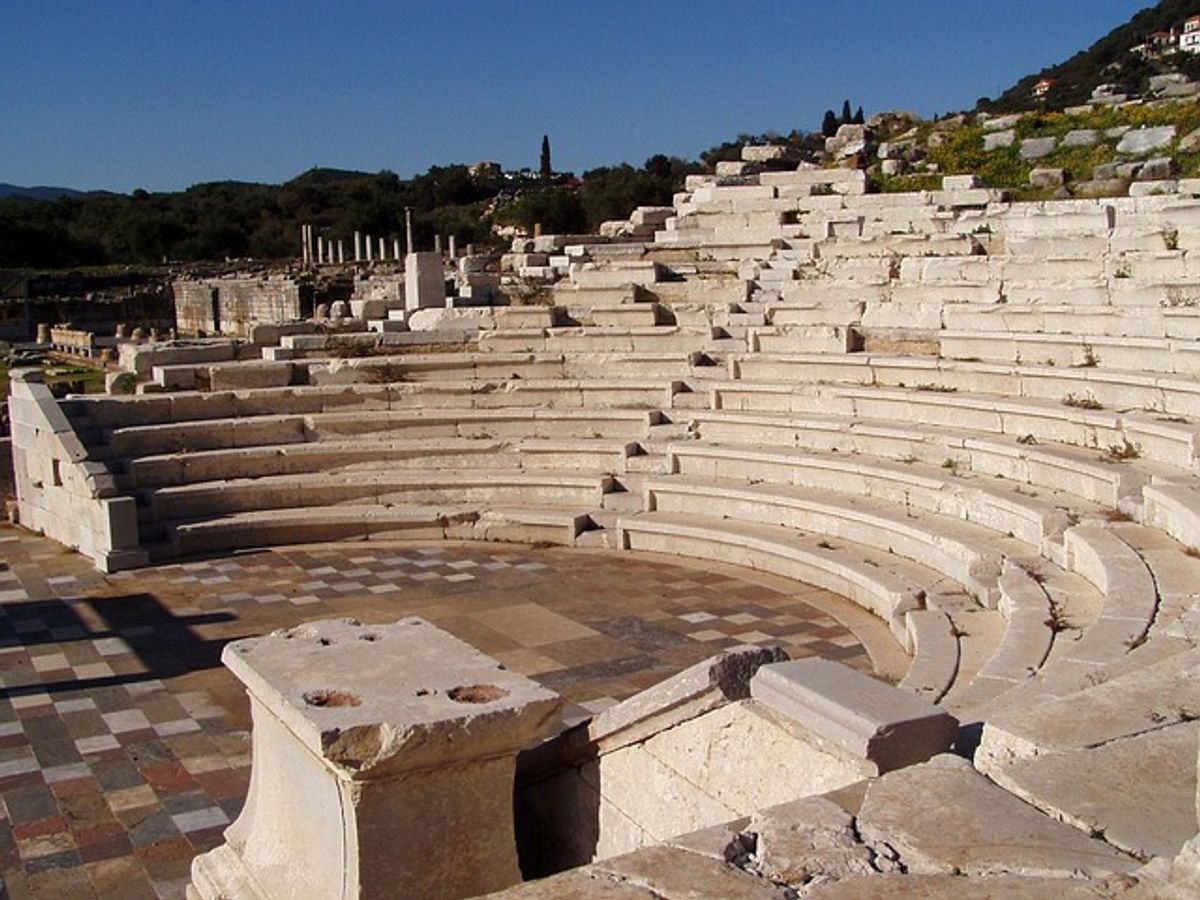
- Theater: Well-preserved 10,000-seat venue with stunning mountain backdrop
- Agora: Expansive marketplace surrounded by colonnaded stoas
- Fountain House: Elaborate water distribution system with multiple chambers
The Magnificent Asklepieion Complex
The healing sanctuary of Asklepios dominates the archaeological site with its impressive scale. This wasn't merely a temple but a complete medical complex where ancient Greeks sought physical and spiritual healing.
The sanctuary's layout reveals sophisticated understanding of therapeutic environments. Colonnaded courtyards provided shaded walking areas, while the temple itself housed the cult statue where pilgrims offered prayers and sacrifices.
Asklepieion Highlights:
- Temple of Asklepios: Central shrine with ornate Corinthian columns
- Ecclesiasterion: Assembly hall seating 800 people for civic gatherings
- Stoas: Covered walkways where patients rested and received treatments
- Altar Complex: Sacrificial area with underground chambers
- Priest Quarters: Residential areas for sanctuary staff
The integration of religious ritual with medical practice characterized ancient Greek healing. Patients underwent purification rituals, made offerings, and slept in special chambers hoping for divine dreams that would guide their treatment.
The Impressive Stadium and Theater
Messini's athletic facilities showcase the importance of physical culture in ancient Greek society. The stadium stretches 191 meters, perfectly proportioned for ancient footraces and competitions.
Stone starting blocks remain in place, their grooves still visible where athletes positioned their feet. The stadium could accommodate thousands of spectators who gathered for athletic festivals honoring the gods.
Athletic Complex Features:
- Starting Line: Original stone blocks with toe grooves for runners
- Track Surface: Compacted earth racing surface, 191m long
- Seating Banks: Earth embankments on both sides for spectators
- Judges' Stand: Stone platform for officials overseeing competitions
- Training Areas: Adjacent palaestra for wrestling and exercise
The theater sits magnificently against the mountainside, its semicircular cavea carved into the natural slope. Though smaller than the renowned Ancient Theater of Epidaurus, Messini's theater offers equally impressive acoustics and dramatic views.
The Ancient Agora: Heart of City Life
The marketplace complex reveals how ancient Greeks organized their civic spaces. Massive stoas (covered colonnades) surrounded the central plaza, creating shaded areas for commerce, politics, and social interaction.
Archaeologists have identified shops, administrative buildings, and public monuments throughout the agora. The scale demonstrates Messini's prosperity and ambition as a newly independent city-state.
Agora Complex Elements:
- North Stoa: 160-meter colonnade with shops and offices
- South Stoa: Mirror colonnade creating enclosed marketplace
- Doric Portico: Monumental entrance with preserved columns
- Heroon: Shrine honoring city founders and heroes
- Fountains: Public water sources for residents and merchants
- Statue Bases: Platforms that once held bronze monuments
The agora wasn't just commercial space but the democratic heart of the city. Citizens gathered here to debate policy, hear proclamations, and participate in civic festivals that defined Greek political life.
The Fortification Walls and Gates
Messini's defensive walls rank among the finest surviving examples of ancient Greek military architecture. Stretching 9 kilometers around Mount Ithome, these fortifications protected the city while making a powerful statement of Messenian independence.
The walls incorporate sophisticated defensive features including towers, gates, and sally ports. Construction quality remains so impressive that many sections stand to their original height of 9 meters.
Fortification Highlights:
- Arcadian Gate: Best-preserved entrance with double gates and circular courtyard
- Wall Circuit: 9km perimeter incorporating natural terrain features
- Towers: Square and circular defensive positions at strategic points
- Construction: Massive limestone blocks fitted without mortar
- Height: Originally 9 meters tall with crenellated battlements
- Thickness: 2.5-3 meters wide, allowing soldiers to patrol the top
The Arcadian Gate particularly impresses visitors with its ingenious defensive design. Attackers had to pass through two gates while defenders could rain missiles from surrounding walls and towers.
The Archaeological Museum
The on-site museum houses extraordinary finds from ongoing excavations. Modern displays present artifacts in context, helping visitors understand daily life in ancient Messini.
Statuary, inscriptions, and everyday objects tell stories of the people who lived here. The museum's collection continues growing as archaeologists uncover new treasures each excavation season.
Museum Collection Highlights:
- Sculptures: Marble statues of gods, heroes, and prominent citizens
- Inscriptions: Stone tablets recording laws, dedications, and honors
- Pottery: Ceramic vessels from everyday cookware to fine painted ware
- Coins: Bronze and silver currency showing Messini's economic importance
- Jewelry: Gold and bronze ornaments revealing artistic sophistication
- Tools: Bronze implements used in agriculture, crafts, and construction
Planning Your Visit to Ancient Messini
Proper planning ensures you experience this magnificent site to its fullest. The sprawling nature of the ruins requires comfortable walking shoes and adequate time.
Most visitors combine Ancient Messini with other Peloponnese attractions, creating rich itineraries through this historically dense region. The site works perfectly with visits to nearby Kalamata or journeys to Monemvasia.
Practical Visit Information:
Opening Hours:
- April-October: Daily 8:00 AM - 8:00 PM
- November-March: Daily 8:00 AM - 3:00 PM
- Closed: January 1, March 25, May 1, Easter Sunday, December 25-26
Admission Prices:
- Full Ticket: €8 (includes museum)
- Reduced Ticket: €4 (students, seniors over 65)
- Free Entry: Children under 18, EU students, disabled visitors
- Free Days: March 6, April 18, May 18, last weekend of September, October 28, first Sunday November-March
Getting There:
- From Kalamata: 25km northwest, 30-minute drive via provincial road
- From Athens: 260km, 3-hour drive via Corinth and Tripoli
- From Nafplio: 130km, 2-hour drive through scenic Arcadia
- Public Transport: Limited bus service from Kalamata to Messini village
- Organized Tours: Most convenient option from major Peloponnese cities
Essential Travel Tips for Ancient Messini
Maximizing your experience requires understanding the site's unique characteristics. These insider tips come from years of guiding visitors through this magnificent archaeological wonder.
The site's size and exposure mean preparation matters significantly. Unlike compact archaeological sites, Ancient Messini demands physical stamina and proper planning.
Before You Go:
- Wear Sturdy Shoes: Uneven ancient paving and rocky paths require good footwear
- Bring Sun Protection: Limited shade except in museum and café areas
- Pack Water: Stay hydrated, especially during summer months
- Allow Adequate Time: Minimum 2-3 hours to see main highlights
- Download Maps: Cell service can be spotty in this rural area
- Charge Camera: You'll want to capture the spectacular ruins and views
During Your Visit:
- Start Early: Arrive at opening to avoid heat and enjoy morning light
- Visit Museum First: Context helps you appreciate the ruins more fully
- Follow Marked Paths: Protects both you and the archaeological remains
- Bring Binoculars: Appreciate architectural details and distant fortifications
- Take Breaks: Use shaded areas and café to pace yourself
- Hire a Guide: Local experts reveal stories invisible to casual observers
Photography Tips:
- Golden Hour: Late afternoon light dramatically illuminates the ruins
- Mountain Backdrop: Position shots to include Mount Ithome
- Architectural Details: Focus on column capitals and decorative elements
- Wide Angles: Capture the impressive scale of monuments
- Human Scale: Include people to show monument proportions
Combining Ancient Messini with Other Attractions
The Peloponnese's rich archaeological heritage allows creating unforgettable multi-day itineraries. Ancient Messini pairs beautifully with numerous nearby attractions, from Greek monasteries to coastal villages.
Consider spending several days exploring this historically rich region. The diversity of experiences available within a few hours' drive makes the Peloponnese ideal for cultural tourism.
Nearby Archaeological Sites:
- Ancient Olympia: 90km north, birthplace of the Olympic Games (2-hour drive)
- Temple of Apollo Epicurius: 60km northeast, UNESCO World Heritage site
- Ancient Sparta: 50km east, rival city with interesting museum
- Mystras: 60km east, spectacular Byzantine fortress city
- Pylos: 50km southwest, Mycenaean palace and beautiful bay
Natural and Cultural Attractions:
- Kalamata: Modern city famous for olives, beaches, and vibrant culture
- Mani Peninsula: Dramatic tower villages and rugged coastal scenery
- Polylimnio Waterfalls: Stunning natural pools for swimming
- Mount Taygetos: Hiking trails with spectacular Peloponnese views
- Traditional Villages: Authentic mountain communities preserving old ways
Where to Stay Near Ancient Messini
Accommodation options range from simple village rooms to luxury resorts. Your choice depends on whether you prioritize proximity to the site or access to coastal amenities.
Staying in Messini village puts you closest to the ruins but offers limited dining and entertainment. Kalamata provides full resort amenities with easy day-trip access to the archaeological site.
Accommodation Options:
In Messini Village:
- Advantages: Walking distance to ruins, authentic village atmosphere, budget-friendly
- Disadvantages: Limited restaurants, minimal nightlife, basic amenities
- Best For: Archaeological enthusiasts, budget travelers, those seeking authenticity
In Kalamata:
- Advantages: Full range of hotels, excellent restaurants, beach access, vibrant nightlife
- Disadvantages: 30-minute drive to Ancient Messini, more crowded
- Best For: Families, comfort-seekers, those combining culture with beach time
Other Options:
- Mavromati: Tiny village with spectacular views, limited but charming options
- Petalidi: Coastal village 20km south, combining beach and archaeology
- Koroni: Beautiful Venetian castle town 40km southwest
Dining and Local Cuisine
The Messinia region produces some of Greece's finest agricultural products. Olive oil, especially, reaches legendary quality in this sun-drenched corner of the Peloponnese.
Traditional tavernas near the site serve authentic local dishes using ingredients from surrounding farms. This is Greece as it should be tasted: simple, fresh, and bursting with flavor.
Must-Try Local Specialties:
- Kalamata Olives: World-famous dark olives grown throughout the region
- Local Olive Oil: Award-winning extra virgin oils from ancient groves
- Pasteli: Traditional sesame and honey bars, ancient Greek energy food
- Syglino: Smoked pork preserved in olive oil and orange peel
- Diples: Crispy fried pastries with honey and walnuts
- Regional Wine: Increasingly excellent wines from local vineyards
Recommended Restaurants:
- Ithomi Restaurant (Mavromati): Spectacular views, traditional dishes, near site entrance
- To Klimataria (Messini): Family taverna serving authentic home cooking
- Kalamata Waterfront: Numerous excellent seafood restaurants along the harbor
Best Times to Visit Ancient Messini
Timing significantly impacts your experience at this exposed archaeological site. Seasonal considerations extend beyond weather to include crowds, opening hours, and surrounding landscape.
The weather in Greece varies considerably by season, with each period offering distinct advantages and challenges for archaeological tourism.
Seasonal Breakdown:
Spring (April-May):
- Pros: Wildflowers bloom, perfect temperatures, extended hours, lush landscape
- Cons: Occasional rain showers, Easter crowds
- Ideal For: Photographers, hikers, nature lovers
Summer (June-August):
- Pros: Longest opening hours, guaranteed sunshine, vibrant local festivals
- Cons: Intense heat, highest visitor numbers, dry landscape
- Ideal For: Beach combinations, evening visits, those tolerating heat
Fall (September-October):
- Pros: Comfortable temperatures, harvest season, fewer crowds, golden light
- Cons: Shorter hours after October, occasional rain
- Ideal For: Photography, comfortable exploration, food tourism
Winter (November-March):
- Pros: Virtually no crowds, dramatic weather, reduced hours mean lower prices
- Cons: Short opening hours, potential rain, some facilities closed
- Ideal For: Serious archaeology enthusiasts, budget travelers, solitude seekers
Understanding Greek Archaeological Sites
Ancient Messini exemplifies the classical Greek city-state in ways few other sites can match. Understanding the typical layout helps you appreciate what you're seeing and how ancient Greeks organized their urban spaces.
The integration of religious, civic, and athletic facilities reflects Greek values emphasizing balanced development of mind, body, and spirit. This holistic approach to city planning influenced Western urbanism for millennia.
Typical Greek City Elements:
- Acropolis: Fortified high point with temples and defensive walls
- Agora: Central marketplace and civic gathering space
- Theater: Performance venue for drama and civic assemblies
- Stadium: Athletic facility for games and competitions
- Gymnasium: Training complex for physical and intellectual education
- Sanctuaries: Religious complexes dedicated to specific deities
- Residential Areas: Housing districts organized by neighborhoods
Messini preserves all these elements in remarkable condition, making it an ideal site for understanding classical Greek urbanism. The city's relatively late foundation meant planners could incorporate the most advanced architectural and urban design concepts.
Conservation and Ongoing Research
Archaeological work continues year-round at Ancient Messini, with new discoveries regularly making headlines. The site represents a living laboratory where researchers constantly refine our understanding of classical Greek civilization.
The Greek Archaeological Service, in partnership with international institutions, conducts systematic excavation and conservation. Modern techniques including ground-penetrating radar reveal buried structures without excavation.
Recent Discoveries:
- Elaborate Mosaics: Geometric and figural floor decorations in residential areas
- Bronze Statues: Rare metal sculptures preserved in sanctuary deposits
- Inscriptions: Stone texts revealing political, economic, and social details
- Water Systems: Sophisticated hydraulic engineering for fountains and baths
- Industrial Areas: Workshops for pottery, metalworking, and textile production
Visitors sometimes witness archaeologists at work during excavation seasons. This adds exciting immediacy to your visit, connecting you to the ongoing process of historical discovery.
Exploring the Surrounding Region
The Messinia region offers extraordinary diversity beyond Ancient Messini. Dramatic coastlines, mountain villages, and additional archaeological sites create opportunities for extended exploration.
This corner of the Peloponnese remains authentically Greek, less developed than northern regions but equally rich in attractions. Taking time to explore rewards you with unforgettable experiences and genuine cultural encounters.
Regional Highlights:
Coastal Attractions:
- Voidokilia Beach: Perfectly semicircular bay with golden sand
- Pylos: Venetian fortress town overlooking Navarino Bay
- Methoni Castle: Massive seaside fortress with dramatic views
- Koroni: Charming fishing village with Byzantine castle
Mountain Villages:
- Kardamyli: Beautiful stone village, gateway to Mani Peninsula
- Stoupa: Coastal village with excellent beaches and tavernas
- Arna: Traditional mountain settlement with panoramic views
Additional Sites:
- Nestor's Palace: Mycenaean palace with famous Linear B tablets
- Ancient Thouria: Lesser-known ruins with spectacular setting
- Byzantine Churches: Numerous medieval chapels with frescoes
Frequently Asked Questions
How long should I spend at Ancient Messini?
Plan for a minimum of 2-3 hours to see the main highlights, though archaeology enthusiasts could easily spend a full day exploring. The site covers a vast area, and walking between major monuments takes time. Starting with the museum (30-45 minutes) provides essential context, then allow at least 2 hours for the ruins themselves. If you want to climb to the Arcadian Gate and explore the fortification walls, add another hour. Consider bringing a picnic to enjoy in designated areas, extending your visit while soaking in the atmosphere of this remarkable place.
Is Ancient Messini suitable for children and elderly visitors?
The site presents moderate accessibility challenges due to uneven ancient paving, scattered monuments, and limited shade. Mobile children generally enjoy exploring the ruins, especially the stadium and theater where they can imagine ancient competitions. However, the large distances between monuments and lack of modern facilities may challenge very young children. Elderly visitors with good mobility can manage the main areas, but extensive walking on irregular surfaces is unavoidable. Wheelchairs face significant difficulties except in the museum and immediate entrance area. Consider visiting during cooler months and taking frequent breaks at shaded spots.
Can I visit Ancient Messini without a car?
While possible, visiting without a car proves challenging. Limited bus service connects Kalamata to Messini village, but schedules may not align well with site hours, potentially stranding you. Taxis from Kalamata cost approximately €40-50 each way. The most practical car-free option is booking an organized tour from Kalamata or other Peloponnese cities, which handles transportation, provides expert guidance, and often combines Ancient Messini with other attractions. Many visitors find organized tours offer the best value and convenience for experiencing multiple archaeological sites efficiently.
What should I bring to Ancient Messini?
Essential items include sturdy walking shoes with good ankle support, sun protection (hat, sunglasses, high-SPF sunscreen), and plenty of water—at least 1 liter per person in warm weather. Bring snacks or a picnic lunch, as on-site food options are limited to a small café. A camera or smartphone captures the spectacular ruins and mountain scenery. Binoculars help appreciate architectural details and distant fortifications. Consider bringing a guidebook or downloading information beforehand, as interpretive signage, while improving, remains limited. In summer, a small umbrella provides portable shade during exploration. Cash is essential for admission and the café, as card payment isn't always available.
How does Ancient Messini compare to other Greek archaeological sites?
Ancient Messini ranks among Greece's most impressive yet undervisited archaeological sites. In terms of preservation, it rivals or exceeds famous locations like Delphi and Olympia, with monuments standing to remarkable heights. Unlike the Acropolis or Mycenae, Messini receives relatively few visitors, allowing peaceful exploration without crowds. The site's completeness—preserving all elements of a classical Greek city—makes it particularly valuable for understanding ancient urbanism. While it may lack the name recognition of Athens or Delphi, many archaeologists and informed travelers consider Ancient Messini among Greece's absolute finest sites, offering an authentic experience increasingly rare at major tourist destinations.
Are there guided tours available at Ancient Messini?
Official guided tours aren't always available at the site itself, though the museum occasionally offers guided visits during peak season. Independent licensed guides can be hired through the museum or arranged in advance through travel agencies in Kalamata. Many visitors find the most convenient option is booking comprehensive tours from regional hubs like Nafplio or Kalamata that include Ancient Messini alongside complementary attractions. These professionally guided experiences provide historical context, point out easily missed details, and handle all logistics. Audio guides aren't currently available, making a knowledgeable guide particularly valuable for fully appreciating the site's significance and stories.
What's the best way to photograph Ancient Messini?
Photographers find Ancient Messini endlessly rewarding, with dramatic monuments set against the spectacular Mount Ithome backdrop. Late afternoon provides the most beautiful light, with golden sun illuminating the honey-colored limestone ruins. Early morning offers soft light and guaranteed solitude for composition without people. Wide-angle lenses capture the monuments' impressive scale, while telephoto lenses isolate architectural details like column capitals and decorative elements. Include Mount Ithome in backgrounds for context and drama. The stadium, theater, and Arcadian Gate offer particularly photogenic compositions. Visit during spring for wildflowers adding color to foregrounds, or after rain when ancient stones glow with moisture and dramatic clouds add atmosphere.
Can I combine Ancient Messini with beach time?
Absolutely! Messinia's coastline offers spectacular beaches within 30-45 minutes of Ancient Messini. Kalamata's city beaches provide convenient access to swimming, dining, and nightlife after your archaeological visit. For more dramatic settings, Voidokilia Beach's perfect semicircle of golden sand lies about 50km southwest, easily combined in a day trip. The charming coastal villages of Koroni and Methoni offer beaches alongside Venetian fortresses, creating perfect culture-and-relaxation combinations. Many visitors structure Peloponnese trips alternating archaeological mornings with beach afternoons, taking advantage of the region's unique combination of world-class ancient sites and beautiful Mediterranean coastline—a pairing that makes Greek travel uniquely rewarding.
Experience Ancient Messini with Expert Guides
While Ancient Messini rewards independent exploration, expert guidance transforms a good visit into an unforgettable journey. Professional guides reveal stories invisible to casual observers, bringing ancient stones to life with historical context and archaeological insights.
Local guides possess deep knowledge of ongoing discoveries, architectural details, and historical significance that guidebooks can't match. Their passion for sharing Greek heritage enhances your understanding and appreciation immeasurably.
Benefits of Guided Tours:
- Historical Context: Understanding the site's place in Greek history and politics
- Architectural Insights: Appreciating construction techniques and design principles
- Hidden Details: Discovering easily overlooked features and decorative elements
- Efficient Routing: Seeing highlights systematically without backtracking
- Current Research: Learning about ongoing excavations and recent discoveries
- Photography Tips: Finding the best angles and compositions
- Local Knowledge: Recommendations for dining, accommodation, and additional attractions
Start Your Peloponnese Adventure
Ancient Messini represents just one jewel in the Peloponnese's crown of archaeological treasures. This historically rich region rewards extended exploration, with world-class sites, dramatic landscapes, and authentic Greek culture at every turn.
Whether you're passionate about ancient history, seeking authentic cultural experiences, or simply wanting to explore beyond Greece's typical tourist trail, the Peloponnese delivers unforgettable memories. Ancient Messini stands ready to amaze you with its beauty, scale, and remarkable preservation.
The time to experience this magnificent site is now, before word spreads and crowds discover what archaeologists and informed travelers already know: Ancient Messini ranks among Greece's absolute finest archaeological treasures, offering an authenticity and grandeur that few sites can match.
Ready to explore Ancient Messini and the wonders of the Peloponnese? [Discover our carefully crafted tours](https://www.uniquegreektours.com/tours/nafplio/nafplio-sparta-mystras-tour) combining the region's greatest archaeological sites with local expertise and authentic experiences.