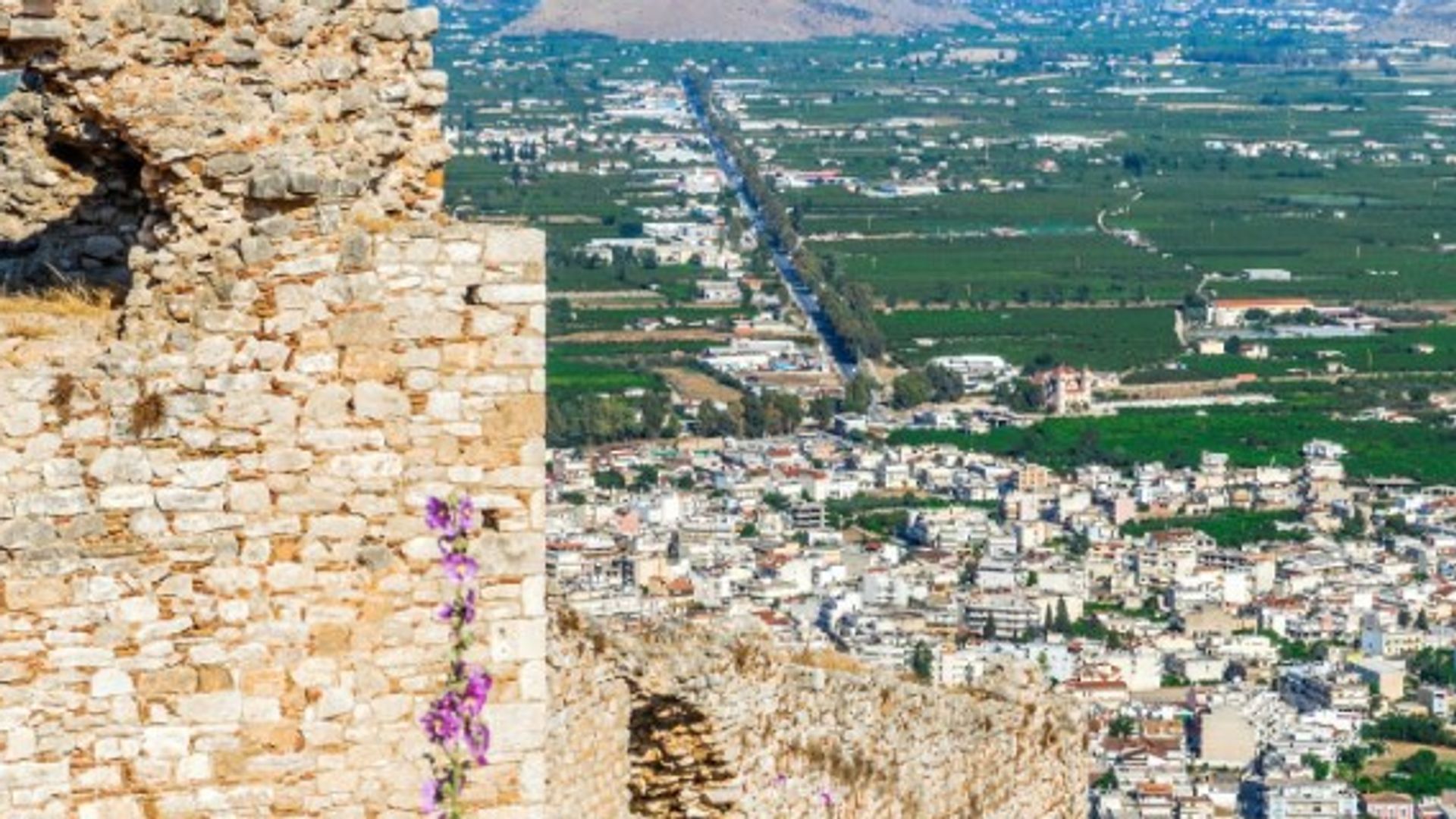
Discover Argos, one of Greece's oldest continuously inhabited cities, where ancient theaters meet vibrant modern life. Explore archaeological treasures, Byzantine castles, and authentic Peloponnesian culture in this historic gem.
Nestled in the fertile Argolid plain, Argos stands as a testament to over 7,000 years of continuous human habitation, making it one of the oldest cities in Europe. While nearby Mycenae and Epidaurus often steal the spotlight, this vibrant city offers an authentic glimpse into Greek life where ancient ruins seamlessly blend with bustling markets and modern cafes.
Unlike the tourist-packed streets of more famous archaeological sites, Argos rewards curious travelers with uncrowded monuments, genuine local interactions, and a sense of discovery that's increasingly rare in Greece. The city's strategic location in the Peloponnese makes it an ideal base for exploring the region's rich tapestry of historical sites.
Quick Facts About Argos
Essential Information:
- Population: Approximately 22,000 residents
- Distance from Athens: 140 kilometers (87 miles)
- Distance from Nafplio: 12 kilometers (7.5 miles)
- Best Time to Visit: April-June and September-October
- Average Visit Duration: Half-day to full day
- Elevation: 42 meters above sea level
- Historical Significance: Continuously inhabited for 7,000+ years
The Rich History of Argos
Argos claims the title of Greece's longest continuously inhabited city, with archaeological evidence dating back to the Neolithic period. The city reached its zenith during the Classical period when it rivaled Sparta as a major power in the Peloponnese.
According to Greek mythology, the city was named after Argos Panoptes, the hundred-eyed giant who served the goddess Hera. This mythological connection reflects the city's ancient importance in Greek culture and religion, particularly its devotion to Hera whose major sanctuary stood nearby.
During the Bronze Age, Argos flourished as a Mycenaean center, though it remained in the shadow of its more powerful neighbor, Mycenae. The city's true golden age came after the fall of Mycenae, when Argos emerged as a dominant force in the 7th century BCE under King Pheidon.
The Romans, Byzantines, Franks, Venetians, and Ottomans all left their mark on Argos, creating the layered historical landscape visible today. This succession of civilizations transformed the city into a living museum where every era contributes to its unique character.
Top Archaeological Sites in Argos
The Ancient Theater
The Ancient Theater of Argos ranks among the largest in Greece, originally accommodating up to 20,000 spectators during its heyday. Carved into the hillside of the Larissa acropolis, this impressive structure dates to the 4th century BCE and rivals even the famous theater at Epidaurus in size.
Today, visitors can climb the stone seats and imagine the dramatic performances that once captivated ancient audiences. The theater's remarkable preservation allows you to appreciate the sophisticated acoustic engineering and architectural prowess of ancient Greek builders.
Theater Highlights:
- Capacity: 20,000 spectators (larger than Epidaurus)
- Construction Period: 4th century BCE
- Architectural Style: Classical Greek
- Current Condition: Partially restored
- Admission: Free access
- Best Photo Time: Morning light
Larissa Castle
Perched dramatically above the city, Larissa Castle crowns the acropolis where Argos' ancient citadel once stood. The current fortifications primarily date from the Byzantine, Frankish, and Venetian periods, though the strategic hilltop has been fortified since prehistoric times.
The steep climb to the castle rewards visitors with breathtaking panoramic views across the Argolid plain to the sea. On clear days, you can see Nafplio, Mycenae, and the surrounding mountains that frame this historically rich region.
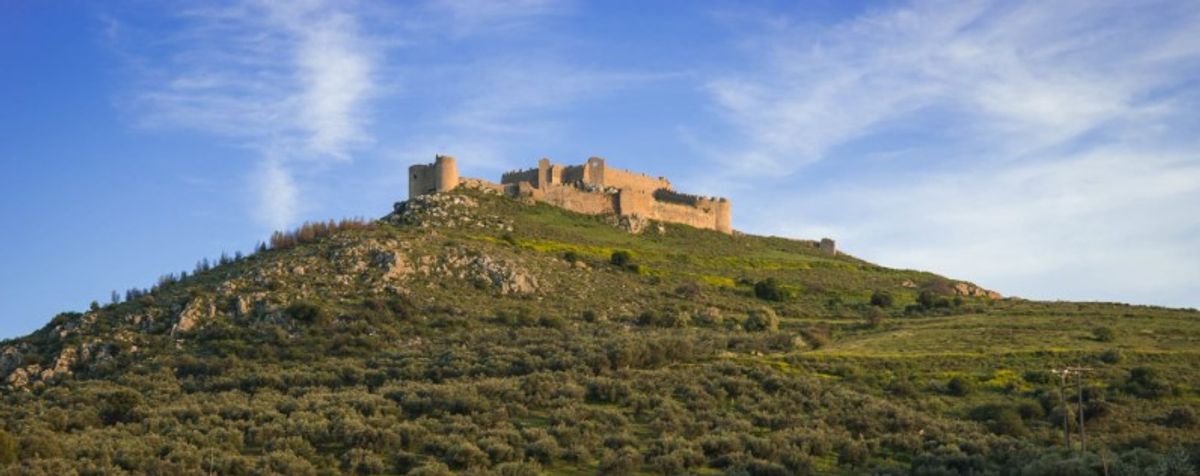
Castle Features:
- Summit Elevation: 289 meters
- Historical Layers: Ancient Greek, Byzantine, Frankish, Venetian
- Climb Duration: 20-30 minutes from city center
- Views: 360-degree panorama of Argolid plain
- Condition: Ruins with intact walls and towers
- Best Visit Time: Late afternoon for sunset
The Roman Odeon and Baths
The Roman period left significant architectural contributions in Argos, including a well-preserved odeon and elaborate bath complex. These structures showcase the city's continued importance during Roman rule and the sophisticated urban amenities enjoyed by its citizens.
The odeon, a smaller roofed theater used for musical performances and civic gatherings, demonstrates the refined cultural life of Roman Argos. Adjacent bath complexes reveal the Roman emphasis on public hygiene and social interaction.
Archaeological Museum of Argos
Housed in a neoclassical mansion, the Archaeological Museum of Argos presents artifacts spanning the city's remarkable timeline. The collection includes pottery, sculptures, weapons, and everyday objects that illuminate life in ancient Argos.
Museum Highlights:
- Bronze Age artifacts: Mycenaean pottery and tools
- Classical sculptures: Including the famous Argive school works
- Roman mosaics: Intricate floor decorations
- Armor and weapons: Military equipment through the ages
- Jewelry and coins: Personal adornments and currency
- Opening Hours: Tuesday-Sunday, 8:30 AM - 3:30 PM
Exploring Modern Argos
Agios Petros Square
The heart of modern Argos beats in Agios Petros Square, where locals gather for coffee, shopping, and socializing. This vibrant plaza perfectly captures contemporary Greek life, with its cafes, shops, and weekly markets creating a lively atmosphere.
The imposing Church of Agios Petros dominates the square, its architecture blending Byzantine and modern elements. The surrounding pedestrian streets invite leisurely exploration, revealing hidden gems like traditional bakeries and artisan workshops.
The Wednesday Street Market
Every Wednesday, Argos transforms into one of the Peloponnese's largest open-air markets, drawing vendors and shoppers from across the region. This authentic experience offers everything from fresh produce and local cheeses to clothing and household goods.
Arriving early ensures the best selection and allows you to witness the market's energetic setup. The sensory experience of colorful displays, aromatic foods, and animated haggling provides genuine insight into Greek daily life.
Market Tips:
- Timing: Arrive between 8:00 AM - 10:00 AM for best selection
- Cash: Bring euros as most vendors don't accept cards
- Bags: Carry reusable shopping bags
- Bargaining: Polite negotiation is acceptable for clothing and goods
- Parking: Arrive early or use peripheral parking areas
- Local Products: Look for Argolid honey, olives, and citrus fruits
Day Trips from Argos
Argos' central location makes it an excellent base for exploring the Argolid region's archaeological treasures. The proximity to major sites allows you to experience multiple ancient wonders in a single day.
The famous Mycenae archaeological site lies just 15 minutes away, offering a journey into Bronze Age civilization. The legendary Lion Gate and royal tombs provide a fascinating counterpoint to Argos' Classical-era monuments.
Nearby Attractions:
- Nafplio: 12 km - Venetian fortress town and former capital
- Mycenae: 15 km - Bronze Age palace and royal tombs
- Epidaurus: 30 km - Ancient theater and healing sanctuary
- Tiryns: 8 km - Cyclopean walls and Mycenaean palace
- Nemea: 30 km - Ancient stadium and wine region
- Corinth: 45 km - Ancient city and Byzantine fortress
The Epidaurus Festival during summer months offers the unique opportunity to watch ancient Greek drama performed in its original setting. This cultural experience connects modern audiences with theatrical traditions spanning millennia.
Consider booking a comprehensive cultural tour to maximize your exploration of Argos and its surrounding archaeological wonders with expert guidance.
Where to Eat in Argos
Argos offers authentic Greek dining experiences without the tourist-inflated prices found in more famous destinations. The city's restaurants serve traditional Peloponnesian cuisine using fresh local ingredients from the surrounding agricultural region.
Family-run tavernas around Agios Petros Square provide the most genuine culinary experiences, where recipes have been passed down through generations. Don't hesitate to ask locals for recommendations—Argives take pride in their food culture and love sharing their favorite spots.
Local Specialties to Try:
- Giouvetsi: Beef or lamb baked with orzo pasta
- Pastitsio: Greek lasagna with béchamel sauce
- Fresh horta: Wild greens gathered from nearby mountains
- Argolid citrus fruits: Oranges and mandarins from local groves
- Local wines: Nemea Agiorgitiko from nearby vineyards
- Galaktoboureko: Custard pie with phyllo pastry
For those interested in the broader culinary landscape, exploring Greek restaurants in Nafplio provides additional dining options within easy reach.
Practical Travel Tips for Visiting Argos
Getting There:
- By Car: 90 minutes from Athens via E65/A7 highway
- By Bus: Regular KTEL services from Athens (2.5 hours)
- By Train: Limited service; bus is more practical
- From Nafplio: 15 minutes by car or local bus
- Airport Transfer: Athens International Airport is closest hub
- Parking: Free street parking available throughout city
Best Times to Visit:
- Spring (April-June): Mild weather and wildflowers
- Fall (September-October): Comfortable temperatures, harvest season
- Winter: Fewer tourists but cooler weather
- Summer: Hot temperatures; visit archaeological sites early morning
- Wednesday: Market day adds extra vibrancy
- Avoid: Mid-August when many local businesses close
What to Bring:
- Comfortable walking shoes: Essential for ancient sites and castle climb
- Sun protection: Hat, sunscreen, and sunglasses
- Water bottle: Stay hydrated, especially in summer
- Camera: Capture stunning views from Larissa Castle
- Cash: For market shopping and small tavernas
- Light layers: Temperatures vary between city and hilltop sites
Accommodation Options
While most visitors base themselves in nearby Nafplio, Argos offers several accommodation options for those seeking a more local experience. Staying in Argos provides authentic immersion in Greek daily life away from tourist crowds.
The city's hotels and guesthouses typically offer better value than their Nafplio counterparts while maintaining easy access to regional attractions. Budget-conscious travelers particularly appreciate Argos' affordable yet comfortable lodging options.
Accommodation Types:
- City hotels: Modern amenities near Agios Petros Square
- Traditional guesthouses: Family-run with personal service
- Apartments: Self-catering options for longer stays
- Rural properties: Countryside locations on city outskirts
- Price Range: €40-€90 per night for most options
Understanding Argos' Cultural Significance
Argos' claim as Greece's oldest continuously inhabited city carries profound cultural weight beyond mere statistics. This unbroken chain of human presence represents an extraordinary continuity of civilization rarely found elsewhere in the world.
The city's archaeological layers tell the story of Greek history itself, from prehistoric settlements through Classical glory to Byzantine Christianity and Ottoman occupation. Each civilization built upon its predecessor's foundations, creating a palimpsest of human achievement.
In Greek mythology, Argos served as the setting for numerous legendary events, including Perseus' heroic deeds and the judgment of the golden apple. These mythological associations enriched the city's cultural prestige throughout antiquity and connected it to the broader Greek narrative.
The Argive school of sculpture, which flourished in the 5th century BCE, produced some of ancient Greece's most celebrated artists. Polykleitos, whose works defined ideal human proportions, called Argos home and contributed to the city's artistic reputation.
For travelers interested in understanding the deeper patterns of Greek architecture and urban development, Argos provides an invaluable case study. The city demonstrates how successive civilizations adapted and transformed inherited spaces to serve their needs.
Combining Argos with Regional Exploration
The Argolid region forms one of Greece's most archaeologically dense areas, with major ancient sites concentrated within a small geographic radius. Strategic planning allows you to experience multiple millennia of history in just a few days.
A typical three-day itinerary might include Argos' ancient theater and castle, Mycenae's Bronze Age palaces, the healing sanctuary at Epidaurus, and Nafplio's Venetian fortifications. This combination provides a comprehensive overview of Greek civilization from prehistory through the medieval period.
For those exploring beyond the Argolid, the historical sites near Porto Heli offer additional archaeological experiences along the beautiful Argolic Gulf coast. The region's diversity ensures that every interest finds satisfaction.
Consider a Mycenae and Epidaurus tour that includes Argos for a comprehensive exploration of the Argolid's greatest hits with expert interpretation. Professional guides illuminate connections between sites that independent visitors might miss.
The Modern Greek Experience in Argos
Beyond its archaeological treasures, Argos offers something increasingly precious in tourist-heavy Greece: authenticity. The city functions primarily for its residents rather than visitors, providing genuine insight into contemporary Greek life.
The Wednesday market exemplifies this authenticity, where locals shop for weekly provisions and socialize with neighbors. Observing these interactions reveals the community bonds and social rhythms that define Greek culture beyond the postcard images.
Evening volta, the traditional Greek promenade, comes alive in Agios Petros Square as families and friends gather for coffee and conversation. Participating in this ritual by claiming a cafe table and watching the world pass by offers cultural immersion no guidebook can fully capture.
For visitors interested in broader Greek cultural patterns, exploring fun facts about Greece provides context for the traditions and customs you'll encounter in Argos. Understanding these cultural foundations enriches every interaction.
Photography Opportunities
Argos presents numerous photographic opportunities for capturing both ancient grandeur and contemporary Greek life. The contrast between archaeological sites and modern urban landscapes creates compelling visual narratives.
The ancient theater offers dramatic compositions, especially when photographed from the upper tiers looking down toward the stage and across the valley. Golden hour light transforms the weathered stone into warm, glowing surfaces that emphasize texture and form.
Best Photo Locations:
- Larissa Castle summit: Panoramic views at sunset
- Ancient theater: Morning light on stone seats
- Agios Petros Square: Evening volta and street life
- Wednesday market: Colorful produce and vendor portraits
- Roman odeon: Architectural details and arches
- Castle walls: Medieval fortifications against sky
- Valley views: Argolid plain from elevated positions
Seasonal Considerations
Each season brings distinct advantages and challenges for visiting Argos, affecting everything from weather conditions to crowd levels. Understanding these seasonal variations helps you choose the optimal timing for your interests.
Spring transforms the landscape with wildflowers and green vegetation, creating a picturesque backdrop for archaeological sites. The mild temperatures make climbing to Larissa Castle pleasant rather than exhausting, and the Wednesday market overflows with fresh seasonal produce.
Summer brings intense heat that can make midday exploration of exposed archaeological sites uncomfortable. However, the long daylight hours allow for early morning or evening visits when temperatures moderate and lighting conditions improve for photography.
Fall offers perhaps the ideal combination of comfortable weather, thinning crowds, and harvest-season abundance. The grape harvest in nearby Nemea adds wine-tasting opportunities to your archaeological exploration, while October's pleasant weather remains suitable for all activities.
Winter sees few tourists and occasional rain, but the city maintains its authentic rhythm and archaeological sites remain accessible. Budget travelers appreciate off-season hotel rates, though some restaurants may reduce hours or close temporarily.
Connecting with Local Culture
Argos' relative obscurity on the tourist circuit creates opportunities for meaningful interactions with locals who appreciate visitors' genuine interest in their city. Learning a few Greek phrases demonstrates respect and often opens doors to richer experiences.
The city's residents take pride in their ancient heritage while focusing primarily on contemporary life and community. Asking about local history or recommendations often leads to animated conversations and insider tips you won't find in guidebooks.
Visiting during the Wednesday market provides natural opportunities for interaction, as vendors enjoy explaining their products and sharing preparation tips. These casual exchanges offer authentic cultural connection while supporting local commerce.
Transportation Within the Region
Navigating between Argos and surrounding attractions requires planning, especially for visitors without rental cars. Understanding your transportation options ensures efficient use of your time and access to all desired sites.
Transportation Options:
- Rental Car: Maximum flexibility for multi-site visits
- KTEL Buses: Regular service to Nafplio, Athens, and major sites
- Taxis: Available but can be expensive for multiple destinations
- Organized Tours: Comprehensive coverage with expert guidance
- Bicycle: Feasible for nearby sites in good weather
- Walking: Possible within Argos city limits
The compact nature of the Argolid makes car rental particularly worthwhile, allowing spontaneous stops at lesser-known sites and viewpoints. However, organized tours eliminate navigation stress while providing historical context that enriches understanding.
Frequently Asked Questions
How long should I spend in Argos?
Most visitors allocate 3-4 hours to explore Argos' main archaeological sites, including the ancient theater, Larissa Castle climb, and a stroll through the modern city center. If visiting on Wednesday, add 1-2 hours for the market experience, and consider a lunch break at a traditional taverna to fully appreciate the local atmosphere.
Is Argos worth visiting compared to Mycenae and Epidaurus?
While Mycenae and Epidaurus offer more spectacular individual monuments, Argos provides a more authentic Greek experience with its blend of ancient sites and vibrant modern life. The city's uncrowded ruins allow for contemplative exploration, and its continuous habitation creates a unique connection between past and present that purely archaeological sites cannot match.
Can I visit Argos as a day trip from Athens?
Yes, Argos makes an excellent day trip from Athens, located approximately 90 minutes by car or 2.5 hours by bus. However, combining Argos with nearby Nafplio, Mycenae, and Epidaurus in a comprehensive day tour maximizes your time and provides a fuller picture of the Argolid region's historical significance.
What's the best way to reach Larissa Castle?
The most common approach follows a steep footpath from the city center, requiring 20-30 minutes of uphill walking on uneven terrain. Wear sturdy shoes and bring water, especially in warm weather, as the climb can be strenuous for those unaccustomed to hiking, but the panoramic views from the summit reward the effort.
Are there guided tours available in Argos?
While Argos itself has limited organized tour infrastructure compared to major tourist destinations, several tour companies based in Nafplio offer comprehensive regional tours that include Argos alongside Mycenae and Epidaurus. These guided experiences provide valuable historical context and logistical convenience, particularly for first-time visitors to the Peloponnese.
What should I buy at the Wednesday market?
The Wednesday market excels for fresh local produce including Argolid citrus fruits, olives, honey, and seasonal vegetables, as well as traditional Greek products like olive oil, herbs, and handmade textiles. Arrive early for the best selection, bring cash and reusable bags, and don't hesitate to sample before purchasing—vendors expect and encourage tasting.
Is Argos suitable for families with children?
Argos works well for families, offering less crowded archaeological sites where children can explore freely, though the Larissa Castle climb may challenge very young children. The Wednesday market provides sensory stimulation and cultural education, while the city's authentic Greek atmosphere teaches children about contemporary life beyond tourist zones, creating educational value alongside entertainment.
How does Argos compare to other ancient Greek cities?
Argos distinguishes itself through continuous habitation rather than frozen-in-time preservation, creating a living museum where ancient and modern coexist naturally. While lacking the architectural drama of Athens' Acropolis or Delphi's mountain setting, Argos offers intimate scale, authentic local culture, and the profound experience of walking streets inhabited for seven millennia—a timeline few cities worldwide can match.
Planning Your Argos Adventure
Creating an effective Argos itinerary requires balancing archaeological exploration with cultural immersion and practical considerations. The city rewards both structured planning and spontaneous discovery, allowing you to adapt based on interests and energy levels.
Begin your visit at the ancient theater, arriving early to avoid heat and enjoy optimal lighting for photography. The climb to Larissa Castle follows naturally, best attempted in morning or late afternoon when temperatures moderate and the angle of light enhances the panoramic views.
After descending, explore the modern city center around Agios Petros Square, where cafes provide perfect spots for refreshment and people-watching. If visiting on Wednesday, dedicate morning hours to the market experience before the afternoon heat intensifies.
The Archaeological Museum offers air-conditioned respite during midday heat while deepening your understanding of the sites you've explored. Reserve evening hours for dinner at a traditional taverna, where you can reflect on the day's discoveries while savoring authentic Peloponnesian cuisine.
For comprehensive regional exploration, consider extending your stay to include nearby Sparta and Mystras, creating a multi-day Peloponnese adventure that spans from Bronze Age palaces to Byzantine monasteries. The region's density of historical sites makes every day a journey through different epochs of Greek civilization.
Conclusion: The Timeless Appeal of Argos
Argos may lack the fame of Greece's marquee archaeological sites, but this obscurity constitutes much of its appeal for discerning travelers. The city offers something increasingly rare: the opportunity to experience Greek history and culture without the filters of mass tourism.
Walking through Argos means treading paths used continuously for seven thousand years, a temporal depth that staggers the imagination. The ancient theater where you sit hosted performances when Athens was just emerging as a power, while the castle above witnessed the rise and fall of empires that shaped Mediterranean history.
Yet Argos refuses to be merely a museum of the past. The Wednesday market, bustling cafes, and evening volta demonstrate that history here remains a living presence rather than a preserved artifact, creating unique resonance between ancient stones and contemporary life.
Whether you spend a few hours or several days exploring Argos and its surroundings, you'll discover a Greece that exists beyond the postcard images—authentic, complex, and profoundly connected to its extraordinary past. This connection makes Argos not just a destination but a gateway to understanding the continuity of human civilization in one of its longest-inhabited places.