Discover the most delicious Greek foods that define Mediterranean cuisine. From moussaka to souvlaki, explore authentic dishes that make Greek gastronomy a UNESCO-recognized treasure worth savoring on your next journey.
The aroma of olive oil sizzling in a pan, the tang of fresh lemon juice, and the warmth of freshly baked bread—Greek cuisine awakens all your senses before the first bite even touches your lips. This ancient culinary tradition, shaped by thousands of years of history and blessed by the Mediterranean sun, offers flavors that have captivated travelers and food lovers for generations.
Greek food isn't just about sustenance; it's a celebration of life, family, and the bounty of the land and sea. Every dish tells a story of regional traditions, seasonal ingredients, and the Greek philosophy of enjoying meals as communal experiences that nourish both body and soul.
Why Greek Cuisine Stands Apart
Greek gastronomy earned its place on UNESCO's Intangible Cultural Heritage list for good reason. The Mediterranean diet, with Greece at its heart, combines exceptional taste with remarkable health benefits that have been scientifically proven to promote longevity and wellness.
The secret lies in the quality of ingredients: sun-ripened tomatoes, hand-picked olives, wild herbs from mountain slopes, and fresh seafood pulled from crystal-clear waters. Greek cooks transform these simple components into extraordinary dishes through techniques passed down through countless generations.
Quick Facts About Greek Cuisine:
- Greece produces over 300 million kilograms of olive oil annually
- More than 100 varieties of cheese are made across Greece
- Greeks consume more cheese per capita than most nations
- Traditional Greek meals can include up to 20 different small dishes
- Feta cheese has Protected Designation of Origin status
- The average Greek meal lasts 2-3 hours
The Essential Greek Foods You Must Try
Moussaka: Greece's Signature Comfort Food
This layered masterpiece represents Greek home cooking at its finest. Moussaka combines tender slices of eggplant, perfectly seasoned ground meat, and a creamy béchamel sauce that creates a harmony of textures and flavors in every forkful.
The dish requires patience and skill, with each layer carefully prepared and assembled before slow baking transforms the ingredients into something magical. Regional variations exist throughout Greece, with some versions incorporating potatoes or zucchini alongside the traditional eggplant.
Souvlaki: Street Food Perfection
Walk through any Greek city and you'll encounter the irresistible scent of souvlaki grilling over charcoal. These skewered meat pieces—typically pork, chicken, or lamb—are marinated in olive oil, lemon, and oregano before being cooked to juicy perfection.
Served in warm pita bread with tomatoes, onions, and tzatziki sauce, souvlaki delivers an explosion of flavors that makes it Greece's most beloved fast food. The key difference between souvlaki and gyros lies in the cooking method: souvlaki uses skewered pieces while gyros features meat cooked on a vertical rotisserie.
Spanakopita: The Golden Spinach Pie
Crispy phyllo pastry shatters at the touch of your fork, revealing a savory filling of spinach, feta cheese, and fresh herbs. Spanakopita showcases the Greek mastery of phyllo dough, with paper-thin layers brushed with olive oil creating an irresistible golden crust.
This versatile dish appears at breakfast tables, lunch spreads, and dinner parties throughout Greece. The combination of iron-rich spinach and protein-packed feta makes spanakopita as nutritious as it is delicious.
Dolmades: Vine Leaves with a Surprise Inside
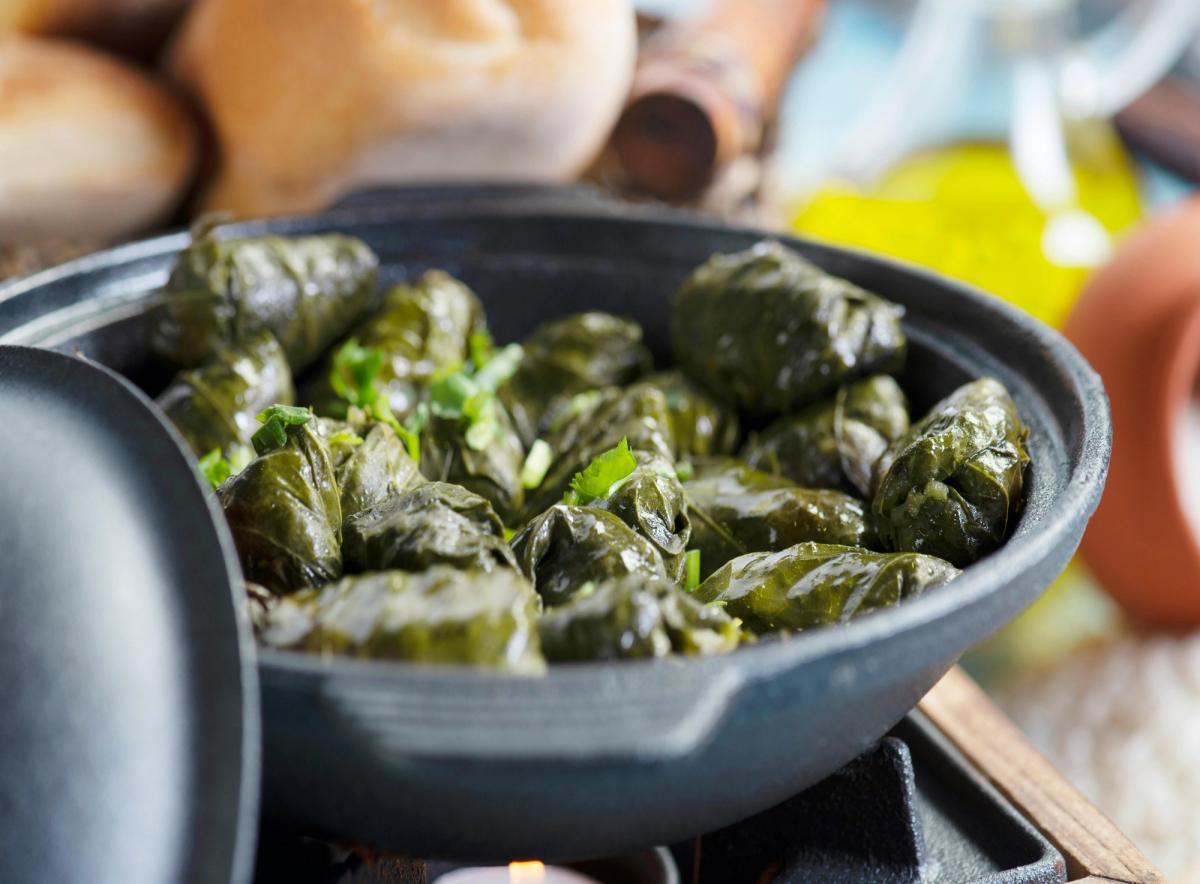
These elegant little parcels demonstrate Greek ingenuity in creating something extraordinary from humble ingredients. Tender grape leaves wrap around a filling of rice, herbs, and sometimes ground meat, creating bite-sized packages of Mediterranean flavor.
Dolmades can be served warm with egg-lemon sauce or cold as part of a mezze spread. The slight tang from the preserved vine leaves balances perfectly with the aromatic rice filling seasoned with dill, mint, and parsley.
Tzatziki: The Cooling Classic
This creamy yogurt-based sauce serves as the perfect accompaniment to almost any Greek dish. Thick Greek yogurt combines with grated cucumber, garlic, olive oil, and fresh dill to create a refreshing condiment that cools the palate and enhances flavors.
Tzatziki isn't just a sauce—it's often enjoyed as a dip with fresh bread or vegetables. The probiotics in Greek yogurt combined with the digestive benefits of cucumber make this a healthy addition to any meal.
Seafood Specialties from Greek Waters
Grilled Octopus: Tender and Smoky
Greek tavernas have perfected the art of preparing octopus, transforming this potentially tough seafood into melt-in-your-mouth tenderness. The secret involves careful tenderizing, often by beating or freezing, followed by slow simmering before finishing on the grill.
Served simply with olive oil, lemon, and oregano, grilled octopus lets the natural sweetness of the seafood shine through. The charred exterior provides a smoky contrast to the tender interior, creating textural complexity in every bite.
Saganaki: Fried Cheese Heaven
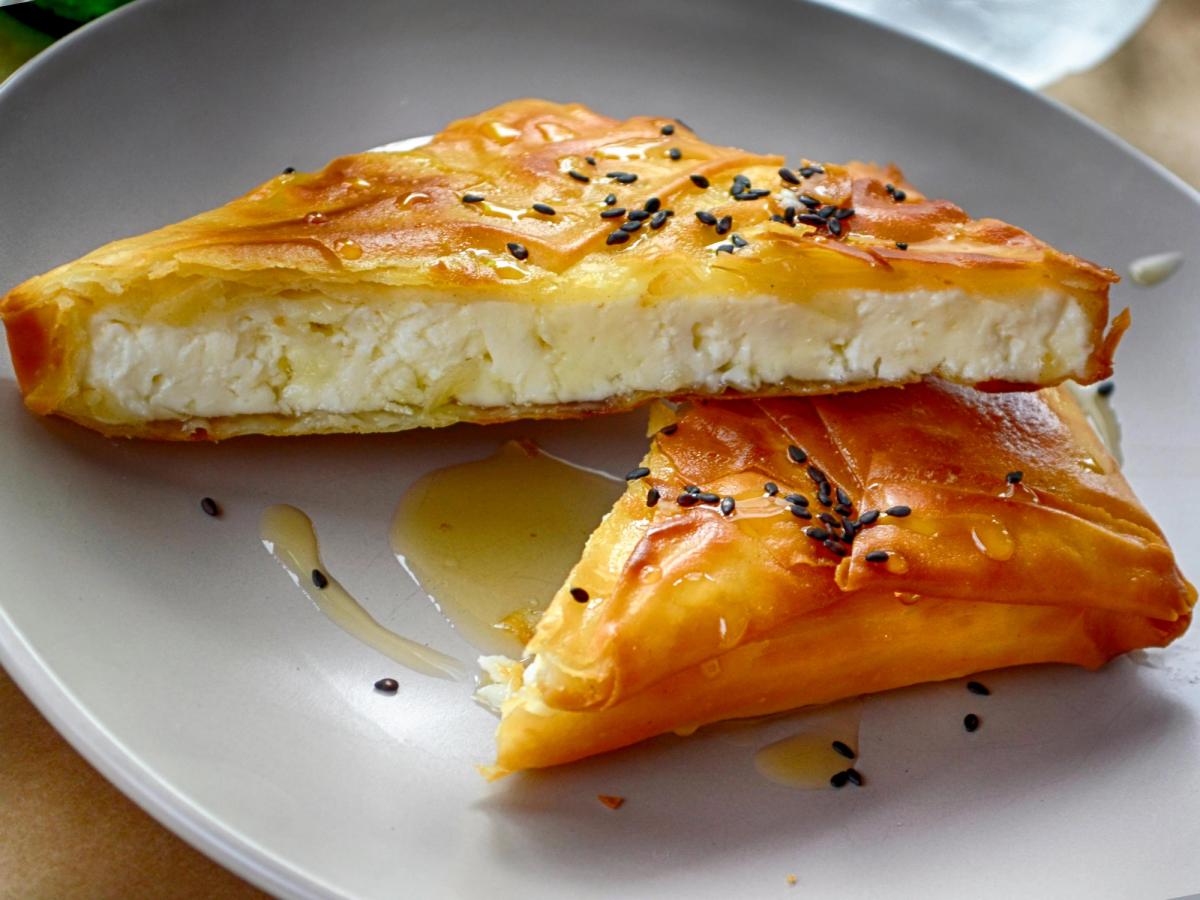
The theatrical presentation of saganaki—flaming cheese brought to your table with cries of "Opa!"—makes it a memorable experience. Various Greek cheeses, typically graviera or kefalograviera, are pan-fried until golden and crispy on the outside while remaining gooey inside.
A squeeze of lemon juice over the hot cheese adds brightness that cuts through the richness. This indulgent appetizer pairs perfectly with Greek liquor like ouzo or tsipouro.
Fresh Fish by the Sea
Coastal tavernas display their daily catch on ice, allowing diners to select their fish before it's grilled to perfection. Sea bream, sea bass, and red mullet are popular choices, prepared simply with olive oil, lemon, and herbs to let the fresh flavors speak for themselves.
The Greek approach to seafood emphasizes freshness and simplicity over complex preparations. Eating fish by the water's edge, with waves lapping nearby, elevates the dining experience to something truly unforgettable.
Traditional Greek Salads and Appetizers
Horiatiki: The Authentic Greek Salad
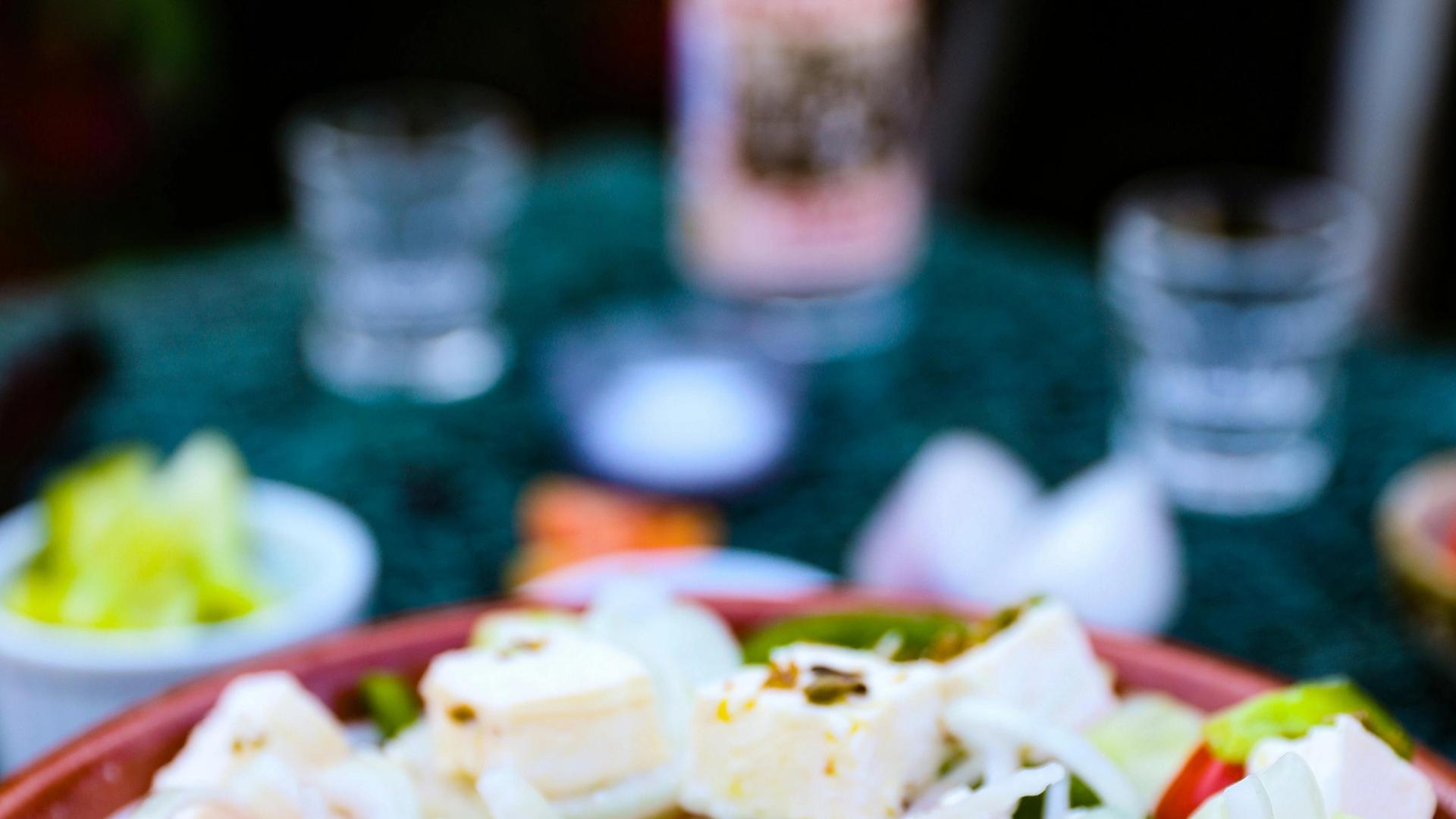
Forget what you think you know about Greek salad—the authentic horiatiki contains no lettuce whatsoever. Ripe tomatoes, crisp cucumbers, green peppers, red onions, Kalamata olives, and a thick slab of feta cheese compose this simple yet perfect dish.
Dressed only with olive oil, oregano, and sometimes a splash of red wine vinegar, horiatiki celebrates the quality of its ingredients. The juices from the vegetables mingle with the olive oil to create a delicious dressing that begs to be soaked up with crusty bread.
Taramosalata: Pink Perfection
This creamy dip made from cured fish roe delivers a subtle briny flavor that seafood lovers adore. Traditional taramosalata gets its pale pink color from the roe itself, though some modern versions use food coloring for a more vibrant appearance.
Blended with olive oil, lemon juice, and bread or potato for body, taramosalata spreads smoothly on bread or pairs beautifully with vegetables. The delicate fish flavor makes it an elegant addition to any mezze spread.
Melitzanosalata: Smoky Eggplant Dip
Charring eggplants over an open flame gives melitzanosalata its distinctive smoky character. The blackened skin is removed to reveal tender flesh that's mashed with garlic, olive oil, lemon juice, and sometimes yogurt or tahini.
This velvety dip showcases the Greek talent for transforming vegetables into irresistible spreads. The smoky depth combined with bright lemon creates a complex flavor profile that keeps you reaching for another piece of bread.
Popular Greek Appetizers (Mezze):
- Fava: Yellow split pea puree topped with onions and capers
- Keftedes: Herb-infused meatballs in tomato sauce
- Kolokythokeftedes: Crispy zucchini fritters with mint
- Gigantes plaki: Giant beans baked in tomato sauce
- Tirokafteri: Spicy whipped feta cheese spread
- Loukaniko: Traditional Greek sausage with orange and herbs
Hearty Main Courses
Pastitsio: Greek Lasagna
Layers of tubular pasta, spiced meat sauce, and creamy béchamel create this baked comfort food that Greek families prepare for Sunday dinners and special occasions. The addition of cinnamon and nutmeg to the meat sauce gives pastitsio its characteristic Greek flavor profile.
The top layer of béchamel forms a golden crust during baking, providing a satisfying contrast to the tender pasta and savory meat below. Like moussaka, pastitsio tastes even better the next day after the flavors have melded together.
Stifado: Slow-Cooked Perfection
This traditional stew demonstrates the Greek mastery of slow cooking techniques. Beef or rabbit simmers for hours with pearl onions, tomatoes, red wine, and aromatic spices until the meat becomes fork-tender and the sauce thickens to perfection.
The sweet pearl onions break down during cooking, adding natural sweetness that balances the rich tomato sauce. Stifado appears on taverna menus throughout Greece, with regional variations incorporating different meats or additional vegetables.
Gemista: Stuffed Vegetables
Tomatoes, peppers, zucchini, and sometimes eggplants are hollowed out and filled with a mixture of rice, herbs, and occasionally ground meat. These stuffed vegetables bake slowly until tender, with the vegetable juices mingling with the rice filling.
Gemista represents Greek home cooking at its most practical and delicious, making use of summer's abundant produce. The dish can be served warm or at room temperature, making it perfect for picnics or packed lunches.
Sweet Endings: Greek Desserts
Baklava: Layers of Sweet Bliss
Paper-thin phyllo sheets layered with chopped nuts and drenched in honey syrup create Greece's most famous dessert. Each bite delivers a satisfying crunch followed by the sweetness of honey and the rich flavor of walnuts or pistachios.
Making baklava requires patience and skill, with experienced bakers able to work phyllo dough into impossibly thin sheets. The dessert's origins are debated across the Mediterranean, but Greek baklava holds its own with generous nut filling and aromatic honey syrup.
Galaktoboureko: Custard Perfection
Creamy semolina custard nestled between crispy phyllo layers and soaked in citrus-scented syrup makes galaktoboureko a dessert worth traveling for. The contrast between the crunchy exterior and silky custard interior creates textural magic.
This dessert showcases the Greek talent for working with phyllo dough in both savory and sweet applications. The addition of lemon or orange zest to the syrup adds brightness that prevents the dessert from becoming cloying.
Loukoumades: Greek Honey Puffs
These golden fried dough balls arrive at your table piping hot, drizzled with honey and sprinkled with cinnamon and crushed walnuts. Loukoumades are light and airy inside with a crispy exterior that soaks up the sweet honey coating.
Considered one of the oldest recorded desserts, loukoumades were served to Olympic athletes in ancient Greece. Today, specialty shops throughout Greece serve these addictive treats, often with modern toppings like chocolate or ice cream.
Traditional Greek Desserts:
- Kataifi: Shredded phyllo with nuts and syrup
- Revani: Semolina cake soaked in syrup
- Melomakarona: Honey cookies with walnuts
- Kourabiedes: Buttery almond cookies dusted with powdered sugar
- Rizogalo: Creamy rice pudding with cinnamon
- Halva: Semolina or tahini-based sweet
Regional Specialties Worth Seeking Out
Greece's diverse geography creates distinct regional cuisines, each with specialties shaped by local ingredients and traditions. The mountainous regions favor heartier meat dishes and rich stews, while coastal areas showcase fresh seafood and lighter preparations.
The Peloponnese region, accessible through tours from Nafplio, offers exceptional olive oil, citrus fruits, and unique dishes like hilopites (square pasta) with rooster. Island cuisines vary dramatically, with Crete boasting dishes like dakos and kalitsounia that differ from Cycladic specialties.
Regional Food Highlights:
- Crete: Dakos, kalitsounia, antikristo lamb
- Thessaloniki: Bougatsa, trigona, soutzoukakia
- Peloponnese: Diples, lagana bread, karidopita
- Santorini: Fava, tomatokeftedes, white eggplant
- Corfu: Sofrito, pastitsada, kumquat liqueur
- Epirus: Kontosouvli, feta cheese, trachanas soup
Greek Cheese: A World of Variety
While feta dominates international recognition, Greece produces an astounding variety of cheeses that deserve attention. Each region crafts distinctive cheeses using milk from sheep, goats, or cows, with techniques perfected over centuries.
Graviera, Greece's second most popular cheese, offers a slightly sweet, nutty flavor similar to Gruyère. Kasseri provides a mild, stretchy cheese perfect for saganaki, while mizithra ranges from soft and fresh to aged and hard for grating.
Notable Greek Cheeses:
- Feta: Tangy, crumbly, protected by PDO status
- Graviera: Sweet, nutty, excellent for cooking or eating
- Kasseri: Semi-hard, mild, perfect for frying
- Manouri: Soft, creamy, less salty than feta
- Kefalograviera: Hard, salty, ideal for grating
- Mizithra: Fresh or aged, mild or sharp
The Role of Olive Oil in Greek Cooking
Greek cuisine would be unimaginable without olive oil, the liquid gold that appears in virtually every dish. Greece ranks third globally in olive oil production, with many families maintaining their own olive groves and producing oil for personal use.
The best Greek olive oil comes from the first cold pressing, delivering a fruity, slightly peppery flavor that enhances rather than overpowers dishes. Greeks use olive oil generously, understanding that its health benefits and flavor contribution make it an essential ingredient rather than an optional one.
Dining Customs and Food Culture
Understanding Greek dining customs enhances your culinary experience and shows respect for local traditions. Meals in Greece are social events meant to be savored slowly, with multiple courses shared among companions and conversation flowing as freely as the wine.
Tipping practices differ from American standards, with 5-10% considered appropriate in most establishments. The bill arrives only when requested, as rushing diners contradicts Greek hospitality—feel free to linger as long as you wish after finishing your meal.
Greek Dining Etiquette:
- Share multiple dishes rather than ordering individual entrees
- Pace yourself through courses and enjoy conversation
- Accept offered food or drink to show respect for hospitality
- Toast with "Yamas!" (to our health) before drinking
- Request the bill when ready rather than expecting it automatically
- Compliment the food to show appreciation
Where to Experience Authentic Greek Food
Tavernas serve traditional Greek food in casual, welcoming settings that prioritize flavor and hospitality over fancy presentations. Look for establishments where locals eat, often identified by handwritten menus, simple decor, and the absence of English-speaking staff actively recruiting tourists.
Greek restaurants in Nafplio offer excellent examples of Peloponnesian cuisine in a beautiful historic setting. The town's proximity to agricultural regions ensures fresh ingredients and authentic preparations that showcase regional specialties.
Psarotavernas specialize in seafood, typically located near harbors where fishing boats deliver their daily catch. These establishments often display fish on ice for selection, with prices calculated by weight and preparation methods kept simple to highlight freshness.
Greek Beverages to Accompany Your Meal
Wine: Ancient Tradition, Modern Quality
Greece's winemaking history spans 6,500 years, making it one of the world's oldest wine-producing regions. Indigenous grape varieties like Assyrtiko, Agiorgitiko, and Xinomavro create distinctive wines that pair beautifully with Greek cuisine.
Modern Greek wineries combine ancient traditions with contemporary techniques, producing wines that compete on the international stage. Retsina, wine flavored with pine resin, offers a uniquely Greek experience that divides opinion but remains culturally significant.
Ouzo and Tsipouro: Greek Spirits
These anise-flavored spirits accompany mezze spreads throughout Greece, with the ritual of sipping slowly while nibbling on small plates central to Greek social culture. Greek alcohol traditions emphasize moderation and companionship rather than rapid consumption.
Ouzo turns cloudy white when mixed with water or ice, creating the "louche effect" that signals proper dilution. Tsipouro, particularly the version from Crete called tsikoudia, offers a stronger, less sweet alternative that serious drinkers prefer.
Cooking Classes and Food Tours
Participating in a cooking class provides hands-on experience with Greek culinary techniques and insights into ingredient selection. Many classes begin with market visits where instructors explain how to identify quality produce, select fresh fish, and choose the best olive oil.
Food tours through Greek cities offer tastings at multiple establishments, from family bakeries to traditional tavernas. These guided experiences provide context about food history and cultural significance while introducing you to specialties you might otherwise overlook.
Travel Tips for Food Lovers:
- Visit local markets early in the morning for the best selection
- Learn basic Greek phrases to communicate with vendors and restaurateurs
- Try regional specialties rather than sticking to familiar dishes
- Accept recommendations from locals about where to eat
- Visit during October for harvest season and food festivals
- Bring an empty suitcase for olive oil, honey, and other products
Shopping for Greek Food Products
Bringing Greek flavors home extends your culinary journey beyond your trip. Quality olive oil, honey, herbs, and spices transport beautifully and maintain their flavor for months when properly stored.
Specialty food shops in larger cities offer vacuum-sealed products perfect for travel, including cheeses, cured meats, and traditional sweets. Airport shops stock these items as well, though prices typically run higher than neighborhood stores.
Best Greek Products to Take Home:
- Extra virgin olive oil from specific regions
- Greek mountain honey (thyme, pine, or wildflower)
- Dried oregano and other herbs
- Mastiha (mastic) products from Chios
- Greek coffee and briki (traditional coffee pot)
- Preserved olives and olive paste
- Halva and other packaged sweets
- Greek sea salt
Vegetarian and Vegan Options
Greek cuisine offers abundant options for plant-based eaters, with many traditional dishes naturally vegetarian or easily adapted. The Orthodox Christian tradition of fasting from animal products for significant portions of the year created a rich repertoire of vegan dishes called "nistisima."
During Lent and other fasting periods, restaurants prominently feature nistisima options, making it easier for vegans to identify suitable choices. However, communication remains important, as some seemingly vegetarian dishes may contain meat stock or anchovies.
Naturally Vegan Greek Dishes:
- Fasolada: White bean soup
- Gigantes: Giant beans in tomato sauce
- Briam: Roasted mixed vegetables
- Dolmades: Vine leaves stuffed with rice (meat-free version)
- Fava: Yellow split pea puree
- Ladera: Vegetables cooked in olive oil
Health Benefits of Greek Cuisine
The Mediterranean diet, with Greek cuisine at its core, consistently ranks among the world's healthiest eating patterns. Studies link this diet to reduced heart disease, lower cancer rates, and increased longevity, particularly in traditional Greek communities.
The abundance of olive oil, vegetables, legumes, and fish provides healthy fats, fiber, and omega-3 fatty acids while limiting processed foods and red meat. The emphasis on fresh, seasonal ingredients ensures maximum nutrient content and flavor.
Health Advantages of Greek Food:
- High in heart-healthy monounsaturated fats from olive oil
- Rich in antioxidants from vegetables and herbs
- Abundant omega-3 fatty acids from fish and seafood
- High fiber content from legumes and whole grains
- Moderate protein from fish, poultry, and legumes
- Low in processed foods and added sugars
Seasonal Eating in Greece
Greek cuisine follows the seasons, with menus changing to reflect what's fresh and abundant at different times of year. Spring brings wild greens, artichokes, and fava beans, while summer overflows with tomatoes, eggplants, and zucchini perfect for gemista and briam.
Autumn harvest brings grapes for wine, olives for pressing, and nuts for desserts and savory dishes. Winter features hearty stews, root vegetables, and citrus fruits that thrive in Greece's mild climate.
Experience authentic Greek culture through a culinary tour of the Peloponnese that includes olive oil tastings and visits to traditional producers. These experiences provide insight into how seasonal rhythms shape Greek food culture and connect you directly with the people who grow and prepare your food.
Greek Food Festivals and Celebrations
Food festivals throughout Greece celebrate local products and traditional dishes, offering visitors authentic experiences and opportunities to taste specialties prepared by skilled home cooks. These events combine food with music, dancing, and community spirit that exemplifies Greek hospitality.
The olive harvest in late autumn triggers celebrations across olive-growing regions, with new oil tastings and traditional meals featuring the fresh pressing. Wine festivals occur after the September harvest, while summer brings celebrations for everything from sardines to watermelons.
Notable Greek Food Festivals:
- Olive Festival: Various locations, October-November
- Wine Festivals: Throughout wine regions, September-October
- Chestnut Festivals: Mountain regions, October
- Sardine Festivals: Coastal towns, summer months
- Honey Festivals: Various locations, summer
- Cherry Festivals: Northern Greece, June
Frequently Asked Questions
What is the most popular food in Greece?
Souvlaki holds the title as Greece's most popular food, enjoyed by locals and visitors alike as both street food and restaurant fare. This grilled meat on skewers or in pita bread appears everywhere from busy city corners to beach tavernas, offering quick, delicious, and affordable eating. Moussaka runs a close second as the signature dish of Greek home cooking, though it requires more time to prepare and is typically enjoyed as a sit-down meal rather than grab-and-go option.
Is Greek food healthy?
Greek food ranks among the world's healthiest cuisines, forming the foundation of the Mediterranean diet that scientists consistently recommend for longevity and disease prevention. The emphasis on olive oil, vegetables, legumes, fish, and moderate portions of meat provides balanced nutrition with healthy fats, fiber, and lean protein. Traditional Greek eating patterns avoid processed foods and added sugars while incorporating fermented foods like yogurt that support digestive health, making it both delicious and nutritious.
What should I eat for breakfast in Greece?
Traditional Greek breakfast tends toward simplicity, with coffee (Greek or instant), bread or rusks with honey or jam, and perhaps yogurt with fruit and nuts. Hotels catering to tourists offer more elaborate breakfast spreads including eggs, cheeses, cold cuts, fresh vegetables, and pastries like bougatsa or tiropita. For an authentic experience, visit a local bakery for fresh koulouri (sesame bread rings) or spanakopita to enjoy with your morning coffee while watching the neighborhood come to life.
Do I need to tip in Greek restaurants?
Tipping in Greek restaurants differs from American practices, with 5-10% considered appropriate and generous rather than the expected 15-20% in the US. Service charges aren't typically included in the bill, but the lower tipping percentage reflects different wage structures and cultural expectations. Round up the bill or leave small change for casual tavernas, while nicer restaurants warrant the full 10% for good service, and exceptional experiences might inspire slightly more.
Can I find vegetarian food easily in Greece?
Vegetarians will find abundant options in Greek cuisine, with many traditional dishes naturally meat-free or easily adapted without sacrificing authenticity or flavor. The Orthodox fasting tradition created numerous vegan dishes called "nistisima" that appear on menus year-round, particularly during Lent when restaurants prominently feature these options. Communicate clearly with servers about dietary restrictions, as some seemingly vegetarian dishes may contain meat stock, anchovies, or other hidden animal products.
What's the difference between souvlaki and gyros?
Souvlaki consists of small pieces of meat grilled on skewers, while gyros features meat cooked on a vertical rotisserie and sliced thin. Souvlaki can be served on the skewer with sides or wrapped in pita bread, whereas gyros always comes sliced and typically served in pita. Both include similar accompaniments like tomatoes, onions, and tzatziki, but the cooking method and meat preparation create distinctly different textures and flavors that Greeks recognize immediately.
When do Greeks eat dinner?
Greeks eat dinner late by international standards, typically sitting down between 9:00 PM and 10:00 PM or even later during summer months. This schedule reflects the hot afternoon temperatures that make midday the time for rest rather than heavy meals, with the cooler evening hours perfect for leisurely dining. Restaurants accommodate tourists with earlier hours, but you'll experience more authentic atmosphere and better service by adapting to local meal times and embracing the late-night dining culture.
What is meze and how do I order it?
Meze (or mezze) refers to small plates designed for sharing, similar to Spanish tapas but with distinctly Greek flavors and preparations. Order multiple meze dishes for the table rather than individual entrees, allowing everyone to sample various flavors and textures throughout the meal. Traditional meze accompanies ouzo or wine, with the food meant to be nibbled slowly while conversing, creating a relaxed dining experience that can last several hours and showcases the Greek approach to food as social glue.
Bringing It All Together
Greek food represents more than mere sustenance—it embodies a philosophy of life that values quality ingredients, time-honored techniques, and the joy of sharing meals with others. From simple village salads to elaborate layered pastries, each dish carries the weight of history and the warmth of Greek hospitality.
Your culinary journey through Greece will create memories that last long after your return home, with flavors that transport you back to sun-drenched tavernas and seaside meals. The beauty of Greek cuisine lies not just in its taste but in the complete experience: the setting, the company, the unhurried pace, and the genuine pleasure Greeks take in feeding their guests.
Whether you're savoring grilled octopus by the harbor, breaking bread at a mountain village taverna, or learning to roll phyllo dough in a cooking class, Greek food offers a delicious gateway to understanding this remarkable culture. The recipes may be ancient, but the flavors remain as vibrant and relevant as ever, proving that some traditions deserve to be preserved and celebrated.
Start planning your Greek culinary adventure today, and prepare to discover why food lovers consistently rank Greek cuisine among the world's greatest gastronomic treasures. Your taste buds will thank you, and you might just return home with a new appreciation for the simple pleasures of fresh ingredients, quality olive oil, and meals shared with friends.