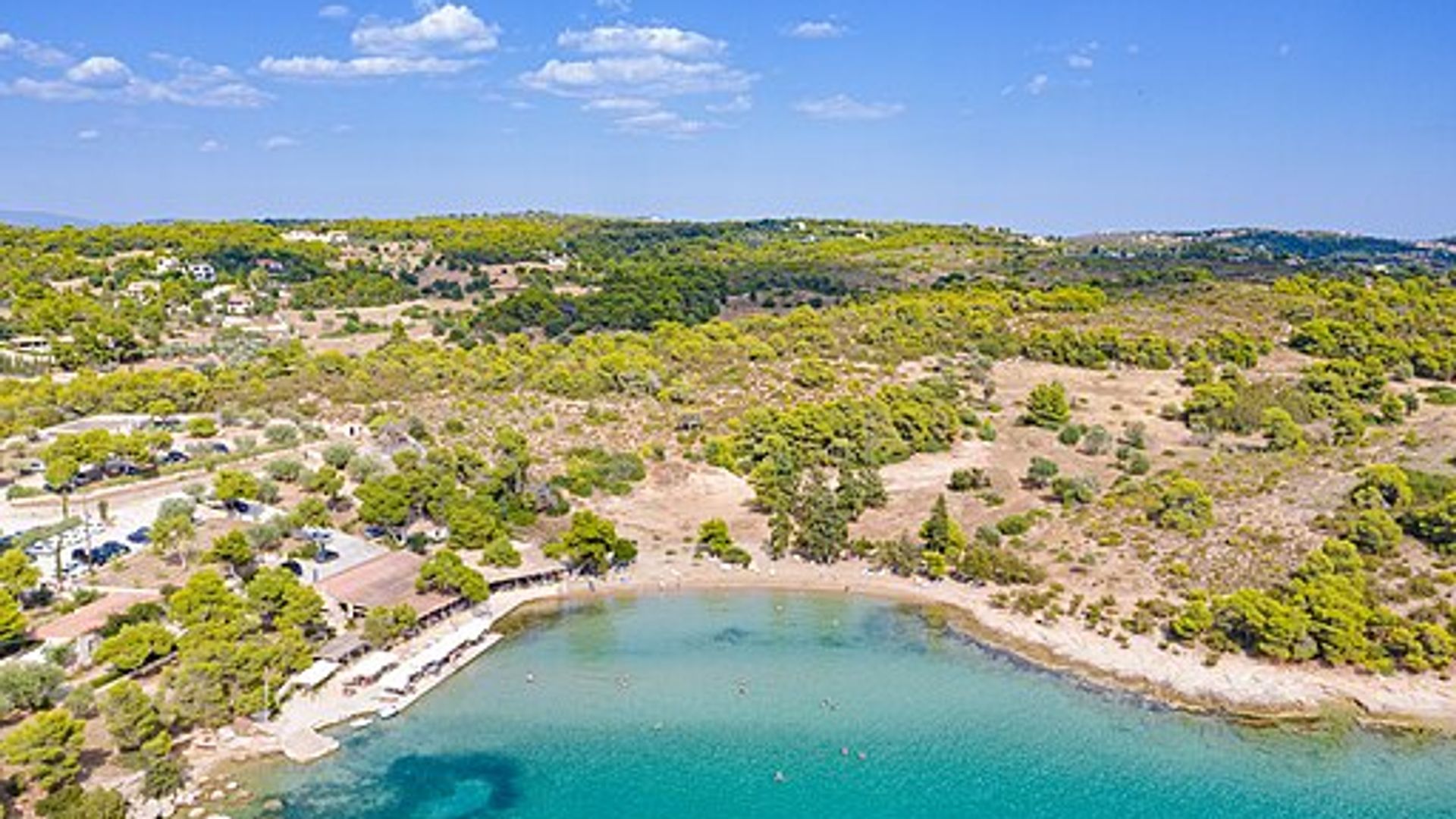
Discover the most spectacular hiking trails near Porto Heli, from coastal paths with turquoise views to ancient routes through olive groves. This comprehensive guide covers everything you need to know about hiking in this stunning corner of the Peloponnese.
The Argolic Peninsula surrounding Porto Heli offers some of the most rewarding yet surprisingly undiscovered hiking trails in Greece. While most visitors come for the beaches and luxury resorts, the rugged coastline and verdant hills hide ancient paths, Byzantine ruins, and breathtaking vistas that rival any Mediterranean destination.
Whether you're an experienced trekker seeking challenging terrain or a casual walker looking for scenic coastal strolls, the area around Porto Heli delivers diverse options for every fitness level. The best part? You'll often have these trails entirely to yourself, even during peak summer months.
Why Hike Near Porto Heli
Porto Heli's unique geography creates ideal conditions for year-round hiking adventures. The peninsula's varied landscape transitions from rocky coastal cliffs to pine-covered hills within just a few kilometers, offering dramatic scenery changes on single hikes.
The region's mild climate makes it perfect for hiking even when other parts of Greece become uncomfortably hot. Sea breezes cool the coastal paths, while inland routes benefit from shade provided by ancient olive groves and pine forests.
Quick Facts About Hiking in Porto Heli:
- Best hiking season: October through May
- Average trail difficulty: Easy to moderate
- Typical trail length: 3-12 kilometers
- Terrain types: Coastal paths, mountain trails, forest routes
- Wildlife: Wild herbs, tortoises, migratory birds
- Historical features: Byzantine chapels, ancient ruins, traditional villages
Trail #1: The Hinitsa Bay Coastal Path
This stunning 6-kilometer coastal route ranks among the most beautiful walks in the entire Argolid region. The trail hugs the shoreline from Porto Heli to Hinitsa Bay, offering uninterrupted views of crystal-clear waters and the islands of Spetses and Spetsopoula.
The path begins at the Porto Heli marina and follows an old donkey trail that once connected fishing villages. Stone-paved sections reveal the route's ancient origins, while wild rosemary and thyme perfume the air throughout your walk.
Trail Highlights:
- Duration: 2-2.5 hours one way
- Difficulty: Easy to moderate
- Elevation gain: Minimal (under 100 meters)
- Best time: Early morning or late afternoon
- Swimming opportunities: Multiple secluded coves
- Photo spots: Panoramic viewpoints every 500 meters
What You'll See:
- Traditional fishing boats in tiny harbors
- Ancient stone terraces once used for agriculture
- Small Byzantine chapel of Agios Aimilianos
- Wild fig trees providing natural shade
- Turquoise swimming coves accessible only by foot
The trail requires sturdy walking shoes as some sections cross rocky terrain. Bring plenty of water, as there are no facilities along the route, though several spots offer perfect opportunities for refreshing swims.
Trail #2: Mount Didyma Summit Trail
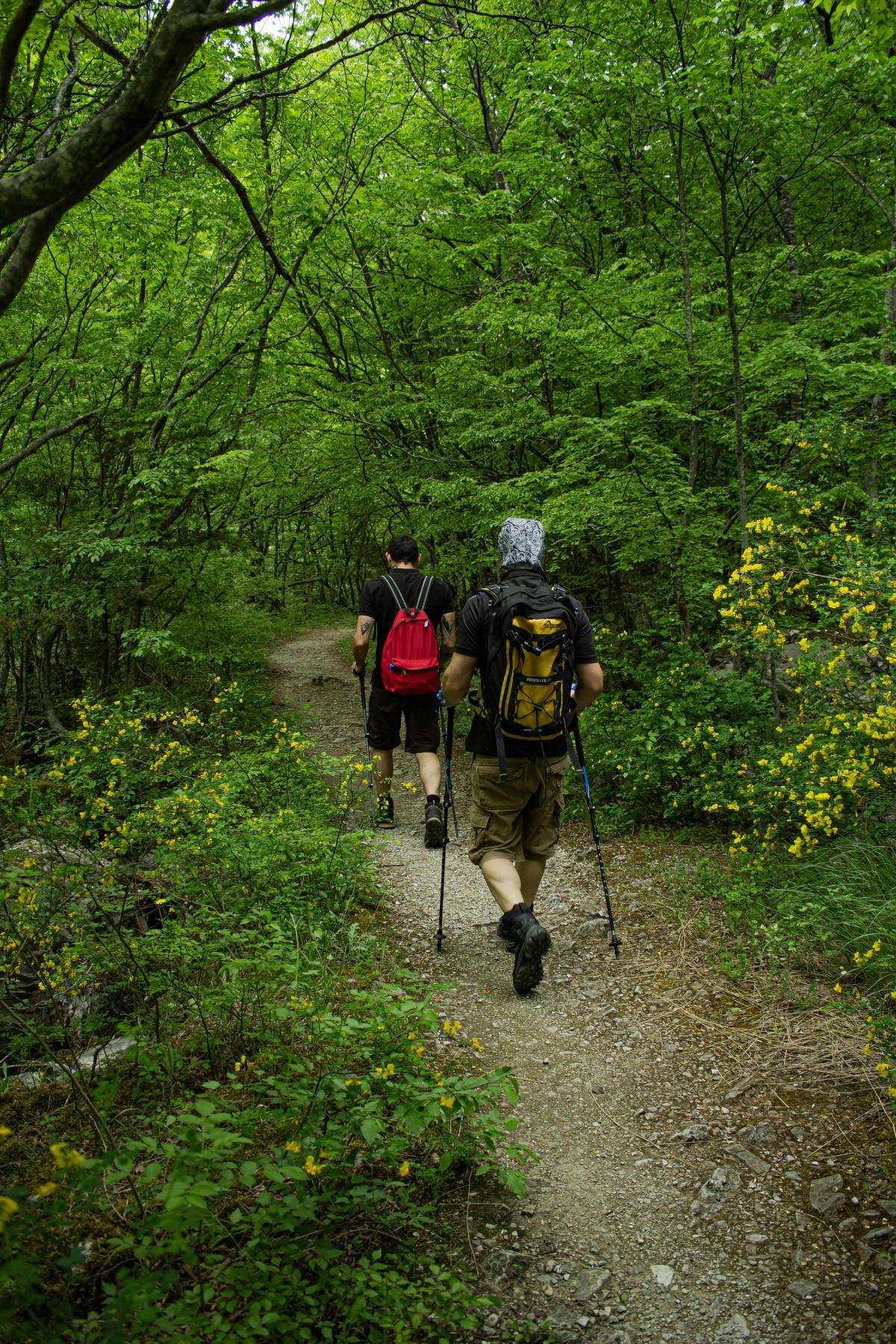
For hikers seeking elevation and challenge, Mount Didyma's summit trail delivers spectacular rewards. This 8-kilometer round-trip hike climbs to 750 meters, offering 360-degree views across the Argolic Gulf, Saronic Islands, and distant mountains of the Peloponnese.
The trailhead starts from the village of Didyma, where traditional stone houses cluster around a central square. The path ascends through ancient olive groves before entering a fragrant pine forest that provides welcome shade during the steeper sections.
Trail Details:
- Duration: 3.5-4.5 hours round trip
- Difficulty: Moderate to challenging
- Elevation gain: 550 meters
- Best season: October to April
- Trail markers: Red and white blazes
- Summit facilities: Stone shelter, panoramic viewing area
Essential Tips:
- Start early to avoid midday heat
- Bring 2 liters of water per person
- Wear layers as summit can be windy
- Pack snacks for energy during ascent
- Download offline maps before starting
- Check weather forecast carefully
The summit provides one of the finest viewpoints in the region, especially spectacular at sunrise when golden light illuminates the entire coastline. On clear days, you can see as far as Hydra and even glimpse the mountains of Crete on the southern horizon.
Trail #3: The Kranidi to Ermioni Ancient Route
This 10-kilometer historic trail follows an ancient pathway that connected two important settlements for thousands of years. The route passes through traditional villages, olive groves, and archaeological sites, offering a perfect blend of nature and culture.
Starting from Kranidi's main square, the trail descends gradually toward the coast, passing through landscapes that have changed little since ancient times. Stone walls line much of the path, testament to centuries of agricultural use.
Cultural Highlights:
- Byzantine church of Panagia with original frescoes
- Ruins of ancient farmhouses and wine presses
- Traditional stone bridges over seasonal streams
- Abandoned terraces showcasing historical agriculture
- Views of Ermioni's ancient acropolis
- Olive trees over 500 years old
The trail ends at Ermioni's picturesque harbor, where waterfront tavernas provide perfect spots to refuel after your hike. This makes an excellent one-way trek if you arrange transportation back to Porto Heli.
For those interested in exploring more historical sites to visit near Porto Heli, this trail offers convenient access to several significant archaeological areas. Consider extending your adventure with a guided tour to Epidaurus to experience the region's most famous ancient theater.
Trail #4: Kosta Peninsula Loop
This easy 5-kilometer loop trail circles the Kosta Peninsula, offering constant sea views and access to multiple swimming beaches. Perfect for families or those seeking a gentler hiking experience, the path remains relatively flat throughout.
The trail showcases the area's characteristic Mediterranean vegetation, with mastic bushes, wild herbs, and flowering plants creating a colorful display from March through June. The proximity to the sea means cooling breezes even during warmer months.
Loop Trail Features:
- Duration: 1.5-2 hours
- Difficulty: Easy
- Terrain: Mostly dirt paths and coastal tracks
- Beach access: 4 different swimming spots
- Shade: Moderate (bring sun protection)
- Suitable for: Families, casual walkers, photographers
Best Swimming Stops:
- Kosta Beach - sandy with taverna facilities
- Agios Nikolaos Cove - pebble beach, crystal waters
- Lighthouse Beach - secluded, rocky entry
- Porto Kosta Bay - protected, ideal for children
This trail works beautifully as an afternoon activity, allowing you to swim, walk, and watch the sunset from multiple vantage points. The relaxed pace makes it ideal for combining hiking with beach time.
Trail #5: Petrothalassa Gorge Trail
The Petrothalassa Gorge offers Porto Heli's most dramatic hiking experience, with towering rock walls and a seasonal stream creating a microclimate that stays cool even in summer. This 7-kilometer trail follows the gorge from its upper reaches down to the coast.
The name "Petrothalassa" means "stone sea," referring to the wave-like rock formations carved by water over millennia. The trail requires some scrambling over boulders and careful footing on wet rocks, adding an adventurous element.
Gorge Trail Specifics:
- Duration: 3-4 hours
- Difficulty: Moderate with technical sections
- Water presence: Seasonal (November to May)
- Special requirements: Good balance, sturdy boots
- Not suitable for: Young children, vertigo sufferers
- Unique features: Natural rock pools, cave formations
Safety Considerations:
- Never hike during or after heavy rain
- Inform someone of your hiking plans
- Carry first aid supplies
- Wear ankle-supporting footwear
- Bring headlamp for cave exploration
- Check local conditions before starting
The gorge supports unique plant species that thrive in its moist environment, including rare orchids and ferns. Bird watchers often spot golden eagles soaring above the canyon walls.
Trail #6: Cape Korakas Lighthouse Walk
This 4-kilometer out-and-back trail leads to one of the peninsula's most photogenic landmarks. The historic lighthouse at Cape Korakas sits on dramatic cliffs where the Argolic Gulf meets the open Aegean Sea.
The relatively short distance makes this an excellent choice for sunset hikes, when the lighthouse and surrounding rocks glow in golden light. The exposed coastal position means strong winds are common, adding to the dramatic atmosphere.
Lighthouse Trail Information:
- Duration: 1.5 hours round trip
- Difficulty: Easy
- Best time: Late afternoon for sunset
- Photography: Outstanding opportunities
- Wildlife: Seabirds, dolphins occasionally visible
- Historical interest: Lighthouse dates to 1890s
The trail passes through low-growing Mediterranean scrubland filled with aromatic plants. In spring, wildflowers carpet the landscape in brilliant colors, while autumn brings migrating birds that rest on the cape.
What to Bring:
- Camera with telephoto lens
- Windbreaker jacket
- Binoculars for sea watching
- Sunset timing information
- Sturdy shoes for rocky terrain
The lighthouse itself remains operational, though the keeper's cottage stands abandoned, adding a romantic, slightly melancholic atmosphere to this beautiful spot. The views extend across open water to distant islands, making it feel like the edge of the world.
Connecting Trails and Multi-Day Options
For experienced hikers, several trails can be connected to create longer routes or multi-day adventures. The ancient network of paths linking villages and coastal settlements offers endless possibilities for exploration.
Local hiking enthusiasts have recently marked a 35-kilometer circuit that encompasses the peninsula's highlights over two or three days. This route requires camping or booking accommodation in traditional villages along the way.
Multi-Day Route Highlights:
- Day 1: Porto Heli to Didyma village (12km)
- Day 2: Didyma to Ermioni via summit (15km)
- Day 3: Ermioni to Porto Heli via coast (8km)
This extended trek showcases the region's diversity, from coastal paths to mountain trails, passing through working villages where traditional life continues unchanged. The slower pace allows deeper appreciation of the landscape and culture.
Those interested in exploring beyond hiking might enjoy learning about the ancient sites near Epidaurus or discovering the architectural heritage of the region. Book a comprehensive cultural tour to combine hiking with historical exploration.
Best Time to Hike Near Porto Heli
Timing your hiking adventure correctly makes an enormous difference to your experience. While the Porto Heli area enjoys mild weather year-round, certain seasons offer distinct advantages for hikers.
Spring (March to May) brings wildflowers, green landscapes, and comfortable temperatures ranging from 15-25°C. This period offers the most visually stunning hiking, with colorful blooms and flowing streams.
Seasonal Hiking Guide:
- Spring (March-May): Wildflowers, green landscapes, mild temperatures
- Summer (June-August): Hot days, best for coastal trails with swimming
- Autumn (September-November): Perfect temperatures, harvest season atmosphere
- Winter (December-February): Cool but clear, fewer tourists, occasional rain
Monthly Temperature Ranges:
- January-February: 8-15°C
- March-April: 12-20°C
- May-June: 18-28°C
- July-August: 23-33°C
- September-October: 18-28°C
- November-December: 12-18°C
For those planning autumn visits, check out our guide to Greece weather in October for detailed planning information. The shoulder seasons offer the best balance of pleasant weather and quiet trails.
Essential Hiking Gear and Preparation
Proper preparation ensures safe and enjoyable hiking experiences in the Porto Heli region. While trails here aren't as demanding as mountain ranges elsewhere in Greece, the Mediterranean climate and terrain present specific challenges.
Investing in quality hiking boots pays dividends on rocky coastal paths and mountain trails. The combination of loose stones, exposed roots, and occasional wet sections requires footwear with good ankle support and grip.
Essential Gear Checklist:
- Hiking boots with ankle support
- Sun hat and sunglasses
- High-SPF sunscreen
- 2-3 liters water per person
- Energy snacks and lunch
- First aid kit with blister treatment
- Fully charged mobile phone
- Offline maps or GPS device
- Light rain jacket (spring/autumn)
- Swimsuit and towel for coastal trails
Navigation Tools:
- Download offline maps before leaving WiFi
- Take photos of trail markers at junctions
- Share your route with accommodation host
- Carry a physical map as backup
- Note sunset time to plan return
Many trails lack signage, so navigation skills prove valuable. The ViewRanger and Maps.me apps work well in this region, with detailed topographic information available offline.
Wildlife and Nature Watching
The diverse ecosystems around Porto Heli support remarkable biodiversity despite the area's popularity with tourists. Hikers who move quietly and observe carefully often encounter fascinating wildlife and botanical treasures.
The region's position along major bird migration routes makes it exceptional for ornithology enthusiasts. Spring and autumn bring waves of migratory species, while resident birds include golden eagles, blue rock thrushes, and colorful bee-eaters.
Common Wildlife Sightings:
- Hermann's tortoises (protected species)
- Balkan green lizards
- European badgers (nocturnal)
- Stone martens
- Wild boar (in forested areas)
- Dolphins (from coastal trails)
- Monk seals (rare but occasionally spotted)
Botanical Highlights:
- Wild orchids (15+ species)
- Cyclamen in autumn
- Cistus flowers covering hillsides
- Ancient olive trees
- Phoenician juniper
- Mastic bushes
- Endemic herbs and medicinal plants
The aromatic plants create natural aromatherapy experiences, especially on warm days when essential oils release into the air. Crushing a leaf of wild sage or oregano between your fingers intensifies the fragrance.
Local Villages and Trail Access
Several charming villages serve as excellent bases for hiking adventures, each offering authentic Greek hospitality and convenient trail access. These settlements maintain traditional character while providing necessary amenities for visitors.
Kranidi, the largest village in the area, offers supermarkets, pharmacies, and equipment shops where you can purchase forgotten supplies. Its central location makes it ideal for accessing multiple trailheads.
Best Village Bases:
- Kranidi: Central location, full services, traditional tavernas
- Didyma: Mountain village, cooler temperatures, authentic atmosphere
- Ermioni: Coastal town, harbor charm, excellent restaurants
- Kosta: Beach access, ferry connections, relaxed vibe
- Iliokastro: Elevated position, stunning views, quiet setting
Village Amenities:
- Traditional kafeneia for morning coffee
- Mini-markets for supplies
- Tavernas serving local cuisine
- Rooms and apartments for overnight stays
- Friendly locals who know trail conditions
Stopping in villages before or after hikes provides cultural enrichment and supports local economies. Many taverna owners happily share trail recommendations and current conditions over a meal.
After working up an appetite on the trails, explore Greek restaurants in nearby Nafplio or sample traditional Greek alcohol to complete your authentic experience.
Combining Hiking with Cultural Exploration
The Porto Heli region's rich history means hiking trails frequently intersect with archaeological sites, Byzantine churches, and traditional architecture. This combination creates uniquely rewarding experiences that engage both body and mind.
Many trails pass small chapels where locals still light candles and celebrate feast days. These simple buildings often contain centuries-old frescoes and icons, offering glimpses into continuous religious traditions.
Cultural Sites Along Trails:
- Ancient Halieis archaeological site
- Byzantine monastery ruins
- Traditional stone threshing floors
- Abandoned windmills
- Historic olive presses
- Venetian-era fortifications
- Traditional stone bridges
Enhancing Your Cultural Experience:
- Learn basic Greek phrases before hiking
- Research historical context of sites you'll pass
- Respect religious sites by dressing modestly
- Ask locals about chapel feast day celebrations
- Photograph architectural details respectfully
- Support village economies by purchasing local products
The intersection of natural beauty and human history creates powerful experiences. Standing in a Byzantine chapel after a challenging climb, or discovering ancient pottery shards on a remote path, connects you to millennia of human presence in these landscapes.
For deeper cultural immersion, consider booking a specialized cultural tour that combines hiking with expert historical interpretation.
Practical Information and Resources
Successful hiking adventures require practical planning beyond just choosing trails. Understanding local customs, emergency procedures, and available resources ensures smooth experiences.
Mobile phone coverage varies throughout the region, with coastal areas generally having good signal while mountain trails may have dead zones. Download offline maps and emergency numbers before setting out.
Emergency Contacts:
- Emergency services: 112
- Local police: 2754 051210
- Medical center Kranidi: 2754 022222
- Coast guard: 108
- Mountain rescue: 199
Useful Resources:
- Porto Heli tourist information office
- Local hiking clubs (seasonal guided walks)
- Topographic maps at bookstores in Kranidi
- Weather forecasts: poseidon.hcmr.gr
- Trail condition updates from hotel/accommodation staff
Local Hiking Etiquette:
- Close all gates behind you
- Don't pick wildflowers or plants
- Carry out all trash
- Respect private property markers
- Keep noise levels low
- Stay on marked paths to prevent erosion
- Yield to livestock and shepherds
Building good relationships with locals enhances your experience and provides valuable trail intelligence. A friendly "Kalimera" (good morning) and respectful behavior open doors to insider knowledge about hidden trails and special spots.
Food and Hydration on the Trail
Proper nutrition and hydration make the difference between enjoyable hikes and miserable slogs. The Mediterranean climate's combination of heat, sun, and dry air increases water requirements significantly.
Plan on consuming at least one liter of water per two hours of hiking, more during summer months or on exposed trails. Dehydration symptoms include headache, dizziness, and decreased performance.
Trail Snack Recommendations:
- Fresh or dried figs
- Local nuts (almonds, walnuts)
- Greek pasteli (sesame and honey bars)
- Fresh bread with local cheese
- Energy bars
- Fresh fruit (oranges, apples)
- Dark chocolate for quick energy
Hydration Tips:
- Start hiking well-hydrated
- Drink regularly, not just when thirsty
- Add electrolyte tablets for long hikes
- Avoid alcohol the night before
- Bring extra water in summer
- Know where springs exist along routes
- Carry water purification tablets as backup
Several trails pass natural springs where locals fill bottles, though water quality varies. Ask villagers about reliable springs, and consider treating water as a precaution.
Post-hike meals at village tavernas provide perfect recovery fuel. Traditional dishes like horiatiki salad, grilled fish, and hearty stews replenish nutrients while offering authentic culinary experiences.
Photography Tips for Hiking Trails
The Porto Heli region's stunning landscapes deserve proper photographic documentation. Understanding light conditions and composition techniques helps capture the area's beauty effectively.
Mediterranean light can be harsh during midday, washing out colors and creating unflattering shadows. Early morning and late afternoon provide the golden light that makes landscapes glow.
Best Photography Times:
- Sunrise: 6:00-8:00 AM (soft light, few people)
- Morning: 8:00-10:00 AM (good visibility, pleasant temperatures)
- Midday: 12:00-3:00 PM (harsh light, best avoided)
- Afternoon: 4:00-6:00 PM (warming light, long shadows)
- Sunset: 6:00-8:00 PM (golden hour, dramatic colors)
Essential Photo Subjects:
- Coastal panoramas from elevated viewpoints
- Ancient olive trees with twisted trunks
- Traditional chapels against blue sky
- Wildflower meadows in spring
- Rocky coastline with turquoise water
- Village architecture and details
- Trail markers and stone paths
Camera Gear Recommendations:
- Lightweight mirrorless camera or quality smartphone
- Wide-angle lens for landscapes
- Polarizing filter to reduce glare
- Extra batteries (cold drains power)
- Lens cleaning cloth for dust
- Small tripod for low-light situations
- Waterproof camera bag
Composition improves dramatically when you include foreground interest—wildflowers, rocks, or gnarled tree branches—to create depth. The rule of thirds applies beautifully to coastal landscapes, with horizon lines positioned in the upper or lower third of the frame.
Training and Fitness Preparation
While Porto Heli's trails accommodate various fitness levels, some preparation enhances enjoyment and reduces injury risk. Building cardiovascular endurance and leg strength pays dividends on longer or steeper routes.
Start training at least 4-6 weeks before your trip if you're not regularly active. Begin with shorter walks and gradually increase distance and elevation gain.
Training Program Suggestions:
- Week 1-2: 30-minute walks, 3-4 times weekly
- Week 3-4: 45-minute walks with hills, 4 times weekly
- Week 5-6: 60-minute walks with pack, 4-5 times weekly
- Include stair climbing to strengthen legs
- Practice on terrain similar to your destination
- Break in hiking boots during training
Stretching and Prevention:
- Stretch calves, hamstrings, and quadriceps daily
- Strengthen ankles with balance exercises
- Practice walking on uneven surfaces
- Build core strength for stability
- Address any foot issues before traveling
Even fit individuals may experience muscle soreness from hiking's unique demands. The combination of uneven terrain, sustained effort, and pack weight stresses muscles differently than gym workouts or running.
Sustainable and Responsible Hiking
Preserving Porto Heli's natural beauty for future generations requires conscious effort from all trail users. The region's popularity grows annually, increasing pressure on fragile ecosystems.
Leave No Trace principles apply universally but take on special importance in Mediterranean environments where recovery from damage occurs slowly. Small actions collectively make significant differences.
Sustainable Hiking Practices:
- Pack out all trash, including organic waste
- Use existing trails rather than creating shortcuts
- Avoid picking plants or disturbing wildlife
- Don't build cairns or move rocks
- Use biodegradable soap away from water sources
- Support local businesses and guides
- Share trails respectfully with other users
- Report trail damage to local authorities
Environmental Awareness:
- Recognize that tortoise habitat requires protection
- Understand fire risk during dry months
- Respect nesting bird areas in spring
- Don't feed wild animals
- Minimize noise pollution
Many trails cross working agricultural land where farmers maintain ancient terraces and olive groves. Respecting their property and livelihood preserves the cultural landscape that makes the region special.
Consider offsetting your travel carbon footprint by supporting local environmental initiatives or visiting monasteries that maintain traditional land management practices.
Weather Patterns and Climate Considerations
Understanding Porto Heli's climate patterns helps you prepare appropriately and choose optimal hiking times. The region enjoys typical Mediterranean weather with hot, dry summers and mild, occasionally wet winters.
Summer temperatures frequently exceed 30°C, making early morning starts essential for comfort and safety. Coastal trails benefit from sea breezes, but inland routes can become oppressively hot by midday.
Seasonal Weather Characteristics:
- Spring: Variable temperatures, occasional rain, blooming wildflowers
- Summer: Hot and dry, strong sun, reliable weather
- Autumn: Warm days, cooler nights, occasional storms
- Winter: Mild but unpredictable, some rainy periods, occasional cold snaps
Monthly Rainfall Averages:
- Wettest months: December, January (100-120mm)
- Moderate rainfall: February, March, November (60-80mm)
- Light rain: April, October (30-40mm)
- Dry months: May through September (under 15mm)
Wind Patterns:
- Summer Meltemi winds from north (cooling effect)
- Variable spring and autumn winds
- Winter storms from west
- Coastal areas windier than inland
- Afternoon sea breezes in summer
Weather can change rapidly, especially during transition seasons. Carrying a light rain jacket and extra layer provides insurance against unexpected conditions.
Accommodations for Hikers
Choosing the right base for your hiking adventure impacts convenience and overall experience. Porto Heli offers accommodation options ranging from luxury resorts to simple village rooms.
For serious hikers planning multiple trail days, staying in smaller villages like Kranidi or Didyma provides authentic atmosphere and easier trail access. These locations also offer better value than beachfront properties.
Accommodation Types:
- Luxury resorts: Full amenities, beach access, higher prices
- Boutique hotels: Character properties, personalized service
- Village rooms: Simple, affordable, authentic experience
- Apartments: Self-catering, good for longer stays
- Camping: Limited official sites, wild camping discouraged
Hiker-Friendly Features to Look For:
- Early breakfast options (before 7:00 AM)
- Packed lunch preparation
- Laundry facilities
- Secure storage for valuables
- Local trail information
- Transportation assistance to trailheads
- Flexible check-in/check-out times
Many accommodation owners are knowledgeable about local trails and happy to share recommendations. Building relationships with hosts often leads to insider tips about hidden paths and special locations.
Guided Hiking Tours vs. Independent Exploration
Both guided tours and independent hiking offer distinct advantages in the Porto Heli region. Your choice depends on experience level, language skills, and desire for cultural interpretation.
Guided tours provide expert navigation, historical context, and safety support. Local guides know seasonal variations, hidden spots, and can share stories that bring landscapes to life.
Advantages of Guided Tours:
- No navigation worries
- Historical and cultural interpretation
- Safety support and emergency knowledge
- Access to private land or special areas
- Social experience with other hikers
- Transportation often included
- Local insider knowledge
Benefits of Independent Hiking:
- Complete flexibility in timing and pace
- Freedom to modify routes spontaneously
- Solitude and personal reflection
- Lower cost
- Sense of adventure and self-reliance
- Ability to revisit favorite spots
A hybrid approach works well for many visitors—joining guided tours for challenging or historically significant trails while exploring easier coastal paths independently. This combination provides both expert guidance and personal freedom.
Extending Your Peloponnese Adventure
Porto Heli's central location on the eastern Peloponnese makes it an excellent base for exploring the wider region. Several world-class archaeological sites and natural attractions lie within easy reach.
The ancient theater of Epidaurus, considered the finest surviving example of classical Greek architecture, sits just 45 minutes away. The site's extraordinary acoustics and preserved structure create unforgettable experiences.
Nearby Attractions:
- Ancient Epidaurus (45 minutes)
- Mycenae archaeological site (1 hour)
- Medieval Monemvasia (1.5 hours)
- Nafplio old town (1 hour)
- Ancient Corinth (1.5 hours)
- Sparta and Mystras (2 hours)
- Ancient Olympia (2.5 hours)
Multi-Day Itinerary Suggestions:
- Day 1: Coastal hiking near Porto Heli
- Day 2: Mountain trail and village exploration
- Day 3: Visit Epidaurus and Mycenae
- Day 4: Nafplio sightseeing and coastal walk
- Day 5: Return hiking near Porto Heli
Combining hiking with cultural tourism creates rich, varied experiences that showcase the Peloponnese's remarkable diversity. The region packs more historical significance per square kilometer than almost anywhere on earth.
Learn about fascinating facts about ancient Sparta or explore the charming coastal town of Gytheio to expand your Peloponnese knowledge.
Frequently Asked Questions
What is the best time of year to hike near Porto Heli?
The optimal hiking season runs from October through May when temperatures range between 15-25°C. Spring (March-May) offers the most spectacular scenery with wildflowers and green landscapes, while autumn (September-November) provides perfect temperatures and fewer tourists. Summer hiking is possible but requires very early starts to avoid midday heat, and coastal trails with swimming access work best during hot months.
Are the hiking trails near Porto Heli suitable for beginners?
Yes, several trails accommodate beginners and families. The Hinitsa Bay coastal path and Kosta Peninsula loop offer easy terrain with minimal elevation gain and well-maintained paths. These routes require only basic fitness and standard walking shoes, though proper hiking boots improve comfort. More challenging options like Mount Didyma summit trail suit experienced hikers seeking elevation and longer distances.
Do I need a guide to hike in the Porto Heli area?
Guides aren't necessary for most trails, as many routes follow obvious paths or coastal tracks. However, guided tours provide valuable historical context, ensure you don't miss hidden features, and offer safety support in remote areas. Independent hikers should carry offline maps, inform someone of their plans, and research routes thoroughly before starting. Local hiking clubs occasionally organize group walks that provide social experiences without formal guide costs.
What should I pack for a day hike near Porto Heli?
Essential items include hiking boots with ankle support, sun protection (hat, sunglasses, SPF 50+ sunscreen), 2-3 liters of water per person, energy snacks, first aid kit with blister treatment, fully charged mobile phone with offline maps, and a light rain jacket during spring or autumn. For coastal trails, add swimsuit and towel. Summer hikes require extra water and electrolyte supplements, while winter hikes need an additional warm layer.
Are there any dangerous animals or plants on the trails?
The region has no dangerous large animals. Snakes exist but are rarely seen and generally non-aggressive if left undisturbed. The only potentially dangerous species is the nose-horned viper, which is uncommon and avoids humans. Watch where you place hands when scrambling over rocks. Some plants cause skin irritation, particularly giant fennel sap, so avoid touching unfamiliar vegetation. Ticks can be present in spring, so check yourself after hiking through tall grass.
Can I swim during coastal hikes?
Absolutely! Many coastal trails pass secluded coves and beaches perfect for swimming. The Hinitsa Bay path offers multiple swimming opportunities, while the Kosta Peninsula loop accesses four different beaches. Bring swimwear, towel, and waterproof bag for electronics. Water temperatures range from 16°C in early spring to 26°C in late summer. Always assess water conditions before entering, and avoid swimming alone in isolated locations.
How do I get to the trailheads from Porto Heli?
Some trails start directly from Porto Heli, while others require short drives to nearby villages. Renting a car provides maximum flexibility and access to all trailheads. Taxis are available but can be expensive for remote locations. Local buses connect Porto Heli with Kranidi and Ermioni, though schedules are limited. Many accommodations offer transportation assistance or can arrange taxi services. For popular trails, consider organizing shared transportation with other hikers to reduce costs.
What is the mobile phone coverage like on the trails?
Coastal trails and areas near villages generally have good mobile coverage with major Greek carriers. Mountain trails and gorges may have dead zones, particularly on north-facing slopes. Download offline maps and emergency contact numbers before starting any hike. Inform your accommodation of your planned route and expected return time. Carry a fully charged phone and consider a portable battery pack for longer hikes or if using GPS navigation extensively.
Final Thoughts on Hiking Near Porto Heli
The hiking trails around Porto Heli reveal a side of Greece that many visitors never discover. Beyond the beaches and tavernas lies a landscape of extraordinary beauty, rich history, and surprising solitude.
These paths connect you to the land in ways that beach lounging or driving tours cannot match. The physical effort required to reach a remote viewpoint or hidden chapel makes the reward infinitely sweeter.
Whether you're seeking challenging mountain ascents, leisurely coastal strolls, or culturally enriching walks through ancient landscapes, the Porto Heli region delivers. The variety ensures you'll never run out of new trails to explore, even on extended visits.
Start planning your hiking adventure today, and discover why this corner of the Peloponnese captures the hearts of everyone who explores its trails. The mountains, coastline, and villages await your footsteps.