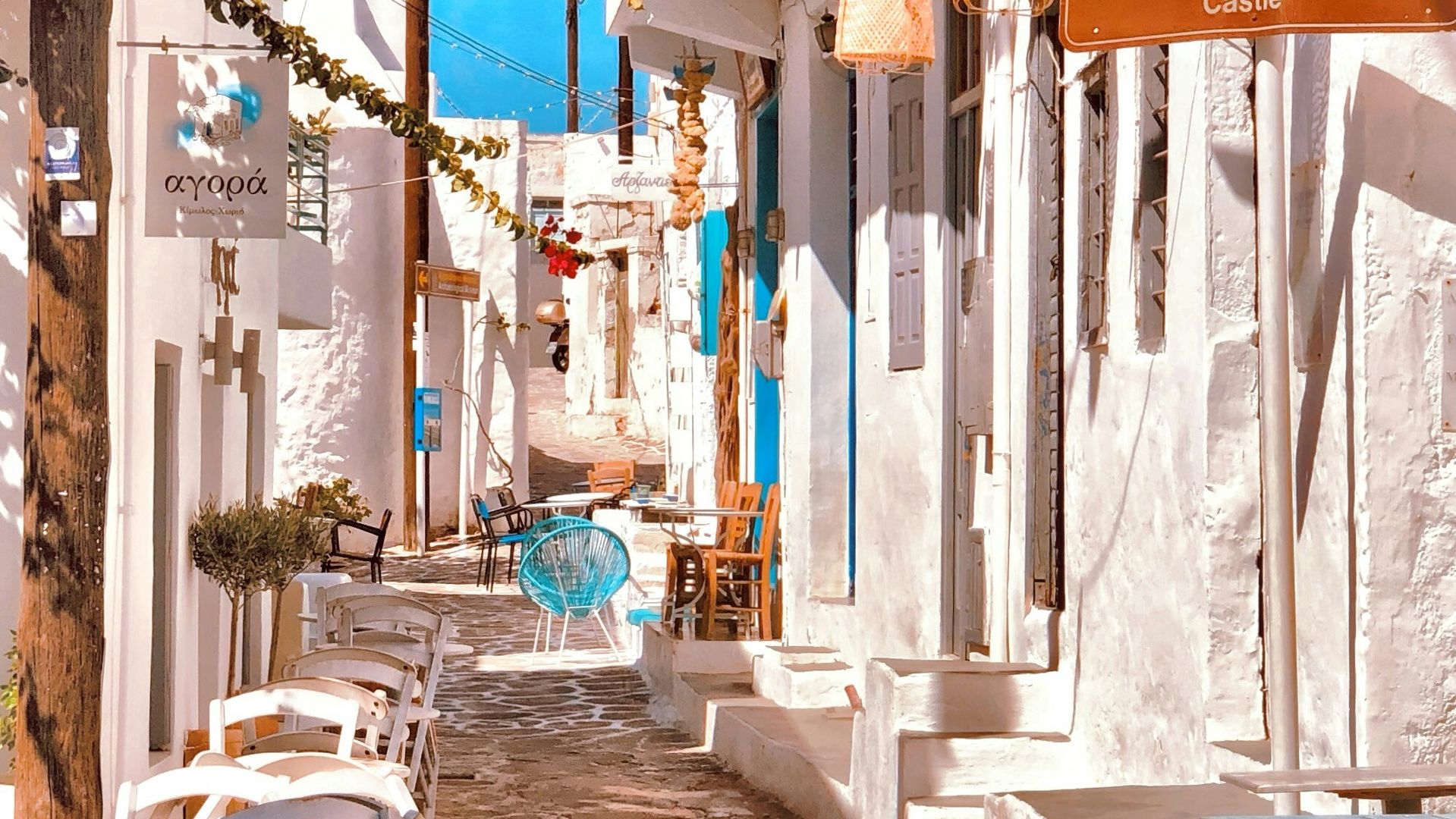
Discover the best places to visit in Greece, from ancient ruins and stunning islands to hidden monasteries and pristine beaches. This comprehensive guide covers must-see destinations, practical travel tips, and insider recommendations for an unforgettable Greek adventure.
Greece stands as one of the world's most captivating destinations, where ancient history collides with breathtaking natural beauty at every turn. Whether you're drawn to the iconic white-washed villages of the islands, the legendary ruins of ancient civilizations, or the pristine beaches lapped by azure waters, Greece offers experiences that will stay with you forever.
Planning a trip to Greece can feel overwhelming with so many incredible destinations competing for your attention. This comprehensive guide will help you navigate the country's most remarkable places, from world-famous landmarks to hidden treasures that only locals know about.
Athens: The Cradle of Western Civilization
Athens serves as the perfect starting point for any Greek adventure, combining ancient wonders with vibrant modern culture. The city's 3,400-year history comes alive through its archaeological treasures and bustling neighborhoods.
The Acropolis dominates the Athens skyline, crowned by the magnificent Parthenon that has stood for over 2,400 years. Walking through the ancient Agora where Socrates once philosophized transports you directly into the heart of classical Greece.
Top Athens Attractions:
- The Acropolis and Parthenon
- Ancient Agora and Temple of Hephaestus
- Acropolis Museum with its stunning glass floors
- Plaka neighborhood's charming streets
- Monastiraki Flea Market for authentic souvenirs
- Mount Lycabettus for panoramic city views
Beyond the ancient sites, Athens pulses with contemporary energy in neighborhoods like Psyrri and Gazi. The city's rooftop bars offer spectacular sunset views over the illuminated Acropolis while you sip on local wine.
The Peloponnese: Greece's Historical Heartland
The Peloponnese peninsula contains some of Greece's most significant archaeological sites and picturesque towns. This region rewards travelers who venture beyond the typical island-hopping routes with authentic experiences and stunning landscapes.
Nafplio stands out as one of Greece's most romantic towns, with its Venetian fortress, elegant neoclassical architecture, and waterfront promenade. The town serves as an ideal base for exploring the surrounding ancient sites and offers excellent Greek restaurants serving authentic local cuisine.
Must-Visit Peloponnese Sites:
- Ancient Epidaurus with its acoustically perfect theater
- Mycenae's legendary Lion Gate and royal tombs
- Ancient Olympia, birthplace of the Olympic Games
- Mystras' Byzantine ruins cascading down a mountainside
- Monemvasia's medieval castle town on a dramatic rock
- Ancient Corinth and the towering Acrocorinth fortress
The ancient theater at Epidaurus remains so acoustically perfect that a whisper from the stage can be heard in the back row. During summer, the Epidaurus Festival brings ancient Greek dramas to life in this spectacular setting.
Explore the Peloponnese's ancient wonders on our comprehensive tour that covers Mycenae and Epidaurus in one unforgettable day.
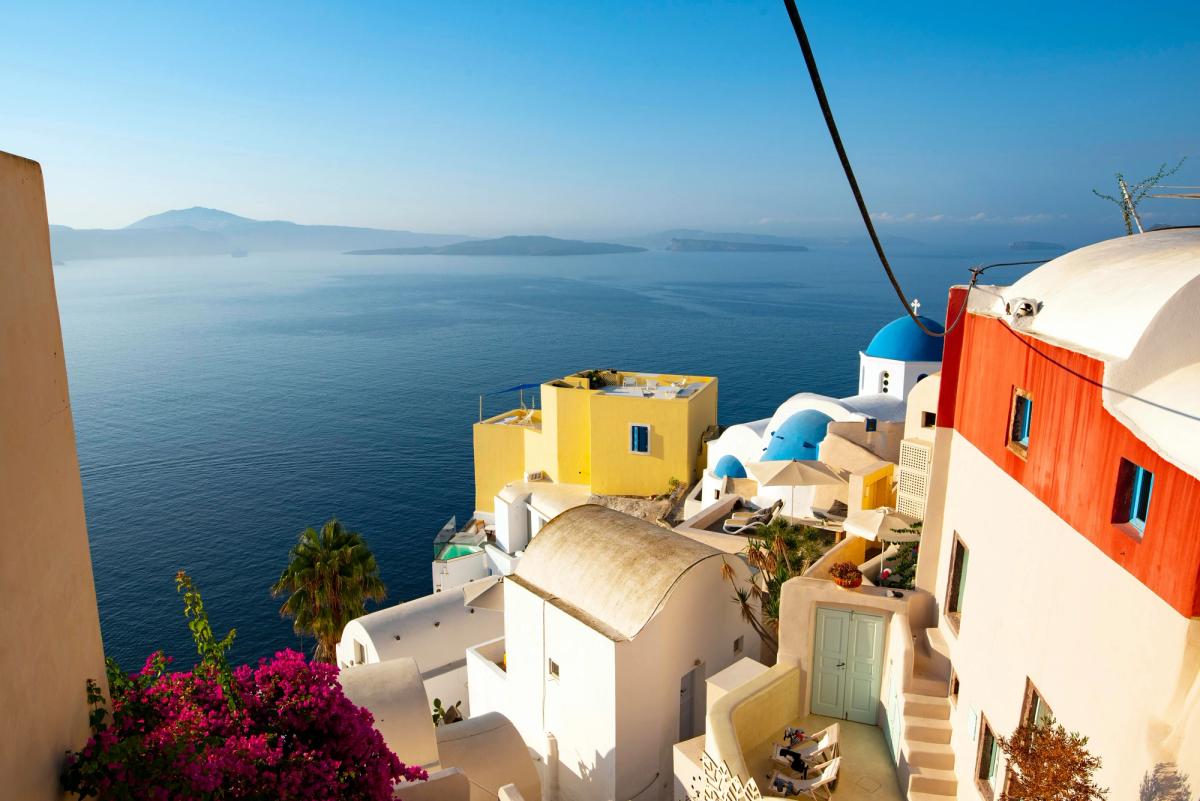
Santorini: The Jewel of the Cyclades
Santorini's dramatic caldera and sunset views have made it one of the world's most photographed destinations. The island's volcanic landscape creates a stunning backdrop of black sand beaches and cliff-top villages.
Oia village delivers those iconic postcard views with its blue-domed churches and whitewashed cave houses perched on the caldera rim. Watching the sun sink into the Aegean from here ranks among travel's most magical experiences.
Santorini Highlights:
- Oia's famous sunset views and blue-domed churches
- Fira town's clifftop restaurants and cable car
- Ancient Akrotiri's preserved Minoan city
- Red Beach and Perissa's black volcanic sands
- Wine tasting at traditional volcanic vineyards
- Sailing around the caldera at sunset
The island's unique volcanic soil produces distinctive wines, particularly the crisp Assyrtiko variety. Visiting a traditional winery carved into the volcanic rock offers both spectacular views and exceptional tastings.
Crete: Island of Legends and Diversity
Crete's size and diversity set it apart from other Greek islands, offering everything from ancient Minoan palaces to dramatic gorges and pristine beaches. The island's distinct culture and cuisine reflect its rich history of independence and resilience.
The Palace of Knossos near Heraklion stands as Europe's oldest city, where the legendary Minotaur supposedly lurked in an underground labyrinth. The partially reconstructed palace gives visitors a vivid sense of Minoan civilization's sophistication.
Crete's Top Experiences:
- Knossos Palace and the Heraklion Archaeological Museum
- Samaria Gorge's spectacular 16-kilometer hike
- Chania's Venetian harbor and old town
- Elafonisi Beach's pink sand and turquoise waters
- Rethymno's preserved Renaissance architecture
- Traditional mountain villages in the Lasithi Plateau
The Samaria Gorge offers one of Europe's most dramatic hikes, descending through towering rock walls before emerging at a remote beach. Starting early helps you avoid crowds and the midday heat in this spectacular natural wonder.
Meteora: Monasteries in the Sky
Meteora's Byzantine monasteries perched atop towering rock pillars create one of Greece's most surreal landscapes. These UNESCO World Heritage sites seem to defy gravity, rising hundreds of meters above the Thessalian plain.
Monks first settled on these rock pinnacles in the 14th century, seeking spiritual isolation and protection from invaders. Today, six monasteries remain active, preserving centuries-old traditions and housing priceless Byzantine art.
Visiting Meteora:
- Great Meteoron Monastery, the largest and oldest
- Varlaam Monastery with its impressive frescoes
- Roussanou Monastery, most accessible for visitors
- Holy Trinity Monastery from James Bond films
- Sunset viewing points for photographers
- Rock climbing on the surrounding pinnacles
Learn more about Greece's incredible monasteries and their fascinating history. The best light for photography occurs during golden hour when the rocks glow in warm tones.
Delphi: The Center of the Ancient World
The ancient Greeks considered Delphi the center of the world, where the Oracle of Apollo delivered prophecies that shaped history. The sanctuary's dramatic mountain setting adds to its mystical atmosphere.
The Temple of Apollo sits at the heart of the archaeological site, where priestesses once channeled the god's wisdom. The adjacent museum houses the famous Charioteer statue, one of ancient Greece's finest bronze sculptures.
Delphi Must-Sees:
- Temple of Apollo and the Sacred Way
- Ancient theater with mountain views
- Tholos of Athena Pronaia, Delphi's most photographed monument
- Delphi Archaeological Museum
- Castalian Spring where pilgrims purified themselves
- Stadium where Pythian Games were held
The site's location on Mount Parnassus provides breathtaking views across olive groves to the Gulf of Corinth. Arriving early allows you to experience the sanctuary's spiritual atmosphere before tour groups arrive.
Rhodes: Medieval Marvel of the Dodecanese
Rhodes combines medieval history with beautiful beaches and vibrant nightlife. The UNESCO-listed Old Town remains one of Europe's best-preserved medieval cities, enclosed within massive fortification walls.
The Palace of the Grand Master dominates Rhodes Old Town, a stunning example of Gothic architecture built by the Knights of St. John. Wandering the cobblestone streets feels like stepping back into the Middle Ages.
Rhodes Highlights:
- Medieval Old Town and Palace of the Grand Master
- Street of the Knights with its historic inns
- Ancient Lindos Acropolis overlooking a perfect bay
- Valley of the Butterflies nature reserve
- Prasonisi Beach where two seas meet
- Anthony Quinn Bay's crystal-clear waters
Lindos village offers the perfect combination of ancient history and beach relaxation. The climb to the clifftop acropolis rewards visitors with stunning views and impressive ancient temples.
Mykonos: Glamour and Tradition
Mykonos balances its reputation as a glamorous party destination with traditional Cycladic charm. The island's iconic windmills and maze-like streets in Mykonos Town create an enchanting setting.
Little Venice's waterfront houses with their colorful balconies hanging over the sea provide Mykonos' most romantic spot. Sunset here draws crowds who gather to watch the sky turn brilliant shades of orange and pink.
Mykonos Attractions:
- Mykonos Town's white-washed streets and windmills
- Little Venice's waterfront cafes and sunset views
- Paradise and Super Paradise beaches
- Delos Island's extensive ancient ruins
- Panagia Paraportiani, Greece's most photographed church
- Armenistis Lighthouse for panoramic views
A day trip to nearby Delos takes you to Apollo's legendary birthplace and one of Greece's most important archaeological sites. The entire island functions as an open-air museum with remarkable ancient ruins.
Corfu: The Emerald Island
Corfu's lush green landscape sets it apart from the arid Cycladic islands, earning it the nickname "Emerald Island." Centuries of Venetian, French, and British rule created a unique cultural blend reflected in the architecture and cuisine.
Corfu Town's elegant arcaded streets feel more Italian than Greek, with their pastel-colored Venetian buildings and fortresses. The UNESCO-listed old town rewards exploration with hidden squares and atmospheric cafes.
Corfu Experiences:
- Corfu Old Town's Venetian fortresses
- Achilleion Palace with its stunning gardens
- Paleokastritsa's dramatic coastline and monasteries
- Canal d'Amour's romantic rock formations
- Traditional villages in the mountainous interior
- Boat trips to secluded beaches and caves
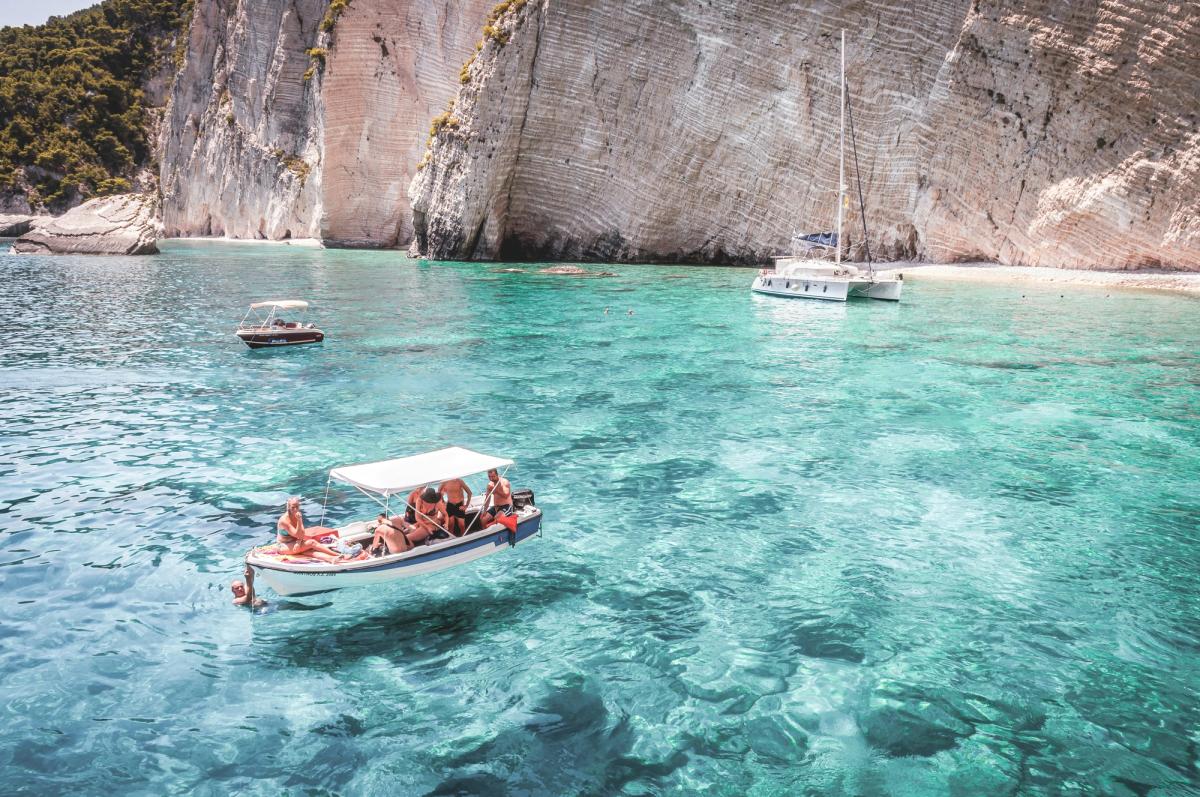
The island's beaches range from popular resort areas to hidden coves accessible only by boat. Paleokastritsa's turquoise bays surrounded by dramatic cliffs offer some of Greece's most beautiful coastal scenery.
Thessaloniki: Greece's Cultural Capital
Thessaloniki combines Byzantine heritage with contemporary energy, offering a more authentic Greek experience than touristy Athens. The city's waterfront promenade, vibrant food scene, and nightlife attract Greek travelers year-round.
The White Tower serves as Thessaloniki's symbol, offering panoramic views from its top. The city's numerous Byzantine churches showcase stunning mosaics that rival anything in Istanbul.
Thessaloniki Highlights:
- White Tower and waterfront promenade
- Rotunda with its magnificent mosaics
- Byzantine churches and city walls
- Ano Poli's traditional upper town
- Modiano Market for local food experiences
- Vibrant Ladadika district for nightlife
Thessaloniki's food scene rivals Athens, with excellent tavernas serving regional specialties. The city's bougatsa (custard pastry) is legendary, best enjoyed at traditional bakeries near the market.
Zakynthos: Beaches and Natural Beauty
Zakynthos gained international fame through photographs of Navagio Beach's shipwreck framed by towering white cliffs. Beyond this iconic spot, the island offers sea caves, turtle-nesting beaches, and traditional mountain villages.
Shipwreck Beach can only be accessed by boat, adding to its allure and preserving its pristine beauty. The rusting ship contrasts dramatically with the white cliffs and brilliant blue water.
Zakynthos Must-Visits:
- Navagio (Shipwreck) Beach and viewing platform
- Blue Caves' otherworldly rock formations
- Laganas Bay for sea turtle spotting
- Bochali village for sunset views
- Keri Cliffs and lighthouse
- Traditional Zakynthos Town architecture
The island's southern beaches serve as nesting grounds for endangered loggerhead sea turtles. Responsible boat tours offer chances to observe these magnificent creatures in their natural habitat.
Milos: The Hidden Gem
Milos remains relatively undiscovered compared to Santorini and Mykonos, offering dramatic volcanic landscapes and over 70 beaches. The island's colorful fishing villages and lunar-like rock formations create unique photo opportunities.
Kleftiko's white rock formations rising from turquoise waters can only be reached by boat. These sculpted cliffs and sea caves once served as pirate hideouts, hence the name meaning "the place of thieves."
Milos Highlights:
- Kleftiko's dramatic white rock formations
- Sarakiniko Beach's lunar landscape
- Firopotamos' colorful boat houses
- Ancient theater overlooking the sea
- Traditional fishing villages like Mandrakia
- Volcanic hot springs and colorful beaches
The island's volcanic geology creates beaches in every color imaginable, from white and pink to red and black. Renting a boat allows you to discover secluded coves inaccessible by land.
Hydra: Car-Free Paradise
Hydra's ban on cars and motorcycles preserves its timeless atmosphere, with donkeys providing the only transport besides walking. The island's elegant stone mansions reflect its prosperous maritime past.
The horseshoe-shaped harbor lined with restaurants and galleries creates Hydra's social center. Artists and writers have long been drawn to the island's peaceful beauty and creative atmosphere.
Hydra Attractions:
- Picture-perfect harbor and waterfront
- Historic mansions and museums
- Coastal path to secluded swimming spots
- Profitis Ilias monastery with panoramic views
- Traditional tavernas serving fresh seafood
- Art galleries showcasing local and international artists
The island makes an easy day trip from Athens, though staying overnight lets you experience its magical atmosphere after the day-trippers leave. Swimming from the rocks around the island offers crystal-clear waters and peaceful solitude.
The Mani Peninsula: Rugged Beauty
The Mani Peninsula's dramatic landscape of stone tower houses and wild coastline offers a glimpse of Greece's untamed side. This remote region maintained its independence throughout Ottoman rule, developing a unique warrior culture.
Vathia's abandoned tower houses create an eerie ghost village perched on a hilltop. These fortified towers once housed feuding families in this lawless region where vendettas lasted generations.
Mani Experiences:
- Vathia's dramatic tower house village
- Diros Caves' underground lakes and formations
- Cape Tenaro, mainland Greece's southernmost point
- Traditional Maniot villages like Areopoli
- Remote beaches along the rugged coast
- Byzantine churches with vivid frescoes
The coastal town of Gytheio serves as the gateway to the Mani, offering a charming harbor and fresh seafood. Discover the fascinating history of nearby Sparta, the legendary warrior city-state.
Experience the Peloponnese's diverse attractions on our Sparta and Mystras tour from Nafplio.
Quick Facts About Visiting Greece
Best Time to Visit:
- April-May: Perfect weather, fewer crowds, wildflowers blooming
- June-August: Peak season, hot weather, all facilities open
- September-October: Still warm, excellent weather conditions, lower prices
- November-March: Off-season, many islands close, mainland destinations accessible
Getting Around:
- Domestic flights connect major islands and cities quickly
- Ferries offer scenic routes between islands
- Rental cars provide flexibility for exploring the mainland
- Organized tours eliminate navigation stress in remote areas
- Athens metro efficiently connects airport to city center
Essential Travel Information:
- Currency: Euro (€)
- Language: Greek, but English widely spoken in tourist areas
- Visa: EU citizens need no visa; others get 90 days visa-free
- Power: 230V, European two-pin plugs
- Tipping: 10% in restaurants, round up for taxis
- Safety: Greece is very safe for travelers
Understanding Greek Culture and Customs
Greek hospitality, known as "philoxenia," means "friend to a stranger" and remains deeply ingrained in the culture. Locals often go out of their way to help visitors, offering directions, recommendations, or even spontaneous invitations.
The iconic blue and white colors adorning Greek islands aren't just aesthetic choices but carry deeper cultural significance. Understanding Greece's traditional colors enhances appreciation for the visual harmony you'll encounter.
Cultural Tips:
- Dress modestly when visiting churches and monasteries
- Learn a few basic Greek phrases – locals appreciate the effort
- Embrace the relaxed pace – rushing is considered rude
- Don't flush toilet paper in older buildings
- Siesta time (2-5 PM) is sacred – shops close
- Greeks dine late – dinner often starts after 9 PM
Greek architecture reflects thousands of years of cultural evolution, from ancient temples to Venetian fortresses and neoclassical mansions. Each region's architectural style tells the story of its unique history.
Greek Cuisine and Dining Experiences
Greek cuisine goes far beyond the gyros and Greek salads familiar to tourists. Regional specialties, fresh ingredients, and time-honored recipes create memorable dining experiences throughout the country.
Tavernas serve as community gathering places where meals stretch for hours over multiple courses and flowing wine. The best tavernas are often the simplest, family-run establishments where grandma still cooks traditional recipes.
Must-Try Greek Dishes:
- Moussaka: Layered eggplant and meat with béchamel sauce
- Souvlaki: Grilled meat skewers with pita and tzatziki
- Spanakopita: Spinach and feta pie in flaky phyllo
- Saganaki: Fried cheese served flaming at your table
- Octopus: Grilled and drizzled with lemon and olive oil
- Baklava: Sweet phyllo pastry with honey and nuts
Sampling Greek alcohol and traditional Greek liquor like ouzo, tsipouro, and raki completes the authentic dining experience. These spirits are often served complimentary as a welcome or digestif.
Practical Travel Tips for Greece
Money-Saving Strategies:
- Visit during shoulder season for lower prices and smaller crowds
- Eat where locals eat – away from tourist areas
- Take ferries instead of flights between islands
- Stay in family-run guesthouses rather than hotels
- Buy fresh food from markets for picnic lunches
- Book accommodations with kitchen facilities
Packing Essentials:
- Comfortable walking shoes for archaeological sites
- Sun protection: hat, sunglasses, high-SPF sunscreen
- Light layers for evening breezes
- Modest clothing for religious sites
- Reef-safe sunscreen for swimming
- Reusable water bottle with filter
Health and Safety:
- Tap water is safe in most areas but bottled tastes better
- Pharmacies are well-stocked and pharmacists knowledgeable
- EU citizens should bring European Health Insurance Card
- Private clinics offer excellent care for emergencies
- Jellyfish can appear in summer – vinegar helps stings
- Stay hydrated in summer heat and use sun protection
Hidden Gems Worth Discovering
Beyond the famous destinations, Greece rewards adventurous travelers who venture off the beaten path. Lesser-known sites often provide more authentic experiences without the crowds.
The historical sites near Porto Heli offer fascinating ancient ruins without the tourist masses. Geraki Castle stands as a magnificent but overlooked Byzantine fortress with stunning views.
Off-the-Beaten-Path Destinations:
- Folegandros: Dramatic cliffs and authentic Cycladic atmosphere
- Symi: Colorful neoclassical harbor town near Rhodes
- Pelion Peninsula: Lush mountain villages and hidden beaches
- Zagori: Stone villages and dramatic gorges in Epirus
- Ikaria: Laid-back island famous for residents' longevity
- Kythira: Unspoiled island between Peloponnese and Crete
Exploring various Greek cities beyond Athens and Thessaloniki reveals diverse regional cultures and traditions. Each city offers its own character, cuisine, and historical treasures.
How to Plan Your Greek Itinerary
Creating the perfect Greek itinerary requires balancing your interests with practical logistics. Most first-time visitors try to see too much, spending more time traveling than experiencing destinations.
Itinerary Planning Steps:
- Decide your priorities: ancient sites, beaches, islands, or combination
- Choose a base or two rather than constant hotel changes
- Allow at least 3-4 days per major destination
- Book ferries and popular accommodations in advance
- Build in flexibility for weather or spontaneous discoveries
- Consider organized tours for complex archaeological sites
- Leave time for simply relaxing and absorbing the atmosphere
Sample One-Week Itinerary:
- Days 1-2: Athens and day trip to Delphi
- Days 3-4: Nafplio with visits to Mycenae and Epidaurus
- Days 5-7: One island (Santorini, Mykonos, or Crete)
Sample Two-Week Itinerary:
- Days 1-3: Athens and surrounding ancient sites
- Days 4-6: Peloponnese (Nafplio, Olympia, Mystras)
- Days 7-9: Meteora and Delphi
- Days 10-14: Island hopping (2-3 islands)
Remember that fascinating facts about Greece extend far beyond what guidebooks typically cover. Taking time to learn about local traditions and history enriches your experience immeasurably.
Sustainable and Responsible Travel
Greece faces environmental challenges from overtourism, particularly on popular islands during peak season. Traveling responsibly helps preserve these treasures for future generations.
Sustainable Travel Practices:
- Visit popular destinations during shoulder season
- Support local businesses rather than international chains
- Respect archaeological sites – don't touch or climb on ruins
- Use reef-safe sunscreen to protect marine ecosystems
- Minimize plastic use – bring reusable bags and bottles
- Stay on marked trails to prevent erosion
- Choose accommodations with environmental certifications
Respecting Local Communities:
- Learn about local customs and traditions before visiting
- Dress appropriately, especially in religious sites and villages
- Ask permission before photographing people
- Support traditional crafts by buying authentic handmade items
- Dine at family-run tavernas serving local ingredients
- Be mindful of noise levels in residential areas
Many destinations now implement measures to manage tourist numbers and protect fragile sites. Respecting these regulations and visiting responsibly ensures Greece's wonders remain intact for future travelers.
Frequently Asked Questions
How many days do you need to visit Greece?
A minimum of 7-10 days allows you to experience Greece properly without feeling rushed. This gives you time for Athens, one region of the mainland (like the Peloponnese), and one or two islands. Two weeks is ideal for first-time visitors wanting to combine ancient sites, island experiences, and some relaxation. If you only have 4-5 days, focus on Athens and the nearby Peloponnese or choose one island destination rather than trying to cover too much ground.
What is the best month to visit Greece?
May and September-October offer the best combination of pleasant weather, manageable crowds, and good prices. May brings wildflowers and comfortable temperatures perfect for sightseeing, while September and October still offer warm seas for swimming with fewer tourists. July and August provide guaranteed sunshine but bring intense heat, high prices, and massive crowds, especially on popular islands. April and November work well for mainland destinations and offer the lowest prices, though some island facilities close.
Is Greece expensive to visit?
Greece offers good value compared to other Western European destinations, though costs vary significantly by location and season. Santorini and Mykonos rank among Greece's most expensive destinations, while mainland areas and lesser-known islands cost considerably less. Budget travelers can manage on €50-70 daily by staying in guesthouses, eating at local tavernas, and using public transport. Mid-range travelers should budget €100-150 daily for comfortable hotels, regular restaurant meals, and some tours. Visiting during shoulder season significantly reduces accommodation costs.
Do I need to rent a car in Greece?
Renting a car provides the most flexibility for exploring the mainland and larger islands like Crete, allowing you to discover hidden villages and beaches at your own pace. Athens doesn't require a car due to excellent public transport, and traffic can be challenging. Small islands like Santorini and Mykonos work well with scooters, ATVs, or taxis given their compact size. If you're uncomfortable with aggressive Mediterranean driving styles or narrow mountain roads, organized tours offer stress-free alternatives for reaching major sites. International drivers' licenses are technically required but not always checked.
Which Greek island should I visit first?
Your ideal first island depends on your priorities and interests. Santorini offers the most dramatic scenery and iconic Greek island views but comes with crowds and high prices. Crete provides the most diversity with ancient sites, beautiful beaches, dramatic gorges, and authentic culture all on one large island. Mykonos delivers sophisticated nightlife, beautiful beaches, and easy access to ancient Delos. Rhodes combines medieval history with excellent beaches and works well for families. For a more authentic, less touristy experience, consider Naxos, Paros, or Milos instead of the famous names.
Is it safe to travel to Greece?
Greece ranks as one of Europe's safest countries with very low violent crime rates. Petty theft like pickpocketing occurs in crowded tourist areas of Athens and on busy islands, so take normal precautions with valuables. Political demonstrations occasionally occur in Athens but rarely affect tourists or tourist areas. The biggest safety concerns involve sun exposure, dehydration in summer heat, and accidents on rented scooters or ATVs. Swimming safety requires attention to warning flags and local conditions. Overall, Greece welcomes millions of tourists annually without significant safety incidents.
Can I visit multiple islands in one trip?
Island hopping is absolutely possible and one of Greece's great pleasures, but requires careful planning around ferry schedules. Stick to 2-3 islands maximum per week to avoid spending all your time on ferries rather than exploring. The Cyclades islands (Santorini, Mykonos, Naxos, Paros) connect well with frequent ferries between them. Book accommodations near ferry ports on arrival/departure days to minimize stress. High-speed ferries cost more but save significant time on longer routes. Consider flying between distant islands or back to Athens to maximize your time, especially with limited vacation days.
What should I know about Greek ferry travel?
Ferry travel requires more flexibility than other transport since schedules change seasonally and weather can cause delays or cancellations. Book tickets in advance during peak season (July-August) but wait until closer to travel dates in shoulder season when schedules are less certain. Arrive at the port at least 30 minutes before departure as ferries often leave early if all passengers board. High-speed ferries cost double but cut travel time in half compared to conventional ferries. Bring snacks and entertainment as onboard facilities vary, and seasickness medication if you're prone to motion sickness, especially on smaller boats in windy conditions.
Conclusion: Your Greek Adventure Awaits
Greece offers such incredible diversity that every traveler finds something to love, whether you're drawn to ancient history, stunning beaches, delicious cuisine, or simply the laid-back Mediterranean lifestyle. The destinations covered in this guide represent just a fraction of what this remarkable country offers.
The key to a successful Greek journey lies in balancing your must-see highlights with flexibility to embrace unexpected discoveries. Some of your best memories will come from spontaneous moments – a sunset viewed from a quiet taverna, a conversation with a local fisherman, or stumbling upon a village festival.
Start planning your Greek adventure today, but remember that Greece rewards those who take time to slow down and savor experiences rather than rushing from one landmark to the next. The Greek concept of "siga siga" (slowly, slowly) isn't just a phrase but a philosophy worth embracing during your travels.
Whether this is your first visit or your tenth return to Greece, the country's timeless beauty and warm hospitality ensure that you'll leave already planning your next trip. As the Greeks say, "Kalo taxidi" – have a good journey!