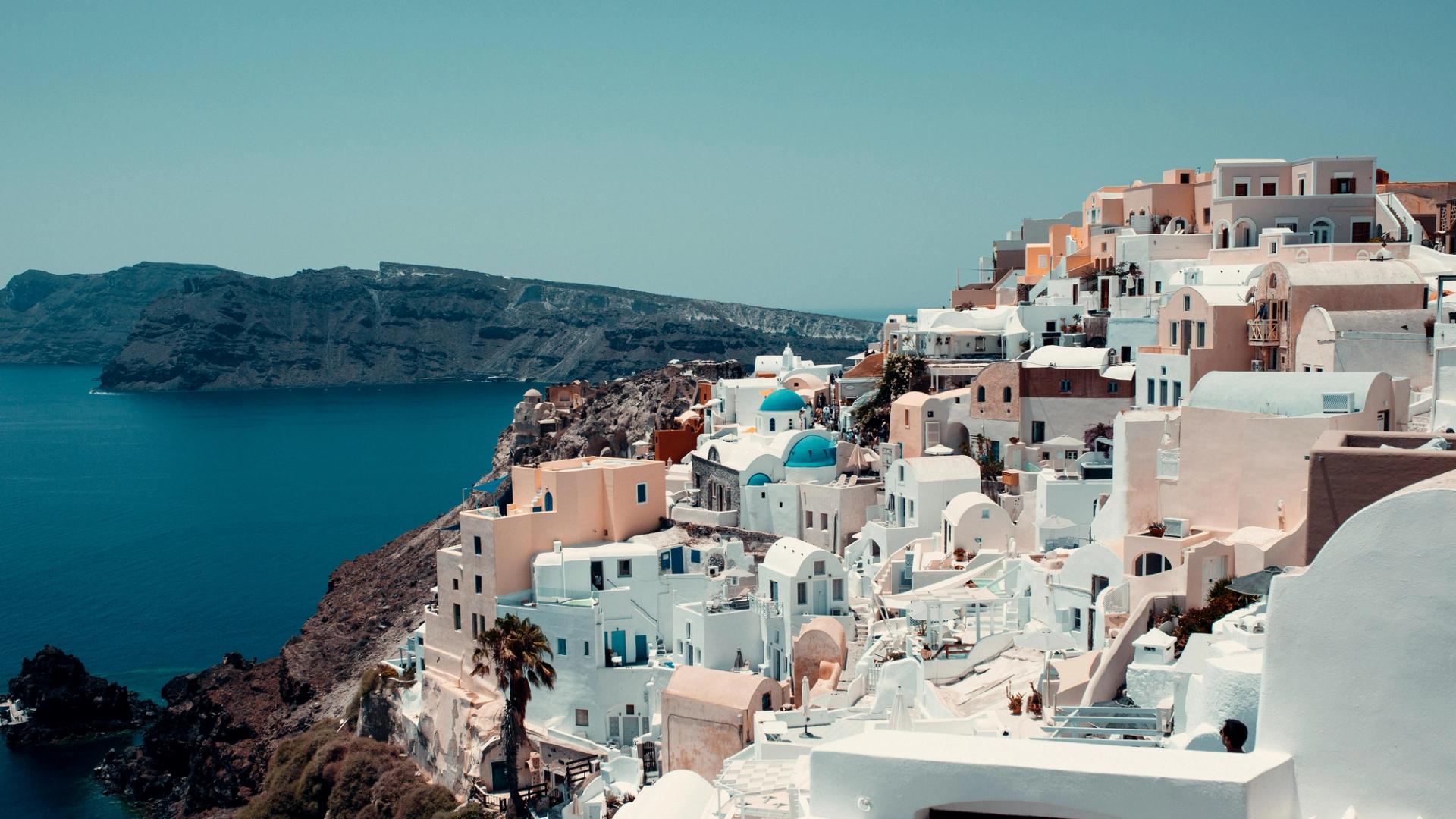
Discover the perfect time to visit Greece based on your travel style. From sun-soaked summer beaches to peaceful spring adventures, learn when to experience Greece at its finest with insider tips on weather, crowds, and seasonal highlights.
Planning Your Perfect Greek Adventure: A Seasonal Guide
Choosing when to visit Greece can make the difference between a good trip and an unforgettable journey. The Mediterranean jewel offers distinct experiences across all four seasons, each with its own magic, challenges, and unique appeal.
Whether you dream of island-hopping in crystalline waters, exploring ancient ruins without the crowds, or experiencing authentic local festivals, timing is everything. Understanding Greece's seasonal rhythms will help you craft the perfect itinerary that matches your travel style, budget, and expectations.
Understanding Greece's Climate and Seasons
Greece enjoys a Mediterranean climate with hot, dry summers and mild, wet winters. The country's diverse geography—from mountainous regions to island archipelagos—creates microclimates that can vary significantly.
Mainland areas like Athens and the Peloponnese experience more temperature extremes than the islands. Coastal regions benefit from sea breezes that moderate summer heat, while northern Greece sees cooler temperatures and more precipitation year-round.
Quick Climate Facts
- Summer (June-August): 25-35°C (77-95°F), minimal rainfall, peak sunshine
- Spring (March-May): 15-25°C (59-77°F), occasional showers, wildflowers bloom
- Autumn (September-November): 18-28°C (64-82°F), warm seas, increasing rainfall
- Winter (December-February): 8-15°C (46-59°F), wettest season, mountain snow
Spring in Greece: Nature's Awakening (March-May)
Spring transforms Greece into a botanical wonderland with wildflowers carpeting hillsides and ancient sites. This shoulder season offers comfortable temperatures perfect for exploration without summer's intensity.
The Greek countryside comes alive with poppies, daisies, and countless endemic species creating stunning natural displays. Easter celebrations, Greece's most important religious holiday, often fall in spring and provide remarkable cultural experiences.
Why Visit Greece in Spring
- Comfortable temperatures ideal for hiking and sightseeing
- Fewer tourists at major archaeological sites
- Lower accommodation prices (30-50% less than summer)
- Perfect weather for exploring the Peloponnese region
- Authentic cultural experiences during Easter festivities
- Wildflower season creates photogenic landscapes
Spring Considerations
- Some island hotels and restaurants remain closed until late April
- Sea temperatures (15-18°C) still cool for swimming
- Occasional rainy days, especially in March
- Ferry schedules not yet at full summer frequency
Summer in Greece: Peak Season Magic (June-August)
Summer delivers the quintessential Greek experience—azure seas, sun-bleached villages, and endless beach days. This is when Greece truly shines, though it comes with crowds and premium prices.
The islands pulse with energy during summer months, offering world-class beach clubs, outdoor concerts, and vibrant nightlife. Cultural events like the Epidaurus Festival showcase ancient drama in spectacular settings.
Summer Highlights
- June: Perfect balance of warm weather and manageable crowds
- July: Hottest month with peak tourist activity
- August: Greeks vacation en masse, creating authentic island atmosphere
- Beach Season: Water temperatures reach 24-26°C (75-79°F)
- Island Hopping: All ferry routes operating at maximum frequency
Summer Travel Tips
- Book accommodations 3-6 months in advance
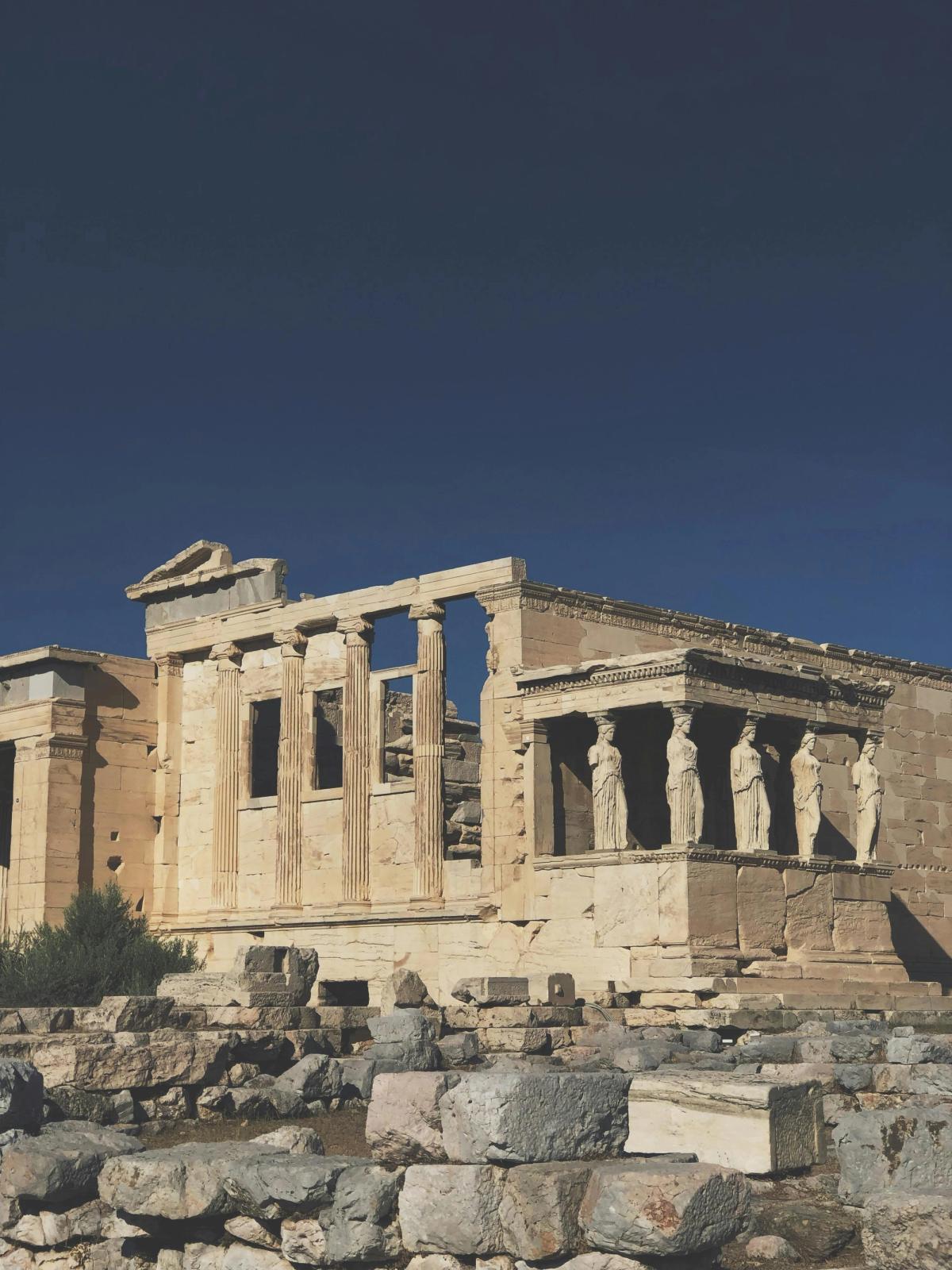
- Visit archaeological sites early morning or late afternoon
- Seek shade during 12pm-4pm peak heat hours
- Stay hydrated and use high SPF sunscreen
- Consider less-touristy destinations for authentic experiences
- Embrace the siesta culture—many businesses close midday
Managing Summer Heat and Crowds
August temperatures regularly exceed 35°C (95°F) in Athens and mainland areas. The intense heat can make sightseeing challenging, particularly at exposed archaeological sites without shade.
Popular islands like Santorini and Mykonos become extremely crowded, with cruise ship arrivals adding thousands of day-trippers. Consider exploring lesser-known gems like Gytheio for a more relaxed atmosphere.
Autumn in Greece: The Golden Season (September-November)
Many seasoned travelers consider autumn the absolute best time to visit Greece. September and October offer summer's warmth without the crowds, creating ideal conditions for exploration.
The sea retains summer heat, making beach activities pleasant well into October. Harvest season brings wine festivals, olive picking, and culinary celebrations throughout the countryside.
Autumn Advantages
- Warm sea temperatures (21-24°C) perfect for swimming
- Significantly fewer tourists at all major attractions
- Lower prices than summer (20-40% reduction)
- Comfortable temperatures for active pursuits
- Local festivals celebrating harvest and traditions
- Extended daylight hours through September
Early Autumn (September-October)
September feels like summer's sophisticated sibling—all the warmth with added refinement. Greeks return from vacation, restaurants reopen with renewed energy, and the pace becomes more relaxed.
October weather in Greece remains remarkably pleasant, with average temperatures around 20-25°C (68-77°F). This makes it perfect for combining beach time with cultural exploration and historical site visits.
Late Autumn (November)
November marks the transition toward winter with increasing rainfall and cooler temperatures. Many island establishments close for the season, though mainland destinations remain vibrant.
This is when Greece feels most authentic, with tourism infrastructure winding down and local life taking center stage. Prices drop dramatically, making it budget-friendly for travelers who don't mind occasional rain.
Winter in Greece: Off-Season Discoveries (December-February)
Winter reveals a different Greece—one of mountain villages, cozy tavernas, and genuine local interactions. While beach activities aren't viable, cultural exploration becomes deeply rewarding.
Mainland cities like Athens and Thessaloniki buzz with urban energy, offering excellent museums, dining, and nightlife. The Peloponnese provides fascinating historical experiences without summer's oppressive heat.
Winter Opportunities
- Skiing: Mountain resorts operate December through March
- Cultural Immersion: Experience Greece without tourist veneer
- Budget Travel: Lowest prices of the year (50-70% off peak rates)
- City Exploration: Perfect weather for urban sightseeing
- Christmas/New Year: Unique Greek holiday traditions
Winter Limitations
- Most island hotels and restaurants closed
- Reduced ferry schedules to islands
- Shorter daylight hours (sunset around 5pm)
- Occasional cold, rainy weather
- Some archaeological sites have reduced hours
Month-by-Month Breakdown
January-February: Deep Winter
- Coldest months with temperatures 8-15°C (46-59°F)
- Highest rainfall, especially in northern Greece
- Excellent for skiing in mountain resorts
- Rock-bottom prices and zero crowds
- Many island services closed
March: Spring Awakening
- Temperatures rise to 12-18°C (54-64°F)
- Wildflowers begin blooming
- Easter sometimes falls in March (dates vary)
- Tourist services start reopening
- Still occasional rainy days
April: Sweet Spot
- Comfortable 15-22°C (59-72°F) temperatures
- Peak wildflower season
- Easter celebrations (most years)
- Fewer tourists, moderate prices
- All services operational
May: Late Spring Perfection
- Warm 20-26°C (68-79°F) days
- Sea warming but still cool (18-20°C)
- Excellent hiking weather
- Increasing tourist numbers but manageable
- Longer daylight hours
June: Summer Preview
- Hot 25-32°C (77-90°F) temperatures
- Sea comfortable for swimming (21-23°C)
- Tourist season begins in earnest
- All facilities fully operational
- Prices rising but not peak
July-August: Peak Summer
- Hottest months, often exceeding 35°C (95°F)
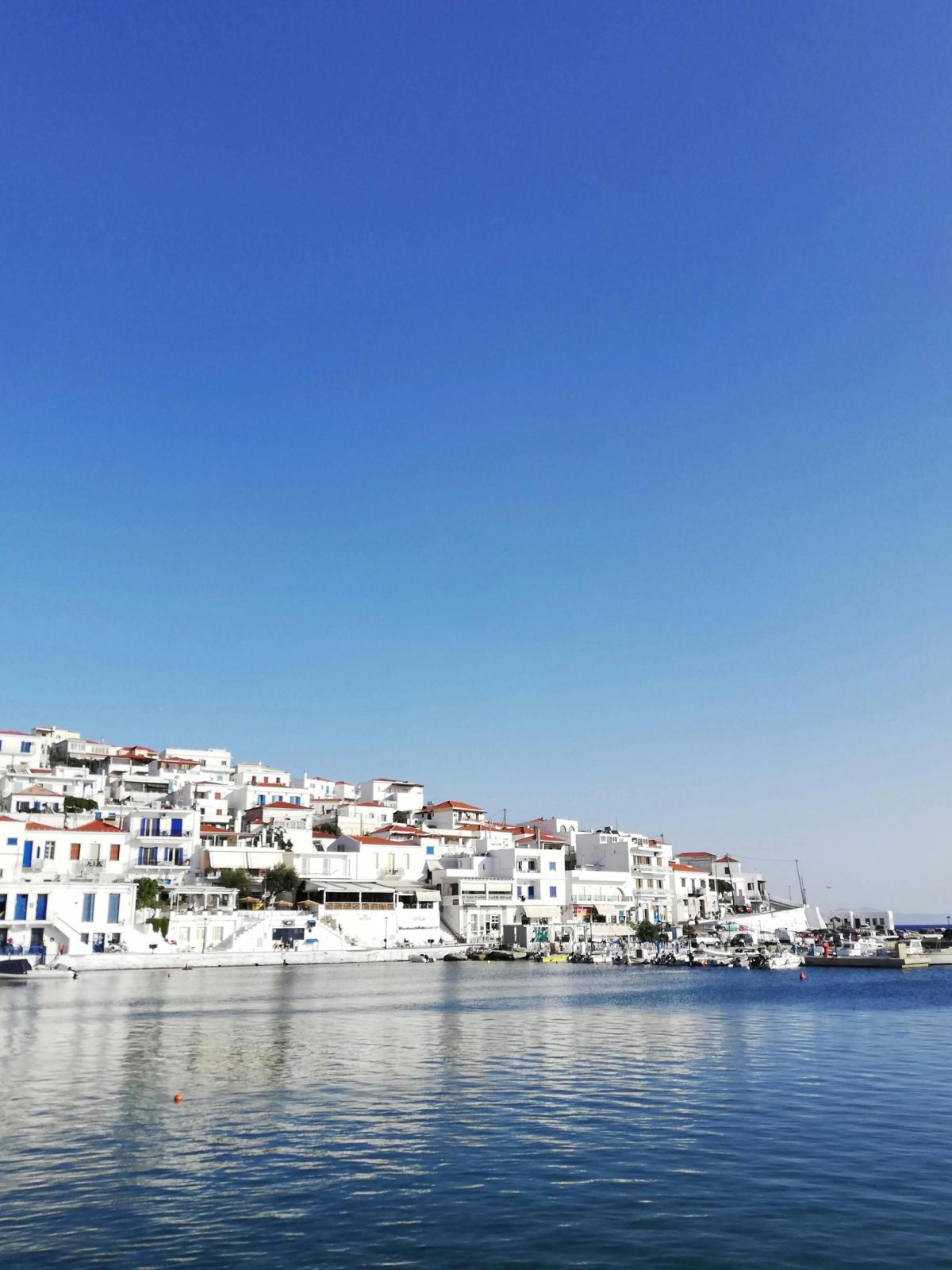
- Perfect beach weather, warm seas (24-26°C)
- Maximum crowds and prices
- Vibrant atmosphere and nightlife
- Book everything well in advance
September: Golden Month
- Still hot 23-30°C (73-86°F) but less intense
- Warm sea temperatures (23-25°C)
- Crowds diminishing, prices dropping
- Excellent all-around conditions
- Many consider this the best month
October: Extended Summer
- Pleasant 18-25°C (64-77°F) temperatures
- Sea still swimmable (20-22°C)
- Significantly fewer tourists
- Harvest festivals and celebrations
- Occasional rain increases
November: Shoulder Season
- Cooler 14-20°C (57-68°F) weather
- Increasing rainfall
- Many island services closing
- Very low prices
- Authentic local atmosphere
December: Early Winter
- Cool 10-16°C (50-61°F) temperatures
- Christmas markets and festivities
- Minimal tourists
- Mountain snow for skiing
- Most islands essentially closed
Matching Your Travel Style to the Season
Beach Lovers and Sun Seekers
Best Months: June-September
For classic beach vacations with guaranteed sunshine and warm waters, summer is non-negotiable. July and August offer the hottest weather and warmest seas, while June and September provide slightly cooler alternatives.
Consider extending into early October if you want beach time with fewer crowds. The sea remains warm enough for comfortable swimming, and you'll enjoy a more peaceful atmosphere.
Culture and History Enthusiasts
Best Months: April-May, September-October
Exploring Greek architecture and archaeological sites becomes far more pleasant during shoulder seasons. Comfortable temperatures make walking through ancient ruins enjoyable rather than exhausting.
Spring wildflowers add beauty to historical sites, while autumn's golden light creates stunning photography conditions. Book a cultural tour during these months for optimal experiences.
Adventure and Active Travelers
Best Months: April-June, September-October
Hiking, cycling, and outdoor activities require moderate temperatures. Spring and autumn provide perfect conditions for exploring Greek monasteries on foot or tackling mountain trails.
Summer heat makes strenuous activities uncomfortable and potentially dangerous. Winter brings excellent skiing opportunities in mountain regions for winter sports enthusiasts.
Budget Travelers
Best Months: November-March, early April
Winter and early spring offer dramatic savings on accommodations, flights, and tours. You'll sacrifice beach weather but gain authentic experiences and nearly empty attractions.
Late October through early December provides a sweet spot—still decent weather with significantly reduced prices. Many Greek cities remain vibrant year-round.
Photographers
Best Months: April-May, September-October
Golden hour light during shoulder seasons creates magical conditions for photography. Spring wildflowers and autumn harvests add colorful elements to compositions.
Summer's harsh midday light can be challenging, while winter's shorter days limit shooting opportunities. The blue and white aesthetics of Greek architecture photograph beautifully year-round.
Regional Considerations
Athens and Mainland Greece
The capital and mainland regions remain accessible and interesting year-round. Summer heat can be intense in Athens, making spring and autumn more comfortable for urban exploration.
Winter offers excellent opportunities for visiting Sparta and other historical mainland sites without crowds. The Peloponnese particularly shines during shoulder seasons.
Greek Islands
Island seasons are more pronounced, with many establishments closing November through March. The Cyclades (Santorini, Mykonos) and Dodecanese (Rhodes, Kos) have longer seasons than smaller islands.
September and October provide ideal island conditions—warm weather, swimmable seas, and manageable tourist numbers. June offers similar benefits at the season's beginning.
Northern Greece
Regions like Thessaloniki and Halkidiki experience more distinct seasons with colder winters. Spring arrives later and autumn comes earlier compared to southern Greece.
Summer remains the prime season, though shoulder months offer excellent value. Winter can be quite cold with significant snowfall in mountainous areas.
Special Events and Festivals
Greek Orthodox Easter
Timing: Varies (usually April or May)
Easter represents Greece's most important celebration, offering profound cultural insights. Holy Week features processions, candlelit services, and midnight celebrations culminating in Easter Sunday feasts.
Book accommodations well ahead as Greeks travel extensively during this period. The experience of authentic Easter celebrations makes any scheduling effort worthwhile.
Summer Festivals
June-September
Cultural festivals peak during summer months, with the Epidaurus Festival presenting ancient Greek drama in a 2,300-year-old theater. Athens hosts concerts, performances, and cultural events throughout summer.
Local village festivals (panigiria) celebrate patron saints with music, dancing, and traditional food. These authentic gatherings offer glimpses into genuine Greek culture.
Wine and Food Festivals
September-October
Harvest season brings grape festivals, olive celebrations, and culinary events. These provide opportunities to taste local products and experience agricultural traditions.
Many regions host wine festivals showcasing local varieties, often with traditional music and dancing. Food lovers find autumn particularly rewarding for Greek cuisine experiences.
Practical Planning Tips
Booking Timeline
- Summer Travel (June-August): Book 4-6 months ahead
- Shoulder Season (April-May, Sept-Oct): Book 2-3 months ahead
- Winter Travel (Nov-March): Book 2-4 weeks ahead
- Easter Period: Book 6+ months ahead
- Popular Islands: Always book earlier rather than later
Budget Considerations
Peak Season (July-August):
- Accommodations: €100-300+ per night
- Meals: €15-30 per person
- Tours: Premium pricing
- Flights: Highest rates
Shoulder Season (April-May, Sept-Oct):
- Accommodations: €60-180 per night
- Meals: €12-25 per person
- Tours: Standard pricing
- Flights: Moderate rates
Low Season (Nov-March):
- Accommodations: €40-100 per night
- Meals: €10-20 per person
- Tours: Discounted rates
- Flights: Lowest prices
Packing Essentials by Season
Spring/Autumn:
- Layers for variable temperatures
- Light rain jacket
- Comfortable walking shoes
- Sun protection (hat, sunscreen)
- Light sweater for evenings
Summer:
- Lightweight, breathable clothing
- Strong sunscreen (SPF 50+)
- Sun hat and sunglasses
- Swimwear and beach gear
- Evening outfit for dining out
Winter:
- Warm jacket or coat
- Waterproof outerwear
- Closed-toe comfortable shoes
- Layers for indoor/outdoor temperature changes
- Umbrella for rain
Making the Most of Your Visit
Combining Regions
Greece's compact size allows combining different regions in one trip. Start in Athens for cultural immersion, then head to the Peloponnese for historical sites before finishing on the islands.
Spring and autumn make multi-region itineraries more comfortable with moderate temperatures. Summer heat can make mainland exploration exhausting, though island breezes provide relief.
Learning Basic Greek
Knowing a few Greek phrases enhances your experience significantly. Greeks appreciate visitors who make linguistic efforts, even if pronunciation isn't perfect.
Shoulder seasons when fewer tourists visit provide better opportunities for practicing Greek with locals. Summer's international crowds mean English is spoken almost everywhere.
Embracing Local Rhythm
Greek daily life follows distinct patterns—late dinners (9pm or later), afternoon siestas, and leisurely meals. Adapting to this rhythm rather than fighting it creates more authentic experiences.
Summer's heat naturally enforces the siesta tradition. Spring and autumn allow more flexibility in daily scheduling while still respecting local customs.
Frequently Asked Questions
What is the absolute best month to visit Greece?
September is widely considered the best month to visit Greece. It combines summer's warm weather and swimmable seas with fewer crowds and lower prices. Temperatures remain pleasant (23-28°C), the sea is still warm from summer (23-25°C), and tourist numbers drop significantly after schools restart. The atmosphere becomes more relaxed while maintaining full services and ferry schedules.
Is Greece worth visiting in winter?
Yes, Greece offers rewarding winter experiences for certain travelers. While beach activities aren't viable and many island services close, mainland destinations like Athens remain vibrant with excellent museums, dining, and cultural attractions. Prices drop dramatically (50-70% off peak rates), crowds disappear, and you'll experience authentic Greek life. Winter is ideal for budget travelers, culture enthusiasts, and those seeking genuine local interactions rather than beach vacations.
When should I avoid visiting Greece?
Avoid mid-July through August if you dislike extreme heat and crowds. Temperatures regularly exceed 35°C (95°F), major sites become overwhelmingly crowded, and prices peak. August particularly sees Greeks vacationing en masse, making popular islands extremely busy. Also avoid Easter week unless specifically seeking that experience, as accommodations book far ahead and prices spike. Late November through February offers limited island access with many closures.
How far in advance should I book my Greece trip?
Booking timelines depend on your travel season. For summer travel (June-August), book accommodations and tours 4-6 months ahead, especially for popular islands. Shoulder seasons (April-May, September-October) require 2-3 months advance booking. Winter travel allows more flexibility with 2-4 weeks typically sufficient. Easter period demands 6+ months advance planning as Greeks travel extensively during this important holiday.
Can you swim in Greece in October?
Yes, swimming remains comfortable in October throughout most of Greece. Sea temperatures range from 20-22°C (68-72°F), still pleasant for most swimmers. Southern islands and Crete maintain warmer waters longer into autumn. Air temperatures average 20-25°C (68-77°F), perfect for beach activities without summer's intensity. October offers an excellent balance of beach weather and comfortable sightseeing conditions with significantly fewer crowds.
What's the cheapest time to visit Greece?
January through March offers the lowest prices for visiting Greece. Accommodations cost 50-70% less than peak summer rates, flights are cheapest, and tour operators offer significant discounts. November and early December also provide excellent value before Christmas holidays. However, many island establishments close during these months, limiting options. For the best value while maintaining good weather and open facilities, consider late October or early April.
Is spring or fall better for visiting Greece?
Both seasons excel but for different reasons. Spring (April-May) features wildflowers, Easter celebrations, and everything feeling fresh and new, though seas remain cool for swimming (16-20°C). Fall (September-October) offers warm seas perfect for swimming (20-24°C), harvest festivals, and golden light for photography. Fall generally provides more consistent weather, while spring can have occasional rainy days. Most travelers prefer fall for the combination of summer-like conditions with shoulder season benefits.
How many days do I need in Greece?
A minimum of 7-10 days allows meaningful exploration. Spend 2-3 days in Athens for major sites, 3-4 days in the Peloponnese for ancient sites and coastal towns, and 3-4 days on islands. Two weeks permits more relaxed pacing and multiple island visits. The ideal duration depends on your interests—history buffs might spend more time on the mainland, while beach lovers prioritize island time. Greece rewards longer stays that allow deeper regional exploration.
Final Recommendations
The "best" time to visit Greece ultimately depends on your priorities, budget, and travel style. No single season suits everyone perfectly—each offers distinct advantages and trade-offs.
For first-time visitors seeking the classic Greek experience: Plan for late May, June, or September when weather is excellent, services are fully operational, and crowds remain manageable. These months provide the most well-rounded experience without major compromises.
For returning visitors wanting deeper cultural immersion: Consider April-May or October-November when tourism infrastructure operates but crowds thin significantly. You'll experience more authentic interactions and see Greece beyond its tourist veneer.
For budget-conscious travelers willing to sacrifice beach time: November through March offers incredible value with opportunities to explore cities, historical sites, and mainland regions without crowds. Winter reveals Greece's genuine character away from seasonal tourism.
For those prioritizing beach vacations: July and August deliver guaranteed sunshine and warm seas despite crowds and heat. Accept the trade-offs of peak season for optimal beach conditions and vibrant island atmosphere.
Regardless of when you visit, Greece rewards travelers with stunning landscapes, rich history, delicious cuisine, and warm hospitality. Understanding seasonal differences simply helps you maximize your experience and align expectations with reality. The Mediterranean magic exists year-round—you just need to know where and when to find it.
Start planning your Greek adventure by exploring our curated tours throughout the Peloponnese that showcase the region's incredible diversity across all seasons. Whether you're drawn to ancient history, coastal beauty, or culinary traditions, the perfect Greek experience awaits.