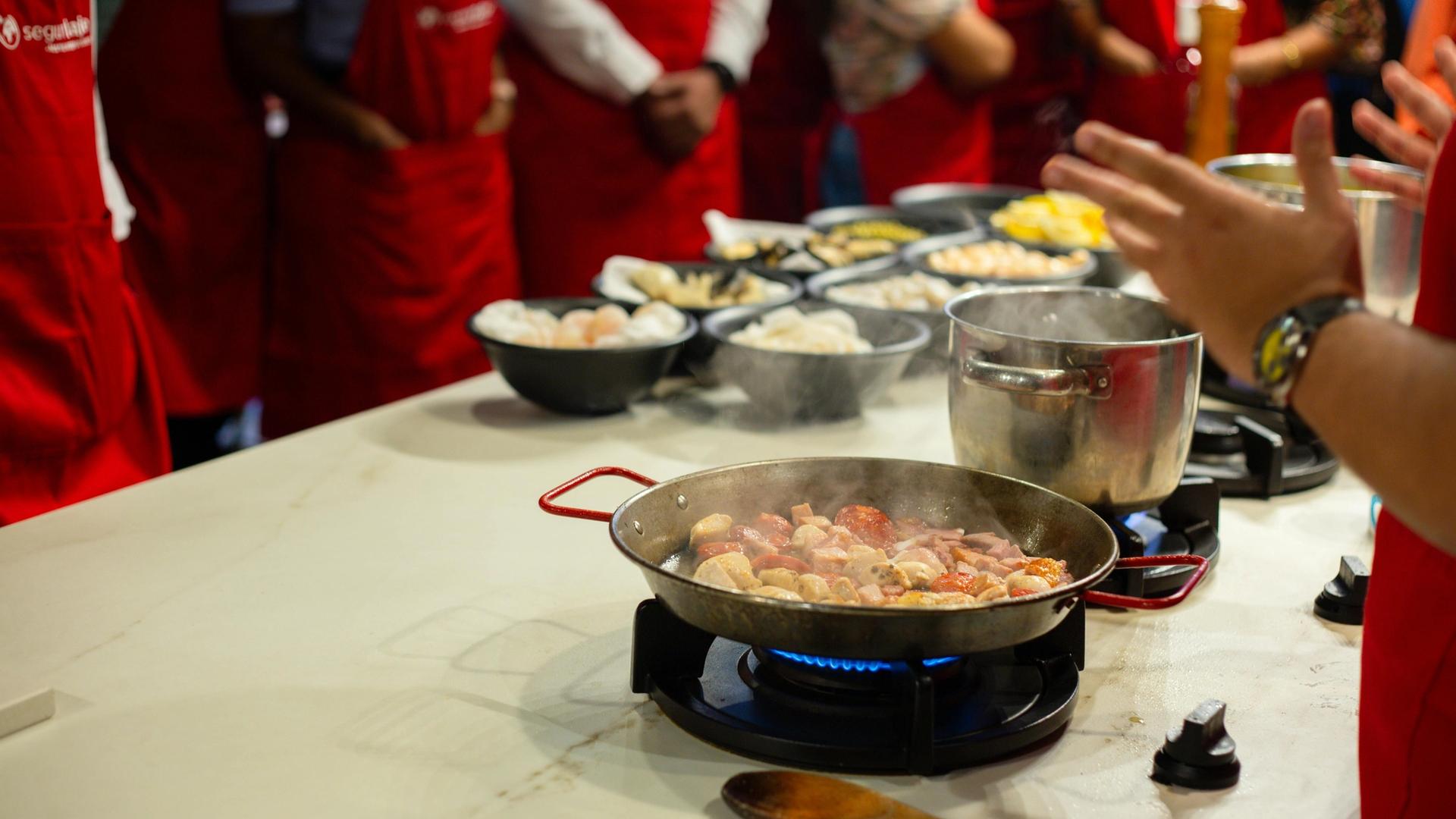
Discover the culinary treasures of Mani Peninsula through hands-on cooking classes that teach traditional Greek recipes passed down through generations. Learn to prepare authentic dishes using local ingredients while immersing yourself in the region's rich food culture and warm hospitality.
The wild beauty of Mani Peninsula extends far beyond its dramatic landscapes and ancient towers into a culinary tradition that has remained largely unchanged for centuries. In this rugged corner of the Peloponnese, cooking classes offer travelers an intimate window into a food culture shaped by isolation, resourcefulness, and an unwavering connection to the land.
Participating in a cooking class here means more than just learning recipes—it's an immersion into a way of life where every ingredient tells a story and every dish carries generations of wisdom. The experience connects you directly with local families, olive groves, and seaside villages where authentic Greek cuisine thrives in its purest form.
Why Choose Mani Peninsula for Culinary Education
Mani's geographical isolation has preserved cooking traditions that disappeared elsewhere in Greece decades ago. The peninsula's unique microclimate produces ingredients with distinctive flavors found nowhere else, from wild greens gathered on mountain slopes to herbs that grow between ancient stones.
Local cooks here still follow seasonal rhythms and traditional methods that modern kitchens have abandoned. You'll learn techniques passed directly from grandmother to grandchild, using tools and approaches that connect directly to Byzantine and even ancient Greek culinary practices.
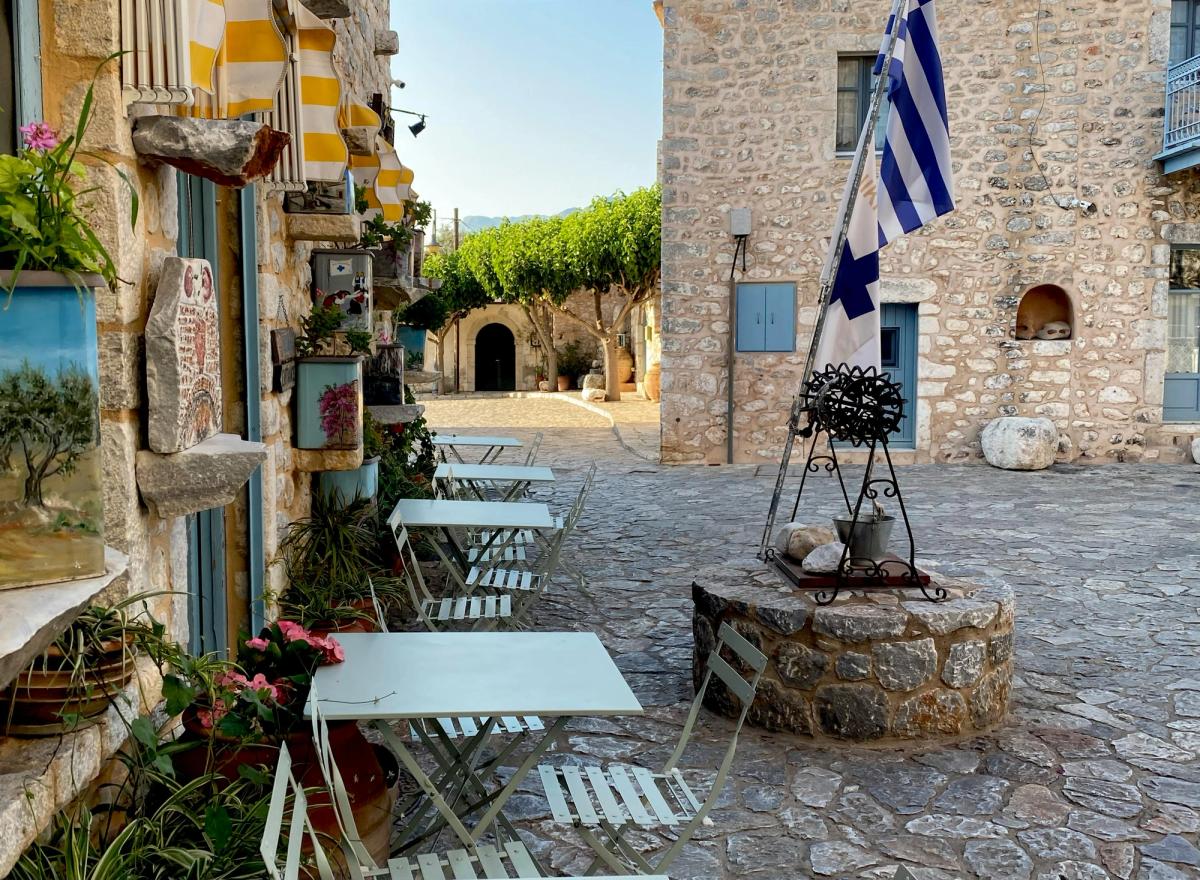
Unique Advantages of Mani Cooking Classes:
- Access to rare indigenous ingredients not available in other regions
- Instruction from home cooks rather than professional chefs
- Small class sizes ensuring personalized attention
- Integration with local daily life and family traditions
- Hands-on experience from ingredient gathering to final presentation
- Direct connection to organic farms and traditional producers
Types of Cooking Classes Available
The cooking class landscape in Mani ranges from intimate home kitchen experiences to more structured culinary workshops. Each format offers distinct advantages depending on your interests, time constraints, and desired level of cultural immersion.
Most classes focus on traditional Maniot cuisine, though some incorporate broader Peloponnesian or general Greek dishes. The best experiences combine cooking instruction with storytelling, local history, and insights into the region's unique food philosophy.
Home Kitchen Experiences
These intimate sessions take place in local family homes, often in traditional stone houses with original kitchens. You'll cook alongside your host using their family recipes, equipment, and sometimes ingredients from their own gardens.
The atmosphere is relaxed and conversational, with lessons flowing naturally as you work together. These classes rarely follow rigid schedules, instead adapting to the rhythm of the cooking and the stories being shared.
Farm-to-Table Workshops
Several organic farms and olive estates offer classes that begin with ingredient harvesting. You'll pick vegetables, gather herbs, or even participate in olive oil production before moving to the kitchen.
These experiences provide complete understanding of the ingredient journey from soil to plate. The connection between agricultural practices and final flavors becomes immediately apparent when you've personally harvested your cooking materials.
Restaurant-Based Classes
A few traditional tavernas in larger Mani villages offer structured cooking workshops. These typically accommodate slightly larger groups and provide more polished instruction.
While less intimate than home experiences, restaurant classes often include professional techniques and presentation skills. You'll also learn how traditional recipes adapt to commercial kitchen environments while maintaining authenticity.
Specialized Technique Workshops
Some instructors focus on specific aspects of Maniot cuisine like bread baking, phyllo pastry making, or traditional preservation methods. These deep-dive sessions appeal to cooks wanting to master particular skills.
Specialized classes often require multiple sessions or full-day commitments. The intensive format ensures you develop genuine proficiency rather than superficial familiarity.
Traditional Dishes You'll Learn to Prepare
Maniot cuisine reflects the peninsula's harsh environment and historical isolation. Dishes emphasize preservation, utilize every part of ingredients, and showcase flavors that develop through time-honored techniques.
The cooking style is deceptively simple, relying on quality ingredients and proper technique rather than complex preparations. Many recipes require patience and understanding of how flavors develop, lessons that extend beyond the kitchen.
Signature Maniot Dishes Featured in Classes:
- Syglino: Smoked pork preserved in olive oil and orange peel
- Lalaggia: Thin fried dough strips flavored with orange and cinnamon
- Trachanas: Fermented wheat and milk soup base
- Kagianas: Scrambled eggs with tomatoes and local sausage
- Diples: Honey-soaked fried pastries shaped into ribbons
- Marathopita: Wild fennel pie with local cheeses
- Tahinosoupa: Tahini soup traditionally served during Lent
- Sfela cheese: Local semi-hard cheese unique to Mani
What to Expect During Your Cooking Class
Most Mani cooking classes span four to six hours, though some farm experiences last an entire day. Sessions typically begin mid-morning or early afternoon, timing that aligns with traditional meal preparation schedules.
Expect a relaxed pace that prioritizes understanding over speed. Your instructor will explain not just how to prepare dishes but why certain methods matter and how recipes connect to local history and culture.
Typical Class Structure
Welcome and Introduction:
- Meeting your host and fellow participants
- Discussion of the day's menu and ingredient stories
- Tour of the kitchen, garden, or farm
- Overview of Maniot culinary philosophy
Ingredient Preparation:
- Gathering or selecting fresh ingredients
- Learning to identify quality markers
- Proper cleaning and preparation techniques
- Understanding seasonal variations
Cooking Process:
- Hands-on preparation of multiple dishes simultaneously
- Instruction in traditional cooking methods
- Explanation of timing and technique adjustments
- Tasting and seasoning guidance throughout
Dining and Discussion:
- Sitting down to enjoy the meal you've prepared
- Sharing stories and asking questions
- Receiving recipes and cooking tips to take home
- Often includes local wine or traditional spirits
Best Locations for Cooking Classes in Mani
Cooking class opportunities concentrate in several key areas throughout the peninsula. Each region offers slightly different culinary focuses reflecting local specialties and available ingredients.
The choice of location often depends on where you're staying and what other activities you want to combine with your cooking experience. Transportation can be challenging in remote areas, so planning ahead is essential.
Kardamyli and Surrounding Villages
This picturesque coastal town hosts several established cooking class providers. The area's popularity with international visitors has created a small industry of culinary experiences without sacrificing authenticity.
Kardamyli classes often emphasize seafood preparations alongside mountain dishes. The combination of coastal and highland ingredients available here provides unusual variety for a single location.
Areopoli and Inner Mani
The traditional capital of Mani offers classes deeply rooted in historical recipes and preservation techniques. Instructors here often come from families with centuries of local history.
Classes in this area frequently include visits to local producers and exploration of traditional architecture. The connection between Maniot tower houses and food storage practices becomes particularly evident.
Gytheio and Eastern Coast
The gateway to Mani provides more accessible options for travelers with limited time. Classes here tend toward slightly more structured formats while maintaining traditional content, similar to the culinary experiences you might find when exploring Greek restaurants in Nafplio.
Gytheio's position as a working port town adds commercial fishing perspectives to cooking instruction. You'll learn how local fishermen's catches influence daily menu planning.
Remote Village Experiences
Several small villages in deep Mani offer occasional cooking classes through personal connections. These require advance arrangement but provide the most authentic cultural immersion.
Remote classes often incorporate multiple community members and spontaneous elements. The experience feels less like a structured lesson and more like being adopted into a local family for the day.
Seasonal Considerations for Cooking Classes
Mani's dramatic seasons significantly impact both ingredient availability and class content. Understanding these patterns helps you choose the best time for your specific culinary interests.
Spring and autumn offer the widest variety of fresh ingredients and most comfortable cooking conditions. Summer brings intense heat that affects both kitchen comfort and available produce, while winter focuses on preserved foods and hearty preparations.
Spring Season (March-May):
- Wild greens at peak availability
- Fresh herbs beginning to flourish
- Easter preparations and traditional sweets
- Pleasant temperatures for outdoor cooking
- Lamb dishes featuring prominently
Summer Season (June-August):
- Emphasis on light, fresh preparations
- Abundant tomatoes and summer vegetables
- Seafood-focused classes
- Early morning or evening sessions to avoid heat
- Outdoor dining under vine-covered pergolas
Autumn Season (September-November):
- Olive harvest and oil production
- Grape harvest and wine-making traditions
- Preservation technique instruction
- Mushroom foraging in mountain areas
- Perfect weather for all-day experiences
Winter Season (December-February):
- Focus on preserved ingredients and pantry staples
- Hearty soups and stews
- Traditional bread baking
- Holiday sweets and festival foods
- Intimate indoor kitchen settings
Ingredients That Define Maniot Cooking
The peninsula's unique ecosystem produces ingredients that form the foundation of local cuisine. Understanding these core elements helps you appreciate the dishes you'll learn to prepare.
Many Maniot ingredients remain relatively unknown outside the region despite their exceptional quality. Cooking classes provide opportunities to discover flavors you won't encounter elsewhere in Greece.
Essential Maniot Ingredients:
- Extra virgin olive oil: From ancient groves producing intensely flavored oil
- Wild greens: Dozens of varieties gathered from mountains and fields
- Sfela cheese: Sharp, semi-hard cheese aged in brine
- Kalamata olives: From trees growing throughout the region
- Wild herbs: Oregano, thyme, sage, and mountain tea
- Citrus fruits: Especially bitter oranges used in preservation
- Local honey: From bees feeding on wild thyme and herbs
- Sea salt: Traditionally harvested from coastal salt pans
Combining Cooking Classes with Cultural Exploration
The best Mani culinary experiences integrate cooking instruction with broader cultural activities. This approach provides context that deepens your understanding of why and how local cuisine developed.
Many cooking class providers can arrange complementary experiences or recommend nearby attractions. Planning your itinerary to include both culinary and cultural elements creates a more complete picture of Maniot life, much like the comprehensive experiences offered through adventure tours in the Peloponnese.
Complementary Cultural Activities:
- Visiting traditional tower houses to understand historical daily life
- Exploring olive mills and learning oil production methods
- Attending local festivals featuring traditional music and dance
- Touring Byzantine churches with original frescoes
- Meeting local artisans practicing traditional crafts
- Hiking ancient paths connecting mountain villages
Practical Information for Booking Your Class
Securing a spot in Mani cooking classes requires more advance planning than similar experiences in more touristed areas. Many instructors operate informally through personal networks rather than online booking systems.
The most authentic experiences often come through local recommendations and personal introductions. Your accommodation hosts can frequently arrange connections with cooking class providers they know personally.
Booking Timeline and Process
Advance Planning:
- Research options at least 4-6 weeks before your visit
- Contact providers directly via email or phone
- Confirm availability for your specific dates
- Discuss dietary restrictions and preferences
- Arrange transportation if needed
- Receive confirmation and meeting details
Pricing Expectations:
- Home kitchen classes: €60-90 per person
- Farm-to-table experiences: €80-120 per person
- Restaurant workshops: €70-100 per person
- Private family sessions: €150-250 for small groups
- Specialized technique classes: €90-150 per person
What to Bring and Wear
Cooking classes in Mani maintain casual, practical atmospheres. Comfort and functionality matter more than appearance when you're working in traditional kitchens.
Most hosts provide aprons and necessary equipment, but confirming ahead prevents surprises. Bringing a few key items enhances your experience and helps you document recipes for home recreation.
Recommended Items:
- Comfortable closed-toe shoes with non-slip soles
- Casual clothes you don't mind getting splattered
- Notebook and pen for recipe notes
- Camera or phone for photographing techniques
- Hair tie if you have long hair
- Small bag for any ingredients or products you might purchase
- Appetite and open mind for trying new flavors
Learning Beyond the Kitchen
The most valuable lessons from Mani cooking classes often extend beyond specific recipes. You'll absorb approaches to food, hospitality, and daily living that reflect deeper cultural values.
Many participants report that these experiences change how they cook at home, not just what they cook. The emphasis on ingredient quality, seasonal eating, and taking time to prepare food mindfully resonates long after the class ends.
Philosophy of Maniot Cuisine
Maniot cooking embodies principles of resourcefulness, respect for ingredients, and connection to place. Nothing goes to waste, every part of an ingredient finds purpose, and dishes reflect what the land and sea provide.
This philosophy developed from necessity in a harsh environment but continues because it produces deeply satisfying food. Learning to think like a Maniot cook means understanding how limitations can inspire creativity rather than restrict it.
Core Culinary Principles:
- Seasonality dictates menus rather than preferences
- Preservation extends harvest abundance throughout the year
- Simplicity allows ingredient quality to shine
- Patience develops flavors that rushing cannot achieve
- Community and sharing make meals meaningful
- Traditional methods often produce superior results
Connecting with Local Food Producers
Many cooking classes include visits to local producers or markets. These connections help you understand the supply chains that make authentic Maniot cuisine possible.
Meeting the people who grow, raise, and craft your ingredients adds personal dimensions to cooking instruction. You'll hear stories about family traditions, agricultural challenges, and the pride producers take in their work.
Producer Visits Often Include:
- Olive groves and traditional pressing methods
- Family cheese-making operations
- Herb and vegetable gardens
- Beekeepers explaining honey production
- Fishermen discussing catch techniques
- Bakers using wood-fired ovens
- Wine makers in small family vineyards
Dietary Accommodations and Restrictions
Traditional Maniot cuisine naturally accommodates many dietary needs, particularly during Lenten periods when plant-based eating dominates. However, communicating restrictions clearly when booking ensures appropriate menu adjustments.
Most cooking class hosts happily modify recipes to accommodate allergies and preferences. The challenge lies in maintaining authenticity while making substitutions, something experienced instructors handle skillfully.
Common Accommodations:
- Vegetarian options through traditional Lenten recipes
- Vegan adaptations using plant-based alternatives
- Gluten-free variations with alternative grains
- Dairy-free versions of typically cheese-heavy dishes
- Nut-free preparations when necessary
- Reduced salt options for health concerns
Taking Your Skills Home
Successfully recreating Maniot dishes in your home kitchen requires understanding both recipes and ingredient sourcing. Your instructors will suggest substitutions for items unavailable outside Greece.
Many participants find that cooking classes inspire broader changes in their approach to food. The emphasis on quality ingredients, traditional techniques, and mindful preparation translates across cuisines and cooking styles, similar to how exploring Greek architecture can inspire appreciation for design principles.
Tips for Recreating Dishes:
- Source the highest quality olive oil you can afford
- Visit Greek specialty stores for authentic ingredients
- Join online communities focused on Greek cooking
- Invest in a few key traditional cooking tools
- Practice patience with time-intensive recipes
- Adapt recipes to your local seasonal ingredients
- Share meals with others to recreate the communal experience
Quick Facts About Mani Cooking Classes
Class Duration:
- Typical sessions: 4-6 hours
- Farm experiences: Full day (7-9 hours)
- Specialized workshops: 3-4 hours
- Multi-day programs: Available through some providers
Group Sizes:
- Home kitchens: 2-6 participants
- Restaurant classes: 6-12 participants
- Private sessions: 1-4 participants
- Farm workshops: 4-8 participants
Best Times to Visit:
- Optimal seasons: April-May and September-October
- Available year-round: Most established providers
- Limited winter options: Remote village classes
- Peak demand: Easter week and August
Language Considerations:
- English-speaking instructors: Increasingly common
- Greek-only classes: Available through local connections
- Translation assistance: Often provided by family members
- Recipe translations: Usually included in materials
Travel Tips for Cooking Class Participants
Transportation Planning:
- Rent a car for maximum flexibility in reaching remote locations
- Arrange pickup with your cooking class provider if available
- Allow extra travel time on narrow mountain roads
- Use GPS coordinates rather than addresses for rural locations
- Consider staying in the same village as your class
Scheduling Considerations:
- Book cooking classes early in your Mani visit for restaurant recommendations
- Avoid scheduling strenuous activities immediately afterward
- Plan lighter meals on cooking class days
- Allow time for post-class exploration of the surrounding area
- Consider morning classes to avoid afternoon heat in summer
Cultural Etiquette:
- Arrive on time but expect flexible schedules
- Offer to help with preparation and cleanup
- Ask questions about techniques and family history
- Respect photography preferences regarding people and homes
- Bring a small gift for your host (wine, sweets, or flowers)
- Share stories about your own food traditions
Health and Safety:
- Inform hosts of all allergies and dietary restrictions
- Drink plenty of water, especially during summer classes
- Wear sunscreen if outdoor activities are included
- Be cautious with very spicy or unfamiliar ingredients
- Follow your instructor's guidance on knife skills and hot surfaces
Extending Your Culinary Journey
Mani Peninsula's cooking classes often inspire travelers to explore broader Greek culinary traditions. The Peloponnese region offers numerous opportunities to deepen your gastronomic education.
Consider combining your Mani experience with cooking classes or food tours in other areas. Each region contributes unique dishes and techniques to the larger tapestry of Greek cuisine, much like how Sparta's ancient history contributes to understanding modern Greece.
Nearby Culinary Experiences:
- Kalamata olive oil tastings and production tours
- Messinian wine region visits and tastings
- Laconian honey farms and beekeeping demonstrations
- Traditional pastry shops in historic towns
- Coastal fishing villages with seafood-focused restaurants
- Mountain villages specializing in meat preparations
Frequently Asked Questions
What's the best time of year for cooking classes in Mani?
Spring (April-May) and autumn (September-October) offer ideal conditions with comfortable temperatures, abundant fresh ingredients, and fewer tourists. Spring features wild greens and Easter traditions, while autumn brings olive and grape harvests. Summer classes focus on lighter dishes and often schedule around midday heat, while winter emphasizes preserved foods and hearty preparations perfect for cozy indoor cooking.
Do I need cooking experience to join a class?
No prior cooking experience is necessary for most Mani cooking classes. Instructors tailor their teaching to accommodate all skill levels, from complete beginners to experienced home cooks. The emphasis is on learning traditional techniques and understanding Maniot food culture rather than demonstrating existing skills. Your willingness to participate and learn matters far more than technical proficiency.
Can children participate in cooking classes?
Many Mani cooking classes welcome children, especially those held in family homes where multi-generational cooking is the norm. However, age appropriateness varies by class format and activities involved. Home kitchen experiences typically accommodate children better than restaurant workshops. Always inform providers about children's ages when booking so they can prepare appropriate tasks and ensure safety around hot surfaces and sharp tools.
What if I have dietary restrictions or food allergies?
Most Mani cooking class providers accommodate dietary restrictions when informed in advance. Traditional Maniot cuisine includes many naturally vegetarian and vegan dishes, especially from Lenten cooking traditions. Gluten-free adaptations are possible though more challenging given the prominence of phyllo and bread. Communicate all restrictions clearly when booking, and instructors will modify menus while maintaining authentic flavors and techniques.
How do I find authentic cooking classes rather than tourist-oriented experiences?
Authentic Mani cooking classes typically operate through personal networks rather than major booking platforms. Ask your accommodation hosts for recommendations, as they often have direct connections to local cooks. Look for classes held in private homes rather than commercial kitchens, taught by home cooks rather than professional chefs, and featuring traditional family recipes. Smaller class sizes and flexible, conversational formats usually indicate more authentic experiences.
Can I purchase ingredients or products during the class?
Many cooking class providers sell or help you purchase local products like olive oil, honey, herbs, and cheeses. Farm-based classes often include small shops with their own products. Some instructors provide information about local markets and producers where you can buy ingredients independently. Bringing extra luggage space for olive oil and non-perishable items is wise if you plan to bring home culinary souvenirs.
Are cooking classes available year-round in Mani?
Established cooking class providers in larger towns like Kardamyli and Gytheio typically operate year-round, though with reduced schedules in winter. Classes in remote villages may only be available seasonally or require more advance notice during low season. Winter classes focus on different dishes and techniques compared to summer, emphasizing preserved ingredients and hearty preparations. Booking ahead is essential regardless of season, particularly for home-based experiences.
How much Greek should I know to participate?
English-speaking cooking class providers are increasingly common in Mani, especially in areas with established tourism. However, some of the most authentic experiences are led by Greek-speaking hosts with family members translating. Basic Greek phrases enhance any experience and show respect for local culture. Even without shared language, cooking is remarkably communicative through demonstration and hands-on participation, making language barriers less significant than you might expect.
Conclusion: More Than Just Recipes
Cooking classes in Mani Peninsula offer something increasingly rare in our modern world—genuine connection to place, tradition, and community through food. The recipes you learn matter less than the understanding you gain about how food shapes culture and how culture shapes food.
Long after you've returned home, the lessons from a Maniot kitchen will influence how you approach cooking, eating, and sharing meals. You'll remember not just how to prepare specific dishes but why those dishes matter to the people who've preserved them across generations.
The skills and recipes you acquire become tangible souvenirs more meaningful than anything purchased in shops. Every time you drizzle quality olive oil, season with patience, or share a meal prepared with care, you'll carry a piece of Mani with you.
Whether you're an experienced cook seeking new techniques or a food enthusiast wanting deeper cultural immersion, Mani's cooking classes provide authentic experiences that transform how you understand Greek cuisine. The memories created in these kitchens, surrounded by warm hospitality and ancient traditions, become highlights of any Peloponnese journey.
Ready to explore more of the Peloponnese's cultural treasures? Discover our comprehensive tour from Nafplio to Sparta and Mystras to complement your culinary adventure with historical exploration.