
Discover authentic cultural experiences in the Peloponnese, from ancient theaters and Byzantine monasteries to traditional villages and local festivals. Immerse yourself in the living heritage of southern Greece through hands-on workshops, culinary traditions, and timeless customs.
The Peloponnese peninsula stands as Greece's cultural heartland, where ancient traditions flow seamlessly into modern life like olive oil from a stone press. This legendary land of heroes, gods, and philosophers offers travelers more than archaeological sites—it provides living, breathing cultural experiences that connect you directly to millennia of Greek heritage.
From the moment you step into a family-run taverna where recipes haven't changed in generations to watching craftsmen work with techniques perfected over centuries, the Peloponnese invites you to become part of its story. The region's cultural richness extends far beyond museum displays, offering authentic encounters that transform passive tourists into active participants in Greek life.
Quick Facts: Cultural Peloponnese
Essential Information:
- Best Time for Cultural Experiences: April-June and September-October for festivals and comfortable weather
- UNESCO World Heritage Sites: 3 major sites including Epidaurus, Mycenae, and Mystras
- Active Monasteries: Over 50 Byzantine and post-Byzantine monasteries welcoming visitors
- Traditional Villages: 100+ preserved mountain and coastal settlements
- Annual Cultural Festivals: 30+ major events celebrating music, theater, and local traditions
- Artisan Workshops: Hundreds of family-run studios producing traditional crafts
Ancient Theater and Performing Arts
The ancient Greeks invented theater as we know it, and nowhere preserves this legacy better than the Peloponnese. The Ancient Theater of Epidaurus remains the world's best-preserved classical theater, its acoustics so perfect that a whisper on stage reaches the highest seats.
Attending a performance at the Epidaurus Festival during summer months offers an unparalleled cultural experience. Watching ancient Greek tragedies and comedies performed in their original setting under the stars connects you to 2,400 years of theatrical tradition in the most visceral way possible.
Theater Experiences in Peloponnese:
- Ancient Greek drama performances at Epidaurus (June-August)
- Modern adaptations of classical plays in historic venues
- Traditional shadow puppet theater (Karagiozis) in village squares
- Open-air cinema screenings in coastal towns
- Music concerts featuring Byzantine chants and traditional instruments
Byzantine Monasteries and Religious Heritage
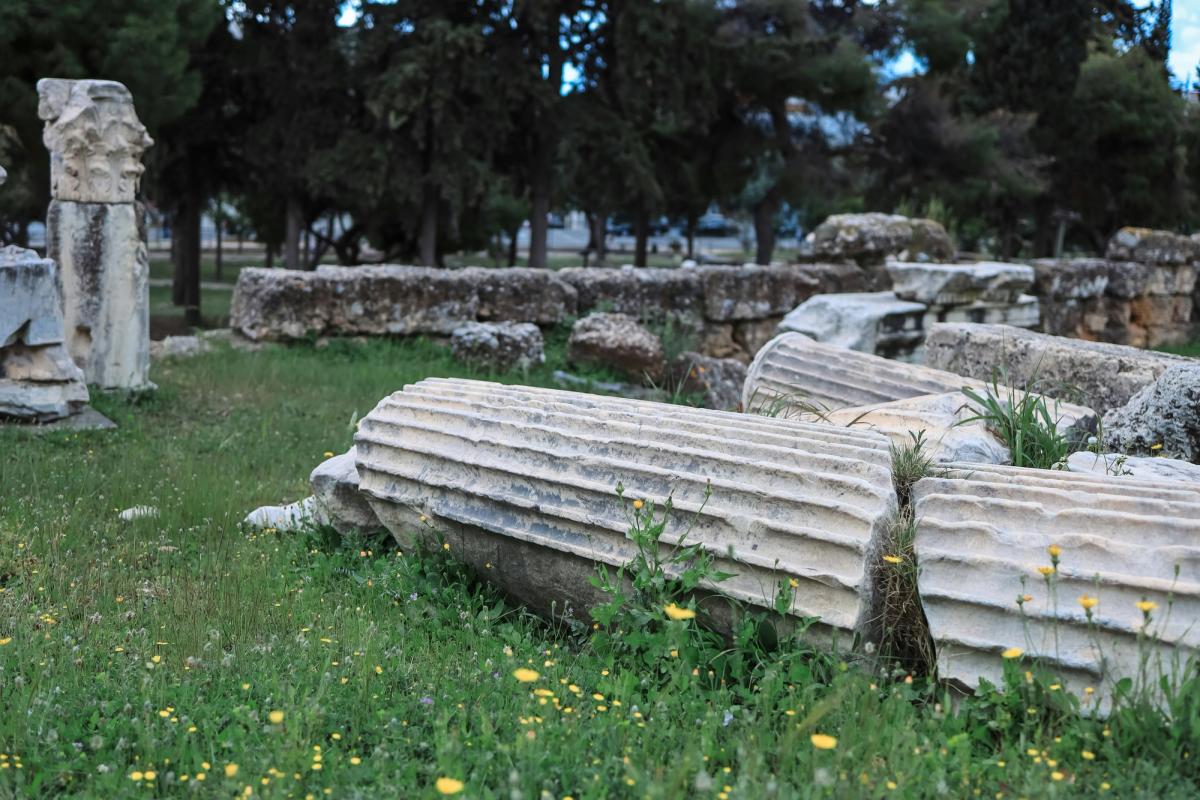
The Peloponnese harbors some of Greece's most significant Byzantine monasteries, many still functioning as active spiritual communities. These sacred spaces offer profound cultural insights, from their stunning frescoes and icons to the daily rhythms of monastic life that have continued unbroken for centuries.
The Holy Monastery of Malevi perches dramatically on Mount Parnon, welcoming visitors to experience its serene atmosphere and remarkable iconography. Respectful visitors can witness morning services, explore ancient chapels, and even speak with monks about their spiritual practices and preservation efforts.
Monastery Cultural Experiences:
- Morning liturgy services with Byzantine chanting
- Icon painting workshops with trained iconographers
- Guided tours explaining fresco symbolism and techniques
- Participation in feast day celebrations and processions
- Tasting monastery-produced products (honey, olive oil, wine)
- Meditation and spiritual retreat programs
Explore the spiritual heart of the region with our Nafplio Malevi Tour for an authentic monastery experience.
Traditional Village Life
The mountain villages of Arcadia and Mani preserve ways of life that have remained largely unchanged for generations. Stone houses cluster around central squares where elderly men still gather at kafeneia to play backgammon and debate politics, while women maintain textile traditions passed down through their families.
Villages like Dimitsana, Stemnitsa, and Kardamyli offer immersive cultural experiences where you're not merely observing but participating. Join locals in their daily routines, from morning coffee rituals to evening volta (the traditional promenade), and discover how traditional Greek life continues to thrive in these timeless communities.
Village Cultural Activities:
- Traditional coffee preparation at historic kafeneia
- Bread baking in centuries-old communal ovens
- Textile weaving demonstrations and workshops
- Folk music sessions with local musicians
- Seasonal agricultural activities (olive harvest, grape picking)
- Village feast celebrations with traditional dancing
Culinary Traditions and Food Culture
Peloponnesian cuisine represents Greek food at its most authentic, rooted in local ingredients and time-honored preparation methods. The region's culinary culture extends beyond eating to encompass the entire food cycle—from cultivation and harvest to preparation and the sacred act of sharing meals.
Participating in cooking classes with local families provides intimate cultural insights that restaurant meals cannot match. Learning to roll phyllo dough paper-thin, stuff vine leaves just right, or blend the perfect moussaka connects you to techniques refined over countless generations.
Authentic Culinary Experiences:
- Family cooking classes in traditional home kitchens
- Olive oil mill tours with tasting sessions
- Wine tasting at family-owned vineyards
- Foraging expeditions for wild greens and herbs
- Cheese-making workshops at mountain dairies
- Market tours with local chefs in Nafplio
- Traditional distillery visits for Greek liquor production
Ancient Greek History and Archaeology
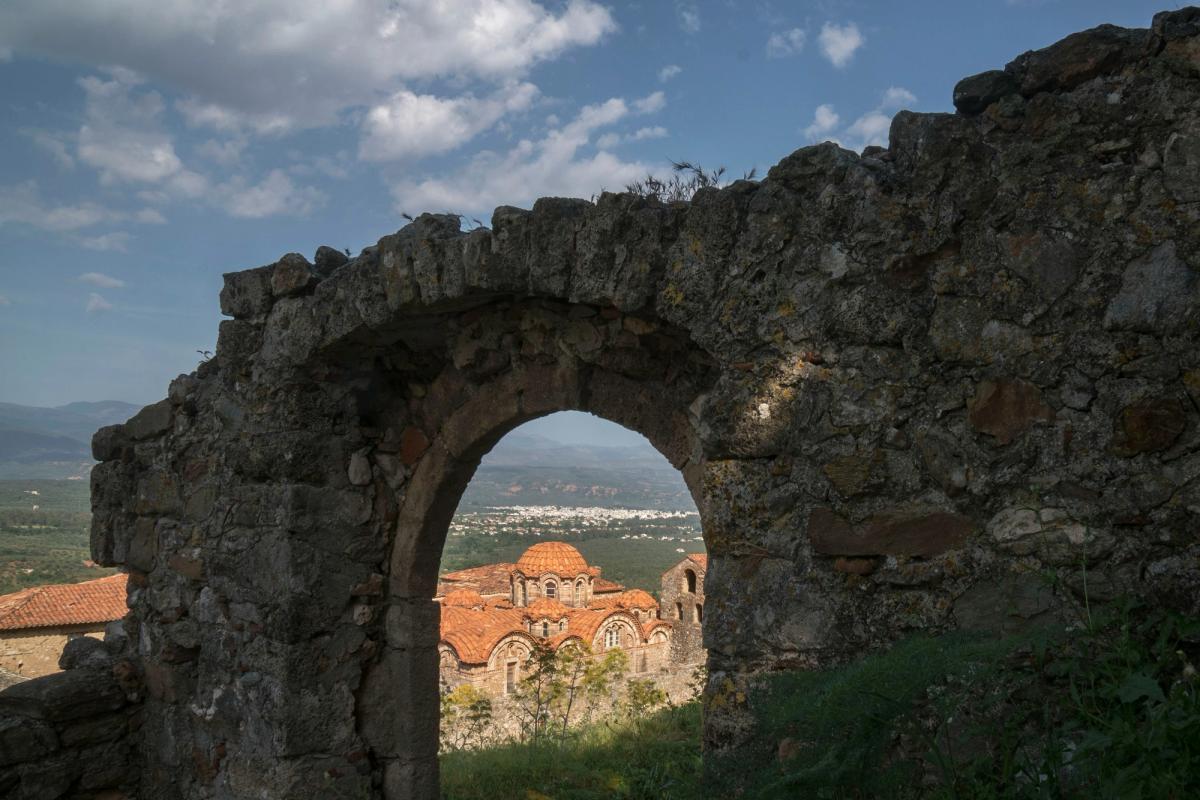
Living cultural experiences in the Peloponnese connect directly to its extraordinary archaeological heritage. Understanding ancient Sparta's fascinating history or exploring Mycenaean civilization transforms from academic exercise to visceral experience when you walk the same paths as ancient warriors and kings.
Many archaeological sites now offer enhanced cultural programming beyond simple tours. Experimental archaeology workshops let you try ancient pottery techniques, weaving methods, or even basic combat training using replica weapons and armor.
Archaeological Cultural Programs:
- Hands-on pottery workshops using ancient techniques
- Ancient Greek language and writing lessons
- Historical reenactments at major sites
- Archaeological excavation participation programs
- Ancient cooking demonstrations with period recipes
- Traditional music performances on replica ancient instruments
Discover the region's archaeological treasures with our Nafplio Mycenae Epidavros Tour.
Traditional Crafts and Artisan Workshops
The Peloponnese maintains vibrant artisan traditions that elsewhere have succumbed to industrialization. Master craftspeople continue producing ceramics, textiles, metalwork, and woodcarvings using methods their ancestors developed centuries ago.
Visiting working studios offers far richer cultural experiences than shopping in tourist boutiques. Watch silversmiths hammer intricate filigree patterns, observe weavers working traditional looms, or learn basic techniques yourself in hands-on workshops where artisans generously share their knowledge.
Traditional Crafts to Experience:
- Pottery throwing and ceramic painting workshops
- Traditional loom weaving classes
- Silversmithing and jewelry-making demonstrations
- Woodcarving and furniture-making studios
- Icon painting instruction from master iconographers
- Leather working and sandal-making workshops
- Basket weaving with local materials
Greek Music and Dance Traditions
Greek music and dance remain living traditions in the Peloponnese, not museum pieces but integral parts of contemporary social life. Every celebration, from weddings to religious festivals, features traditional music played on instruments like the bouzouki, clarinet, and lyra, accompanied by circle dances that anyone can join.
Attending a genuine panigiri (village festival) provides unforgettable cultural immersion. These celebrations combine religious observance, communal feasting, and hours of traditional dancing under the stars, with locals welcoming visitors to join the circles and learn the steps.
Musical Cultural Experiences:
- Traditional music workshops learning Greek instruments
- Dance lessons in various regional styles
- Live rebetiko performances in historic venues
- Village festival participation (panigiri)
- Byzantine chant concerts in churches
- Folk music evenings in mountain tavernas
Religious Festivals and Celebrations
The Orthodox Christian calendar structures Peloponnesian life, with feast days and festivals providing windows into deep cultural traditions. These celebrations blend religious devotion with social gathering, culinary tradition, and folk customs that predate Christianity.
Easter in the Peloponnese offers the most profound cultural experience, with Holy Week rituals varying fascinatingly between villages. From the solemn Epitaphios processions on Good Friday to the explosive joy of midnight Resurrection services and lamb roasting on Easter Sunday, participating in these traditions provides intimate cultural understanding.
Major Festival Experiences:
- Easter Holy Week services and celebrations
- Assumption of Mary (August 15) festivities
- Carnival celebrations before Lent (February/March)
- Name day celebrations in villages
- Harvest festivals (grape, olive) in autumn
- Christmas and Epiphany traditions
Language and Communication
Learning even basic Greek phrases dramatically enriches your cultural experiences in the Peloponnese. Locals deeply appreciate visitors' efforts to communicate in Greek, responding with warmth and patience that opens doors to authentic interactions.
The Greek language carries cultural weight beyond mere communication, preserving concepts and worldviews developed over millennia. Understanding words like philoxenia (hospitality), kefi (joyful spirit), and meraki (doing something with soul) provides insights into Greek cultural values that observation alone cannot reveal.
Language Learning Opportunities:
- Conversational Greek classes in Nafplio or Kalamata
- Language exchange meetings with locals
- Ancient Greek reading groups for classical texts
- Greek cooking classes conducted in Greek
- Church services with Greek-English liturgy books
Local Markets and Commercial Traditions
Weekly laiki agores (farmers' markets) rotating through Peloponnesian towns preserve centuries-old commercial traditions. These bustling gatherings offer far more than shopping opportunities—they're social institutions where community bonds strengthen through the ritual exchange of goods, gossip, and greetings.
Navigating a Greek market requires understanding unwritten cultural rules: the art of selecting produce, the expected banter with vendors, and the social hierarchy of who gets served when. Joining a local guide transforms market visits from confusing chaos into fascinating cultural education.
Market Cultural Experiences:
- Guided tours of weekly farmers' markets
- Seasonal product identification and selection
- Traditional measurement and bargaining customs
- Regional specialties unique to each market
- Vendor relationships and social dynamics
- Street food sampling and customs
Architecture and Built Heritage
The Peloponnese showcases Greek architecture spanning millennia, from Mycenaean citadels to Byzantine churches and Ottoman mosques to neoclassical mansions. This architectural diversity reflects the region's complex history while demonstrating how building traditions adapted to local materials, climate, and cultural needs.
Understanding traditional architecture provides cultural insights into how Peloponnesian communities organized themselves spatially and socially. The defensive tower houses of Mani, the compact stone villages of Arcadia, and the elegant Venetian-influenced towns of the coast each tell stories about the people who built and inhabited them.
Architectural Heritage Experiences:
- Guided walks through historic town centers
- Traditional building technique demonstrations
- Stone masonry workshops
- Restoration project visits
- Tower house museum tours in Mani
- Neoclassical mansion interiors in Nafplio
Traditional Medicine and Herbal Knowledge
Peloponnesian folk medicine traditions preserve ancient knowledge about local plants and their healing properties. While modern medicine has replaced many traditional remedies, herbal knowledge continues through families and specialized practitioners who maintain this cultural heritage.
Foraging walks with knowledgeable guides reveal how Greeks have utilized their landscape's botanical wealth for millennia. Learning to identify edible greens, medicinal herbs, and aromatic plants connects you to the deep relationship between Peloponnesian people and their environment.
Traditional Medicine Experiences:
- Guided herbal foraging expeditions
- Traditional remedy preparation workshops
- Visits to herb gardens and botanical collections
- Aromatherapy sessions with local plants
- Greek mountain tea harvesting and preparation
- Conversations with traditional healers
Olive Oil Culture
Olive cultivation forms the foundation of Peloponnesian culture, shaping the landscape, economy, and daily life for over 4,000 years. The region produces some of Greece's finest olive oil, particularly the renowned Kalamata varieties, using methods that balance tradition with modern quality standards.
Participating in olive harvest during autumn months offers profound cultural immersion. Working alongside families who've tended the same groves for generations, learning to distinguish olive varieties, and understanding the entire process from tree to bottle reveals why Greeks call olive oil "liquid gold."
Olive Oil Cultural Experiences:
- Olive grove tours with agricultural explanations
- Harvest participation (October-December)
- Traditional and modern pressing demonstrations
- Professional olive oil tasting sessions
- Cooking classes featuring olive oil prominently
- Olive wood carving workshops
Wine Heritage and Viticulture
Peloponnesian wine culture extends back to ancient times, with Homer praising Nemean wines in the Iliad. Modern winemakers combine ancient grape varieties like Agiorgitiko and Moschofilero with contemporary techniques, creating wines that express the region's unique terroir while honoring traditional methods.
Visiting family wineries offers intimate cultural experiences far removed from industrial wine tourism. Many producers welcome visitors for extended conversations about their philosophy, family history, and the challenges of maintaining traditional viticulture in the modern world, often followed by meals featuring their wines.
Wine Cultural Experiences:
- Boutique winery tours with owner-winemakers
- Vineyard walks explaining traditional cultivation
- Wine tasting paired with local cuisine
- Harvest participation during September
- Ancient wine production demonstrations
- Traditional Greek alcohol distillation visits
Traditional Textiles and Costume
Textile arts have sustained Peloponnesian women's creativity and economic independence for centuries. Traditional weaving, embroidery, and lacemaking continue in mountain villages, with each region developing distinctive patterns and techniques that identify their origin as clearly as dialects.
Regional folk costumes, once everyday wear, now appear primarily at festivals and cultural events. These elaborate outfits represent significant cultural heritage, with every element—from fabric and cut to embroidery patterns and accessories—carrying meaning about the wearer's village, social status, and occasion.
Textile Cultural Experiences:
- Traditional loom weaving workshops
- Embroidery technique lessons
- Costume museum visits with expert guides
- Textile identification and dating skills
- Natural dye preparation demonstrations
- Folk costume try-on experiences at cultural centers
Maritime Traditions and Fishing Culture
The Peloponnese's extensive coastline fostered rich maritime traditions that continue shaping coastal communities. Traditional fishing methods, boat building techniques, and the social customs surrounding seafaring life provide fascinating cultural insights into how Greeks have engaged with the sea for millennia.
Coastal towns like Gytheio maintain active fishing fleets using methods passed through generations. Joining morning fish auctions, observing net mending, or even participating in fishing expeditions connects you to maritime culture that remains vital to Peloponnesian identity.
Maritime Cultural Experiences:
- Traditional fishing boat excursions
- Net weaving and repair demonstrations
- Fish market tours and auction participation
- Seafood preparation classes with local catches
- Traditional boat building workshop visits
- Maritime museum tours with retired fishermen
Folk Art and Decorative Traditions
Peloponnesian folk art expresses cultural identity through decorative traditions applied to everyday objects. From painted furniture and carved wooden chests to embroidered household textiles and ceramic vessels, these artistic expressions transformed functional items into cultural statements.
Understanding the symbolism in folk art patterns—geometric designs representing mountains or waves, floral motifs signifying fertility, protective symbols warding off evil—reveals how Peloponnesian people encoded cultural values and beliefs into their material world.
Folk Art Experiences:
- Folk art museum tours with cultural context
- Traditional painting technique workshops
- Furniture decoration classes
- Symbol and motif interpretation sessions
- Contemporary folk artists' studio visits
- Collector conversations about regional variations
Seasonal Rhythms and Agricultural Cycles
Peloponnesian culture remains intimately connected to seasonal agricultural cycles that structure the year's rhythm. Understanding these patterns—when olives are harvested, grapes picked, or sheep sheared—provides essential context for experiencing the region's living culture authentically.
Participating in seasonal activities offers unmatched cultural immersion. Whether helping with olive harvest in autumn, joining grape picking in September, or experiencing spring's wild green foraging, these activities connect you to traditions that have sustained Peloponnesian life for millennia.
Seasonal Cultural Activities:
- Olive harvest participation (October-December)
- Grape harvest and wine making (September)
- Spring foraging for wild greens and herbs
- Summer fruit preservation workshops
- Autumn nut gathering traditions
- Winter olive pruning and maintenance
Travel Tips for Cultural Experiences
Planning Your Cultural Journey:
- Learn basic Greek phrases before visiting—locals deeply appreciate the effort
- Time visits to coincide with major festivals for the richest cultural experiences
- Dress modestly when visiting monasteries and churches (covered shoulders and knees)
- Accept hospitality graciously—refusing offered coffee or sweets can cause offense
- Ask permission before photographing people, especially in religious settings
- Participate actively in cultural activities rather than remaining passive observer
- Support local artisans by purchasing directly from their workshops
- Respect siesta hours (2-5 PM) when most cultural venues close
Cultural Etiquette:
- Greet shopkeepers and taverna owners when entering and leaving
- Don't rush meals—dining is a social and cultural experience
- Wait for toast ("Yamas!") before drinking wine at shared tables
- Understand that Greeks consider hospitality (philoxenia) a sacred duty
- Be patient with different time concepts—"Greek time" is more flexible
- Engage in conversation—Greeks value personal connection over efficiency
- Show respect for religious traditions even if you don't share the faith
Best Times for Cultural Experiences:
- Easter (March/April) for the most significant religious and cultural celebrations
- Summer (June-August) for ancient theater performances and village festivals
- Autumn (September-November) for harvest activities and food festivals
- October specifically offers ideal weather with numerous cultural events
- Winter (December-February) for authentic local life without tourist crowds
Frequently Asked Questions
What are the most authentic cultural experiences in the Peloponnese?
The most authentic cultural experiences include attending performances at the Ancient Theater of Epidaurus, participating in village festivals (panigiri), joining family cooking classes in traditional homes, visiting active Byzantine monasteries during services, and engaging in seasonal agricultural activities like olive harvest. These experiences connect you directly with living traditions rather than staged tourist presentations, offering genuine insights into Peloponnesian culture.
How can I respectfully visit Greek Orthodox monasteries?
Respectful monastery visits require modest dress (long pants or skirts, covered shoulders), quiet behavior, and permission before photographing. Arrive during visiting hours (typically morning and late afternoon, avoiding midday), turn off mobile phones, and consider attending a service to experience the monastery's spiritual purpose. Many monasteries welcome questions about their history and practices, but respect monks' and nuns' time and privacy. Small donations support monastery maintenance and are appreciated.
When are the best cultural festivals in the Peloponnese?
The Epidaurus Festival (June-August) presents ancient Greek theater in its original setting, while Easter (March/April) offers the year's most profound religious and cultural celebrations. Carnival (February/March) features traditional costumes and festivities, August 15 (Assumption of Mary) brings major celebrations to monasteries and villages, and autumn harvest festivals (September-November) celebrate olives, grapes, and chestnuts. Village panigiri occur throughout summer, each celebrating its patron saint with music, dancing, and feasting.
Do I need to speak Greek to enjoy cultural experiences?
While knowing Greek enhances cultural experiences significantly, it's not essential for meaningful engagement. Learning basic phrases shows respect and opens doors to warmer interactions. Many cultural venues offer English explanations, and younger Greeks often speak English well. However, in traditional villages and authentic cultural settings, limited English is common—embrace this as part of the experience, using gestures, patience, and humor to communicate. Translation apps help bridge gaps while maintaining cultural connection.
What should I know about Greek dining customs?
Greek dining is communal and leisurely, with meals lasting hours and multiple dishes shared among diners. Wait for everyone to be served before eating, and expect the host or eldest person to initiate toasts. It's customary to order more food than seems necessary and to leave small amounts on your plate (finishing everything suggests you weren't served enough). Tipping 5-10% is appreciated but not obligatory. Don't rush—dining is a social and cultural experience, not merely eating.
How can I participate in traditional Greek cooking?
Many families and small businesses offer cooking classes ranging from single-session workshops to multi-day immersive experiences. Look for classes in traditional home kitchens rather than commercial cooking schools for the most authentic experience. Classes typically include market visits to select ingredients, hands-on preparation of multiple dishes, and shared meals with your hosts. Advance booking is essential, especially during peak season, and classes often accommodate dietary restrictions with notice.
Are there opportunities to learn traditional Greek crafts?
Numerous artisan workshops throughout the Peloponnese welcome visitors for demonstrations and hands-on instruction. Pottery studios in Argos and Messinia, weaving workshops in mountain villages, icon painting classes in Nafplio, and silversmithing studios in various towns offer experiences ranging from brief introductions to intensive multi-day courses. Contact local cultural centers or tourist offices for current workshop schedules, as many artisans work seasonally or require advance arrangements.
What makes Peloponnesian culture different from other Greek regions?
Peloponnesian culture distinguishes itself through its continuous connection to ancient Greek heritage, with many traditions tracing directly to classical and Byzantine periods. The region's relative isolation preserved traditional ways of life longer than more accessible areas. Peloponnesian identity emphasizes warrior heritage (Sparta, ancient Messene), strong family and village bonds, distinctive regional dialects and music styles, and particular pride in local products like Kalamata olives and Nemean wine. The peninsula's diverse geography created numerous micro-cultures, each with unique customs, costumes, and traditions.
Conclusion: Living Culture Awaits
The Peloponnese offers cultural experiences of remarkable depth and authenticity, where ancient traditions continue shaping contemporary life in meaningful ways. This isn't culture preserved in museums but lived daily by people who maintain connections to their heritage while engaging fully with the modern world.
Your cultural journey through the Peloponnese transforms you from tourist to temporary participant in traditions spanning millennia. Whether breaking bread with village families, learning ancient crafts from master artisans, or dancing at festivals under Mediterranean stars, these experiences create understanding that transcends typical travel.
The peninsula's greatest cultural treasure isn't its archaeological sites or Byzantine churches, remarkable though they are—it's the living people who generously share their traditions, knowledge, and philoxenia with visitors willing to engage respectfully and authentically. Come ready to participate, learn, and connect, and the Peloponnese will reward you with cultural experiences that resonate long after you return home.