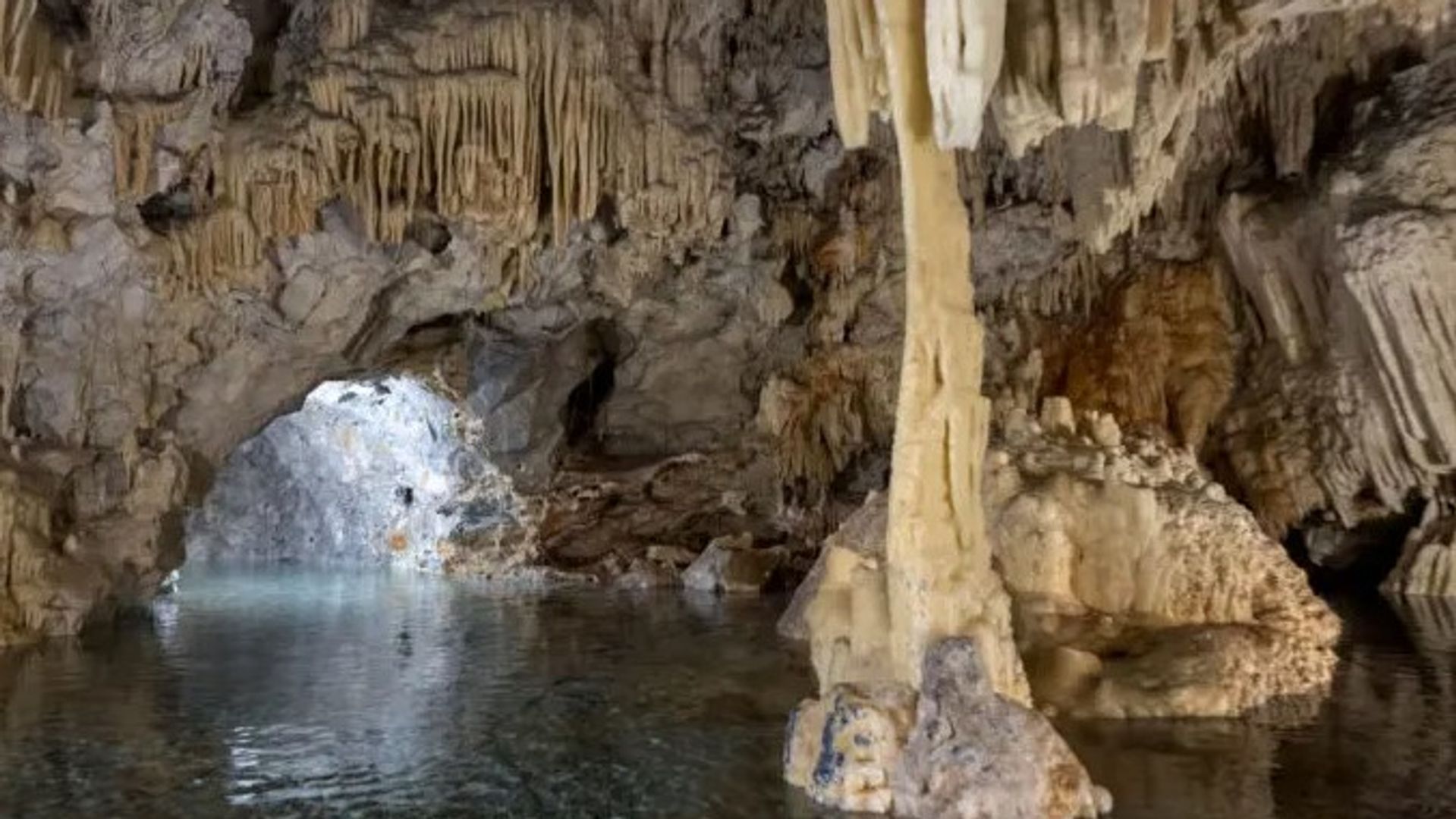
Discover the breathtaking Diros Caves in the Mani Peninsula, where crystal-clear underground lakes and stunning stalactite formations create one of Greece's most magical natural wonders. This comprehensive guide covers everything you need to know for visiting this subterranean masterpiece.
Gliding silently through crystal-clear underground waters, surrounded by millions of years of geological artistry, you'll understand why the Diros Caves rank among the world's most spectacular cave systems. Located in the wild and beautiful Mani Peninsula of southern Greece, these remarkable caverns offer an otherworldly journey through nature's hidden cathedral.
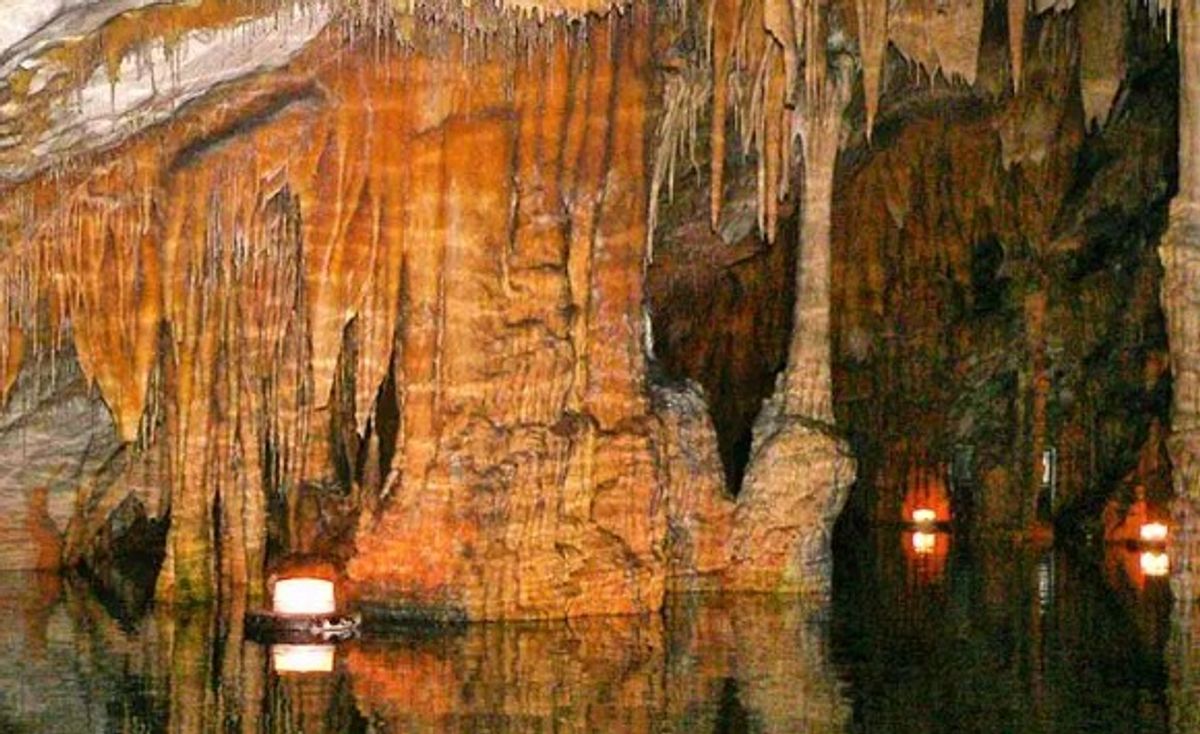
The moment your boat enters the illuminated chambers, time seems to stand still as stalactites and stalagmites create an ethereal landscape reflected perfectly in the mirror-like waters below. This is not just a cave tour—it's an unforgettable voyage into the earth's ancient heart.
The Magic of Diros Caves
The Diros Caves system consists of two main caves: Vlychada (the main tourist cave) and Alepotrypa, though only Vlychada is regularly open to visitors. Vlychada extends over 15 kilometers, making it one of the longest water cave systems in the world, though tourists experience approximately 1,200 meters during the standard tour.
What sets Diros apart from other cave systems is the unique boat journey through underground lakes with water so transparent it creates optical illusions. The temperature inside remains constant at 16-18°C (61-64°F) year-round, providing a cool respite from the Mediterranean heat.
A Journey Through Time
The caves were formed over millions of years through the persistent action of water on limestone rock. Geological studies suggest the formations began developing during the Neolithic period, with some stalactites and stalagmites estimated to be over 2 million years old.
Archaeological excavations have revealed that humans inhabited these caves during prehistoric times, with findings including pottery, tools, and even human remains dating back to the Paleolithic era. The Alepotrypa cave, in particular, served as a significant Neolithic settlement and burial site, making it one of the most important archaeological discoveries in Greece.
The Boat Tour Experience
Your adventure begins at the cave entrance where you board a small flat-bottomed boat with a skilled guide-rower. The journey covers approximately 1,200 meters by boat through narrow passages and vast chambers, followed by a 300-meter walking section.
As you drift through the illuminated caverns, your guide navigates expertly between massive columns and under low-hanging formations. The silence is profound, broken only by the gentle splash of oars and your guide's explanations echoing off ancient rock walls.
What You'll See During the Tour:
- Spectacular stalactites hanging like chandeliers from cathedral-high ceilings
- Massive stalagmites rising from the water and cave floor
- Underground lakes with visibility exceeding 30 meters
- Delicate curtain-like formations in various colors
- Natural rock sculptures resembling animals and mythical figures
- Reflection pools creating mirror images of the formations above
Planning Your Visit
Timing your visit correctly can significantly enhance your experience at Diros Caves. The site operates year-round but with varying schedules depending on the season.
Opening Hours:
- Summer (June-September): 8:30 AM - 5:30 PM daily
- Spring/Fall (April-May, October): 8:30 AM - 5:00 PM daily
- Winter (November-March): 8:30 AM - 3:00 PM (weekends and holidays)
Admission Fees:
- Adults: €15
- Reduced (students, seniors): €8
- Children under 5: Free
- Photography allowed without flash
Getting to Diros Caves
The caves are located near the village of Pyrgos Dirou in the Mani Peninsula, approximately 90 kilometers south of Kalamata. From Nafplio, the journey takes about 2.5 hours through some of Greece's most dramatic coastal scenery.
Driving yourself offers the flexibility to explore the surrounding Mani region, known for its distinctive tower houses and rugged beauty. Alternatively, organized tours from major cities provide transportation and expert commentary, similar to our Sparta and Mystras tour which can be combined with a Diros visit.
Driving Directions from Major Cities:
- From Kalamata: Head south on the coastal road through Stoupa and Areopoli
- From Sparta: Drive southwest through Gytheio and along the eastern Mani coast
- From Nafplio: Take the route through Sparta or via Gytheio for coastal views
Essential Visitor Tips
Preparing properly for your cave visit ensures maximum comfort and enjoyment. The unique environment requires some special considerations that differ from typical tourist attractions.
What to Bring:
- Light jacket or sweater (cave temperature is cool year-round)
- Non-slip shoes with good grip for the walking portion
- Camera without flash for stunning photos
- Water bottle for after the tour
- Cash for admission and souvenirs (card payment may not be available)
Important Considerations:
- Tours last approximately 45-60 minutes total
- Waiting times can be 1-2 hours during peak summer season
- Arrive early in the day to avoid crowds
- The boat section requires sitting still in confined spaces
- Not recommended for those with severe claustrophobia
- Limited mobility access due to boat entry and walking sections
The Surrounding Mani Region
The Diros Caves sit in the heart of the Mani Peninsula, one of Greece's most distinctive and historically rich regions. The area is famous for its stone tower houses, built during centuries of clan feuds, and its fierce independence throughout history.
After exploring the caves, the charming town of Areopoli is just 10 kilometers away, offering traditional tavernas and a glimpse into authentic Maniot culture. The nearby coastal village of Limeni provides stunning sea views and excellent seafood restaurants.
Nearby Attractions Worth Visiting:
- Areopoli: Historic town with traditional tower houses and cobblestone streets
- Limeni: Picturesque fishing village with crystal-clear swimming spots
- Gytheio: Coastal town with Venetian castle and ferry connections
- Cape Tenaro: The southernmost point of mainland Greece
- Vathia: Abandoned tower village offering dramatic photo opportunities
- Ancient Sparta: Historic site covered in our Sparta facts guide
Photography Tips
Capturing the beauty of Diros Caves presents unique challenges due to low light conditions and the movement of the boat. Flash photography is prohibited to preserve the delicate ecosystem and avoid disturbing other visitors.
Using a camera with good low-light performance or a smartphone with night mode yields the best results. Stabilize your camera against the boat's edge when possible, and take multiple shots to ensure you capture the perfect moment.
Best Photography Practices:
- Set your ISO to 1600-3200 for adequate exposure
- Use a fast lens (f/2.8 or wider) if you have one
- Brace yourself against the boat to minimize camera shake
- Focus on the illuminated formations for dramatic effect
- Capture reflections in the still water for stunning compositions
- Take photos during the walking section for steadier shots
The Science Behind the Beauty
Understanding the geological processes that created Diros enhances appreciation for what you're witnessing. Each stalactite and stalagmite represents thousands of years of mineral-rich water deposits, growing at a rate of approximately one centimeter per century.
The various colors you see—white, orange, red, and brown—result from different mineral contents in the water. Iron creates reddish hues, while pure calcite produces brilliant white formations that seem to glow under the artificial lighting.
Combining Diros with Other Destinations
The Peloponnese region offers countless attractions that pair perfectly with a Diros Caves visit. Ancient sites like Epidaurus and Mycenae showcase Greece's classical heritage, while coastal towns provide relaxation and authentic cuisine.
Consider basing yourself in Gytheio, a charming port town that serves as an excellent gateway to both the Mani Peninsula and the broader Laconia region. From there, you can easily explore multiple attractions while enjoying seaside ambiance.
Recommended Multi-Day Itinerary:
- Day 1: Explore Diros Caves and Areopoli, overnight in Gytheio
- Day 2: Visit Ancient Sparta and Mystras, experience local culture
- Day 3: Discover Monemvasia, the Byzantine castle town
- Day 4: Relax in coastal villages and enjoy Maniot cuisine
Best Time to Visit
While Diros Caves welcome visitors year-round, certain seasons offer distinct advantages. Spring (April-May) and fall (September-October) provide the ideal combination of pleasant weather, smaller crowds, and comfortable temperatures for exploring the surrounding region.
Summer brings peak tourist season with longer opening hours but also significant waiting times, especially between 10 AM and 2 PM. Winter visits offer solitude and dramatic coastal scenery, though some nearby attractions may have reduced hours, similar to what you might experience when checking Greece weather in October.
Seasonal Highlights:
- Spring: Wildflowers blooming across Mani, moderate temperatures, Easter celebrations
- Summer: Extended hours, warm swimming weather, vibrant village life
- Fall: Harvest season, fewer tourists, ideal hiking conditions
- Winter: Dramatic storms over the sea, authentic local experience, lower prices
Quick Facts About Diros Caves
Essential Information:
- Total Length: Over 15 kilometers (1.5 km accessible to tourists)
- Water Temperature: 12-14°C (54-57°F) year-round
- Air Temperature: 16-18°C (61-64°F) constant
- Boat Journey: Approximately 1,200 meters (25-30 minutes)
- Walking Section: 300 meters (10-15 minutes)
- Maximum Depth: Up to 30 meters in some chambers
- Age of Formations: Up to 2 million years old
- Discovery: Explored systematically since 1949
- Archaeological Significance: Neolithic settlement evidence
- Annual Visitors: Approximately 100,000
Local Cuisine and Dining
After your underground adventure, the Mani region offers exceptional dining opportunities featuring local specialties. Traditional Maniot cuisine emphasizes simple, high-quality ingredients including wild greens, local olive oil, and fresh seafood.
Nearby Areopoli and Limeni host excellent tavernas where you can sample regional dishes while enjoying views of the dramatic landscape. Don't miss trying "syglino" (smoked pork), "lalaggia" (fried dough), and fresh fish caught that morning.
Must-Try Local Dishes:
- Syglino: Smoked pork preserved in olive oil with orange peel
- Lalaggia: Traditional sweet fried dough with honey
- Wild greens pies: Seasonal vegetables in homemade phyllo
- Fresh octopus: Grilled or sun-dried, caught locally
- Local olive oil: Some of Greece's finest from ancient groves
- Maniot wine: Regional varieties gaining international recognition
Sustainable Tourism at Diros
The delicate cave ecosystem requires careful management to preserve it for future generations. Visitor numbers are controlled, and strict rules protect the formations from damage caused by touching or flash photography.
By following guidelines and respecting the environment, you contribute to conservation efforts that maintain this natural wonder. The cave's constant temperature and humidity create a fragile balance that supports unique microorganisms and geological processes still active today.
How to Be a Responsible Visitor:
- Never touch stalactites or stalagmites (oils from skin damage formations)
- Follow your guide's instructions precisely during the boat journey
- Avoid flash photography which disturbs the cave ecosystem
- Stay on designated paths during the walking portion
- Remove all trash and leave nothing behind
- Keep voices low to preserve the mystical atmosphere
Accessibility and Special Needs
While Diros Caves offer an extraordinary experience, the nature of the attraction presents challenges for visitors with mobility limitations. The boat boarding requires stepping down into a small vessel, and the walking section includes uneven surfaces and stairs.
Families with young children should consider whether little ones can sit quietly for the 30-minute boat journey. The cave's echo amplifies sounds, and the confined space means disturbances affect all passengers.
Cultural Significance
Beyond their natural beauty, the Diros Caves hold deep cultural importance for Greece. Local legends speak of these caverns as entrances to the underworld, connecting them to ancient Greek mythology and the realm of Hades.
The archaeological discoveries within Alepotrypa Cave have revolutionized understanding of Neolithic life in Greece, revealing a sophisticated society that thrived here over 7,000 years ago. Artifacts found include pottery, jewelry, and evidence of organized burial practices.
Extending Your Peloponnese Adventure
The Peloponnese peninsula rewards extended exploration with its diverse attractions ranging from ancient ruins to mountain monasteries. Consider booking our Mycenae and Epidaurus tour to experience more of this historically rich region with expert local guides.
For those interested in spiritual sites, the region's monasteries offer peaceful retreats with stunning architecture and mountain views. The combination of natural wonders, ancient history, and living traditions makes the Peloponnese an endlessly fascinating destination.
Practical Travel Tips
Before You Go:
- Book accommodation in advance during summer months
- Rent a car for maximum flexibility exploring Mani
- Download offline maps as mobile coverage can be spotty
- Learn a few basic Greek phrases for enhanced interactions
- Check cave opening hours as they vary seasonally
- Bring cash for smaller establishments and admission fees
During Your Visit:
- Arrive at opening time to minimize waiting
- Use restrooms before the tour (none inside caves)
- Secure loose items before boarding the boat
- Listen carefully to safety instructions
- Ask questions—guides are knowledgeable and helpful
- Allow 2-3 hours total including waiting and touring time
Shopping and Souvenirs
The gift shop at Diros offers a selection of locally made products and cave-themed souvenirs. Look for high-quality items like local honey, olive oil, and handcrafted jewelry that support the regional economy.
Nearby Areopoli provides better shopping opportunities with artisan workshops producing traditional crafts. The town's stone-paved streets hide small shops selling everything from woven textiles to ceramic reproductions of ancient artifacts.
Weather Considerations
While the cave interior maintains constant conditions, the surrounding Mani region experiences typical Mediterranean weather patterns. Summer temperatures often exceed 35°C (95°F), making the cool cave interior especially refreshing.
Winter brings occasional rain and wind, particularly along the exposed coastline, but rarely affects cave operations. The shoulder seasons offer the most comfortable conditions for combining cave exploration with outdoor activities in the broader region.
Frequently Asked Questions
How long does the Diros Caves tour take?
The actual tour lasts approximately 45-60 minutes total, including 25-30 minutes in the boat and 10-15 minutes walking. However, you should allow 2-3 hours total for your visit, as waiting times during peak season can reach 1-2 hours, especially between 10 AM and 2 PM in summer months.
Can I visit Diros Caves with young children?
Children are welcome, but parents should consider whether their child can sit quietly in a small boat for 30 minutes. The cave's acoustics amplify sounds, and the confined space means disturbances affect all passengers. Children under 5 enter free, but they must remain calm throughout the journey. The experience is most suitable for children aged 6 and above who can appreciate the natural beauty and follow safety instructions.
Is photography allowed inside the caves?
Yes, photography is permitted without flash. Flash photography is strictly prohibited as it damages the delicate cave ecosystem and disturbs other visitors. For best results, use a camera with good low-light performance, set your ISO to 1600-3200, and brace your camera against the boat to minimize shake. The walking section provides opportunities for steadier shots.
What should I wear to visit Diros Caves?
Wear comfortable, non-slip shoes suitable for walking on potentially wet surfaces. Bring a light jacket or sweater as the cave maintains a constant temperature of 16-18°C (61-64°F) year-round, which feels cool after the summer heat outside. Avoid loose clothing or accessories that might catch on the boat or cave formations. Layers work best so you can adjust to temperature changes.
Are the caves accessible for people with mobility issues?
Unfortunately, the caves present significant accessibility challenges. Visitors must step down into a small boat and navigate uneven surfaces and stairs during the walking portion. The confined spaces and low ceilings in some areas make wheelchair access impossible. Those with severe claustrophobia may also find the experience uncomfortable. Contact the site directly to discuss specific accessibility needs.
Can I swim in the underground lakes?
No, swimming is strictly forbidden in the cave waters. The lakes are part of a protected ecosystem, and the water temperature of 12-14°C (54-57°F) is uncomfortably cold. Additionally, the water depth reaches up to 30 meters in some areas, making swimming dangerous. The boat tour allows you to experience the beauty of these underground waters safely while preserving them for future generations.
What's the best time of day to visit to avoid crowds?
Arrive right when the caves open (8:30 AM) for the shortest wait times and most intimate experience. Mid-morning through early afternoon (10 AM - 2 PM) sees the heaviest crowds, especially during summer. Late afternoon visits, about 2 hours before closing, also tend to be quieter. Visiting during spring or fall rather than peak summer reduces crowds significantly.
How far is Diros Caves from other major Peloponnese attractions?
Diros Caves is located in the southern Mani Peninsula, approximately 90 km from Kalamata, 140 km from Sparta, and 180 km from Nafplio. The journey from Gytheio takes about 40 minutes, while Monemvasia is roughly 90 km away. The remote location makes Diros ideal for a multi-day Peloponnese itinerary rather than a day trip from Athens. Consider combining it with visits to nearby Areopoli, Limeni, and other Maniot villages for a full day of exploration.
Your Underground Adventure Awaits
Diros Caves represent one of nature's most spectacular creations, a hidden world that few places on Earth can match for sheer beauty and geological wonder. The combination of crystal-clear underground lakes, millions of years of rock formations, and the skilled navigation of local guides creates an experience that stays with you long after you've returned to the surface.
Whether you're a geology enthusiast, history buff, or simply seeking unique travel experiences, Diros delivers something truly special. The journey through these ancient chambers connects you to both the earth's deep past and the timeless beauty of the Greek landscape.
Plan your visit to include time for exploring the surrounding Mani region, where traditional villages, dramatic coastlines, and authentic Greek culture await. This is Greece beyond the postcards—raw, real, and utterly unforgettable.