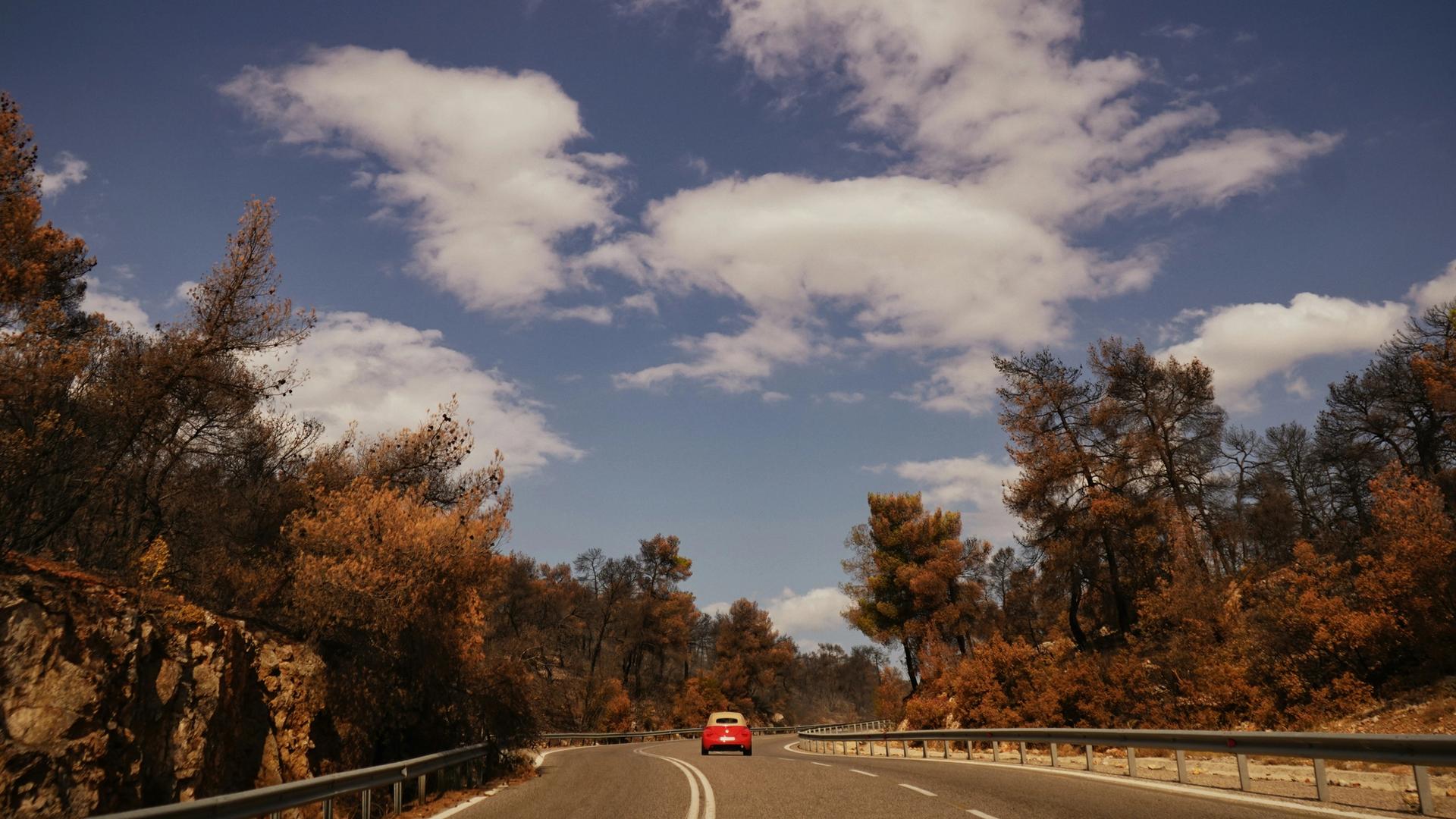
Discover everything you need to know about driving in Greece, from road rules and rental tips to scenic routes through the Peloponnese. Master Greek roads with confidence and explore hidden gems at your own pace.
The freedom of the open road transforms your Greek adventure from a standard vacation into an unforgettable journey of discovery. Behind the wheel, you'll uncover ancient ruins tucked away in olive groves, stumble upon family-run tavernas in mountain villages, and chase sunsets along coastal highways that rival any in the world.
Driving in Greece offers independence that organized tours simply cannot match, allowing you to linger at archaeological sites, swim at secluded beaches, and experience the authentic rhythm of Greek life beyond the tourist centers.
Quick Facts About Driving in Greece
Essential Information:
- Drive on the right side of the road
- Minimum driving age: 18 years (21+ for most rentals)
- Speed limits: 50 km/h in cities, 90 km/h on rural roads, 130 km/h on highways
- Blood alcohol limit: 0.05% (0.02% for drivers with less than 2 years experience)
- Seat belts mandatory for all passengers
- Mobile phone use prohibited without hands-free system
- Valid driver's license from EU countries accepted; International Driving Permit recommended for non-EU visitors
Understanding Greek Road Rules and Regulations
Greek traffic laws follow standard European conventions, but local driving culture adds its own distinctive flavor. You'll notice that Greek drivers tend to be more assertive than in Northern Europe or North America, particularly in urban areas where parking creativity reaches artistic levels.
The right-of-way rules are straightforward: vehicles already in roundabouts have priority, and traffic from the right has priority at unmarked intersections. However, defensive driving remains your best strategy, as not all drivers strictly observe these conventions.
Priority Rules:
- Roundabouts: yield to traffic already circulating
- Unmarked intersections: yield to vehicles from the right
- Pedestrian crossings: pedestrians have absolute priority
- Emergency vehicles: pull over immediately when sirens approach
- School buses: stop when loading/unloading children
Renting a Car in Greece: What You Need to Know
The car rental process in Greece is remarkably straightforward, with agencies at every airport and major tourist center. International companies like Hertz, Avis, and Budget operate alongside excellent local agencies that often offer better rates and more personalized service.
Booking in advance guarantees better selection and pricing, especially during peak summer months when demand soars. Most rentals require drivers to be at least 21 years old, with some vehicle categories restricted to those 23 or older.
Required Documents:
- Valid driver's license held for minimum 1 year
- International Driving Permit (recommended for non-EU licenses)
- Credit card in driver's name for deposit
- Passport or EU identity card
- Rental confirmation voucher
Vehicle Selection Tips:
- Choose compact cars for narrow village streets and easier parking
- Consider fuel efficiency for long-distance touring
- Automatic transmission costs 20-30% more but reduces stress
- Air conditioning is essential for summer travel
- GPS navigation helps, but download offline maps as backup
- Check ground clearance if visiting mountainous regions
Insurance Coverage and Protection
Insurance represents the most critical yet confusing aspect of car rental in Greece. The basic Collision Damage Waiver (CDW) included in most rentals still leaves you liable for excess amounts ranging from €500 to €1,500.
Full coverage or Super CDW eliminates this excess, providing peace of mind worth the additional €15-25 per day. Always photograph the vehicle thoroughly before departure, documenting every scratch, dent, and mark to avoid disputes upon return.
Insurance Options:
- Basic CDW (Collision Damage Waiver) - usually included
- Super CDW - eliminates excess liability
- Theft Protection - covers vehicle theft
- Third Party Liability - covers damage to other vehicles/property
- Personal Accident Insurance - covers medical expenses
- Tire and Windscreen Coverage - often excluded from basic policies
Navigating Greek Roads: From Highways to Mountain Passes
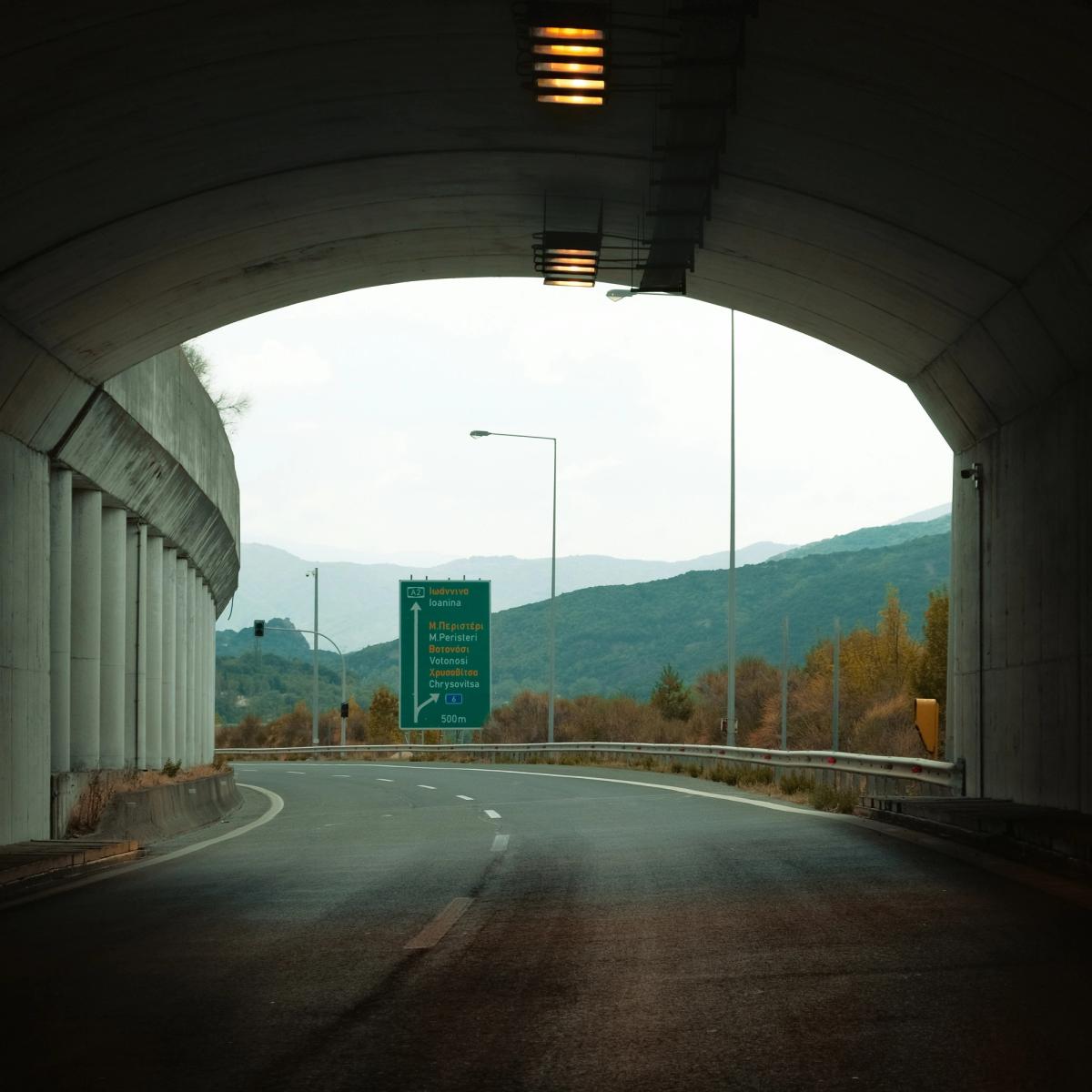
Greece's road network has improved dramatically over the past two decades, with modern highways connecting major cities and regions. The National Road (Ethniki Odos) linking Athens to Thessaloniki represents motorway driving at its finest, while coastal routes offer spectacular scenery that demands frequent photo stops.
Mountain roads in regions like the Peloponnese require different skills: hairpin turns, narrow passages, and steep gradients test your driving abilities. These challenging routes reward you with breathtaking vistas and access to villages where time seems suspended.
Road Types:
- Motorways (Autostrada): Modern toll roads with service areas
- National Roads: Well-maintained highways connecting major cities
- Provincial Roads: Secondary routes through countryside
- Village Roads: Narrow streets requiring careful navigation
- Mountain Roads: Winding routes with sharp curves and gradients
Toll Roads and Payment Systems
Greece's toll road system operates through both automated and staffed booths. Major highways including the Athens-Corinth route charge tolls ranging from €2.80 to €13.50 depending on distance.
Always carry cash in small denominations, as not all toll booths accept credit cards reliably. Some rental companies offer electronic toll payment devices, but these remain less common than in other European countries.
Major Toll Routes:
- Athens to Corinth: approximately €3.00
- Athens to Thessaloniki: approximately €22.00
- Corinth to Tripoli: approximately €5.50
- Athens Airport to city center: €3.00
- Rio-Antirrio Bridge: €13.50
Parking in Greek Cities and Villages
Parking challenges your resourcefulness in Greek cities, where spaces seem perpetually occupied. Blue-marked zones require payment during business hours (typically 9 AM-9 PM), while white lines indicate free parking.
Yellow lines mean absolutely no parking, though you'll often see locals testing this rule. In historic centers like Nafplio, arrive early morning to secure spots near attractions, or use designated parking lots on city outskirts.
Parking Guidelines:
- Blue zones: paid parking, purchase tickets from kiosks
- White zones: free parking, observe any time restrictions
- Yellow lines: no parking or stopping
- Sidewalk parking: common but technically illegal
- Underground garages: safest option in major cities (€10-20 daily)
- Hotel parking: confirm availability when booking
Fuel Stations and Costs
Petrol stations are abundant along major routes but sparse in remote areas, making fuel planning essential. Prices hover around €1.70-1.90 per liter for unleaded petrol and €1.50-1.70 for diesel.
Most stations accept credit cards, though smaller rural operations may be cash-only. Full-service stations remain common, where attendants pump fuel and check oil, though self-service options are increasing.
Fuel Tips:
- Fill up before mountain drives or remote explorations
- Station hours: typically 7 AM-10 PM, limited Sunday opening
- Unleaded 95 (Αμόλυβδη 95) is standard grade
- Diesel (Πετρέλαιο) costs less but check rental agreement
- Major brands: BP, Shell, EKO, Aegean
Scenic Driving Routes in the Peloponnese
The Peloponnese peninsula offers Greece's most rewarding road trips, combining ancient history with dramatic landscapes. The coastal route from Nafplio to Monemvasia ranks among Europe's most beautiful drives, with the Aegean sparkling to your left and Byzantine towers dotting hillsides to your right.
Mountain passes through Arcadia reveal traditional villages where stone houses cascade down slopes and elderly locals gather in plateia cafes. These routes showcase Greece beyond the postcard clichés, connecting you with landscapes that inspired ancient poets.
Must-Drive Routes:
- Nafplio to Epidaurus: 30 km of coastal beauty and ancient theaters
- Sparta to Mystras: Mountain road to Byzantine ghost city
- Kalamata to Kardamyli: Mani Peninsula coastal spectacular
- Olympia to Andritsaina: Mountain route through Arcadian villages
- Gytheio to Areopoli: Dramatic Mani coastline with tower houses
Explore these regions further with our Nafplio to Sparta and Mystras tour for expert guidance through historical highlights.
Driving to Major Archaeological Sites
Greece's archaeological treasures become infinitely more accessible with your own vehicle. The freedom to arrive at Epidaurus before tour buses or linger at Mycenae until closing time transforms your experience.
Parking at major sites is generally well-organized with designated lots, though summer crowds mean early arrival pays dividends. Many sites occupy remote locations where driving remains the only practical access method.
Site Access Tips:
- Ancient Olympia: large parking area, arrive before 10 AM in summer
- Mycenae: parking lot 200m from entrance, €5 fee
- Epidaurus: ample parking, consider evening festival performances
- Mystras: parking at lower entrance, steep climb to upper monastery
- Ancient Messini: free parking, minimal crowds even in peak season
Mountain Driving and Village Exploration
Greek mountain villages preserve traditions lost in coastal tourist centers, and reaching them requires confident driving skills. Roads narrow to single lanes where mirrors fold in and reverse gear becomes essential.
The rewards justify the challenge: family tavernas serving grandmother's recipes, stone fountains flowing with mountain water, and panoramic views that stretch to distant seas. Villages like those near Geraki Castle offer glimpses of authentic rural life.
Mountain Driving Techniques:
- Use lower gears on steep descents to preserve brakes
- Sound horn before blind curves
- Pull into passing places when meeting oncoming traffic
- Watch for livestock, especially goats and sheep
- Avoid night driving on unfamiliar mountain roads
- Check weather forecasts, as conditions change rapidly
Coastal Driving and Beach Access
Greece's coastline stretches over 13,600 kilometers, creating endless opportunities for beach discoveries. The best swimming spots often lie at the end of unmarked dirt roads, requiring adventurous spirit and good ground clearance.
Coastal highways like the route from Nafplio to Gytheio deliver constant sea views, with countless pullouts for spontaneous swims. Pack beach essentials in your car, as remote coves rarely offer facilities.
Beach Access Considerations:
- Organized beaches: paved access, parking fees €3-5
- Remote coves: dirt tracks, free parking, no facilities
- Beach parking: arrive before 10 AM for shade spots
- Swimming gear: keep in car for spontaneous stops
- Water shoes: essential for rocky entries
Driving Etiquette and Local Customs
Greek driving culture emphasizes communication and flexibility over rigid rule-following. Horn honking serves multiple purposes: greeting friends, warning of overtaking, expressing frustration, or simply announcing presence.
Flashing headlights typically warns of police ahead rather than signaling you to proceed. Motorcyclists and scooter riders weave through traffic with apparent immunity to conventional lane discipline, requiring constant vigilance.
Cultural Observations:
- Double parking is common; leave phone number on dashboard
- Traffic lights treated as suggestions by some locals
- Pedestrians step into traffic expecting drivers to stop
- Parking attendants (unofficial) expect €1-2 tips
- Rural drivers stop mid-road for conversations
- Sunday afternoon drives create traffic in scenic areas
Safety Considerations and Emergency Procedures
Greece ranks among Europe's safer countries for driving, though accident rates exceed Northern European averages. Defensive driving compensates for unpredictable behavior by other road users.
The European emergency number 112 connects you to police, ambulance, or fire services. Most rental agreements include roadside assistance numbers that operate 24/7.
Emergency Contacts:
- Pan-European Emergency: 112
- Tourist Police: 171
- Roadside Assistance: Check rental agreement
- Ambulance: 166
- Fire Department: 199
Safety Equipment Required:
- Warning triangle (provided by rental company)
- First aid kit (should be in vehicle)
- Fire extinguisher (legally required)
- Reflective vest (must be worn if exiting vehicle on highway)
- Spare tire or repair kit
Weather Conditions and Seasonal Driving
Greek weather varies dramatically by season and region, affecting driving conditions significantly. Summer brings intense heat that tests air conditioning systems and increases tire blowout risks on superhot asphalt.
Winter transforms mountain regions, with snow closing passes and making chains essential. October weather offers ideal driving conditions: mild temperatures, clear skies, and empty roads.
Seasonal Considerations:
- Summer (June-August): Extreme heat, heavy traffic, book accommodation ahead
- Spring (April-May): Perfect temperatures, wildflowers, occasional rain
- Autumn (September-October): Ideal conditions, fewer tourists, harvest season
- Winter (November-March): Mountain snow, coastal rain, check road conditions
Navigating Greek Signage and Language
Road signs in Greece appear in both Greek and Latin alphabets, though smaller rural roads may show Greek only. Learning the Greek alphabet basics helps tremendously, particularly for recognizing place names.
Many villages have multiple spelling variations in English transliteration, so Gytheio might appear as Gythio or Yithio. GPS systems sometimes use outdated or alternative spellings, making paper maps valuable backup.
Essential Greek Road Signs:
- ΣΤΑΣΗ (Stasi) = Stop
- ΠΡΟΣΟΧΗ (Prosochi) = Attention/Caution
- ΑΠΑΓΟΡΕΥΕΤΑΙ Η ΣΤΑΘΜΕΥΣΗ (Apagorevete i Stathmefsi) = No Parking
- ΚΕΝΤΡΟ (Kentro) = City Center
- ΛΙΜΑΝΙ (Limani) = Port
- ΑΡΧΑΙΟΛΟΓΙΚΟΣ ΧΩΡΟΣ (Archaiologikos Choros) = Archaeological Site
Familiarize yourself with basic Greek phrases to enhance interactions at petrol stations and parking areas.
Day Trips and Multi-Day Road Trip Planning
The Peloponnese's compact size makes it perfect for both day trips and extended road adventures. From Nafplio, you can reach Epidaurus, Mycenae, and Ancient Corinth within an hour, creating rich single-day experiences.
Multi-day circuits allow deeper exploration, combining historical sites near Porto Heli with mountain monasteries and coastal villages. Plan 200-250 kilometers daily maximum to allow for spontaneous discoveries and relaxed dining.
Sample 3-Day Peloponnese Road Trip:
- Day 1: Nafplio to Epidaurus to Mycenae, overnight in Nafplio
- Day 2: Nafplio to Sparta to Mystras, overnight in Sparta
- Day 3: Sparta to Monemvasia to Nafplio via coast
Alternatively, join our Nafplio to Monemvasia tour for stress-free exploration with expert commentary.
Budget Planning for Driving in Greece
Driving costs in Greece remain moderate compared to Western European standards. Rental rates start around €25-35 daily for economy cars, with fuel adding €10-15 per 100 kilometers.
Toll roads, parking fees, and insurance upgrades increase budgets, but the flexibility and access justify expenses. Traveling as a group makes driving highly economical compared to organized tours or taxis.
Daily Driving Budget (Economy Car):
- Car rental: €30
- Fuel (200 km): €25
- Tolls: €5
- Parking: €10
- Insurance upgrade: €20
- Total: €90 (split among passengers)
Technology and Apps for Greek Road Trips
Modern technology transforms Greek road trips, though cellular coverage drops in remote mountain areas. Google Maps provides reliable navigation, but download offline maps for your entire route.
The "Greece Travel" app offers comprehensive information about attractions, while "Park Mobile" helps locate parking in major cities. Weather apps become essential for mountain driving, as conditions change rapidly.
Recommended Apps:
- Google Maps: navigation and offline maps
- Maps.me: detailed offline topographic maps
- GasBuddy Greece: find cheapest fuel prices
- Park Mobile: locate and pay for parking
- XE Currency: convert prices instantly
- Google Translate: Greek to English, works offline
Combining Driving with Cultural Experiences
Your rental car unlocks cultural experiences impossible to reach otherwise. Remote monasteries in Greece perch on mountainsides accessible only by winding roads, while traditional festivals in small villages welcome visitors who make the effort to attend.
Stopping at local markets, visiting family-run wineries, and dining where locals eat becomes effortless with your own transport. The Monastery of Malevis exemplifies destinations worth the drive, offering spiritual serenity and mountain vistas.
Cultural Driving Destinations:
- Mountain monasteries with Byzantine frescoes
- Village festivals celebrating patron saints
- Traditional olive oil producers offering tastings
- Artisan workshops in remote communities
- Archaeological museums in provincial towns
- Scenic viewpoints for sunrise or sunset
Environmental Considerations and Responsible Driving
Responsible driving in Greece means respecting fragile ecosystems and archaeological landscapes. Stick to established roads rather than creating new tracks across olive groves or archaeological areas.
Many beaches prohibit vehicle access to protect nesting sea turtles, particularly along the southwestern coast. Respect these restrictions, as Caretta caretta turtles face extinction pressures.
Eco-Friendly Driving Practices:
- Stay on marked roads and tracks
- Carry trash bags and leave no waste
- Avoid driving on beaches or dunes
- Respect wildlife crossing signs
- Support local businesses in villages you visit
- Choose fuel-efficient vehicles when possible
Travel Tips for Driving Success
Before You Depart:
- Photograph rental car from all angles
- Test all controls, lights, and indicators
- Program emergency contacts into phone
- Download offline maps for entire route
- Pack emergency supplies: water, snacks, phone charger
- Confirm fuel policy (full-to-full most common)
During Your Trip:
- Fill up when tank reaches half to avoid fuel anxiety
- Park in shade whenever possible during summer
- Lock valuables in trunk, never leave visible in car
- Keep rental documents and insurance papers accessible
- Take photos of parking location in large lots
- Allow extra time for unexpected discoveries
Upon Return:
- Refuel at station near rental office
- Clean obvious dirt or sand from interior
- Check for personal belongings in all compartments
- Return during office hours to avoid after-hours charges
- Keep rental receipt until credit card charge clears
Frequently Asked Questions
Is it safe to drive in Greece as a tourist?
Yes, driving in Greece is generally safe for tourists who practice defensive driving and remain alert. Greek roads have improved significantly, with modern highways connecting major destinations. The main challenges come from assertive local driving styles in cities and narrow roads in mountain villages. Accident rates are higher than Northern Europe but comparable to Southern European countries. Stay vigilant, follow speed limits, and avoid night driving on unfamiliar mountain roads for the safest experience.
Do I need an International Driving Permit to drive in Greece?
EU license holders can drive in Greece with their national license without additional permits. Non-EU visitors should obtain an International Driving Permit (IDP) before traveling, though enforcement varies. Most rental companies accept US, Canadian, and Australian licenses without IDP, but police may require it during traffic stops. The IDP costs around $20 and takes minutes to obtain from automobile associations in your home country, making it worthwhile insurance against complications.
What's the best type of car to rent for exploring the Peloponnese?
A compact or economy car with good ground clearance offers the ideal balance for Peloponnese exploration. Small vehicles navigate narrow village streets and tight parking spaces easily, while adequate clearance handles unpaved roads to remote beaches and archaeological sites. Air conditioning is essential for summer travel. Manual transmission costs less, but automatic reduces stress on mountain roads. For groups of four or more, a small SUV provides comfort without excessive size for Greek roads.
How much should I budget for tolls when driving in Greece?
Toll costs depend on your route, but budget €20-30 for a week of touring the Peloponnese. The Athens to Corinth highway costs approximately €3, while longer routes like Athens to Thessaloniki reach €22. Many scenic coastal and mountain roads have no tolls. Keep €20-30 in small bills for toll booths, as not all accept credit cards reliably. Some rental companies offer electronic toll devices, but these remain uncommon and may add daily fees exceeding actual toll costs.
Can I drive to all the islands in Greece?
No, most Greek islands require ferry transport for vehicles. Only a few islands connect to the mainland by bridge: Lefkada, Evia, and Salamina. For other islands, you can take your rental car on ferries, but this adds significant cost (€40-100 each way depending on vehicle size and route). Many travelers rent cars separately on islands rather than ferrying mainland rentals. Check your rental agreement, as some companies prohibit taking vehicles on ferries or to specific islands.
What should I do if I get a parking or speeding ticket?
Parking tickets in Greece typically require payment at local tax offices or banks within 10 days for reduced rates. Your rental company will charge your credit card for any unpaid tickets plus administrative fees (€25-50). Speeding tickets issued by camera arrive weeks later at the rental company, who forwards charges to you. Police-issued tickets should be paid immediately or within the specified timeframe. Keep all documentation and receipts. Ignoring tickets can result in rental company charges, collection agency involvement, or problems renting in Greece in the future.
Are Greek gas stations self-service or full-service?
Greece maintains a mix of full-service and self-service petrol stations. Traditional stations employ attendants who pump fuel, check oil, and clean windscreens, though tipping isn't expected. Modern self-service stations are increasing, particularly along highways. If unsure, wait in your car briefly; an attendant will approach at full-service stations. Credit cards are widely accepted at major brand stations, but carry cash for smaller rural operations. Station hours typically run 7 AM to 10 PM, with limited Sunday opening in rural areas.
What happens if my rental car breaks down on a remote road?
All rental agreements include roadside assistance numbers operating 24/7. Call immediately if mechanical problems occur, providing your location as precisely as possible. Download offline maps beforehand so you can identify your position without cellular service. The rental company will send assistance or arrange a replacement vehicle. Meanwhile, use your warning triangle and reflective vest if stopped on highways. In remote mountain areas, assistance may take 1-2 hours to arrive. Keep water, snacks, and phone charger in the car for such situations.
Discover the Peloponnese's ancient wonders and hidden villages at your own pace, creating memories that organized tours cannot match. The open road awaits, promising adventures around every curve and stories at every stop.
For those preferring expert guidance combined with driving freedom, explore our selection of customizable private tours that handle logistics while you enjoy the journey.