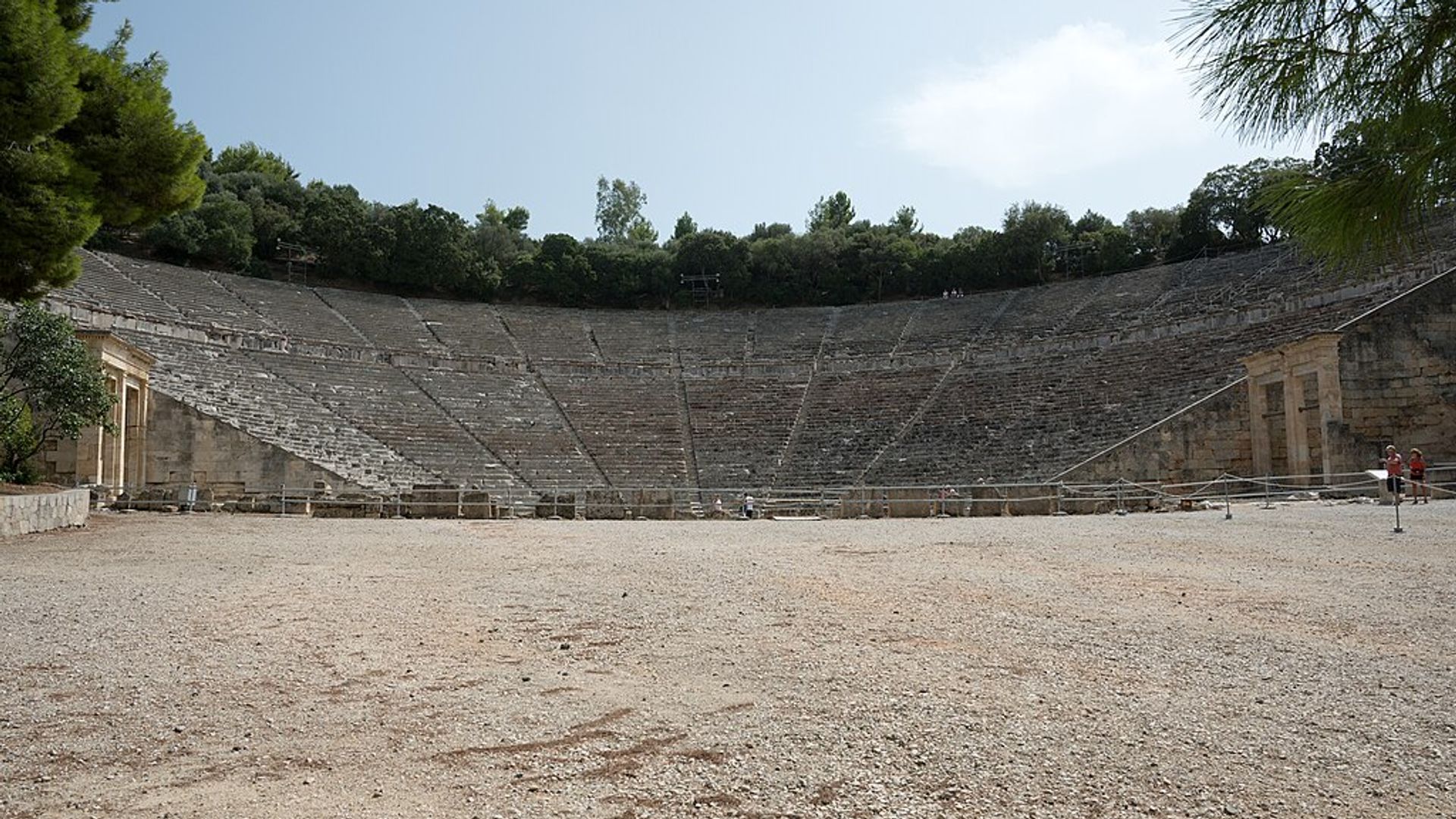
Experience the magic of ancient Greek theater at the Epidaurus Festival, where classical dramas come alive in one of the world's most acoustically perfect venues. This comprehensive guide covers everything you need to know about attending performances at this UNESCO World Heritage Site.
Under the starlit Mediterranean sky, the ancient theater of Epidaurus transforms into a living stage where the voices of Sophocles, Euripides, and Aeschylus echo through millennia. The Epidaurus Festival stands as one of Greece's most prestigious cultural events, drawing theater enthusiasts from across the globe to witness classical performances in their original architectural setting.
For over six decades, this extraordinary festival has breathed life into ancient Greek dramas, proving that stories written 2,500 years ago still resonate with modern audiences. The combination of world-class performances, impeccable acoustics, and the mystical atmosphere of this ancient healing sanctuary creates an unforgettable theatrical experience.
What Makes the Epidaurus Festival Unique
The Ancient Theatre of Epidaurus isn't just another performance venue—it's an architectural marvel that continues to astound acousticians and architects worldwide. Built in the 4th century BC by Polykleitos the Younger, this 14,000-seat amphitheater boasts acoustics so perfect that a whisper from the stage can be heard in the uppermost rows.
The festival's commitment to authenticity sets it apart from other cultural events. Directors and actors work to honor the original spirit of ancient Greek theater while making these timeless stories accessible to contemporary audiences.
Key Features:
- Perfect natural acoustics requiring no amplification
- Original 4th-century BC architectural setting
- Productions featuring Greece's finest theatrical companies
- International collaborations with renowned directors
- Traditional and modern interpretations of classical works
- Stunning backdrop of the Peloponnesian landscape
History of the Epidaurus Festival
The modern Epidaurus Festival began in 1954 as part of the Athens & Epidaurus Festival, formerly known as the Athens Festival. The Greek National Theatre staged the first performance, Euripides' "Hippolytus," marking the beginning of a cultural tradition that would span generations.
What started as an experimental revival quickly became an annual pilgrimage for theater lovers. The festival has hosted legendary performers, groundbreaking productions, and innovative interpretations that have shaped how we understand ancient Greek drama today.
Festival Milestones:
- 1954: First modern performance of ancient drama
- 1960s: Expansion to include international productions
- 1988: UNESCO World Heritage Site designation
- 2000s: Introduction of contemporary theatrical approaches
- 2020: Virtual performances during pandemic
- 2025-2026: Return to full-scale productions with enhanced programming
The 2026 Performance Season
The Epidaurus Festival typically runs from late June through August, with performances scheduled on Friday and Saturday evenings. The 2026 season promises an exceptional lineup of classical tragedies and comedies, featuring both traditional stagings and innovative contemporary interpretations.
Performances begin at sunset, usually around 9:00 PM during summer months, allowing audiences to experience the magical transition from daylight to starlight. This timing isn't merely practical—it recreates the ancient tradition of theatrical performances as communal evening gatherings.
Typical Season Highlights:
- Tragedies by Aeschylus, Sophocles, and Euripides
- Comedies by Aristophanes and Menander
- Guest performances by international theater companies
- Special educational programs and workshops
- Behind-the-scenes tours and lectures
- Musical performances inspired by ancient traditions
Planning Your Visit to the Festival
Attending the Epidaurus Festival requires advance planning, especially during peak summer months when performances often sell out weeks ahead. The theater's remote location in the Peloponnese adds to its mystique but requires careful logistical consideration.
Most visitors base themselves in nearby Nafplio, Greece's first capital and one of the country's most charming towns, located just 30 kilometers from Epidaurus. This strategic location allows you to combine cultural experiences with beach relaxation and exploration of other historical sites in the region.
Travel Logistics:
- Book tickets 4-6 weeks in advance through official channels
- Arrange accommodation in Nafplio or nearby coastal towns
- Plan transportation to the theater (car rental or organized tour)
- Arrive at least 60 minutes before performance time
- Prepare for evening temperatures and bring appropriate clothing
- Consider combining with daytime archaeological site visits
Getting to Epidaurus Theater
The Ancient Theatre of Epidaurus sits approximately 150 kilometers from Athens, making it accessible as a day trip or weekend excursion. However, the evening performance schedule means most visitors prefer staying overnight in the region.
Driving offers the most flexibility, allowing you to explore the surrounding archaeological site during daylight hours before the evening performance. Organized tours from Nafplio provide convenient transportation and often include guided visits to the archaeological sanctuary and museum.
Transportation Options:
- Private car rental from Athens or Nafplio (recommended)
- Organized tours with festival packages from Nafplio
- KTEL bus service from Athens or Nafplio (limited evening schedules)
- Private transfers arranged through hotels
- Taxi services from nearby towns
- Group tours combining multiple Peloponnese sites
Discover our Epidaurus and Mycenae tour that includes festival attendance options during summer months.
What to Expect at a Performance
Attending a performance at Epidaurus is unlike any other theatrical experience. As you climb the ancient stone steps to your seat, you're literally walking in the footsteps of audiences from 2,300 years ago who gathered here for dramatic festivals honoring Asclepius, the god of healing.
The atmosphere before curtain time buzzes with anticipation as the Mediterranean sun sets behind the surrounding hills. Most productions are performed in modern Greek, though the universal themes and powerful performances transcend language barriers.
Performance Experience:
- Shows performed in Greek with English subtitles (surtitles) projected above stage
- No microphones or amplification needed due to perfect acoustics
- Traditional Greek chorus and theatrical conventions honored
- Duration typically 90-120 minutes with no intermission
- Photography and recording strictly prohibited during performances
- Standing ovations and audience engagement encouraged
Seating and Ticket Information
The theater's seating arrangement follows the ancient Greek design, divided into two main sections. The lower section (called the "diazoma") offers closer views and premium pricing, while the upper section provides spectacular panoramic perspectives and excellent acoustics at more accessible prices.
Interestingly, many theater enthusiasts prefer the upper rows, where the acoustic phenomenon is most pronounced and the view encompasses both the stage and the surrounding landscape. The theater's design ensures there are genuinely no bad seats—every position offers clear sightlines and perfect sound.
Ticket Categories:
- Zone A (Rows 1-21): Premium seating, closest to stage, €50-60
- Zone B (Rows 22-34): Mid-range seating, excellent acoustics, €40-50
- Zone C (Upper rows): Best value, panoramic views, €20-30
- Special student and senior discounts available with valid ID
- Group rates for parties of 10 or more
- VIP packages including backstage access and reception
Essential Tips for Festival Attendees
The evening performances at Epidaurus require specific preparation that first-time visitors often overlook. Temperature drops significantly after sunset in this elevated location, even during hot summer days, making warm layers essential.
The ancient stone seats, while historically authentic, aren't designed for modern comfort standards. Bringing cushions or seat pads transforms your experience from endurance test to enjoyable evening.
Practical Preparation:
- Bring cushions or stadium seats (available for rent at entrance)
- Dress in layers—temperatures drop 10-15°C after sunset
- Wear comfortable walking shoes for uneven ancient pathways
- Arrive early to explore the site and settle into seats
- Pack light snacks and water (limited on-site facilities)
- Bring a small flashlight for navigating steps in darkness
- Download translation apps if unfamiliar with Greek language
- Charge phone cameras for pre-show photos (no photos during performance)
Combining Festival Visits with Regional Exploration
The Epidaurus Festival provides the perfect anchor for a broader Peloponnese adventure. The region surrounding the ancient theater overflows with archaeological treasures, coastal beauty, and authentic Greek culture that deserves several days of exploration.
Nafplio serves as an ideal base, offering Venetian architecture, waterfront dining, and easy access to multiple ancient sites. From here, you can explore Mycenae's legendary ruins, swim at pristine beaches, and discover the region's rich historical tapestry.
Nearby Attractions:
- Nafplio old town and Palamidi Fortress (30 km)
- Ancient Mycenae archaeological site (45 km)
- Asclepieion sanctuary and museum at Epidaurus
- Traditional villages of Argolida region
- Beaches of Porto Heli and Ermioni (50 km)
- Ancient Corinth and Acrocorinth fortress (60 km)
- Nemea wine region and archaeological site (70 km)
- Byzantine churches and monasteries throughout Argolida
Understanding Ancient Greek Theater
To fully appreciate the Epidaurus Festival, some context about ancient Greek theatrical traditions enhances the experience. These performances weren't mere entertainment—they were sacred civic rituals that explored fundamental questions about justice, fate, family, and the relationship between mortals and gods.
The original festivals honored Dionysus, god of wine and transformation, though Epidaurus was primarily dedicated to Asclepius. The therapeutic aspect of theater—catharsis through emotional release—was considered part of the healing process at this ancient medical sanctuary.
Theatrical Elements:
- Chorus: Group of performers commenting on action and representing community voice
- Masks: Amplified expressions and allowed actors to play multiple roles
- Skene: Background building used for entrances and scene changes
- Orchestra: Circular performance space where chorus danced and sang
- Protagonist: Main character whose choices drive the dramatic action
- Catharsis: Emotional purification through experiencing tragedy
The Acoustics Phenomenon
The theater's legendary acoustics continue to fascinate scientists and visitors alike. Recent studies suggest the limestone seats act as acoustic filters, suppressing low-frequency background noise while amplifying the actors' voices.
This engineering marvel means that 14,000 people can hear a match being struck on stage without any electronic amplification. The design demonstrates the ancient Greeks' sophisticated understanding of mathematics, geometry, and sound physics.
Acoustic Features:
- Sound travels clearly to all 14,000 seats without amplification
- Limestone seats filter background noise frequencies
- Symmetrical design creates even sound distribution
- Natural slope and materials optimize voice projection
- Wind patterns and surrounding hills enhance acoustic properties
- Modern architects still study the design principles
Food and Dining Options
The theater site itself offers limited food services, typically small kiosks selling snacks and beverages. Most festival-goers prefer dining before performances in Epidaurus village or returning to Nafplio for late-night meals after shows.
Greek dining culture embraces late dinners, so restaurants remain open well past midnight, especially during festival season. This allows you to enjoy a leisurely pre-theater meal and post-performance discussion over wine and mezze.
Dining Strategies:
- Early dinner (6:00-7:00 PM) in Nafplio before driving to theater
- Light snacks at theater kiosks before performance
- Late dinner (11:00 PM-midnight) after returning to Nafplio
- Picnic in theater grounds before show (arrive early)
- Restaurant reservations in Epidaurus village near theater
- Pack your own refreshments for intermission
Accommodation Recommendations
While some hotels exist near the archaeological site, Nafplio offers superior accommodation options with better dining and entertainment choices. The 30-kilometer drive takes approximately 30 minutes, making it perfectly feasible for evening performances.
Booking accommodations well in advance is crucial during festival season, as hotels fill quickly. Many properties offer special festival packages including transportation to performances.
Accommodation Options:
- Luxury hotels in Nafplio's old town with festival packages
- Traditional guesthouses near Epidaurus village
- Coastal resorts in Porto Heli with shuttle services
- Budget-friendly hotels in Nafplio's modern district
- Vacation rentals for families and longer stays
- Boutique properties in surrounding villages
Explore our Nafplio-based tours that can be combined with festival attendance.
Photography and Documentation
While photography is strictly prohibited during performances to protect artists' rights and maintain audience immersion, the hours before showtime offer spectacular photo opportunities. The theater at sunset, with dramatic lighting across the ancient stones, creates unforgettable images.
The archaeological site opens hours before performances, allowing visitors to explore, photograph, and appreciate the setting without crowds. This pre-show period is ideal for capturing the theater's grandeur and your festival experience.
Photography Guidelines:
- Daytime site visits allow unlimited photography
- Pre-performance photos permitted until curtain time
- No photos, videos, or recordings during performances
- Post-show exterior photos welcomed
- Drone photography requires special permits
- Professional equipment may require authorization
Family-Friendly Festival Experiences
While ancient Greek tragedies might seem inappropriate for children, the festival increasingly offers family-oriented productions and educational programs. Classical comedies, particularly Aristophanes' works, often appeal to younger audiences with their physical humor and satirical elements.
The experience of attending live theater in this historic setting creates lasting memories for children and introduces them to classical culture in an engaging, accessible way. Many Greek families attend performances together, making it a multi-generational cultural tradition.
Family Considerations:
- Select comedies over tragedies for younger children
- Choose lower seating sections to avoid steep climbs
- Bring extra cushions and comfort items for children
- Prepare kids with story summaries before performances
- Consider daytime site visits to gauge children's interest
- Pack quiet snacks and activities for restless moments
- Educational programs often available during festival season
Weather and Climate Considerations
The Peloponnese enjoys typical Mediterranean summer weather during festival season—hot, dry days with cooler evenings. However, the theater's elevation and open-air design mean conditions can change rapidly as the sun sets.
Checking weather forecasts becomes essential, as rare summer rain showers can occur. While performances rarely cancel for weather, being prepared ensures comfort regardless of conditions.
Weather Preparation:
- Daytime temperatures: 28-35°C (82-95°F)
- Evening temperatures: 18-24°C (64-75°F)
- Minimal rainfall during summer months
- Occasional winds in elevated theater location
- Clear skies typical for starlit performances
- Bring light jacket or shawl for temperature drops
Cultural Etiquette and Expectations
Greek audiences approach festival performances with reverence and enthusiasm, creating an atmosphere that balances respect for the art with genuine emotional engagement. Unlike some formal theater settings, audience reactions—gasps, laughter, even tears—are welcomed as part of the communal experience.
Arriving on time shows respect for performers and fellow audience members, as late entry disrupts the performance and other viewers. The Greek concept of "philoxenia" (hospitality) extends to theater culture, where sharing this experience creates bonds among strangers.
Audience Etiquette:
- Arrive 30-60 minutes before performance time
- Turn off all electronic devices completely
- Avoid talking during performances
- Emotional reactions and engagement welcomed
- Applaud between scenes and at conclusion
- Remain seated until performers complete curtain calls
- Respect photography restrictions
- Keep aisles and exits clear for safety
The Epidaurus Archaeological Site
The theater represents just one element of the larger Epidaurus sanctuary, an ancient healing center that attracted patients from across the Greek world. Visiting during daylight hours allows exploration of the entire archaeological complex, including temples, treatment facilities, and athletic structures.
The on-site museum houses fascinating artifacts that illuminate how ancient medicine combined physical treatment with spiritual healing and cultural activities like theater. This context deepens appreciation for why performances occur at this particular location.
Site Highlights:
- Ancient Theater (the main attraction)
- Sanctuary of Asclepius with temple ruins
- Tholos (circular building with mysterious purpose)
- Ancient hospital and treatment facilities
- Stadium for athletic competitions
- Archaeological museum with medical instruments
- Katagogion (ancient hotel for visiting patients)
- Gymnasium and bathing facilities
Accessibility and Special Needs
The ancient theater's 2,300-year-old design presents accessibility challenges for visitors with mobility limitations. However, festival organizers have implemented measures to make performances available to all audiences while preserving the site's archaeological integrity.
Designated accessible seating areas exist in lower sections, and staff members assist visitors with special needs. Advance notification when booking tickets ensures appropriate accommodations and assistance.
Accessibility Features:
- Wheelchair-accessible seating in designated lower sections
- Assistance available from site staff
- Accessible parking near theater entrance
- Companion tickets available for caregivers
- Audio description services for visually impaired (select performances)
- Advance booking required for accessibility services
Sustainable Tourism and Site Preservation
As a UNESCO World Heritage Site, Epidaurus requires careful management to balance public access with preservation. The festival implements sustainable practices to protect the ancient structure while allowing modern use.
Visitors play a crucial role in preservation by following site rules, staying on designated paths, and treating the ancient stones with respect. This collective stewardship ensures future generations can experience performances in this extraordinary setting.
Sustainability Practices:
- Limited annual performances to reduce wear on ancient structure
- Strict capacity controls to prevent overcrowding
- Prohibition on food and drinks in seating areas
- Regular archaeological monitoring and conservation
- Eco-friendly lighting and technical equipment
- Waste management and recycling programs
- Educational initiatives about site preservation
Quick Facts About Epidaurus Festival
Essential Information:
- Season: Late June through August (approximately 8-10 weeks)
- Performance Days: Primarily Friday and Saturday evenings
- Start Time: Typically 9:00 PM (sunset timing)
- Duration: 90-120 minutes per performance
- Capacity: 14,000 seats (usually 10,000-12,000 sold per show)
- Language: Modern Greek with English surtitles
- Ticket Range: €20-60 depending on seating section
- Distance from Athens: 150 kilometers (93 miles)
- Distance from Nafplio: 30 kilometers (19 miles)
- Site Opening: 8:00 AM for daytime archaeological visits
- UNESCO Status: World Heritage Site since 1988
- Acoustic Range: Perfect sound to all 14,000 seats without amplification
Beyond the Festival: Year-Round Epidaurus
While the summer festival represents peak season, Epidaurus welcomes visitors year-round for archaeological exploration. The site's beauty and significance transcend seasonal performances, offering peaceful contemplation and historical discovery during quieter months.
Off-season visits allow unhurried exploration without crowds, though you'll miss the magical experience of live performances. Many visitors return multiple times—once for the festival, again for quiet archaeological appreciation.
Year-Round Activities:
- Self-guided archaeological site exploration
- Museum visits with rotating exhibitions
- Educational programs and lectures (seasonal)
- Acoustic demonstrations in the empty theater
- Photography without performance restrictions
- Combined tours with nearby archaeological sites
- Research and academic programs
Connecting with Greek Culture
The Epidaurus Festival offers more than entertainment—it provides authentic connection with living Greek culture. The same stories that shaped Western civilization continue to resonate with Greek audiences, performed in the language of their ancestors.
This cultural continuity, where modern Greeks engage with their ancient heritage through theater, offers visitors unique insight into how the past remains vibrantly present in contemporary Greece. Understanding a few basic Greek phrases enhances your connection with local audiences and enriches the overall experience.
Cultural Connections:
- Engage with Greek audience members before and after shows
- Learn basic Greek greetings and theater terminology
- Understand mythological references in performances
- Appreciate how ancient themes address modern concerns
- Observe Greek theatrical traditions and customs
- Participate in post-show discussions at local tavernas
Planning a Multi-Day Peloponnese Itinerary
The Epidaurus Festival fits perfectly into a comprehensive Peloponnese exploration. This historically rich region deserves at least 4-5 days to properly experience its archaeological sites, coastal beauty, and authentic villages.
Strategic planning allows you to combine festival attendance with visits to Ancient Sparta, Olympia, Mycenae, and other legendary sites. The region's compact geography makes multi-site touring feasible without excessive driving.
Sample 5-Day Itinerary:
- Day 1: Arrive Nafplio, explore old town and Palamidi Fortress
- Day 2: Daytime visit to Mycenae and Epidaurus archaeological site
- Day 3: Evening Epidaurus Festival performance
- Day 4: Coastal exploration or Ancient Corinth excursion
- Day 5: Nafplio morning, afternoon departure or extend stay
Frequently Asked Questions
When is the best time to visit the Epidaurus Festival?
The festival runs from late June through August, with the best time being July when the full program is underway and weather is most reliable. Early season (late June) offers fewer crowds, while August brings peak Mediterranean summer atmosphere but higher temperatures. Weekend performances (Friday-Saturday) are most popular and sell out quickly, so booking 4-6 weeks in advance is recommended regardless of when you visit.
Do I need to understand Greek to enjoy the performances?
No, language barriers shouldn't prevent you from attending. All performances include English surtitles (subtitles projected above the stage), and the visual power of the performances, combined with the universal themes of Greek tragedy and comedy, transcends language. Many non-Greek speakers report being deeply moved by performances despite not understanding the spoken dialogue. Familiarizing yourself with the plot beforehand enhances comprehension and enjoyment.
How should I dress for an evening performance?
Dress comfortably in layers, as temperatures drop significantly after sunset even during hot summer days. Casual attire is perfectly acceptable—this is outdoor theater, not a formal opera house. Bring a light jacket or sweater, comfortable walking shoes for navigating ancient stone steps, and consider long pants to avoid cold stone seats. Many attendees bring cushions or stadium seats for comfort during the 90-120 minute performances.
Can I buy tickets at the door or must I book in advance?
While same-day tickets occasionally become available, advance booking is strongly recommended as popular performances sell out weeks ahead. Tickets can be purchased through the official Athens & Epidaurus Festival website, authorized ticket vendors, or through tour companies offering festival packages. Last-minute availability is unpredictable, especially for weekend performances and famous productions, so planning ahead prevents disappointment.
Are there food and bathroom facilities at the ancient theater?
Facilities at the archaeological site are limited. Small kiosks sell basic snacks and beverages, and restroom facilities exist but can have long queues before performances and during intervals. Most visitors eat dinner before arriving at the theater or plan late meals afterward in Nafplio. Bringing water and light snacks is permitted, though consuming food in the seating areas is discouraged to protect the ancient stones.
Is the theater accessible for people with mobility challenges?
The ancient theater presents accessibility challenges due to its 2,300-year-old design with steep stone steps. However, designated accessible seating exists in lower sections, and staff provides assistance to visitors with mobility limitations. Wheelchair users can access specific seating areas, though advance notification when booking is essential. Companions assisting visitors with disabilities receive complimentary tickets in most cases. Contact festival organizers directly to arrange appropriate accommodations.
What other sites should I combine with a festival visit?
The Epidaurus region offers numerous archaeological and cultural attractions perfect for multi-day itineraries. Essential nearby sites include Ancient Mycenae (45 km), Nafplio's Venetian old town and fortresses (30 km), Ancient Corinth (60 km), and the Asclepieion sanctuary surrounding the theater itself. Coastal towns like Porto Heli offer beach relaxation, while the entire Argolid region features traditional villages, Byzantine churches, and authentic tavernas. A 3-5 day Peloponnese itinerary allows proper exploration without rushed schedules.
How early should I arrive before a performance?
Arriving at least 60 minutes before curtain time is recommended for several reasons. This allows time to park, purchase any last-minute items from kiosks, use restroom facilities before queues develop, find your seats while there's still daylight, and soak in the atmosphere as the sun sets over the ancient theater. The pre-show period offers excellent photography opportunities and the chance to explore the immediate theater area. Gates typically open 90 minutes before performance time, and many enthusiasts arrive even earlier to fully experience the setting.
Conclusion: An Unforgettable Cultural Journey
The Epidaurus Festival represents far more than a theatrical performance—it's a journey through time that connects modern audiences with the foundations of Western drama and culture. Standing in this ancient theater as the stars emerge and the chorus begins its timeless lament, you experience precisely what audiences felt 2,300 years ago.
This continuity of human experience, the recognition that fundamental questions about justice, love, fate, and mortality remain unchanged across millennia, makes the festival profoundly moving. Whether you're a theater enthusiast, history lover, or curious traveler, witnessing ancient drama in its original setting creates memories that last a lifetime.
Plan your visit carefully, embrace the full experience by exploring the surrounding region, and prepare for an evening that will deepen your appreciation for the enduring power of Greek culture. The voices of the ancient playwrights still speak to us—and nowhere do they speak more clearly than at Epidaurus.
Start Planning Your Festival Experience:
- Book tickets 4-6 weeks in advance through official channels
- Reserve accommodation in Nafplio or nearby towns
- Plan daytime archaeological explorations
- Research performance selections and plots
- Arrange transportation or join organized tours
- Prepare appropriate clothing and comfort items
- Allow multiple days to explore the broader Peloponnese region
Discover our specialized Peloponnese tours that can incorporate Epidaurus Festival attendance into comprehensive regional itineraries, ensuring you experience the best of ancient Greece's cultural and historical treasures.