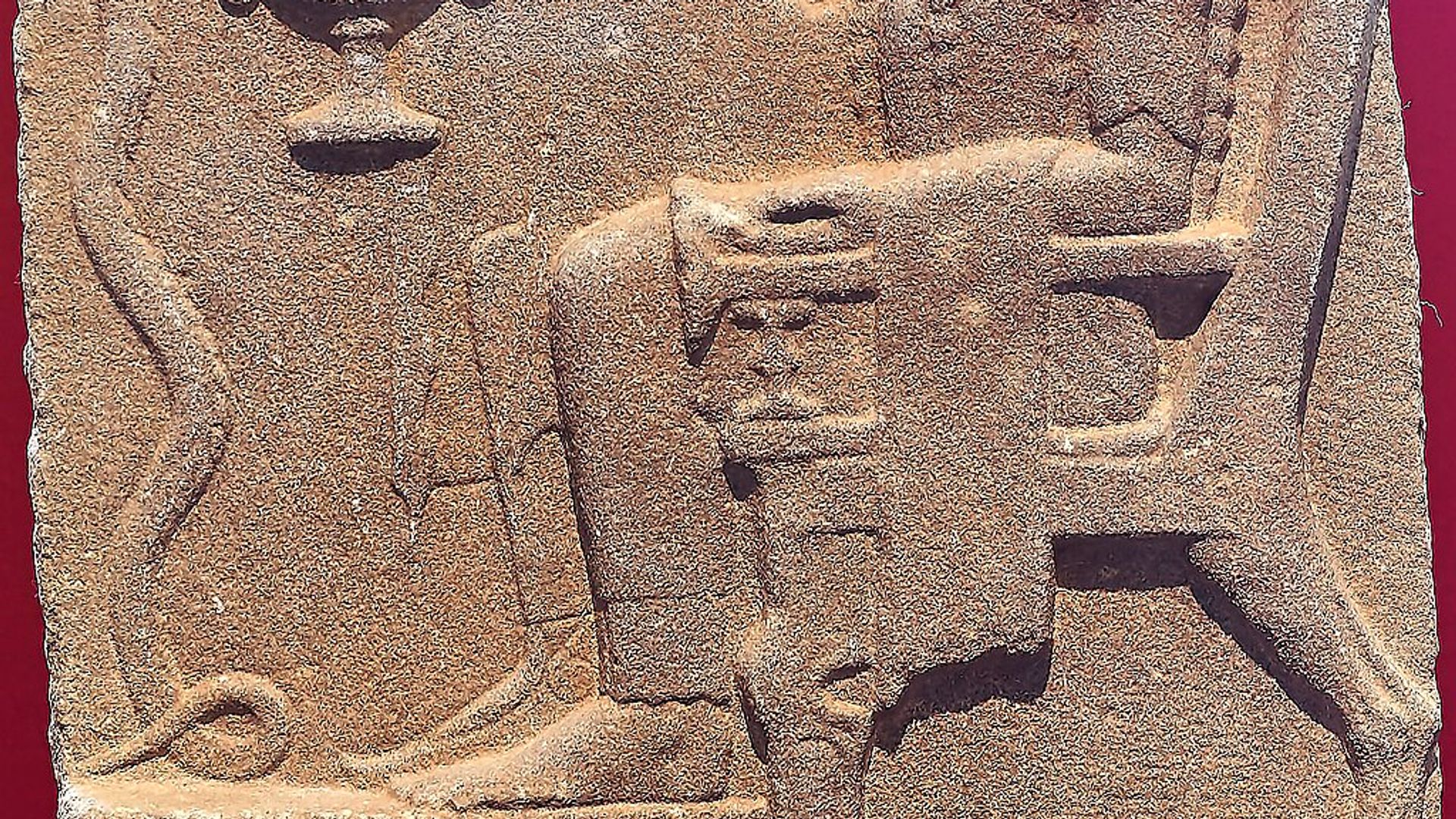
Discover the fascinating facts about Sparta in Ancient Greece, from legendary warriors to unique social systems. Explore the historical truths behind the myths of this formidable city-state.
The Legendary City-State That Defined Ancient Greece
Few civilizations have captured our imagination quite like ancient Sparta, the formidable city-state that produced history's most feared warriors. Located in the southern Peloponnese region, Sparta's legacy continues to fascinate travelers and history enthusiasts who journey to Greece seeking to understand this remarkable society.
Today's visitors can explore the archaeological remains of ancient Sparta and nearby Mystras, experiencing firsthand the landscape that shaped these legendary warriors. The ruins tell stories of a civilization that valued military excellence above all else, creating a social system unlike any other in the ancient world.
Quick Facts About Ancient Sparta
Essential Spartan Overview:
- Founded in the 10th century BCE in the Laconia region
- Population peaked at approximately 20,000-35,000 Spartan citizens
- Military training began at age 7 for boys
- Women enjoyed more rights than in other Greek city-states
- Declined after defeat by Thebes in 371 BCE
- Modern city of Sparta built near ancient ruins in 1834
The Spartan Military Machine: Warriors From Birth
The agoge system represented Sparta's most distinctive institution, transforming boys into elite soldiers through rigorous training. At age seven, Spartan males left their families to enter this brutal educational program that lasted until age 30.
Training emphasized physical endurance, combat skills, and absolute obedience to the state. Boys learned to survive with minimal food, endure harsh weather conditions, and fight with unwavering discipline that made Spartan armies virtually invincible.
Key Agoge Training Elements:
- Spartan boys lived in communal barracks from age 7
- Limited food rations encouraged stealing to develop cunning
- Physical competitions built strength and competitive spirit
- Music and poetry balanced military education
- Harsh punishments reinforced discipline and resilience
- Graduation required surviving brutal initiation rituals
The famous Battle of Thermopylae in 480 BCE showcased Spartan military prowess when 300 warriors led by King Leonidas held off the massive Persian army. This sacrifice became legendary, demonstrating the Spartan commitment to duty and honor that defined their warrior culture.
Spartan Women: Unprecedented Freedom and Power
Spartan women enjoyed rights and freedoms unimaginable in other Greek city-states like Athens. They received physical education, owned property, and managed estates while men lived in military barracks.
This elevated status stemmed from practical necessity—strong mothers produced strong warriors. Spartan women exercised publicly, participated in athletic competitions, and spoke freely on political matters, shocking visitors from other Greek cities.
Rights of Spartan Women:
- Owned and inherited property independently
- Received formal education including athletics
- Managed household finances and estates
- Married later than other Greek women (around 18-20)
- Could divorce and remarry freely
- Controlled approximately 40% of Sparta's land
The legendary Queen Gorgo, wife of Leonidas, exemplified Spartan women's intelligence and influence. Her political advice was sought by leaders, and ancient sources record her witty responses to foreign dignitaries who questioned Spartan customs.
The Dual Kingship: Sparta's Unique Government
Unlike other Greek city-states, Sparta maintained two hereditary kings ruling simultaneously from different royal families. This unusual system provided military leadership redundancy and prevented absolute monarchy.
The kings shared religious duties and commanded armies but held limited political power compared to the Gerousia (council of elders) and ephors (elected officials). This balanced system prevented tyranny while maintaining traditional leadership structures.
Spartan Government Structure:
- Two kings from Agiad and Eurypontid families
- Gerousia: 28 elders over age 60 plus two kings
- Five ephors elected annually with executive power
- Apella: assembly of Spartan citizens over 30
- Complex checks and balances limiting each branch
The Helot System: Sparta's Dark Foundation
Sparta's military society depended entirely on the helots, enslaved populations who outnumbered Spartans significantly. These subjugated peoples, primarily from conquered Messenia, worked the land and enabled Spartan citizens to focus exclusively on warfare.
The constant threat of helot rebellion shaped Spartan paranoia and militarism. Annual declarations of war against helots allowed Spartans to kill troublesome individuals without religious pollution, and the crypteia (secret police) terrorized helot communities to prevent uprisings.
Helot Society Facts:
- Outnumbered Spartans by approximately 7 to 1
- Worked agricultural land as state-owned serfs
- Could not be bought or sold like chattel slaves
- Occasionally fought alongside Spartans in warfare
- Major rebellions occurred throughout Spartan history
- Liberation of Messenia in 370 BCE devastated Sparta
Spartan Culture: More Than Just Warriors
Contrary to popular belief, Sparta valued arts and culture alongside military excellence. Early Sparta produced renowned poets, musicians, and craftsmen before the classical period's extreme militarization.
Archaeological discoveries reveal sophisticated bronze work, ivory carvings, and pottery demonstrating artistic achievement. Spartan choral performances and religious festivals attracted participants from across Greece, showcasing cultural contributions beyond warfare.
Cultural Achievements:
- Renowned for choral poetry and music
- Produced bronze figurines of exceptional quality
- Hosted religious festivals attracting Greek visitors
- Developed distinctive architectural styles
- Contributed to Greek athletic competitions
- Valued concise speech (origin of "laconic")
The term "laconic," meaning brief and concise speech, derives from Laconia, Sparta's region. Spartans famously communicated with few words, as when Philip II of Macedon threatened "If I invade Laconia, I will destroy Sparta," and received the one-word reply: "If."
Daily Life in Ancient Sparta
Spartan citizens lived communally focused lives centered on military service and state loyalty. Men ate together in syssitia (mess halls) even after marriage, maintaining military bonds throughout life.
Simplicity defined Spartan existence—plain clothing, basic food, and minimal luxury goods contrasted sharply with Athenian opulence. This austere lifestyle reinforced equality among citizens and prepared them for military hardships.
Typical Spartan Daily Routine:
- Dawn: Physical training and exercises
- Morning: Military drills and weapons practice
- Midday: Communal meals in mess halls
- Afternoon: Athletic competitions or hunting
- Evening: Cultural activities and discussions
- Night: Return to barracks (for unmarried men)
The famous "Spartan broth" (black soup) consisted of boiled pork, blood, salt, and vinegar—supposedly so unpalatable that a visitor from Sybaris remarked he now understood why Spartans didn't fear death. This simple diet symbolized Spartan rejection of luxury and emphasis on practicality.
Visiting Ancient Sparta Today
Modern Sparta, rebuilt in 1834, sits near the ancient ruins offering visitors glimpses into this legendary civilization. The archaeological sites, though less extensive than Athens or Delphi, provide authentic connections to Spartan history.
The nearby Byzantine city of Mystras presents spectacular ruins on a hillside, showcasing the region's medieval period. Together, these sites create a comprehensive historical experience from ancient through Byzantine times.
Must-See Spartan Sites:
- Archaeological Museum of Sparta with ancient artifacts
- Sanctuary of Artemis Orthia where boys underwent initiation
- Ancient theater ruins dating to Hellenistic period
- Acropolis remains with temple foundations
- Tomb of Leonidas monument honoring the legendary king
- Mystras Byzantine fortress and monasteries nearby
Our Nafplio to Sparta and Mystras tour provides expert-guided exploration of these remarkable sites, bringing Spartan history to life with archaeological insights and historical context.
The Spartan Military Tactics That Changed Warfare
The Spartan phalanx formation revolutionized ancient warfare through disciplined coordination and unbreakable unity. Soldiers stood shoulder-to-shoulder with overlapping shields, creating an impenetrable wall of bronze and iron.
This formation required extensive training and absolute trust among warriors—qualities the agoge system specifically developed. Spartans drilled constantly in synchronized movements, making their phalanx the most feared military formation in Greece.
Phalanx Battle Tactics:
- Eight rows deep of heavily armored hoplites
- Overlapping shields protecting individual soldiers
- Long spears (dory) extending beyond shield wall
- Synchronized advance maintaining formation integrity
- Breaking enemy lines through coordinated pressure
- Pursuit only after complete enemy rout
Spartan warriors carried distinctive lambda-emblazoned shields representing Lacedaemon (Sparta's formal name). The famous command to return "with your shield or on it" emphasized that dropping one's shield in retreat dishonored the warrior and endangered comrades.
Sparta Versus Athens: Ancient Rivalry
The contrast between Sparta and Athens defined classical Greek civilization—military oligarchy versus democratic culture, discipline versus philosophy, stability versus innovation. This rivalry culminated in the devastating Peloponnesian War (431-404 BCE).
Athens built a maritime empire through trade and naval power, while Sparta dominated land warfare through its superior army. Their conflicting systems and competing ambitions made conflict inevitable, ultimately weakening both city-states.
Key Differences:
- Government: Sparta's oligarchy vs. Athens' democracy
- Focus: Military training vs. arts and philosophy
- Economy: Agriculture-based vs. trade and commerce
- Education: Military agoge vs. broad liberal arts
- Women's roles: Relative freedom vs. domestic seclusion
- Architecture: Functional simplicity vs. monumental grandeur
Despite their differences, both city-states united against Persian invasions, demonstrating Greek solidarity when facing external threats. This temporary cooperation showcased the complex relationships between competitive Greek cities.
You can explore more about Greek city-states and their unique characteristics in our comprehensive guide to Greek cities.
The Decline and Fall of Spartan Power
Sparta's military dominance ended dramatically at the Battle of Leuctra in 371 BCE when Theban forces defeated the supposedly invincible Spartan army. This shocking loss shattered Sparta's reputation and exposed vulnerabilities in their rigid system.
The subsequent liberation of Messenia by Thebes devastated Sparta's economic foundation by freeing the helot population that worked Spartan lands. Without this labor force, Sparta's citizen-soldiers couldn't maintain their full-time military lifestyle.
Factors in Spartan Decline:
- Decreasing citizen population from constant warfare
- Loss of Messenia and helot labor force
- Inability to adapt military tactics to new warfare
- Economic weakness compared to other Greek states
- Rigid social system preventing necessary reforms
- Political isolation after Peloponnesian War
By the Roman period, Sparta had become a tourist attraction where wealthy Romans visited to watch reenactments of ancient customs. The once-feared warriors had transformed into historical curiosities performing for foreign audiences.
Travel Tips for Visiting Sparta and Mystras
Planning Your Visit:
- Allocate full day for Sparta and Mystras combined
- Visit early morning or late afternoon in summer heat
- Wear comfortable walking shoes for archaeological sites
- Bring water and sun protection year-round
- Hire knowledgeable guide for historical context
- Combine with nearby Gytheio coastal town
Best Times to Visit:
- Spring (April-May): Mild weather and wildflowers
- Fall (September-October): Comfortable temperatures
- Winter (November-March): Fewer crowds, possible rain
- Summer (June-August): Hot but longest daylight hours
The modern city of Sparta offers excellent tavernas serving regional Laconian cuisine, including local olive oil and wine. After exploring ancient ruins, enjoy authentic Greek hospitality in this relaxed provincial capital.
For more information about visiting the broader region, check out our guide to historical sites near Porto Heli, which includes additional Peloponnese destinations.
Spartan Influence on Modern Culture
Spartan imagery and ideals continue influencing modern military culture, sports teams, and popular media. The emphasis on discipline, teamwork, and physical excellence resonates with contemporary values.
Films like "300" have popularized Spartan history, though often sacrificing historical accuracy for dramatic effect. These portrayals introduce new generations to ancient Sparta while sometimes perpetuating myths about Spartan society.
Modern Spartan Legacy:
- Military training programs emphasizing Spartan toughness
- Sports teams named "Spartans" worldwide
- Obstacle course races branded as "Spartan" challenges
- Leadership books citing Spartan military principles
- Educational debates about Spartan training methods
- Cultural references to laconic speech and stoicism
The Spartan ideal of excellence through adversity continues inspiring people facing challenges. Whether accurate or romanticized, Sparta's legacy as history's ultimate warrior society endures in global consciousness.
Spartan Religion and Festivals
Religion permeated Spartan life with numerous festivals honoring gods and heroes. The Hyacinthia celebrated Apollo and the mythical Hyacinthus with three days of mourning followed by joyful festivities.
The Gymnopaedia featured naked dances by different age groups demonstrating physical fitness and honoring war dead. These religious festivals reinforced social bonds and displayed Spartan values to the Greek world.
Major Spartan Festivals:
- Carneia: Apollo festival with military restrictions
- Hyacinthia: Three-day celebration of rebirth
- Gymnopaedia: Summer festival with athletic displays
- Artemis Orthia: Endurance contests for young men
- Tithenidia: Festival honoring Spartan nurses
The sanctuary of Artemis Orthia hosted initiation rituals where boys endured ritual whipping to demonstrate courage. Roman-era modifications turned this into a theatrical spectacle, with visitors watching from stone seating still visible at the archaeological site.
Discover more about Greek religious traditions at various Greece monasteries that preserve ancient spiritual practices.
Archaeological Discoveries Revealing Spartan Life
Modern archaeology has transformed our understanding of Sparta beyond ancient literary sources. Excavations reveal a more complex society than the purely militaristic image presented by Athenian writers.
The British School at Athens has conducted extensive excavations since the late 19th century, uncovering temples, public buildings, and artifacts. These discoveries show artistic sophistication and religious devotion alongside military culture.
Important Archaeological Finds:
- Lead votive figurines from Artemis Orthia sanctuary
- Bronze armor and weapons displaying craftsmanship
- Pottery showing trade connections across Mediterranean
- Inscriptions revealing political and social structures
- Architectural remains of temples and public buildings
- Personal items illuminating daily life details
The Archaeological Museum of Sparta houses these discoveries, offering visitors direct contact with authentic Spartan artifacts. The collection includes the famous "Leonidas" bust, though its identification remains debated among scholars.
Combining Sparta with Peloponnese Exploration
Sparta's location in the southern Peloponnese makes it ideal for multi-day regional tours. The surrounding area offers diverse attractions from ancient sites to coastal villages and mountain monasteries.
Nearby Gytheio provides seaside relaxation after exploring archaeological sites, while the Mani Peninsula offers dramatic landscapes and traditional tower houses. This combination creates a comprehensive Peloponnese experience.
Nearby Attractions:
- Mystras Byzantine city (5 km from Sparta)
- Gytheio coastal town and ancient port (40 km)
- Monemvasia fortress town (95 km)
- Geraki Castle with Byzantine churches (40 km)
- Mani Peninsula traditional villages (60 km)
- Diros Caves spectacular underground lakes (80 km)
Our Ancient Olympia tour from Nafplio can be combined with Sparta visits for comprehensive ancient Greek site exploration throughout the Peloponnese region.
For those interested in medieval history, Geraki Castle offers fascinating Byzantine ruins near Sparta with spectacular hilltop views.
Frequently Asked Questions About Ancient Sparta
What made Spartan warriors so powerful?
Spartan warriors dominated ancient battlefields through lifelong military training beginning at age seven in the agoge system. This rigorous education developed exceptional physical fitness, combat skills, and unit cohesion that made the Spartan phalanx virtually unbeatable in conventional warfare. The entire Spartan social structure supported military excellence, with helot labor freeing citizens for constant training and preparation.
Did Spartan women really have more rights than other Greek women?
Yes, Spartan women enjoyed significantly more freedom and rights compared to women in other Greek city-states. They received physical education, owned property independently, managed estates, and participated in public discussions—rights unthinkable in Athens or other Greek cities. This elevated status stemmed from Sparta's belief that strong, educated mothers produced superior warriors, making women's health and intelligence valuable to the state.
How accurate is the movie "300" about Spartan history?
The film "300" dramatizes the Battle of Thermopylae with significant historical liberties for entertainment purposes. While the core story of 300 Spartans fighting Persians is true, many details are exaggerated or invented—including the appearance of warriors, political situations, and battle tactics. The movie captures the spirit of Spartan courage and sacrifice but shouldn't be considered historically accurate in specifics.
What happened to Sparta after ancient times?
Sparta declined significantly after losing the Battle of Leuctra in 371 BCE and the subsequent liberation of Messenia. By Roman times, it had become a minor city and tourist attraction where visitors watched reenactments of ancient customs. The ancient city was gradually abandoned, and modern Sparta was built nearby in 1834 after Greek independence, becoming a provincial capital with connections to its legendary past.
Can you visit ancient Sparta ruins today?
Yes, visitors can explore ancient Sparta archaeological sites including the sanctuary of Artemis Orthia, ancient theater, and acropolis remains. While less extensive than sites like Athens or Olympia (partly because Spartans built with less permanent materials), the ruins provide authentic connections to Spartan history. The Archaeological Museum of Sparta displays important artifacts, and nearby Mystras offers spectacular Byzantine ruins for a comprehensive historical experience.
Why did Spartans use shields with lambda symbols?
Spartan shields featured the Greek letter lambda (Λ) representing Lacedaemon, the formal name for the Spartan state and surrounding region. This distinctive marking identified Spartan warriors in battle and symbolized their collective identity and regional pride. The large bronze shields also served tactical purposes in the phalanx formation, protecting both the bearer and adjacent soldiers.
What was daily life like for a Spartan child?
Spartan boys left home at age seven to enter the agoge military training system, living in communal barracks with harsh conditions designed to build toughness. They received limited food, endured physical challenges, learned combat skills, and faced strict discipline. Girls remained home but received unusual physical education including athletics and sports, preparing them for motherhood and estate management while men served in the military.
How did Sparta's government differ from Athens?
Sparta maintained an oligarchic system with two hereditary kings, a council of elders (Gerousia), five elected officials (ephors), and a citizen assembly—creating checks and balances preventing tyranny. Athens developed democracy where citizens voted directly on policies and selected officials by lot. Sparta prioritized stability and military readiness, while Athens emphasized innovation, debate, and individual participation in governance, representing fundamentally different political philosophies.
Conclusion: The Enduring Legacy of Ancient Sparta
Ancient Sparta's influence extends far beyond its historical period, shaping modern concepts of discipline, courage, and military excellence. The archaeological sites in the Peloponnese offer tangible connections to this legendary civilization that valued honor and duty above all else.
Visiting Sparta today provides perspective on how this unique society functioned and ultimately declined, offering lessons about the strengths and limitations of specialized civilizations. The combination of ancient ruins, museum artifacts, and nearby Byzantine Mystras creates a rich historical experience for travelers seeking to understand Greece's complex past.
Whether you're fascinated by military history, ancient cultures, or simply exploring Greece's diverse heritage, Sparta deserves a place on your itinerary. The facts about Sparta in ancient Greece reveal a civilization far more complex than simple warrior stereotypes—a society that continues teaching us about human potential, social organization, and the costs of unwavering dedication to singular ideals.
For those interested in exploring more fascinating aspects of Greek culture and history, our article on fun facts about Greece provides additional insights into this remarkable country's heritage and traditions.