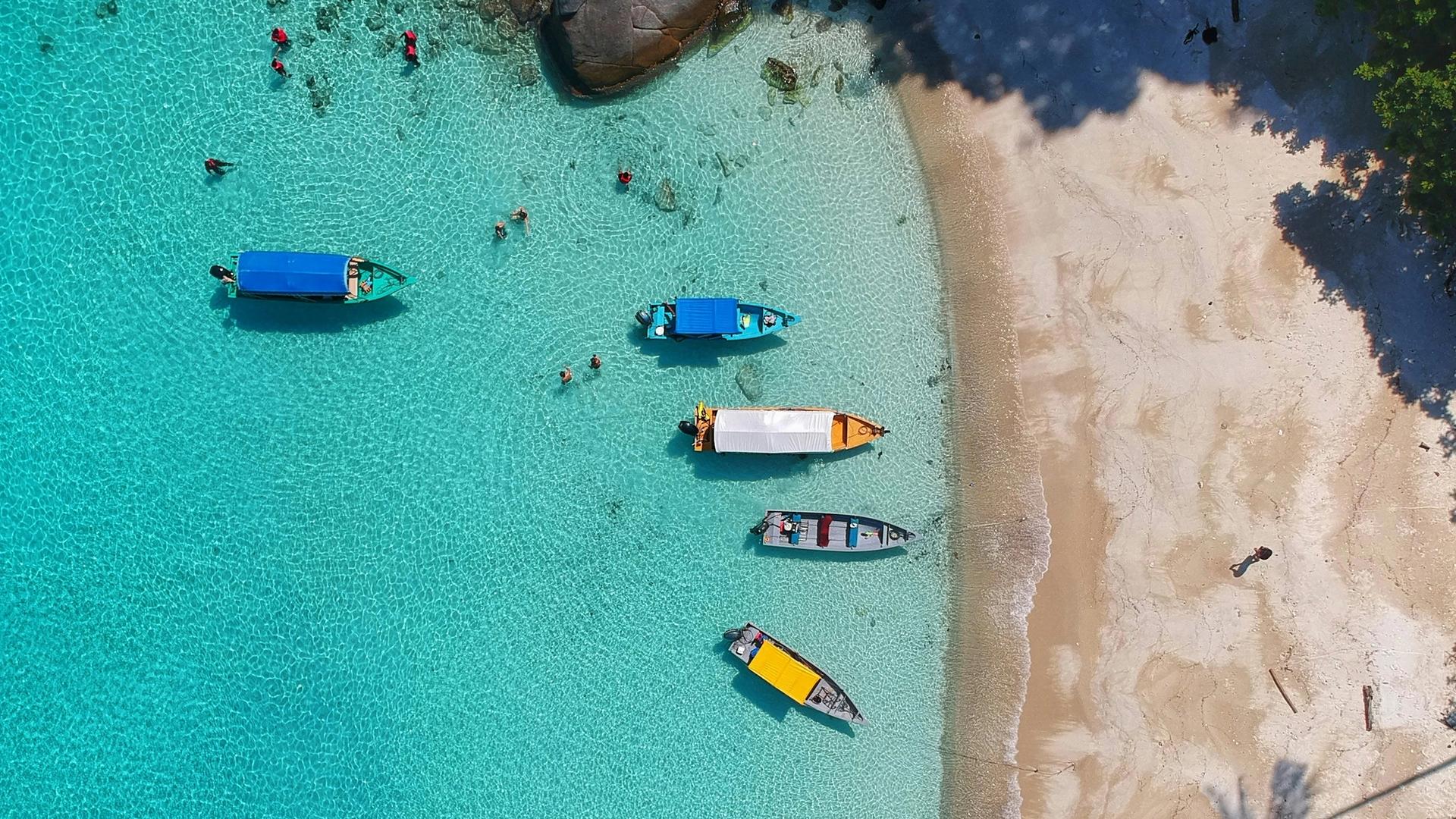
Discover fascinating fun facts about Greece that go beyond the ancient ruins and beautiful beaches. From quirky traditions to surprising historical tidbits, explore what makes Greece truly unique.
Greece is a land where mythology meets reality, where ancient history blends seamlessly with modern life, and where every corner holds a story waiting to be discovered. Beyond the famous ruins and stunning islands, this Mediterranean gem harbors countless surprises that even seasoned travelers might not know.
Whether you're planning your first visit or you're a Greece enthusiast, these fascinating facts will deepen your appreciation for this incredible country. From linguistic oddities to culinary secrets, architectural marvels to cultural quirks, Greece continues to captivate and surprise visitors from around the world.
Ancient Greece Facts That Still Impact Today
The legacy of ancient Greece extends far beyond museum exhibits and archaeological sites. The innovations and ideas born in this cradle of Western civilization continue to shape our modern world in ways both obvious and subtle.
The ancient Greeks gave us democracy, philosophy, theater, and the Olympic Games—but their influence runs even deeper. Many words we use daily, from "alphabet" to "democracy" to "philosophy," have Greek origins that reveal the profound impact of this ancient culture.
Ancient Greek Innovations:
- The ancient Greeks invented the alarm clock using water mechanisms
- They created the first vending machine for dispensing holy water in temples
- Ancient Greek theaters had such perfect acoustics that a whisper on stage could be heard in the back row
- The Antikythera mechanism, discovered in a shipwreck, was an ancient analog computer from 100 BCE
- Greeks invented the shower by using aqueducts to create overhead water systems
The ancient theater at Epidaurus remains one of the best-preserved examples of Greek architectural genius. Its acoustics are so perfect that modern engineers still study its design to understand how sound travels through the structure without any electronic amplification.
Geography and Nature: Surprising Greek Landscapes
Greece's geographical diversity is far more varied than most visitors expect. While everyone knows about the islands, few realize the mainland offers equally dramatic landscapes ranging from alpine peaks to lush forests.
This small country packs an extraordinary variety of ecosystems into its borders. Greece has more archaeological museums than any other country in the world, but it also boasts incredible biodiversity that often surprises first-time visitors.
Geographic Surprises:
- Greece has over 6,000 islands and islets, but only 227 are inhabited
- Mount Olympus, home of the ancient gods, reaches 2,918 meters and requires mountaineering skills to summit
- Greece has more coastline than any European country except Norway
- The country contains over 7,500 caves, with only 3,500 explored
- Greece is 80% mountainous, making it one of Europe's most mountainous countries
- The Peloponnese was technically an island until 1893 when the Corinth Canal was completed
The diverse Greek cities reflect this geographical variety, from coastal ports to mountain villages. Each region developed its own character based on the landscape that shaped daily life for millennia.
Language and Communication Quirks
The Greek language holds secrets and surprises that fascinate linguists and travelers alike. As one of the oldest continuously spoken languages in the world, Greek has evolved while maintaining connections to its ancient roots.
Modern Greeks can still read ancient texts with some effort, creating a living link to classical civilization. This linguistic continuity is virtually unique among European languages and gives Greeks a special connection to their heritage.
Language Facts:
- The Greek alphabet has been in continuous use for over 2,800 years
- Greek has no word for "please"—requests are made polite through verb conjugations
- The language contains words that are untranslatable to English, like "φιλότιμο" (filotimo)
- Greek is spoken by only 13 million people worldwide but has influenced countless other languages
- The longest word in Greek has 172 letters and appears in a play by Aristophanes
- Greek question marks look like English semicolons (;)
Learning a few Greek phrases can dramatically enhance your travel experience. Greeks genuinely appreciate when visitors make the effort to speak even basic phrases in their language.
Cultural Traditions That Define Greek Life
Greek culture is built on traditions that have survived for centuries, adapting to modern times while maintaining their essential character. These customs reveal the values Greeks hold dear: family, hospitality, celebration, and community.
The concept of "φιλοξενία" (filoxenia), or love of strangers, isn't just a tourist slogan—it's a deeply ingrained cultural value. Greeks take genuine pride in welcoming visitors and sharing their culture, food, and stories.
Cultural Customs:
- Greeks celebrate their name day (the feast day of their patron saint) more enthusiastically than birthdays
- Breaking plates at celebrations is largely a tourist myth; Greeks clap rhythmically instead
- The "evil eye" (mati) is taken seriously, with blue eye charms worn for protection
- Greeks avoid complimenting babies directly to protect them from jealous spirits
- Waving with an open palm is offensive; it's a gesture called "moutza" dating to Byzantine times
- Napping (siesta) between 2-5 PM is still observed, especially in summer
These traditions extend to religious practices as well, with Greece's numerous monasteries serving as living museums of Byzantine culture. Over 97% of Greeks identify as Greek Orthodox, and religious festivals punctuate the calendar year.
Greek Cuisine: Beyond Moussaka and Souvlaki
Greek food is celebrated worldwide, but the cuisine holds secrets that go far beyond the dishes served in most Greek restaurants abroad. The Mediterranean diet originated here, and Greeks take their food traditions seriously.
Meals in Greece are social events meant to be savored slowly with family and friends. The concept of eating quickly or alone is foreign to Greek culture, where food and fellowship are inseparable.
Culinary Surprises:
- Greece has more varieties of olives than any other country
- Greeks consume more cheese per capita than any other nation in Europe
- Feta cheese is protected by EU law and can only be called "feta" if made in Greece
- Greek yogurt in Greece is actually called "straggisto" (strained yogurt)
- Greeks eat an average of 18 kilograms of olive oil per person annually
- Honey has been produced in Greece for over 3,000 years using traditional methods
- Coffee in Greece is served with a glass of cold water and is meant to be sipped slowly
The drinking culture includes unique beverages like ouzo and raki, which you can learn more about in our guide to Greek alcohol. These anise-flavored spirits are traditionally enjoyed with small plates of mezedes (appetizers) during leisurely afternoon gatherings.
Architectural Wonders and Design Secrets
Greek architecture influenced Western building design for millennia, but the structures themselves contain engineering marvels that modern architects still study. From the Parthenon's optical illusions to village homes' earthquake resistance, Greek builders mastered their craft.
The iconic blue and white colors of Greek island architecture weren't always traditional—they became mandatory in 1967 during the military dictatorship. However, the colors had practical origins: white lime paint reflected heat and disinfected surfaces, while blue paint (made from a cleaning product) repelled insects.
Architectural Facts:
- The Parthenon has no straight lines—every column and surface incorporates subtle curves to correct optical illusions
- Greek island houses are built with thick walls and small windows to stay cool in summer
- Traditional homes often have flat roofs designed to collect rainwater in cisterns
- The golden ratio (phi) was used extensively in ancient Greek architecture
- Byzantine churches face east so the rising sun illuminates the altar during morning services
- Stone windmills on islands were positioned based on precise wind pattern knowledge
Exploring Greek architecture reveals how form followed function while achieving timeless beauty. Each architectural style—from Mycenaean to Classical to Byzantine to Neoclassical—tells part of Greece's complex story.
Island Life: Facts About Greek Paradise
The Greek islands represent paradise for many travelers, but life on these sun-drenched rocks differs dramatically from mainland existence. Island culture developed in isolation, creating unique traditions, dialects, and ways of life.
Each island group—the Cyclades, Dodecanese, Ionian, Sporades, and others—has distinct characteristics shaped by geography, history, and outside influences. Crete alone is so culturally unique that Cretans often identify as Cretan first, Greek second.
Island Surprises:
- Santorini's iconic white buildings sit atop volcanic rock from an eruption around 1600 BCE
- Some islands have populations under 50 people, with one teacher serving all grade levels
- Island cats are descendants of cats brought by Venetian sailors to control rodents
- Many islands were pirate havens until the 19th century
- Ikaria residents have unusual longevity, with many living past 90 in good health
- Rhodes was home to the Colossus, one of the Seven Wonders of the Ancient World
- Delos island is entirely archaeological—no one is allowed to live there or stay overnight
The coastal town of Gytheio on the mainland offers a taste of island life without leaving the Peloponnese. Its colorful harbor and relaxed pace mirror the island lifestyle that draws millions of visitors annually.
Historical Sites: Living Museums
Greece contains more UNESCO World Heritage Sites than most people realize, and new archaeological discoveries happen regularly. The country is essentially one vast open-air museum where history isn't confined to buildings but permeates the landscape.
Archaeologists estimate that only 10-15% of ancient Greek sites have been excavated. Every construction project risks uncovering new ruins, which is why Athens metro construction took decades—workers kept discovering ancient artifacts and structures.
Historical Highlights:
- Greece has 18 UNESCO World Heritage Sites, with dozens more on the tentative list
- The facts about Sparta reveal a society far more complex than Hollywood depicts
- Ancient Olympia hosted the Olympic Games for over 1,000 years without interruption
- The Oracle of Delphi was the most powerful woman in the ancient world
- Knossos Palace in Crete had running water and flush toilets 4,000 years ago
- The Tower of Winds in Athens is the world's first meteorological station
Geraki Castle represents the lesser-known Byzantine and Frankish history that followed the classical period. These medieval fortifications dot the Greek landscape, reminding visitors that Greek history didn't end with the Romans.
Discover Ancient Wonders:
Experience Greece's incredible historical sites firsthand with our Nafplio to Mycenae and Epidaurus Tour. Walk where ancient heroes walked and see archaeological marvels that have stood for millennia.
Quick Facts About Modern Greece
Contemporary Greece balances ancient heritage with modern European life. Understanding current Greek society helps visitors navigate cultural expectations and appreciate how the past influences the present.
Greece joined the European Union in 1981 and adopted the euro in 2001. Despite economic challenges in recent years, Greeks maintain their optimistic spirit and commitment to enjoying life's pleasures.
Modern Greece at a Glance:
- Population: Approximately 10.7 million people
- Capital: Athens, home to nearly 40% of the population
- Government: Parliamentary republic since 1974
- Tourism: Greece welcomes over 30 million visitors annually
- Shipping: Greek-owned ships comprise nearly 20% of the world's merchant fleet
- Unemployment: Young Greeks often work abroad, creating a significant diaspora
- Education: Literacy rate exceeds 97%, with free public universities
- Healthcare: Universal healthcare system covers all citizens and legal residents
The weather in October makes autumn an ideal time to visit, avoiding summer crowds while enjoying pleasant temperatures. Many Greeks consider September and October the best months to experience their country.
Mythology in Daily Life
Greek mythology isn't relegated to ancient history—it remains woven into modern Greek life in surprising ways. From place names to expressions, mythological references appear constantly in everyday conversation.
Every region claims connections to specific myths and gods. Mountains, caves, springs, and rock formations all have mythological explanations that locals know and share with visitors.
Mythological Connections:
- Many Greek first names come directly from mythology: Athena, Hercules, Penelope, Jason
- Expressions like "Herculean task" and "Achilles heel" originated from Greek myths
- The days of the week in Greek are named after planets, which were named after gods
- Traditional festivals often have roots in ancient religious celebrations to specific deities
- Local legends explain natural features, like how Poseidon created certain islands
- The Epidaurus Festival continues ancient theatrical traditions in the original venue
These mythological connections give Greece a unique atmosphere where past and present coexist. Walking through Greek landscapes, it's easy to imagine why ancient peoples populated these dramatic settings with gods and heroes.
Greek Celebrations and Festivals
Greeks celebrate more holidays and festivals than almost any other European nation. Religious feast days, national holidays, local patron saint celebrations, and cultural festivals fill the calendar year.
Carnival season (Apokries) before Lent rivals Mardi Gras in some regions, with elaborate costumes and parades. Easter is the most important holiday, celebrated with midnight services, fireworks, and feasting that makes Christmas seem subdued by comparison.
Festival Facts:
- Greeks celebrate Independence Day on March 25th with military parades and traditional dress
- "Ohi Day" (October 28th) commemorates Greece's refusal to surrender to Italy in WWII
- Clean Monday (Kathara Deftera) marks the start of Lent with kite-flying and outdoor picnics
- Name days are bigger celebrations than birthdays, with open-house hospitality
- New Year's Eve involves cutting the Vasilopita cake with a hidden coin for luck
- August 15th (Assumption of Mary) is when Greeks return to ancestral villages for celebrations
Local festivals often include traditional music, dancing, and food specific to each region. These celebrations offer authentic glimpses into Greek culture that guidebooks rarely capture.
Travel Tips: Making the Most of Your Greek Adventure
Understanding Greek customs and practical realities helps visitors navigate this wonderful country more smoothly. Greeks are forgiving of cultural missteps, but knowing a few key points enhances any visit.
Timing matters in Greece—arriving at restaurants before 9 PM marks you as a tourist, while shops closing for siesta isn't laziness but centuries of adaptation to Mediterranean heat. Working with Greek rhythms rather than against them makes travel more enjoyable.
Essential Travel Tips:
- Always carry cash—many small businesses don't accept cards
- Toilet paper goes in the bin, not the toilet, due to narrow plumbing
- Dress modestly when visiting churches and monasteries
- Bargaining is acceptable at markets but not in regular shops
- Greeks are late by Northern European standards—adjust expectations
- Tap water is safe to drink in most areas but bottled water is preferred
- Pharmacists in Greece are highly trained and can help with minor health issues
- Smoking is technically banned indoors but enforcement is inconsistent
Dining in authentic Greek restaurants in Nafplio or other traditional towns offers a more genuine experience than tourist-focused establishments. Look for places filled with locals, even if the menu isn't translated.
Experience Authentic Greece:
Our Nafplio to Sparta and Mystras Tour takes you beyond tourist hotspots to experience authentic Greek culture and history. Discover the real Greece with expert local guides.
The Greek Concept of Time and Leisure
Greeks have a fundamentally different relationship with time compared to Northern Europeans or Americans. The concept of "siga siga" (slowly, slowly) isn't about laziness—it's a philosophy that prioritizes quality of life over efficiency.
This attitude extends to meals, which can last hours, and to work-life balance, where family and social connections take precedence over professional advancement. Understanding this helps visitors relax into the Greek rhythm rather than fighting against it.
Time and Leisure:
- The Greek concept of "kefi" describes a state of joyful passion and high spirits
- "Parea" refers to a group of friends who regularly gather to socialize
- Greeks spend more time socializing in cafes and tavernas than most Europeans
- The evening "volta" (stroll) is a social ritual in towns and villages
- Punctuality is flexible—being 15-30 minutes late is normal
- Business discussions often happen over long meals rather than in offices
This leisurely approach to life contributes to the Mediterranean lifestyle that health researchers credit with longevity and well-being. Visitors who embrace this pace often find it the most refreshing aspect of their Greek holiday.
Environmental and Wildlife Facts
Greece's biodiversity surprises many visitors who expect only olive groves and barren islands. The country hosts unique ecosystems ranging from Mediterranean wetlands to alpine forests, each supporting distinctive flora and fauna.
The Mediterranean monk seal, one of the world's most endangered marine mammals, finds refuge in Greek waters. Brown bears still roam Northern Greece's forests, while loggerhead sea turtles nest on southern beaches.
Environmental Highlights:
- Greece has over 6,000 plant species, with 750 found nowhere else on Earth
- The Dadia Forest in Thrace hosts 36 of Europe's 38 raptor species
- Zakynthos beaches are crucial nesting sites for loggerhead turtles
- Greece contains 10 national parks and numerous protected areas
- The country is a critical migration route for birds traveling between Europe and Africa
- Greek forests include rare species like the Cephalonian fir, found only on one island
- Wildflowers carpet Greek hillsides in spring, creating spectacular displays
Conservation efforts have increased in recent years, though development pressures remain. Eco-tourism initiatives help visitors experience Greece's natural beauty while supporting preservation efforts.
Maritime Heritage and Island Hopping
Greece's identity is inseparable from the sea. With one of the world's largest merchant fleets and a seafaring tradition stretching back millennia, Greeks have always been sailors and traders.
Island hopping by ferry remains one of the most popular ways to experience Greece. The ferry system connects even tiny islands, though schedules can be unpredictable, especially in shoulder seasons or rough weather.
Maritime Facts:
- Greece has the largest merchant navy in the world by tonnage
- The shipping industry accounts for approximately 7% of Greek GDP
- Ferry routes connect islands in complex networks that locals navigate instinctively
- Traditional wooden caiques still fish using methods unchanged for centuries
- Many Greek islands were named by ancient sailors based on their appearance
- The Aegean Sea contains over 2,000 islands, most uninhabited
- Sailing conditions in the Aegean can change rapidly due to the meltemi winds
Coastal towns like those near Porto Heli offer access to both maritime activities and nearby historical sites. The combination of sea and history defines the Greek travel experience.
Practical Information for Visitors
Planning a Greek adventure requires understanding some practical realities that differ from other European destinations. From electrical outlets to tipping customs, knowing these details prevents minor frustrations.
Greece uses the euro, making transactions straightforward for most European visitors. ATMs are widely available in cities and tourist areas, though smaller islands may have limited banking facilities.
Practical Details:
- Electricity: 230V, 50Hz with European two-pin plugs (Type C and F)
- Tipping: Round up or add 5-10% in restaurants; tipping isn't mandatory but appreciated
- Emergency number: 112 for all emergencies (police, fire, medical)
- Driving: On the right side; international license recommended
- Pharmacy sign: Green cross, often flashing
- Business hours: Typically 9 AM-2 PM and 5 PM-8 PM, closed Sundays
- Internet: WiFi widely available in hotels, cafes, and restaurants
- SIM cards: Available at airports and phone shops for visitors needing mobile data
The colors of Greece extend beyond the famous blue and white, with each region displaying distinctive palettes in architecture, landscapes, and local dress. These visual elements create the photogenic scenes that make Greece so memorable.
Frequently Asked Questions
What is the most surprising fact about Greece?
One of the most surprising facts is that Greece has more archaeological museums than any other country in the world, with over 200 museums dedicated to ancient artifacts. Additionally, Greece's coastline would stretch around the Earth's equator nearly half a time if laid out straight, making it the 11th longest coastline globally despite being a relatively small country. The continuous use of the Greek language for over 3,400 years also surprises many visitors—modern Greeks can still read ancient texts with some study.
Is Greece expensive to visit?
Greece offers excellent value compared to Western European destinations, though prices vary significantly by location and season. Islands like Santorini and Mykonos command premium prices, while mainland destinations and lesser-known islands remain quite affordable. Eating at tavernas frequented by locals rather than tourist restaurants can reduce costs dramatically. Visiting during shoulder seasons (April-May or September-October) provides the best combination of pleasant weather and reasonable prices, with accommodation costs dropping 30-50% compared to peak summer.
What should I not do in Greece?
Avoid several cultural missteps: don't wave with an open palm (the "moutza" gesture is offensive), don't flush toilet paper in most bathrooms (narrow pipes can't handle it), don't wear beach clothes in churches or monasteries, and don't assume Greeks want to discuss politics or economics immediately. Refusing offered hospitality, especially coffee or food, can be considered rude. Also, don't expect punctuality by Northern European standards—Greeks operate on a more flexible schedule. Finally, don't skip smaller towns in favor of only famous sites; authentic Greek culture thrives in lesser-known locations.
How many days do you need to visit Greece?
A minimum of 7-10 days allows you to experience Athens and one or two island or mainland regions without feeling rushed. Two weeks provides time to combine Athens, the Peloponnese, and several islands while maintaining a relaxed pace that suits Greek culture. Three weeks or more lets you explore multiple regions in depth, including less-touristy areas where authentic Greek life continues unchanged. Remember that Greeks themselves take time to savor experiences—rushing through Greece misses the point. Quality matters more than quantity when it comes to Greek destinations.
What is Greece famous for besides ancient ruins?
Beyond archaeological sites, Greece is renowned for its cuisine (the Mediterranean diet originated here), pristine beaches with crystal-clear waters, and vibrant island nightlife. The country produces exceptional olive oil, wine, and honey using traditional methods. Greek hospitality (filoxenia) is legendary, with locals genuinely welcoming visitors. The dramatic landscapes range from alpine mountains to volcanic islands. Greece also boasts a thriving contemporary arts scene, world-class museums, and traditional festivals that continue ancient customs. The Greek liquor tradition, including ouzo and raki, represents another cultural treasure worth exploring.
Can you drink tap water in Greece?
Tap water is generally safe to drink in most Greek cities and mainland areas, meeting EU safety standards. However, many islands rely on desalination or transported water, which, while safe, may taste unpleasant due to mineral content or chlorination. Most Greeks prefer bottled water for taste rather than safety reasons. In remote mountain villages, spring water is often excellent and locals may direct you to public fountains. Hotels and restaurants always provide bottled water if you prefer. When visiting monasteries or remote sites, carrying bottled water is essential as facilities may be limited.
What is the best time to visit Greece?
The ideal time depends on your priorities, but most experts recommend April-May or September-October for the best overall experience. These shoulder seasons offer pleasant temperatures (20-27°C), fewer crowds, lower prices, and authentic experiences as locals resume normal routines after tourist season. Spring brings wildflowers and green landscapes, while autumn offers warm sea temperatures and harvest festivals. July-August brings intense heat, crowds, and high prices but guarantees beach weather. Winter (November-March) sees many island businesses closed, but mainland Greece and Crete remain accessible with mild temperatures perfect for archaeological exploration without crowds.
Is Greece safe for tourists?
Greece is one of Europe's safest destinations, with low violent crime rates and a welcoming attitude toward visitors. Petty theft occurs in crowded tourist areas like Athens' Monastiraki or busy ferry ports, so standard precautions apply. The biggest risks are typically sunburn, dehydration, and minor traffic accidents—Greek driving can be chaotic. Political demonstrations occasionally occur in Athens but are generally peaceful and avoidable. Natural hazards like strong currents at beaches or uneven ancient site pathways pose more realistic concerns than crime. Greeks are genuinely hospitable and will often go out of their way to help tourists, making it an exceptionally visitor-friendly destination.
Conclusion: The Greek Experience Awaits
Greece offers far more than ancient ruins and beautiful beaches—it's a living culture where history, tradition, and modern life intertwine in fascinating ways. These fun facts barely scratch the surface of what makes Greece endlessly captivating to visitors and locals alike.
From the linguistic continuity connecting modern Greeks to their ancient ancestors, to the culinary traditions that promote health and longevity, to the architectural innovations that still inspire builders today, Greece rewards curious travelers with discoveries at every turn. The Greek approach to life—valuing relationships over schedules, quality over efficiency, and joy over productivity—offers lessons that resonate long after the vacation ends.
Whether you're exploring the historical sites near Porto Heli, experiencing the spiritual atmosphere of the Holy Monastery of Malevis, or simply savoring a long meal at a seaside taverna, Greece invites you to slow down and experience life as it was meant to be lived. Each visit reveals new layers of this complex, beautiful country where every stone tells a story and every encounter creates a memory.
The best way to truly understand these facts is to experience them firsthand, walking where ancient philosophers walked, tasting the food that has nourished generations, and connecting with people whose ancestors shaped Western civilization. Greece isn't just a destination—it's an experience that changes how you see the world.