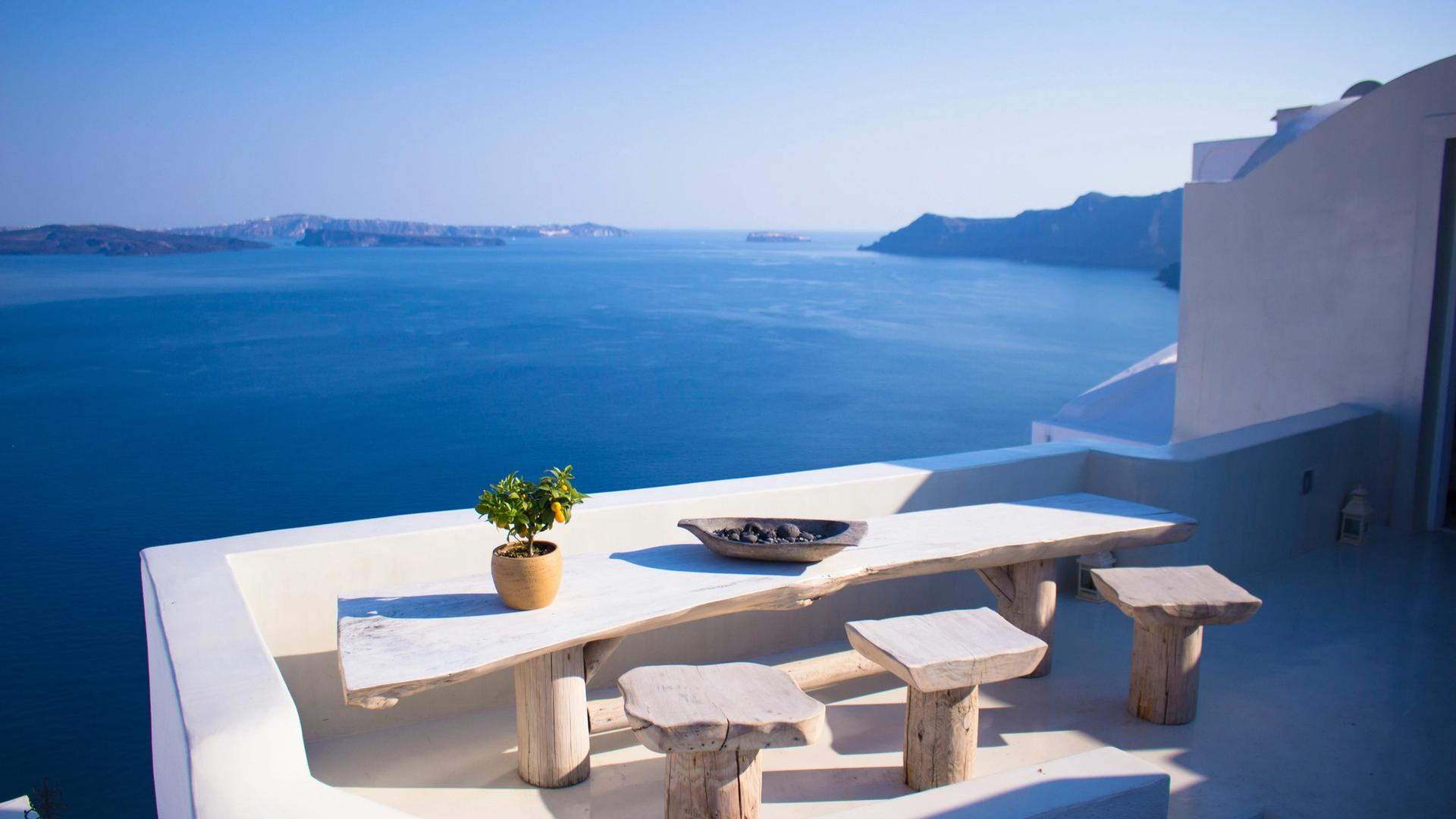
Discover why Greece's iconic blue and white colors dominate the islands and architecture. Learn the history, symbolism, and best places to experience these stunning Mediterranean hues firsthand.
The moment you picture Greece, your mind likely conjures images of brilliant white buildings crowned with vibrant blue domes against an endless azure sky. These two colors have become synonymous with Greek identity, yet their story runs deeper than mere aesthetic preference.
The blue and white palette that defines Greece today emerged from a fascinating blend of practical necessity, cultural symbolism, and national pride. Understanding these colors means understanding the Greek soul itself—a connection to sea, sky, and a history of resilience.
The Historical Origins of Greece's Blue and White
The adoption of blue and white as Greece's national colors has roots stretching back to the War of Independence in the 1820s. The Greek flag, designed in 1822, featured nine alternating blue and white stripes representing the syllables of the phrase "Eleftheria i Thanatos" (Freedom or Death).
This patriotic symbolism eventually extended beyond the flag to architecture and everyday life. During the military junta of 1967-1974, a law mandated that island buildings be painted white with blue trim to promote national unity and tourism.
Historical Timeline:
- 1822: Greek flag adopted with blue and white stripes
- 1830s: White-washed buildings become common for practical reasons
- 1967-1974: Military government enforces blue and white color scheme
- 1980s-present: Colors become globally recognized Greek symbol
The Symbolism Behind the Colors
Blue and white carry profound meaning in Greek culture, connecting the physical landscape to spiritual and national identity. The colors represent far more than a decorative choice—they embody the Greek relationship with their environment.
The deep blue symbolizes the Aegean Sea that surrounds the islands and the endless Mediterranean sky above. White represents purity, peace, and the brilliant sunlight that bathes the Greek landscape for over 300 days annually.
Symbolic Meanings:
- Blue: The Aegean Sea, Greek sky, freedom, and divine protection
- White: Purity, peace, sunlight, and cleanliness
- Combined: Unity of earth and heaven, land and sea
- Religious: Connection to the Virgin Mary's traditional colors
- National: Pride, independence, and Greek identity
The combination also holds religious significance, as blue and white are the traditional colors associated with the Virgin Mary in Orthodox Christianity. Churches throughout Greece feature these colors prominently, reinforcing their spiritual importance.
Practical Reasons for White-Washed Buildings
Beyond symbolism, the prevalence of white buildings across Greek islands stems from highly practical considerations. The brilliant white lime-based paint serves multiple functional purposes that made it the logical choice for centuries.
White reflects sunlight and heat, keeping interiors naturally cool during scorching Mediterranean summers when temperatures regularly exceed 35°C (95°F). This natural air conditioning proved essential before modern cooling systems existed.
Practical Benefits:
- Reflects heat and keeps buildings cool in summer
- Lime paint acts as natural disinfectant and antimicrobial agent
- Inexpensive and locally available material
- Easy to reapply and maintain
- Brightens narrow village streets and alleys
- Protects against humidity and salt air
The lime-based whitewash also served as a disinfectant, particularly important during historical cholera outbreaks. The alkaline properties of lime kill bacteria and prevent disease spread, making regular whitewashing a public health measure.
Where to Experience Greece's Blue and White
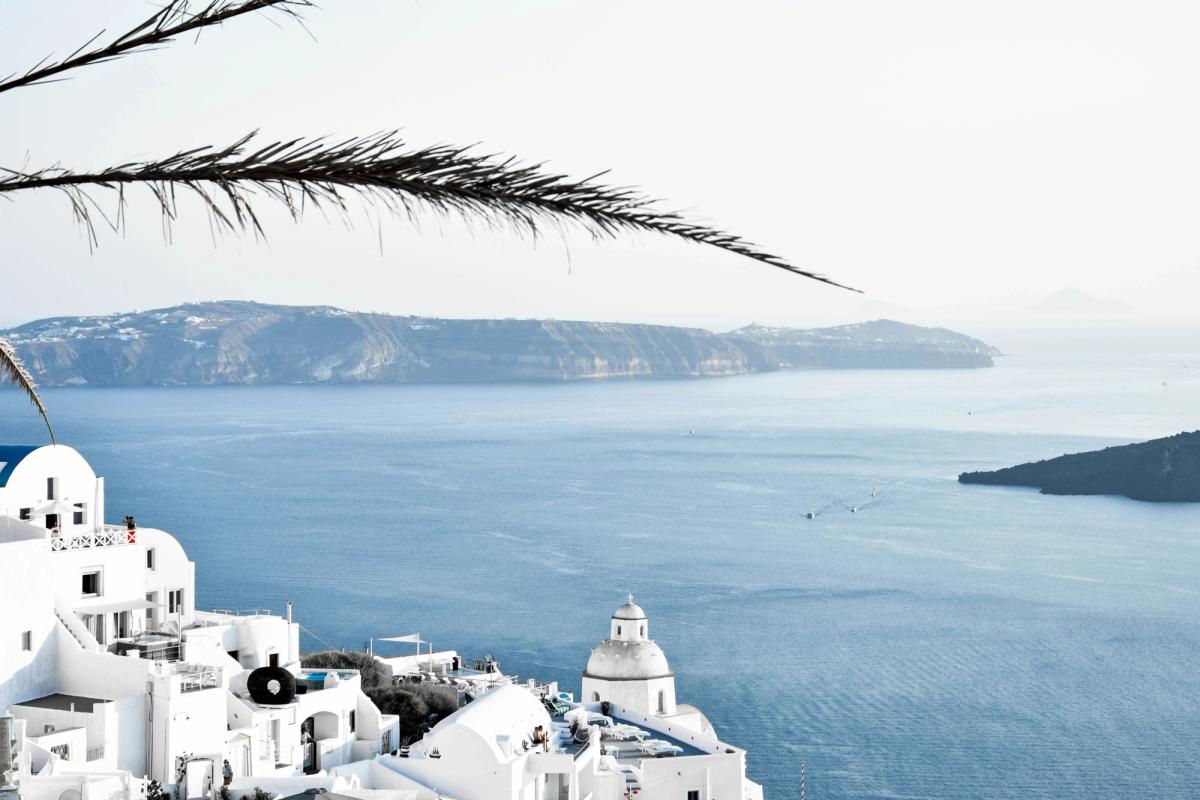
While blue and white architecture appears throughout Greece, certain destinations showcase this aesthetic more dramatically than others. The Cycladic islands particularly embody this iconic color scheme with their cubic white buildings cascading down hillsides.
Santorini remains the most photographed example, where brilliant white cave houses and blue-domed churches cling to volcanic cliffs above the caldera. The villages of Oia and Fira present postcard-perfect scenes at every turn.
Top Blue and White Destinations:
- Santorini - Iconic blue domes and white cliff-side villages
- Mykonos - Pristine white Cycladic architecture and windmills
- Paros - Traditional villages with marble-paved streets
- Sifnos - Authentic island charm with minimal tourist crowds
- Milos - Fishing villages with colorful boat houses
- Amorgos - Dramatic monastery and traditional settlements
- Folegandros - Unspoiled hilltop Chora with stunning views
- Serifos - Cubic houses climbing steep hillsides
The Greek architecture of these islands follows strict building codes that preserve the traditional aesthetic. Even modern construction must adhere to these color requirements to maintain visual harmony.
The Cycladic Architectural Style
The distinctive Cycladic architectural style that showcases blue and white so effectively developed over centuries in response to island conditions. This vernacular architecture represents perfect adaptation to environment, climate, and available materials.
Buildings feature thick walls, small windows, and flat roofs designed to withstand strong winds and intense sun. The cubic forms stack organically along hillsides, creating the dramatic cascading effect visitors find so captivating.
Cycladic Architecture Features:
- Cubic whitewashed buildings with flat or domed roofs
- Small windows to minimize heat and protect from wind
- Thick walls (60-80cm) for insulation and structural support
- Outdoor staircases connecting different levels
- Courtyards providing private outdoor space
- Blue doors, windows, and shutters as accent colors
- Smooth plastered surfaces without decorative elements
- Integration with natural landscape and terrain
The blue accents—doors, window frames, shutters, and church domes—provide striking contrast against white walls. This color choice wasn't arbitrary; traditional blue paint contained copper sulfate, which deterred insects and had antimicrobial properties.
Beyond the Islands: Blue and White in Mainland Greece
While the islands showcase the most concentrated blue and white aesthetic, mainland Greece also incorporates these colors throughout its architecture and culture. The connection between Greek cities and these national colors appears in unexpected ways.
Athens features blue and white in neoclassical buildings, modern structures, and countless shops and restaurants. The Plaka district's traditional houses often sport blue shutters and doors against white facades.
Mainland Blue and White Highlights:
- Athens: Neoclassical architecture and traditional neighborhoods
- Nafplio: Venetian buildings with Greek color accents
- Monemvasia: Medieval fortress town with traditional houses
- Hydra: Car-free island with preserved architecture
- Poros: Hillside town with amphitheater layout
- Ermoupoli: Syros capital with grand neoclassical buildings
The Peloponnese region offers excellent opportunities to experience Greek colors in historic contexts. Explore tours that showcase traditional architecture alongside ancient archaeological sites.
The Role of Blue Domes
The iconic blue-domed churches that appear in countless Greece photographs hold special significance in Greek Orthodox tradition. These domes crown churches throughout the islands, creating instantly recognizable silhouettes against the sky.
The tradition of painting church domes blue connects to Byzantine architectural heritage and religious symbolism. Blue represents heaven and the divine realm in Orthodox iconography, making it the natural choice for structures reaching toward the sky.
Church Dome Significance:
- Represents the vault of heaven in Orthodox theology
- Creates visual connection between earthly and divine
- Honors the Virgin Mary's traditional blue garments
- Distinguishes churches from surrounding buildings
- Provides landmark navigation for sailors and travelers
- Demonstrates community pride and religious devotion
Not all Greek church domes are blue—many remain white or feature terracotta tiles. The blue domes concentrate particularly in the Cyclades, where they've become a defining feature of the landscape.
Photography Tips for Capturing Blue and White Greece
Photographing Greece's blue and white architecture requires understanding light, timing, and composition to capture the vibrancy these colors deserve. The intense Mediterranean sun can wash out colors or create harsh shadows if you're not strategic.
The golden hours—shortly after sunrise and before sunset—provide the most flattering light for architectural photography. The warm light enhances the white buildings while making blue accents pop dramatically.
Photography Essentials:
- Shoot during golden hour for warm, soft light
- Use polarizing filter to deepen blue skies
- Expose for highlights to prevent blown-out whites
- Include context like staircases, doorways, or people
- Capture details: blue doors, window boxes, architectural elements
- Shoot from elevated positions for cascading village views
- Include bougainvillea or other colorful flowers for contrast
- Experiment with different angles and perspectives
Midday light, while harsh for most photography, can work for high-contrast architectural details. The strong shadows emphasize the geometric forms of Cycladic architecture and create dramatic compositions.
Variations in Blue: Not All Blues Are Equal
While we speak of "Greek blue," the actual shade varies considerably across islands and regions. From deep navy to bright turquoise, the range of blues reflects both practical choices and aesthetic preferences.
Traditional blue paint derived from natural sources, including copper sulfate and various mineral pigments. These materials produced different shades depending on concentration, application method, and local availability.
Blue Color Variations:
- Deep navy: Traditional Aegean blue, most common in Cyclades
- Azure: Bright sky blue popular in Santorini and Mykonos
- Turquoise: Lighter shade found in Crete and Dodecanese
- Cobalt: Intense blue used for doors and shutters
- Teal: Blue-green variation in coastal fishing villages
The specific shade often indicates the age of paint application and local preferences. Some villages maintain strict color codes specifying exact blue shades, while others allow more variation.
The Tourism Impact on Blue and White Aesthetics
The global recognition of Greece's blue and white aesthetic has profoundly impacted tourism and local economies. These colors have become powerful marketing tools that attract millions of visitors seeking the quintessential Greek experience.
Santorini alone receives over two million visitors annually, many specifically seeking photographs with the famous blue domes. This tourism success has encouraged other islands to emphasize their blue and white architecture more prominently.
Tourism Effects:
- Increased property values in photogenic locations
- Stricter enforcement of building color regulations
- Restoration of traditional architecture for tourism appeal
- Development of photography tours and workshops
- Social media driving visitor expectations and behavior
- Economic incentive to maintain traditional aesthetics
While tourism provides economic benefits, it also creates challenges. Over-tourism in popular photography spots has led to crowding, environmental strain, and concerns about authenticity versus staged experiences.
Maintaining the Blue and White Tradition
Preserving Greece's iconic color scheme requires ongoing effort from property owners, local governments, and heritage organizations. The lime-based whitewash requires regular reapplication, typically every one to two years to maintain its brilliant appearance.
Many Greek islands enforce strict building codes that mandate color schemes, architectural styles, and construction materials. These regulations protect the visual character that makes each island distinctive while maintaining the broader blue and white tradition.
Preservation Efforts:
- Local building codes specifying approved colors and materials
- Annual whitewashing campaigns before tourist season
- Heritage protection for traditional settlements
- Architectural review boards for new construction
- Government incentives for traditional restoration
- Educational programs about architectural heritage
- Penalties for unauthorized color changes
Property owners take pride in maintaining their buildings' appearance, viewing it as both personal responsibility and community contribution. The annual pre-Easter tradition of whitewashing homes connects to both practical maintenance and spiritual renewal.
Blue and White in Greek Culture and Products
The blue and white color scheme extends far beyond architecture into Greek products, crafts, and cultural expressions. From ceramics to textiles, these colors identify products as authentically Greek in both domestic and international markets.
Traditional Greek ceramics often feature blue patterns on white backgrounds, inspired by both ancient Greek pottery and later Ottoman influences. These designs appear on plates, bowls, tiles, and decorative items sold throughout Greece.
Cultural Applications:
- Traditional ceramics and pottery with blue designs
- Embroidered textiles and linens
- Greek flag displayed prominently throughout country
- Restaurant and taverna décor
- Souvenir items and handicrafts
- Wedding decorations and celebrations
- National team sports uniforms
- Commercial branding for Greek products
The Greece colors appear in celebrations, festivals, and national holidays, reinforcing their connection to Greek identity. Independence Day celebrations on March 25th feature blue and white decorations throughout the country.
Quick Facts About Greece's Blue and White
Essential Information:
- Official adoption: Blue and white became mandatory on many islands during 1967-1974
- Paint type: Traditional whitewash uses lime (calcium hydroxide)
- Repainting frequency: Buildings require whitewashing every 1-2 years
- Best islands: Santorini, Mykonos, Paros showcase most dramatic examples
- Religious significance: Colors honor Virgin Mary in Orthodox tradition
- Practical purpose: White reflects heat; traditional blue paint deterred insects
- Legal requirement: Many islands enforce strict color codes through building regulations
- Tourism impact: Blue and white aesthetic attracts millions of annual visitors
Travel Tips for Experiencing Blue and White Greece
Planning Your Visit:
- Visit during shoulder season (April-May or September-October) for fewer crowds and ideal photography light
- Explore beyond Santorini and Mykonos to discover authentic blue and white villages
- Book accommodations in traditional cave houses or Cycladic-style hotels
- Allow time to wander narrow streets and discover hidden architectural gems
- Respect private property when photographing—not all blue doors are public spaces
- Visit early morning or late afternoon for best light and fewer tourists
- Consider weather conditions when planning your photography-focused trip
- Hire local guides who can explain architectural history and traditions
Photography Considerations:
- Bring polarizing filter to enhance blue skies and reduce glare
- Pack extra memory cards—you'll take more photos than expected
- Download offline maps to navigate narrow village streets
- Wear comfortable shoes for climbing steep staircases and cobblestone paths
- Respect locals' daily routines and avoid intrusive photography
- Ask permission before photographing people or private courtyards
The Connection to Greek Monasteries
Greek Orthodox monasteries throughout the country also embrace blue and white in their architecture, though often with more elaborate decorative elements. These religious complexes demonstrate how sacred architecture incorporates national colors while maintaining distinct spiritual character.
The monasteries of Greece feature white-washed walls with blue accents on doors, window frames, and decorative elements. The color scheme creates visual unity between secular and religious architecture while emphasizing the sacred nature of monastic spaces.
Monastery Blue and White Features:
- Whitewashed exterior walls with blue trim
- Blue-painted wooden doors and window shutters
- Decorative blue tiles and ceramic work
- Blue and white interior frescoes and iconography
- Courtyard paving in white marble or stone
- Bell towers with blue domed caps
Visiting monasteries provides deeper understanding of how blue and white colors connect to Greek spiritual life. Plan a monastery tour to experience this sacred architecture firsthand.
Experiencing Authentic Greek Colors
While famous destinations like Santorini offer spectacular blue and white vistas, discovering authentic Greek color traditions requires venturing to less-touristed locations. Smaller islands and mainland villages maintain these traditions out of genuine cultural connection rather than tourism marketing.
Islands like Sifnos, Serifos, and Folegandros showcase blue and white architecture in living communities where traditions continue naturally. Here you'll find locals whitewashing their homes not for photographs but for the same practical and cultural reasons their ancestors did.
Authentic Experiences:
- Visit working fishing villages where blue boats complement white houses
- Attend local festivals featuring traditional blue and white decorations
- Shop at family-owned ceramic workshops creating blue-patterned pottery
- Stay in family-run guesthouses with traditional architecture
- Explore mountain villages where white churches dot hillsides
- Participate in Easter celebrations with whitewashing traditions
- Visit local museums explaining architectural heritage
These authentic encounters reveal how blue and white remain living traditions rather than museum pieces. The colors continue evolving while maintaining their essential connection to Greek identity and daily life.
The Future of Blue and White Greece
As Greece modernizes and tourism pressures increase, questions arise about maintaining traditional blue and white aesthetics while allowing contemporary development. Balancing heritage preservation with practical needs challenges communities throughout the islands.
Younger generations sometimes view strict color regulations as limiting, preferring more diverse aesthetic expressions. However, recognition that blue and white architecture drives tourism and property values encourages continued adherence to tradition.
Contemporary Challenges:
- Balancing tourism needs with resident quality of life
- Maintaining authenticity while accommodating modern amenities
- Enforcing building codes without stifling creativity
- Addressing climate change impacts on traditional materials
- Managing over-tourism in most photogenic locations
- Supporting traditional crafts and lime-washing techniques
- Educating visitors about cultural significance beyond aesthetics
Architects and designers increasingly find creative ways to honor tradition while incorporating contemporary elements. New buildings use traditional forms and colors with modern materials and sustainable technologies, ensuring blue and white Greece remains vibrant and relevant.
Connecting Colors to Broader Greek Culture
Understanding Greece's blue and white extends beyond architecture to encompass broader cultural patterns. These colors appear in Greek phrases and expressions, folk traditions, and everyday life in ways that reveal deeper cultural values.
The Greek concept of "kefi"—a state of joy and passion—often manifests in celebrations featuring blue and white decorations. Name day parties, weddings, and festivals incorporate these colors as expressions of Greek identity and community pride.
Cultural Connections:
- Wedding decorations traditionally feature blue and white flowers and ribbons
- Baptism celebrations use blue for boys, white for purity
- National celebrations display flags and bunting throughout villages
- Taverna décor incorporates blue-checked tablecloths and white walls
- Traditional dances performed in blue and white costumes
- Folk songs reference white houses and blue seas
Exploring these cultural dimensions provides richer appreciation for how colors function as more than decoration. They embody values, memories, and shared identity that unite Greeks across generations and geography.
Planning Your Blue and White Greece Journey
Creating an itinerary focused on experiencing Greece's iconic colors requires strategic planning to maximize your encounters with traditional architecture. Consider combining famous destinations with lesser-known gems for balanced experiences.
Start with the Cyclades islands, where blue and white architecture reaches its most concentrated expression. Spend several days exploring Santorini's famous villages before moving to quieter islands like Paros or Naxos.
Sample Itinerary Elements:
- Day 1-3: Santorini - Iconic blue domes and cliff-side villages
- Day 4-5: Mykonos - Cycladic architecture and windmills
- Day 6-7: Paros or Naxos - Traditional villages with fewer crowds
- Day 8-9: Mainland Peloponnese - Historic towns and architecture
- Day 10-11: Athens - Neoclassical buildings and traditional neighborhoods
- Day 12: Return with photography portfolio and cultural insights
Incorporate architectural tours, photography workshops, and cultural experiences that deepen your understanding. Book specialized tours that combine blue and white architecture with historical sites and local traditions.
Frequently Asked Questions
Why are Greek buildings white and blue?
Greek buildings are white and blue for both practical and symbolic reasons. White lime-based paint reflects heat to keep buildings cool in summer and acts as a natural disinfectant, while blue represents the sea and sky. During the 1967-1974 military junta, these colors became mandatory on many islands to promote national unity and tourism, solidifying their status as Greece's iconic aesthetic.
When did Greece start using blue and white?
Blue and white became Greece's official colors with the flag adoption in 1822 during the War of Independence. However, widespread use in architecture occurred gradually throughout the 19th and early 20th centuries for practical reasons. The colors became mandatory on many islands during 1967-1974, when the military government enforced uniform painting standards to create a cohesive national image.
Are all Greek islands white and blue?
Not all Greek islands feature exclusively white and blue architecture, though it's most prevalent in the Cyclades islands like Santorini and Mykonos. Other island groups like the Dodecanese and Ionian islands incorporate more varied color palettes, including ochre, terracotta, and pastel shades. Mainland Greece also shows greater architectural diversity while still incorporating blue and white elements.
What shade of blue is used in Greece?
Greek blue varies from deep navy to bright azure depending on the region and tradition. The Cyclades typically use a deep Aegean blue, while other areas may feature lighter sky blue or turquoise shades. Traditional blue paint contained copper sulfate, which produced a distinctive deep blue while deterring insects. Modern paints offer more color choices, but most communities maintain traditional shades through building regulations.
Do Greeks have to paint their houses white?
In many Cycladic islands and designated traditional settlements, building codes require white-painted exteriors to preserve architectural character. Property owners must obtain permits for alternative colors, and violations can result in fines. However, requirements vary by location—some areas allow more flexibility while others strictly enforce color standards. Mainland Greece generally has fewer restrictions than the islands.
What is the best island for blue and white architecture?
Santorini offers the most iconic blue and white architecture, particularly in Oia and Fira villages with their famous blue-domed churches and cliff-side houses. Mykonos provides another spectacular example with pristine Cycladic architecture and windmills. For more authentic experiences with fewer crowds, consider Paros, Sifnos, or Folegandros, which maintain traditional blue and white aesthetics in living communities rather than primarily tourist zones.
How often do Greeks repaint their white buildings?
Greek property owners typically whitewash their buildings every one to two years to maintain the brilliant white appearance. Many follow the tradition of whitewashing before Easter as part of spring cleaning and spiritual renewal. The lime-based paint requires more frequent application than modern paints but offers superior breathability, antimicrobial properties, and authentic appearance that synthetic alternatives cannot match.
Is the blue and white mandatory in Greece?
Blue and white are mandatory in designated traditional settlements and many Cycladic islands where building codes protect architectural heritage. Specific regulations vary by municipality—some specify exact color shades while others allow more variation. Violations can result in fines and orders to repaint. However, many areas of mainland Greece and some islands have more relaxed requirements, allowing diverse architectural expressions while encouraging traditional aesthetics.
Conclusion: Living the Blue and White Dream
Greece's blue and white colors represent far more than a pretty aesthetic—they embody centuries of history, practical wisdom, and cultural identity. From their origins in the independence struggle to their modern role in tourism and national pride, these colors tell the story of Greece itself.
Experiencing this iconic palette firsthand transforms your understanding of Greek culture and architecture. Whether photographing Santorini's famous blue domes or discovering whitewashed villages on quieter islands, you'll connect with traditions that continue shaping Greek life today.
The enduring appeal of blue and white Greece lies in its perfect marriage of form and function, beauty and practicality, tradition and modernity. These colors will continue defining Greece for generations to come, inviting travelers worldwide to experience their timeless Mediterranean magic.
Plan your journey to explore where these iconic colors meet ancient history, stunning landscapes, and warm Greek hospitality. The blue and white dream awaits your discovery in every sun-drenched village, every church dome reaching toward endless sky, and every doorway opening onto azure seas.