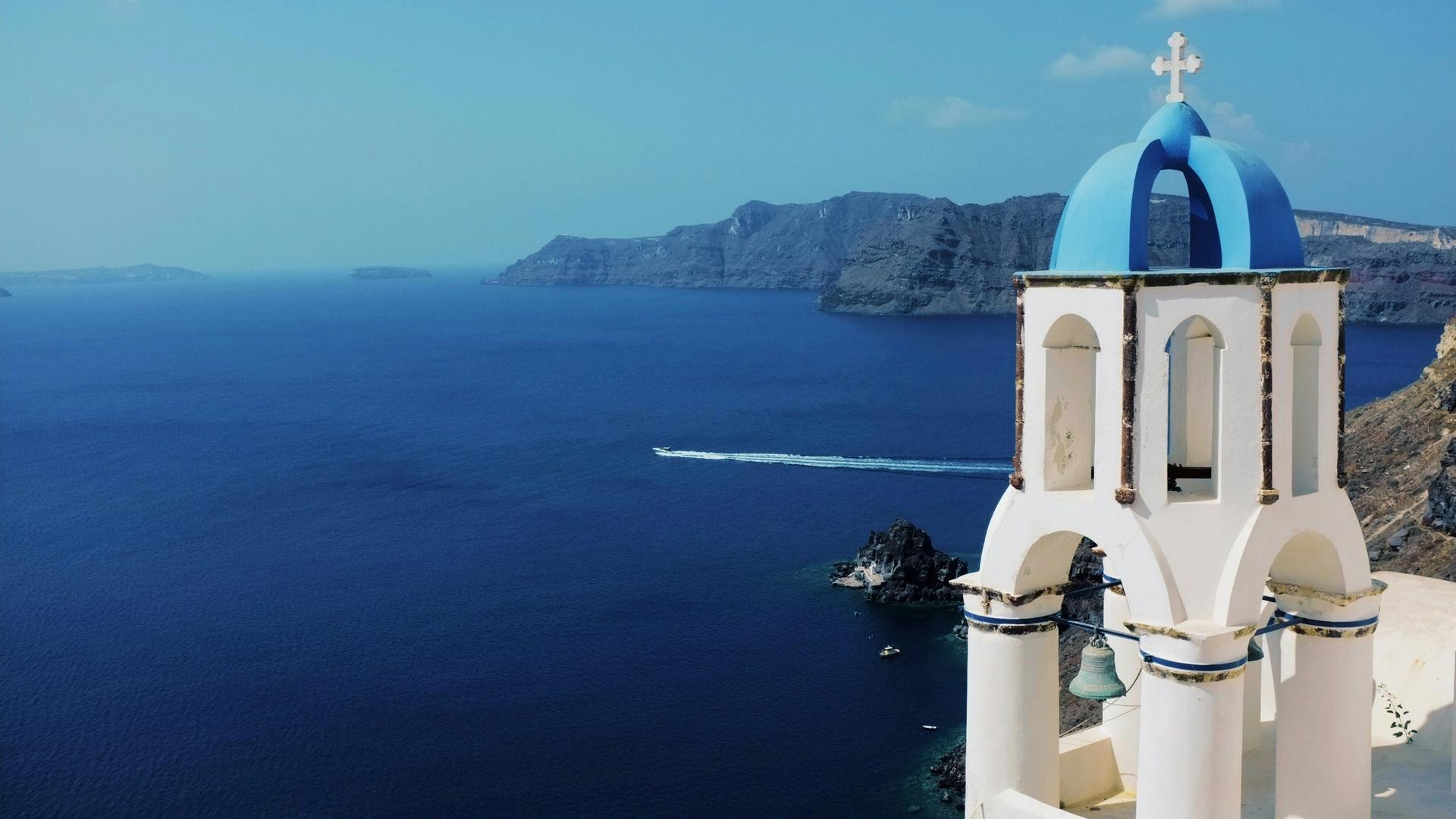
Discover the vibrant palette of Greece beyond the iconic blue and white. From sun-bleached stone to azure seas, explore the colors that define the Greek landscape and culture.
The moment you think of Greece, a specific color palette floods your mind—brilliant white buildings crowned with cerulean domes, set against impossibly blue skies and even bluer seas. But the true chromatic story of Greece extends far beyond this postcard-perfect combination, weaving through ancient traditions, natural landscapes, and cultural symbolism that has captivated travelers for millennia.
From the sun-bleached marble of ancient temples to the vibrant magenta bougainvillea cascading down village walls, Greece presents a living canvas that changes with the light, the season, and the island you're exploring. Understanding these colors opens a window into Greek culture, history, and the very soul of this Mediterranean paradise.
The Iconic Blue and White: Greece's Signature Palette
The blue and white combination has become synonymous with Greek identity, particularly in the Cycladic islands. This wasn't always the case—the tradition became standardized relatively recently in Greek history.
In 1967, the military junta mandated that buildings be painted blue and white to match the national flag colors. However, practical reasons had already made these colors popular: whitewash reflects the intense Mediterranean sun, keeping interiors cool, while the blue paint was traditionally made from a limestone mixture that also had antibacterial properties.
Today, this color scheme remains strongest in the Cyclades, especially Santorini and Mykonos. The contrast creates that distinctive aesthetic that has launched a thousand Instagram posts and inspired countless design trends worldwide.
If you're curious about the deeper significance of this palette, explore our detailed guide on Greece blue and white traditions.
The Natural Color Palette of the Greek Landscape
Greece's natural environment provides an ever-changing spectrum that varies dramatically by region and season. The landscape itself tells a chromatic story that shifts from the mountains to the sea.
Coastal and Island Colors:
- Turquoise and aquamarine waters in shallow bays
- Deep sapphire blue in the open Aegean and Ionian seas
- White limestone cliffs and beaches
- Golden sand on mainland beaches
- Black volcanic sand in Santorini
- Pink sand in Elafonissos and Crete
Mountain and Mainland Hues:
- Silver-green olive groves covering hillsides
- Deep green cypress trees punctuating the landscape
- Russet and ochre earth in autumn
- Purple-grey mountains in the distance
- Snow-white peaks in winter months
- Golden wheat fields in summer
The Peloponnese region showcases this diversity particularly well, with coastal blues transitioning to mountainous greens within short distances. Discover fascinating facts about Greece including its diverse geographical features.
Architectural Colors Across Greek Regions
While blue and white dominate the islands, mainland Greece and different regions showcase distinct architectural color preferences. Each area's palette reflects local materials, traditions, and historical influences.
Cycladic Islands:
- Brilliant white cubic houses
- Blue domes and window frames
- Natural stone foundations
- Occasional pastel accents
Peloponnese and Mainland:
- Honey-colored stone buildings
- Terracotta and clay roof tiles
- Ochre and earth-toned facades
- Grey stone fortifications
- Warm beige stucco walls
Ionian Islands:
- Venetian-influenced pastels
- Soft yellows and peaches
- Coral and salmon pinks
- Cream and ivory tones
The Greek architecture varies significantly by region, each with its own color traditions rooted in available materials and cultural influences.
Quick Facts: Greek Color Symbolism
Traditional Color Meanings:
- Blue: Protection from evil, connection to the divine sky
- White: Purity, cleanliness, and new beginnings
- Red: Life, passion, and celebration
- Green: Nature, fertility, and renewal
- Gold: Divine light, wealth, and Byzantine heritage
- Purple: Royalty, spirituality, and ancient prestige
Practical Applications:
- Evil eye talismans are traditionally blue and white
- Wedding decorations favor white with gold accents
- Easter celebrations incorporate red eggs symbolizing life
- Church interiors feature gold iconography extensively
The Colors of Greek Flora
Greek vegetation adds spectacular bursts of color throughout the year, transforming villages and landscapes into natural gardens. These plants have adapted to the Mediterranean climate and contribute significantly to Greece's visual identity.
Spring Blooms (March-May):
- Magenta and fuchsia bougainvillea
- Red and pink geraniums in window boxes
- Purple wisteria draping over pergolas
- Yellow and white wild daisies
- Red poppies in fields
- Orange and yellow citrus blossoms
Summer and Year-Round:
- Deep pink oleander along roadsides
- Lavender purple in herb gardens
- Crimson hibiscus flowers
- White jasmine cascading over walls
- Silver-green olive leaves
- Dark green carob and fig trees
These natural colors create stunning contrasts against whitewashed walls and blue skies. The timing of your visit can dramatically affect the color palette you'll experience—Greece weather in October offers different hues than spring.
Colors in Greek Religious Architecture
Greek Orthodox churches and monasteries display a distinct color palette that reflects centuries of Byzantine tradition. These sacred spaces use color symbolically to create spiritual atmospheres.
Exterior Church Colors:
- White or cream stone walls
- Terracotta or grey tile roofs
- Blue or grey domes
- Natural stone bell towers
- Occasional ochre or pink facades
Interior Sacred Colors:
- Gold leaf on icons and frescoes
- Deep blue backgrounds in religious art
- Red and burgundy in vestments
- Rich brown wooden iconostasis
- Warm candlelight glow
- Marble in white, grey, and rose tones
The Holy Monastery of Malevis exemplifies this traditional color scheme, set against the natural beauty of the Peloponnese mountains.
Ancient Greek Colors: Historical Palette
Contrary to popular belief, ancient Greek temples and statues weren't the pristine white marble we see today. Archaeological evidence reveals that ancient Greeks loved vibrant colors.
Original Temple Colors:
- Bright red on architectural elements
- Deep blue backgrounds on friezes
- Gold accents on important details
- Green and yellow decorative patterns
- Flesh tones on sculptural figures
- Purple for royal or divine subjects
Why We See White Today:
- Pigments weathered away over millennia
- Renaissance artists preferred the white aesthetic
- Modern perception shaped by unpainted ruins
- Original colors survived only in protected areas
Visiting sites like Epidaurus or exploring historical sites near Porto Heli reveals traces of these ancient colors in protected areas.
Experience ancient Greek heritage firsthand with expert-guided tours through archaeological sites.
Seasonal Color Changes in Greece
The Greek landscape transforms dramatically throughout the year, offering different visual experiences depending on when you visit. Each season brings its own distinctive palette.
Spring Colors (March-May):
- Vibrant green hillsides
- Wildflower meadows in rainbow hues
- Fresh foliage on trees
- Clear, bright blue skies
- Blossoming fruit trees
Summer Colors (June-August):
- Golden, sun-dried grasses
- Deep azure seas
- Bleached white sand and stone
- Dusty olive green vegetation
- Intense blue cloudless skies
Autumn Colors (September-November):
- Russet and amber leaves
- Harvest gold in agricultural areas
- Softer, hazier blue skies
- Purple grape harvests
- Rich earth tones
Winter Colors (December-February):
- Snow-white mountain peaks
- Grey stormy seas
- Emerald green after rains
- Silvery olive groves
- Dramatic cloud formations
The changing seasons affect not just the landscape but the quality of light, which Greek painters have celebrated for centuries.
Travel Tips: Photographing Greek Colors
Best Times for Color Photography:
- Golden hour (sunrise and sunset) for warm tones
- Midday for stark white and blue contrasts
- Overcast days for saturated colors without harsh shadows
- Spring for maximum floral color diversity
- Blue hour (twilight) for magical atmospheric shots
Photography Location Tips:
- Cycladic villages for classic blue and white
- Mountain villages for earth tones and stone
- Coastal areas for water color variations
- Markets for vibrant produce and flower displays
- Churches for gold and religious color palettes
- Countryside for seasonal natural colors
Equipment Considerations:
- Polarizing filter enhances blue skies and water
- Wide-angle lens captures architectural color schemes
- Macro lens for flower and detail shots
- Early morning or late afternoon avoids washed-out colors
- Shoot in RAW format for maximum color editing flexibility
Colors in Greek Daily Life and Culture
Colors play significant roles in Greek traditions, celebrations, and everyday life. Understanding these cultural color associations enriches your travel experience.
Celebration Colors:
- White for weddings and baptisms
- Red for Easter eggs and celebration
- Blue for baby boys (traditional)
- Pink for baby girls (traditional)
- Gold for nameday celebrations
- Black for mourning periods
Everyday Color Preferences:
- Bright colors in summer clothing
- Natural tones in traditional textiles
- Colorful worry beads (komboloi)
- Vibrant market produce displays
- Blue fishing boats in harbors
- Colorful taverna chairs and tables
When visiting Greek cities, you'll notice how color preferences vary between urban and rural areas, with cities often displaying more diverse and modern palettes.
Regional Color Variations
Each Greek region has developed its own color identity based on local materials, climate, and cultural influences. These regional differences make exploring different areas visually rewarding.
Cyclades:
- Dominant white and blue
- Minimal color accents
- Stark contrasts
- Geometric simplicity
Crete:
- Warmer earth tones
- Venetian color influences
- More varied palette
- Rich terracotta
Peloponnese:
- Natural stone colors
- Ochre and honey tones
- Byzantine influences
- Mountain grey-greens
Ionian Islands:
- Italian-inspired pastels
- Softer color transitions
- Varied architectural hues
- Lush green landscapes
Exploring towns like Gytheio or visiting Geraki Castle showcases the Peloponnese's distinctive color palette.
Discover the Peloponnese's colorful heritage on a comprehensive cultural tour.
The Blue Evil Eye: Greece's Most Famous Color Symbol
The mati or evil eye talisman represents perhaps Greece's most recognizable color symbol. This blue and white amulet appears everywhere from jewelry to building facades.
Evil Eye Color Significance:
- Blue represents divine protection and sky
- White symbolizes purity and deflection
- Black center represents the pupil watching
- Concentric circles create the eye design
- Light blue is most traditional and common
Where You'll See Evil Eyes:
- Hanging on boats and vehicles
- In homes above doorways
- As jewelry worn daily
- On baby carriages and children's clothing
- In shops and businesses
- As decorative elements in architecture
This tradition predates Christianity in Greece and remains a living cultural practice, demonstrating how color carries meaning beyond mere aesthetics.
Colors in Greek Cuisine Presentation
Greek food isn't just delicious—it's visually stunning, with natural ingredients creating a rainbow of colors on every plate. The Mediterranean diet's emphasis on fresh produce means meals are naturally colorful.
Typical Greek Food Colors:
- Deep red tomatoes and peppers
- Purple eggplants and onions
- Green olive oil, herbs, and vegetables
- White feta cheese and yogurt
- Yellow lemons and olive oil
- Orange carrots and pumpkins
- Brown grilled meats and bread
- Black olives and squid ink
Traditional Presentation:
- White plates showcasing food colors
- Colorful mezze platters
- Vibrant salads with natural ingredients
- Golden-brown baked dishes
- Green herb garnishes
- Lemon yellow accents
When dining at Greek restaurants in Nafplio, notice how presentation emphasizes the natural colors of fresh ingredients.
Sunset and Sky Colors in Greece
Greek sunsets have inspired artists, poets, and travelers for millennia. The quality of light in Greece creates particularly spectacular sky colors due to the clean air and maritime climate.
Sunset Color Progression:
- Golden yellow as sun approaches horizon
- Orange and amber during descent
- Pink and rose as light refracts
- Purple and violet in deeper sky
- Deep blue transitioning to night
- Silver moonlight on water
Best Sunset Viewing Locations:
- West-facing Cycladic villages
- Coastal tavernas
- Mountain viewpoints
- Beach locations
- Castle ramparts
- Harbor promenades
The famous Santorini sunsets showcase the full spectrum, but every Greek location offers its own version of this daily color show.
Modern Greek Color Trends
While traditional colors remain important, contemporary Greek design incorporates modern color trends while respecting cultural heritage. Urban areas especially show this evolution.
Contemporary Design Colors:
- Minimalist neutrals with traditional accents
- Bold accent walls in modern homes
- Industrial greys in renovated spaces
- Natural wood tones
- Sophisticated navy replacing bright blue
- Terracotta making a comeback
Traditional Meets Modern:
- White bases with colorful accessories
- Blue accents in unexpected places
- Natural materials in original colors
- Heritage colors in contemporary applications
- Sustainable, natural dyes gaining popularity
This blend of old and new creates a dynamic visual culture that honors tradition while embracing innovation.
Colors in Greek Textiles and Crafts
Traditional Greek textiles showcase regional color preferences and ancient dyeing techniques. These crafts preserve color traditions passed down through generations.
Traditional Textile Colors:
- Natural undyed wool in cream and brown
- Indigo blue from plant dyes
- Madder red from root dyes
- Yellow from various plant sources
- Black from walnut husks
- Purple from sea snails (historically)
Regional Textile Patterns:
- Geometric designs in contrasting colors
- Floral motifs in multiple hues
- Striped patterns in traditional combinations
- Border designs in complementary colors
- Symbolic patterns in meaningful colors
These traditional crafts can be found in markets and artisan shops throughout Greece, offering authentic colorful souvenirs.
Frequently Asked Questions
Why are Greek buildings blue and white?
Greek buildings, especially in the Cyclades, are painted blue and white for both practical and symbolic reasons. White lime wash reflects the intense Mediterranean sun, keeping interiors cool and preventing mildew growth, while the blue paint traditionally contained antibacterial properties. The color scheme became nationally standardized in 1967 when the military government mandated these colors to match the Greek flag, though the tradition existed before this decree in many island communities.
What do colors symbolize in Greek culture?
Colors carry deep symbolic meaning in Greek culture rooted in ancient traditions and Orthodox Christianity. Blue represents divine protection and is believed to ward off evil, which is why it appears on evil eye talismans. White symbolizes purity, cleanliness, and new beginnings, commonly used in weddings and baptisms. Red represents life, passion, and resurrection, particularly important during Easter celebrations. Gold signifies divine light and appears extensively in religious iconography, while green represents fertility and renewal in nature.
Are all Greek islands blue and white?
Not all Greek islands follow the blue and white color scheme—this is primarily a Cycladic tradition, most famous in Santorini and Mykonos. The Ionian islands like Corfu and Kefalonia feature Venetian-influenced pastels including yellows, peaches, and corals. Crete displays more varied earth tones with terracotta and ochre buildings. The Dodecanese islands show diverse color palettes influenced by Italian occupation. Mainland Greece and the Peloponnese predominantly feature natural stone, honey-colored buildings, and terracotta roofs rather than the iconic blue and white.
What colors were ancient Greek temples originally?
Ancient Greek temples were originally painted in vibrant colors, contrary to the white marble appearance we see today. Archaeological evidence and traces of pigment reveal that temples featured bright reds, deep blues, golds, greens, and yellows on architectural elements, friezes, and sculptures. Statues had realistic flesh tones, colored clothing, and painted details. These pigments weathered away over millennia, leaving the bare marble that Renaissance artists later idealized as the authentic ancient aesthetic, permanently changing our perception of classical Greek art and architecture.
When is the best time to see colorful flowers in Greece?
Spring, from March through May, is the best time to see Greece's most spectacular floral displays. Wildflowers carpet hillsides and fields in rainbow colors, bougainvillea begins its vibrant bloom, and fruit trees blossom throughout the countryside. April is particularly spectacular for wildflowers including red poppies, yellow daisies, and purple irises. Summer flowers like oleander, hibiscus, and jasmine continue blooming through August. Autumn brings different colors with harvest season, while winter sees fewer flowers except in southern regions with milder climates.
Do Greek colors vary by season?
Greek colors dramatically change with the seasons, creating entirely different visual experiences throughout the year. Spring brings vibrant greens and wildflower colors across landscapes. Summer features golden dried grasses, intense blue skies, and bleached white stone under strong sunlight. Autumn introduces russet tones, harvest golds, and softer atmospheric blues. Winter brings snow-white mountain peaks, emerald green after rains, grey stormy seas, and silvery olive groves. The quality of light also changes seasonally, affecting how colors appear and creating different photographic opportunities year-round.
What is the significance of the blue evil eye color?
The blue color of the evil eye (mati) talisman holds specific protective significance in Greek tradition. Blue represents the sky and divine protection, believed to reflect negative energy back to its source. The light blue color is thought to confuse and neutralize the malevolent gaze of envy or ill will. This tradition predates Christianity, with roots in ancient Mediterranean beliefs about protection from jealousy and misfortune. The combination of blue and white creates an eye-like design that "watches back" against negative energy, making it Greece's most recognizable protective symbol found throughout daily life.
How do Greek island colors differ from mainland colors?
Greek islands, particularly the Cyclades, feature the iconic bright white and blue color scheme with stark contrasts and minimal vegetation colors. Mainland Greece and the Peloponnese display more earth tones including honey-colored stone, terracotta roofs, ochre facades, and grey fortifications. Islands have less architectural color variation due to limited building materials and stronger whitewashing traditions. The mainland shows greater regional diversity with Venetian influences in some areas, Byzantine heritage in others, and more integration with the natural landscape colors of mountains and forests rather than the sea-dominated island palette.
Conclusion: The Living Palette of Greece
The colors of Greece tell stories of practicality and poetry, ancient traditions and modern life, natural beauty and human creativity. From the iconic blue and white of the Cyclades to the honey-toned stone of Peloponnesian villages, from brilliant spring wildflowers to golden summer light, Greece offers a visual feast that changes with every turn.
Understanding these colors deepens your connection to Greek culture, revealing how environment, history, and tradition combine to create the distinctive aesthetic that makes Greece unforgettable. Whether you're photographing a whitewashed chapel against an azure sky, watching the sunset paint the horizon in impossible shades, or noticing the subtle earth tones of ancient stones, you're experiencing a living palette that has captivated travelers for thousands of years.
The next time you visit Greece, look beyond the postcard-perfect blue and white to discover the full spectrum of colors that make this country a masterpiece of natural and cultural beauty. Every region, every season, and every moment of day brings new chromatic discoveries waiting to enchant your eyes and enrich your understanding of this timeless land.