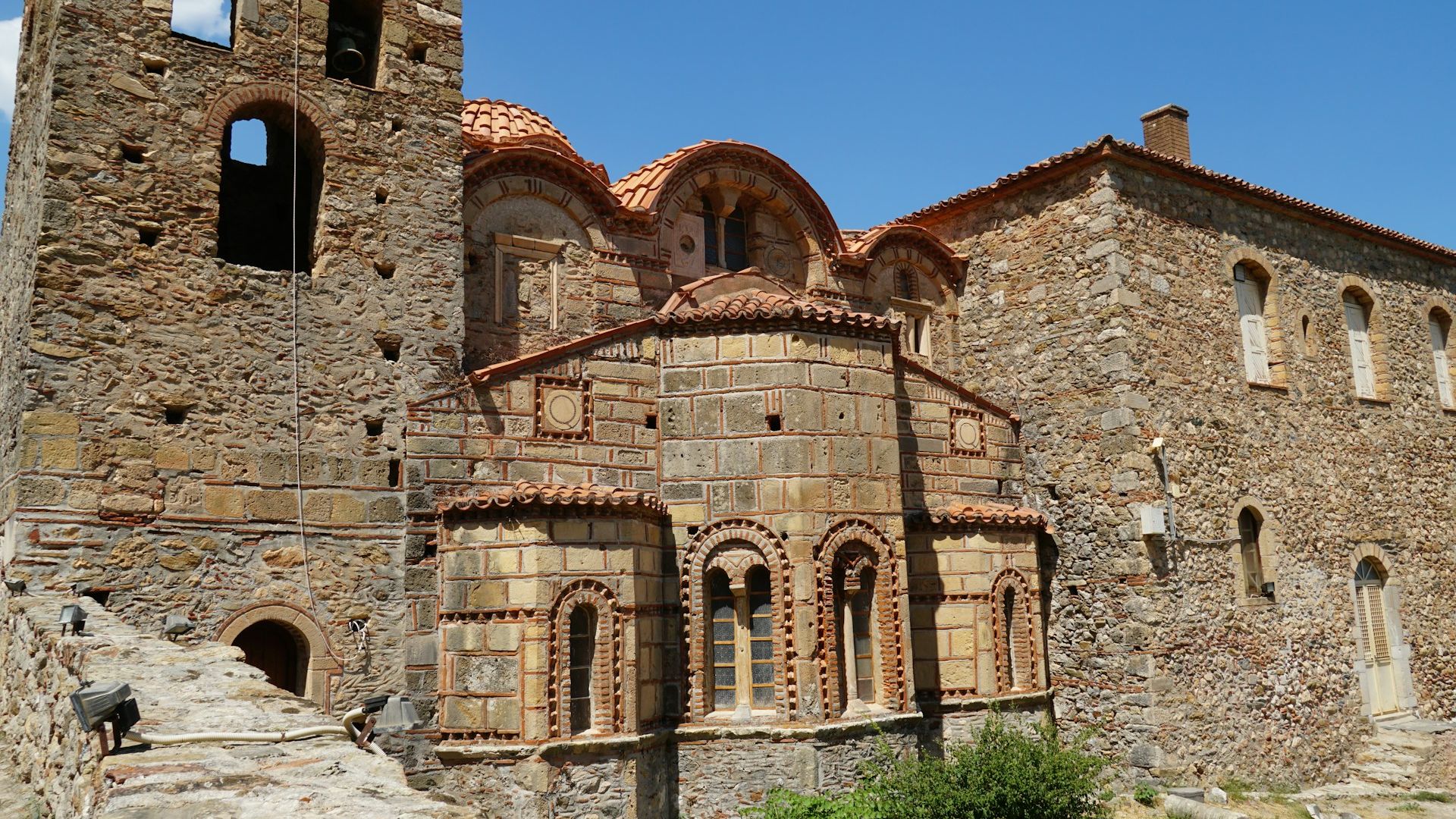
Discover Greece's magnificent monasteries perched on clifftops and hidden in mountains. From the gravity-defying Meteora to Byzantine treasures of the Peloponnese, explore these sacred sanctuaries where spirituality meets breathtaking architecture.
Perched impossibly on towering rock pillars, nestled into mountain slopes, and standing sentinel over azure seas, Greece's monasteries represent some of the most breathtaking architectural achievements in human history. These sacred sanctuaries have served as beacons of faith, learning, and artistic excellence for over a millennium, preserving Byzantine traditions through centuries of turbulent change.
Whether you're drawn by spiritual curiosity, architectural wonder, or the sheer drama of their locations, visiting Greece's monasteries offers an unforgettable journey into the heart of Orthodox Christianity and Hellenic culture. The country's monastic heritage spans from the world-famous Meteora complexes to hidden gems throughout the Peloponnese, each monastery telling its own story of devotion, resilience, and artistic mastery.
The Meteora Monasteries: Defying Gravity and Time
The Meteora monasteries stand as Greece's most iconic monastic achievement, built atop sandstone pillars that rise dramatically from the Thessalian Plain. These "suspended in air" sanctuaries were constructed beginning in the 14th century, with monks hauling materials up sheer cliff faces using rope ladders and winches.
Today, six of the original twenty-four monasteries remain active, each offering visitors a glimpse into centuries of unbroken spiritual tradition. The Great Meteoron, the largest and oldest monastery, houses an impressive museum displaying Byzantine manuscripts, icons, and ecclesiastical treasures that span six centuries of Orthodox Christian art.
Active Meteora Monasteries:
- Great Meteoron (Monastery of the Transfiguration)
- Varlaam Monastery
- Holy Trinity Monastery
- St. Stephen's Monastery
- Roussanou Monastery
- St. Nicholas Anapausas
The monasteries' frescoes represent masterpieces of post-Byzantine art, with vivid depictions of biblical scenes, saints, and martyrs covering every interior surface. Visiting during early morning or late afternoon offers the most dramatic lighting, as the setting sun transforms the rock pillars into glowing towers of amber and gold.
Mount Athos: The Autonomous Monastic Republic
Mount Athos occupies a unique position in both Greek and Orthodox Christian heritage as an autonomous monastic state that has operated continuously since the 9th century. This all-male peninsula in northern Greece houses twenty ruling monasteries and numerous smaller dependencies, home to approximately 2,000 monks who maintain ancient liturgical traditions.
Access to Mount Athos requires special permits (diamonitirion) limited to 100 Orthodox and 10 non-Orthodox visitors daily, with women prohibited entirely according to the "avaton" rule established over a millennium ago. The Byzantine and post-Byzantine art treasures housed within Athos monasteries represent one of the world's most significant collections of Orthodox Christian heritage.
Notable Mount Athos Monasteries:
- Great Lavra (founded 963 AD)
- Vatopedi Monastery
- Iviron Monastery
- Chilandari Monastery
- Dionysiou Monastery
- Simonopetra Monastery
Peloponnese Monasteries: Byzantine Gems of Southern Greece
The Peloponnese peninsula harbors numerous monasteries that offer more accessible alternatives to Mount Athos while maintaining profound spiritual and historical significance. These sanctuaries played crucial roles during Byzantine times and the Ottoman occupation, serving as centers of learning and resistance.
The Holy Monastery of Malevis stands as one of the region's most important pilgrimage sites, dedicated to the Dormition of the Virgin Mary and perched dramatically on the slopes of Mount Malevis. This monastery's icon of the Virgin is believed to be miraculous, drawing thousands of pilgrims annually, particularly during the August 15th celebration.
Nearby, the monasteries around Nafplio and the Argolid region offer visitors the chance to combine spiritual exploration with visits to ancient archaeological sites. The proximity to historical sites near Porto Heli makes this region ideal for comprehensive cultural tours.
Significant Peloponnese Monasteries:
- Monastery of Malevis (Mount Malevis)
- Monastery of Panagia Elona (near Leonidio)
- Monastery of Philosophou (Dimitsana)
- Monastery of Prodromou (Lousios Gorge)
- Monastery of Aimyalon (near Sparta)
- Monastery of Zoodochos Pigi (near Poros)
Discover the spiritual heritage of the Peloponnese on a guided tour that brings monastic history to life.
Mystras: The Byzantine Ghost City's Monasteries
The fortified Byzantine city of Mystras, clinging to Mount Taygetos near Sparta, contains several important monasteries within its walls that witnessed the final flowering of Byzantine culture. Founded in 1249, Mystras became a major intellectual and artistic center, particularly during the 14th and 15th centuries when the Despotate of the Morea flourished.
The Monastery of Pantanassa, still inhabited by nuns, features some of the finest late Byzantine frescoes in existence, their colors remarkably preserved despite centuries of exposure. The Monastery of Peribleptos, carved partially into the mountainside, showcases the dramatic architectural solutions Byzantine builders employed in challenging terrain.
Visitors exploring Sparta's ancient heritage should not miss Mystras, where monastic and imperial architecture combine in a hauntingly beautiful hillside setting. The site offers panoramic views across the Evrotas Valley, making the climb through its stone pathways doubly rewarding.
Island Monasteries: Spiritual Retreats by the Sea
Greece's islands host numerous monasteries that combine spiritual tranquility with spectacular coastal settings. These maritime sanctuaries often occupy strategic positions that once served defensive purposes while providing monks with the isolation necessary for contemplative life.
Patmos, known as the "Jerusalem of the Aegean," centers on the Monastery of Saint John the Theologian, built around the cave where tradition holds John the Apostle wrote the Book of Revelation. This UNESCO World Heritage site dominates the island's skyline, its fortress-like walls protecting priceless manuscripts and icons.
Notable Island Monasteries:
- Monastery of Saint John (Patmos)
- Monastery of Panagia Hozoviotissa (Amorgos)
- Monastery of Archangel Michael (Thasos)
- Monastery of Taxiarches (Serifos)
- Monastery of Panagia Tourliani (Mykonos)
- Monastery of Zoodochos Pigi (Poros)
The Monastery of Panagia Hozoviotissa on Amorgos clings to a cliff face 300 meters above the sea, appearing almost to grow from the rock itself. Its narrow nine-story interior houses just two monks who maintain centuries-old traditions while welcoming visitors who make the challenging climb.
Quick Facts About Greek Monasteries
Historical Information:
- Oldest continuously operating monasteries date to the 9th-10th centuries
- Peak of monastery construction occurred during Byzantine period (11th-15th centuries)
- Over 1,000 monasteries and monastic dependencies exist throughout Greece
- Many served as centers of learning during Ottoman occupation
- Monasteries preserved Greek language and culture during foreign rule
Visiting Details:
- Most monasteries open daily with afternoon closures (typically 1-3 PM)
- Strict dress codes apply at all active monasteries
- Photography restrictions vary by monastery
- Donation boxes support monastery maintenance and operations
- Some monasteries require advance booking or permits
Monastery Architecture and Art
Greek monastery architecture evolved distinct characteristics that balanced defensive requirements with spiritual needs. The katholikon (main church) forms the heart of every monastery complex, typically featuring a cross-in-square design topped with domes that symbolize heaven meeting earth.
Exterior walls often resemble fortifications, reflecting periods when monasteries served as refuges during invasions and pirate raids. Interior spaces contrast dramatically with these austere exteriors, revealing elaborate frescoes, gilded iconostases, and marble floors that create environments designed to inspire spiritual contemplation.
Architectural Elements:
- Katholikon (main church) with dome and narthex
- Refectory (trapeza) for communal meals
- Cells (kellion) for monks' living quarters
- Defensive towers and fortified walls
- Courtyards with fountains and gardens
- Libraries housing manuscript collections
The fresco cycles adorning monastery walls follow strict iconographic programs developed over centuries of Byzantine tradition. These paintings serve didactic purposes, teaching biblical narratives and theological concepts to both monks and pilgrims through visual storytelling that transcends literacy barriers.
Monastic Life and Traditions
Greek Orthodox monasticism follows rules established by Saint Basil the Great in the 4th century, emphasizing communal prayer, manual labor, and hospitality. The daily cycle revolves around services that begin before dawn and continue at regular intervals throughout the day and night.
Monks and nuns maintain self-sufficient communities, producing food, wine, and handicrafts while dedicating significant time to prayer and spiritual reading. Many monasteries welcome visitors to attend services, offering a profound experience of Byzantine liturgical traditions that have remained essentially unchanged for over a millennium.
Daily Monastic Schedule:
- Midnight Office (Mesonyktikon) - around midnight
- Matins (Orthros) - before dawn
- Divine Liturgy - morning
- Vespers (Esperinos) - late afternoon
- Compline (Apodeipnon) - evening
The tradition of xenodochion (hospitality) remains central to monastic life, with many monasteries offering accommodation to pilgrims and visitors. This ancient practice reflects the biblical injunction to welcome strangers, creating opportunities for cultural exchange between monastic communities and the outside world.
Visiting Greek Monasteries: Practical Guide
Planning monastery visits requires understanding both practical logistics and cultural expectations. Most monasteries maintain strict dress codes and visiting hours that reflect their primary function as active religious communities rather than tourist attractions.
Respectful behavior ensures positive experiences for both visitors and monastic residents. Speaking quietly, moving deliberately through sacred spaces, and observing photography restrictions demonstrates appreciation for the spiritual significance these places hold for Orthodox Christians worldwide.
Essential Visiting Tips:
- Check opening hours before visiting (most close 1-3 PM)
- Arrive early to avoid crowds and heat
- Wear modest clothing covering shoulders and knees
- Women should bring scarves for head covering
- Men must wear long pants (shorts prohibited)
- Remove hats before entering churches
- Silence mobile phones completely
- Ask permission before photographing
- Make small donations to support monastery maintenance
- Avoid visiting during major religious services unless invited
What to Bring:
- Modest clothing (long skirts/pants, covered shoulders)
- Comfortable walking shoes with good grip
- Sun protection (hat, sunscreen, water)
- Small cash for donations and candles
- Respectful attitude and open mind
Best Monasteries for First-Time Visitors
Those new to Greek monasteries should prioritize sites that combine accessibility with historical significance and architectural beauty. These monasteries offer comprehensive introductions to Greek Orthodox monastic traditions while providing practical amenities for visitors.
The Meteora monasteries top most lists for their dramatic settings and relatively easy access, with paved roads and parking near each complex. Great Meteoron and Varlaam offer the most extensive museum collections and best-preserved frescoes, making them ideal starting points.
Recommended First Visits:
- Great Meteoron (Meteora) - largest and most comprehensive
- Monastery of Malevis (Peloponnese) - accessible pilgrimage site
- Monastery of Daphni (near Athens) - UNESCO World Heritage mosaics
- Monastery of Hosios Loukas (Boeotia) - outstanding Byzantine art
- Monastery of Kaisariani (Mount Hymettus) - near Athens with beautiful grounds
These monasteries provide English-language information, maintain regular visiting hours, and welcome international visitors while preserving their spiritual character. Each offers unique perspectives on Greek monastic traditions spanning different historical periods and geographical regions.
Combining Monastery Visits with Cultural Tours
Greek monasteries rarely exist in isolation from other historical and cultural attractions, making them natural components of broader exploration itineraries. The Peloponnese particularly offers opportunities to combine monastic sites with ancient ruins, medieval castles, and traditional villages.
A tour from Nafplio might include the Monastery of Malevis alongside visits to Epidaurus and Mycenae, creating a journey through three millennia of Greek civilization. The contrast between ancient pagan temples and Christian monasteries illuminates the cultural transformations that shaped modern Greece.
Experience the full spectrum of Greek heritage with tours that include monastic sites alongside classical antiquities.
The region around Sparta combines the monasteries of Mystras with ancient Spartan sites, offering insights into how Byzantine Christianity built upon and transformed classical Greek culture. These multi-layered historical experiences provide richer understanding than visiting sites in isolation.
Photography and Documentation
Photography policies vary significantly among Greek monasteries, with some prohibiting cameras entirely while others permit exterior shots but ban interior photography. These restrictions protect both the spiritual atmosphere and the preservation of fragile frescoes and icons damaged by flash photography.
When photography is permitted, early morning and late afternoon offer the best natural lighting, particularly for exterior shots of monasteries in dramatic settings. The golden hour transforms Meteora's rock pillars and island monasteries into subjects of extraordinary beauty.
Photography Guidelines:
- Always ask permission before photographing
- Never use flash near frescoes or icons
- Respect "no photography" signs completely
- Avoid photographing monks without explicit permission
- Focus on architectural details and landscapes
- Consider purchasing official postcards to support monasteries
Many monasteries sell high-quality photographic books and postcards that provide better documentation than visitor snapshots while supporting monastic communities. These publications often include access to areas closed to tourists and professional photography of art treasures.
Seasonal Considerations for Monastery Visits
Timing monastery visits according to season significantly impacts the experience, with each period offering distinct advantages. Spring (April-May) brings wildflowers and moderate temperatures ideal for hiking between sites, while October weather provides comfortable conditions without summer crowds.
Summer (June-August) sees peak visitation, particularly at Meteora, with tour buses arriving throughout the day. Heat can make climbing to hilltop monasteries challenging, though early morning visits before 9 AM avoid both crowds and extreme temperatures.
Seasonal Highlights:
- Spring (March-May): Wildflowers, moderate temperatures, Easter celebrations
- Summer (June-August): Longest opening hours, all sites accessible, crowded
- Autumn (September-November): Comfortable weather, fewer tourists, harvest activities
- Winter (December-February): Snow-covered Meteora, smallest crowds, limited hours
Winter visits to Meteora offer extraordinary photographic opportunities when snow blankets the rock formations, creating ethereal scenes of white monasteries floating above cloud-filled valleys. However, some monasteries reduce hours or close entirely during coldest months, requiring advance research.
Monastery Festivals and Celebrations
Greek monasteries host elaborate celebrations on their patron saints' feast days, transforming from quiet retreats into vibrant centers of communal worship. These panegyria (festivals) welcome pilgrims and visitors to participate in all-night vigils, processions, and communal meals that showcase living Orthodox traditions.
The Monastery of Malevis celebrates the Dormition of the Virgin Mary (August 15) with thousands of pilgrims ascending the mountain for the eve vigil and morning liturgy. The Monastery of Saint John on Patmos marks the saint's feast day (September 26) with elaborate services and island-wide festivities.
Major Monastery Celebrations:
- August 15 (Dormition) - celebrated at most monasteries dedicated to the Virgin
- August 6 (Transfiguration) - Great Meteoron's feast day
- September 8 (Nativity of the Virgin) - many Panagia monasteries
- November 8 (Archangels Michael and Gabriel) - Taxiarches monasteries
- Easter - celebrated at all monasteries with special services
Attending these festivals provides insights into Greek Orthodox spirituality and rural culture rarely accessible to casual tourists. The combination of solemn religious ritual and joyful communal celebration reflects the integration of faith into daily Greek life.
Accommodation Near Major Monasteries
While some monasteries offer basic guest accommodations for serious pilgrims, most visitors stay in nearby towns and villages that provide conventional hotels and guesthouses. Kalambaka and Kastraki serve visitors to Meteora, offering numerous lodging options with monastery views.
The Peloponnese's monastic sites benefit from proximity to charming towns like Nafplio, Sparta, and Dimitsana that combine comfortable accommodations with their own historical attractions. Staying in these towns allows multi-day itineraries that include monasteries alongside archaeological sites and natural attractions.
Accommodation Bases:
- Kalambaka/Kastraki (for Meteora)
- Nafplio (for Peloponnese eastern monasteries)
- Sparta (for Mystras and Mani monasteries)
- Dimitsana (for Lousios Gorge monasteries)
- Patmos town (for Monastery of Saint John)
Some monasteries maintain archontariki (guesthouses) for Orthodox pilgrims willing to observe monastic schedules and rules. These austere accommodations offer authentic experiences of monastic hospitality but require advance arrangements and appropriate expectations regarding comfort levels.
Conservation and Preservation Efforts
Greek monasteries face ongoing conservation challenges as centuries-old structures and artworks require constant maintenance against environmental degradation and visitor impact. UNESCO World Heritage designation for sites like Meteora and Mount Athos brings international attention and funding but also increases visitation pressures.
Many monasteries have implemented conservation programs that balance public access with preservation needs. Restoration projects employ traditional techniques and materials to maintain architectural authenticity while incorporating modern stabilization methods where necessary.
Conservation Priorities:
- Fresco stabilization and cleaning
- Structural reinforcement of historic buildings
- Manuscript digitization and preservation
- Icon restoration and protection
- Visitor management to reduce impact
- Climate control in museum spaces
Visitors contribute to preservation simply by respecting site rules, making donations, and spreading awareness of these cultural treasures. Purchasing official publications and handicrafts directly supports monastic communities and their conservation efforts.
Travel Tips for Monastery Tours
Planning Your Visit:
- Research opening hours and days (many close specific weekdays)
- Plan routes considering mountain roads and distances
- Allow 1-2 hours per monastery for thorough visits
- Bring cash for donations, parking, and small purchases
- Pack water and snacks (limited facilities at remote sites)
- Wear layers for temperature changes in mountain locations
- Start early to beat crowds and heat
- Respect closure times (monasteries close promptly)
Cultural Etiquette:
- Maintain quiet, reverent behavior in sacred spaces
- Follow dress codes strictly (cover shoulders, knees)
- Ask before photographing anything
- Don't touch frescoes, icons, or religious objects
- Stand aside during services if attending
- Make small donations to support communities
- Purchase candles and light them respectfully
- Thank monks or nuns for their hospitality
Transportation Options:
- Rental car provides maximum flexibility for remote monasteries
- Organized tours handle logistics and provide expert guidance
- Local buses serve major sites like Meteora
- Taxis available from nearby towns for shorter distances
- Hiking trails connect some monasteries in areas like Lousios Gorge
Frequently Asked Questions
What is the dress code for visiting Greek monasteries?
All visitors must wear modest clothing covering shoulders and knees, with women typically required to wear skirts rather than pants at traditional monasteries. Many sites provide wrap-around skirts at entrances for those unprepared, but bringing appropriate clothing ensures smoother entry. Men must wear long pants (no shorts), and both sexes should avoid sleeveless tops, low necklines, or transparent fabrics that might be considered disrespectful in sacred spaces.
Can non-Orthodox Christians visit Greek monasteries?
Yes, most Greek monasteries welcome visitors of all faiths and backgrounds, viewing hospitality as a core spiritual obligation. Mount Athos represents the notable exception, limiting access primarily to Orthodox men through a permit system, though small numbers of non-Orthodox visitors receive permission. Respectful behavior and adherence to monastery rules matter far more than religious affiliation for general visitation.
What are the best monasteries to visit near Athens?
The Monastery of Daphni, located just 11 kilometers from Athens center, features spectacular 11th-century mosaics and UNESCO World Heritage status. The Monastery of Kaisariani on Mount Hymettus offers beautiful grounds with ancient springs and frescoes within 30 minutes of downtown Athens. For a longer day trip, the Monastery of Hosios Loukas near Delphi (2 hours from Athens) showcases some of Greece's finest Byzantine architecture and mosaics.
How much time should I allocate for visiting Meteora monasteries?
A minimum of one full day allows visits to 2-3 Meteora monasteries with time to appreciate their settings and collections without rushing. Two days provides a more relaxed pace for visiting all six active monasteries, hiking connecting trails, and experiencing sunset photography opportunities. Each monastery requires 45-60 minutes for thorough exploration, plus travel time between sites on winding mountain roads.
Are Greek monasteries wheelchair accessible?
Accessibility varies dramatically, with many historic monasteries featuring stairs, uneven terrain, and narrow passages that challenge wheelchair users and those with limited mobility. Meteora's monasteries now have parking areas relatively close to entrances, though some steps remain unavoidable. The Monastery of Saint Stephen at Meteora offers the best accessibility, with a flat bridge entrance eliminating the hundreds of steps required at other complexes. Contact specific monasteries in advance to discuss accessibility and potential accommodations.
Can I attend religious services at Greek monasteries?
Most monasteries welcome respectful visitors to attend services, which provide profound insights into Orthodox liturgical traditions and Byzantine chant. Morning Divine Liturgy typically begins between 6-8 AM, while evening Vespers occur around 5-6 PM, with exact times varying by monastery and season. Visitors should arrive early, stand quietly along the walls, and follow the congregation's lead regarding sitting, standing, and crossing oneself, though participation in these gestures remains optional for non-Orthodox guests.
What items can I purchase at Greek monasteries?
Monastery shops typically sell religious items including icons, crosses, prayer ropes, and incense alongside monastery-produced goods like honey, wine, olive oil, and herbal products. Many offer excellent books about Orthodox spirituality, monastery history, and Byzantine art in multiple languages. Purchasing these items supports monastic communities directly while providing authentic souvenirs that connect to your visit. Prices tend to be very reasonable, reflecting monasteries' non-commercial orientation.
Is it appropriate to make donations at Greek monasteries?
Donations are entirely voluntary but deeply appreciated, as most monasteries depend on visitor contributions for maintenance and operations beyond what small monastic communities can provide through their own labor. Donation boxes appear near entrances and in churches, with any amount welcome from spare coins to larger contributions. These donations support conservation of priceless frescoes and manuscripts, building maintenance, and the continuation of monastic life that has persisted for centuries.
Conclusion: Spiritual and Cultural Treasures
Greece's monasteries represent far more than architectural curiosities or museum collections—they embody living traditions that connect modern visitors to Byzantine spirituality and medieval craftsmanship. Whether perched impossibly on Meteora's rock pillars, clinging to island cliffs, or hidden in Peloponnesian valleys, these sacred sanctuaries offer experiences that transcend ordinary tourism.
The combination of dramatic natural settings, artistic masterpieces, and continuing religious devotion creates environments where history feels immediate and spirituality tangible. From the world-famous complexes that draw thousands daily to remote hermitages known only to locals, Greek monasteries reward exploration with beauty, tranquility, and insights into Orthodox Christian traditions.
Visiting these sacred sites with respect and openness allows travelers to participate briefly in spiritual traditions spanning over a millennium. The frescoed walls, candlelit churches, and hospitable monks offer glimpses into a way of life that prioritizes prayer, community, and connection to divine mystery—values increasingly rare in our rushed modern world.
Whether your interests lean toward architecture, art history, spirituality, or simply extraordinary landscapes, Greece's monasteries deliver unforgettable experiences. Plan your journey to include both famous sites and hidden gems, allowing time to absorb the unique atmosphere each monastery creates through its particular combination of location, history, and living tradition.
The monasteries await, their bells still ringing across valleys and seas as they have for centuries, inviting all who approach with respect to discover the treasures they preserve and the peace they offer.