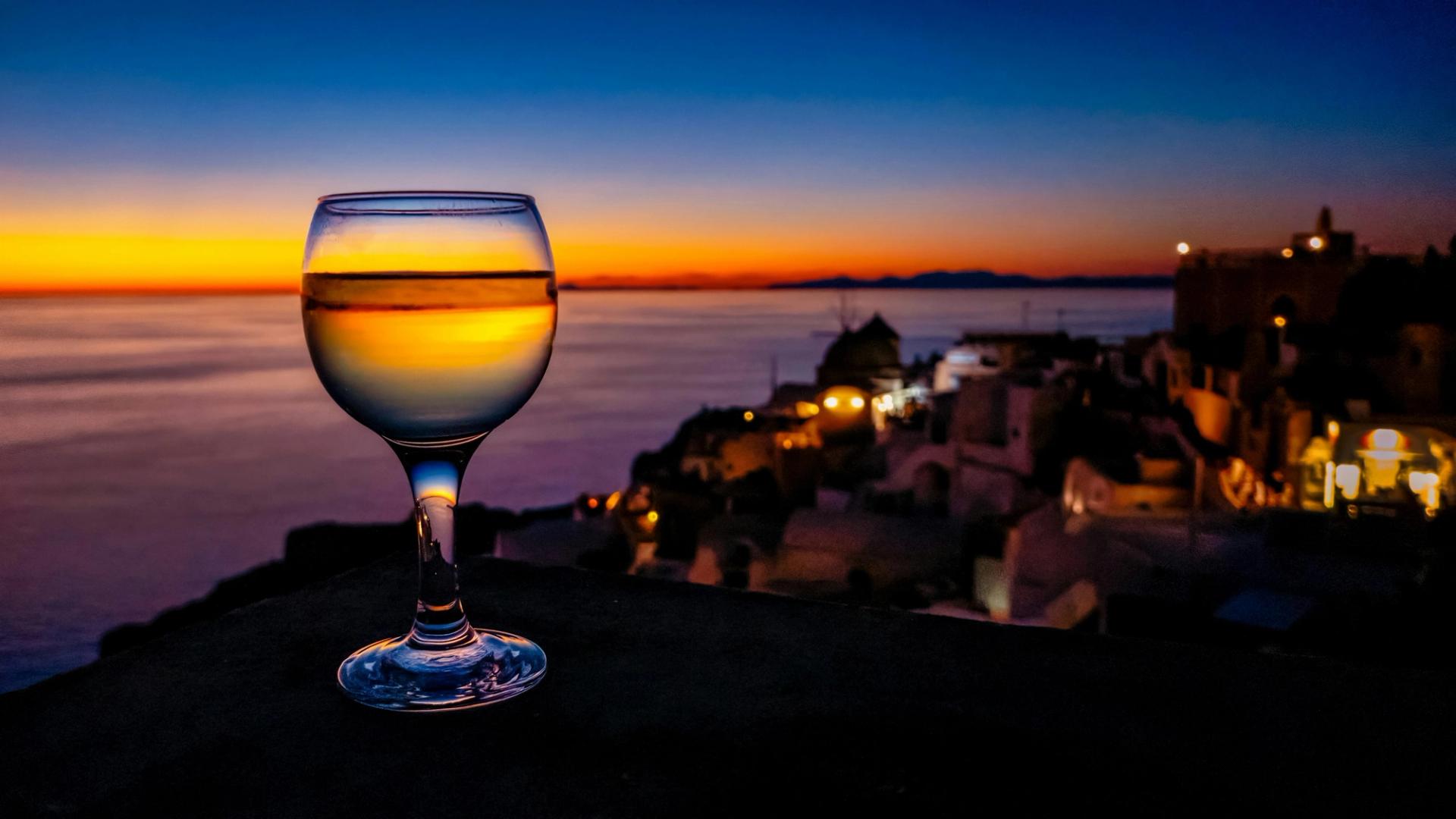
Discover the rich world of Greek liquor, from the iconic ouzo to rare mountain spirits. This comprehensive guide explores traditional distillation methods, regional specialties, and the cultural rituals that make Greek spirits an essential part of the Mediterranean experience.
The clinking of small glasses filled with crystal-clear liquid echoes through tavernas across Greece, accompanied by laughter and the promise of unforgettable stories. Greek liquor isn't just about the drink itself—it's a gateway to understanding centuries of tradition, regional pride, and the warm hospitality that defines Greek culture.
From the anise-scented ouzo of coastal villages to the fiery tsipouro of mountain communities, Greek spirits tell the story of a nation shaped by its diverse landscapes and rich history. Each sip connects you to generations of master distillers who've perfected their craft using techniques passed down through families for centuries.
The Soul of Greek Spirits
Greek liquor production dates back thousands of years, with archaeological evidence suggesting distillation practices in ancient times. The modern Greek spirits industry combines ancient wisdom with contemporary techniques, creating products that honor tradition while meeting international quality standards.
The diversity of Greek terrain—from sun-drenched islands to rugged mountains—produces unique ingredients that give each spirit its distinctive character. Local grapes, herbs, and botanicals infuse these liquors with flavors you simply can't find anywhere else in the world.
Ouzo: Greece's National Spirit
Ouzo stands as the undisputed champion of Greek spirits, recognized worldwide for its distinctive anise flavor and milky-white appearance when mixed with water. This beloved aperitif has protected designation of origin status, meaning authentic ouzo can only be produced in Greece.
The production process involves distilling alcohol with anise seeds and various secret botanical blends that each distillery guards jealously. The spirit typically contains 37.5% to 50% alcohol by volume, with the finest varieties using 100% distilled ingredients rather than added flavorings.
Traditional Ouzo Regions:
- Lesvos (Mytilene) - produces nearly half of Greece's ouzo
- Tyrnavos in Thessaly - known for strong, pure varieties
- Kalamata in the Peloponnese - offers smooth, aromatic styles
- Plomari - home to some of the most prestigious brands
- Chios - incorporates local mastiha for unique flavor profiles
The Ritual of Drinking Ouzo
Greeks never drink ouzo alone or on an empty stomach—it's always accompanied by mezedes (small dishes) and good company. The ritual transforms a simple drink into a social event that can last for hours, embodying the Greek philosophy of savoring life's pleasures.
The proper serving method involves small glasses filled one-third with ouzo, then diluted with cold water and ice. This causes the louche effect, where the clear liquid turns milky white as the anise oils emulsify—a transformation Greeks call "opening the ouzo."
Perfect Ouzo Pairings:
- Grilled octopus with lemon
- Fresh sardines or anchovies
- Fried calamari
- Greek salad with feta
- Marinated olives
- Grilled shrimp with garlic
- Taramosalata (fish roe dip)
- Fava bean puree
Tsipouro: The Mountain Spirit
Tsipouro (also called raki in Crete) represents the rustic soul of Greek distilling, traditionally produced in small batches by families after the grape harvest. This powerful spirit comes from distilling the pomace—the grape skins, seeds, and stems left over from winemaking—making it Greece's answer to Italian grappa.
Unlike ouzo, tsipouro can be either flavored with anise or completely unflavored, with regional preferences varying dramatically. The unflavored version, called tsipouro xino (sour tsipouro), showcases the pure character of the grapes and the distiller's skill.
Regional Tsipouro Styles:
- Thessaly - typically without anise, strong and pure
- Epirus - often includes anise, smoother finish
- Macedonia - varies by village, family recipes dominate
- Crete (Raki) - exclusively without anise, part of daily ritual
- Peloponnese - lighter styles, sometimes aged in barrels
The traditional tsipouro-making season runs from October through December, when families gather around copper stills for the kazani ceremony. This festive event combines distillation with celebration, as friends and neighbors share food, music, and the first tastes of the new batch.
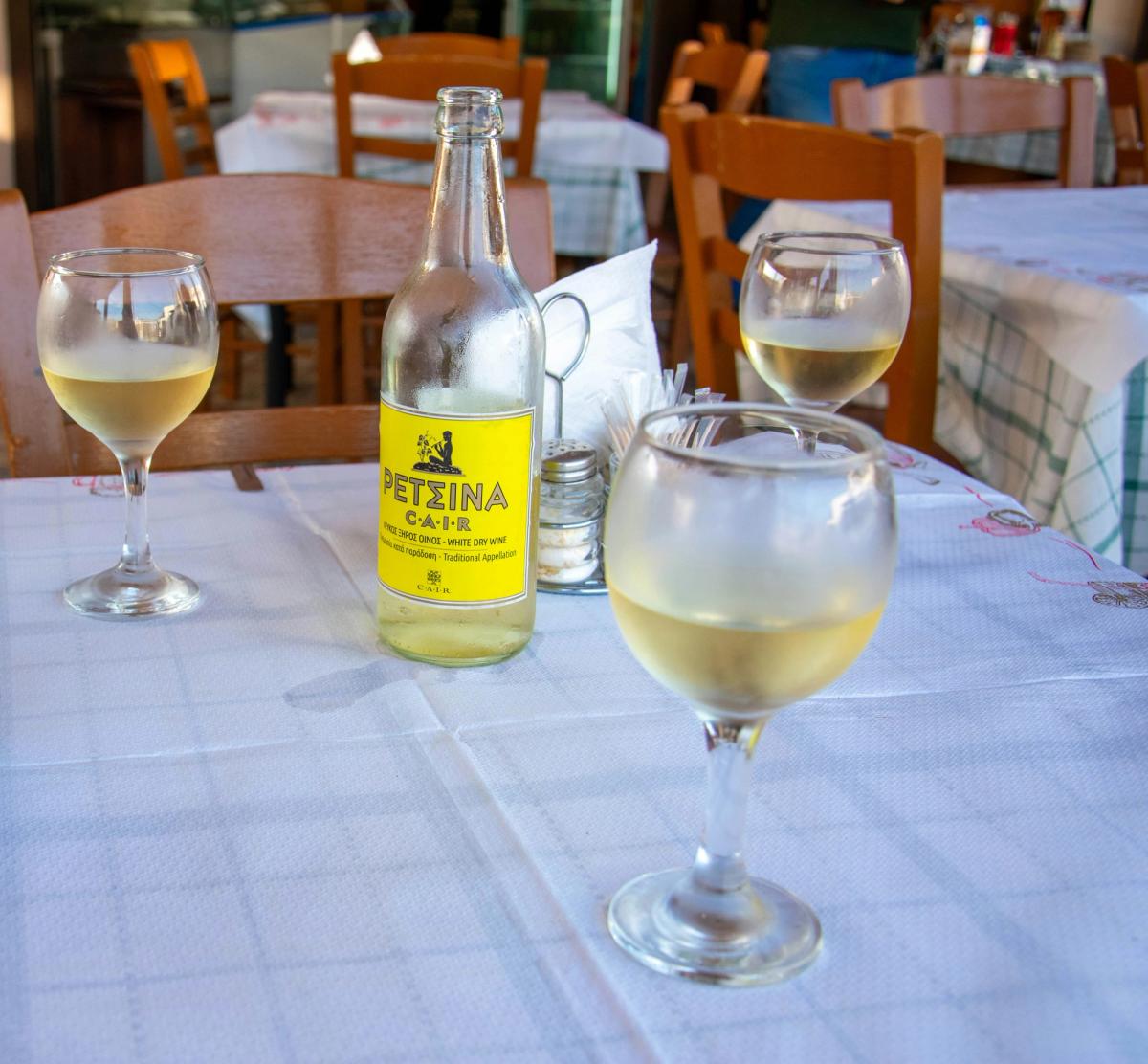
Mastiha: The Tears of Chios
Mastiha liqueur comes exclusively from the island of Chios, where the unique mastiha tree produces aromatic resin that's been harvested for over 2,500 years. This protected designation of origin product offers a flavor profile unlike any other spirit—slightly pine-like with hints of vanilla, herbs, and a subtle sweetness.
The resin, called "tears" because of how it's collected in droplets, has been prized since ancient times for medicinal properties and culinary uses. Modern mastiha liqueur typically contains 20-30% alcohol and serves as both an aperitif and digestif.
Mastiha Characteristics:
- Crystal-clear appearance
- Complex herbal aroma
- Slightly sweet, resinous taste
- Smooth, cooling finish
- Natural digestive properties
- Versatile cocktail ingredient
When visiting the Peloponnese, you'll discover how these traditional spirits connect to the region's rich cultural heritage, much like exploring the ancient sites and monasteries that dot the landscape.
Rakomelo: Winter's Warm Embrace
Rakomelo combines raki or tsipouro with honey and warming spices like cinnamon and cloves, creating a winter drink that warms you from the inside out. This traditional beverage originated in Crete but has spread throughout Greece as the perfect après-ski drink or cold-weather companion.
The preparation involves gently heating the spirit with honey and spices—never boiling, which would cook off the alcohol. Served in small cups while still warm, rakomelo embodies Greek hospitality during the colder months.
Tentura: Patras' Secret Treasure
Tentura remains relatively unknown outside Greece, but this cinnamon-clove liqueur from Patras has been produced since the 15th century. The deep amber spirit combines brandy with a secret blend of spices, creating a warming drink perfect for sipping after dinner.
Local legend attributes tentura's creation to Venetian merchants who controlled Patras during the Middle Ages. The recipe remains closely guarded by a handful of families who continue traditional production methods.
Quick Facts About Greek Liquor
Essential Information:
- Ouzo must contain at least 37.5% alcohol by volume
- Greece produces over 300 different ouzo brands
- Tsipouro distillation is often a family event
- Mastiha only grows naturally on Chios
- Greeks consume spirits primarily with food
- Most traditional spirits are best served cold
- Homemade spirits remain common in rural areas
- Each region claims its version is the best
Understanding Greek Drinking Culture
Greeks approach alcohol consumption differently than many Western cultures, viewing spirits as social lubricants meant to enhance conversation and connection rather than ends in themselves. The concept of drinking to get drunk is largely frowned upon, with emphasis placed on moderation and enjoyment.
Mezes culture—serving small dishes alongside drinks—ensures people eat while drinking, slowing alcohol absorption and extending the social experience. This tradition reflects the Greek value of parea (good company), where the quality of conversation matters more than the quantity consumed.
Exploring Greek drinking traditions offers insights into the culture similar to understanding Greek phrases or appreciating traditional architecture—each element reveals layers of cultural meaning.
Craft Distilleries and Modern Innovation
While traditional production methods remain revered, a new generation of Greek distillers is experimenting with innovative techniques and flavor combinations. Craft distilleries across Greece now produce premium spirits that compete in international competitions, winning awards and recognition.
These modern producers often combine traditional ingredients with contemporary methods, aging spirits in oak barrels, experimenting with botanical blends, and creating liqueurs that appeal to international palates. The result is a renaissance in Greek spirits that honors the past while embracing the future.
Notable Craft Spirit Trends:
- Barrel-aged tsipouro with complex flavors
- Botanical gins using Greek herbs
- Flavored mastiha liqueurs
- Premium ouzo with single-variety anise
- Organic and biodynamic spirits
- Limited-edition regional releases
Where to Experience Greek Spirits
The best way to understand Greek liquor is to visit the regions where it's produced, meeting the distillers and tasting spirits in their authentic context. Many distilleries now offer tours and tastings, providing insights into production methods and family histories.
In Nafplio, the elegant Peloponnesian city, you'll find excellent tavernas serving regional spirits alongside traditional mezedes. The city's position makes it an ideal base for exploring the wider region's culinary traditions, including visits to local distilleries and producers.
Top Tasting Experiences:
- Visit family-run distilleries during production season
- Attend traditional kazani ceremonies in mountain villages
- Join ouzo tastings at seaside tavernas
- Explore mastiha museums on Chios
- Sample rakomelo at mountain refuges
- Tour commercial distilleries with tasting rooms
Discover the cultural treasures of the Peloponnese while experiencing authentic Greek hospitality and traditional spirits in their native setting.
Buying and Storing Greek Spirits
When purchasing Greek liquor, look for products with protected designation of origin labels, which guarantee authenticity and quality. Premium bottles make excellent souvenirs, though be mindful of customs regulations when traveling internationally.
Most Greek spirits are best consumed within a year or two of opening, though higher-proof varieties like tsipouro can last longer. Store bottles in a cool, dark place away from direct sunlight, and keep them tightly sealed to preserve the delicate aromatics.
Shopping Tips:
- Buy directly from distilleries when possible
- Look for traditional copper-still production methods
- Ask locals for their favorite brands
- Sample before buying larger bottles
- Check alcohol content—higher isn't always better
- Consider regional specialties as unique gifts
- Visit local markets for homemade varieties
Cocktails and Modern Mixology
While Greeks traditionally enjoy their spirits neat or with water, international bartenders have embraced Greek liquors for creative cocktails. Ouzo works beautifully in Mediterranean-inspired drinks, while mastiha adds unique character to modern mixology creations.
The growing cocktail culture in Athens and other Greek cities has sparked renewed interest in traditional spirits among younger generations. Innovative bartenders are rediscovering forgotten recipes and creating new classics that showcase Greek ingredients.
Popular Greek Spirit Cocktails:
- Ouzo Sour - ouzo, lemon, sugar, egg white
- Mastiha Martini - mastiha, gin, vermouth
- Greek Mule - tsipouro, ginger beer, lime
- Aegean Breeze - ouzo, cranberry, grapefruit
- Tentura on the Rocks - served over ice with orange
Health Traditions and Medicinal Uses
Greek spirits have long been considered medicinal, with specific varieties prescribed for various ailments in folk medicine. Tsipouro mixed with honey soothes sore throats, while mastiha aids digestion and promotes oral health.
Modern research has validated some traditional beliefs, particularly regarding mastiha's antimicrobial properties and digestive benefits. However, the Greek approach emphasizes moderation—these spirits are meant to be enjoyed as part of a balanced lifestyle, not consumed excessively.
Travel Tips for Spirit Enthusiasts
Planning Your Greek Liquor Journey:
- Visit during autumn for distillation season experiences
- Book distillery tours in advance, especially for smaller producers
- Bring a notebook to record tasting notes and favorite brands
- Pace yourself—Greek spirits are stronger than they taste
- Always eat while drinking, following Greek custom
- Ask locals for recommendations beyond tourist areas
- Learn basic Greek toasts: "Yamas!" (cheers) and "Stin iyia mas!" (to our health)
- Respect that some family recipes remain closely guarded secrets
Combining spirit exploration with cultural tours creates a comprehensive Greek experience. Exploring historical sites by day and sampling regional spirits by evening offers the perfect balance of education and enjoyment.
Seasonal Considerations
The Greek spirits experience varies dramatically by season, with each time of year offering unique opportunities. Autumn brings the grape harvest and tsipouro production, creating festive atmospheres in wine-producing regions.
Winter months are perfect for sampling rakomelo and other warming spirits, especially in mountain villages where traditional culture remains strongest. Summer focuses on refreshing ouzo served at seaside tavernas, paired with fresh seafood and sunset views.
Seasonal Spirit Highlights:
- Spring - new releases from previous year's production
- Summer - ouzo culture at its peak in coastal areas
- Autumn - witness traditional distillation processes
- Winter - warm spirits and mountain village hospitality
Etiquette and Social Customs
Understanding proper etiquette enhances your Greek spirits experience and shows respect for local culture. Never rush through drinks—the Greek approach emphasizes leisurely enjoyment and meaningful conversation.
When offered homemade spirits, accepting is considered polite even if you only take a small sip. Refusing can be seen as rejecting hospitality, one of Greece's most sacred values.
Important Social Rules:
- Wait for the toast before drinking
- Make eye contact when clinking glasses
- Never pour your own drink if someone else can pour it
- Compliment the host's choice of spirit
- Pace yourself to match your companions
- Always accept at least one round
- Never drink the last drop—leave a bit for luck
Bringing Greek Spirits Home
Most travelers want to bring bottles home to share Greece's liquid treasures with friends and family. European Union residents can transport reasonable quantities without restrictions, while those from other countries should check customs allowances.
Consider shipping larger quantities through specialized services that handle international alcohol transport. This option, while more expensive, ensures your precious bottles arrive home safely without weight restrictions or breakage concerns.
Packing Tips:
- Wrap bottles in clothing for cushioning
- Place in checked luggage, never carry-on
- Use wine bottle protectors for extra security
- Document purchases with receipts for customs
- Stay within your country's duty-free limits
- Consider buying at airport duty-free shops
Experience the authentic flavors of the Peloponnese with guided tours that include local product tastings and cultural immersion.
The Future of Greek Spirits
Greek liquor production stands at an exciting crossroads, balancing tradition with innovation as producers target international markets. Younger Greeks are rediscovering their heritage spirits, while export growth introduces these products to new audiences worldwide.
Sustainability concerns are driving changes in production methods, with organic certification and environmentally friendly practices becoming more common. This evolution ensures Greek spirits remain relevant while preserving the authentic character that makes them special.
FAQ: Greek Liquor Questions Answered
What's the difference between ouzo and tsipouro?
Ouzo is always flavored with anise and has a distinct licorice taste, while tsipouro can be either anise-flavored or unflavored. Ouzo undergoes a more refined distillation process and typically has slightly lower alcohol content, whereas tsipouro is rustically produced from grape pomace and tends to be stronger and more straightforward in flavor.
Can I visit distilleries in Greece?
Yes, many distilleries welcome visitors, especially larger commercial operations that have established tasting rooms and tour programs. Smaller family distilleries may require advance arrangements, and visits during production season (October-December) offer the most authentic experiences. Contact distilleries directly or arrange visits through local tour operators who have established relationships.
Is Greek liquor similar to other Mediterranean spirits?
Greek spirits share some characteristics with other Mediterranean liquors—tsipouro resembles Italian grappa and French marc, while ouzo is similar to Turkish raki and French pastis. However, Greek versions have distinctive characteristics due to local ingredients, specific production methods, and regional traditions that create unique flavor profiles you won't find elsewhere.
How should I drink ouzo properly?
Serve ouzo in small glasses filled one-third full, then add cold water (not ice first) to dilute it to your preferred strength—typically double or triple the amount of ouzo. Add ice cubes after mixing with water to keep it cold. Always accompany ouzo with food, never drink it quickly, and sip slowly while enjoying conversation and mezedes.
What makes mastiha unique?
Mastiha comes exclusively from the mastic trees of southern Chios, making it a truly unique product that can't be replicated anywhere else in the world. The resin has protected designation of origin status, and its complex flavor profile—combining pine, herbs, and subtle sweetness—creates a taste experience unlike any other spirit. Additionally, mastiha has documented health benefits, particularly for digestive health.
Can I make my own tsipouro?
While home distillation is technically illegal in Greece without proper licensing, many families continue the tradition in rural areas. The process requires specialized equipment (copper stills), knowledge of distillation techniques, and access to grape pomace. Tourists should experience tsipouro through tastings and distillery visits rather than attempting home production, which carries legal and safety risks.
What's the best Greek spirit for cocktails?
Mastiha works exceptionally well in cocktails due to its complex herbal profile and moderate alcohol content, mixing beautifully with citrus and other Mediterranean flavors. Ouzo can create interesting drinks but requires careful balancing due to its strong anise flavor. Premium tsipouro serves as an excellent base spirit similar to vodka or grappa, while flavored liqueurs like tentura add unique character to creative cocktails.
Where can I learn more about Greek drinking culture?
The best education comes from experiencing Greek spirits in their authentic context—visiting tavernas, attending festivals, and joining locals for traditional meals. Reading about Greek culture and customs provides helpful background, but nothing replaces sitting with Greeks over mezedes and ouzo, listening to their stories, and observing how they integrate spirits into daily social life.
Conclusion: More Than Just Spirits
Greek liquor represents far more than alcoholic beverages—these spirits embody history, tradition, and the Greek approach to life itself. Each bottle contains centuries of knowledge, regional pride, and the warmth of Greek hospitality.
Whether you're sipping ouzo at a seaside taverna, sampling homemade tsipouro in a mountain village, or discovering the unique character of mastiha, Greek spirits offer a direct connection to the soul of this remarkable country. The experience transcends taste, creating memories and friendships that last long after the last drop is savored.