Master essential Greek phrases to enhance your travel experience in Greece. From basic greetings to dining etiquette, learn the expressions that will help you connect with locals and navigate your journey with confidence.
Speaking Like a Local: Your Guide to Essential Greek Phrases
Walking through the narrow streets of Nafplio or ordering fresh seafood at a taverna in Gytheio becomes infinitely more rewarding when you can exchange a few words in Greek. The Greek language carries thousands of years of history, and even a simple "kalimera" can open doors to authentic experiences and warm smiles from locals who appreciate your effort.
Whether you're exploring ancient monasteries or sampling traditional Greek liquor, knowing key phrases transforms you from a tourist into a welcomed guest. Greeks are famously hospitable, and your attempts to speak their language—no matter how imperfect—will be met with encouragement and genuine appreciation.
Quick Facts About the Greek Language
Language Essentials:
- Greek alphabet contains 24 letters, different from Latin script
- Spoken by approximately 13 million people worldwide
- Modern Greek evolved from Ancient Greek over millennia
- Pronunciation is generally phonetic once you learn the alphabet
- Many English words derive from Greek roots
- Greeks often speak English in tourist areas but appreciate Greek attempts
- Regional dialects exist but Standard Modern Greek is understood everywhere
Essential Greetings and Polite Expressions
Greetings form the foundation of every interaction in Greece, where social customs emphasize warmth and respect. Mastering these basic phrases ensures you start every conversation on the right foot.
Basic Greetings:
- Γεια σας (YAH-sas) - Hello/Goodbye (formal or plural)
- Γεια σου (YAH-soo) - Hello/Goodbye (informal, singular)
- Καλημέρα (kah-lee-MEH-rah) - Good morning
- Καλησπέρα (kah-lee-SPEH-rah) - Good evening
- Καληνύχτα (kah-lee-NEEKH-tah) - Good night
- Τι κάνεις; (tee KAH-nees) - How are you? (informal)
- Τι κάνετε; (tee KAH-neh-teh) - How are you? (formal)
Polite Essentials:
- Παρακαλώ (pah-rah-kah-LOH) - Please/You're welcome
- Ευχαριστώ (ef-khah-ree-STOH) - Thank you
- Συγγνώμη (see-GHNOH-mee) - Excuse me/Sorry
- Με συγχωρείτε (meh seen-khoh-REE-teh) - Excuse me (formal)
- Ναι (neh) - Yes
- Όχι (OH-khee) - No
- Εντάξει (en-DAH-ksee) - Okay/Alright
The distinction between formal and informal address matters in Greek culture. Use the formal "σας" (sas) forms with strangers, elders, and in professional settings, switching to informal "σου" (soo) only when invited or with peers.
Navigating and Getting Around
When exploring Greek cities or venturing to historical sites near Porto Heli, these phrases help you find your way. Transportation vocabulary proves essential whether you're catching a bus or asking for directions.
Direction and Location Phrases:
- Πού είναι...; (poo EE-neh) - Where is...?
- Πώς πάω στο...; (pos PAH-oh stoh) - How do I get to...?
- Αριστερά (ah-ree-steh-RAH) - Left
- Δεξιά (thek-see-AH) - Right
- Ευθεία (ef-THEE-ah) - Straight ahead
- Κοντά (kon-DAH) - Near
- Μακριά (mah-kree-AH) - Far
- Εδώ (eh-THOH) - Here
- Εκεί (eh-KEE) - There
Transportation Terms:
- Λεωφορείο (leh-oh-foh-REE-oh) - Bus
- Ταξί (tahk-SEE) - Taxi
- Σταθμός (stahth-MOS) - Station
- Εισιτήριο (ee-see-TEE-ree-oh) - Ticket
- Πόσο κοστίζει; (POH-soh koh-STEE-zee) - How much does it cost?
- Σταματήστε εδώ (stah-mah-TEE-steh eh-THOH) - Stop here
Dining Out: Restaurant and Food Phrases
Greek dining culture revolves around leisurely meals, shared plates, and lively conversation. Knowing restaurant phrases enhances your culinary adventures, especially when visiting Greek restaurants in Nafplio.
Restaurant Essentials:
- Μενού (meh-NOO) - Menu
- Τον λογαριασμό, παρακαλώ (ton loh-gah-ree-ah-SMOH pah-rah-kah-LOH) - The bill, please
- Νερό (neh-ROH) - Water
- Κρασί (krah-SEE) - Wine
- Μπύρα (BEE-rah) - Beer
- Καφές (kah-FES) - Coffee
- Ψωμί (psoh-MEE) - Bread
- Τυρί (tee-REE) - Cheese
Ordering and Preferences:
- Θα ήθελα... (thah EE-theh-lah) - I would like...
- Τι συστήνετε; (tee see-STEE-neh-teh) - What do you recommend?
- Είμαι χορτοφάγος (EE-meh khor-toh-FAH-ghos) - I'm vegetarian
- Χωρίς κρέας (khoh-REES KREH-ahs) - Without meat
- Πολύ νόστιμο! (poh-LEE NOH-stee-moh) - Very delicious!
- Νόστιμο (NOH-stee-moh) - Tasty
- Κάλεσμα! (KAH-leh-smah) - Cheers! (toast)
Common Foods:
- Σαλάτα (sah-LAH-tah) - Salad
- Ψάρι (PSAH-ree) - Fish
- Κοτόπουλο (koh-TOH-poo-loh) - Chicken
- Χοιρινό (khee-ree-NOH) - Pork
- Λαχανικά (lah-khah-nee-KAH) - Vegetables
Greek waiters expect leisurely dining, so don't feel rushed. The phrase "σιγά σιγά" (see-GAH see-GAH), meaning "slowly slowly," encapsulates the Greek approach to meals and life.
Shopping and Bargaining Phrases
Whether browsing local markets or shopping for souvenirs, these phrases help you navigate commercial transactions. Greeks appreciate polite interaction even in business settings.
Shopping Vocabulary:
- Πόσο κάνει; (POH-soh KAH-nee) - How much is it?
- Πολύ ακριβό (poh-LEE ah-kree-VOH) - Too expensive
- Έχετε...; (EH-kheh-teh) - Do you have...?
- Μπορώ να δω; (boh-ROH nah thoh) - Can I see?
- Θα το πάρω (thah toh PAH-roh) - I'll take it
- Μικρότερο (mee-KROH-teh-roh) - Smaller
- Μεγαλύτερο (meh-ghah-LEE-teh-roh) - Bigger
- Άλλο χρώμα (AH-loh KHROH-mah) - Different color
Payment Terms:
- Κάρτα (KAR-tah) - Card
- Μετρητά (meh-tree-TAH) - Cash
- Απόδειξη (ah-POH-thee-ksee) - Receipt
Emergency and Health Phrases
While Greece is generally safe for travelers, knowing emergency phrases provides peace of mind. These expressions could prove crucial in unexpected situations.
Emergency Essentials:
- Βοήθεια! (voh-EE-thee-ah) - Help!
- Πυρκαγιά! (peer-kah-YAH) - Fire!
- Αστυνομία (ah-stee-noh-MEE-ah) - Police
- Νοσοκομείο (noh-soh-koh-MEE-oh) - Hospital
- Γιατρός (yah-TROHS) - Doctor
- Φαρμακείο (fahr-mah-KEE-oh) - Pharmacy
- Χρειάζομαι βοήθεια (khree-AH-zoh-meh voh-EE-thee-ah) - I need help
Health-Related Phrases:
- Πονάω (poh-NAH-oh) - I'm in pain
- Είμαι άρρωστος/η (EE-meh AH-roh-stohs/ee) - I'm sick (m/f)
- Αλλεργία (ah-lehr-YEE-ah) - Allergy
- Φάρμακα (FAR-mah-kah) - Medicine
- Πονοκέφαλος (poh-noh-KEH-fah-los) - Headache
- Στομαχόπονος (stoh-mah-KHOH-poh-nos) - Stomachache
Cultural Expressions and Idioms
Greek language bursts with colorful expressions that reveal cultural values and humor. Learning these phrases demonstrates cultural appreciation beyond tourist basics.
Common Expressions:
- Ώπα! (OH-pah) - Oops!/Watch out! (also celebratory)
- Έτσι κι έτσι (EH-tsee kee EH-tsee) - So-so
- Σιγά σιγά (see-GAH see-GAH) - Slowly, take it easy
- Στην υγειά σας! (steen ee-YAH-sas) - To your health! (toast)
- Καλή όρεξη (kah-LEE OH-reh-ksee) - Bon appétit
- Καλό ταξίδι (kah-LOH tahk-SEE-thee) - Have a good trip
- Με το καλό (meh toh kah-LOH) - Good luck/Safe travels
Philosophical Phrases:
- Φιλότιμο (fee-LOH-tee-moh) - Honor, dignity, doing right (untranslatable concept)
- Κέφι (KEH-fee) - High spirits, joy, zest for life
- Μεράκι (meh-RAH-kee) - Passion, soul put into something
- Παρέα (pah-REH-ah) - Company of friends
These expressions capture the Greek spirit in ways simple translations cannot. Using them shows you understand Greece goes beyond monuments and beaches.
Numbers and Time Expressions
Mastering numbers helps with shopping, ordering, and understanding schedules. Time expressions prove essential when planning activities or catching transportation.
Essential Numbers:
- Ένα (EH-nah) - One
- Δύο (THEE-oh) - Two
- Τρία (TREE-ah) - Three
- Τέσσερα (TEH-seh-rah) - Four
- Πέντε (PEN-deh) - Five
- Δέκα (THEH-kah) - Ten
- Είκοσι (EE-koh-see) - Twenty
- Εκατό (eh-kah-TOH) - One hundred
Time Phrases:
- Τι ώρα είναι; (tee OH-rah EE-neh) - What time is it?
- Σήμερα (SEE-meh-rah) - Today
- Αύριο (AV-ree-oh) - Tomorrow
- Χθες (khthes) - Yesterday
- Τώρα (TOH-rah) - Now
- Αργότερα (ahr-GOH-teh-rah) - Later
- Πρωί (proh-EE) - Morning
- Βράδυ (VRAH-thee) - Evening
Making Connections: Social Phrases
Greeks are naturally social, and conversations often extend beyond basic exchanges. These phrases help you engage more deeply with locals and fellow travelers.
Conversation Starters:
- Από πού είστε; (ah-POH poo EE-steh) - Where are you from?
- Είμαι από... (EE-meh ah-POH) - I'm from...
- Πώς σας λένε; (pos sas LEH-neh) - What's your name? (formal)
- Με λένε... (meh LEH-neh) - My name is...
- Χαίρω πολύ (KHEH-roh poh-LEE) - Pleased to meet you
- Μιλάτε αγγλικά; (mee-LAH-teh ahng-glee-KAH) - Do you speak English?
- Δεν καταλαβαίνω (then kah-tah-lah-VEH-noh) - I don't understand
Compliments and Appreciation:
- Πολύ ωραία! (poh-LEE oh-REH-ah) - Very beautiful!
- Υπέροχο! (ee-PEH-roh-khoh) - Wonderful!
- Συγχαρητήρια (seeng-khah-ree-TEE-ree-ah) - Congratulations
- Μπράβο (BRAH-voh) - Bravo/Well done
Travel Tips for Using Greek Phrases
Pronunciation Guidelines:
- Greek is largely phonetic—pronounce every letter
- Stress falls on accented syllables (marked in modern Greek)
- "Ch" sound (χ) is guttural, like Scottish "loch"
- "Th" (θ) sounds like English "think"
- "Dh" (δ) sounds like English "this"
- Double consonants are pronounced distinctly
- Practice vowel sounds: α (ah), ε (eh), η/ι (ee), ο/ω (oh), υ (ee)
Communication Strategies:
- Speak slowly and clearly without shouting
- Use hand gestures to supplement words
- Carry a small phrase book or translation app
- Learn to read Greek letters for signs and menus
- Don't be afraid to make mistakes—Greeks appreciate effort
- Smile and maintain friendly eye contact
- Listen carefully to responses and ask for repetition if needed
Cultural Etiquette:
- Always greet shopkeepers when entering stores
- Use formal address unless invited to be informal
- Accept offered hospitality graciously
- Learn local customs in different regions
- Avoid discussing sensitive political topics
- Respect religious sites by speaking quietly
- Thank people sincerely for their help
Regional Variations and Dialects
While Standard Modern Greek is understood throughout the country, regional variations add flavor to the language. The Peloponnese, where many of our tours operate, has its own linguistic characteristics.
Local dialects sometimes preserve older forms or incorporate influences from the region's rich history. In areas like Gytheio or near Geraki Castle, you might hear distinctive pronunciations or vocabulary.
Regional Awareness:
- Cretan Greek has unique intonation and vocabulary
- Cypriot Greek differs significantly in pronunciation
- Island dialects may retain archaic expressions
- Rural areas preserve traditional linguistic features
- Urban centers like Athens use more standardized Greek
- Peloponnesian Greek maintains classical influences
Learning Resources and Practice
Continuing your Greek language journey beyond basic phrases enriches your travel experience. Multiple resources support learners at every level.
Learning Tools:
- Language apps (Duolingo, Memrise, Babbel)
- Greek language podcasts for travelers
- YouTube channels teaching conversational Greek
- Phrase books with phonetic pronunciation
- Online courses focused on travel Greek
- Greek music and films with subtitles
- Language exchange partners via apps
- Greek Orthodox church services (for listening practice)
Practice Opportunities:
- Order entirely in Greek at restaurants
- Ask directions even when you know the way
- Engage shopkeepers in conversation
- Attend local festivals and events
- Join guided tours with Greek-speaking guides
- Practice with fellow travelers learning Greek
- Read Greek newspapers or websites
- Label common items in your accommodation
Immersive experiences like our Nafplio cultural tour provide natural opportunities to practice phrases with knowledgeable local guides who appreciate your linguistic efforts.
Beyond Words: Non-Verbal Communication
Greeks communicate expressively through gestures, facial expressions, and body language. Understanding these non-verbal cues prevents misunderstandings and enhances connections.
The "moutza" gesture (extending fingers toward someone) is deeply offensive in Greek culture, though innocent in other countries. Conversely, the head tilt upward with raised eyebrows means "no," which confuses many visitors expecting a headshake.
Important Gestures:
- Upward head tilt with raised eyebrows = No
- Downward head nod = Yes
- Hand waving downward = Come here
- Pursed lips pointing = Indicating direction
- Touching wood = Superstitious protection
- Spitting sound (ftou ftou) = Warding off evil eye
- Crossed fingers = Protection or good luck
Combining Language with Cultural Understanding
Language learning intertwines with cultural appreciation, especially in Greece where traditions and customs permeate daily life. Understanding context makes your phrases more effective and appropriate.
Greek hospitality, or "philoxenia," literally means "love of strangers." When locals offer coffee or sweets, refusing seems rude even if you're not hungry. A polite "ευχαριστώ πολύ" (thank you very much) while accepting shows proper respect.
Religious expressions pepper everyday Greek conversation, reflecting the Orthodox Church's cultural influence. Phrases like "Θεός βοηθός" (God help) or "Αν θέλει ο Θεός" (God willing) appear in casual contexts without necessarily indicating deep religiosity.
Phrases for Specific Travel Situations
Different travel scenarios require specialized vocabulary. Whether visiting archaeological sites or enjoying beach days, these situation-specific phrases prove invaluable.
At Archaeological Sites:
- Αρχαιολογικός χώρος (ar-kheh-oh-loh-yee-KOS KHOH-ros) - Archaeological site
- Ξενάγηση (kseh-NAH-ghee-see) - Guided tour
- Φωτογραφία (foh-toh-ghrah-FEE-ah) - Photograph
- Επιτρέπεται; (eh-pee-TREH-peh-teh) - Is it allowed?
- Ιστορία (ee-stoh-REE-ah) - History
- Πόσο χρονών; (POH-soh khroh-NON) - How old?
At the Beach:
- Παραλία (pah-rah-LEE-ah) - Beach
- Θάλασσα (THAH-lah-sah) - Sea
- Ξαπλώστρα (ksah-PLOH-strah) - Beach chair
- Ομπρέλα (om-BREH-lah) - Umbrella
- Πετσέτα (peh-TSEH-tah) - Towel
- Κολύμπι (koh-LEEM-bee) - Swimming
During Wine Tasting:
- Κρασί (krah-SEE) - Wine
- Κόκκινο (KOH-kee-noh) - Red
- Άσπρο (AH-sproh) - White
- Ροζέ (roh-ZEH) - Rosé
- Γλυκό (ghlee-KOH) - Sweet
- Ξηρό (ksee-ROH) - Dry
- Δοκιμή (thoh-kee-MEE) - Tasting
Exploring the Peloponnese through our Mycenae and Epidavros tour provides perfect opportunities to practice archaeological and cultural vocabulary with expert guides.
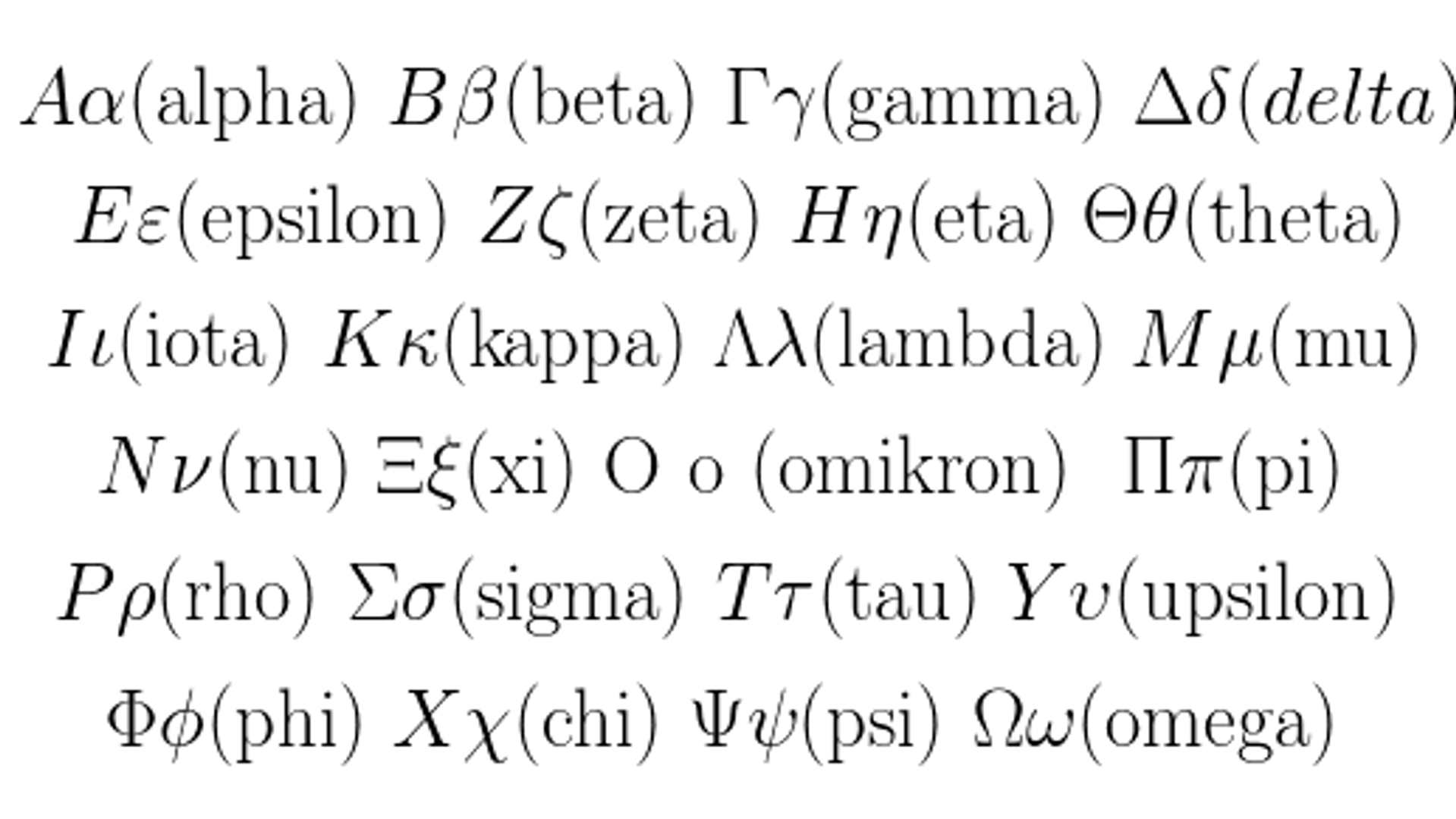
The Greek Alphabet: A Quick Guide
Familiarity with the Greek alphabet transforms your travel experience, enabling you to read signs, menus, and maps independently. While it seems daunting initially, many letters resemble Latin equivalents.
Greek Letters and Sounds:
- Α α (alpha) - "ah" sound
- Β β (beta) - "v" sound
- Γ γ (gamma) - "gh" or "y" sound
- Δ δ (delta) - "th" sound (as in "this")
- Ε ε (epsilon) - "eh" sound
- Ζ ζ (zeta) - "z" sound
- Η η (eta) - "ee" sound
- Θ θ (theta) - "th" sound (as in "think")
- Ι ι (iota) - "ee" sound
- Κ κ (kappa) - "k" sound
- Λ λ (lambda) - "l" sound
- Μ μ (mu) - "m" sound
Learning even basic letter recognition helps you navigate Greek cities with greater confidence and independence.
FAQ: Greek Phrases for Travelers
How difficult is Greek for English speakers to learn?
Greek presents moderate difficulty for English speakers, primarily due to the different alphabet and grammatical structure. However, many English words derive from Greek, providing familiar vocabulary roots. Basic conversational phrases require minimal grammar knowledge, making tourist-level Greek quite accessible. Most travelers achieve functional communication within a few weeks of casual study, especially when immersed in Greek environments.
Do I need to learn Greek to visit Greece?
While not essential, learning basic Greek phrases significantly enhances your travel experience. Most Greeks in tourist areas speak some English, but efforts to communicate in Greek demonstrate respect and often result in warmer interactions. Even simple greetings and thank-yous create positive connections. In rural areas and smaller villages, Greek knowledge becomes more practical for navigation and daily interactions.
What are the most important Greek phrases to learn first?
Prioritize greetings (γεια σας, καλημέρα), polite expressions (παρακαλώ, ευχαριστώ), and basic questions (πού είναι, πόσο κάνει). These foundational phrases cover most tourist interactions. Add dining vocabulary (νερό, λογαριασμό, νόστιμο) and emergency terms (βοήθεια, φαρμακείο) next. With these 15-20 phrases, you'll navigate most situations comfortably while building rapport with locals.
How do Greeks feel about tourists speaking Greek?
Greeks universally appreciate tourists attempting their language, regardless of proficiency level. They understand Greek is challenging and celebrate even basic efforts with encouragement and patience. Don't worry about mistakes—Greeks value the attempt over perfection. Many will help you improve pronunciation and teach additional phrases enthusiastically. Your linguistic efforts often lead to deeper conversations, recommendations, and genuine friendships.
Should I use formal or informal Greek?
Default to formal Greek (using "σας" forms) with strangers, elders, service providers, and in professional contexts. Greeks will indicate when informal address is appropriate, often by using informal speech with you first. Among young people and in casual settings, informal Greek becomes acceptable more quickly. When uncertain, formal address is always safe and shows proper respect for Greek social conventions.
Can I get by with just English in Greece?
In major tourist destinations, airports, and popular islands, English sufficiency is high. However, rural areas, local neighborhoods, and traditional villages have limited English speakers. Relying solely on English limits your cultural immersion and may cause difficulties in less touristy regions. Combining basic Greek phrases with English creates the best communication strategy, showing respect while ensuring clarity.
What Greek phrases help in emergencies?
Essential emergency phrases include "βοήθεια" (help), "αστυνομία" (police), "νοσοκομείο" (hospital), "γιατρός" (doctor), and "φαρμακείο" (pharmacy). Learn "χρειάζομαι βοήθεια" (I need help) and "δεν καταλαβαίνω" (I don't understand). Keep emergency numbers written down: 112 for general emergencies, 100 for police, 166 for ambulance. Most emergency services have English-speaking operators in tourist areas.
How long does it take to learn conversational Greek?
Basic tourist Greek requires 20-30 hours of study, achievable in several weeks of casual practice. Conversational fluency for everyday situations takes 6-12 months of consistent study and practice. The Greek alphabet adds initial learning time but becomes familiar within days. Immersion through travel accelerates learning significantly—many visitors gain functional communication skills during extended stays. Language apps and regular practice maintain and improve your Greek between visits.
Bringing It All Together
Mastering Greek phrases transforms your journey from simple sightseeing into meaningful cultural exchange. Each conversation in Greek, however brief, builds bridges between you and the warm-hearted people who call Greece home.
The phrases you've learned here provide foundation stones for deeper exploration of Greek culture, history, and daily life. Whether you're ordering at a taverna, asking directions to ancient ruins, or simply greeting locals with a cheerful "καλημέρα," you're participating in a linguistic tradition spanning millennia.
Remember that language learning is a journey, not a destination. Greeks appreciate your efforts regardless of perfection, and mistakes often lead to the most memorable and educational moments. Each phrase you master opens new doors to authentic experiences unavailable to those who remain within the English-language bubble.
As you explore the stunning architecture and rich history of Greece, let language be your companion and guide. The effort you invest in learning Greek phrases returns dividends in warmer welcomes, deeper understanding, and connections that transcend typical tourist experiences.
Start with the basics, practice regularly, and don't hesitate to use your new skills at every opportunity. Before long, you'll find yourself thinking in Greek phrases, dreaming of conversations, and planning your return visit to practice even more. Καλό ταξίδι—have a wonderful journey!