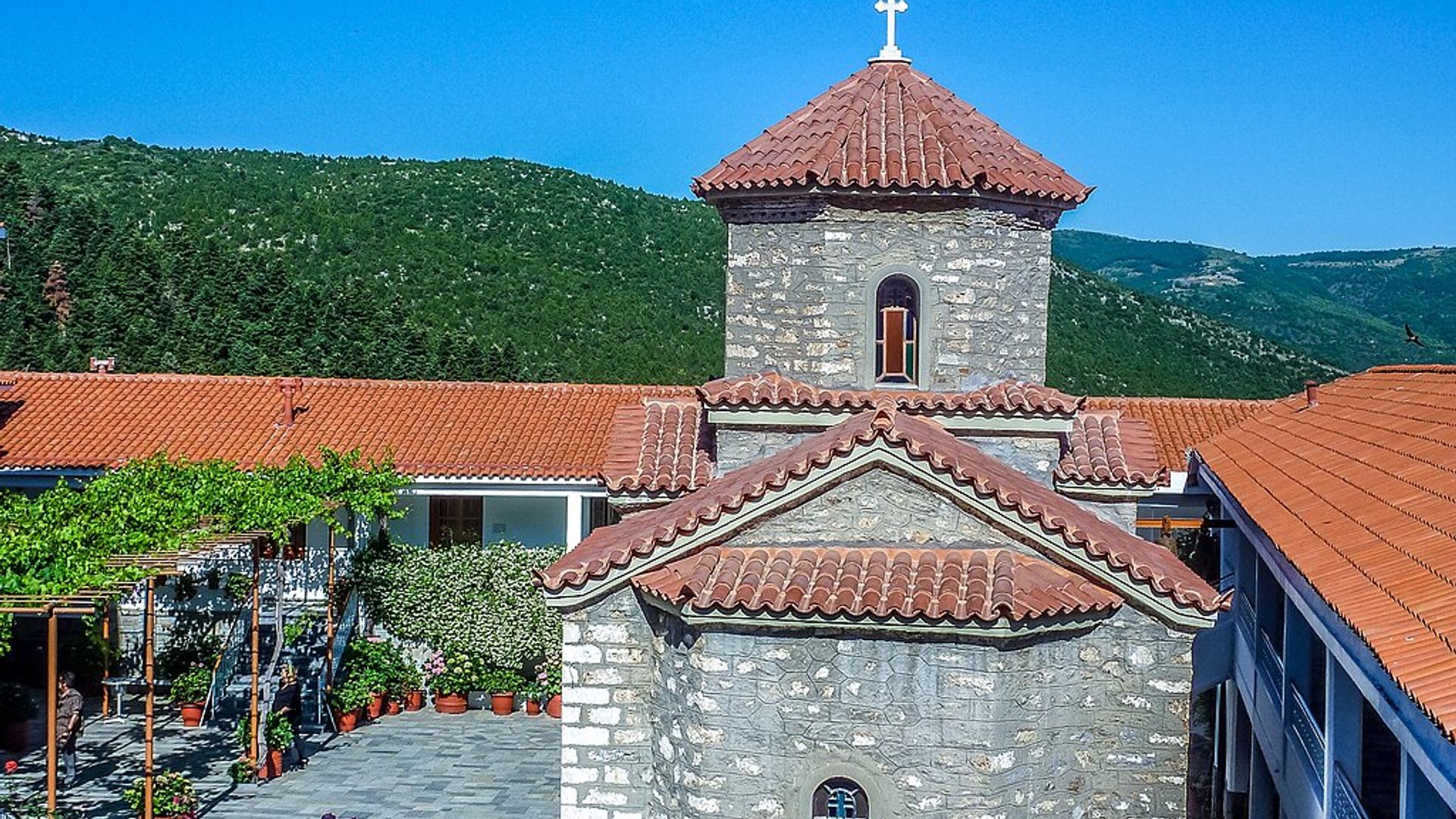
Discover the Holy Monastery of Malevis, a hidden Byzantine gem nestled in the Parnon Mountains. This comprehensive guide covers everything you need to know about visiting this sacred sanctuary, from its fascinating history to practical travel tips for an unforgettable spiritual journey.
Perched dramatically on the slopes of Mount Parnon, the Holy Monastery of Malevis stands as one of the Peloponnese's most captivating spiritual destinations. This ancient Byzantine sanctuary, surrounded by dense forests and commanding breathtaking mountain vistas, offers visitors a rare glimpse into Greece's profound monastic traditions.
The journey to Malevis is as rewarding as the destination itself, winding through pristine landscapes that have remained virtually unchanged for centuries. Whether you're seeking spiritual enrichment, historical insight, or simply the tranquility of mountain solitude, this remarkable monastery delivers an experience that resonates long after your visit.
The Sacred History of Malevis Monastery
The Holy Monastery of Malevis traces its origins to the 13th century, though local tradition suggests an even earlier foundation. Built during the Byzantine era, the monastery served as a beacon of Orthodox faith throughout periods of Ottoman occupation and political upheaval.
The monastery's dedication to the Dormition of the Virgin Mary reflects the deep Marian devotion that characterizes much of Greece's monastic heritage. Over the centuries, Malevis has weathered wars, earthquakes, and the passage of countless pilgrims seeking divine grace.
Byzantine Architecture and Sacred Art
The monastery's architectural design exemplifies classic Byzantine monastic construction. The katholikon (main church) features a cross-in-square layout with a central dome that draws the eye heavenward, symbolizing the connection between earthly worship and divine presence.
Inside, visitors encounter precious frescoes dating from different periods, each layer telling stories of faith and artistic evolution. The iconostasis gleams with gold-leafed icons, while the walls whisper with centuries of prayers offered by monks and pilgrims alike.
What Makes Malevis Monastery Special
Unlike the more tourist-heavy monasteries of Meteora or Mount Athos, Malevis maintains an authentic atmosphere of contemplation and solitude. The monastery's remote location in the Parnon Mountains ensures that visitors experience it much as pilgrims have for centuries.
The surrounding natural environment enhances the spiritual atmosphere, with ancient cypress trees, aromatic herbs, and the constant melody of mountain breezes. This harmonious blend of sacred architecture and pristine nature creates an environment conducive to reflection and inner peace.
The Miraculous Icon of Panagia Malevitissa
The monastery's most treasured possession is the miraculous icon of Panagia Malevitissa (Our Lady of Malevis). According to tradition, this icon was discovered by shepherds in a nearby cave and has been associated with numerous miracles throughout the centuries.
Devotees travel from across Greece to venerate this sacred image, particularly during the monastery's feast day celebrations. The icon's gentle expression and masterful execution make it a significant example of Byzantine iconographic art.
Quick Facts About Malevis Monastery
Essential Information:
- Founded: 13th century (possibly earlier)
- Location: Mount Parnon, Arcadia Prefecture, Peloponnese
- Altitude: Approximately 950 meters above sea level
- Dedication: Dormition of the Virgin Mary
- Architectural Style: Byzantine monastic complex
- Distance from Nafplio: Approximately 60 kilometers
- Visiting Hours: Daily, typically 8:00 AM - 1:00 PM and 4:00 PM - 7:00 PM
- Entrance Fee: Free (donations welcomed)
Planning Your Malevis Monastery Tour
A visit to the Holy Monastery of Malevis requires thoughtful planning, as its mountain location presents both logistical considerations and extraordinary rewards. The journey from major cities like Nafplio or Tripoli takes you through some of the Peloponnese's most scenic landscapes.
The winding mountain roads demand careful driving, but they reveal vistas that capture the essence of rural Greece. Plan for approximately 1.5 to 2 hours of travel time from Nafplio, allowing extra time for photo stops and moments of appreciation.
Best Time to Visit
Timing your visit to Malevis can significantly enhance your experience. Each season offers distinct advantages, from spring wildflowers to autumn colors that paint the mountainside in warm hues.
Summer brings warm weather ideal for exploring the surrounding trails, though mornings and late afternoons provide the most comfortable temperatures. October weather in Greece often delivers perfect conditions for monastery visits, with mild temperatures and crystal-clear skies.
Seasonal Considerations:
- Spring (April-May): Wildflowers bloom, moderate temperatures, Easter celebrations
- Summer (June-August): Warm weather, longest daylight hours, occasional afternoon heat
- Autumn (September-October): Comfortable temperatures, beautiful foliage, fewer visitors
- Winter (November-March): Possible snow, dramatic mountain scenery, authentic monastic atmosphere
What to See at Malevis Monastery
The monastery complex offers numerous points of interest that reward careful exploration. Beyond the main church, the grounds include monks' cells, a bell tower, courtyards, and various auxiliary buildings that illustrate monastic life.
Allow at least 1-2 hours to properly appreciate the monastery's artistic and architectural treasures. Respectful visitors who demonstrate genuine interest may have opportunities to learn more from the resident monks about the monastery's history and spiritual significance.
Highlights of Your Visit:
- The miraculous icon of Panagia Malevitissa in the katholikon
- Byzantine frescoes depicting biblical scenes and saints
- Intricately carved wooden iconostasis with gold-leafed icons
- Peaceful courtyard with ancient cypress trees
- Monastery museum displaying religious artifacts and vestments
- Panoramic mountain views from the monastery grounds
- Traditional monastic cells showcasing ascetic lifestyle
- Historic bell tower with original bronze bells
The Katholikon (Main Church)
The heart of any monastery visit centers on the katholikon, where centuries of worship have sanctified the space. At Malevis, the main church exemplifies Byzantine sacred architecture with its harmonious proportions and symbolic design elements.
The dome's interior features a magnificent Pantocrator (Christ Almighty) fresco, surrounded by angels and prophets in concentric circles. This celestial hierarchy visually represents Orthodox theological concepts about the communion of heaven and earth.
The Monastery Museum
A small but well-curated museum houses treasures accumulated over centuries of monastic life. Visitors can view historic vestments, illuminated manuscripts, ecclesiastical vessels, and other artifacts that illuminate the monastery's rich heritage.
The collection includes items dating from the Byzantine period through the Ottoman era, offering insights into how the monastery preserved Orthodox traditions during challenging historical periods. Explanatory panels (primarily in Greek) provide context for the displayed objects.
Combining Malevis with Other Peloponnese Attractions
The monastery's location makes it an excellent addition to broader explorations of the Peloponnese. Combining your Malevis visit with other nearby attractions creates a comprehensive cultural experience.
Consider exploring the ancient theater and healing sanctuary at Epidaurus, where you can witness remarkably preserved classical architecture. The Epidaurus Festival brings ancient drama to life during summer months.
Nearby Attractions Worth Visiting:
- Ancient Sparta and Mystras (45 km) - Byzantine ruins and Spartan heritage
- Leonidio (30 km) - Charming coastal town with red cliffs
- Kosmas Village (15 km) - Traditional mountain settlement
- Parnon Mountain trails - Hiking and nature exploration
- Geraki Castle (40 km) - Medieval fortress with Byzantine churches
- Traditional mountain villages - Authentic rural Greek culture
Discover the fascinating history of Sparta and combine your spiritual journey with ancient Greek heritage. A guided tour from Nafplio to Malevis ensures you don't miss any important details while navigating mountain roads.
Travel Tips for Visiting Malevis Monastery
Successful monastery visits require preparation and cultural awareness. Understanding proper etiquette and practical considerations ensures a respectful and enriching experience.
The monastery maintains traditional standards for visitors, reflecting its continuing role as an active religious institution. Approaching your visit with reverence and preparation demonstrates respect for the monks and the sacred nature of the site.
Essential Travel Tips:
- Dress modestly: Long pants for men, long skirts for women, shoulders covered
- Bring water and snacks: Limited facilities in the mountain area
- Arrive early: Morning visits offer cooler temperatures and peaceful atmosphere
- Photography etiquette: Ask permission before photographing; no flash inside church
- Silence mobile devices: Maintain quiet, contemplative atmosphere
- Respect worship times: Avoid visiting during services unless participating
- Carry cash: For donations and candles (no card facilities)
- Wear comfortable shoes: Cobblestone paths and uneven surfaces
- Check opening hours: Times may vary seasonally or for religious observances
- Learn basic Greek phrases: Enhances interactions with monks and locals
Dress Code Requirements
Greek Orthodox monasteries maintain strict dress codes that visitors must observe. Women should wear long skirts (below the knee) and cover their shoulders; many monasteries provide wrap skirts at the entrance if needed.
Men should wear long trousers and avoid sleeveless shirts. These requirements aren't arbitrary rules but reflect the sacred nature of monastic spaces and Orthodox traditions of modesty.
Photography Guidelines
While photography is generally permitted in monastery courtyards and exterior areas, restrictions apply inside churches and sacred spaces. Flash photography damages delicate frescoes and icons, and is universally prohibited.
Always ask permission before photographing monks or religious ceremonies. Some moments are better experienced directly rather than through a camera lens, allowing the spiritual atmosphere to make its full impression.
Getting to Malevis Monastery
Reaching the monastery requires navigating mountain roads that wind through spectacular Parnon landscapes. While the journey demands attention, the route itself offers memorable experiences of rural Peloponnese.
From Nafplio, head south toward Astros, then follow signs toward Agios Petros and Kosmas. The final approach to the monastery involves narrow mountain roads with hairpin turns and limited guardrails.
Transportation Options:
- Private vehicle: Maximum flexibility, ability to explore at your own pace
- Guided tour: Expert navigation, historical context, stress-free experience
- Taxi from nearby towns: Arrange return pickup in advance
- Organized excursion: Combined visits to multiple sites with transportation included
Driving Directions from Major Cities
From Nafplio (60 km, approximately 1.5 hours), take the coastal road south through Astros, then turn inland toward Agios Petros. Follow signs to Kosmas village, with the monastery located several kilometers before reaching the village center.
From Tripoli (55 km, approximately 1.25 hours), head east toward Tegea, then south through mountain villages toward the Parnon range. Road signage improves as you approach the monastery, though a GPS or detailed map proves helpful.
Driving Considerations:
- Mountain roads require confident driving skills
- Limited passing opportunities on narrow sections
- Spectacular views may distract; stop safely for photos
- Few gas stations in mountain areas; fuel up beforehand
- Mobile phone signal can be intermittent
- Winter conditions may require snow chains
The Spiritual Experience of Malevis
Beyond its architectural and historical significance, Malevis offers something increasingly rare in our modern world: genuine tranquility and space for contemplation. The monastery's remote setting naturally encourages introspection and connection with deeper spiritual dimensions.
Many visitors report profound experiences of peace and renewal after spending time in the monastery's sacred spaces. Whether you approach the visit from a religious perspective or simply seek respite from contemporary life's demands, Malevis provides sanctuary.
Attending a Monastic Service
For those interested in experiencing Orthodox worship, attending a service at Malevis offers insights into centuries-old liturgical traditions. The monks' chanting, incense, candlelight, and ritual movements create an atmosphere of otherworldly beauty.
Services typically occur early morning and evening, with the Divine Liturgy celebrated on Sundays and feast days. Visitors are welcome to attend respectfully, standing quietly (Orthodox services don't use pews) and following the congregation's lead.
Local Culture and Traditions
The area surrounding Malevis preserves traditional Peloponnesian mountain culture. Nearby villages like Kosmas maintain customs, dialects, and ways of life that have changed little over generations.
Visiting these communities provides context for understanding the monastery's role in regional life. For centuries, Malevis served not just spiritual needs but also educational and social functions for mountain populations.
Cultural Experiences Near Malevis:
- Traditional coffee houses (kafeneions) in mountain villages
- Local festivals celebrating saints' days and harvests
- Artisan workshops producing textiles and woodwork
- Family-run tavernas serving regional specialties
- Ancient footpaths connecting mountain settlements
- Seasonal agricultural activities (olive harvest, chestnut gathering)
Regional Cuisine and Hospitality
The Parnon region offers distinctive culinary traditions shaped by mountain geography and pastoral heritage. Local specialties include handmade pasta (trahanas), mountain greens, aged cheeses, and chestnut-based dishes.
Tavernas in villages like Kosmas serve authentic meals prepared from locally sourced ingredients. After your monastery visit, enjoying a traditional meal provides the perfect conclusion to your mountain excursion, and you might sample some traditional Greek spirits produced in the region.
Hiking and Nature Around Malevis
The Parnon Mountains surrounding the monastery offer exceptional hiking opportunities for nature enthusiasts. Well-marked trails wind through forests of black pine and Greek fir, revealing spectacular vistas and diverse flora.
Spring brings carpets of wildflowers including rare endemic species found only in this mountain range. Autumn transforms the landscape into warm golds and russets, while winter snows create dramatic alpine scenery.
Popular Hiking Routes:
- Malevis to Kosmas village (6 km, moderate difficulty)
- Circular trail around monastery grounds (2 km, easy)
- Summit trail to Parnon peaks (various routes, challenging)
- Forest paths to mountain springs (3-5 km, easy to moderate)
- Traditional kalderimi (stone paths) connecting villages
Accommodation Options
While the monastery itself doesn't offer overnight accommodation to casual visitors, several options exist in nearby villages. Staying overnight in the area allows you to experience the mountains at different times of day and explore more thoroughly.
Kosmas village, just a few kilometers from the monastery, offers traditional guesthouses and small hotels with mountain views. These family-run establishments provide authentic hospitality and insights into local life.
Where to Stay Near Malevis:
- Kosmas village guesthouses (5 km from monastery)
- Leonidio town hotels (30 km, coastal option)
- Agios Petros accommodations (20 km)
- Nafplio hotels (60 km, full resort amenities)
- Traditional mountain refuges for hikers
- Monastery guest quarters (limited, arranged in advance for pilgrims)
For those basing themselves in Nafplio, a comprehensive tour from the city can include Malevis along with other significant Peloponnese sites, eliminating accommodation concerns.
Practical Information for Visitors
Successful travel requires attention to practical details, especially when visiting remote mountain locations. Preparing adequately ensures your focus remains on the experience rather than logistical challenges.
The monastery's mountain setting means facilities are basic, and services available in cities simply don't exist. This simplicity is part of the authentic experience, but visitors should come prepared.
What to Bring:
- Bottled water (at least 1 liter per person)
- Sun protection (hat, sunscreen, sunglasses)
- Modest clothing meeting dress code requirements
- Comfortable walking shoes with good traction
- Light jacket (mountain weather changes quickly)
- Camera with charged batteries (no charging facilities)
- Small amount of cash for donations and candles
- Snacks or light meal (no restaurants at monastery)
- Basic first aid supplies
- Map or GPS device (limited mobile signal)
Accessibility Considerations
The monastery's mountain location and historic architecture present challenges for visitors with mobility limitations. Cobblestone paths, steps, and uneven surfaces characterize most of the complex.
The main church is accessible via several steps, though monks may assist visitors who need help. Unfortunately, wheelchair access is extremely limited due to the site's historic nature and terrain.
The Monastery's Role in Modern Greece
Despite centuries of history, Malevis remains a living monastery with resident monks maintaining daily prayer cycles and spiritual practices. This continuity connects contemporary visitors with an unbroken tradition stretching back to Byzantine times.
The monastery also serves educational and cultural preservation functions, maintaining archives and supporting research into regional history. Its ongoing vitality demonstrates Orthodox monasticism's enduring relevance in modern Greek society.
Conservation and Restoration Efforts
Recent years have seen important restoration work addressing damage from age, weather, and seismic activity. These projects carefully balance preservation of historic fabric with necessary structural improvements.
Visitors may occasionally encounter scaffolding or restoration work, but these efforts ensure future generations can also experience this remarkable heritage. Donations from visitors and pilgrims support these essential conservation activities.
Comparing Malevis to Other Greek Monasteries
Greece's monastic heritage includes famous complexes like Meteora, Mount Athos, and numerous island monasteries. Malevis offers a more intimate, less touristed alternative while maintaining equal spiritual and historical significance.
Unlike Meteora's dramatic rock pillars or Athos's peninsula isolation, Malevis's beauty lies in its harmonious integration with the Parnon landscape. Exploring various Greek monasteries reveals the diversity of Orthodox monastic traditions across different regions.
Malevis Compared to Other Monasteries:
- More accessible than Mount Athos (which restricts visitors)
- Less crowded than Meteora's tourist-heavy sites
- Similar Byzantine architecture to Mystras monasteries
- More remote than island monasteries near ferry routes
- Comparable spiritual atmosphere to Hosios Loukas
- Better preserved than some abandoned monastic ruins
Frequently Asked Questions
How long should I plan for a Malevis Monastery visit?
Allow 1.5 to 2 hours to properly explore the monastery complex, view the frescoes and icons, and absorb the peaceful atmosphere. Add travel time from your base (approximately 1.5 hours from Nafplio each way), plus potential stops at nearby villages or viewpoints. A half-day excursion provides adequate time without rushing, while a full day allows for combining Malevis with other Parnon Mountain attractions.
Can women visit Malevis Monastery?
Yes, women are welcome at Malevis Monastery, unlike Mount Athos which prohibits female visitors. Women must observe the dress code by wearing long skirts (below the knee) and covering their shoulders. Most monasteries provide wrap skirts at the entrance if you arrive in pants, though bringing appropriate clothing shows greater respect for the sacred space and monastic traditions.
Is there an entrance fee for the monastery?
No, Malevis Monastery does not charge an entrance fee, following the Orthodox tradition of welcoming pilgrims and visitors freely. However, the monastery welcomes donations to support its maintenance, restoration work, and the monks' simple needs. Visitors can make offerings in collection boxes located near the entrance or purchase candles to light before icons, with proceeds supporting the monastery's operations.
What is the best season to visit Malevis?
Spring (April-May) and autumn (September-October) offer ideal conditions with comfortable temperatures, clear skies, and beautiful natural scenery. Spring brings wildflower blooms and Easter celebrations, while autumn provides stunning foliage and fewer visitors. Summer visits are possible but can be warm during midday hours; visit early morning or late afternoon for comfort. Winter offers dramatic snow-covered landscapes but requires checking road conditions and monastery hours, which may be reduced.
Can I attend a religious service at the monastery?
Visitors are welcome to respectfully attend Orthodox services at Malevis, offering a profound window into Byzantine liturgical traditions. Services typically occur early morning (around 7:00 AM) and evening (around 5:00 PM), with the Divine Liturgy celebrated on Sundays and major feast days. Stand quietly, follow the congregation's movements, and avoid walking around during the service. The experience of monastic chanting, incense, and ritual creates a memorable spiritual atmosphere even for non-Orthodox visitors.
Are guided tours available to Malevis Monastery?
Yes, several tour operators offer guided excursions to Malevis Monastery from major Peloponnese cities like Nafplio and Tripoli. Professional guides provide historical context, navigate mountain roads, and ensure you don't miss important details about the monastery's art and architecture. Guided tours often combine Malevis with other regional attractions like Sparta, Mystras, or traditional mountain villages, creating a comprehensive cultural experience. Private tours offer flexibility in timing and itinerary customization.
What facilities are available at the monastery?
Malevis maintains basic facilities appropriate to its remote mountain location and monastic character. Restrooms are available for visitors, though they're simple and may not meet luxury standards. There are no restaurants, cafes, or shops beyond a small area selling candles and religious items. No ATM or credit card facilities exist; bring cash for donations. The monastery has limited electrical outlets and no public WiFi. This simplicity is part of the authentic experience, so come prepared with water, snacks, and anything else you might need.
How difficult is the drive to Malevis Monastery?
The drive to Malevis involves mountain roads with curves, narrow sections, and elevation changes that require confident driving skills. Roads are paved but sometimes narrow, with limited guardrails in certain areas. The spectacular scenery can be distracting, so stop safely for photos rather than viewing while driving. Allow extra time beyond GPS estimates for cautious navigation. Drivers unfamiliar with mountain roads or uncomfortable with heights might prefer joining a guided tour where professional drivers handle the journey, allowing you to relax and enjoy the views.
Conclusion: A Journey Worth Taking
The Holy Monastery of Malevis offers far more than a simple tourist attraction. This sacred site provides a gateway to understanding Byzantine spirituality, Orthodox traditions, and the enduring power of faith expressed through architecture and art.
Your journey to Malevis—winding through mountain landscapes, entering ancient courtyards, standing before miraculous icons—connects you with centuries of pilgrims who made the same journey seeking grace, healing, or simply a moment of peace. In our rushed modern world, such places of authentic tranquility become increasingly precious.
Whether you approach Malevis as a spiritual seeker, history enthusiast, or curious traveler, the monastery welcomes you with the same hospitality it has extended for centuries. The experience stays with you long after you descend from the mountain, a reminder that some treasures require effort to reach but reward that effort abundantly.
Book your guided tour to Malevis Monastery and discover why this hidden Byzantine sanctuary captivates all who visit its sacred halls and peaceful grounds.