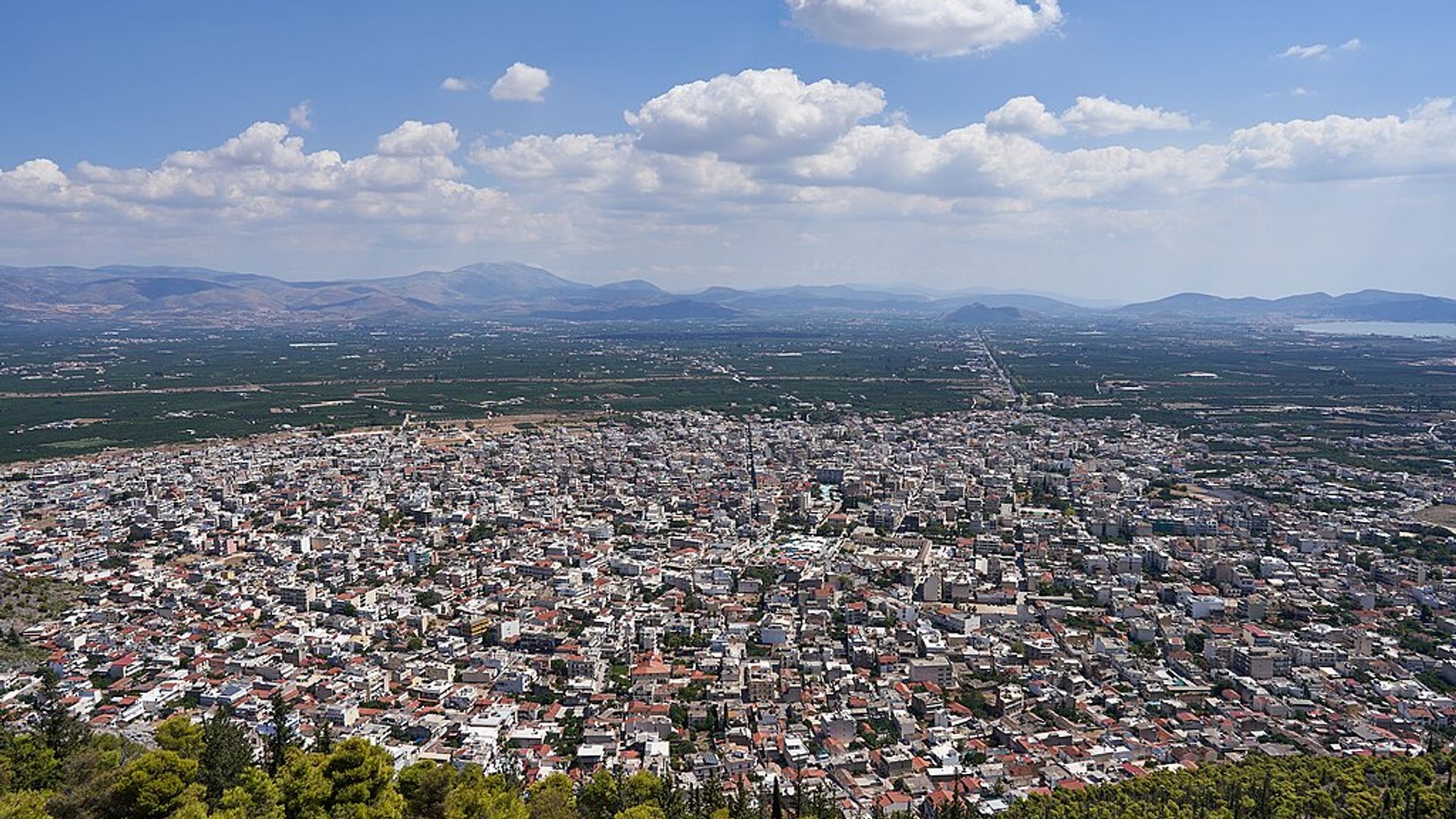
Discover the best hotels in Argos, Greece, from budget-friendly guesthouses to luxury boutique accommodations. This comprehensive guide covers everything you need to know about staying in one of the Peloponnese's most historic cities.
Nestled in the heart of the Argolic Plain, Argos stands as one of Greece's oldest continuously inhabited cities, offering travelers an authentic Peloponnese experience away from the tourist crowds. While many visitors rush through on day trips, staying overnight in Argos unlocks a deeper connection to this ancient land where mythology and history intertwine.
The city's accommodation scene reflects its authentic character—you won't find mega-resorts or international chains here. Instead, Argos offers charming family-run hotels, renovated neoclassical guesthouses, and modern boutique properties that blend comfort with local hospitality, making it an ideal base for exploring the northeastern Peloponnese.
Why Choose Argos as Your Base
Argos occupies a strategic position that ancient Greeks recognized millennia ago, and modern travelers continue to appreciate today. The city sits just 12 kilometers from the picturesque coastal town of Nafplio, 7 kilometers from ancient Mycenae, and within easy reach of Epidaurus, making it perfect for archaeological enthusiasts.
Staying in Argos means experiencing genuine Greek daily life in a working city where locals outnumber tourists year-round. The vibrant Wednesday and Saturday street markets, traditional kafeneia, and family-run tavernas offer cultural immersion that resort towns simply cannot match.
Strategic Location Benefits:
- 12 km from Nafplio's Venetian harbor
- 7 km from the archaeological site of Mycenae
- 25 km from the ancient theater of Epidaurus
- 30 km from beautiful beaches in Tolo
- 120 km from Athens International Airport
- Central access to all major Peloponnese attractions
Quick Facts About Argos Hotels
Essential Information:
- Average hotel prices: €40-€90 per night
- Peak season: June through September
- Best booking period: 2-3 months in advance for summer
- Most hotels: Family-run, 10-25 rooms
- Check-in time: Usually 2:00 PM - 3:00 PM
- Check-out time: Typically 11:00 AM - 12:00 PM
- Parking: Generally available and free
- English spoken: Widely in tourist-oriented hotels
Types of Accommodation in Argos
Budget-Friendly Hotels and Guesthouses
Argos excels in offering clean, comfortable accommodation at prices that won't strain your travel budget. These family-run establishments typically occupy traditional buildings in the city center, placing you within walking distance of archaeological sites, restaurants, and the main square.
Expect simple but well-maintained rooms with air conditioning, private bathrooms, and complimentary Wi-Fi as standard amenities. Many budget hotels include breakfast featuring local products like honey, yogurt, and fresh bread from nearby bakeries.
Budget Hotel Features:
- Nightly rates: €35-€55
- Basic but clean rooms with essential amenities
- Central locations near Agios Petros Square
- Family-run with personal service
- Often include traditional Greek breakfast
- Free parking usually available
- Perfect for budget-conscious archaeological tourists
Mid-Range Boutique Properties
The mid-range category in Argos features renovated neoclassical mansions and purpose-built hotels that balance comfort with character. These properties often showcase traditional architectural elements like stone walls, wooden ceilings, and interior courtyards while providing modern conveniences.
Room sizes tend to be generous compared to island accommodations, and many properties offer family rooms or suites ideal for longer stays. The personal attention from owners who often live on-site creates a welcoming atmosphere that larger hotels cannot replicate.
Mid-Range Amenities:
- Nightly rates: €60-€90
- Renovated traditional buildings or modern constructions
- Larger rooms with comfortable furnishings
- Enhanced breakfast with local specialties
- Swimming pools in some properties
- Helpful staff providing local touring advice
- Walking distance to ancient Argos sites
Luxury and Boutique Options
While Argos doesn't compete with Nafplio's luxury hotel scene, several upscale properties provide refined accommodations for discerning travelers. These boutique hotels occupy carefully restored historical buildings, featuring designer interiors that respect traditional architecture while incorporating contemporary luxury.
Expect premium bedding, rainfall showers, curated breakfast menus, and sometimes small wellness facilities. The intimate size of these properties—rarely exceeding 15 rooms—ensures personalized service and attention to detail.
Best Neighborhoods for Hotels
City Center (Around Agios Petros Square)
The heart of modern Argos centers on Agios Petros Square, where cafes, restaurants, and shops create a lively atmosphere especially during evening volta (promenade). Hotels here place you steps from the archaeological museum, ancient theater, and the best dining options.
The pedestrianized streets surrounding the square make this area particularly pleasant for evening strolls. Parking can be trickier here, though most hotels arrange spots for guests in nearby lots.
City Center Advantages:
- Walking distance to all major sites
- Abundant restaurant and cafe options
- Evening entertainment and nightlife
- Easy access to Wednesday/Saturday markets
- Public transportation hub
- Authentic local atmosphere
Near Ancient Argos Archaeological Sites
Several hotels position themselves near the ancient theater and Roman baths on the city's western edge. This quieter zone offers easier parking while keeping you close to Argos's most impressive archaeological remains.
The slightly elevated position provides pleasant views across the Argolic Plain toward the mountains. You'll need a 10-15 minute walk to reach the main square, but the peaceful evenings compensate for the extra distance.
Outskirts and Rural Settings
A handful of properties occupy converted farmhouses or purpose-built hotels in the countryside surrounding Argos. These rural retreats suit travelers seeking tranquility and those touring by car who don't need walkable access to city amenities.
The countryside locations often include swimming pools, gardens, and sometimes even small vineyards or olive groves. Breakfast frequently features products from the property's own land, creating a genuine farm-to-table experience.
What to Expect from Argos Hotels
Standard Amenities
Most Argos hotels, regardless of category, provide certain baseline amenities that Greek hospitality standards demand. Air conditioning proves essential during summer months when temperatures regularly exceed 35°C, and you'll find it standard even in budget properties.
Wi-Fi coverage throughout properties has become universal, though connection speeds vary. Free parking represents a significant advantage over coastal destinations where parking often incurs charges or proves impossible to find.
Typical Hotel Amenities:
- Air conditioning in all rooms
- Private bathrooms with shower
- Flat-screen televisions
- Mini refrigerators
- Complimentary Wi-Fi
- Daily housekeeping
- Free parking (most properties)
- Breakfast room or dining area
Breakfast Offerings
Greek hotel breakfasts in Argos typically follow the continental style with significant local character. Expect fresh bread from neighborhood bakeries, local honey and preserves, Greek yogurt, feta cheese, tomatoes, cucumbers, olives, and cold cuts.
Many properties also offer cooked items like scrambled eggs, traditional pies (tiropita and spanakopita), and sometimes local specialties. Coffee comes Greek-style or as instant Nescafe, with filter coffee less common outside upscale properties.
Service and Hospitality
The family-run nature of most Argos hotels means you'll often interact directly with owners who possess encyclopedic knowledge of the region. Don't hesitate to ask for restaurant recommendations, directions to archaeological sites, or advice about exploring the ancient theater and agora.
This personal service extends to flexibility with check-in times, luggage storage, and arranging taxis or tours. The genuine warmth of Greek hospitality shines brightest in these smaller establishments where your satisfaction directly impacts the family business.
Nearby Attractions Accessible from Argos
Archaeological Treasures
Argos serves as an exceptional base for archaeological touring throughout the Argolid region. The ancient theater of Argos itself, carved into the Larissa hillside, ranks among Greece's largest and sits just minutes from most hotels.
Mycenae's legendary Lion Gate and royal tombs lie only 7 kilometers away, while the acoustically perfect theater of Epidaurus and its healing sanctuary make an easy morning excursion. These world-class sites draw visitors from across the globe, yet you'll return to peaceful Argos each evening.
Must-Visit Archaeological Sites:
- Ancient Theater of Argos (in town)
- Larissa Castle (hilltop fortress)
- Archaeological Museum of Argos
- Mycenae (7 km)
- Epidaurus Theater and Sanctuary (25 km)
- Tiryns Cyclopean Walls (5 km)
- Ancient Nemea (30 km)
Coastal Escapes
When archaeological explorations leave you craving beach time, the Argolic Gulf coastline beckons just 15-20 minutes away. Tolo offers a long sandy beach with water sports and beachfront tavernas, while Nafplio's Arvanitia provides a more intimate swimming cove beneath Palamidi fortress.
The fishing village of Kiveri, even closer to Argos, offers authentic seaside dining with fewer tourists. Day trips to Porto Heli or Ermioni extend your coastal options while maintaining Argos as your affordable base.
Cultural Experiences
Beyond ancient stones, Argos rewards visitors with living culture. The Wednesday and Saturday street markets transform entire neighborhoods into bustling bazaars where farmers sell produce, vendors hawk clothing and housewares, and the air fills with Greek chatter.
Traditional kafeneia around Agios Petros Square provide windows into daily Greek life, where older men debate politics over Greek coffee and backgammon. Evening volta along pedestrianized streets reveals Greek social customs that haven't changed in generations.
Travel Tips for Booking Argos Hotels
Best Time to Visit and Book
Argos experiences distinct seasons that dramatically affect both hotel availability and pricing. Summer (June-September) brings peak tourism, especially during the Epidaurus Festival when ancient drama performances attract international audiences.
Spring (April-May) and autumn (September-October) offer ideal conditions—pleasant temperatures, blooming landscapes or harvest colors, and significantly lower accommodation costs. Winter sees the fewest tourists but also the most limited hotel operations, as some properties close November through March.
Seasonal Booking Advice:
- Summer (June-September): Book 2-3 months ahead, highest prices
- Spring/Autumn: Book 3-4 weeks ahead, best value and weather
- Winter: Last-minute booking possible, some hotels closed
- Festival periods: Book early for Epidaurus performances
- Greek Easter: Reserve well in advance, prices spike
- August 15 (Assumption Day): Major Greek holiday, book early
Money-Saving Strategies
Argos already offers excellent value compared to Nafplio or island destinations, but savvy travelers can stretch budgets further. Booking directly with hotels often yields better rates than third-party platforms, especially when you mention extended stays or off-season visits.
Many family-run properties offer discounts for stays exceeding three nights, and some include extras like free breakfast upgrades or complimentary wine when you book directly. Don't hesitate to politely inquire about special rates—Greek hospitality often rewards those who ask.
Budget-Stretching Tips:
- Book directly with hotels for potential discounts
- Visit during shoulder seasons (April-May, October)
- Request discounts for stays over 3 nights
- Choose hotels with included breakfast
- Use Argos as base instead of pricier Nafplio
- Avoid August when Greek families vacation
- Ask about weekly rates for extended stays
Transportation Considerations
While Argos functions as a walkable city for daily needs, serious archaeological touring requires a vehicle. Most hotels offer free parking, making car rental practical and stress-free compared to parking nightmares in Nafplio or Athens.
Public buses connect Argos with Nafplio, Athens, and other regional destinations, but schedules don't accommodate flexible archaeological site visiting. Consider booking a guided tour that includes transportation if you're not renting a car.
Dining Near Argos Hotels
Traditional Tavernas
Argos's dining scene remains refreshingly local, with family tavernas serving authentic Greek cuisine at prices that reflect local rather than tourist economics. The area around Agios Petros Square and along Korinthou Street concentrates the best options.
Expect generous portions of grilled meats, fresh salads with local produce, and regional specialties like hilopites (traditional pasta) with rooster or rabbit. Wine comes from nearby Nemea, Greece's premier red wine region, offering exceptional quality-to-price ratios.
Local Dining Highlights:
- Traditional tavernas around Agios Petros Square
- Souvlaki shops on Korinthou Street
- Psarotavernas (fish tavernas) toward Kiveri
- Ouzeries serving meze and local spirits
- Bakeries with traditional pies and sweets
- Cafes for Greek coffee and freddo cappuccino
Cafes and Nightlife
Greek cafe culture thrives in Argos, where locals spend hours over coffee engaged in animated conversation. Modern cafeterias serve everything from traditional Greek coffee to elaborate freddo cappuccinos and specialty beverages.
Nightlife remains low-key compared to tourist destinations, centered on cafe-bars around the main square. Summer brings outdoor seating that stays lively until midnight, while winter shifts socializing indoors to cozy spaces.
Combining Argos with Other Destinations
Nafplio Connection
Many travelers combine Argos with Nafplio, spending nights in affordable Argos while enjoying Nafplio's romantic harbor setting during daytime visits. The 12-kilometer distance makes this strategy practical, especially with a rental car.
Alternatively, split your stay between both cities—perhaps two nights in Argos for archaeological focus, then two nights in Nafplio for coastal ambiance and dining at waterfront restaurants. This approach maximizes both value and experience.
Multi-Day Peloponnese Itineraries
Argos serves excellently as the first or last stop on broader Peloponnese circuits. From here, you might continue south to Sparta and Mystras, west to ancient Olympia, or north to Corinth and the Corinth Canal.
A well-planned week could include three nights in Argos for the Argolid sites, then relocate to Kalamata or Monemvasia for southern Peloponnese exploration. The region's compact size makes such multi-base itineraries highly practical.
Sample Peloponnese Circuit:
- Arrive Athens, drive to Argos (3 nights)
- Explore Mycenae, Epidaurus, Nafplio, Ancient Argos
- Drive to Sparta via Tripoli (2 nights)
- Visit Mystras, Monemvasia day trip
- Continue to Olympia (2 nights)
- Return to Athens via Corinth
Practical Information
Getting to Argos
Athens International Airport lies approximately 120 kilometers from Argos, representing a 90-minute drive via the modern highway. Rental cars offer maximum flexibility for archaeological touring, with major agencies operating at the airport.
Public buses (KTEL) run regularly between Athens and Argos, with some services continuing to Nafplio. The journey takes about 2 hours and costs significantly less than private transfers, though schedules may not align perfectly with flight times.
Transportation Options:
- Rental car: Most flexible, essential for site-hopping
- KTEL bus: Budget-friendly, Athens-Argos direct service
- Private transfer: Convenient but expensive
- Taxi: Possible but costly from Athens
- Train: Limited service, not recommended
- Organized tour: Includes transportation to sites
Local Transportation
Within Argos itself, walking suffices for reaching hotels, restaurants, the archaeological museum, and ancient theater. The compact city center makes most destinations reachable within 10-15 minutes on foot.
For reaching Mycenae, Epidaurus, beaches, or other regional attractions, a vehicle becomes necessary. Local taxis can arrange day trips, though costs add up quickly compared to rental cars or organized tours that handle all logistics.
Language and Communication
English proficiency varies in Argos hotels, with tourist-oriented properties generally offering good English communication. Family-run budget hotels may have limited English, though Greek hospitality transcends language barriers through warmth and helpful gestures.
Learning basic Greek phrases like "kalimera" (good morning), "efharisto" (thank you), and "parakalo" (please/you're welcome) earns appreciative smiles and often better service. Most Greeks, especially younger generations, understand more English than they feel confident speaking.
Money Matters
Argos operates primarily on cash, particularly in smaller establishments, traditional tavernas, and local markets. ATMs cluster around Agios Petros Square and along main commercial streets, dispensing euros without difficulty.
Most hotels accept credit cards, though some smaller guesthouses prefer cash payment. Always confirm payment methods when booking, and carry sufficient cash for daily expenses like coffee, snacks, and small purchases at markets.
Beyond Argos: Day Trip Possibilities
Ancient Sites Circuit
Using Argos as your base enables a comprehensive ancient sites circuit without changing hotels. Mycenae's Bronze Age citadel, Epidaurus's healing sanctuary and theater, and Nemea's Temple of Zeus all lie within 30 kilometers.
Tiryns, with its massive Cyclopean walls that Homer called "mighty-walled," sits just 5 kilometers away. The archaeological museum in Argos itself houses treasures from regional excavations, providing context for the sites you'll visit.
Wine Country Exploration
The Nemea wine region, Greece's premier red wine appellation, lies just 30 kilometers west of Argos. Dozens of wineries welcome visitors for tastings of the indigenous Agiorgitiko grape, which produces wines ranging from light rosés to full-bodied reds.
Many wineries require reservations, but the experience of tasting wine amid ancient vineyards where grapes have grown since antiquity adds special meaning. Some Argos hotels can arrange winery visits or recommend English-speaking establishments.
Mountain Villages and Nature
The Arcadian mountains rising west of Argos harbor traditional villages where time seems suspended. Stemnitsa, Dimitsana, and Vytina offer stone architecture, mountain air, and glimpses of rural Greek life unchanged for generations.
These mountain escapes provide refreshing contrast to archaeological sites and coastal excursions. The cooler temperatures at elevation offer welcome relief during summer heat, while autumn brings spectacular foliage and winter sometimes brings snow.
Special Considerations for Different Travelers
Families with Children
Argos hotels generally welcome families warmly, with many offering family rooms or connecting accommodations. The relaxed pace of this working city provides authentic cultural exposure without the overwhelming crowds of major tourist destinations.
Children often find ancient sites more engaging when staying in the region rather than rushing through on day trips. The proximity to beaches in Tolo provides balance when young travelers tire of archaeological ruins.
Family-Friendly Features:
- Family rooms available in most hotels
- Safe, walkable city center
- Nearby beaches for variety
- Affordable dining with kid-friendly options
- Less crowded than major tourist destinations
- Educational value of archaeological sites
- Swimming pools at some properties
Solo Travelers
Solo travelers find Argos safe and welcoming, with the family atmosphere of local hotels creating opportunities for conversation and local insights. The city's authentic character means you'll encounter more Greeks than tourists, facilitating cultural exchange.
Single room availability varies by property, with some hotels offering genuine singles while others provide doubles at slightly reduced rates. The budget-friendly nature of Argos accommodations makes solo travel economically viable.
Accessibility Concerns
Argos's ancient streets and historical buildings present accessibility challenges for travelers with mobility limitations. Many hotels occupy traditional structures with stairs and no elevators, though some modern properties offer ground-floor rooms.
When booking, clearly communicate accessibility needs and request specific room features. Archaeological sites themselves vary in accessibility, with Epidaurus offering better wheelchair access than Mycenae's steep hillside citadel.
Environmental and Cultural Responsibility
Sustainable Tourism Practices
Staying in Argos rather than over-touristed destinations inherently supports more sustainable tourism by distributing visitor impact across the region. Your accommodation spending directly benefits local families rather than international hotel chains.
Respect local customs by dressing modestly when visiting churches, keeping noise levels reasonable in residential areas, and supporting local businesses. The Wednesday and Saturday markets offer opportunities to buy directly from regional farmers and artisans.
Responsible Travel Tips:
- Choose family-run hotels over chains
- Shop at local markets for souvenirs and food
- Dine at traditional tavernas
- Respect siesta hours (2-5 PM)
- Dress modestly in churches and monasteries
- Learn basic Greek phrases
- Support local guides and tour operators
- Minimize plastic use and recycle when possible
Cultural Sensitivity
Argos remains a living Greek city where tourism supplements rather than dominates the economy. Residents appreciate visitors who show genuine interest in local culture beyond superficial tourist experiences.
Engage respectfully with locals, ask permission before photographing people, and remember that churches function as active houses of worship, not merely tourist attractions. Your respectful behavior reflects on all visitors and helps maintain the warm welcome Argos extends to travelers.
Making the Most of Your Argos Stay
Daily Rhythms
Adopting Greek daily rhythms enhances your Argos experience immeasurably. Start early to visit archaeological sites before heat and crowds build, typically arriving when gates open around 8:00 AM.
Return to your hotel during afternoon heat (2-5 PM) for rest or a swim if your property has a pool. Emerge refreshed for evening volta, joining locals in their promenade around Agios Petros Square before late dinner around 9-10 PM.
Insider Experiences
Ask your hotel owners about current local events—festivals, religious celebrations, or cultural happenings that tourists rarely discover. These authentic experiences create the most memorable travel moments.
The Wednesday and Saturday markets deserve early morning visits when selection peaks and the atmosphere buzzes with energy. Arrive by 8:00 AM to see the market in full swing before the midday heat.
Photography Opportunities
Argos offers photography beyond typical tourist snapshots. The ancient theater against Larissa hill provides dramatic compositions, especially during golden hour before sunset.
The street markets create vibrant scenes of Greek daily life, though always ask permission before photographing vendors or shoppers. The view from Larissa Castle across the Argolic Plain toward the sea rewards the climb with panoramic vistas.
Frequently Asked Questions
Is Argos a good base for exploring the Peloponnese?
Argos serves as an excellent base for exploring the northeastern Peloponnese, particularly for archaeological tourism. The city's central location places Mycenae, Epidaurus, Nafplio, and Tiryns within easy reach, while offering authentic Greek atmosphere and significantly lower accommodation costs than tourist-focused Nafplio. However, you'll need a rental car or organized tours to maximize the convenience, as public transportation limits flexible site visiting.
How do Argos hotel prices compare to Nafplio?
Argos hotels typically cost 30-50% less than comparable Nafplio accommodations, with budget options starting around €35-40 versus €60-80 in Nafplio. The trade-off involves less picturesque surroundings and fewer upscale dining options, but the savings prove substantial for budget-conscious travelers. Many visitors use Argos as a sleeping base while spending days exploring Nafplio and archaeological sites, maximizing value without sacrificing access to the region's highlights.
Do I need a car when staying in Argos?
A rental car dramatically enhances your Argos experience, providing freedom to visit Mycenae, Epidaurus, beaches, and other regional attractions on your own schedule. While public buses connect Argos with Athens and Nafplio, they don't serve most archaeological sites conveniently. Alternatively, organized tours from Nafplio or Argos offer transportation to major sites without driving responsibilities, though with less flexibility than having your own vehicle.
What's the best time of year to visit Argos?
Spring (April-May) and autumn (September-October) offer ideal Argos visits, combining pleasant temperatures, fewer crowds, and lower hotel rates. Summer (June-August) brings intense heat that makes midday archaeological exploration uncomfortable, though the Epidaurus Festival provides unique cultural experiences. Winter sees the fewest tourists and lowest prices but also limited hotel operations and occasional rain, though temperatures remain mild compared to northern Europe.
Are Argos hotels family-friendly?
Most Argos hotels warmly welcome families, offering family rooms or connecting accommodations at reasonable rates. The city's safe, walkable center and proximity to both archaeological sites and beaches create balanced family itineraries. Hotel breakfasts typically include child-friendly options, and local tavernas serve simple grilled meats and pasta that appeal to young palates. The relaxed, authentic atmosphere provides cultural education without the overwhelming crowds of major tourist destinations.
Can I walk to archaeological sites from Argos hotels?
The ancient theater and Roman baths of Argos lie within walking distance (10-20 minutes) from most city center hotels, as does Larissa Castle for those willing to climb. However, Mycenae (7 km), Epidaurus (25 km), Tiryns (5 km), and other major regional sites require transportation. This makes Argos ideal for travelers with cars or those planning to join organized tours that include site transportation.
What amenities should I expect in Argos hotels?
Most Argos hotels, regardless of price category, provide air conditioning, private bathrooms, Wi-Fi, and complimentary parking—essentials for comfortable stays. Mid-range and upscale properties add swimming pools, upgraded breakfast spreads, and sometimes small wellness facilities. Family-run establishments offer personalized service and local knowledge that compensates for fewer formal amenities, creating warm, welcoming atmospheres that larger hotels cannot replicate.
How far is Argos from the beach?
Argos sits inland approximately 12-15 kilometers from the nearest beaches at Kiveri and Tolo on the Argolic Gulf. The drive takes 15-20 minutes, making beach visits practical for afternoon swimming after morning archaeological explorations. Tolo offers the longest sandy beach with water sports and beachfront tavernas, while Nafplio's Arvanitia provides a more intimate cove setting beneath Palamidi fortress, about 20 minutes from Argos.
Conclusion: Your Argos Adventure Awaits
Choosing Argos as your Peloponnese base offers rewards beyond simple budget savings, though the financial advantages certainly enhance the appeal. This ancient city provides authentic Greek experiences, strategic access to world-class archaeological sites, and the kind of genuine hospitality that transforms good trips into unforgettable journeys.
The family-run hotels scattered throughout Argos may lack the polished luxury of international chains, but they compensate with personal warmth, local knowledge, and connections to Greek culture that no resort can manufacture. Your hosts become your guides, your breakfast conversations turn into friendship, and your stay evolves into something more meaningful than mere accommodation.
Whether you're an archaeology enthusiast planning to explore every Bronze Age citadel, a budget traveler maximizing value, or simply someone seeking authentic Greece away from tourist crowds, Argos welcomes you with open arms and comfortable beds. Book your stay, pack your curiosity along with your camera, and prepare to discover why this ancient city continues to captivate travelers just as it has for over 7,000 years of continuous habitation.