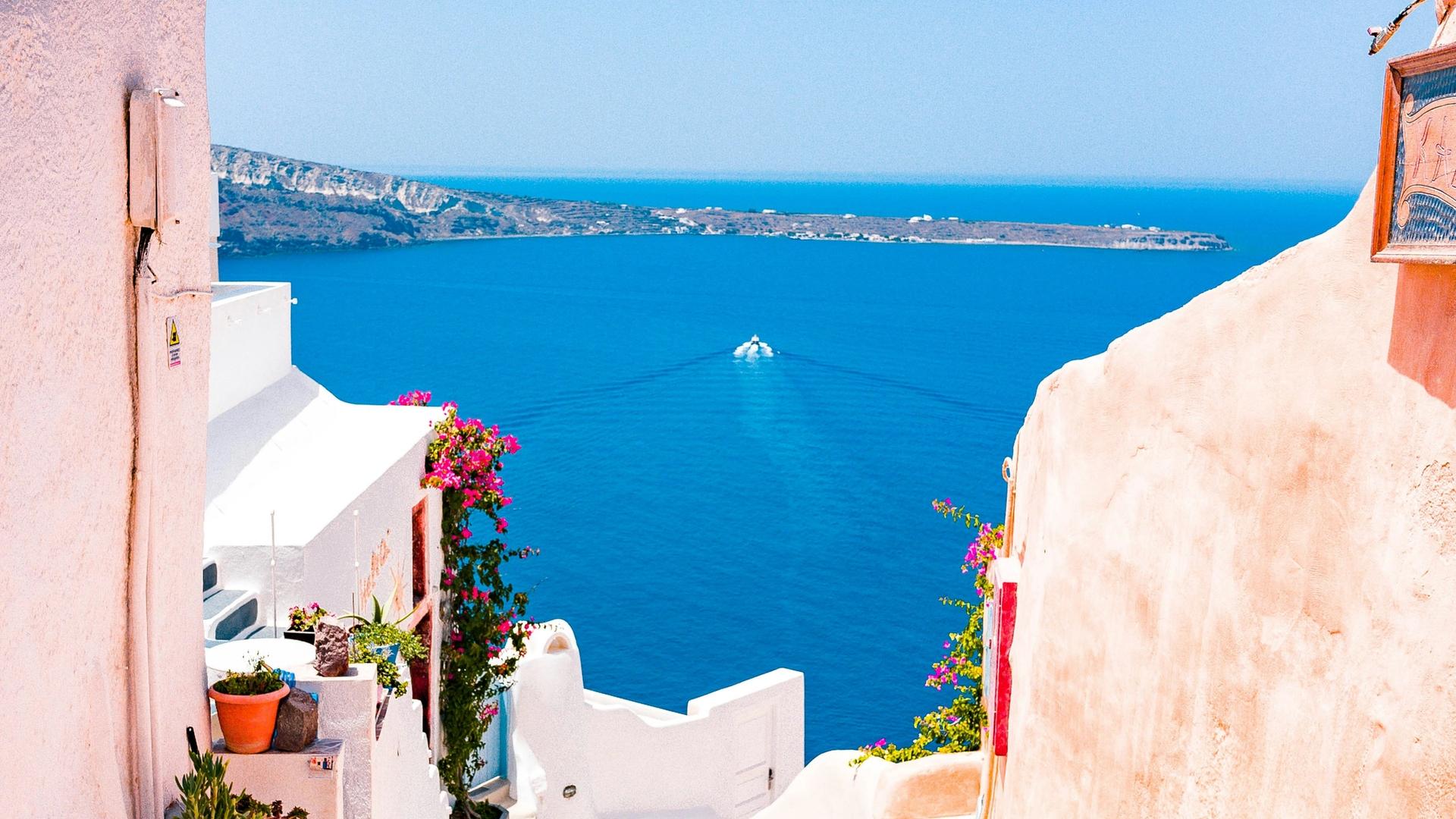
Planning your Greek adventure but unsure about timing? Discover the ideal duration for your Greece trip, from quick weekend escapes to month-long odysseys, with expert tips on maximizing every moment in this Mediterranean paradise.
Standing at the crossroads of ancient history and modern Mediterranean charm, Greece beckons travelers with promises of sun-drenched islands, archaeological wonders, and culinary delights that linger long after the journey ends. The question isn't whether you should visit Greece—it's how much time you need to truly experience its magic.
The answer depends on what calls to you most: the marble columns of Athens, the whitewashed villages cascading down volcanic cliffs, or the hidden gems of the Peloponnese where authentic Greek life unfolds away from tourist crowds. Your ideal Greece itinerary balances ambition with relaxation, ensuring you don't rush past the moments that make travel transformative.
Quick Facts: Planning Your Greece Trip Duration
Essential Planning Numbers:
- Minimum recommended stay: 5-7 days for first-time visitors
- Ideal duration for Greece highlights: 10-14 days
- Perfect length for in-depth exploration: 3-4 weeks
- Average flight time from US East Coast: 10-12 hours
- Optimal seasons: April-June and September-October
- Time zone: Eastern European Time (EET), UTC+2
The Weekend Warrior: 3-4 Days in Greece
A long weekend in Greece might sound impossibly brief, but strategic planning transforms even short trips into memorable experiences. Focus on one destination rather than attempting the impossible feat of island-hopping in 72 hours.
Best 3-4 Day Itineraries:
- Athens intensive: Acropolis, Ancient Agora, Plaka, and National Archaeological Museum
- Santorini romance: Oia sunsets, wine tours, and beach relaxation
- Nafplio escape: Venetian fortress, charming old town, and day trips to Mycenae
- Crete sampler: Heraklion, Knossos Palace, and nearby beaches
This duration works perfectly for travelers with limited vacation time or those testing the waters before committing to longer Greek adventures. You'll experience the essence of one region without the exhaustion of constant movement.
The Classic Week: 7 Days to Capture Greece's Heart
A full week opens possibilities that weekend trips simply cannot accommodate. You'll have time to adjust to the Mediterranean rhythm, where meals last hours and afternoons invite leisurely exploration.
Recommended 7-Day Combinations:
- Athens (3 days) + Santorini (4 days)
- Athens (2 days) + Mykonos (2 days) + Naxos (3 days)
- Athens (2 days) + Peloponnese circuit (5 days)
- Crete west to east: Chania, Rethymno, Heraklion (7 days)
- Northern Greece: Thessaloniki, Meteora, Zagori villages (7 days)
The week-long format allows you to experience Greece's diversity without feeling rushed through bucket-list sites. You'll have time for spontaneous discoveries—the family taverna down an unmarked alley, the beach locals recommended, the sunset that demanded you pause everything.
Most visitors find seven days sufficient for their first Greek adventure, especially when focusing on popular highlights. The key lies in resisting the temptation to overpack your itinerary with too many destinations.
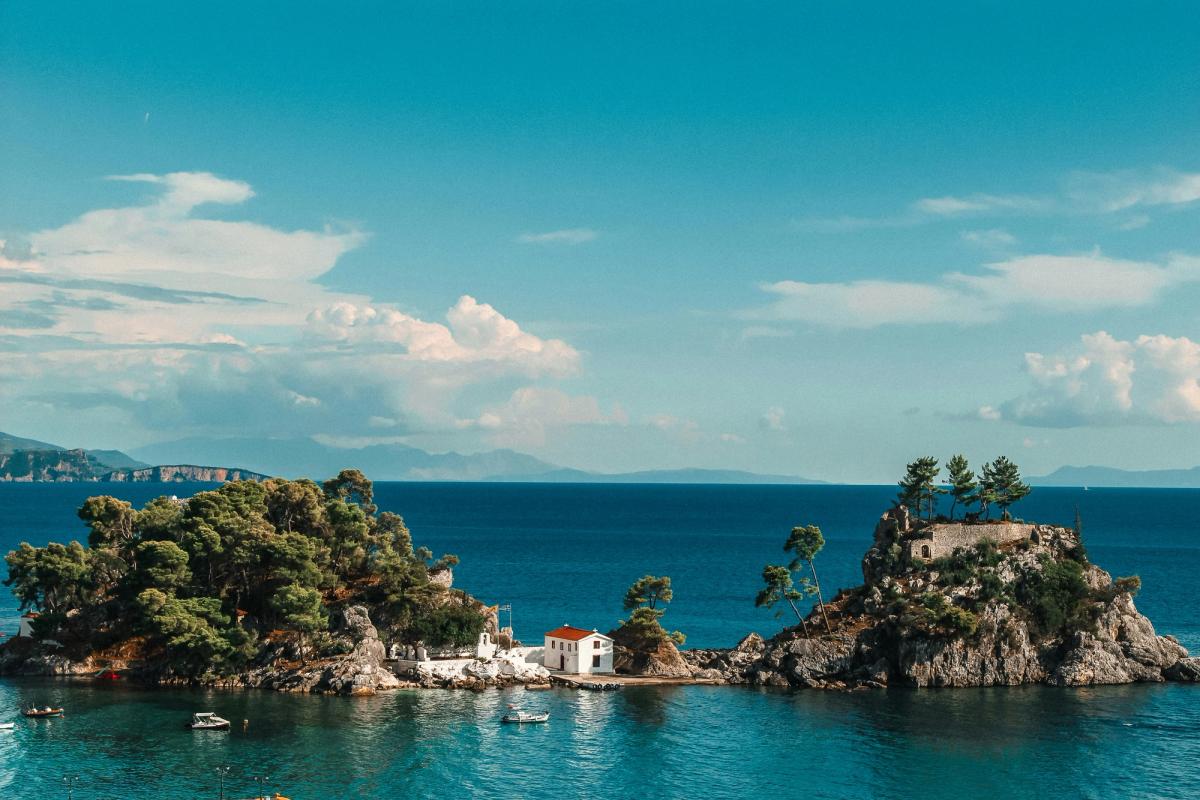
The Sweet Spot: 10-14 Days for Comprehensive Exploration
Two weeks in Greece represents the sweet spot where quantity meets quality. You'll visit multiple regions without sacrificing the slow travel moments that create lasting memories.
Ideal Two-Week Itinerary Options:
- Classic Greece: Athens (3 days) + Delphi day trip + Santorini (4 days) + Naxos (3 days) + return to Athens (1 day)
- Mainland focus: Athens (2 days) + Nafplio and Peloponnese (5 days) + Meteora (2 days) + Thessaloniki (2 days) + Athens (1 day)
- Island hopper: Athens (2 days) + Mykonos (3 days) + Paros (3 days) + Santorini (4 days) + Athens (1 day)
- Crete deep dive: Heraklion (3 days) + Rethymno (3 days) + Chania (4 days) + Elafonisi and Balos beaches (2 days) + Athens (2 days)
This duration accommodates the reality of Greek travel: ferries that don't always align perfectly with your schedule, archaeological sites that deserve more than hurried visits, and those unplanned afternoons when you discover a café too perfect to leave. You'll explore fascinating historical sites with time to absorb their significance.
Why Two Weeks Works:
- Multiple islands without constant packing and unpacking
- Time for both famous sites and hidden discoveries
- Flexibility to adjust plans based on weather or recommendations
- Opportunity to experience both tourist highlights and local life
- Sufficient relaxation to avoid vacation burnout
The Extended Odyssey: 3-4 Weeks to Know Greece Deeply
A month in Greece transforms tourists into temporary residents. You'll shop at neighborhood markets, develop relationships with shopkeepers, and understand regional differences that shorter visits merely glimpse.
Three-Week Grand Tour:
- Week 1: Athens and Peloponnese (Nafplio, Mycenae, Epidaurus, Olympia, Sparta and Mystras)
- Week 2: Cyclades islands (Mykonos, Paros, Naxos, Santorini, and smaller islands)
- Week 3: Crete comprehensive exploration or Northern Greece (Meteora, Thessaloniki, Halkidiki)
This extended timeframe allows you to venture beyond the tourist trail. You'll discover lesser-known destinations like Gytheio, spend time at spiritual retreats like Euphoria, and understand why Greek architecture varies so dramatically from region to region.
Extended Stay Advantages:
- Rent apartments for better value and authentic living experiences
- Take cooking classes and learn traditional recipes properly
- Visit during cultural events like the Epidaurus Festival
- Explore multiple island chains (Cyclades, Dodecanese, Ionian)
- Include slower-paced destinations that reward extended stays
- Build connections with locals and fellow long-term travelers
Seasonal Considerations: When Your Visit Matters
The question of how long to stay in Greece intertwines with when you visit. Summer's long days permit packed itineraries, while winter's shorter hours demand adjusted expectations.
Spring (April-June) Advantages:
- Wildflowers transform landscapes into natural gardens
- Comfortable temperatures for archaeological site exploration
- Fewer crowds at major attractions
- Lower accommodation prices than peak summer
- Perfect weather in October extending into early November
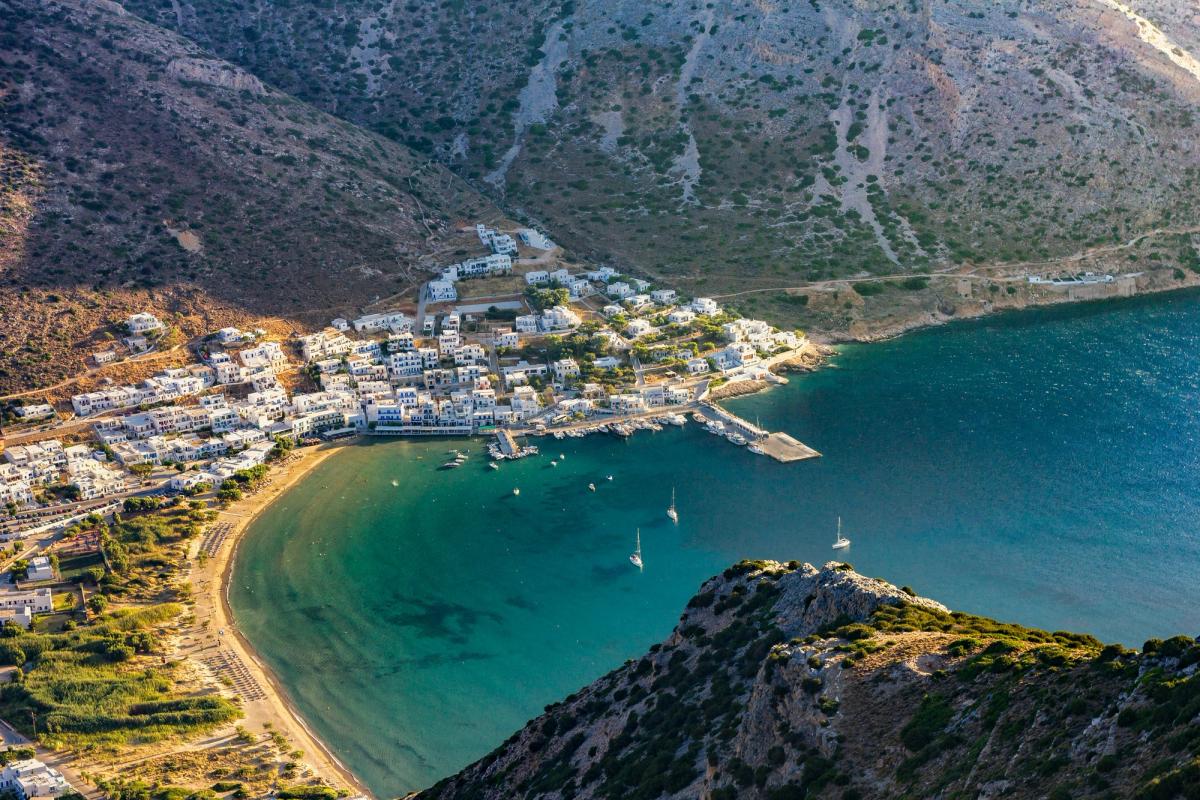
Summer (July-August) Realities:
- Peak crowds require advance bookings for everything
- Intense heat may slow your touring pace
- Island ferries run most frequently
- Beach time becomes essential, not optional
- Prices reach annual highs across accommodations and tours
Fall (September-October) Benefits:
- Sea temperatures remain warm for swimming
- Harvest season brings food festivals and wine tastings
- Shoulder season pricing returns
- Locals have more time for genuine interactions
- Autumn light creates photographer's paradise conditions
Winter (November-March) Considerations:
- Many island hotels and restaurants close
- Ferry schedules reduce dramatically
- Mainland destinations like Athens shine without crowds
- Monasteries in Greece offer peaceful winter retreats
- Skiing becomes possible in northern mountains
Your seasonal choice might add or subtract days from ideal itineraries. Summer's ferry frequency enables ambitious island-hopping, while winter travelers should extend mainland stays and skip islands with limited winter infrastructure.
Regional Deep Dives: How Long for Each Area
Greece's regions each deserve different time allocations based on their size, attractions, and transportation logistics.
Athens and Attica:
- Minimum: 2 days for Acropolis and major museums
- Recommended: 3-4 days including day trips to Cape Sounion or Delphi
- Extended: 5-6 days exploring neighborhoods and nearby islands
Peloponnese:
- Quick circuit: 4-5 days hitting Nafplio, Mycenae, Epidaurus, Olympia
- Comprehensive tour: 7-10 days adding Sparta, Monemvasia, Mani Peninsula
- In-depth exploration: 2 weeks including hidden castles like Geraki and coastal villages
Cyclades Islands:
- Single island focus: 4-5 days per island
- Multi-island sampling: 2-3 days per island (minimum 3 islands)
- Comprehensive exploration: 2-3 weeks covering major and minor islands
Crete:
- Western Crete only: 5-7 days
- East-west traverse: 10-14 days
- Complete Crete with hiking and villages: 3 weeks
Northern Greece:
- Meteora focused: 2-3 days
- Thessaloniki and surroundings: 4-5 days
- Complete northern circuit: 10-14 days including Zagori, Mount Olympus, Halkidiki
Travel Tips: Maximizing Your Greece Time
Strategic planning multiplies the value of every day in Greece. Small decisions about transportation, accommodation location, and daily rhythms dramatically impact how much you experience.
Transportation Time-Savers:
- Book domestic flights between distant regions instead of long bus rides
- Choose accommodations near ferry ports when island-hopping
- Rent cars for mainland exploration to control your schedule
- Use overnight ferries to combine transportation with accommodation
- Download ferry apps for real-time schedule updates
Accommodation Strategy:
- Stay in central locations to minimize daily transit time
- Book hotels with breakfast included to start days efficiently
- Choose one base for multiple day trips rather than constant hotel changes
- Consider apartment rentals for stays exceeding 4 days
- Research neighborhood character to match your travel style
Daily Rhythm Optimization:
- Start early to visit archaeological sites before crowds and heat
- Embrace afternoon siestas instead of fighting Greek business hours
- Plan indoor activities (museums, shopping) during hottest hours
- Reserve evenings for dining and strolling when cities come alive
- Build rest days into extended itineraries to avoid burnout
Cultural Integration Tips:
- Learn basic Greek phrases to enhance interactions
- Understand why Greece uses blue and white in architecture
- Sample traditional Greek alcohol responsibly
- Respect dress codes at religious sites and monasteries
- Adapt to later dining hours (9-10 PM is normal)
Budget Considerations: How Duration Affects Costs
Your trip length directly impacts total costs, but longer stays often reduce daily expenses through better accommodation rates and slower travel pace.
Cost Breakdown by Duration:
3-4 Days:
- Flights: $600-1200
- Accommodation: $300-600
- Food and activities: $300-500
- Total: $1200-2300
7 Days:
- Flights: $600-1200
- Accommodation: $500-1200
- Transportation: $200-400
- Food and activities: $600-1000
- Total: $1900-3800
14 Days:
- Flights: $600-1200
- Accommodation: $900-2000
- Transportation: $400-700
- Food and activities: $1200-2000
- Total: $3100-5900
Money-Saving Strategies:
- Visit during shoulder seasons for 30-50% accommodation savings
- Book weekly apartment rentals instead of hotels
- Eat at tavernas frequented by locals rather than tourist areas
- Purchase island ferry tickets in advance for better rates
- Combine free activities (beaches, hiking, town exploration) with paid attractions
First-Time Visitors: The Recommended Approach
If this is your inaugural Greek adventure, certain itinerary principles maximize satisfaction while minimizing common mistakes.
First-Timer Guidelines:
- Choose quality over quantity: Better to know 2-3 places well than rush through 6
- Include at least one island for the quintessential Greek experience
- Base yourself in charming towns like Nafplio rather than only major cities
- Allow flexibility for spontaneous discoveries
- Don't skip Athens—it provides essential historical context
Recommended First-Time Itinerary (10 Days):
- Athens arrival and acclimatization (2 days)
- Day trip to Epidaurus ancient theater and Nafplio
- Ferry to Santorini (4 days)
- Ferry to Naxos (2 days)
- Return to Athens for departure (1 day)
This balanced approach combines mainland history with island beauty, includes famous highlights while avoiding excessive movement, and provides the variety that makes Greece unforgettable.
Repeat Visitors: Going Deeper
Returning to Greece offers opportunities to explore beyond first-visit highlights. Your second or third trip should venture into regions that reward slower exploration and cultural immersion.
Beyond-the-Basics Destinations:
- Peloponnese hidden gems: Monemvasia, Mani villages, Ancient Messini
- Lesser-known islands: Folegandros, Sifnos, Milos, Ikaria, Symi
- Northern Greece: Zagori stone villages, Prespa Lakes, Kastoria
- Central Greece: Pelion Peninsula, Meteora extended stays
- Eastern Aegean: Lesvos, Chios, Samos
Repeat visitors should allocate more time per destination, focusing on experiences rather than sightseeing checklists. Consider renting a house for a week in one location, taking cooking classes, or volunteering at olive harvests.
Family Travel: Adjusting Duration for Children
Traveling with children requires modified itineraries that balance educational experiences with activities kids genuinely enjoy.
Family-Friendly Duration Guidelines:
- Preschool age: 7-10 days maximum to avoid exhaustion
- Elementary age: 10-14 days with beach time built in
- Teenagers: 2-3 weeks possible with their input on activities
Kid-Appropriate Adjustments:
- Limit archaeological sites to 1-2 per day
- Choose accommodations with pools
- Include beaches between cultural activities
- Select islands with calm swimming beaches
- Book family rooms or apartments for space and flexibility
- Plan rest days without scheduled activities
Family-Friendly Itinerary (10 Days):
- Athens (2 days) focusing on Acropolis and interactive museums
- Nafplio (3 days) with beach time and fortress exploration
- Naxos (5 days) for beach relaxation and village exploration
This pace prevents the meltdowns that come from dragging tired children through endless ruins while still exposing them to Greek history and culture.
Solo Travelers: Flexibility and Connection
Solo travelers enjoy unmatched flexibility in Greece, where you can adjust plans daily based on weather, recommendations, or simply how you feel.
Solo Travel Duration Advantages:
- Extend stays in places you love without compromise
- Shorten visits to destinations that don't resonate
- Join group tours for social connection
- Accept spontaneous invitations from fellow travelers
- Travel at your own pace without negotiation
Recommended Solo Itinerary (14 Days):
- Athens (3 days) staying in social hostel or guesthouse
- Peloponnese road trip (5 days) with rental car
- Island-hopping (6 days) choosing smaller islands with backpacker scenes
Solo travelers often find that longer trips provide better value and deeper experiences. The flexibility to follow recommendations and change plans becomes a significant advantage when you're not coordinating with travel partners.
Combining Greece with Other Destinations
Many travelers combine Greece with nearby countries, which affects how much time to allocate to Greek portions of multi-country trips.
Popular Combinations:
- Greece and Italy: 7 days each minimum
- Greece and Turkey: 10 days each recommended
- Greece and Croatia: 7-10 days each
- Greece and Egypt: 7-10 days each
- Balkans tour including Greece: 3-4 weeks total
When combining destinations, resist the temptation to shortchange Greece. The country's geographic spread and transportation realities mean you need substantial time to experience it properly, even when it's part of a larger journey.
Making the Final Decision: Your Perfect Duration
Ultimately, how long you should stay in Greece depends on your personal travel style, budget, available vacation time, and what aspects of Greek culture call to you most.
Decision Framework:
- Identify your must-see destinations and must-do experiences
- Research realistic transportation times between them
- Add buffer days for weather delays and spontaneous discoveries
- Calculate total costs against your budget
- Compare against available vacation time
- Choose quality over quantity if compromises are necessary
Minimum Recommendations by Goal:
- Ancient history focus: 7-10 days
- Beach and relaxation: 7-14 days
- Island-hopping adventure: 10-14 days
- Cultural immersion: 14-21 days
- Comprehensive exploration: 3-4 weeks
Remember that no trip to Greece will ever feel long enough. The country reveals itself in layers, with each visit uncovering new dimensions. Whether you have a weekend or a month, strategic planning ensures you'll experience the magic that has drawn travelers to Greece for millennia.
Frequently Asked Questions
How many days in Greece is enough for first-time visitors?
First-time visitors should plan for 10-14 days to experience Greece's essential highlights without feeling rushed. This duration allows you to explore Athens' ancient sites, visit 2-3 islands to experience different characters, and include day trips to important archaeological sites like Mycenae and Epidaurus. You'll have time to adjust to the Greek rhythm of life, enjoy leisurely meals, and build in flexibility for spontaneous discoveries that often become trip highlights.
Can you see Greece in 5 days?
You can experience a taste of Greece in 5 days by focusing on one region intensively. The most popular 5-day option concentrates on Athens (2-3 days) with a day trip to Delphi or the Peloponnese, though some travelers choose to spend all 5 days exploring a single island like Santorini or Crete. While you won't see Greece's full diversity in less than a week, a well-planned 5-day trip provides enough time to fall in love with the country and start planning your return visit.
Is 2 weeks in Greece too long?
Two weeks in Greece is not too long—it's actually the sweet spot that most experienced travelers recommend. This duration allows you to visit multiple regions without constant rushing, experience both famous attractions and hidden gems, and truly relax into the Mediterranean pace of life. You'll have time for Athens, several islands, and potentially the Peloponnese or northern Greece, with enough flexibility to adjust plans based on weather, recommendations, or simply places you want to explore more deeply.
What's the best way to split time between Athens and the islands?
The ideal split depends on your total trip length, but a good rule of thumb is 2-3 days in Athens bookending your trip, with the middle portion dedicated to islands. For a 10-day trip, consider Athens (2 days), islands (7 days), Athens (1 day). For 14 days, try Athens (3 days), islands (10 days), Athens (1 day). This structure allows you to visit museums when you're fresh, understand historical context before seeing ancient sites elsewhere, and have a final Athens day for last-minute shopping and any attractions you missed initially.
How long should I stay on each Greek island?
Plan for a minimum of 3 full days per island to avoid feeling like you're constantly packing and unpacking. Larger islands like Crete, Rhodes, or Corfu deserve 5-7 days, while smaller islands like Santorini, Mykonos, or Naxos are perfect for 3-5 days. If you're island-hopping, limit yourself to 3-4 islands maximum in a two-week trip. Remember that travel days between islands often consume half a day or more when accounting for ferry schedules, so factor this into your planning.
Does the time of year affect how long I should stay in Greece?
Yes, seasonal factors significantly impact ideal trip duration. Summer's long daylight hours and frequent ferry schedules enable ambitious itineraries, while winter's shorter days and reduced transportation options mean you should extend stays in each location. Spring and fall offer the best balance of good weather, manageable crowds, and full transportation schedules. If visiting in winter, add 2-3 extra days to your itinerary compared to summer plans, and focus on mainland destinations where infrastructure operates year-round.
Is it better to stay longer in fewer places or shorter in more places?
Greece rewards the "longer in fewer places" approach, especially for first-time visitors. Staying 4-5 days in two islands creates more meaningful experiences than rushing through four islands in 2 days each. You'll spend less time on ferries, reduce accommodation costs through longer stays, discover restaurants and beaches beyond guidebook recommendations, and actually relax rather than constantly consulting logistics. The Greek experience is as much about rhythm and lifestyle as checking off sights—something you can only appreciate when you slow down.
How much time should I budget for travel between Greek destinations?
Budget more time than you initially think for inter-destination travel in Greece. Athens to popular islands requires 4-8 hours by ferry or 45 minutes by flight plus airport time. Island-to-island ferries range from 45 minutes to 5+ hours depending on routes. Mainland drives take longer than maps suggest due to mountain roads. Add at least half a day of buffer time around each travel day for delays, and consider that you'll likely arrive too late or leave too early to count travel days as full activity days. This reality is why experienced travelers recommend fewer destinations with longer stays.
Start Planning Your Perfect Greek Adventure
Greece rewards every moment you can give it, whether that's a long weekend or a month-long odyssey. The key to a perfect trip isn't cramming in every famous site—it's finding the balance between exploration and immersion that matches your travel style.
Ready to experience Greece with expert guidance? Discover our carefully crafted tours that maximize your time while revealing the authentic Greece beyond tourist crowds. Your Greek adventure awaits, and the only question is: when will you begin?