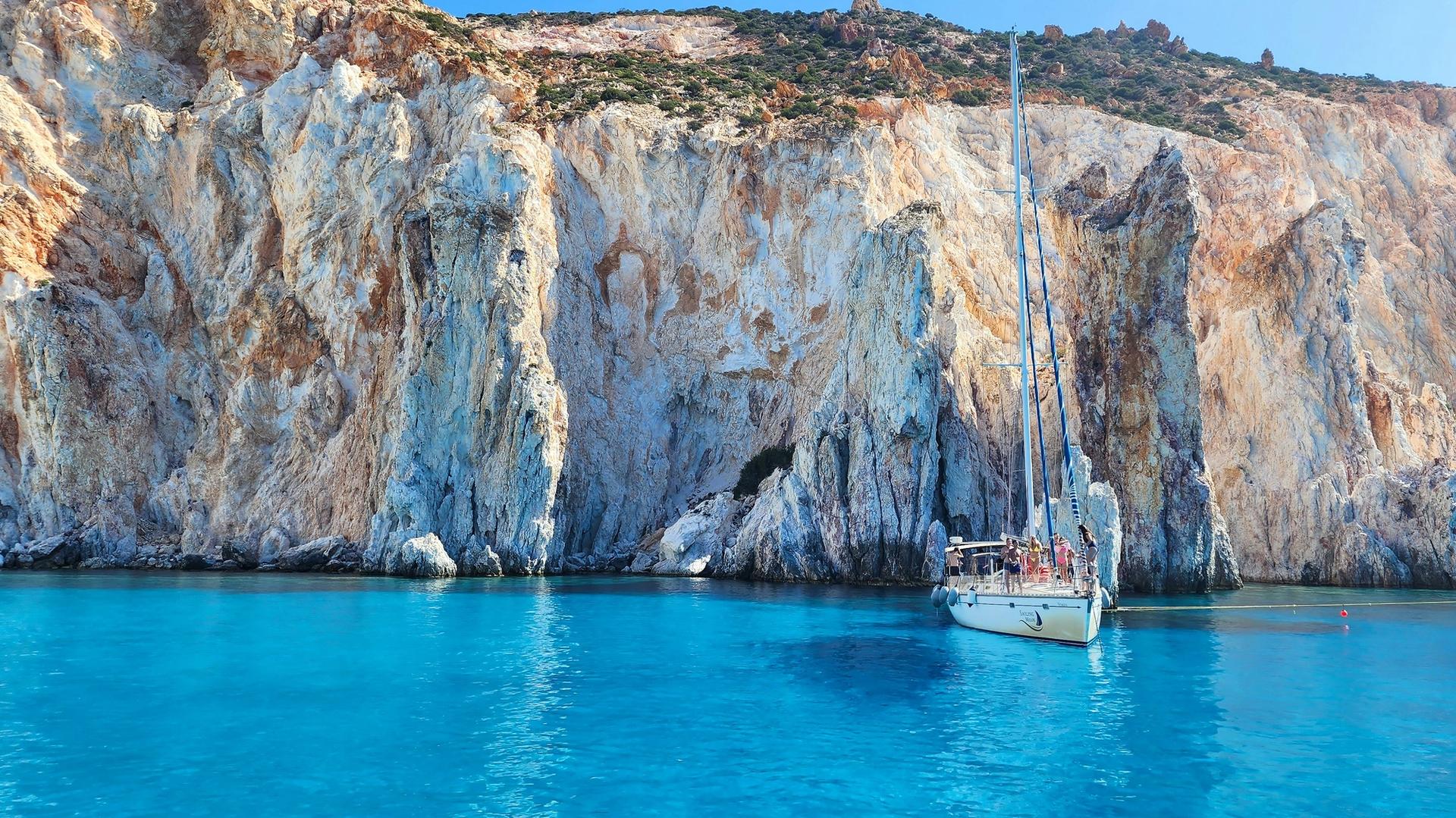
Planning a Greek vacation requires careful consideration of timing, destinations, and logistics. This comprehensive guide walks you through every step of creating your perfect Hellenic adventure, from choosing the best season to visit to booking authentic experiences that showcase Greece's rich culture and stunning landscapes.
Planning Your Dream Greek Vacation
Greece beckons travelers with its azure waters, ancient ruins, and warm hospitality that has captivated visitors for millennia. Whether you're dreaming of island hopping through the Cyclades or exploring the historic treasures of the Peloponnese, proper planning transforms a good trip into an unforgettable adventure.
The key to a successful Greek vacation lies in understanding the country's diverse regions, seasonal variations, and cultural nuances. With thousands of islands and countless archaeological sites spread across the mainland, creating an itinerary that balances relaxation with exploration requires thoughtful consideration.
When to Visit Greece: Choosing Your Perfect Season
Timing your Greek vacation significantly impacts your experience, from weather conditions to crowd levels and pricing. Each season offers distinct advantages depending on your travel priorities and preferred activities.
Spring (April-May) Benefits:
- Mild temperatures perfect for archaeological site exploration
- Wildflowers blooming across the countryside
- Lower accommodation prices than summer peak
- Fewer tourists at major attractions
- Pleasant swimming conditions by late May
Summer (June-August) Characteristics:
- Peak tourist season with vibrant atmosphere
- Hot, dry weather ideal for beach activities
- Extended daylight hours for sightseeing
- Higher prices and advance booking requirements
- Bustling nightlife and cultural festivals
Autumn (September-October) Advantages:
- Warm sea temperatures from summer heating
- Reduced crowds after school holidays
- Harvest season with fresh local produce
- Comfortable temperatures for hiking and touring
- Better accommodation availability and rates
If you're considering an autumn visit, check out our detailed guide on Greece weather in October to plan accordingly.
Winter (November-March) Appeal:
- Authentic local experiences without tourist crowds
- Significantly lower prices across the board
- Ideal for cultural immersion and city exploration
- Snow activities in mountainous regions
- Cozy taverna atmosphere and seasonal specialties
Deciding Between Islands and Mainland
Greece offers two distinctly different vacation experiences depending on whether you focus on island paradises or mainland cultural treasures. Understanding these differences helps you allocate your time effectively.
The Greek islands deliver postcard-perfect beaches, charming whitewashed villages, and relaxed Mediterranean vibes. Each island group has its own character, from the party atmosphere of Mykonos to the romantic sunsets of Santorini and the lush greenery of Corfu.
The mainland showcases Greece's historical depth with world-renowned archaeological sites, Byzantine monasteries, and dramatic mountain landscapes. The Peloponnese peninsula alone contains Olympia, Mycenae, Epidaurus, and Sparta, offering concentrated cultural experiences.
Island Vacation Priorities:
- Beach relaxation and water sports
- Romantic getaways and honeymoons
- Photography opportunities
- Sailing and boat excursions
- Seafood dining experiences
Mainland Vacation Priorities:
- Ancient history and archaeology
- Hiking and outdoor adventures
- Wine tasting and culinary tours
- Byzantine heritage exploration
- Authentic village experiences
Many travelers combine both experiences, spending part of their vacation exploring mainland sites before unwinding on the islands. This balanced approach provides cultural enrichment alongside beach relaxation.
Creating Your Greek Itinerary
Crafting an effective itinerary requires balancing ambition with realistic travel times and rest periods. Greece's beauty can tempt you to pack too much into limited time, leading to exhaustion rather than enjoyment.
Essential Itinerary Planning Steps:
- Determine your total vacation length
- Identify must-see destinations versus nice-to-see options
- Research travel times between locations
- Build in buffer days for spontaneity
- Consider geographical clustering to minimize transit
- Balance active touring with relaxation time
- Book key accommodations and tours in advance
- Leave room for weather-dependent adjustments
For first-time visitors with 7-10 days, focusing on one region yields more satisfying experiences than attempting to cover everything. A Peloponnese-focused trip, for example, allows deep exploration of ancient sites while maintaining a relaxed pace.
Sample 7-Day Peloponnese Itinerary:
- Day 1: Arrive Athens, transfer to Nafplio
- Day 2: Explore Nafplio's Venetian architecture and fortresses
- Day 3: Visit Mycenae and Epidaurus archaeological sites
- Day 4: Day trip to ancient Olympia
- Day 5: Discover Mystras and Sparta
- Day 6: Beach day at Porto Heli or Gytheio
- Day 7: Return to Athens for departure
Consider booking a comprehensive Mycenae and Epidaurus tour to maximize your archaeological exploration with expert guidance.
Budgeting for Your Greek Vacation
Greece offers excellent value compared to many European destinations, though costs vary significantly based on season, location, and travel style. Understanding typical expenses helps you budget accurately and avoid financial surprises.
Average Daily Costs (Mid-Range Travel):
- Accommodation: €60-120 per night
- Meals: €30-50 per person
- Local transportation: €10-20
- Attraction entries: €15-30
- Activities and tours: €50-100
- Total: €165-320 per person daily
Budget travelers can reduce costs significantly by staying in guesthouses, eating at local tavernas, and using public transportation. Luxury travelers should expect to double or triple mid-range estimates, especially during peak season.
Money-Saving Strategies:
- Visit during shoulder seasons (April-May, September-October)
- Book accommodations with kitchen facilities
- Eat your main meal at lunch when tavernas offer better value
- Use local buses instead of taxis
- Purchase combination tickets for archaeological sites
- Stay in less touristy areas and day-trip to highlights
- Drink local wine and spirits rather than imports
Splurge-Worthy Experiences:
- Private sailing excursions
- Wine tasting tours in Nemea or Mantinia
- Luxury spa treatments at wellness retreats
- Cooking classes with local chefs
- Helicopter transfers between islands
- Private archaeological tours with expert guides
For a truly luxurious experience, explore the Euphoria Retreat in the Peloponnese mountains.
Booking Accommodations in Greece
Accommodation choices significantly influence your vacation experience, from location convenience to authentic cultural immersion. Greece offers diverse lodging options catering to every budget and preference.
Accommodation Types:
- Hotels: Full-service options with amenities and breakfast
- Boutique Hotels: Characterful properties with personalized service
- Guesthouses: Family-run establishments offering local insights
- Villas: Private homes ideal for groups and families
- Apartments: Self-catering options for longer stays
- Traditional Settlements: Restored historic buildings
Location matters tremendously when selecting accommodations. Staying in historic town centers like Nafplio puts you within walking distance of restaurants, shops, and attractions, while beachfront properties prioritize relaxation and water access.
Booking Tips:
- Reserve 3-6 months ahead for summer travel
- Read recent reviews focusing on cleanliness and location
- Verify exact location on maps before booking
- Check cancellation policies carefully
- Contact properties directly for better rates
- Confirm air conditioning availability for summer visits
- Ask about parking if renting a car
Many Greek accommodations include breakfast, which provides excellent value and local specialties. Verify what's included to avoid unexpected charges.
Transportation Planning
Navigating Greece efficiently requires understanding various transportation options and their respective advantages. Your choices impact both budget and flexibility throughout your vacation.
Domestic Flight Benefits:
- Quick connections between distant regions
- Essential for multi-island itineraries
- Competitive pricing when booked early
- Frequent Athens connections to major destinations
- Time-saving for limited vacation periods
Ferry Travel Considerations:
- Scenic journeys between islands
- Multiple speed and comfort options
- Advance booking recommended in summer
- Weather-dependent schedules
- Vehicle transport capability
Car Rental Advantages:
- Freedom to explore at your own pace
- Access to remote villages and beaches
- Cost-effective for groups
- Flexibility to change plans spontaneously
- Essential for comprehensive mainland touring
Driving in Greece requires confidence navigating narrow village streets and mountain roads. International driving permits are technically required alongside your home license, though rental companies may not always request them.
Public Transportation:
- KTEL buses connect major towns affordably
- Limited schedules in rural areas
- Reliable for point-to-point travel
- Requires schedule research and planning
- Budget-friendly option for solo travelers
For stress-free exploration of archaeological sites, consider booking organized tours that include transportation, such as this Sparta and Mystras tour from Nafplio.
Essential Pre-Trip Preparations
Proper preparation ensures smooth travels and helps you maximize your Greek vacation experience. Addressing these details before departure prevents common travel headaches.
Documentation Requirements:
- Valid passport with 6 months remaining validity
- Visa requirements based on nationality (EU citizens exempt)
- Travel insurance documentation
- Accommodation confirmation emails
- Transportation tickets and vouchers
- International driving permit if renting cars
- COVID-19 requirements if applicable
Health and Safety Preparations:
- Comprehensive travel insurance including medical coverage
- Prescription medications in original containers
- European Health Insurance Card for EU citizens
- Sun protection and insect repellent
- Basic first aid supplies
- Emergency contact information
Packing Essentials:
- Comfortable walking shoes for archaeological sites
- Modest clothing for monastery visits
- Swimwear and beach accessories
- Light layers for evening temperature drops
- Universal power adapter (Type C/F plugs)
- Refillable water bottle
- Day backpack for excursions
Greece enjoys over 300 days of sunshine annually, making sun protection crucial. Pack high-SPF sunscreen, a wide-brimmed hat, and sunglasses for outdoor activities.
Understanding Greek Culture and Customs
Cultural awareness enhances your vacation experience and demonstrates respect for Greek traditions. Understanding basic customs helps you navigate social situations confidently.
Greek hospitality, or *philoxenia*, forms the cornerstone of local culture, with hosts treating guests as honored friends. This warmth extends from family-run tavernas to chance encounters in village squares.
Cultural Etiquette:
- Greet shopkeepers and restaurant staff upon entering
- Dress modestly when visiting churches and monasteries
- Remove shoes when entering someone's home
- Accept offered coffee or sweets graciously
- Avoid discussing politics unless locals initiate
- Take time to enjoy meals rather than rushing
Learning basic Greek phrases demonstrates respect and delights locals who appreciate the effort. Simple greetings like "Kalimera" (good morning) and "Efharisto" (thank you) open doors to warmer interactions.
For essential communication, review these Greek phrases before your trip.
Dining Customs:
- Lunch typically served 2-4 PM
- Dinner rarely before 9 PM
- Sharing multiple dishes is common practice
- Tipping 5-10% appreciated but not obligatory
- Service may be slower than expected—enjoy the pace
Choosing Tours and Activities
Selecting the right tours and activities brings Greece's history and culture to life through expert interpretation. Quality guided experiences provide context that independent exploration cannot match.
Archaeological Site Tours:
- Expert guides reveal historical significance
- Skip-the-line access at popular sites
- Transportation to remote locations
- Combination tours maximize efficiency
- Small group sizes for personalized attention
Major sites like Mycenae, Epidaurus, and Olympia become far more meaningful with knowledgeable guides explaining architectural features, historical events, and mythological connections. Self-guided visits often leave visitors wondering what they're actually seeing.
Culinary Experiences:
- Olive oil tasting tours
- Wine region explorations
- Cooking classes with local families
- Food market tours
- Traditional cheese-making demonstrations
- Honey farm visits
Greek cuisine extends far beyond the familiar moussaka and souvlaki, with regional specialties reflecting local ingredients and traditions. Culinary tours provide authentic insights into food culture.
Outdoor Adventures:
- Hiking ancient footpaths
- Sea kayaking coastal caves
- Rock climbing limestone cliffs
- Cycling through olive groves
- Sailing excursions
- Scuba diving ancient shipwrecks
The Peloponnese offers exceptional outdoor opportunities, from mountain monasteries like the Holy Monastery of Malevis to coastal adventures near Porto Heli.
Regional Highlights Worth Exploring
Greece's diverse regions each offer distinct attractions and atmospheres. Understanding regional characteristics helps you select destinations matching your interests.
Athens and Attica:
- Acropolis and Parthenon
- World-class museums
- Vibrant neighborhoods like Plaka
- Ancient Agora and Roman ruins
- Day trip access to Delphi and Sounion
Peloponnese Peninsula:
- Concentrated ancient sites
- Charming Venetian towns
- Mountain monasteries and villages
- Beautiful beaches with fewer crowds
- Wine regions and olive groves
The Peloponnese deserves special attention for first-time visitors seeking authentic Greece beyond the islands. This region combines world-famous archaeological sites with stunning natural beauty and traditional culture.
Cyclades Islands:
- Iconic whitewashed architecture
- Dramatic volcanic landscapes
- Sophisticated dining and nightlife
- Romantic sunset views
- Art galleries and cultural events
Crete:
- Minoan palace ruins
- Samaria Gorge hiking
- Distinct culinary traditions
- Diverse landscapes from beaches to mountains
- Rich musical and cultural heritage
To understand Greece's fascinating color symbolism, read about Greece's blue and white traditions and explore the deeper meaning of Greece's colors.
Food and Dining Planning
Greek cuisine represents one of the Mediterranean diet's finest expressions, emphasizing fresh ingredients, olive oil, and simple preparations. Planning your dining experiences ensures you taste authentic regional specialties.
Must-Try Greek Dishes:
- Mezze: Small plates perfect for sharing and sampling
- Horiatiki: Traditional Greek salad with feta and olives
- Moussaka: Layered eggplant and meat casserole
- Souvlaki: Grilled meat skewers
- Pastitsio: Baked pasta with meat sauce
- Gemista: Stuffed vegetables with rice and herbs
- Fresh Seafood: Grilled octopus, calamari, and local fish
Regional specialties vary significantly across Greece, with coastal areas emphasizing seafood while mountainous regions feature heartier meat dishes and wild greens. Asking locals for recommendations leads to memorable meals.
Dining Strategies:
- Eat where locals eat, away from tourist areas
- Order the daily special (*piato tis imeras*)
- Try regional wines and spirits
- Save room for complimentary dessert and digestif
- Visit local markets for fresh produce and snacks
- Experience different taverna styles
For dining in one of Greece's most charming towns, explore these Greek restaurants in Nafplio.
Greek Beverages to Sample:
- Ouzo: Anise-flavored aperitif
- Raki/Tsikoudia: Strong grape-based spirit
- Greek wine: Assyrtiko, Agiorgitiko, Xinomavro varieties
- Greek coffee: Strong and unfiltered
- Mountain tea: Herbal infusion from wild herbs
Learn more about traditional Greek alcohol and specific Greek liquor varieties to enhance your tasting experiences.
Quick Facts for Greece Travelers
Essential Information:
- Currency: Euro (€)
- Language: Greek (English widely spoken in tourist areas)
- Time Zone: Eastern European Time (EET, UTC+2)
- Electricity: 230V, 50Hz (Type C/F plugs)
- Emergency Number: 112
- Tipping: 5-10% appreciated, not mandatory
- Water: Tap water generally safe, bottled preferred on islands
Best Times to Visit:
- Beach vacations: June-September
- Archaeological touring: April-May, September-October
- Budget travel: November-March
- Festival experiences: Summer months
- Hiking and outdoor activities: Spring and autumn
Travel Tips from Local Experts
Insider knowledge helps you navigate Greece like a seasoned traveler rather than a typical tourist. These tips come from years of guiding visitors through Greek adventures.
Insider Recommendations:
- Siesta time (2-5 PM) closes many shops—plan accordingly
- Wednesday and Saturday mornings feature local markets
- Archaeological sites open early—beat crowds and heat
- Sunset timing varies significantly by season
- Island ferries can be delayed—build buffer time
- Cash remains important in villages and small establishments
- Monastery dress codes require covered shoulders and knees
Common Mistakes to Avoid:
- Trying to see too much in limited time
- Underestimating summer heat intensity
- Skipping travel insurance
- Not confirming ferry schedules
- Expecting punctuality by Northern European standards
- Drinking tap water on all islands
- Wearing inappropriate shoes for archaeological sites
Photography Tips:
- Golden hour (sunrise/sunset) provides best lighting
- Midday harsh light washes out colors
- Respect photography restrictions in museums
- Ask permission before photographing locals
- Bring extra memory cards and batteries
- Protect equipment from sun, sand, and sea spray
For fascinating background information to enrich your travels, discover these fun facts about Greece and learn about Sparta in ancient Greece.
Frequently Asked Questions
How many days do I need for a Greek vacation?
A minimum of 7-10 days allows you to explore one region thoroughly without feeling rushed. First-time visitors should focus on either the mainland (Athens and Peloponnese) or 2-3 islands rather than attempting to cover everything. Two weeks provides ideal time to combine mainland archaeological sites with island relaxation, while three weeks or more allows comprehensive exploration of multiple regions.
Is Greece expensive to visit?
Greece offers excellent value compared to Western European destinations, with costs varying significantly by season and location. Budget travelers can manage on €50-70 daily, mid-range travelers should expect €150-250, and luxury experiences start around €300+ per person daily. Shoulder season visits (April-May, September-October) provide the best value with pleasant weather and lower prices than peak summer months.
Do I need to rent a car in Greece?
Car rental depends on your itinerary and travel style. Island vacations rarely require cars, with taxis, buses, and scooters providing adequate transportation. Mainland exploration, particularly in the Peloponnese, becomes far more rewarding with a rental car, allowing you to discover remote villages, archaeological sites, and scenic routes at your own pace. Athens itself is best explored on foot and by metro.
What should I pack for Greece?
Pack lightweight, breathable clothing for warm days, with a light jacket for cooler evenings and air-conditioned spaces. Essential items include comfortable walking shoes, sun protection (hat, sunglasses, high-SPF sunscreen), modest clothing for religious sites, swimwear, and a universal power adapter. Bring any prescription medications, as specific brands may be unavailable. A small day pack proves invaluable for carrying water, snacks, and purchases during excursions.
Is it safe to travel in Greece?
Greece ranks among Europe's safest destinations, with low violent crime rates and welcoming locals. Standard precautions apply: watch belongings in crowded tourist areas, use hotel safes for valuables, and remain aware of your surroundings. The primary concerns involve petty theft in busy locations and occasional taxi overcharging. Travel insurance provides peace of mind for medical emergencies and trip disruptions.
Can I visit multiple Greek islands in one trip?
Island hopping is possible and popular, though realistic planning is essential. Each island transfer consumes 2-6 hours depending on distances and ferry speeds, plus time getting to/from ports. Quality over quantity creates better experiences—visiting 2-3 islands thoroughly beats rushing through five or six. Consider geographical proximity when planning, as neighboring islands offer more frequent ferry connections and shorter travel times.
What's the best base for exploring ancient sites?
Nafplio serves as the ideal base for Peloponnese archaeological exploration, offering charming Venetian architecture, excellent restaurants, and central location. From Nafplio, you can easily visit Mycenae, Epidaurus, Ancient Corinth, Olympia, Mystras, and numerous other sites as day trips. The town itself provides engaging evening activities and authentic Greek atmosphere, unlike purely tourist-oriented destinations.
Do Greeks speak English?
English proficiency is widespread in tourist areas, hotels, restaurants, and shops, making communication straightforward for most travelers. Younger Greeks generally speak better English than older generations. Rural villages and off-the-beaten-path locations may require more creative communication, though Greeks' welcoming nature helps bridge language gaps. Learning basic Greek phrases enhances interactions and demonstrates cultural respect.
Start Planning Your Greek Adventure
Greece rewards thoughtful planning with unforgettable experiences that blend ancient history, natural beauty, and warm hospitality. By considering timing, destinations, budget, and logistics carefully, you create the foundation for a vacation that exceeds expectations.
The journey from initial inspiration to confirmed bookings involves research, decisions, and anticipation that form part of the adventure itself. Whether you're drawn to archaeological wonders, island paradises, culinary discoveries, or outdoor adventures, Greece delivers experiences that resonate long after you return home.
Remember that the best Greek vacation balances structured touring with spontaneous discoveries, planned activities with relaxation time, and popular attractions with hidden gems. Allow flexibility in your itinerary for unexpected invitations, local festival discoveries, and those perfect moments that can't be scheduled.
Your Greek vacation awaits—start planning today to transform your Mediterranean dreams into reality. The ancient gods may no longer reside on Mount Olympus, but the magic of Greece continues to enchant every visitor who explores this timeless land.