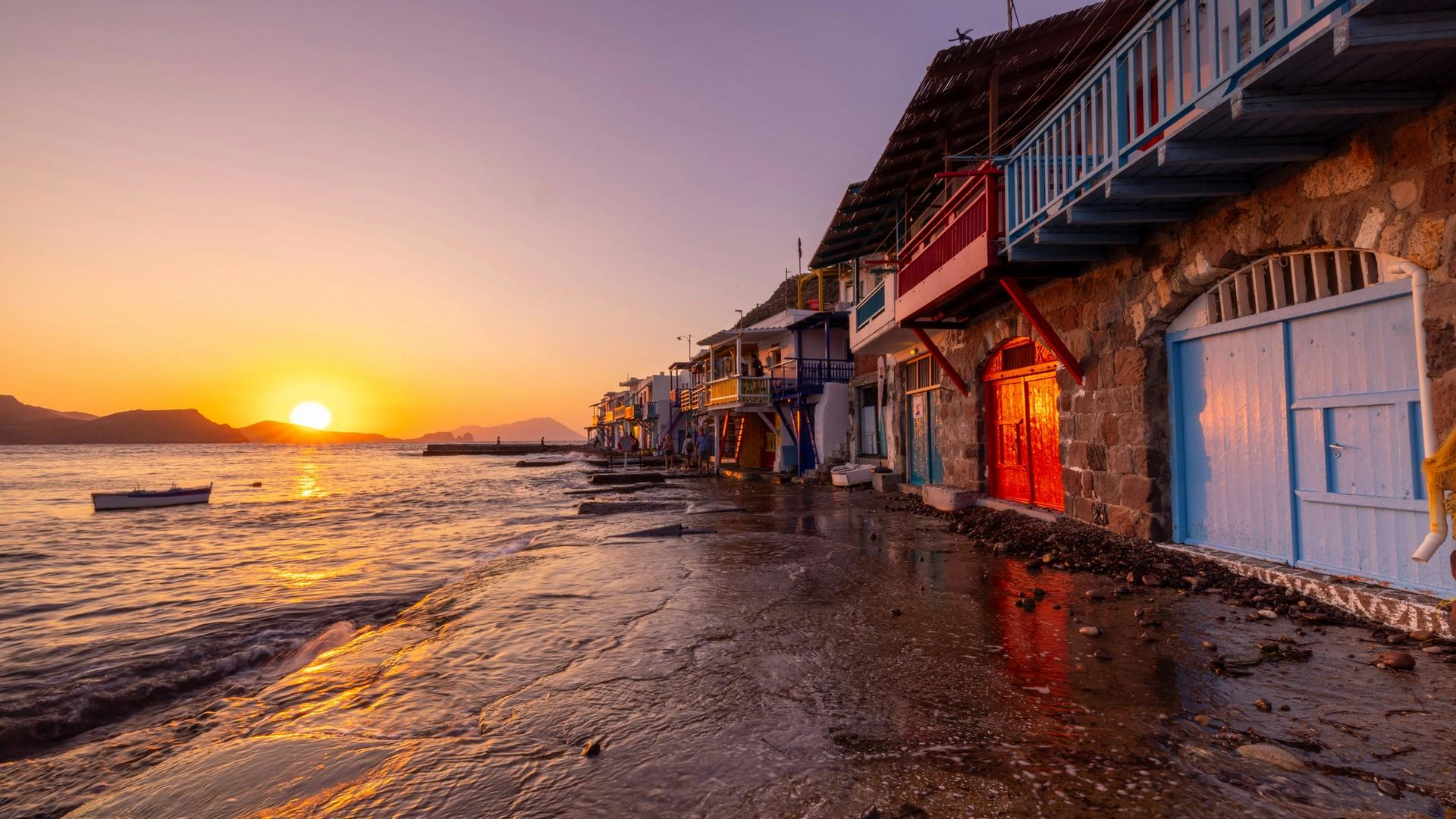
Wondering if Greece fits your travel budget? This comprehensive guide breaks down actual costs for accommodation, food, transportation, and activities across Greece, from budget-friendly options to luxury experiences, helping you plan an unforgettable Greek adventure without breaking the bank.
Picture yourself sipping coffee at a seaside taverna, ancient ruins towering behind you, while your wallet remains comfortably intact. Greece offers this dream more affordably than you might think, though costs vary dramatically depending on when, where, and how you travel.
The question "Is Greece expensive?" doesn't have a simple yes or no answer. Your experience could range from €30 per day as a budget backpacker to €500+ daily for luxury seekers, with most travelers finding a comfortable middle ground around €100-150 per person per day.
Understanding Greece's Cost Structure
Greece sits in an interesting economic position within Europe. While it's part of the Eurozone, prices remain significantly lower than Northern European destinations like Switzerland, Norway, or even France and Germany.
The country's tourism infrastructure has evolved to accommodate every budget level. You'll find everything from €10 hostel beds to €1,000-per-night luxury resorts, often within the same neighborhood.
Seasonal Price Variations That Matter
Timing dramatically impacts your Greece budget. Peak season (July-August) can cost 50-100% more than shoulder or low season for the same experiences.
High Season Pricing (July-August):
- Hotel rooms: €100-300+ per night
- Restaurant meals: €15-30 per person
- Beach sunbed rentals: €8-15 per day
- Ferry tickets: Premium pricing with advance booking essential
- Tourist site crowds: Maximum, affecting experience value
Shoulder Season Benefits (April-June, September-October):
- Hotel rooms: €50-150 per night
- Restaurant meals: €10-20 per person
- Beach access: Often free or minimal cost
- Ferry tickets: Regular pricing with availability
- Weather: Still excellent, especially in October
Low Season Advantages (November-March):
- Hotel rooms: €30-80 per night
- Authentic local experiences without tourist crowds
- Negotiable prices at family-run establishments
- Limited ferry schedules and some closures
Accommodation Costs Across Greece
Where you sleep significantly impacts your daily budget. Greece offers exceptional variety, from basic rooms to palatial suites.
Budget travelers can find clean, comfortable hostel beds for €10-25 in major cities and tourist areas. Private rooms in family-run guesthouses start around €30-50 per night, often including breakfast and invaluable local recommendations.
Mid-range hotels typically cost €60-120 per night for double occupancy. These establishments usually offer air conditioning, private bathrooms, breakfast, and central locations that save transportation costs.
Luxury seekers will find boutique hotels and resorts ranging from €150-500+ per night. Properties like the Euphoria Retreat offer world-class amenities that justify premium pricing.
Accommodation Budget Tips:
- Book directly with smaller hotels for better rates and flexibility
- Consider apartments for stays longer than three nights
- Look for rooms with kitchen facilities to save on dining costs
- Stay slightly outside main tourist zones for significant savings
- Use loyalty programs even for Greek hotel chains
Food and Dining Expenses
Greek cuisine offers perhaps the best value proposition in your entire budget. The Mediterranean diet comes alive here with fresh, local ingredients at prices that seem too good to be true.
A traditional Greek breakfast at a local café costs €3-6 for coffee, fresh bread, and pastries. Many hotels include breakfast, which can save €5-10 per person daily.
Lunch at a neighborhood taverna ranges from €8-15 per person for generous portions. Look for places where locals eat—if the menu has pictures, you're paying tourist prices.
Dinner represents your main meal culturally and financially. Budget €12-25 per person at authentic tavernas, €25-50 at nicer restaurants, and €50+ at upscale establishments in tourist hotspots.
Typical Food Costs:
- Greek salad (horiatiki): €6-10
- Moussaka or pastitsio: €8-12
- Fresh grilled fish: €12-25 per kilogram
- Souvlaki or gyros: €2.50-4
- House wine (carafe): €8-15
- Local beer: €3-5
- Bottled water (1.5L): €0.50-1.50
- Fresh fruit from markets: €1-3 per kilo
Supermarket shopping costs roughly 30-40% less than similar items in Western Europe. A week's groceries for self-catering runs €40-70 per person for quality ingredients.
Transportation Budget Breakdown
Getting around Greece involves various options with different price points. Your transportation choices significantly affect overall costs.
Public buses in Athens cost €1.40 per ride, with day passes at €4.50. Other cities charge similar rates, making buses the most economical urban transport.
Inter-city buses operated by KTEL provide comfortable, affordable connections. Athens to Nafplio costs around €13-15, taking roughly two hours through scenic countryside.
Ferry travel varies wildly by route, season, and vessel type. Short island hops start at €8-15, while longer journeys like Athens to Santorini range from €35-80 for economy deck seats to €100+ for cabins.
Car Rental Considerations:
- Daily rates: €25-60 depending on season and vehicle
- Weekly rates: €150-350 with better daily value
- Fuel costs: €1.70-2.00 per liter (gasoline)
- Parking: Free outside major cities, €2-4 hourly in centers
- Insurance: Essential, adds €10-20 daily
Domestic flights sometimes cost less than ferries when booked in advance. Athens to islands like Santorini or Mykonos can be €40-80 with budget carriers versus €70+ for slower ferries.
Activities and Attraction Costs
Exploring Greece's cultural treasures requires surprisingly modest investment. Many of the country's greatest attractions charge reasonable entrance fees or nothing at all.
Major archaeological sites like the Acropolis cost €20 in summer (€10 in winter), with combination tickets offering better value. The €30 Athens multi-site pass includes seven major attractions, saving money for culture enthusiasts.
Many monasteries throughout Greece request donations rather than fixed fees. Respectful visitors typically contribute €2-5, gaining access to incredible Byzantine art and architecture.
Beaches in Greece are predominantly free, though organized sections with sunbeds and umbrellas charge €6-15 daily. Simply walk further along most beaches to find free areas with the same beautiful water.
Activity Price Ranges:
- Archaeological site entry: €4-20
- Museum admission: €4-15
- Organized day tours: €50-150 per person
- Boat excursions: €30-80 for half-day trips
- Wine tasting experiences: €15-40 per person
- Cooking classes: €50-100 per person
- Scuba diving: €50-80 for beginners
- Sea kayaking: €40-70 for half-day tours
Regional Price Differences
Greece isn't uniformly priced. Islands and mainland regions show significant cost variations that smart travelers exploit.
Athens offers moderate pricing with excellent value. The capital's competition keeps restaurants and hotels reasonably priced while providing world-class museums and sites.
Santorini and Mykonos represent Greece's most expensive destinations. Expect to pay 50-150% more than mainland prices for accommodation, dining, and activities on these glamorous islands.
The Peloponnese region provides exceptional value while delivering authentic experiences. Towns like Nafplio combine historical significance with reasonable prices, making it ideal for budget-conscious culture seekers.
Regional Cost Comparison:
- Most Expensive: Santorini, Mykonos, Hydra (high season)
- Expensive: Corfu, Rhodes, Crete resort areas
- Moderate: Athens, Thessaloniki, popular islands off-season
- Affordable: Peloponnese, Central Greece, Northern Greece
- Budget-Friendly: Lesser-known islands, mountain villages
Sample Daily Budgets
Understanding realistic daily costs helps plan your Greek adventure. These budgets assume two people sharing accommodation during shoulder season.
Ultra-Budget (€40-60 per person daily):
- Hostel bed or basic room: €15-25
- Supermarket breakfast: €3
- Gyros or souvlaki lunch: €4
- Taverna dinner: €12
- Public transportation: €3
- One museum or site: €5
- Miscellaneous: €5
Mid-Range Comfort (€100-150 per person daily):
- Nice hotel or apartment: €40-60
- Café breakfast: €8
- Taverna lunch: €15
- Restaurant dinner with wine: €30
- Mix of transport options: €10
- Activities and entrance fees: €15
- Souvenirs and extras: €10
Luxury Experience (€250+ per person daily):
- Boutique hotel or resort: €125+
- Hotel breakfast: included
- Upscale lunch: €40
- Fine dining dinner: €70
- Private transfers or rental car: €30
- Premium activities: €40
- Shopping and indulgences: €50+
Money-Saving Strategies That Work
Experienced Greece travelers employ specific tactics to stretch budgets without sacrificing experience quality. These proven strategies deliver maximum value.
Eat your main meal at lunch when many restaurants offer identical dishes at lower prices. The €12 evening moussaka often appears as an €8 lunch special.
Drink tap water in most Greek locations where it's perfectly safe. Restaurants legally must provide free water, saving €2-4 per bottle per person per meal.
Advanced Saving Techniques:
- Visit archaeological sites on free-entry days (specific Sundays and holidays)
- Buy wine and snacks from supermarkets for sunset viewing
- Take advantage of hotel breakfast to skip lunch or pack snacks
- Use Athens metro three-day passes (€22) instead of individual tickets
- Book ferries as foot passengers and use local buses on islands
- Shop at weekly farmers' markets for fresh produce and local products
- Learn basic Greek phrases to access local-priced establishments
- Travel with a refillable water bottle to avoid constant purchases
When Greece Costs More Than Expected
Certain situations and choices inflate budgets beyond typical ranges. Awareness helps you decide when premium pricing delivers value.
Island hopping during peak season combines expensive ferries with premium accommodation costs. A two-week island tour in July can cost double the same itinerary in May or October.
Last-minute bookings during summer months leave you with limited, expensive options. Popular destinations like Santorini sell out months ahead, forcing late bookers into premium-priced remaining rooms.
Hidden Cost Factors:
- Tourist-area restaurants charge 30-50% more than neighborhood spots
- Hotel mini-bars and room service carry excessive markups
- Organized beach clubs on famous islands charge premium sunbed fees
- Taxi drivers sometimes inflate prices for tourists without meters
- Souvenir shops in cruise ports price items 2-3x normal rates
- Resort-area car rentals cost more than booking from cities
Comparing Greece to Other Mediterranean Destinations
Context helps evaluate Greece's value proposition. How does it stack up against alternative Mediterranean holidays?
Greece typically costs 20-30% less than Italy for comparable experiences. Similar meals, hotels, and activities come at noticeably lower prices, especially outside major tourist centers.
Spain and Portugal offer similar pricing to Greece, with slight variations by region. Greece edges ahead in archaeological site value, while Iberia sometimes offers cheaper accommodation.
Turkey and the Balkans undercut Greek prices by 30-50%, though Greece provides superior tourism infrastructure and English language prevalence. The quality-to-cost ratio in Greece often exceeds cheaper alternatives.
Luxury on a Budget in Greece
Greece uniquely allows travelers to experience luxury touches without luxury budgets. Strategic splurging creates memorable moments without financial stress.
Stay in budget accommodation most nights, then book one spectacular hotel for a special experience. A €200 night at a cliff-side Santorini cave house becomes affordable when balanced with €50 mainland nights.
Take organized tours for complex logistics while exploring accessible sites independently. A professional cultural tour through ancient sites provides expert context worth the investment, while self-guided beach days cost nothing.
Affordable Luxury Moments:
- Sunset dinner at a view restaurant (€40-60 per person once or twice)
- Professional wine tasting at quality estates (€20-30 per person)
- Spa treatment at a luxury hotel (€60-100 for massage)
- Private boat rental split among friends (€100-200 total divided)
- Cooking class with a local family (€60-80 per person)
- One night in a premium property (€150-250 for special occasions)
Understanding Value vs. Cost
The cheapest option rarely delivers the best value. Greece rewards travelers who distinguish between price and worth.
A €15 meal at an authentic taverna where the owner greets you warmly provides better value than a €10 tourist-trap gyros with poor ingredients and indifferent service. The experience quality matters beyond pure cost.
Similarly, a €100 guided tour of Mycenae and Epidaurus with expert commentary delivers exponentially more value than a €20 bus ticket to sites you'll struggle to understand independently.
Greece's Free Attractions
Some of Greece's most memorable experiences cost absolutely nothing. These free activities rival any paid attraction.
Wandering through traditional Greek villages reveals authentic architecture, friendly locals, and photogenic scenes without entrance fees. Places like Gytheio offer charming waterfront strolls and genuine local atmosphere.
Hiking ancient paths and coastal trails provides exercise, views, and connection to landscape. Trails around historical sites often offer perspectives that enhance understanding without additional cost.
Top Free Experiences:
- Swimming at countless pristine beaches
- Exploring traditional village architecture
- Attending local festivals and celebrations
- Watching sunsets from scenic viewpoints
- Visiting working harbors and fish markets
- Photographing Greece's iconic blue and white buildings
- Hiking to viewpoints and natural landmarks
- Window shopping in charming old town districts
Tipping and Service Charges
Understanding Greek tipping culture prevents budget surprises. The system differs from American expectations while being more generous than Northern Europe.
Restaurants sometimes include service charges, though this is becoming less common. Check your bill before adding tips to avoid double-paying.
Leaving €1-2 per person for coffee or drinks shows appreciation. For meals, 5-10% represents generous tipping by Greek standards, though tourists often leave 10-15% for exceptional service.
Tipping Guidelines:
- Taverna meals: Round up or add 5-10%
- Café coffee: €0.50-1 per person
- Taxi rides: Round up to nearest euro
- Hotel porters: €1-2 per bag
- Tour guides: €5-10 per person for excellent service
- Housekeeping: €1-2 per night for longer stays
Budget Planning Tools
Proper planning prevents overspending while ensuring you don't miss experiences through excessive frugality. These tools help balance your Greece budget.
Track daily spending with a simple app or notebook. Awareness of where money goes helps adjust spending patterns before budgets spiral.
Allocate percentages rather than fixed amounts: 40% accommodation, 30% food, 20% activities, 10% contingency. This framework adapts to different total budgets while maintaining balance.
Pre-Trip Budget Checklist:
- Research average costs for your specific destinations and season
- Book major expenses (flights, hotels) in advance for better rates
- Set daily spending limits with 20% buffer for surprises
- Identify must-do experiences worth premium spending
- Plan free days between paid activities for budget recovery
- Download offline maps and translation apps to avoid data charges
- Arrange travel insurance covering medical emergencies
- Notify banks of travel dates to prevent card blocks
Cultural Experiences Worth the Investment
Some Greek experiences justify higher costs through unique cultural value. These investments create lasting memories and deeper understanding.
Attending the Epidaurus Festival in the ancient theater provides once-in-a-lifetime experiences. Watching Greek tragedy where it was performed 2,400 years ago transcends typical entertainment value.
Learning about Greek architecture from knowledgeable guides transforms ruins from old stones into vivid historical narratives. The context adds immeasurable value to your understanding.
Quick Facts About Greece Costs
Essential Price Points:
- Average daily budget (mid-range): €100-150 per person
- Cheapest travel months: November-March (excluding holidays)
- Best value months: April-May, October
- Currency: Euro (€)
- ATM fees: €2-5 per withdrawal
- Credit card acceptance: Widespread in cities, limited in villages
- Bargaining culture: Rare except at markets and long-term rentals
- VAT rate: 24% (included in displayed prices)
- Pharmacy costs: Significantly lower than US prices
- SIM card with data: €10-20 for tourist packages
Travel Tips for Budget-Conscious Visitors
Smart Spending Strategies:
- Withdraw larger amounts less frequently to minimize ATM fees
- Use credit cards without foreign transaction fees for major purchases
- Book accommodation with free cancellation for flexibility
- Pack beach towels to avoid rental fees at beaches
- Bring reusable shopping bags as plastic bags cost extra
- Download restaurant menus online to compare prices before choosing
- Ask locals for restaurant recommendations away from tourist areas
- Visit bakeries for cheap, delicious breakfast pastries
- Take advantage of hotel air conditioning rather than running it constantly
- Book tours directly with operators rather than through hotel concierges
The Verdict: Is Greece Expensive?
Greece delivers exceptional value compared to most Western European destinations. Your experience can be remarkably affordable or luxuriously expensive depending on choices, timing, and priorities.
Budget travelers find Greece entirely accessible, with daily costs comparable to Southeast Asia when making smart choices. Mid-range travelers enjoy comfort and quality that would cost significantly more in France, Italy, or Spain.
The country's true value lies in experience richness per euro spent. Where else can you swim in crystalline waters, explore 3,000-year-old ruins, and feast on Mediterranean cuisine for under €150 daily?
Final Cost Assessment:
- Compared to Northern Europe: Significantly cheaper
- Compared to Southern Europe: Slightly cheaper to comparable
- Compared to Eastern Europe: More expensive but better infrastructure
- Compared to North America: Similar to cheaper than most destinations
- Overall value proposition: Excellent across all budget levels
Making Greece Affordable for You
Personalizing your budget approach ensures Greece fits your financial reality. The destination accommodates virtually any spending level with proper planning.
Prioritize experiences that matter most to you, spending freely there while economizing elsewhere. If archaeological sites fascinate you, invest in expert-guided tours through ancient Sparta while saving on accommodation and meals.
Remember that fun facts about Greece often include its generosity and hospitality. Greeks frequently offer unexpected kindness that enriches travel beyond monetary value.
Frequently Asked Questions
How much money should I budget per day in Greece?
Budget €40-60 daily for ultra-budget travel, €100-150 for comfortable mid-range experiences, and €200+ for luxury. These amounts assume two people sharing accommodation during shoulder season. Peak summer months require 30-50% more, while winter travel costs significantly less. Your daily needs vary based on accommodation standards, dining preferences, and activity choices.
Is Greece cheaper than Italy or Spain?
Greece typically costs 15-25% less than Italy for similar experiences, with cheaper accommodation and dining outside major tourist hotspots. Spain and Greece show comparable pricing overall, though Spain sometimes offers cheaper accommodation while Greece edges ahead on restaurant costs. Greece provides better value for archaeological sites and cultural experiences, while Spain and Italy may offer more budget airline options for internal travel.
What is the cheapest time to visit Greece?
November through March offers the lowest prices, with accommodation and restaurants charging 40-60% less than summer rates. However, many islands reduce services significantly, and weather limits beach activities. April-May and October provide the best value combination of good weather, reasonable prices, and full service availability. Avoid July-August when prices peak and crowds maximize.
Can you travel Greece on €50 per day?
Yes, but it requires discipline and smart choices. Stay in hostels or basic rooms (€15-20), eat gyros and supermarket food (€15-20), use public transportation (€5), and limit paid activities (€5-10). This budget works better on the mainland than expensive islands. Traveling in low season or shoulder season makes €50 daily more comfortable. Consider €70-80 daily for less stressful budget travel.
Are restaurants in Greece expensive?
Traditional tavernas offer excellent value with meals costing €10-18 per person including wine. Tourist-area restaurants charge 30-50% more for identical dishes. Upscale dining in places like Santorini can reach €40-80 per person. Greece's restaurant costs sit below Northern Europe but slightly above Eastern Europe. The quality-to-price ratio generally exceeds most Mediterranean destinations when choosing wisely.
How much does island hopping cost in Greece?
Ferry costs vary dramatically by route and season. Budget €15-50 per person per ferry journey for economy class on popular routes. A two-week island-hopping trip typically requires €150-300 in ferry costs alone. Add accommodation (€40-100 per night), meals (€30-50 daily), and activities (€10-30 daily) for total daily budgets of €100-200 per person. Book ferries in advance during summer for better prices and guaranteed space.
Do I need cash or can I use cards everywhere in Greece?
Cards work in most hotels, restaurants, and shops in cities and tourist areas, but cash remains essential for small tavernas, markets, buses, and villages. Many establishments impose €10-15 minimums for card payments. Carry €50-100 cash daily for flexibility. ATMs are widespread in towns but scarce on smaller islands. Withdraw larger amounts less frequently to minimize fees, which typically run €3-5 per transaction.
What hidden costs should I expect in Greece?
Beach sunbed and umbrella rentals (€6-15 daily) surprise many visitors expecting free beach access. Tourist taxes (€1-4 per night) add to accommodation costs. Ferry port taxes (€2-5) aren't always included in ticket prices. Restaurant cover charges (€1-2 per person) appear on some bills. Resort areas charge premium prices for everything from water to taxis. Budget an extra 15-20% beyond planned expenses for these unexpected costs and occasional splurges.
Start Planning Your Affordable Greek Adventure
Greece awaits with experiences that fit virtually any budget. The key lies in understanding costs, making informed choices, and focusing on value rather than pure price.
Whether you're drawn to ancient history, island beaches, mountain villages, or culinary traditions, Greece delivers authentic Mediterranean experiences without requiring unlimited funds. Smart planning and local knowledge transform this remarkable destination into an affordable reality.
Ready to explore Greece's treasures with expert guidance? Book a comprehensive tour that handles logistics while you focus on experiences, delivering exceptional value through local expertise and carefully crafted itineraries that maximize your investment in Greek memories.