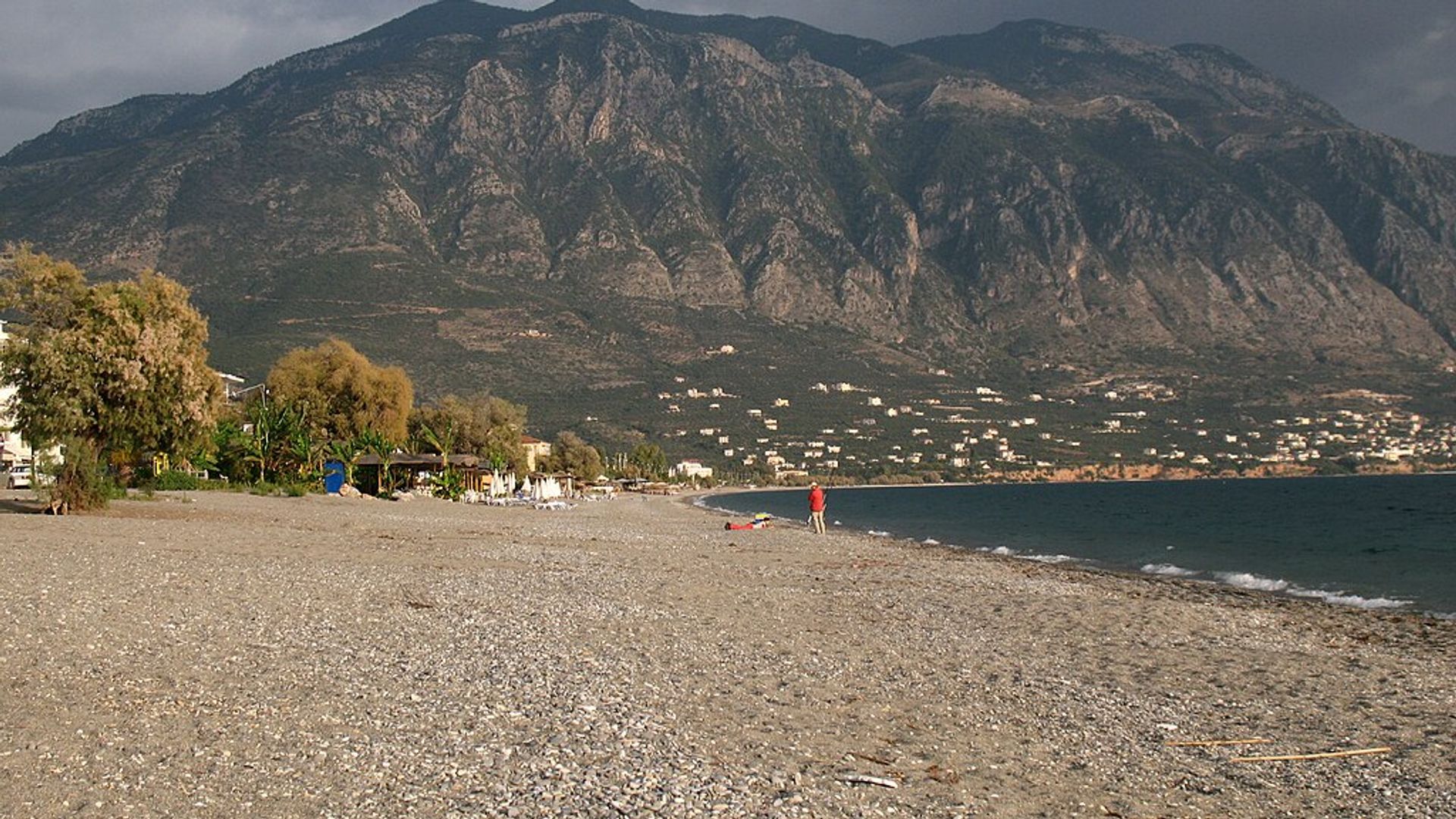
Discover Kalamata, the vibrant capital of Messinia in the southern Peloponnese. From world-famous olives to stunning beaches and rich history, this coastal gem offers an authentic Greek experience beyond the typical tourist trail.
The sun-drenched capital of Messinia beckons travelers with its perfect blend of cosmopolitan energy and traditional Greek charm. Kalamata stands as one of the Peloponnese's most vibrant cities, where azure waters meet olive groves that stretch to the horizon, creating a landscape that has defined Mediterranean culture for millennia.
Nestled along the Messenian Gulf, this coastal city of roughly 70,000 inhabitants offers something rare in modern Greece—a thriving urban center that hasn't sacrificed its authentic character to tourism. The city pulses with real Greek life, where locals outnumber visitors even during peak season, and traditional kafeneions sit comfortably alongside trendy beach bars.
Quick Facts About Kalamata
Essential Information:
- Population: Approximately 70,000 residents
- Region: Messinia, Southern Peloponnese
- Distance from Athens: 240 kilometers (149 miles)
- Airport: Kalamata International Airport (KLX)
- Best Time to Visit: May to October
- Famous For: Kalamata olives, beaches, silk production
- Port: Ferry connections to nearby islands
The Story Behind the Olives
Kalamata's name has become synonymous with one of the world's most prized olive varieties. These distinctive dark purple olives with their almond shape and rich, fruity flavor have been cultivated in the surrounding valleys for over 3,000 years, earning Protected Designation of Origin status from the European Union.
The olive groves surrounding the city create an almost mystical landscape, especially during harvest season from November to January. Walking through these ancient groves, some trees hundreds of years old, you'll understand why the olive has been called liquid gold since antiquity—and why the Greek culture remains so deeply connected to this remarkable fruit.
Kalamata's Beaches: Mediterranean Paradise
The city's coastline stretches for miles, offering some of the finest beaches in the Peloponnese. The beach promenade, recently renovated, creates a stunning waterfront that rivals any in Greece, with palm trees swaying above cycling paths and pedestrian walkways.
Top Beaches to Explore:
- Kalamata Municipal Beach: Long sandy stretch with full facilities and Blue Flag status
- Almyros Beach: Popular with locals, excellent tavernas nearby
- Santova Beach: Quieter option with crystal-clear waters
- Verga Beach: Perfect for families with shallow waters
- Mikri Mantineia: Secluded cove ideal for swimming and snorkeling
The water quality along Kalamata's coast consistently ranks among Greece's best. Swimming here feels like diving into liquid sapphire, with visibility often extending 20 meters or more, making these beaches perfect for both relaxation and water sports.
Historical Treasures and Cultural Sites
Kalamata's history stretches back to ancient times when it was known as Pharai, though the modern city takes its name from a miraculous icon of the Virgin Mary. The Byzantine era left the most visible marks on the cityscape, particularly the castle that dominates the old town.
Must-Visit Historical Sites:
- Kalamata Castle: 13th-century Frankish fortress with panoramic views
- Church of the Holy Apostles: Byzantine gem with remarkable frescoes
- Archaeological Museum: Artifacts from prehistoric to Roman times
- Historic Railway Park: Industrial heritage museum
- Benakeion Archaeological Museum: Messinian treasures and ancient finds
The castle, built by Geoffrey I de Villehardouin, offers more than just history. Climbing to its ramparts at sunset provides views that encompass the entire Messenian Gulf, the Taygetos Mountains, and the city sprawling below—a photographer's dream and a moment that captures the essence of the Peloponnese.
The Old Town: Where History Lives
The historic quarter spreads below the castle, a maze of narrow streets where neoclassical mansions stand alongside traditional stone houses. This neighborhood survived the devastating 1986 earthquake that destroyed much of the modern city, preserving a slice of 19th-century Greek urban life.
Wandering these cobblestone lanes, you'll discover artisan workshops, family-run tavernas, and hidden courtyards bursting with jasmine and bougainvillea. The area comes alive in the evenings when locals gather at traditional kafeneions, maintaining social rituals that have remained unchanged for generations.
Culinary Delights Beyond Olives
While Kalamata olives rightfully claim fame, the city's culinary scene extends far beyond this single product. The fertile Messinian plains produce exceptional ingredients, from sweet Kalamata figs to aromatic herbs, creating a food culture that celebrates local, seasonal flavors.
Local Specialties to Try:
- Syglino: Smoked pork preserved in olive oil
- Diples: Honey-drizzled pastries traditional to the region
- Kalamata Pasteli: Sesame and honey bars
- Fresh Seafood: Daily catches from the Messenian Gulf
- Local Cheeses: Particularly the region's feta and graviera
- Messinian Wine: Emerging wine region with excellent reds
The central market, operating since the 1950s, provides an authentic glimpse into daily Greek life. Here, vendors sell everything from just-picked vegetables to locally produced Greek liquor and honey harvested from mountain thyme, all while engaging in the spirited banter that makes Greek markets so memorable.
Day Trips from Kalamata
Kalamata's central location makes it an ideal base for exploring the southern Peloponnese. Within an hour's drive, you can reach some of Greece's most significant archaeological sites, traditional mountain villages, and pristine beaches.
The ancient city of Messini, just 30 kilometers away, ranks among Greece's best-preserved classical sites yet remains blissfully uncrowded compared to more famous locations. The historical sites near the region offer incredible diversity, from Mycenaean tombs to Venetian fortresses.
Popular Day Trip Destinations:
- Ancient Messini: Spectacular archaeological site (30 km)
- Kardamyli: Picturesque coastal village of the Mani (35 km)
- Polylimnio Waterfalls: Natural swimming pools (45 km)
- Mystras: Byzantine ghost city near Sparta (60 km)
- Koroni: Venetian castle town (50 km)
- Methoni: Impressive seaside fortress (60 km)
For those interested in exploring the broader region, consider joining a Kalamata to Ancient Olympia tour to experience one of the world's most important archaeological sites.
The Mani Peninsula: Rugged Beauty
Just south of Kalamata begins the legendary Mani, a wild peninsula where stone tower houses rise from barren hillsides like medieval fortresses. This region maintained its independence throughout Ottoman rule, developing a unique culture of clan-based societies and blood feuds that only ended in the early 20th century.
The coastal road from Kalamata through the Mani to Gytheio ranks among Greece's most spectacular drives. Dramatic mountains plunge directly into the sea, tiny Byzantine churches cling to cliffsides, and traditional villages seem frozen in time—a landscape that feels more like Corsica than typical Greek islands.
Shopping and Local Products
Kalamata offers excellent shopping opportunities, particularly for those seeking authentic Greek products. The city center features a mix of international brands and local boutiques, but the real treasures lie in shops specializing in regional products.
Best Shopping Finds:
- Kalamata olives and olive oil from local producers
- Silk scarves from traditional workshops
- Handmade leather sandals
- Local honey and preserves
- Traditional ceramics and pottery
- Regional wines and spirits
The Wednesday and Saturday street markets transform entire neighborhoods into bustling bazaars. These markets sell everything imaginable, from fresh produce to clothing, but arrive early for the best selection and to experience the market at its most vibrant.
Nightlife and Entertainment
As the sun sets, Kalamata transforms into one of the Peloponnese's liveliest cities. The waterfront promenade becomes a stage for the evening volta, the traditional Greek stroll, as families, couples, and friends walk along the seafront enjoying ice cream and conversation.
Evening Entertainment Options:
- Beach Bars: Trendy venues along the coast with DJ sets
- Traditional Tavernas: Live Greek music on weekends
- Ouzeries: Meze and ouzo in atmospheric settings
- Cocktail Bars: Sophisticated venues in the city center
- Summer Cinema: Open-air movies under the stars
- Cultural Events: Concerts and performances at the castle
The Kalamata International Dance Festival, held each July, brings world-class performers to the city. This event has become one of Greece's premier cultural festivals, attracting dance enthusiasts from across Europe.
Getting to Kalamata
Kalamata's accessibility has improved dramatically in recent years, making this southern destination easier to reach than ever. The international airport handles flights from several European cities during summer, while year-round domestic connections link the city to Athens.
Transportation Options:
- By Air: Kalamata International Airport (KLX) with seasonal international flights
- By Car: 2.5-3 hours from Athens via modern highways
- By Bus: Regular KTEL services from Athens and other major cities
- By Ferry: Summer connections to nearby islands from Kalamata port
- Private Transfer: Comfortable option from Athens Airport
The drive from Athens showcases the Peloponnese's diversity, crossing the Corinth Canal before traversing mountains and valleys. This journey itself becomes part of the adventure, especially if you stop at sites like Epidaurus or ancient Corinth along the way.
Where to Stay in Kalamata
Accommodation options range from luxury beachfront resorts to budget-friendly guesthouses in the old town. The waterfront naturally attracts most visitors, offering easy beach access and proximity to restaurants and nightlife.
Recommended Neighborhoods:
- Waterfront: Beach access, restaurants, modern hotels
- Old Town: Authentic atmosphere, traditional guesthouses
- City Center: Shopping, dining, business hotels
- Verga: Quieter beach area, family-friendly
- Marina: Upscale dining, yacht facilities
Booking accommodation near the beach promenade provides the best of both worlds—easy access to swimming and sunbathing while remaining within walking distance of the city center. The promenade's cycling and walking paths make exploring without a car entirely feasible.
Travel Tips for Visiting Kalamata
Essential Advice:
- Visit during shoulder season (May-June or September-October) for perfect weather and fewer crowds
- Rent a car to explore surrounding areas and hidden beaches
- Learn a few Greek phrases to enhance local interactions
- Try local restaurants away from the waterfront for better value
- Bring cash as smaller establishments may not accept cards
- Pack sunscreen and a hat—the Messinian sun is intense
- Book accommodation in advance during July-August and festival periods
- Download offline maps as mobile coverage can be spotty in rural areas
Outdoor Activities and Adventures
The landscape surrounding Kalamata provides endless opportunities for active travelers. The Taygetos Mountains rising behind the city offer hiking trails ranging from gentle walks to challenging multi-day treks, while the coast caters to water sports enthusiasts.
Activities to Consider:
- Hiking the Taygetos Mountain trails
- Kayaking along the Messenian coast
- Cycling the waterfront promenade
- Scuba diving at nearby sites
- Rock climbing in the Taygetos gorges
- Windsurfing and kitesurfing at exposed beaches
The Taygetos range, which forms the spine of the Mani Peninsula, includes peaks exceeding 2,400 meters. Hiking here reveals a different Greece—alpine meadows, shepherd's huts, and views that stretch to both the Ionian and Aegean seas on clear days.
Religious Heritage and Monasteries
The region around Kalamata contains numerous monasteries and churches, many dating to the Byzantine era. These spiritual centers played crucial roles in preserving Greek culture during Ottoman occupation and remain active today.
The Monastery of Velanidia, perched on a hillside overlooking the Messenian Gulf, offers not only spiritual significance but also stunning views and remarkable Byzantine frescoes. Visiting Greek monasteries requires modest dress—shoulders and knees covered—but rewards visitors with peaceful atmospheres and artistic treasures.
The Silk Road Connection
Few visitors realize that Kalamata once served as a major silk production center. During the 19th century, the city's silk industry employed thousands, producing fabrics that competed with Italian and French products in European markets.
Though the industry declined in the 20th century, several workshops continue the tradition. Visiting these ateliers provides insight into this forgotten chapter of Kalamata's history and offers opportunities to purchase unique silk scarves and fabrics—authentic souvenirs with genuine local heritage.
Festivals and Cultural Events
Kalamata's cultural calendar extends beyond the famous dance festival. Throughout the year, traditional celebrations, religious festivals, and modern cultural events bring the city to life with music, food, and community spirit.
Annual Events:
- Kalamata International Dance Festival (July)
- Carnival celebrations (February-March)
- Easter Week processions and celebrations
- Wine Festival (September)
- Olive Festival (November)
- Summer concert series at the castle
The Easter celebrations in Kalamata showcase Greek Orthodox traditions at their most vibrant. The Good Friday procession through the old town, with the flower-decorated epitaphios carried through candlelit streets, creates an unforgettable atmosphere of devotion and community.
Understanding Local Architecture
Kalamata's architectural heritage reflects its complex history, from Byzantine churches to neoclassical mansions and modern developments. The 1986 earthquake sadly destroyed many historic buildings, but restoration efforts have preserved significant examples of Greek architecture.
The neoclassical buildings that survived cluster in the old town, their facades painted in warm ochres and creams, with ornate balconies and shuttered windows. These structures represent the city's prosperous 19th-century period when silk and olive exports brought considerable wealth to local merchants.
Practical Information for Your Visit
Useful Details:
- Currency: Euro (€)
- Language: Greek (English widely spoken in tourist areas)
- Emergency Number: 112
- Average Meal Cost: €12-20 per person
- Beach Sunbed Rental: €6-8 per day
- Taxi from Airport: Approximately €15-20
- Best Mobile Networks: Cosmote, Vodafone, Wind
Kalamata maintains a relaxed pace compared to Athens or major islands. Shops close during afternoon siesta (roughly 2-5 PM), and dinner rarely begins before 9 PM—embrace these rhythms rather than fighting them for a more authentic experience.
Why Kalamata Deserves Your Time
In an era when many Greek destinations have become overcrowded tourist playgrounds, Kalamata offers something increasingly rare—authenticity. This is a real Greek city where tourism enhances rather than dominates the local economy, where traditional culture thrives alongside modern amenities.
The combination of excellent beaches, rich history, outstanding cuisine, and genuine Greek atmosphere makes Kalamata an ideal destination for travelers seeking experiences beyond the typical island-hopping itinerary. Whether you spend a weekend or use the city as a base for exploring the entire southern Peloponnese, Kalamata rewards visitors with memories of the Greece that exists beyond the postcards.
Frequently Asked Questions
How many days should I spend in Kalamata?
A minimum of three days allows you to experience the city's highlights, beaches, and nearby attractions like Ancient Messini. Five to seven days provides time for day trips throughout the southern Peloponnese, including the Mani Peninsula, Mystras, and coastal villages. Kalamata also works excellently as a base for a longer Peloponnese exploration, offering better accommodation value than smaller tourist villages.
Is Kalamata suitable for families with children?
Absolutely—Kalamata ranks among Greece's most family-friendly destinations. The beaches feature shallow waters and full facilities, the waterfront promenade is perfect for cycling and strolling, and numerous playgrounds dot the seafront. Restaurants welcome children enthusiastically, often providing special menus and entertainment. The relaxed pace and safe environment make it ideal for families seeking authentic Greek experiences without sacrificing comfort.
When is the best time to visit Kalamata?
May through June and September through October offer ideal conditions—warm weather, calm seas, and fewer crowds than peak summer. July and August bring hot temperatures (often exceeding 35°C) and the most tourists, though the beach scene is most vibrant. Winter (November-March) sees many tourist facilities closed, but locals enjoy mild weather perfect for exploring archaeological sites and hiking. The weather in October particularly suits active travelers.
Can I visit Kalamata without a car?
Yes, though a car significantly expands your options. The city itself is walkable, with beaches, restaurants, and attractions accessible on foot or by bicycle. Local buses connect to nearby villages and beaches. However, exploring the broader region—Ancient Messini, mountain villages, remote beaches—becomes challenging without a car. Consider renting one for a few days if your budget allows, or join organized tours to major sites.
What makes Kalamata different from Greek islands?
Kalamata offers authentic Greek urban life rather than resort-focused tourism. You'll experience a real city where locals significantly outnumber tourists, traditional culture remains vibrant, and prices reflect local rather than tourist economies. The surrounding Peloponnese provides incredible archaeological diversity impossible on most islands, from Mycenaean palaces to Byzantine cities. The landscape—dramatic mountains meeting the sea—creates scenery as beautiful as any island without the ferry schedules and higher costs.
Are Kalamata's beaches really that good?
Yes, the beaches consistently earn Blue Flag status for water quality and facilities. The long sandy stretches offer organized sections with sunbeds and water sports alongside free areas. Water clarity rivals the best Greek islands, and the Messenian Gulf's protected position ensures calmer conditions than exposed coastlines. While lacking the dramatic cliffs of some island beaches, Kalamata's shores provide excellent swimming, beautiful sunsets, and a relaxed atmosphere without the crowds that plague famous island beaches.
What local products should I buy as souvenirs?
Kalamata olives and premium olive oil top the list—buy directly from producers or specialty shops for the best quality. Local honey, particularly thyme honey from mountain apiaries, makes an excellent gift. Traditional silk products, handmade leather sandals, regional wines, and pasteli (sesame-honey bars) all represent authentic local craftsmanship. The central market and old town shops offer better quality and prices than airport stores. Ensure olive products are properly packaged for travel, especially if flying.
Is Kalamata a good base for exploring the Peloponnese?
Excellent choice—Kalamata's central southern location provides access to major sites within day-trip distance. Ancient Messini, Mystras, Olympia, and numerous coastal villages all lie within 1-2 hours. The city offers better accommodation variety and dining options than smaller villages, plus the airport simplifies arrivals and departures. Unlike other Greek cities that work better as single-destination visits, Kalamata combines urban amenities with easy access to the region's treasures, making it ideal for travelers who prefer a single base over constant hotel changes.