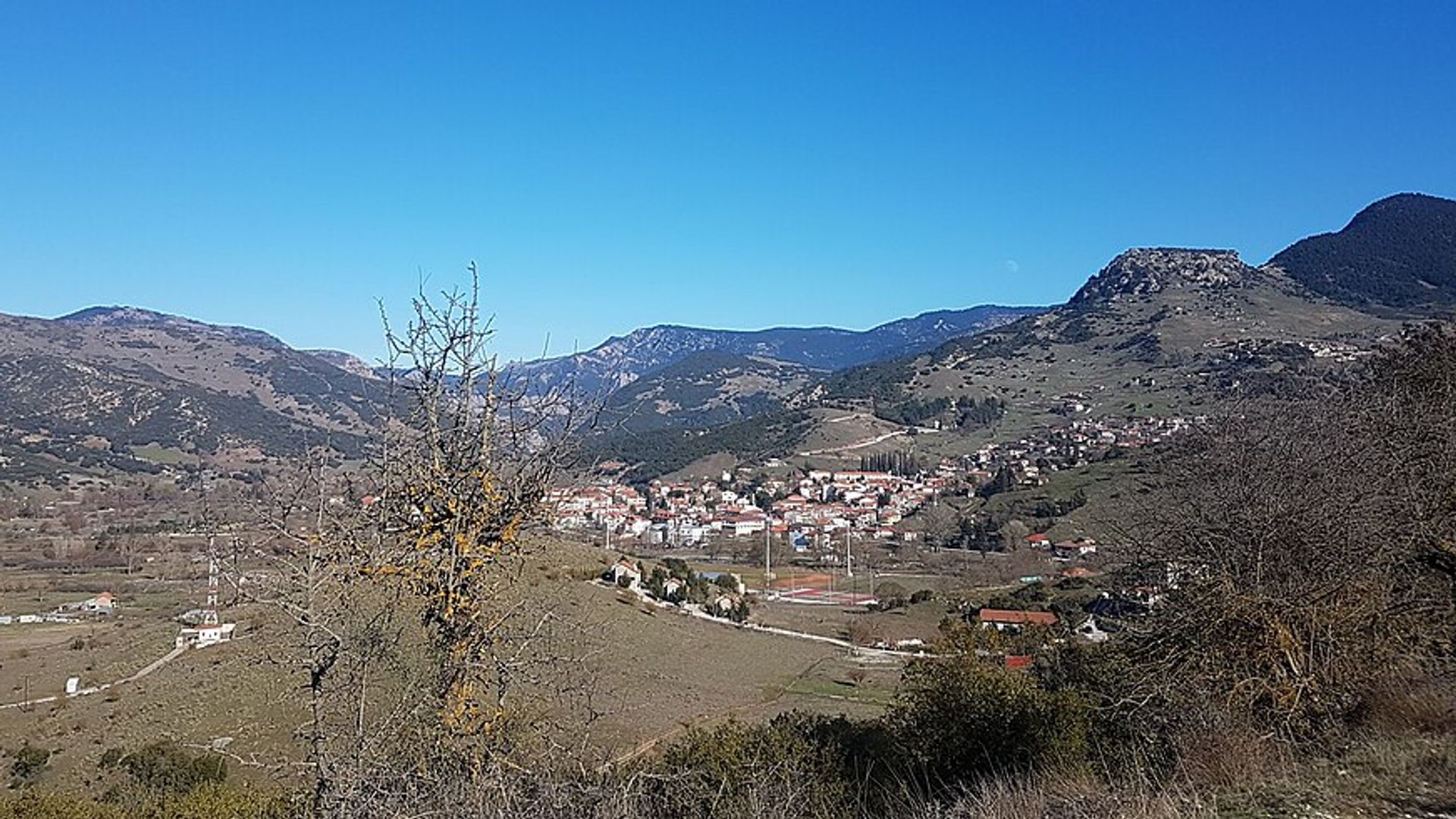
Discover Kalavryta, a stunning mountain town in the Peloponnese where history meets natural beauty. From the famous rack railway to historic monasteries and ski slopes, this alpine gem offers year-round adventures.
Perched high in the Aroania Mountains at 756 meters above sea level, Kalavryta stands as one of Greece's most captivating mountain destinations. This enchanting town combines dramatic natural scenery with profound historical significance, offering visitors an authentic Greek mountain experience just two hours from Athens.
Whether you're riding Europe's oldest rack railway, exploring Byzantine monasteries clinging to cliffsides, or skiing down alpine slopes, Kalavryta delivers experiences that few Greek destinations can match. The crisp mountain air, lush forests, and welcoming locals create an atmosphere that keeps travelers returning season after season.
Quick Facts About Kalavryta
Essential Information:
- Location: Central Peloponnese, Achaea region
- Elevation: 756 meters (2,480 feet)
- Population: Approximately 2,000 residents
- Distance from Athens: 220 kilometers (137 miles)
- Best Time to Visit: December-March for skiing, April-October for hiking
- Famous For: Rack railway, Mega Spilaio monastery, ski resort
- Climate: Alpine Mediterranean with snowy winters
The Historic Kalavryta Railway: A Journey Through Time
The Odontotos Railway represents one of Greece's most remarkable engineering achievements and offers arguably the country's most scenic train journey. This narrow-gauge rack railway has been carrying passengers through the Vouraikos Gorge since 1896, climbing from the coastal town of Diakopto to Kalavryta.
The 22-kilometer journey takes approximately one hour, winding through tunnels, crossing bridges, and hugging cliffsides as the train ascends 720 meters. Passengers witness the landscape transform from coastal Mediterranean vegetation to alpine forests, with the rushing Vouraikos River providing a constant companion below.
Railway Journey Highlights:
- Zachlorou Station: Historic midpoint stop with traditional tavernas
- Vouraikos Gorge: Dramatic canyon walls rising hundreds of meters
- Original Infrastructure: Many 19th-century bridges and tunnels still in use
- Scenic Variety: Olive groves, plane trees, and mountain pines
- Engineering Marvel: Rack and pinion system conquering steep gradients
The railway operates year-round with varying schedules, making it accessible whether you're planning a summer hiking trip or a winter ski vacation. Many visitors combine the train journey with exploring Greece's historic monasteries throughout the Peloponnese.
Mega Spilaio: The Great Cave Monastery
Clinging dramatically to a sheer cliff face 940 meters above sea level, the Monastery of Mega Spilaio ranks among Greece's most impressive religious sites. Founded in 362 AD, it holds the distinction of being one of the oldest monasteries in Greece and houses priceless religious artifacts.
The monastery's name translates to "Great Cave," referring to the massive natural cavern where monks first established their community. Legend tells of the discovery of a miraculous icon of the Virgin Mary, painted by Saint Luke himself, which remains the monastery's most sacred treasure.
Monastery Features:
- Ancient Icon: Wax and mastic icon of the Virgin Mary from the 4th century
- Museum: Extensive collection of Byzantine manuscripts and artifacts
- Architecture: Eight-story building built into the rock face
- Library: Rare religious texts and historical documents
- Panoramic Views: Breathtaking vistas across the valley below
- Active Community: Functioning monastery with resident monks
Visitors should dress modestly when visiting, with covered shoulders and knees required for entry. The monastery welcomes guests daily, though hours may vary seasonally.
Kalavryta Ski Center: Alpine Adventures
The Kalavryta Ski Center transforms the region into a winter sports paradise from December through March. Located on Mount Helmos at altitudes ranging from 1,700 to 2,340 meters, this resort offers the southernmost skiing in mainland Greece with surprisingly reliable snow conditions.
With 12 slopes covering 20 kilometers of skiing terrain, the resort caters to all skill levels from beginners to advanced skiers. Modern facilities include seven lifts, equipment rentals, ski schools, and mountainside tavernas serving warming Greek comfort food.
Ski Resort Details:
- Beginner Slopes: 3 gentle runs perfect for learning
- Intermediate Runs: 6 varied slopes with stunning views
- Advanced Terrain: 3 challenging black runs
- Vertical Drop: 640 meters of skiing elevation
- Facilities: Rental shop, ski school, first aid station
- Après-Ski: Mountain refuges and cafes
Summer visitors can ride the chairlifts to access hiking trails and enjoy spectacular mountain panoramas. The alpine meadows burst with wildflowers in spring, creating photography opportunities that rival any European destination.
Historical Significance and Memorial Sites
Kalavryta holds profound significance in modern Greek history, particularly regarding World War II events. On December 13, 1943, Nazi forces executed all male residents aged 13 and above in retaliation for resistance activities, destroying the town completely.
The Municipal Museum of the Kalavryta Holocaust preserves this tragic memory, documenting the events and honoring the victims. The town's clock tower remains frozen at 2:34 PM, the exact time when the executions began, serving as a permanent memorial.
Memorial Sites:
- Clock Tower: Stopped at 2:34 PM since December 13, 1943
- Holocaust Museum: Comprehensive documentation and testimonies
- Martyrs' Monument: Memorial on the execution site hilltop
- School of Agia Lavra: Historic building with exhibition spaces
- Annual Commemoration: December 13 memorial ceremonies
These sites provide sobering reminders of wartime atrocities while celebrating the resilience of the Greek spirit. Visitors often find these memorials among the most moving experiences in Greece, similar to other historical sites throughout the Peloponnese.
Agia Lavra Monastery: Birthplace of Revolution
Just six kilometers from Kalavryta town, the Monastery of Agia Lavra occupies a sacred place in Greek national consciousness. On March 25, 1821, Bishop Germanos of Patras raised the flag of revolution here, marking the beginning of Greece's War of Independence from Ottoman rule.
The monastery complex features beautiful Byzantine architecture, peaceful courtyards, and a museum displaying revolutionary artifacts. The original flag and other relics from the independence struggle create tangible connections to this pivotal moment in Greek history.
Monastery Highlights:
- Revolutionary flag and documents from 1821
- Byzantine frescoes and religious artwork
- Tranquil gardens with mountain views
- Active monastic community
- Gift shop with local products and icons
The monastery welcomes visitors throughout the year, offering a peaceful retreat that combines natural beauty with historical gravitas. Many travelers explore this site while discovering facts about Sparta in ancient Greece during broader Peloponnese tours.
Natural Wonders and Outdoor Activities
Beyond its cultural attractions, Kalavryta serves as a gateway to some of the Peloponnese's most spectacular natural landscapes. The surrounding Aroania Mountains offer endless opportunities for hiking, mountain biking, and nature photography throughout the warmer months.
The Cave of the Lakes (Spilaio ton Limnon) ranks among Greece's most unique geological formations, featuring 13 cascading underground lakes spread across three levels. Guided tours lead visitors through illuminated chambers showcasing stunning stalactite and stalagmite formations.
Outdoor Activities:
- Hiking Trails: Routes ranging from easy walks to challenging mountain treks
- Cave of the Lakes: 1,980-meter cave system with underground waterfalls
- Mountain Biking: Scenic routes through alpine forests
- Rock Climbing: Limestone cliffs offering various difficulty levels
- Nature Photography: Wildflowers, raptors, and mountain landscapes
- River Trekking: Vouraikos Gorge walking path alongside the railway
Spring and autumn provide ideal conditions for outdoor adventures, with comfortable temperatures and fewer crowds than peak summer months. Winter transforms the landscape into a snow-covered wonderland perfect for snowshoeing and cross-country skiing.
Traditional Villages and Local Culture
The Kalavryta region encompasses numerous traditional mountain villages where time seems to move more slowly. Stone houses with slate roofs cluster around central squares shaded by massive plane trees, where locals gather at traditional kafeneia to discuss the day's events.
Villages like Zachlorou, Ano Loussoi, and Planitero offer authentic glimpses into mountain Greek life. Visitors can sample local specialties, purchase handmade crafts, and experience the legendary Greek hospitality that makes the Peloponnese so special.
Village Experiences:
- Zachlorou: Railway village with excellent tavernas and hiking access
- Ano Loussoi: Ancient ruins and panoramic mountain views
- Planitero: Traditional architecture and local cheese producers
- Kerpini: Stone-built village with artisan workshops
- Kleitoria: Agricultural community known for bean cultivation
Many villages maintain traditional festivals throughout the year, celebrating patron saints with music, dancing, and communal feasting. These celebrations welcome visitors who want to experience authentic Greek culture beyond the tourist trail, much like the traditional atmosphere found in Gytheio and other Peloponnesian towns.
Culinary Delights and Local Products
Kalavryta's mountain cuisine reflects its alpine environment, featuring hearty dishes that warm body and soul during cold winter months. Local tavernas serve traditional recipes passed down through generations, using ingredients sourced from surrounding farms and forests.
The region produces exceptional dairy products, particularly cheeses made from sheep and goat milk grazed on mountain pastures. Local honey, collected from hives in aromatic herb-filled meadows, possesses distinctive flavors that vary with the seasons.
Must-Try Local Specialties:
- Hilopites: Traditional egg pasta served with meat or cheese
- Galotyri: Creamy soft cheese unique to the region
- Kontosouvli: Spit-roasted pork with mountain herbs
- Trahanas: Fermented grain and milk soup, perfect for winter
- Wild Greens: Foraged horta with olive oil and lemon
- Mountain Honey: Thyme and fir honey from local producers
- Tsikoudia: Strong distilled spirit, the local version of raki
Visitors can purchase local products from small shops throughout town, bringing home tastes of the mountains. The Sunday morning market offers fresh produce, cheeses, and baked goods directly from producers, similar to markets throughout Greek cities.
Where to Stay in Kalavryta
Accommodation options in Kalavryta range from family-run guesthouses to modern hotels, with most establishments offering mountain views and traditional hospitality. Winter sees higher prices and advance booking requirements due to ski season demand, while summer and autumn offer better value.
Many hotels feature fireplaces, traditional architecture, and hearty breakfast spreads showcasing local products. The compact town center means most accommodations sit within walking distance of restaurants, shops, and the railway station.
Accommodation Options:
- Traditional Guesthouses: Stone-built properties with authentic character
- Modern Hotels: Contemporary amenities with mountain views
- Family-Run Inns: Personal service and home-cooked meals
- Mountain Refuges: Basic accommodation near hiking trails
- Ski Resort Hotels: Slope-side convenience during winter
Booking ahead becomes essential during Christmas, New Year, and Greek Orthodox Easter when Greek families flock to the mountains. Weekends throughout ski season also see high occupancy rates.
Getting to Kalavryta
Reaching Kalavryta requires some planning, but the journey through the Peloponnese countryside rewards travelers with spectacular scenery. Most visitors arrive by car from Athens or Patras, though the railway from Diakopto provides the most memorable approach.
The drive from Athens takes approximately 2.5 to 3 hours via the Rio-Antirrio Bridge and the national highway. From Patras, the journey requires about 90 minutes through mountain roads that wind through olive groves and pine forests.
Transportation Options:
- By Car from Athens: 220 km via E65 and regional roads
- By Train: Odontotos Railway from Diakopto (must reach Diakopto first)
- By Bus: KTEL buses from Athens and Patras (limited schedule)
- By Taxi: Available from Patras or Diakopto
- Organized Tours: Day trips and multi-day packages from Athens
Having your own vehicle provides maximum flexibility for exploring surrounding villages and attractions. However, the train journey offers such spectacular views that many travelers take it at least one direction, combining it with car rental or bus service.
Consider exploring Kalavryta as part of a comprehensive Peloponnese adventure tour that includes other regional highlights like Ancient Olympia and coastal destinations.
Travel Tips for Visiting Kalavryta
Planning Your Visit:
- Best Season: December-March for skiing, May-June for wildflowers, September-October for hiking
- Duration: Minimum 2 days to see main attractions, 3-4 days for thorough exploration
- Weather Preparation: Bring layers year-round; temperatures drop significantly at elevation
- Cash: Many small tavernas and shops don't accept cards
- Language: Learn basic Greek phrases for enhanced interactions
- Driving: Mountain roads require careful navigation, especially in winter
- Railway Tickets: Book Odontotos train tickets in advance during peak seasons
- Monastery Visits: Dress modestly with covered shoulders and knees
Practical Considerations:
- Mobile Coverage: Generally good in town, spotty in remote mountain areas
- Medical Facilities: Health center in town for basic needs
- Fuel Stations: Limited options; fill up before mountain drives
- Restaurant Hours: Many close early, especially weeknights off-season
- Winter Driving: Snow chains required during winter months
- Photography: Best light for landscapes occurs early morning and late afternoon
Combining Kalavryta with Other Peloponnese Destinations
Kalavryta's central Peloponnese location makes it an excellent addition to broader regional itineraries. The town combines naturally with coastal destinations, ancient sites, and other mountain communities for varied travel experiences.
Many visitors include Kalavryta in circuits that encompass Ancient Epidaurus, Nafplio, Mycenae, and Ancient Olympia. This combination showcases the Peloponnese's incredible diversity, from seaside charm to mountain majesty and archaeological wonders.
Suggested Itinerary Combinations:
- Mountain and Coast: Kalavryta + Patras + Kalogria Beach
- History Circuit: Kalavryta + Ancient Olympia + Sparta + Mystras
- Nature Focus: Kalavryta + Lousios Gorge + Vytina + Mainalo Mountain
- Complete Peloponnese: 7-day tour including Kalavryta, Nafplio, Monemvasia, and Mani
- Winter Sports and Wellness: Kalavryta skiing + Euphoria Retreat spa experience
Consider booking a comprehensive Sparta and Mystras tour that can be combined with Kalavryta for an unforgettable mountain and history adventure.
Seasonal Highlights Throughout the Year
Kalavryta transforms with the seasons, each period offering distinct experiences and atmospheres. Understanding seasonal variations helps visitors time their trips for specific interests and activities.
Winter (December-March):
- Ski resort in full operation with reliable snow coverage
- Christmas and New Year celebrations with festive atmosphere
- Cozy tavernas with roaring fireplaces
- Reduced crowds at monasteries and museums
- Dramatic snow-covered mountain landscapes
Spring (April-June):
- Wildflowers carpeting alpine meadows
- Perfect hiking temperatures
- Easter celebrations with traditional customs
- Rushing waterfalls from snowmelt
- Migrating birds in surrounding forests
Summer (July-August):
- Escape from coastal heat to cool mountain air
- Extended daylight for outdoor activities
- Village festivals and cultural events
- Peak accessibility to high-altitude trails
- Busy weekends as Greeks escape cities
Autumn (September-November):
- Spectacular foliage colors in forests
- Harvest season for local products
- Comfortable temperatures for exploration
- Fewer tourists than summer months
- Mushroom foraging in mountain woods
Frequently Asked Questions
How long does the Kalavryta railway journey take?
The Odontotos Railway journey from Diakopto to Kalavryta takes approximately 60 minutes covering 22 kilometers. The train makes a scheduled stop at Zachlorou station midway, where passengers can disembark to visit the village or Mega Spilaio monastery before catching a later train.
Is Kalavryta suitable for summer visits or only winter?
Kalavryta excels as a year-round destination offering different experiences each season. Summer visitors enjoy cool mountain temperatures (15-25°C), excellent hiking conditions, and lush green landscapes, making it a perfect escape from coastal heat. Winter attracts ski enthusiasts, while spring and autumn offer ideal conditions for cultural exploration and outdoor activities.
Can I visit Kalavryta as a day trip from Athens?
While technically possible, a day trip from Athens feels rushed given the 2.5-hour drive each way. To properly experience the railway journey, visit monasteries, and enjoy the mountain atmosphere, plan at least one overnight stay. Two nights allows comfortable exploration of the region's main attractions without constant rushing.
What should I wear when visiting monasteries in Kalavryta?
Both Mega Spilaio and Agia Lavra monasteries enforce modest dress codes requiring covered shoulders and knees for all visitors. Women should avoid sleeveless tops and short skirts, while men should wear long pants. Some monasteries provide cover-ups at entrances, but bringing appropriate clothing ensures smooth entry.
Are the mountain roads to Kalavryta difficult to drive?
The main roads to Kalavryta are well-maintained and suitable for regular vehicles, though they feature curves and elevation changes typical of mountain driving. Winter conditions may require snow chains, which can be rented locally. Drivers unfamiliar with mountain roads should proceed cautiously, especially during adverse weather conditions.
What's the best way to experience both the railway and ski resort?
Plan a two or three-day winter visit, taking the train up from Diakopto on arrival day to enjoy the scenic journey. Spend the following day(s) skiing, then either drive back or take the train down, depending on whether you have a car. Many hotels offer ski packages including equipment rental and lift passes.
Is Kalavryta family-friendly for children?
Kalavryta offers excellent family experiences including the exciting train ride, beginner ski slopes, cave exploration, and easy nature walks. The compact town center allows safe walking, and tavernas welcome children with traditional Greek hospitality. However, some monastery visits and memorial sites may be more meaningful for older children and teenagers.
What local products make good souvenirs from Kalavryta?
The region's mountain honey, artisanal cheeses (especially galotyri), handmade pasta (hilopites), herbal teas from mountain herbs, and religious icons from monastery shops make authentic souvenirs. Local wine and tsikoudia (grape spirit) appeal to those interested in Greek alcohol specialties, while hand-woven textiles showcase traditional crafts.
Conclusion: Why Kalavryta Deserves Your Time
Kalavryta stands apart from typical Greek destinations, offering mountain majesty where most travelers expect only islands and ancient ruins. This remarkable town combines natural beauty, profound history, outdoor adventures, and authentic Greek mountain culture into an experience that lingers long after departure.
Whether you're riding the historic railway through dramatic gorges, exploring cliff-hanging monasteries, skiing down alpine slopes, or simply savoring mountain cuisine by a crackling fire, Kalavryta reveals a different dimension of Greece. The town's resilience through tragedy, preservation of traditions, and embrace of sustainable tourism create a destination that feels both timeless and welcoming.
For travelers seeking to understand Greece beyond the postcard images, Kalavryta provides essential perspective on the country's geographic diversity, historical depth, and cultural richness. Plan your visit to this mountain gem and discover why Greeks themselves treasure these alpine landscapes as deeply as any island paradise.