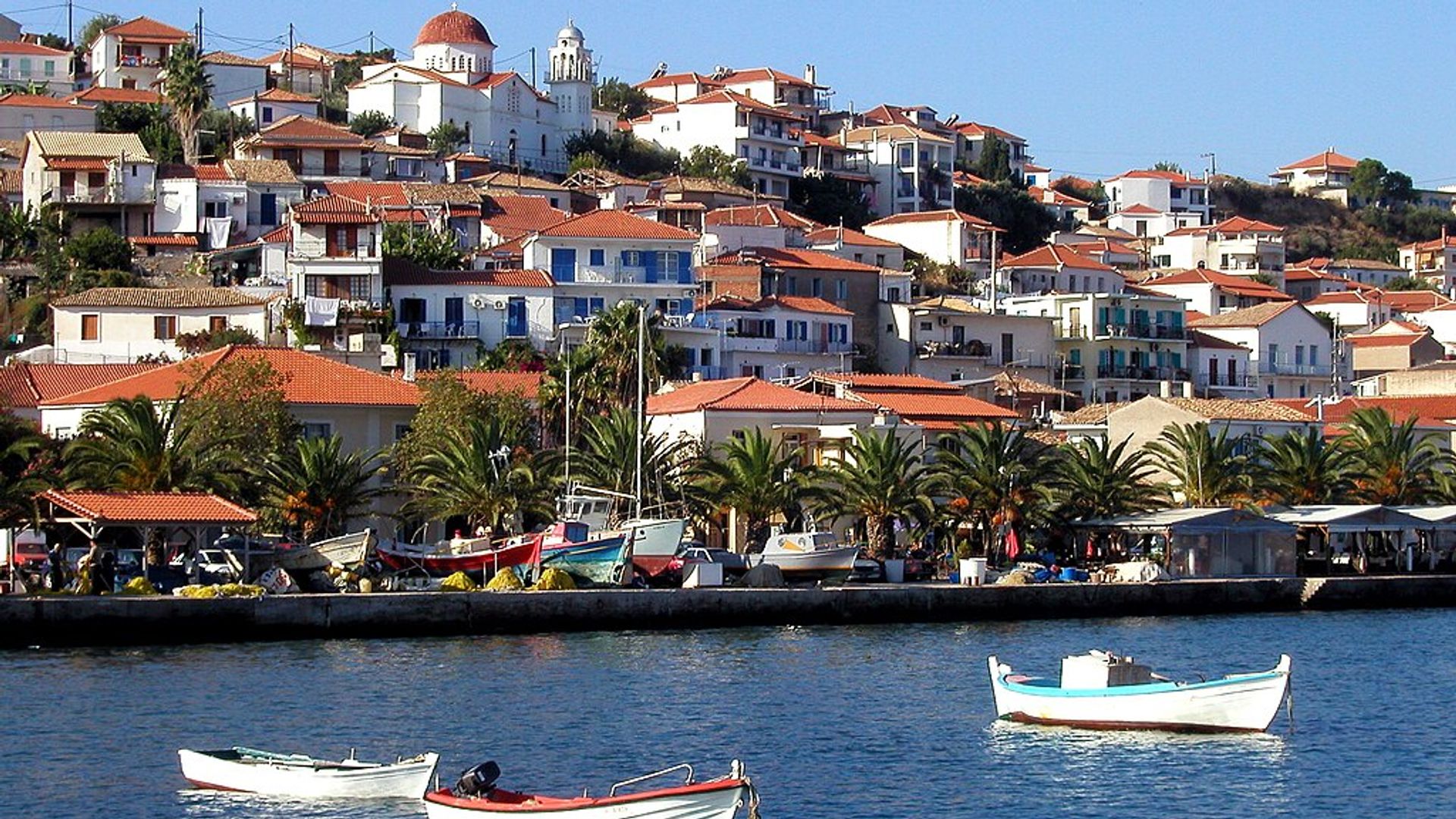
Discover Koroni Castle, a magnificent Venetian fortress perched on a promontory overlooking the Messinian Gulf. This medieval stronghold combines Byzantine and Venetian architecture with breathtaking sea views, charming chapels, and centuries of fascinating history.
Perched majestically on a rocky promontory overlooking the azure waters of the Messinian Gulf, Koroni Castle stands as one of the Peloponnese's most enchanting medieval fortresses. This sprawling fortress complex, with its honey-colored stone walls embracing an entire neighborhood of whitewashed houses and Byzantine chapels, offers visitors a unique glimpse into centuries of Greek, Venetian, and Ottoman history.
Unlike many archaeological sites that feel frozen in time, Koroni Castle remains a living, breathing community where local residents still maintain homes within the ancient walls. The castle's strategic position made it one of the most coveted strongholds in the Mediterranean, earning it the nickname "Eye of Venice" alongside its sister fortress at Methoni.
The Rich History of Koroni Castle
The origins of Koroni Castle stretch back to the 6th century AD when Byzantine Emperor Justinian I first fortified this strategic coastal position. The natural harbor below and commanding views made it an ideal defensive location that would be contested for over a millennium.
The Venetians transformed Koroni into a major naval base after capturing it in 1206, constructing most of the fortifications visitors see today. Their rule lasted until 1500 when Ottoman forces conquered the fortress, beginning a new chapter that would last until Greek independence in the 19th century.
The Venetian Era and Maritime Power
During Venetian control, Koroni flourished as one of the Republic's most important outposts in the eastern Mediterranean. The fortress served as a crucial stopover point for Venetian merchant vessels traveling to and from Constantinople and the Levant.
The Venetians expanded the fortifications significantly, adding massive walls, towers, and bastions that could withstand both naval bombardment and land sieges. Much like the impressive fortifications at Geraki Castle, these defensive works showcased the engineering prowess of medieval military architecture.
Ottoman Occupation and Cultural Layers
The Ottoman conquest in 1500 brought significant changes to Koroni Castle's character and function. The new rulers converted several Byzantine churches into mosques and added their own architectural elements to the fortress complex.
Despite the change in governance, the strategic importance of Koroni remained constant throughout the Ottoman period. The fortress continued to serve as a vital naval base and administrative center for the southern Peloponnese region.
Architectural Highlights and Layout
Koroni Castle encompasses an impressive area of approximately 22,000 square meters, making it one of the largest fortress complexes in the Peloponnese. The fortification system consists of multiple defensive layers, each representing different historical periods and military technologies.
The outer walls feature massive stone construction with strategic towers positioned to provide overlapping fields of fire. Walking along these ramparts offers breathtaking panoramic views across the Messinian Gulf toward the mountains of the Mani Peninsula.
The Castle Gates and Entrance
Visitors enter Koroni Castle through imposing gates that once served as the only controlled access points to this fortified community. The main gate features carved Venetian lions and inscriptions that testify to the fortress's illustrious past.
Once inside, narrow cobblestone streets wind between traditional houses, creating an atmospheric maze that rewards exploration. The integration of residential areas within the fortress walls creates a unique ambiance rarely found in other Greek castles.
Churches and Religious Architecture
The castle complex contains several historically significant churches that showcase the religious diversity of its occupants over the centuries. The Church of Timios Prodromos, dating to the Byzantine period, features beautiful frescoes and architectural details that survived multiple regime changes.
The Monastery of Panagia Eleistria occupies a prominent position within the southern section of the fortress. This active monastery welcomes respectful visitors and offers a peaceful retreat with spectacular views over the sea.
The Citadel and Upper Fortress
The highest point of Koroni Castle contains the inner citadel, representing the last line of defense during sieges. This elevated section provided commanders with unobstructed views of approaching threats from both land and sea.
Today, the citadel area offers the most dramatic photographic opportunities, especially during golden hour when the setting sun bathes the ancient stones in warm light. The panoramic vistas extend across the entire Messinian coastline and out to the open Mediterranean.
Quick Facts About Koroni Castle
Essential Information:
- Location: Koroni, southwestern Messinia, Peloponnese
- Construction Period: 6th century AD (Byzantine) with major Venetian additions 13th-15th centuries
- Size: Approximately 22,000 square meters
- Altitude: 50-80 meters above sea level
- Current Status: Inhabited fortress with residential areas and active monastery
- Entrance Fee: Free access to most areas (monastery may have restricted hours)
- Best Visiting Time: Early morning or late afternoon to avoid midday heat
- Average Visit Duration: 2-3 hours for thorough exploration
Exploring Koroni Castle Today
Modern visitors to Koroni Castle can explore a fascinating blend of archaeological remains, living history, and stunning natural beauty. The fortress remains partially inhabited, creating an authentic atmosphere that distinguishes it from purely archaeological sites.
The best approach is to allow plenty of time for wandering the atmospheric streets and discovering hidden corners. Unlike more structured archaeological sites such as Ancient Messini, Koroni Castle rewards spontaneous exploration and serendipitous discoveries.
Walking the Ramparts
The fortress walls offer an excellent walking route with constantly changing perspectives on the surrounding landscape. Well-preserved sections allow visitors to imagine the experience of Venetian soldiers keeping watch for Ottoman fleets or pirate raiders.
Safety barriers have been installed in the most precarious sections, but visitors should still exercise caution, especially when traveling with children. Comfortable walking shoes with good grip are essential for navigating the uneven stone surfaces.
The Residential Quarter
The inhabited sections of Koroni Castle provide a unique glimpse into how traditional Greek communities adapted medieval fortifications for modern living. Whitewashed houses with colorful shutters nestle against ancient walls, creating picturesque scenes at every turn.
Respect for residents' privacy is essential when exploring these areas. Stick to public pathways and avoid peering into private courtyards or gardens, no matter how photogenic they might appear.
Sunset Viewing Points
Koroni Castle ranks among the finest sunset viewing locations in the entire Peloponnese. The western-facing ramparts provide unobstructed views as the sun descends toward the horizon, painting the sky in brilliant oranges and purples.
Local photographers recommend arriving at least 30 minutes before sunset to secure the best vantage points and capture the changing light. The combination of ancient architecture silhouetted against the colorful sky creates truly memorable images.
The Town of Koroni
The charming town of Koroni spreads down the hillside below the castle, offering excellent restaurants, cafes, and accommodation options. This authentic fishing village has largely escaped mass tourism, maintaining its traditional character and welcoming atmosphere.
The waterfront promenade provides a perfect setting for post-castle exploration, with tavernas serving fresh seafood and local Messinian specialties. The town beach offers a refreshing swim after exploring the fortress in the summer heat.
Local Cuisine and Dining
Koroni's restaurants showcase the exceptional quality of Messinian ingredients and traditional cooking methods. Fresh fish and seafood dominate menus, caught daily by the local fishing fleet that still operates from the harbor.
Don't miss trying local specialties like grilled octopus, fresh sardines, or the region's famous Kalamata olives. Pair your meal with local wines from nearby vineyards that have produced exceptional vintages for centuries.
Combining Koroni with Other Messinian Attractions
Koroni Castle makes an excellent addition to a broader exploration of the Messinia region, which boasts some of Greece's most impressive historical sites and natural beauty. Strategic planning allows visitors to combine multiple attractions in a single day trip.
The nearby fortress of Methoni, located about 30 kilometers away, offers an interesting comparison as Koroni's sister "Eye of Venice." Together, these two fortresses controlled the vital sea routes around the southern Peloponnese.
Suggested Itineraries
Full-Day Messinian Fortresses Tour:
- Morning exploration of Koroni Castle (2-3 hours)
- Coffee break in Koroni town
- Drive to Methoni (30 minutes)
- Afternoon visit to Methoni Castle
- Sunset at Methoni beach
- Dinner at traditional taverna
Cultural Heritage Circuit:
- Start with Ancient Messini archaeological site
- Lunch in Kalamata
- Afternoon at Koroni Castle
- Evening in Koroni town
- Optional overnight stay
Regional Tour Options
For travelers seeking comprehensive exploration of the Peloponnese's historical treasures, professional guided tours offer excellent value and expert insights. Book a Sparta and Mystras tour to discover more Byzantine and medieval heritage sites in the region.
The Messinia region also connects easily with other Peloponnesian highlights, making it possible to experience diverse aspects of Greek history and culture. Consider exploring the ancient theater at Epidaurus as part of a broader cultural journey.
Travel Tips for Visiting Koroni Castle
Planning Your Visit:
- Visit early morning or late afternoon to avoid crowds and harsh midday sun
- Allocate at least 2-3 hours for thorough exploration
- Bring water and sun protection, especially during summer months
- Wear comfortable walking shoes with good grip for uneven surfaces
- Respect the privacy of residents living within the castle walls
- Check monastery visiting hours if you plan to enter religious buildings
- Bring a camera with wide-angle lens for architectural photography
- Download offline maps as mobile signal can be weak in some areas
Photography Recommendations:
- Golden hour (sunrise/sunset) provides the most dramatic lighting
- Explore multiple levels for varied perspectives
- Include architectural details like carved stones and decorative elements
- Capture the contrast between ancient walls and modern houses
- Don't forget panoramic shots of the Messinian Gulf
- Respect privacy by avoiding photos of residents or private property
Accessibility Considerations:
- Steep cobblestone streets make wheelchair access challenging
- No elevators or ramps in the historical sections
- Uneven surfaces throughout require good mobility
- Limited seating areas for rest breaks
- Town level offers easier access to cafes and restaurants
Getting to Koroni Castle
Koroni is located approximately 50 kilometers southwest of Kalamata, the regional capital of Messinia. The scenic drive takes about one hour through olive groves and coastal landscapes that showcase the natural beauty of the southwestern Peloponnese.
From Athens, the journey covers approximately 280 kilometers and takes 3.5-4 hours by car via the modern highway system. Alternatively, visitors can fly to Kalamata International Airport and rent a car for the short drive to Koroni.
Transportation Options:
- By Car: Most convenient option with ample parking near the castle entrance
- By Bus: KTEL buses connect Kalamata to Koroni several times daily
- By Organized Tour: Professional tours include transportation and expert guides
- By Taxi: Available from Kalamata but relatively expensive for day trips
Accommodation Near Koroni Castle
Koroni town offers a range of accommodation options from budget-friendly rooms to boutique hotels with sea views. Staying overnight allows visitors to experience the castle at different times of day and enjoy the town's evening atmosphere.
Many guesthouses occupy traditional buildings with charming architectural features and warm hospitality. Booking in advance is recommended during peak summer months (July-August) when Greek families vacation in the area.
Accommodation Types:
- Traditional guesthouses in renovated stone buildings
- Small family-run hotels along the waterfront
- Modern apartments with kitchen facilities
- Boutique hotels with pools and sea views
- Budget rooms for backpackers and budget travelers
The Best Time to Visit Koroni Castle
Koroni Castle can be visited year-round, with each season offering distinct advantages and atmospheric qualities. The mild Mediterranean climate of Messinia ensures comfortable conditions even during winter months.
Spring (April-May) brings wildflowers and perfect temperatures for exploration without summer crowds. Fall (September-October) offers similarly pleasant conditions with the added benefit of warm sea temperatures for swimming.
Seasonal Considerations:
- Spring (April-June): Ideal weather, wildflowers, fewer tourists, perfect for photography
- Summer (July-August): Hot and busy but vibrant atmosphere, all facilities open
- Fall (September-October): Excellent conditions, warm sea, pleasant October weather
- Winter (November-March): Quiet and atmospheric, some facilities closed, occasional rain
Cultural Significance and Heritage
Koroni Castle represents a crucial chapter in the complex history of the Peloponnese and the wider Mediterranean world. The fortress witnessed the rise and fall of empires, serving as a strategic prize for Byzantines, Venetians, Ottomans, and finally modern Greece.
The architectural layering visible throughout the complex tells the story of cultural exchange and conflict that defined this region for centuries. Each ruling power left its mark, creating the rich palimpsest that fascinates visitors today.
Preservation Efforts
Greek archaeological authorities have undertaken significant conservation work to stabilize and preserve Koroni Castle's most vulnerable structures. These efforts balance the need to protect historical fabric with respect for the living community that still calls the fortress home.
Ongoing research continues to reveal new insights into the castle's construction phases and historical development. Archaeological investigations have uncovered artifacts spanning from Byzantine times through the Ottoman period and Greek War of Independence.
Koroni Castle in Greek Culture
The fortress holds a special place in Greek cultural memory as a symbol of resilience and strategic importance. During the Greek War of Independence, Koroni played a significant role in the struggle against Ottoman rule.
Local traditions and festivals maintain connections to the castle's historical significance. The town celebrates its patron saints with processions that wind through the fortress streets, maintaining customs that date back centuries.
Nearby Attractions and Day Trip Ideas
The Messinia region surrounding Koroni offers numerous attractions that complement a castle visit. Ancient sites, natural wonders, and charming villages provide options for extended exploration.
The archaeological site of Ancient Messene, one of Greece's best-preserved classical cities, lies about 60 kilometers north. This impressive site rivals better-known locations and receives far fewer visitors, allowing for peaceful exploration.
Additional Attractions:
- Methoni Castle and beach (30 km)
- Pylos and Navarino Bay (40 km)
- Nestor's Palace archaeological site (50 km)
- Polylimnio Waterfalls (35 km)
- Kalamata city and market (50 km)
- Voidokilia Beach (45 km)
Practical Information for Visitors
Successful visits to Koroni Castle require some basic planning and awareness of local conditions. The fortress environment presents both opportunities and challenges that visitors should anticipate.
Facilities within the castle itself are minimal, so come prepared with necessary supplies. The town below offers restaurants, cafes, shops, and public restrooms for visitor convenience.
Essential Services:
- Parking: Free parking available near castle entrance
- Restrooms: Available in town, limited options within castle
- Food/Drink: Bring water; tavernas in town below
- ATM: Available in Koroni town center
- Medical: Pharmacy in town; nearest hospital in Kalamata
- Tourist Information: Limited signage; consider hiring local guide
Photography and Social Media
Koroni Castle offers exceptional photographic opportunities that rival any location in Greece. The combination of medieval architecture, panoramic sea views, and authentic atmosphere creates compelling imagery.
Social media enthusiasts will find endless worthy subjects, from architectural details to sweeping landscapes. The castle's relative obscurity compared to more famous Greek sites means your photos will stand out from typical tourist imagery.
Photo Opportunities:
- Venetian walls silhouetted against sunset skies
- Byzantine church domes framed by fortress towers
- Narrow cobblestone streets with traditional houses
- Panoramic views across the Messinian Gulf
- Architectural details like carved lions and inscriptions
- Wildflowers growing from ancient stone walls (spring)
Understanding Greek Fortress Architecture
Koroni Castle exemplifies the evolution of Mediterranean military architecture across multiple historical periods. The layered fortifications demonstrate how defensive technologies adapted to changing military threats and siege warfare techniques.
The Venetian contributions showcase the transition from medieval castle design to early modern fortification systems. Bastions and gun emplacements reflect the growing importance of artillery in 15th and 16th-century warfare, much like the architectural evolution visible at other Greek fortresses.
For those interested in broader patterns of Greek architecture, Koroni provides excellent examples of how practical military needs shaped building design. The fortress also demonstrates how communities adapted defensive structures for peacetime habitation.
Local Legends and Stories
Like many ancient fortresses, Koroni Castle has accumulated numerous legends and folk tales over the centuries. Local residents still recount stories of hidden treasures, secret tunnels, and ghostly apparitions that supposedly haunt the ramparts.
One persistent legend speaks of a Venetian nobleman's daughter who threw herself from the walls rather than submit to Ottoman captors. Her spirit allegedly appears on moonlit nights, walking the battlements where she met her tragic end.
Environmental and Natural Heritage
Beyond its historical and architectural significance, Koroni Castle occupies an environmentally important coastal promontory. The fortress walls provide habitat for various bird species, including falcons and swifts that nest in crevices.
Spring brings spectacular wildflower displays, with colorful blooms emerging from cracks in the ancient stonework. The combination of maritime and terrestrial ecosystems creates biodiversity that adds another dimension to the fortress experience.
FAQ About Koroni Castle
How much time should I allocate for visiting Koroni Castle?
Plan for at least 2-3 hours to properly explore Koroni Castle and appreciate its various sections. This allows time to walk the ramparts, visit the churches and monastery, explore the residential quarters, and enjoy the panoramic views. Photography enthusiasts or history buffs may want to allocate even more time, especially if visiting during golden hour for optimal lighting conditions.
Is Koroni Castle suitable for families with children?
Koroni Castle can be enjoyed by families, but parents should supervise children carefully due to uneven surfaces, steep drops from walls, and the absence of barriers in some areas. The inhabited nature of the fortress adds interest for kids who can see how people live within ancient walls. Consider visiting during cooler months to avoid exhausting young children with heat, and bring plenty of water and snacks as facilities within the castle are limited.
What's the difference between Koroni and Methoni castles?
Both Koroni and Methoni served as Venetian fortress towns known as the "Eyes of Venice," but they have distinct characters. Koroni remains a living community with residents inside the walls, creating an authentic atmosphere, while Methoni is more of a pure archaeological site. Methoni's fortress extends onto a promontory surrounded by sea on three sides with a more dramatic coastal setting, whereas Koroni offers better-preserved Byzantine churches and religious architecture. Visiting both provides complementary perspectives on Venetian military architecture in the Peloponnese.
Can I visit the monastery inside Koroni Castle?
The Monastery of Panagia Eleistria within Koroni Castle welcomes respectful visitors during appropriate hours, typically morning and late afternoon, though exact times can vary. Modest dress is required (covered shoulders and knees for both men and women), and silence should be maintained in religious areas. The monastery may close during services or rest periods, so flexibility in timing is advisable. Photography inside churches is often restricted, so ask permission before taking photos.
Are there guided tours available for Koroni Castle?
While local guides can sometimes be arranged through Koroni tourist information or hotels, organized tours from regional centers like Kalamata or Nafplio offer more reliable options. Professional tour companies include Koroni in broader Messinian itineraries that might also feature Ancient Messini, Methoni, or Pylos. Self-guided exploration is perfectly feasible as the castle layout is relatively straightforward, though a knowledgeable guide significantly enriches the historical understanding and can point out details easily missed.
What facilities are available at Koroni Castle?
Koroni Castle has minimal visitor facilities within the fortress walls themselves, with no dedicated visitor center, restrooms, or refreshment stands inside the historical area. All services including restaurants, cafes, shops, ATMs, and public restrooms are located in Koroni town just below the castle, an easy 5-10 minute walk. Free parking is available near the castle entrance. Visitors should bring water, sun protection, and any necessary supplies before ascending to explore the fortress.
Is Koroni Castle accessible year-round?
Koroni Castle remains accessible throughout the year with no seasonal closures, though visiting conditions vary significantly by season. Summer brings hot weather requiring early morning or late afternoon visits, while winter offers pleasant temperatures but occasional rain and reduced daylight hours. Spring and fall provide optimal conditions with moderate temperatures, fewer crowds, and excellent photography light. The monastery within the castle may have reduced hours during winter months, and some town facilities close off-season.
How does Koroni Castle compare to other Peloponnesian fortresses?
Koroni Castle stands out among Peloponnesian fortresses for its inhabited character and excellent state of preservation. Unlike purely archaeological sites such as Geraki Castle, Koroni maintains a living community that adds authentic atmosphere. The fortress offers more extensive Venetian architecture than many Byzantine-era castles, while its coastal setting provides dramatic sea views rivaling any fortification in Greece. The combination of historical layers, architectural diversity, and continued habitation makes Koroni unique even in a region rich with medieval fortresses.
Conclusion: Why Koroni Castle Deserves Your Visit
Koroni Castle represents one of the Peloponnese's most rewarding yet underappreciated historical attractions. The fortress combines impressive military architecture, centuries of fascinating history, stunning coastal views, and authentic Greek atmosphere in a package that satisfies diverse interests.
Unlike overcrowded tourist magnets, Koroni allows visitors to explore at a leisurely pace, discovering hidden corners and enjoying genuine interactions with local residents. The castle's living character creates connections between past and present that purely archaeological sites cannot match.
Whether you're passionate about Byzantine history, Venetian architecture, photography, or simply seeking authentic Greek experiences away from mass tourism, Koroni Castle delivers memorable rewards. Combined with the charming town below and the broader attractions of Messinia, a visit to this remarkable fortress creates lasting impressions of the Peloponnese's rich heritage.
Discover more hidden gems of the Peloponnese with expert-guided tours that reveal the region's fascinating history and stunning landscapes. From ancient theaters to medieval fortresses, the Peloponnese offers cultural treasures that rival any destination in Greece.