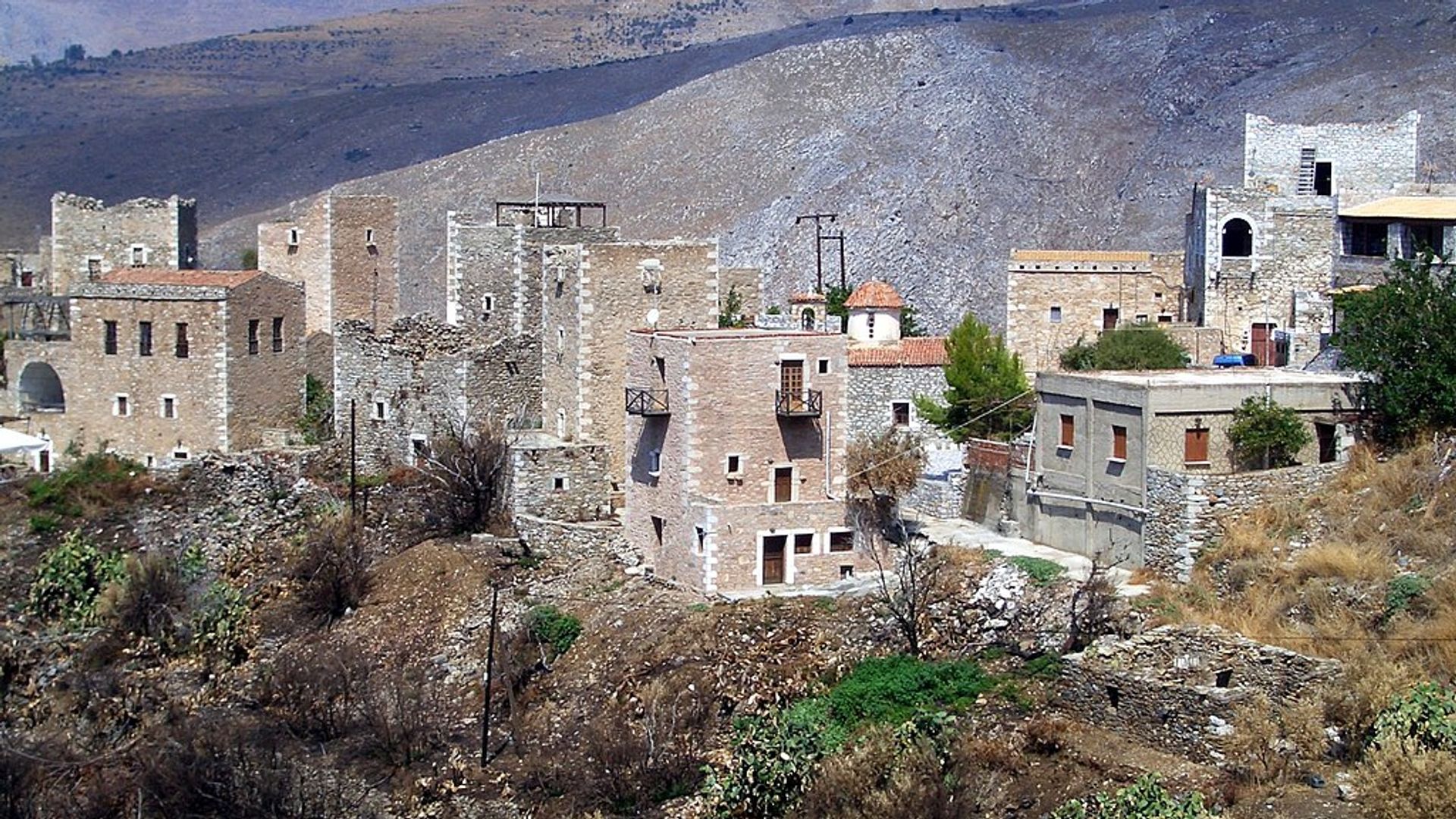
Discover Mani Greece, where rugged tower houses pierce the sky and ancient traditions thrive in the Peloponnese's most dramatic peninsula. This comprehensive guide reveals hidden villages, pristine beaches, and the fierce independence that defines this remarkable region.
The Mani Peninsula rises from the southern Peloponnese like a clenched fist, defiant and proud against the endless blue of the Mediterranean. This is Greece at its most raw and authentic, where stone towers stand as monuments to centuries of clan warfare and where the landscape itself seems to have been carved by the gods in a particularly fierce mood.
Mani has remained largely untouched by mass tourism, preserving a way of life that has disappeared elsewhere in Greece. The region's dramatic beauty combines sheer mountains, hidden coves, and villages that cling to cliffsides with stubborn determination.
Understanding Mani's Geography and Regions
Mani divides into two distinct areas, each with its own character and attractions. The peninsula extends approximately 50 kilometers south from Kalamata, forming the middle prong of the Peloponnese's three southern fingers.
Mesa Mani (Inner Mani) occupies the northern section, characterized by gentler landscapes and more accessible villages. Exo Mani (Outer Mani) dominates the south, where the terrain becomes increasingly wild and the traditional way of life remains most intact.
Geographic Divisions:
- Mesa Mani: From Kalamata to Oitylo, featuring olive groves and fertile valleys
- Exo Mani: From Oitylo to Cape Tenaro, showcasing dramatic cliffs and tower settlements
- Western Coast: Facing the Messenian Gulf with calmer waters
- Eastern Coast: Bordering the Laconian Gulf with more rugged shores
- Interior Mountains: Taygetos range reaching over 2,400 meters
The Legendary Tower Houses of Mani
Mani's iconic tower houses define the peninsula's skyline and tell stories of blood feuds that lasted generations. These defensive structures, built from local stone, could reach heights of 20 meters with walls thick enough to withstand siege.
Families built these towers during the 17th-19th centuries when clan warfare dominated Maniot life. The highest tower in each village symbolized the most powerful family, and feuds could be settled by destroying a rival's tower.
Tower House Features:
- Four to five stories with minimal windows on lower levels
- Narrow stone staircases connecting floors internally
- Roof platforms for defense and surveillance
- Ground floor storage for provisions during sieges
- Living quarters on middle floors
- Top floor reserved for defense positions
Essential Villages and Towns
Vathia stands as Mani's most photographed village, a ghost settlement where dozens of towers cluster on a hilltop like stone sentinels. Most towers now stand empty, but several have been restored as guesthouses, offering visitors a chance to sleep within these historic walls.
Areopoli serves as Mani's unofficial capital, a living town where traditional architecture meets modern amenities. The central square buzzes with cafes and tavernas, while narrow streets lead to hidden churches and restored tower complexes.
Must-Visit Villages:
- Vathia: Iconic tower village with panoramic sea views
- Areopoli: Main town with excellent restaurants and accommodations
- Kardamyli: Northern gateway with literary connections to Patrick Leigh Fermor
- Gerolimenas: Fishing village with crystal-clear harbor
- Kita: Traditional settlement with well-preserved towers
- Mezapos: Coastal village perfect for swimming and seafood
- Nomia: Mountain village offering authentic Maniot hospitality
Kardamyli deserves special mention as the village where British travel writer Patrick Leigh Fermor built his home and wrote his masterpieces. The village combines mountain and sea, with hiking trails leading into the Taygetos gorges and pebble beaches just steps from traditional stone houses.
Beaches and Coastal Treasures
Mani's coastline reveals some of Greece's most pristine beaches, many accessible only by foot or boat. The water here achieves that perfect Aegean clarity, with visibility extending meters below the surface.
The western coast tends toward sandy beaches with calmer waters, while the eastern shore offers dramatic pebble beaches backed by cliffs. Each cove seems to hide its own secret, from sea caves to ancient ruins.
Top Beaches:
- Foneas Beach: Secluded pebble beach near Kardamyli
- Kalogria Beach: Long sandy stretch near Stoupa
- Delfinia Beach: Protected cove with taverna access
- Gerolimenas Harbor: Swimming from the village waterfront
- Marmari Beach: White pebbles and turquoise water
- Kokkala Beach: Remote beach requiring 4x4 access
- Valtaki Beach: Family-friendly with shallow entry
For those seeking adventure, the coastline between Gerolimenas and Cape Tenaro offers endless exploration opportunities. Hidden coves appear around every bend, and the swimming rivals anywhere in the Mediterranean.
Historical and Cultural Sites
The Diros Caves rank among Greece's most spectacular natural wonders, where underground rivers flow through cathedral-like chambers adorned with stalactites and stalagmites. Visitors glide through the caves by boat, the silence broken only by dripping water and the guide's voice echoing off ancient stone.
Cape Tenaro marks mainland Greece's southernmost point, where ancient Greeks believed one entrance to Hades existed. The ruins of a Poseidon temple crown the cape, and hiking the final stretch to the lighthouse provides views across the Mediterranean that seem to stretch to infinity.
Historical Highlights:
- Diros Caves: 5,000 meters of explored passages with boat tours
- Cape Tenaro: Ancient sanctuary and southernmost point
- Kelefa Castle: Venetian fortress overlooking Oitylo
- Tigani Castle: Medieval fortification near Kardamyli
- Byzantine Churches: Over 150 small churches with original frescoes
- Ancient Tainaron: Ruins near Cape Tenaro
The region's Byzantine churches deserve exploration for their remarkable frescoes, many dating to the 11th-13th centuries. These tiny stone chapels dot the landscape, often located in remote locations that required genuine faith to reach for Sunday services.
Exploring the area around Gytheio provides additional historical context for understanding Mani's connection to ancient Sparta. The traditional Greek architecture found throughout Mani represents some of the country's most distinctive building styles.
Maniot Culture and Traditions
The Maniots developed a fierce reputation throughout Greek history, never fully submitting to Ottoman rule and maintaining their own laws and customs. This independence shaped a culture that valued honor above all else, leading to the blood feuds that necessitated those defensive towers.
Traditional Maniot mourning songs, called moirologia, represent one of Greece's most haunting musical traditions. Women would improvise these laments at funerals, their voices carrying across villages in expressions of grief that could last for hours.
Cultural Elements:
- Vendetta traditions lasting generations
- Moirologia mourning songs unique to the region
- Tower house architecture as status symbols
- Pirate heritage from centuries of raiding
- Resistance to outside authority
- Strong clan-based social structure
- Distinctive dialect preserving ancient Greek words
Local Cuisine and Dining
Maniot cuisine emphasizes simplicity and local ingredients, with wild greens, olive oil, and pork featuring prominently. The region's isolation meant families relied on what they could produce themselves, creating dishes that maximize flavor from minimal ingredients.
Lalagia, thin fried dough strips drizzled with honey, appear at festivals and celebrations throughout Mani. Local tavernas serve syglino, smoked pork preserved in fat, a traditional method that allowed families to store meat before refrigeration.
Traditional Dishes:
- Syglino: Smoked pork preserved in orange-scented fat
- Lalagia: Honey-drizzled fried dough
- Horta: Wild greens gathered from hillsides
- Kagianas: Scrambled eggs with tomatoes and local sausage
- Fresh fish: Grilled simply with lemon and oregano
- Olive oil: Some of Greece's finest from local groves
- Mountain tea: Foraged from Taygetos slopes
Restaurants in Areopoli and Kardamyli offer the most sophisticated dining, while village tavernas provide authentic home-style cooking. Don't miss the opportunity to try local olive oil, which wins international awards for its exceptional quality.
Those interested in Greek culinary traditions should explore Greek liquor varieties, as Mani produces excellent tsipouro and local wines.
Quick Facts About Mani
Essential Information:
- Location: Southern Peloponnese, 280 km from Athens
- Population: Approximately 15,000 permanent residents
- Main Towns: Areopoli, Kardamyli, Gytheio (gateway)
- Best Season: April-June and September-October
- Terrain: Mountainous with dramatic coastline
- Airport: Kalamata (60 km from northern Mani)
- Driving Time: 3.5 hours from Athens to Kardamyli
- Language: Greek, with English in tourist areas
Getting There and Around
Reaching Mani requires either driving or taking a bus to Kalamata, then continuing by car or local bus. The journey from Athens takes approximately 3.5 hours by car via the modern highway to Kalamata, then scenic coastal roads into the peninsula.
Renting a car provides the freedom to explore hidden villages and remote beaches at your own pace. Public buses connect major towns but run infrequently, making independent exploration challenging without your own vehicle.
Transportation Options:
- Rental Car: Most flexible option for exploring
- KTEL Buses: Connect Athens-Kalamata-Areopoli-Gerolimenas
- Organized Tours: Available from Kalamata and Nafplio
- Taxi: Expensive but available for specific destinations
- Boat: Some beaches accessible only by water
The roads through Mani range from excellent coastal highways to narrow mountain tracks. Drive carefully on village streets barely wide enough for one car, and always yield to oncoming traffic on blind curves.
Consider booking a tour from Nafplio to Sparta and Mystras to explore the broader region, or arrange a cultural tour from Kalamata that can include Mani highlights.
Accommodation Options
Staying in a restored tower house offers Mani's most authentic accommodation experience. Several villages now offer these historic structures as boutique hotels, combining original architecture with modern comforts.
Kardamyli and Areopoli provide the widest range of accommodation, from budget rooms to luxury hotels. For complete immersion in traditional life, consider the tower guesthouses in Vathia or smaller villages.
Where to Stay:
- Tower Guesthouses: Authentic experience in historic buildings
- Boutique Hotels: Modern comfort in traditional settings
- Village Rooms: Budget-friendly family-run accommodations
- Seaside Hotels: Beach access with mountain views
- Mountain Retreats: Peaceful settings in interior villages
Hiking and Outdoor Activities
The Taygetos Mountains provide endless hiking opportunities, from gentle coastal walks to challenging mountain ascents. The landscape rewards exploration, with Byzantine churches, abandoned villages, and panoramic viewpoints waiting around every bend.
The Vyros Gorge near Kardamyli offers one of Mani's most spectacular hikes, descending through a dramatic canyon to reach a pebble beach. The trail passes stone bridges, watermills, and ancient pathways that connected mountain villages to the sea.
Outdoor Activities:
- Vyros Gorge Hike: 3-hour round trip to beach
- Cape Tenaro Trail: 2-hour walk to Greece's southern tip
- Taygetos Summit: Challenging full-day mountain climb
- Coastal Path: Village-to-village walking routes
- Sea Kayaking: Explore hidden coves and caves
- Rock Climbing: Routes near Kardamyli
- Snorkeling: Crystal-clear waters with marine life
Spring brings wildflowers that carpet hillsides in color, making April and May ideal for hiking. Summer heat can be intense, so plan strenuous hikes for early morning or late afternoon.
Travel Tips for Visiting Mani
Practical Advice:
- Rent a car for maximum flexibility and access to remote areas
- Book tower house accommodations well in advance during peak season
- Carry cash as many village tavernas don't accept cards
- Pack hiking shoes for exploring trails and village streets
- Bring swimwear and snorkel gear for beach exploration
- Download offline maps as cell service can be spotty
- Fill gas tank before exploring remote southern areas
- Learn basic Greek phrases for village interactions
- Respect private property when photographing towers
- Allow extra driving time for narrow mountain roads
Best Times to Visit:
- Spring (April-May): Wildflowers, perfect temperatures, fewer tourists
- Early Summer (June): Warm weather, swimming season begins
- Autumn (September-October): Pleasant temperatures, harvest season
- Winter (November-March): Quiet and authentic but some businesses closed
Avoid August if possible, when Greek families vacation and accommodations fill quickly. The shoulder seasons offer the best combination of weather, availability, and authentic experiences.
For broader context on Greek travel, explore our guides on Greece weather in October and fun facts about Greece to enhance your planning.
Day Trip Itineraries
A full day exploring southern Mani from Areopoli creates unforgettable memories. Start early to visit the Diros Caves before crowds arrive, then drive south through tower villages, stopping to photograph Vathia and explore Gerolimenas.
Northern Mani deserves equal attention, with Kardamyli serving as an excellent base for exploring the Vyros Gorge and nearby beaches. The combination of mountains and sea within minutes of each other makes this area particularly special.
Sample Itinerary - Southern Mani:
- Morning: Diros Caves tour (9:00 AM)
- Mid-morning: Coffee in Pyrgos Dirou village
- Noon: Drive to Vathia for photography
- Lunch: Fresh fish in Gerolimenas harbor
- Afternoon: Swim at Marmari Beach
- Late afternoon: Cape Tenaro hike
- Evening: Return to Areopoli for dinner
Sample Itinerary - Northern Mani:
- Morning: Vyros Gorge hike from Kardamyli
- Midday: Beach swim and lunch
- Afternoon: Explore Patrick Leigh Fermor's village
- Late afternoon: Visit Byzantine churches near Stoupa
- Evening: Sunset dinner overlooking the sea
Connecting with Nearby Regions
Mani's location makes it an excellent addition to a broader Peloponnese itinerary. The region lies within easy driving distance of Sparta, Mystras, and the eastern Peloponnese coast.
Gytheio, just north of Mani, serves as the ancient port of Sparta and offers additional accommodation options. The town's waterfront provides a gentler introduction to the region before venturing into Mani's more rugged territory.
Nearby Attractions:
- Mystras: Byzantine ghost city (90 km from Areopoli)
- Sparta: Ancient city and modern town (80 km)
- Monemvasia: Medieval castle town (120 km)
- Gytheio: Spartan port with island connections
- Kalamata: Major city with airport and amenities
- Ancient Messini: Spectacular archaeological site (100 km)
The connections to ancient Sparta and Byzantine history add depth to understanding Mani's fierce independence. Learning about facts about Sparta in ancient Greece illuminates the warrior culture that influenced Maniot traditions.
Photography Opportunities
Mani offers photographers endless subjects, from architectural details to sweeping landscapes. The quality of light, especially during golden hour, transforms stone towers and mountains into magical scenes.
Vathia provides Mani's most iconic image, best photographed in late afternoon when the sun illuminates the towers against the darkening sea. The village appears almost surreal from the main road viewpoint, like a medieval fantasy brought to life.
Photography Highlights:
- Vathia towers at sunset
- Byzantine church interiors with frescoes
- Coastal landscapes from mountain roads
- Traditional village architecture details
- Cape Tenaro lighthouse and seascapes
- Diros Caves reflections
- Fishing boats in harbor villages
- Wildflowers against stone walls (spring)
Frequently Asked Questions
Is Mani suitable for families with children?
Mani works well for families with older children who can appreciate hiking and cultural sites. The beaches provide excellent swimming, and many villages have calm harbors perfect for kids. However, the rugged terrain and limited organized activities make it less ideal for very young children compared to more developed resort areas. Tower house stairs can be steep and narrow, so consider standard hotel accommodations with young ones.
How many days should I spend in Mani?
A minimum of three days allows you to experience both northern and southern Mani without rushing. Five to seven days provides time for serious hiking, beach exploration, and village immersion. Many visitors split their time between Kardamyli and Areopoli to experience both regions thoroughly. Weekend trips are possible but require focusing on either the northern or southern peninsula.
Can I visit Mani without a car?
Visiting Mani without a car is challenging but possible if you base yourself in one location and use taxis for specific destinations. KTEL buses connect major towns along the main coastal road, but service is infrequent and doesn't reach many interesting villages and beaches. Organized tours from Kalamata or Nafplio provide another option for car-free visitors. For genuine exploration and flexibility, renting a car is strongly recommended.
What should I pack for a Mani trip?
Pack sturdy walking shoes for village cobblestones and hiking trails, swimwear for beaches and coves, and sun protection including hat and sunscreen. Bring layers as mountain evenings can be cool even in summer. A flashlight helps when exploring churches and navigating village streets at night. Cash is essential as ATMs are limited and many businesses don't accept cards. A good camera captures Mani's photogenic landscapes and architecture.
Are the tower houses safe to stay in?
Restored tower houses converted to guesthouses meet modern safety standards while preserving historic character. These accommodations typically feature updated electrical systems, modern bathrooms, and safety features like handrails on steep stairs. The thick stone walls provide excellent insulation, keeping interiors cool in summer. However, expect narrow staircases and low doorways in some structures. Reputable tower hotels balance authenticity with comfort and safety.
What's the best base for exploring Mani?
Kardamyli serves as the ideal base for northern Mani, offering excellent restaurants, accommodations, and access to hiking trails and beaches. Areopoli works best for exploring southern Mani and the Diros Caves, with good facilities and a central location. Staying in both allows you to experience the full peninsula without long daily drives. Gerolimenas offers a quieter, more remote base for those seeking complete immersion in traditional Mani.
Is Mani crowded with tourists?
Mani remains one of Greece's least crowded regions, even during peak summer months. Kardamyli and Areopoli see the most visitors but never feel overwhelmed. Remote villages and beaches often have few or no other tourists. August brings Greek families on vacation, increasing crowds slightly, but nothing compared to popular islands. The region's rugged terrain and limited development naturally limit mass tourism, preserving an authentic atmosphere.
Can I swim year-round in Mani?
Swimming is comfortable from May through October, with water temperatures ranging from 20-26°C. July and August offer the warmest water but also the most sun exposure. Spring and autumn provide pleasant swimming with fewer people on beaches. Winter swimming is possible for hardy souls, as some locals swim year-round, but water temperatures drop to 15-16°C. The protected bays on the western coast tend to be slightly warmer than the eastern shore.
Conclusion: Embracing Mani's Wild Spirit
Mani rewards travelers who seek authenticity over convenience, offering glimpses of a Greece that has largely disappeared elsewhere. The tower houses standing sentinel over villages, the fierce pride still evident in local culture, and the landscapes that range from brutal to breathtaking create an experience unlike anywhere else in the country.
This is not a destination for those seeking luxury resorts or organized entertainment. Mani demands engagement with its history, respect for its traditions, and willingness to explore beyond the obvious. In return, it offers memories that last a lifetime and an understanding of what makes Greece truly special beyond the postcard images.
The peninsula's combination of natural beauty, architectural heritage, and living culture makes it essential for anyone wanting to understand the full complexity of Greek identity. Whether you spend a weekend or a month, Mani will challenge your expectations and reward your curiosity with experiences that feel increasingly rare in our homogenized world.