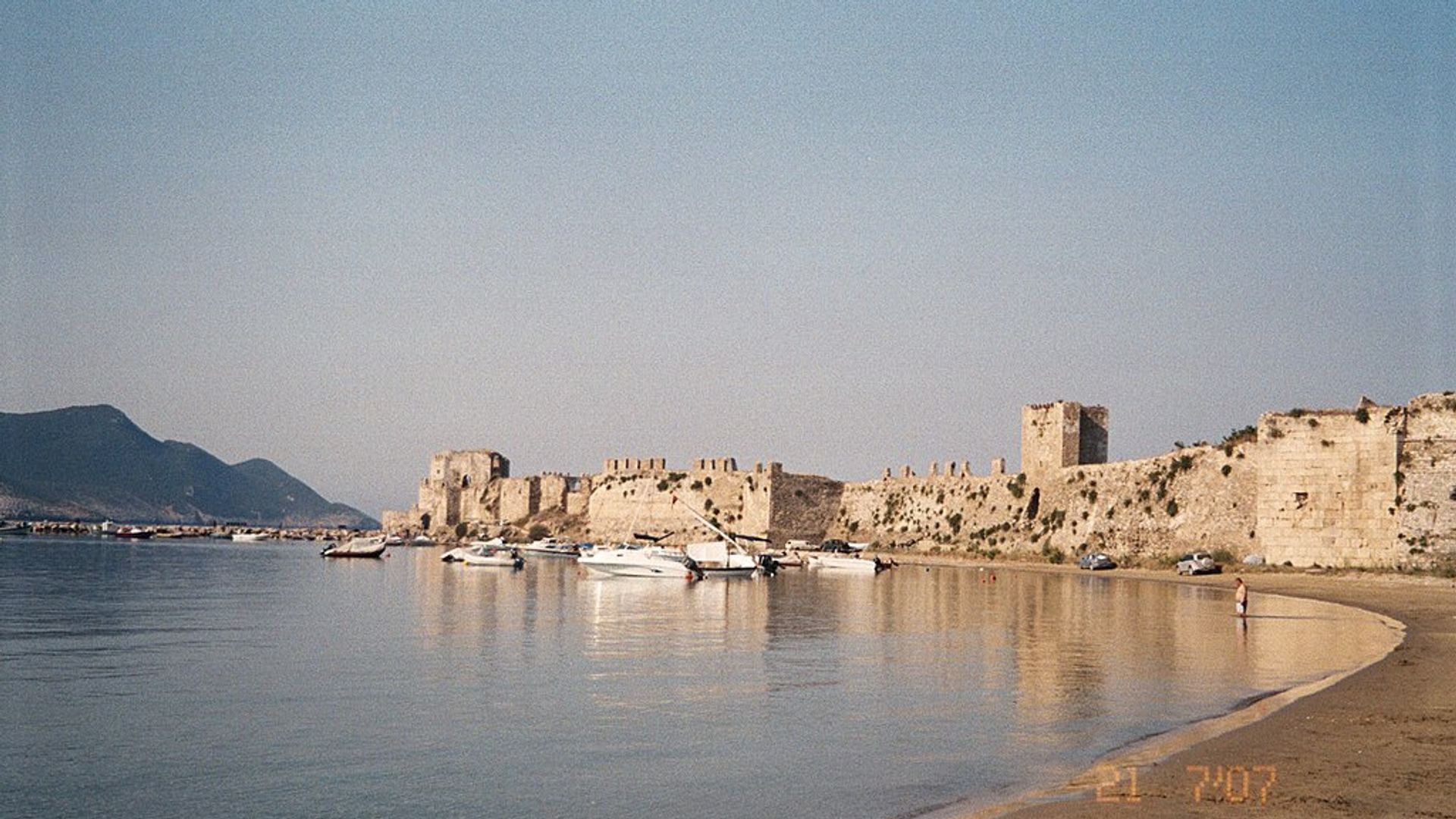
Methoni Castle stands as one of the most impressive Venetian fortresses in the Mediterranean, guarding the southwestern tip of the Peloponnese for over 700 years. This complete guide reveals everything you need to know about visiting this magnificent sea fortress, from its dramatic history to practical travel tips.
The waves crash against ancient stone walls as you walk across the causeway toward one of Greece's most magnificent fortresses. Methoni Castle rises from the turquoise waters of the Ionian Sea like a guardian from another era, its weathered ramparts telling stories of Venetian merchants, Ottoman sultans, and medieval crusaders.
This isn't just another archaeological site—it's a living monument where history breathes through every archway and tower. For travelers seeking authentic experiences beyond the typical tourist trail, Methoni Castle offers an unforgettable journey into Greece's complex past.
Why Methoni Castle Should Be on Your Peloponnese Itinerary
Methoni Castle ranks among the most important medieval fortifications in the Mediterranean, yet it remains refreshingly uncrowded compared to more famous Greek landmarks. The fortress complex covers an entire peninsula, offering visitors the rare opportunity to explore extensive fortifications without battling tour bus crowds.
The castle's strategic location made it one of the "Eyes of the Republic" for Venice, controlling vital trade routes between Europe and the East. Today, that same position provides visitors with spectacular panoramic views where the Ionian Sea meets the Mediterranean.
Quick Facts About Methoni Castle
Essential Information:
- Built: 13th century (Venetian period)
- Location: Methoni, Messinia, southwestern Peloponnese
- Size: Approximately 93,000 square meters
- Entrance Fee: €4 (€2 reduced)
- Opening Hours: 8:30 AM - 3:30 PM (winter), 8:00 AM - 8:00 PM (summer)
- UNESCO Status: Part of the Venetian Works of Defence tentative list
- Distance from Kalamata: 60 km (45 minutes)
- Best Time to Visit: April-June, September-October
The Fascinating History of Methoni Castle
Ancient Foundations and Medieval Glory
The site of Methoni has been inhabited since antiquity, with Homer mentioning it in the Iliad as one of the seven cities offered to Achilles. The modern fortress, however, owes its impressive form to the Venetians who captured the town in 1209 during the Fourth Crusade.
Venice recognized Methoni's strategic importance immediately, investing heavily in fortifications that would protect their commercial interests. The castle became a mandatory stop for Venetian galleys traveling to the Levant, earning its designation as one of Venice's two "eyes" in the East (along with Koroni).
The Ottoman Era and Beyond
In 1500, after a fierce siege, the Ottoman Empire captured Methoni, adding their own architectural elements to the fortress. The Ottomans held the castle for over three centuries, briefly interrupted by Venetian recapture in the 1680s.
The fortress played roles in the Greek War of Independence and witnessed the arrival of French troops in 1828. Each ruling power left its mark, creating the fascinating architectural palimpsest visitors explore today.
Exploring the Castle: A Complete Walking Tour
The Main Entrance and Land Gate
Your journey begins at the imposing land gate, flanked by massive bastions that showcase Venetian military engineering at its finest. The gate's strategic design forced attackers to navigate multiple turns, exposing them to defensive fire from above.
Look closely at the stonework and you'll notice different construction periods—Venetian limestone blocks, Ottoman repairs, and later modifications all visible in the same walls. This layering of history becomes a recurring theme throughout your exploration.
The Fortification Walls
Key Features of the Walls:
- Massive ramparts stretching 900 meters around the peninsula
- Fourteen defensive towers positioned at strategic intervals
- Gun ports and embrasures adapted for different weapon technologies
- Sea gate providing direct access to the harbor
- Moat separating the fortress from the mainland
Walking along the ramparts offers breathtaking views in every direction. To the south, the endless blue of the Mediterranean stretches to the horizon, while to the north, the modern village of Methoni clusters around the fortress walls like it has for centuries.
The Bourtzi Tower
The castle's most photographed feature stands on its own tiny islet, connected to the main fortress by a stone causeway. This octagonal tower served as the castle's last line of defense, a final refuge if the main fortress fell.
Built by the Turks in the early 16th century, the Bourtzi exemplifies Ottoman military architecture with its elegant proportions and strategic positioning. The walk across the causeway, with waves crashing on both sides, creates one of Greece's most memorable fortress experiences.
The Interior Grounds
What You'll Find Inside:
- Ruins of Venetian administrative buildings
- Ottoman bath complex foundations
- Byzantine church remains
- Venetian cisterns and water storage systems
- Parade grounds and garrison quarters
- Archaeological excavation sites
- Wildflowers and Mediterranean vegetation
The interior feels like a small abandoned city, with enough space that you can find quiet corners for reflection even on busier days. Bring a picnic and settle on the grass near the sea walls—the combination of ancient stones, wildflowers, and sea views creates pure magic.
Architectural Highlights and Photography Spots
Best Views and Photo Opportunities
Golden hour transforms Methoni Castle into a photographer's paradise, with warm light painting the honey-colored stones in glowing hues. The Bourtzi tower at sunset creates particularly stunning compositions, especially when silhouetted against colorful skies.
For unique perspectives, climb to the highest accessible points on the ramparts where you can capture the full sweep of the fortifications. The contrast between the geometric precision of the walls and the organic curves of the coastline makes for compelling images.
Architectural Details Worth Noting
Look for These Features:
- Venetian lion of St. Mark carved above the main gate
- Ottoman Turkish inscriptions on various structures
- Medieval latrine chutes built into the sea walls
- Different stone types indicating construction periods
- Vaulted chambers within the defensive towers
- Original iron fixtures and door hardware
The castle rewards careful observation—details that might seem insignificant at first glance often reveal fascinating historical insights. Those small holes in the walls? They once held wooden scaffolding during construction, preserving evidence of medieval building techniques.
Planning Your Visit to Methoni Castle
Getting There
Methoni village sits 60 kilometers south of Kalamata, accessible via well-maintained roads through the scenic Messinian countryside. The drive takes about 45 minutes, passing through olive groves and traditional villages that make the journey part of the experience.
Public buses connect Kalamata to Methoni several times daily, though rental cars offer more flexibility for exploring the surrounding region. The castle is clearly signposted from the village center, just a short walk from the main square.
When to Visit
Seasonal Considerations:
- Spring (April-June): Perfect weather, wildflowers in bloom, manageable crowds
- Summer (July-August): Hot but lively, extended opening hours, combine with beach time
- Fall (September-October): Ideal temperatures, beautiful light, fewer visitors
- Winter (November-March): Quiet and atmospheric, shorter hours, occasional closures in bad weather
Avoid midday visits in summer when the sun reflects mercilessly off the stone surfaces with minimal shade. Early morning or late afternoon visits provide better light, cooler temperatures, and more evocative atmospheres.
What to Bring
Essential Items:
- Comfortable walking shoes with good grip (uneven surfaces throughout)
- Sun protection (hat, sunscreen, sunglasses)
- Water bottle (no facilities inside the castle)
- Camera with fully charged battery
- Light jacket for sea breezes even in summer
- Picnic supplies if you want to linger
Combining Methoni Castle with Other Attractions
Exploring the Surrounding Area
The charming village of Methoni deserves exploration beyond the castle, with its relaxed atmosphere and excellent seafood tavernas. The beach adjacent to the fortress offers swimming opportunities with the unique backdrop of medieval walls.
Nearby Pylos, just 12 kilometers north, features another impressive fortress (Niokastro) and played a crucial role in the Greek War of Independence. The combination of Methoni and Pylos creates a perfect day exploring Venetian fortifications.
Regional Itinerary Suggestions
Three-Day Messinia Itinerary:
- Day 1: Methoni Castle, village exploration, beach time
- Day 2: Pylos, Navarino Bay, Palace of Nestor
- Day 3: Ancient Messini archaeological site
This region remains less touristy than other parts of the Peloponnese, offering authentic Greek experiences alongside historical treasures. The combination of castles, ancient sites, beaches, and traditional villages provides remarkable variety within a compact area.
Connecting to Broader Peloponnese Tours
Methoni fits perfectly into comprehensive Peloponnese itineraries, particularly those focusing on medieval history and coastal scenery. The castle pairs well with visits to Ancient Messini, one of Greece's most impressive archaeological sites located just an hour away.
For travelers interested in exploring more of the region's medieval fortifications, Geraki Castle offers a completely different Byzantine fortress experience in the Laconian mountains. Consider booking a comprehensive tour from Kalamata to maximize your time and local insights.
Practical Travel Tips for Visiting Methoni Castle
Making the Most of Your Visit
Insider Tips:
- Arrive when gates open to have the castle mostly to yourself
- Allow 2-3 hours for thorough exploration
- Wear layers—sea breezes can be cool even on warm days
- Download offline maps as cell service can be spotty
- Visit the small archaeological museum in the village afterward
- Try local specialties at tavernas near the castle
The castle's size surprises most first-time visitors—this isn't a quick stop but a substantial site deserving proper time. Budget extra time if you're a photography enthusiast or history buff who wants to examine architectural details.
Accessibility Considerations
The fortress presents challenges for visitors with mobility limitations, featuring uneven surfaces, steps, and narrow passages throughout. The main grounds are relatively flat once inside, but accessing ramparts and towers requires climbing.
Wheelchair access is limited to certain areas near the entrance, though the views from these accessible sections still impress. Contact site management in advance if you have specific accessibility needs.
Facilities and Amenities
Available Services:
- Ticket booth at main entrance
- Basic restrooms near entrance (limited)
- Information panels in Greek and English
- Shaded rest areas (minimal)
- No café or gift shop on-site
- Parking available near entrance
The village of Methoni, just minutes away, provides all necessary amenities including restaurants, cafés, ATMs, and small shops. Stock up on supplies before entering the castle, as there are no facilities inside the walls.
Understanding Methoni's Cultural Significance
The Castle's Role in Mediterranean Trade
Methoni's importance extended far beyond military considerations—it served as a crucial commercial hub where East met West. Venetian merchants traded European goods for spices, silk, and other Eastern luxuries, making the castle's protection economically vital.
The fortress hosted a cosmopolitan population including Venetians, Greeks, Jews, and various other Mediterranean peoples. This cultural mixing created a unique society reflected in the architectural diversity still visible today.
Preservation Efforts and Archaeological Work
Ongoing conservation work continues to stabilize and restore the fortress, balancing preservation with accessibility. Recent projects have focused on consolidating vulnerable wall sections and improving visitor safety without compromising historical integrity.
Archaeological excavations periodically uncover new insights into daily life within the fortress walls. These discoveries help historians piece together the human stories behind the impressive stones.
Where to Stay Near Methoni Castle
Accommodation Options
Recommended Areas:
- Methoni village: Walking distance to castle, authentic atmosphere
- Pylos: Larger town with more options, 12 km away
- Kalamata: Full-service city, perfect base for regional exploration
- Koroni: Charming coastal town, 30 km east
Methoni offers small hotels and guesthouses with genuine Greek hospitality, often family-run establishments where breakfast includes homemade specialties. Staying in the village allows you to experience the castle at different times of day, including magical evening views.
Dining Recommendations
The tavernas near Methoni's harbor serve exceptional fresh seafood, often caught that morning by local fishermen. Try traditional dishes like grilled octopus, fresh sardines, or the local specialty, *gogges* (razor clams).
For authentic experiences, ask locals for their favorite spots rather than choosing restaurants with the most prominent signs. The best food often comes from the most unassuming kitchens.
Methoni Castle for Different Types of Travelers
For History Enthusiasts
Methoni Castle offers endless fascination for history buffs, with layers of Venetian, Ottoman, and Greek history literally built into the walls. Bring reference materials or download historical information beforehand to maximize your understanding.
The castle's role in major historical events—from Crusades to Greek independence—makes it a tangible connection to pivotal Mediterranean history. Walking where medieval soldiers stood guard creates powerful connections to the past.
For Families with Children
Kids love exploring Methoni Castle's nooks and crannies, imagining themselves as knights or pirates defending the fortress. The spacious grounds allow children to burn energy while parents enjoy the views and history.
The adjacent beach provides a perfect afternoon activity after morning castle exploration, letting kids swim while the fortress looms dramatically in the background. Just ensure children stay supervised near walls and edges.
For Photography and Art Lovers
The interplay of light, stone, and sea creates constantly changing compositions throughout the day. Serious photographers should visit multiple times to capture different moods and lighting conditions.
Artists find inspiration in the fortress's textures, forms, and colors—bring sketchbooks or painting supplies for creative sessions within the walls. The combination of architectural precision and natural decay offers rich subject matter.
Beyond the Castle: Methoni Village Life
Experiencing Local Culture
Modern Methoni maintains a relaxed, authentic atmosphere where tourism complements rather than dominates local life. The village square hosts evening *volta* (strolls) where locals gather to socialize, offering glimpses of traditional Greek community life.
Visit the small church of Agios Nikolaos, attend a local festival if your timing aligns, or simply enjoy coffee at a traditional *kafeneion* watching village life unfold. These experiences provide cultural context that enriches castle visits.
Shopping and Local Products
While Methoni isn't a shopping destination, small shops sell local products including olive oil, honey, and traditional foods. These make meaningful souvenirs that support local producers and connect you to the region's agricultural heritage.
The weekly market (if you're visiting on the right day) offers fresh produce, local cheeses, and other regional specialties. Interacting with vendors provides authentic cultural exchanges and delicious picnic supplies.
Connecting Methoni to Greek History and Culture
The Broader Context
Understanding Methoni Castle requires appreciating Greece's complex history of foreign rule and cultural synthesis. The fortress exemplifies how different civilizations left their marks on Greek landscapes, creating layered identities still visible today.
This history of cultural mixing influenced everything from Greek architecture to local customs, creating the rich tapestry that makes Greece endlessly fascinating. The castle serves as a three-dimensional history lesson in Mediterranean cultural exchange.
Medieval Greece and the Frankish Period
Methoni's Venetian period coincided with the broader Frankish occupation of southern Greece following the Fourth Crusade. This era, often overlooked in favor of ancient and modern Greek history, profoundly shaped the Peloponnese's development.
Exploring fortresses like Methoni alongside ancient sites provides a more complete understanding of Greek history's continuity and complexity. Consider combining your visit with trips to other historical sites in the region for comprehensive historical perspectives.
Sustainable and Respectful Tourism at Methoni Castle
Being a Responsible Visitor
Guidelines for Respectful Tourism:
- Stay on designated paths to prevent erosion
- Don't climb on fragile structures
- Remove all trash (carry out what you carry in)
- Respect quiet zones and other visitors
- Don't touch or remove archaeological materials
- Support local businesses in the village
- Learn basic Greek phrases to connect with locals
Ancient monuments like Methoni Castle survive for future generations only through careful stewardship by current visitors. Your respectful behavior helps preserve these irreplaceable cultural treasures.
Supporting Local Communities
Choose locally-owned accommodations and restaurants rather than international chains when possible. These businesses keep tourism revenue in the community and often provide more authentic experiences.
Engage with local guides who bring personal connections and deep knowledge to historical sites. Their insights transform castle visits from simple sightseeing into meaningful cultural exchanges.
Planning Your Peloponnese Adventure
Creating the Perfect Itinerary
Methoni Castle deserves inclusion in any comprehensive Peloponnese itinerary, particularly for travelers interested in medieval history and coastal scenery. The fortress combines beautifully with other regional attractions for diverse, satisfying trips.
Consider structuring your journey to include both ancient and medieval sites, creating historical continuity from classical Greece through Byzantine and Venetian periods. This approach provides richer understanding of Greece's layered past.
Guided Tours vs. Independent Exploration
While Methoni Castle is accessible for independent travelers, guided tours provide historical context and insights you might otherwise miss. Knowledgeable guides bring the stones to life with stories of sieges, daily life, and architectural significance.
For comprehensive regional exploration, consider booking a structured tour from nearby Nafplio that includes Methoni alongside other Peloponnese highlights. Professional guides handle logistics while you focus on experiencing these remarkable places.
Frequently Asked Questions About Methoni Castle
How long should I spend at Methoni Castle?
Plan for 2-3 hours to properly explore the fortress, walk the ramparts, visit the Bourtzi tower, and enjoy the views. Photography enthusiasts and history buffs may want even longer to fully appreciate the site's details and atmosphere.
If you're combining the castle with beach time and village exploration, budget a full day in Methoni. The relaxed pace allows you to experience the location's full character rather than rushing through.
Is Methoni Castle suitable for young children?
Yes, children generally love exploring the castle's towers and walls, though constant supervision is essential near edges and drop-offs. The spacious grounds allow kids to run safely, and the beach adjacent to the fortress provides afternoon entertainment.
Bring snacks and water as there are no facilities inside, and consider visiting during cooler parts of the day to prevent overheating. The combination of history, exploration, and nearby swimming makes Methoni family-friendly.
Can I swim near Methoni Castle?
Absolutely! The beach immediately adjacent to the fortress offers excellent swimming with the unique backdrop of medieval walls. The water is typically clear and calm, perfect for families and casual swimmers.
Several other beaches around Methoni provide additional swimming options, some with facilities and tavernas nearby. Combining castle exploration with beach time creates a perfect balance of culture and relaxation.
What's the difference between Methoni and Koroni castles?
Both were Venetian fortresses known as the "Eyes of Venice," but Methoni is larger and more extensively preserved. Methoni sits on a peninsula jutting into the sea, while Koroni crowns a hill above its charming town.
If you have time, visit both to appreciate their different characters and compare Venetian fortification strategies. The castles are about 40 kilometers apart, making a same-day visit feasible with your own transportation.
Are there guided tours available at Methoni Castle?
Official guided tours aren't always available on-site, but private guides can be arranged through local tour companies or your accommodation. Audio guides or detailed printed materials are sometimes available at the entrance.
For the most informative experience, consider booking a comprehensive tour that includes Methoni as part of a broader Peloponnese itinerary. Professional guides provide historical context and answer questions that bring the fortress to life.
What should I know about visiting Methoni Castle in summer?
Summer brings hot weather with minimal shade inside the fortress, so early morning or late afternoon visits are most comfortable. The extended summer opening hours (until 8:00 PM) allow you to explore during cooler evening hours.
Bring plenty of water, sun protection, and wear light, breathable clothing. The sea breezes provide some relief, but the stone surfaces reflect heat intensely during midday hours.
Can I visit Methoni Castle in winter?
Yes, though opening hours are shorter (8:30 AM - 3:30 PM) and weather can occasionally force closures. Winter visits offer atmospheric experiences with dramatic seas, fewer crowds, and unique photographic opportunities.
Dress in layers as winter winds off the sea can be chilly, and check ahead to confirm the castle is open on your planned visit date. The village is quieter in winter but retains its authentic charm.
How does Methoni Castle compare to other Greek fortresses?
Methoni ranks among Greece's most impressive medieval fortifications, comparable to Rhodes' Palace of the Grand Master or Monemvasia's fortress town in scale and historical significance. Its seaside location and excellent preservation make it particularly photogenic and accessible.
Unlike some fortresses that are just empty shells, Methoni retains enough architectural detail to imagine its historical functions. The combination of Venetian and Ottoman elements also makes it architecturally distinctive among Greek castles.
Final Thoughts: Why Methoni Castle Matters
Methoni Castle stands as more than just an impressive fortress—it represents the complex tapestry of Mediterranean history where cultures met, clashed, and ultimately enriched each other. Walking these ramparts connects you to centuries of human ambition, conflict, and daily life.
For travelers seeking authentic Greek experiences beyond the ancient classics, Methoni offers something special: a remarkably preserved medieval fortress in a beautiful setting that hasn't been overrun by mass tourism. The combination of historical significance, architectural beauty, and atmospheric location creates memories that linger long after you leave.
Whether you're a history enthusiast, photography lover, or simply someone who appreciates beautiful places with powerful stories, Methoni Castle deserves a place on your Greek itinerary. Stand on those sea-washed ramparts, feel the Mediterranean breeze, and let yourself be transported to an era when this fortress controlled the crossroads of civilizations.
The stones of Methoni have witnessed empires rise and fall, yet they endure—silent witnesses to human history still sharing their stories with those who take time to listen. Your visit helps ensure these stories continue being told for generations to come.