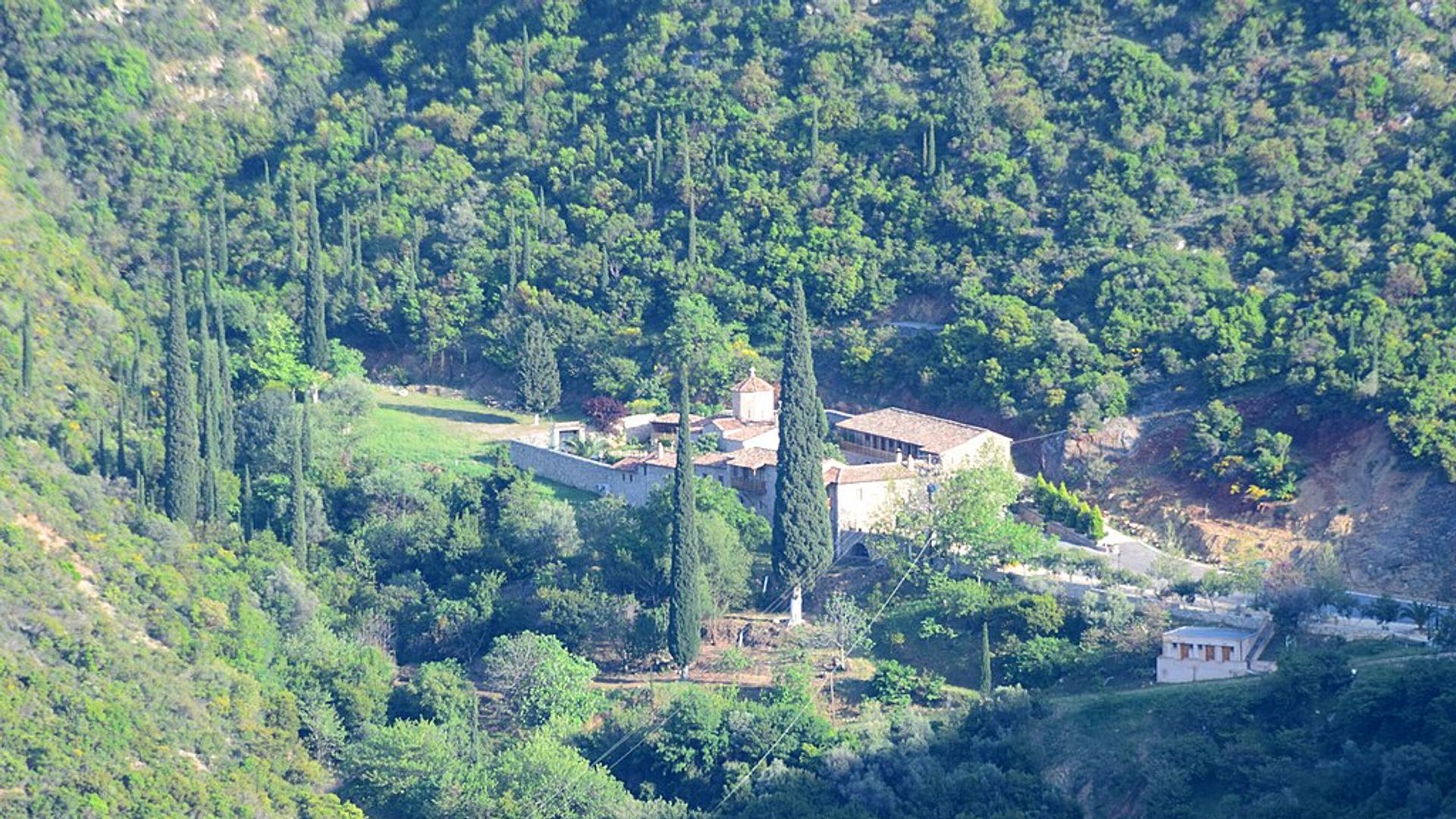
Discover the Monastery of the Philosopher (Philosophou), a stunning Byzantine complex perched above the Lousios Gorge near Dimitsana. This ancient spiritual retreat offers breathtaking views, rich history, and a glimpse into monastic life in the Peloponnese mountains.
Discovering a Hidden Spiritual Treasure in the Lousios Gorge
Perched dramatically on the cliffs of the Lousios Gorge near the picturesque mountain town of Dimitsana, the Monastery of the Philosopher (Philosophou) stands as one of Greece's most spectacular Byzantine monuments. This ancient spiritual retreat, with its breathtaking location and profound historical significance, offers visitors a journey into the heart of Greek Orthodox monasticism and the rugged beauty of the Arcadian mountains.
The monastery complex actually consists of two separate structures: the Old Monastery, dating back to the 10th century and clinging precariously to the gorge walls, and the New Monastery, built in the 17th century on a more accessible plateau above. Together, they represent nearly a millennium of continuous spiritual devotion in one of Greece's most dramatic natural settings.
The History Behind the Sacred Walls
The Monastery of the Philosopher takes its name from Saint John Lampardopoulos, a learned monk and philosopher who restored and expanded the complex in the 17th century. His dedication to both spiritual practice and intellectual pursuit established the monastery as a center of learning during the Ottoman period.
The Old Monastery, built into the sheer rock face of the gorge, dates to 963 AD and represents one of the earliest examples of Byzantine monastic architecture in the Peloponnese. Its location was chosen for both its natural defensibility and its proximity to fresh water springs, essential for sustaining monastic life.
During the Greek War of Independence in 1821, the monastery played a crucial role as a refuge for freedom fighters and a secret school where Greek language and culture were preserved. The monks risked their lives to maintain Greek identity during centuries of Ottoman rule, making this site not just a religious monument but a symbol of national resistance.
The New Monastery was constructed in 1691 after the Old Monastery became increasingly difficult to maintain and access. However, both structures continued to function in tandem, with the older site serving as a place of deeper contemplation and retreat.
Quick Facts About the Monastery
Essential Information:
- Founded: Old Monastery - 963 AD; New Monastery - 1691 AD
- Location: Lousios Gorge, 3 km from Dimitsana
- Elevation: Approximately 600 meters above sea level
- Architectural Style: Byzantine with post-Byzantine additions
- Current Status: Active monastery with resident monks
- Best Visiting Season: April to October
- Entry Fee: Free (donations appreciated)
- Photography: Permitted in exterior areas only
The Architectural Marvel of Two Monasteries
The Old Monastery represents one of the most dramatic examples of Byzantine cliff architecture in Greece. Built directly into the rock face, the structure appears to grow organically from the stone itself, with its walls following the natural contours of the gorge.
The katholikon (main church) features remarkable frescoes dating from the 12th to 17th centuries, though many have suffered damage from moisture and time. The narrow corridors and tiny cells carved into the rock give visitors a visceral sense of the austere conditions monks endured in pursuit of spiritual enlightenment.
The New Monastery, while more conventional in its construction, still impresses with its elegant stone architecture and commanding views over the gorge. The complex includes a beautiful katholikon with well-preserved frescoes, monastic cells arranged around a central courtyard, and a small museum housing religious artifacts and manuscripts.
Both structures showcase the ingenious adaptation of Byzantine builders to challenging terrain, using local stone and traditional techniques that have allowed these buildings to survive for centuries. The integration of architecture with landscape creates a harmony that exemplifies the Orthodox concept of sacred space.
What to See at the Monastery Complex
At the New Monastery:
- The katholikon with its ornate iconostasis and 17th-century frescoes
- The monastery museum displaying religious manuscripts and artifacts
- The traditional monastic cells arranged around the courtyard
- Panoramic viewing platforms overlooking the Lousios Gorge
- The ancient olive press and wine-making facilities
- The spring that has provided water for centuries
At the Old Monastery:
- The cliff-hanging katholikon with Byzantine frescoes
- Rock-carved monastic cells and meditation chambers
- The precarious stone pathways along the gorge wall
- Natural cave formations incorporated into the structure
- Ancient water collection systems
- Stunning views down into the gorge depths
The surrounding area also offers exceptional natural beauty, with hiking trails through the gorge connecting to other monasteries and ancient sites. The landscape itself becomes part of the spiritual experience, with eagles soaring overhead and the sound of the Lousios River echoing from below.
Planning Your Visit to the Monastery
Reaching the Monastery of the Philosopher requires some planning, as it's located in a remote mountain area. The nearest town, Dimitsana, serves as an excellent base for exploring the monastery and the broader Lousios Gorge region.
From Dimitsana, the New Monastery is accessible via a paved road approximately 3 kilometers long, though the final approach involves a steep descent. The Old Monastery requires a hiking trail descent of about 30-40 minutes from the New Monastery, with the path being steep and sometimes challenging.
Visitors should allocate at least 2-3 hours to explore both monastery sites properly, or a full day if combining the visit with gorge hiking. The monastery follows traditional visiting hours, typically closing during the afternoon siesta period and for evening prayers.
As an active monastery, visitors must respect the spiritual nature of the site and the monks who continue to maintain this ancient tradition. This means dressing modestly, speaking quietly, and following all posted guidelines regarding photography and access to certain areas.
Travel Tips for a Memorable Visit
Before You Go:
- Check opening hours in advance, as they vary by season
- Wear modest clothing covering shoulders and knees
- Bring sturdy hiking shoes for exploring the Old Monastery
- Pack water and snacks, as facilities are limited
- Download offline maps, as cell service is unreliable
- Bring a flashlight for exploring darker areas
- Consider visiting early morning or late afternoon for best light
- Check weather conditions, especially in winter months
During Your Visit:
- Respect silence in sacred areas and during prayer times
- Ask permission before photographing monks or interior spaces
- Stay on marked paths when hiking to the Old Monastery
- Make a donation to support monastery maintenance
- Try the monastery's homemade products if available
- Take time to simply sit and absorb the peaceful atmosphere
- Respect any areas marked as private or off-limits
- Leave no trace and carry out all waste
Safety Considerations:
- The path to the Old Monastery can be slippery when wet
- Vertigo sufferers should exercise caution near cliff edges
- Bring sun protection, as shade is limited on trails
- Inform someone of your hiking plans if exploring alone
- Be aware of loose rocks on steep sections
- Avoid visiting during extreme heat or storms
Exploring the Lousios Gorge Region
The Monastery of the Philosopher is just one highlight in the spectacular Lousios Gorge area, one of Greece's most dramatic natural landscapes. The gorge stretches for approximately 15 kilometers, with sheer cliffs rising up to 300 meters and the Lousios River carving through the valley floor.
Several other important monasteries dot the gorge, including the Monastery of Prodromos, which clings even more precariously to the cliff face. A network of hiking trails connects these spiritual sites, offering adventurous visitors a multi-day trekking experience through some of Greece's most pristine wilderness.
The town of Dimitsana itself deserves exploration, with its traditional stone architecture, excellent museums, and authentic mountain tavernas. The Open-Air Water Power Museum showcases the region's pre-industrial heritage, while the Ecclesiastical Museum houses an impressive collection of religious art and artifacts.
For those interested in ancient history, the nearby archaeological site of Ancient Gortys features the remains of a classical city, including a well-preserved temple to Asclepius. The combination of natural beauty, spiritual heritage, and ancient history makes this region one of the Peloponnese's most rewarding destinations.
Combining Your Visit with Other Peloponnese Highlights
The Monastery of the Philosopher fits perfectly into a broader exploration of the Peloponnese's cultural and natural treasures. The region around Arcadia offers countless opportunities for discovery, from ancient sites to traditional villages.
Consider extending your journey to include the ancient theater at Epidaurus, one of the best-preserved classical theaters in Greece and still hosting performances during the famous Epidaurus Festival. The acoustics and setting make it an unforgettable experience.
The Byzantine city of Mystras near Sparta offers another perspective on medieval Greek civilization, with its palace, churches, and monasteries cascading down a mountainside. Learning about facts about Sparta in ancient Greece adds historical context to your visit to this legendary region.
For a comprehensive experience of the area, consider booking a guided tour from Nafplio that can include the monastery along with other significant sites. Professional guides provide invaluable historical context and handle the logistics of navigating mountain roads.
The Spiritual Significance and Monastic Life
Understanding the spiritual dimension of the Monastery of the Philosopher enhances any visit to this sacred site. For Orthodox Christians, monasteries represent not just historical monuments but living centers of prayer and spiritual practice that maintain traditions dating back to early Christianity.
The monks who inhabit the monastery today continue a way of life essentially unchanged for centuries, following a daily rhythm of prayer, work, and contemplation. Their presence transforms the monastery from a museum into a living spiritual community, offering visitors a glimpse into a radically different approach to life.
The monastery's location in the remote gorge reflects the Orthodox monastic ideal of hesychia—sacred stillness and withdrawal from worldly distractions. The challenging access and austere conditions were not obstacles but essential features, creating an environment conducive to deep prayer and spiritual transformation.
Visitors of all faiths and backgrounds can appreciate the dedication represented by these ancient walls and the monks who maintain them. The peaceful atmosphere, stunning natural setting, and sense of timelessness offer a respite from modern life's frenetic pace, regardless of one's religious beliefs.
Photography and Capturing the Experience
The Monastery of the Philosopher presents exceptional photographic opportunities, from dramatic architectural details to sweeping landscape vistas. The interplay of stone, sky, and gorge creates compositions that capture both the spiritual and natural essence of the site.
The best light for photography typically occurs in early morning or late afternoon, when the sun illuminates the monastery walls with warm, golden tones. The contrast between the ancient stone and the deep blue Greek sky creates striking images that convey the monastery's dramatic setting.
When photographing the Old Monastery from viewpoints along the trail, include elements of the gorge to provide scale and context. The sheer cliffs and the monastery's precarious position become more impressive when the full landscape is visible.
Remember that photography inside churches and sacred spaces is often restricted or prohibited, and flash photography can damage ancient frescoes. Always ask permission before photographing monks, and respect their privacy if they decline—the spiritual life they've chosen includes a degree of separation from worldly attention.
Practical Information for International Visitors
International travelers planning to visit the Monastery of the Philosopher should consider several practical factors to ensure a smooth experience. The monastery is located approximately 180 kilometers from Athens, making it accessible as a day trip or, better, as part of a multi-day Peloponnese itinerary.
The nearest major town with full tourist facilities is Tripoli, about 40 kilometers away, though Dimitsana offers more atmospheric accommodation in traditional guesthouses. Renting a car provides the most flexibility for exploring the region, though the mountain roads require confident driving skills.
The region experiences distinct seasons, with hot, dry summers and cold, sometimes snowy winters. Spring (April-May) and autumn (September-October) offer ideal conditions, with moderate temperatures, blooming wildflowers or autumn colors, and fewer crowds.
While some monks may speak English, don't assume language assistance will be available. Learning a few Greek phrases shows respect and enhances interactions with locals. Basic phrases like "kalimera" (good morning) and "efharisto" (thank you) go a long way.
For those interested in exploring more of Greece's rich monastic heritage, consider reading about other Greece monasteries to plan a comprehensive spiritual and cultural journey. Each monastery offers unique insights into Byzantine architecture, Orthodox spirituality, and Greek history.
Sustainable Tourism and Respecting Sacred Spaces
As tourism to remote sites like the Monastery of the Philosopher increases, visitors bear responsibility for ensuring their presence doesn't damage these fragile cultural and natural treasures. Sustainable tourism practices help preserve the monastery for future generations while respecting the monks' spiritual mission.
Stay on designated paths to prevent erosion and damage to vegetation in this sensitive mountain ecosystem. The Lousios Gorge supports unique plant and animal species that can be disrupted by careless visitors wandering off trails.
Support the monastery directly through donations rather than taking free resources without contributing. Many monasteries sell homemade products like honey, herbs, or religious items—purchasing these provides income for maintenance and operations.
Respect the contemplative atmosphere by keeping voices low and minimizing noise. Remember that for the resident monks, this isn't a tourist attraction but their home and place of worship, deserving the same respect you'd show when visiting any private sacred space.
Consider visiting during off-peak times to reduce crowding and environmental impact. The monastery's spiritual character is more accessible when it's not overrun with tour groups, and your experience will be more meaningful in a quieter setting.
Connecting with Local Culture in Dimitsana
The mountain town of Dimitsana, your gateway to the Monastery of the Philosopher, offers authentic insights into traditional Arcadian life. This historic town, built amphitheatrically on a hillside, has maintained its character despite increasing tourism.
Dimitsana's tavernas serve traditional mountain cuisine distinct from coastal Greek food, featuring hearty dishes like hilopites (handmade pasta), wild greens, and locally raised lamb. The town's bakeries produce exceptional bread using traditional wood-fired ovens.
The town played a significant role during the Greek War of Independence, with several revolutionary leaders hailing from the area. The local library and museums document this proud history, offering context for understanding the monastery's role during that turbulent period.
Local craftspeople continue traditional practices like weaving and woodworking, with several workshops open to visitors. Purchasing authentic handmade items supports the local economy and provides meaningful souvenirs that connect you to the place and its people.
Extending Your Peloponnese Adventure
The central Peloponnese offers countless opportunities for exploration beyond the Monastery of the Philosopher. The region's diversity—from mountain villages to ancient sites to coastal towns—allows for varied and rewarding itineraries.
Consider visiting Geraki Castle, a lesser-known Byzantine fortress that offers spectacular views and well-preserved medieval churches. The lack of crowds makes it an ideal complement to more popular sites.
The coastal town of Gytheio provides a complete contrast to the mountain monasteries, with its waterfront tavernas, swimming opportunities, and ferry connections to the Mani Peninsula. This combination of mountain and sea experiences showcases the Peloponnese's remarkable diversity.
For those seeking luxury and relaxation after cultural exploration, the Euphoria Retreat near Mystras offers world-class spa facilities in a stunning mountain setting. Combining spiritual sites with wellness experiences creates a holistic journey of renewal.
A comprehensive tour from Kalamata can incorporate multiple highlights into a single, well-organized itinerary, ensuring you experience the region's best offerings without the stress of independent planning.
Frequently Asked Questions
How difficult is the hike to the Old Monastery?
The hike from the New Monastery to the Old Monastery takes approximately 30-40 minutes descending and 45-60 minutes returning uphill. The path is steep with uneven stone steps and some exposed sections along the cliff face, requiring reasonable fitness and sturdy footwear. Those with mobility issues, vertigo, or fear of heights should consider visiting only the New Monastery, which is accessible by car. The trail can be slippery when wet, so avoid attempting it during or immediately after rain.
What are the monastery's opening hours?
The Monastery of the Philosopher typically opens from 8:00 AM to 1:00 PM and again from 4:00 PM to 7:00 PM during summer months (May-September), with shorter hours in winter. However, these times can vary based on the monastic schedule and number of resident monks, so it's advisable to call ahead or check with the Dimitsana tourist office before visiting. The monastery may close entirely on certain religious feast days or during severe weather.
Is there an entrance fee to visit?
There is no official entrance fee to visit the Monastery of the Philosopher, as it remains an active religious site rather than a commercial tourist attraction. However, donations are greatly appreciated and help maintain the historic buildings and support the monks who preserve this spiritual heritage. A donation box is available near the entrance, and contributing 2-5 euros per person is considered appropriate and respectful.
Can women visit the monastery?
Yes, women are welcome to visit the Monastery of the Philosopher, unlike some monastic communities on Mount Athos that maintain gender restrictions. However, all visitors regardless of gender must dress modestly, with shoulders and knees covered. Women should avoid wearing shorts, short skirts, or sleeveless tops. Some monasteries provide wraps or long skirts at the entrance for those not appropriately dressed, but it's best to come prepared.
What's the best time of year to visit?
The ideal times to visit are late spring (April-May) and early autumn (September-October), when temperatures are moderate, wildflowers bloom or autumn colors appear, and crowds are smaller than in peak summer. Summer (June-August) can be very hot, making the hike challenging, though early morning visits remain pleasant. Winter visits are possible but the trail to the Old Monastery may be closed due to ice or snow, and opening hours are often reduced. Always check current conditions before planning a winter visit.
How long should I plan for a visit?
Allow at least 2-3 hours to visit both the New and Old Monasteries, including hiking time between them. If you're only visiting the New Monastery, 1-1.5 hours is sufficient to explore the church, museum, and grounds. For a more comprehensive experience including leisurely exploration, photography, and quiet contemplation, plan for 3-4 hours. Those combining the monastery with hiking in the Lousios Gorge should allocate a full day.
Are there facilities like restrooms and cafes at the monastery?
Basic restroom facilities are available at the New Monastery, but they are simple and may not always be well-maintained. There are no cafes, restaurants, or shops at the monastery itself, so bring water and snacks, especially if you plan to hike. The nearest facilities are in Dimitsana, about 3 kilometers away. A small fountain with spring water is available at the New Monastery, but it's advisable to bring your own water rather than relying on this source.
Can I stay overnight at the monastery?
The Monastery of the Philosopher does not typically offer guest accommodations to casual visitors, as it maintains a small monastic community focused on spiritual practice. Some Greek Orthodox monasteries do provide hospitality to pilgrims, but this usually requires advance arrangement and is intended for those seeking spiritual retreat rather than tourism. Dimitsana offers numerous excellent accommodation options ranging from traditional guesthouses to small hotels, providing a comfortable base for exploring the monastery and surrounding region.
Conclusion: A Journey Beyond Tourism
Visiting the Monastery of the Philosopher near Dimitsana offers far more than typical sightseeing—it's an encounter with living history, profound spirituality, and dramatic natural beauty that together create a transformative experience. The journey to this remote cliff-hanging sanctuary, whether you're drawn by faith, history, architecture, or simply curiosity, rewards travelers with perspectives unavailable in Greece's more famous destinations.
The monastery's survival through centuries of political upheaval, its role in preserving Greek culture during occupation, and its continued function as a spiritual community make it a powerful symbol of resilience and continuity. Standing on the ancient stones, gazing across the Lousios Gorge, you connect not just with the past but with timeless questions about meaning, purpose, and the human search for transcendence.
As you plan your visit to this remarkable site, remember that the monastery exists primarily as a place of prayer and contemplation, with tourism a secondary consideration. Approaching it with respect, openness, and a willingness to slow down and simply be present will enrich your experience immeasurably, transforming a visit to an interesting historical site into a genuine encounter with something profound and enduring in the Greek landscape and spirit.