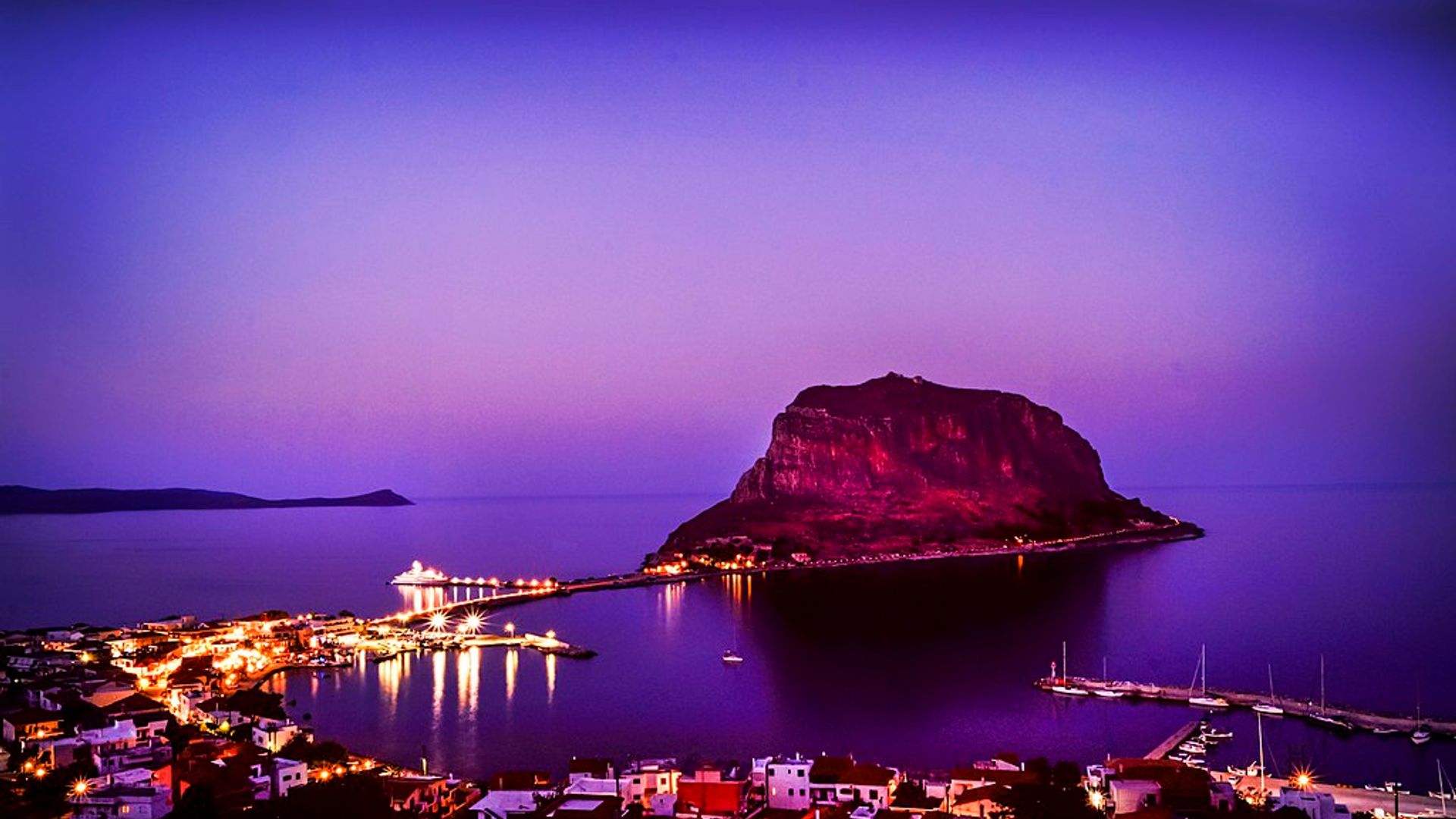
Monemvasia is a breathtaking medieval fortress town carved into a massive rock island off the Peloponnese coast. This Byzantine jewel offers cobblestone streets, stunning sea views, and centuries of history frozen in time.
Imagine a medieval fortress town rising dramatically from the sea, its stone buildings cascading down a massive rock island like something from a fairytale. Monemvasia is that rare destination where history hasn't just been preserved—it's been lived in continuously for over 1,300 years.
This extraordinary Byzantine settlement clings to the southeastern edge of the Peloponnese, connected to the mainland by a single narrow causeway. The name Monemvasia literally means "single entrance," and once you pass through the ancient gate into its car-free streets, you'll step into a world where time moves differently.
Quick Facts About Monemvasia
Essential Information:
- Location: Southeastern Laconia, Peloponnese peninsula
- Population: Approximately 10-15 permanent residents in the castle town
- Founded: 6th century AD (583 AD)
- Distance from Athens: 300 km (approximately 4 hours by car)
- Best Time to Visit: April-June and September-October
- UNESCO Status: On the tentative list for World Heritage designation
The Fascinating History of Monemvasia
Monemvasia's story begins in 583 AD when a massive earthquake separated the rock from the mainland, creating a natural fortress. Byzantine refugees fleeing Slavic invasions quickly recognized the strategic value of this impregnable position.
For centuries, the town flourished as a major commercial center and naval base, controlling vital Mediterranean trade routes. The Byzantines, Franks, Venetians, and Ottomans all fought to possess this strategic gem, each leaving their architectural mark on the fortress walls.
The town earned the nickname "Gibraltar of the East" for its military importance. During the Byzantine era, Monemvasia was so prosperous that it minted its own currency and exported the famous Malvasia wine that became legendary across Europe.
By the 19th century, the town's strategic importance waned, and residents gradually abandoned the medieval settlement. The rock stood virtually deserted until the 1970s when restoration efforts began transforming it into the living museum we see today.
Exploring the Lower Town (Kastro)
The moment you pass through the massive stone entrance gate, you'll find yourself in a labyrinth of narrow cobblestone streets that wind between stone houses with terracotta roofs. Every corner reveals another photogenic scene—arched doorways, flower-filled balconies, and glimpses of the sparkling Aegean beyond.
The main street leads you through the heart of the lower town, lined with boutique hotels, traditional tavernas, and artisan shops. Unlike many tourist destinations, Monemvasia maintains its authentic character because cars are completely banned from the medieval town.
Must-See Attractions in the Lower Town:
- Elkomenos Christos Cathedral: The main Byzantine church dating from the 13th century with impressive frescoes
- Mosque: A converted 16th-century Ottoman structure now used as a museum
- Panagia Myrtidiotissa Church: Perched on the cliff edge with breathtaking sea views
- Church of Agios Pavlos: A charming small chapel overlooking the harbor
- The Main Square: The social heart of the town with cafes and tavernas
- Venetian Houses: Restored stone mansions showcasing medieval architecture
Climbing to the Upper Town (Ano Poli)
The upper town sits atop the plateau, reached by a steep zigzagging path that takes about 20-30 minutes to climb. This challenging hike rewards you with some of the most spectacular views in all of Greece.
Unlike the restored lower town, the upper settlement remains largely in ruins, creating a hauntingly beautiful landscape. Stone walls emerge from wild vegetation, and empty doorways frame views of the endless blue sea.
Highlights of the Upper Town:
- Agia Sofia Church: A 12th-century Byzantine masterpiece perched on the cliff edge
- Fortress Walls: Impressive fortifications offering 360-degree panoramic views
- Ruined Houses: Atmospheric stone structures slowly being reclaimed by nature
- Cisterns: Ancient water collection systems carved into the rock
- The Summit: The highest point with views stretching to the horizon
- Sunset Spot: One of the most romantic sunset locations in the Peloponnese
Best Things to Do in Monemvasia
Monemvasia offers far more than just sightseeing—it's a place to slow down and savor every moment. The town's compact size means you can explore thoroughly without rushing, discovering hidden corners and secret viewpoints.
Top Activities:
- Walk the Castle Walls: Follow the fortification perimeter for stunning coastal views
- Swimming: Dive into crystal-clear waters from the rocks below the fortress
- Wine Tasting: Sample the revived Malvasia wine at local establishments
- Photography: Capture medieval architecture against dramatic seascapes
- Sunset Watching: Find your perfect spot as golden light bathes the stone buildings
- Stargazing: Experience remarkably dark skies from the upper town
- Church Hopping: Visit the numerous Byzantine and post-Byzantine churches
- Shopping: Browse local crafts, jewelry, and traditional products
The nearby region offers additional attractions worth exploring. The historical sites around Porto Heli provide excellent day trip options, while Gytheio offers a charming coastal town experience just an hour north.
Where to Stay in Monemvasia
Staying overnight inside the castle town transforms your visit from a day trip into a magical experience. After the day-trippers leave, the medieval streets become wonderfully peaceful, and you'll have the atmospheric alleys almost to yourself.
Accommodation Options:
- Luxury Hotels: Restored Byzantine mansions with modern amenities and sea views
- Boutique Guesthouses: Intimate properties with traditional architecture and character
- Mid-Range Hotels: Comfortable rooms in historic buildings at reasonable prices
- Mainland Hotels: More affordable options in Gefyra, the modern town across the causeway
- Vacation Rentals: Traditional stone houses available for longer stays
Booking well in advance is essential, especially for summer weekends and holidays. Many properties are small, with just a handful of rooms, so popular dates fill up quickly.
If you're exploring the broader region, consider combining your visit with a trip to Sparta and Mystras, which offer fascinating insights into ancient and Byzantine history. You can book a comprehensive tour from Nafplio to Monemvasia that covers the highlights without the stress of driving.
Dining in Monemvasia
Monemvasia's restaurants serve exceptional Peloponnesian cuisine with an emphasis on fresh seafood, local produce, and traditional recipes. Dining on a terrace overlooking the sea as the sun sets is an unforgettable experience.
Culinary Highlights:
- Fresh Seafood: Octopus, calamari, and fish caught daily from local waters
- Malvasia Wine: The historic wine that made the town famous across medieval Europe
- Local Cheese: Particularly the excellent feta and aged varieties
- Olive Oil: Premium local production from ancient groves
- Traditional Dishes: Pastitsio, moussaka, and slow-cooked lamb
- Desserts: Baklava, galaktoboureko, and local sweets
Reservations are highly recommended for dinner, especially at the more popular restaurants with sea views. The main square tavernas offer the most atmospheric settings, though prices reflect the premium location.
For those interested in Greek culinary traditions more broadly, exploring Greek restaurants in Nafplio provides additional gastronomic inspiration for your Peloponnese journey.
Getting to Monemvasia
Reaching Monemvasia requires some planning, as it's not the easiest destination to access. However, the journey through the beautiful Peloponnese countryside is part of the adventure.
Transportation Options:
- By Car: The most flexible option, allowing you to explore the surrounding region
- By Bus: KTEL buses run from Athens (5-6 hours) and Sparta (2 hours)
- By Tour: Organized day trips from Nafplio, Athens, or other major cities
- By Taxi: Private transfers available from Athens or Kalamata airports
- By Rental Car: Pick up from Athens, Kalamata, or other Peloponnese cities
The drive from Athens takes approximately 4 hours via the modern highway system. The route passes through Corinth, Tripoli, and Sparta, offering opportunities to stop at other significant sites.
If you're not comfortable driving in Greece, consider booking a guided tour from Sparta to Mystras and Monemvasia that handles all transportation logistics. This option allows you to relax and enjoy the scenery while learning from an expert guide.
Best Time to Visit Monemvasia
Timing your visit to Monemvasia significantly impacts your experience. The shoulder seasons offer the perfect balance of pleasant weather and manageable crowds.
Seasonal Considerations:
- Spring (April-June): Perfect weather, wildflowers bloom, fewer tourists, ideal for hiking
- Summer (July-August): Peak season with hot weather, crowded streets, fully booked hotels, vibrant atmosphere
- Fall (September-October): Excellent conditions, warm sea temperatures, harvest season, beautiful light for photography
- Winter (November-March): Quiet and atmospheric, some businesses closed, occasional rain, dramatic seas
Weekends year-round see significantly more visitors than weekdays, particularly Saturday nights when Athenians escape the city. If possible, plan your visit for midweek to enjoy a more peaceful experience.
The weather in October throughout Greece makes it an especially appealing time to visit, with comfortable temperatures and reduced tourist numbers.
Essential Travel Tips for Monemvasia
A few practical considerations will help ensure your Monemvasia visit goes smoothly. The medieval setting requires some adjustments compared to modern destinations.
Important Tips:
- Luggage: Bring wheeled bags only if they have excellent wheels—cobblestones are challenging
- Footwear: Comfortable walking shoes with good grip are essential for slippery stones
- Cash: Some smaller establishments don't accept cards, so carry euros
- Water: Bring a refillable bottle, especially if climbing to the upper town
- Sun Protection: The rock reflects intense sunlight—bring hat, sunglasses, and sunscreen
- Timing: Arrive early morning or late afternoon to avoid midday heat and crowds
- Photography: Golden hour (sunrise and sunset) provides the most magical light
- Reservations: Book accommodations and dinner restaurants well in advance
- Exploration Time: Allow at least 3-4 hours to properly explore both upper and lower towns
- Swimming Gear: Bring swimwear if visiting in warm months—the water is irresistible
Understanding a few basic Greek phrases enhances your interactions with locals and shows cultural respect. The permanent residents of Monemvasia appreciate visitors who make the effort to connect with Greek culture.
Photography Tips for Monemvasia
Monemvasia ranks among the most photogenic destinations in Greece, offering endless opportunities for stunning images. Every corner presents a new composition waiting to be captured.
Best Photo Spots:
- Entrance Gate: The iconic view as you approach the medieval town
- Main Street Looking Up: Stone buildings climbing toward the fortress walls
- Cliff-Edge Churches: Dramatic positions with sea backdrops
- Upper Town Ruins: Atmospheric stone structures against blue skies
- From the Causeway: The entire rock formation from the mainland
- Sunset from Upper Town: Golden light illuminating the lower town and sea
- Narrow Alleys: Intimate street scenes with architectural details
- From the Sea: Boat tours offer unique perspectives of the fortress
The harsh midday sun creates strong shadows and washed-out colors. Early morning and late afternoon provide the soft, warm light that makes photographs truly spectacular.
Day Trips and Nearby Attractions
Monemvasia's location in southeastern Laconia places it within reach of several other remarkable destinations. Combining your visit with nearby sites creates a more comprehensive Peloponnese experience.
Nearby Destinations:
- Elafonisos Island: Stunning beaches with Caribbean-like turquoise waters (1 hour)
- Neapolis: Charming coastal town with ferry connections to Kythira (30 minutes)
- Geraki: Medieval village with Byzantine churches (Geraki Castle is particularly impressive)
- Gytheio: Traditional port town with colorful buildings and excellent seafood
- Mystras: UNESCO World Heritage Byzantine city near Sparta (2 hours)
- Diros Caves: Spectacular underground lake caves (1.5 hours)
The diverse Greek cities of the Peloponnese each offer unique character and attractions. Planning a multi-day itinerary allows you to experience the region's remarkable variety.
Understanding Monemvasia's Architecture
The architectural heritage of Monemvasia tells the story of its successive rulers and evolving purposes. Walking through the town is like reading a history book written in stone.
Architectural Features:
- Byzantine Churches: Domed structures with frescoes and religious iconography
- Venetian Mansions: Elegant stone buildings with arched doorways and carved details
- Ottoman Elements: Converted mosques and Turkish architectural influences
- Fortification Walls: Massive defensive structures encircling the settlement
- Cisterns: Sophisticated water collection and storage systems
- Vaulted Passages: Covered walkways providing shade and structural support
The town exemplifies Greek architecture at its most practical and defensive, adapted to the challenging cliff-side location. Every building had to be constructed to withstand both enemy attacks and the harsh marine environment.
Cultural Events and Festivals
Despite its small permanent population, Monemvasia hosts several cultural events throughout the year. These celebrations bring the medieval town to life with music, art, and traditional festivities.
Annual Events:
- Easter: Traditional Greek Orthodox celebrations with candlelit processions
- Summer Concerts: Classical and traditional music performances in atmospheric venues
- Wine Festival: Celebrating the historic Malvasia wine (typically August)
- Cultural Events: Art exhibitions, theater performances, and literary readings
- Religious Festivals: Various saint's day celebrations throughout the year
These events provide opportunities to experience Greek culture beyond the usual tourist activities. The intimate setting of Monemvasia makes even small festivals feel special and authentic.
For those interested in Greek cultural traditions, the Epidaurus Festival offers world-class ancient theater performances in a spectacular archaeological setting.
Sustainable Tourism in Monemvasia
The delicate balance between tourism and preservation is crucial in Monemvasia. The medieval infrastructure wasn't designed for modern tourism pressures, making responsible visiting essential.
Sustainable Practices:
- Respect Quiet Hours: Keep noise levels down, especially if staying overnight
- Support Local Businesses: Choose locally-owned restaurants, shops, and accommodations
- Preserve the Site: Don't remove stones, carve names, or damage historical structures
- Waste Management: Dispose of trash properly—facilities are limited
- Water Conservation: Use water responsibly, as the rock has limited resources
- Visit Off-Peak: Choose shoulder seasons to reduce overcrowding
- Walk Carefully: Stick to established paths to prevent erosion
- Cultural Sensitivity: Dress appropriately when visiting churches and religious sites
The monasteries of Greece face similar preservation challenges, balancing spiritual function with tourist interest. Learning about these issues helps visitors become more conscious travelers.
Shopping in Monemvasia
The boutique shops scattered throughout the lower town offer unique souvenirs and local products. Shopping here supports artisans and small business owners who help keep the medieval town alive.
What to Buy:
- Malvasia Wine: Bottles of the historic wine that made the town famous
- Local Honey: Exceptional thyme honey from surrounding hillsides
- Olive Oil: Premium extra virgin oil from local groves
- Handmade Jewelry: Artisan pieces inspired by Byzantine designs
- Ceramics: Traditional pottery and decorative items
- Textiles: Handwoven items and embroidered linens
- Local Herbs: Wild oregano, sage, and mountain tea
- Art: Paintings and photographs of Monemvasia scenes
Prices reflect the premium location and small-scale production, but the quality and uniqueness justify the investment. These authentic products make meaningful gifts and lasting memories.
Monemvasia for Different Types of Travelers
Monemvasia appeals to various travel styles, though some visitors will appreciate it more than others. Understanding what the destination offers helps set appropriate expectations.
Ideal For:
- History Enthusiasts: Byzantine and medieval history comes alive in every stone
- Romantic Couples: Incredibly atmospheric setting perfect for special occasions
- Photography Lovers: Endless opportunities for stunning images
- Architecture Buffs: Remarkable examples of defensive and religious architecture
- Slow Travelers: Those who appreciate taking time to absorb atmosphere
- Cultural Explorers: Authentic Greek experience away from mass tourism
Less Suitable For:
- Families with Small Children: Steep stairs and cliff edges require constant supervision
- Mobility-Challenged Visitors: Cobblestones and stairs make accessibility difficult
- Beach-Focused Travelers: Limited beach access compared to other Greek destinations
- Nightlife Seekers: Quiet, peaceful atmosphere rather than party scene
Understanding these factors helps ensure your expectations align with what Monemvasia actually offers. The destination rewards those who come seeking history, beauty, and tranquility.
Frequently Asked Questions
How long should I spend in Monemvasia?
Ideally, plan to stay at least one night to experience the magical atmosphere after day-trippers leave. A minimum of 3-4 hours allows you to explore both the lower and upper towns, though a full day lets you truly savor the experience without rushing. Two nights give you time to relax, enjoy sunset and sunrise, and explore the surrounding area.
Is Monemvasia worth visiting?
Absolutely—Monemvasia ranks among Greece's most spectacular and unique destinations. The combination of dramatic natural setting, well-preserved medieval architecture, and authentic atmosphere creates an unforgettable experience. Unlike many tourist sites that feel commercialized, Monemvasia maintains genuine character while offering excellent facilities for visitors.
Can you drive into Monemvasia castle town?
No, the entire medieval town is pedestrian-only to preserve the historic cobblestone streets and peaceful atmosphere. You must park in designated lots near the causeway entrance (parking fees apply) and walk into the castle town. Accommodations inside the town will arrange luggage transfer from your car to your hotel.
What is the best time of day to visit Monemvasia?
Early morning (before 10 AM) and late afternoon (after 5 PM) offer the best experience with fewer crowds and more atmospheric light. If you're day-tripping, arrive as early as possible to explore before tour groups arrive around mid-morning. Sunset from the upper town is spectacular and worth timing your visit to catch.
Are there beaches in Monemvasia?
While Monemvasia isn't primarily a beach destination, there are several swimming spots around the rock. Small pebble beaches lie at the base of the fortress walls, accessible via paths from the lower town. The nearby mainland town of Gefyra has more conventional beaches, and the stunning beaches of Elafonisos Island are about an hour's drive away.
What should I wear when visiting Monemvasia?
Comfortable walking shoes with good grip are essential for navigating cobblestones and climbing to the upper town. Bring layers, as sea breezes can be cool even in summer. When visiting churches, cover shoulders and knees out of respect. A hat and sunglasses protect against intense sun reflected off stone surfaces.
Is Monemvasia suitable for families with children?
Monemvasia can work for families with older children who can handle steep stairs and uneven surfaces. However, the many cliff edges, lack of guardrails in some areas, and challenging terrain make it less ideal for families with small children or toddlers. Constant supervision is necessary, which can make the visit stressful rather than enjoyable.
How far is Monemvasia from Athens?
Monemvasia is approximately 300 kilometers (186 miles) from Athens, taking about 4 hours by car via the modern highway system. Bus services run daily but take 5-6 hours due to stops along the route. Many visitors combine Monemvasia with other Peloponnese destinations like Nafplio, Mystras, or Epidaurus to make the journey more worthwhile.
Final Thoughts on Visiting Monemvasia
Monemvasia stands as one of those rare destinations that exceeds even the most optimistic expectations. The dramatic setting alone would be remarkable, but combined with the beautifully preserved medieval town and authentic Greek atmosphere, it becomes truly extraordinary.
This isn't a place to rush through on a whirlwind tour—Monemvasia rewards those who take time to wander the atmospheric streets, climb to the windswept upper town, and simply sit with a glass of wine watching the sun paint the stone buildings golden. The magic happens in the quiet moments between the obvious attractions.
Whether you're passionate about Byzantine history, seeking a romantic getaway, or simply wanting to experience one of Greece's most spectacular settings, Monemvasia delivers an unforgettable experience. The medieval town has survived centuries of invasions, earthquakes, and abandonment—now restored and welcoming visitors, it offers a genuine connection to Greece's layered past.
Plan your visit carefully, book accommodations well in advance, and prepare for some of the most stunning views and atmospheric streets you'll encounter anywhere in the Mediterranean. Monemvasia isn't just a destination—it's a journey back through time to an era when these stone walls protected an entire civilization, and the sea beyond represented both opportunity and danger.
The rock of Monemvasia has witnessed over a millennium of human history, and standing on its ancient stones, gazing out at the endless Aegean, you'll feel that profound connection to all who came before. This is Greece at its most magical, mysterious, and memorable.