Planning your Greek adventure? Understanding money in Greece is crucial for a smooth trip. From euros and ATMs to tipping customs and payment methods, this comprehensive guide covers everything you need to know about handling currency during your visit to Greece.
Stepping off the plane in Greece with the Mediterranean sun warming your face is magical, but nothing dampens travel joy faster than fumbling with unfamiliar currency or discovering your card doesn't work. Whether you're exploring ancient ruins in the Peloponnese or island-hopping through the Aegean, understanding the financial landscape will make your journey infinitely smoother.
Greece uses the euro, but knowing which bills and coins to carry, where to find ATMs, and how to avoid costly fees requires insider knowledge. This guide transforms you from a confused tourist into a savvy traveler who navigates Greek financial matters with confidence.
The Greek Currency: Understanding the Euro
Greece adopted the euro (€) in 2001, replacing the ancient drachma that had served the country for millennia. The euro simplifies travel across Europe, as the same currency works in 20 European Union countries.
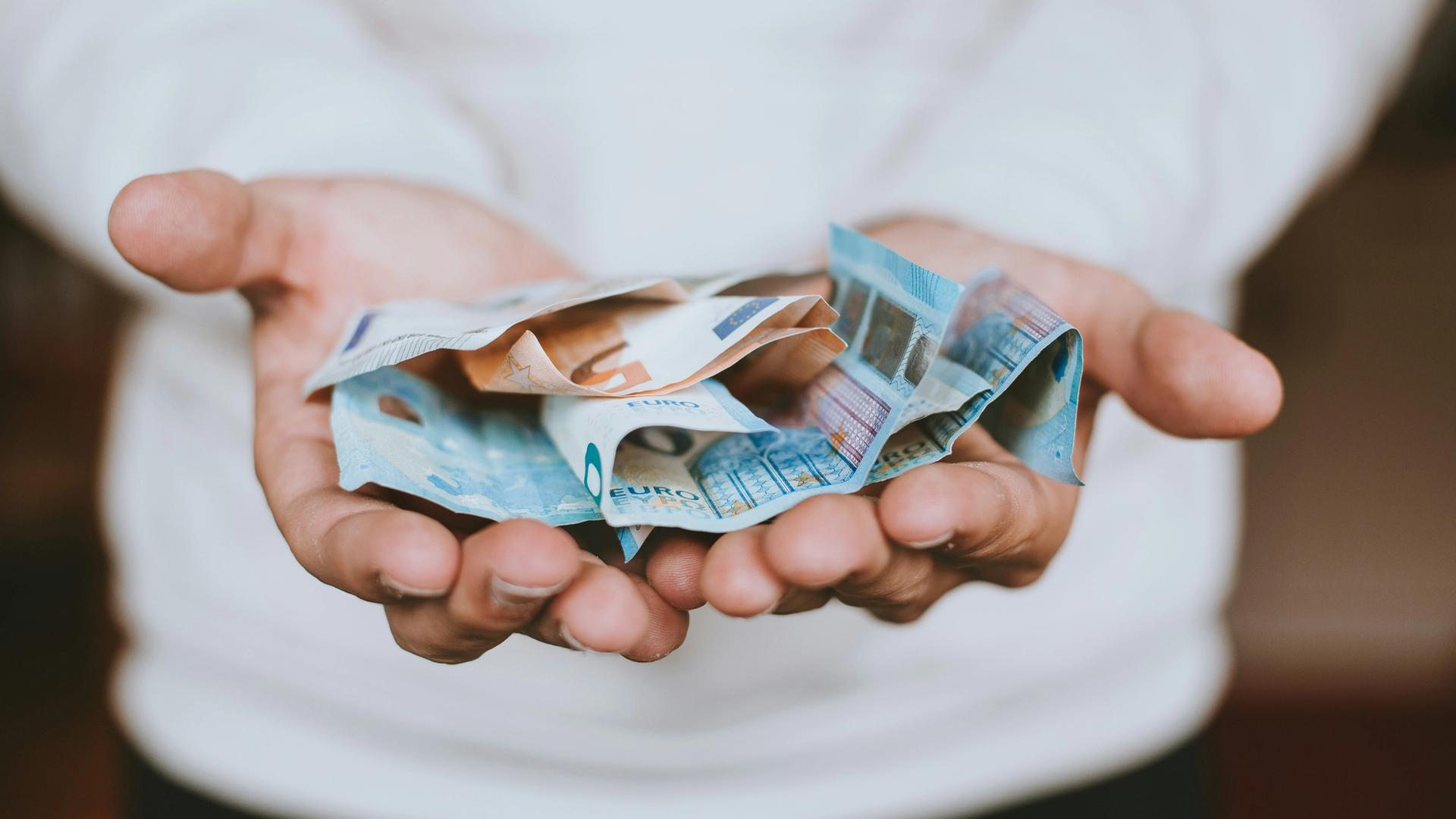
Euro banknotes come in seven denominations, each with distinct colors and sizes that make identification easy even in dim taverna lighting:
Euro Banknotes:
- €5 (grey) - Perfect for small purchases and tips
- €10 (red) - Ideal for café stops and snacks
- €20 (blue) - The most useful denomination for daily expenses
- €50 (orange) - Widely accepted but sometimes scrutinized
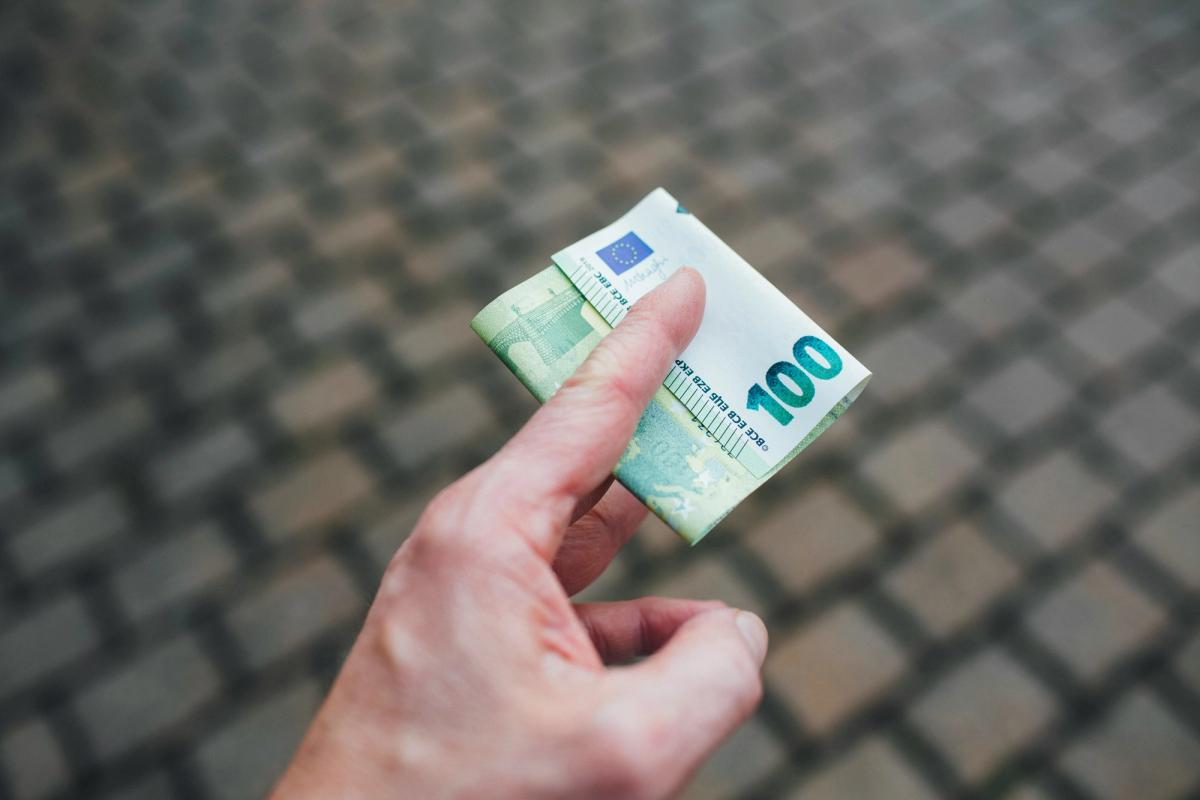
- €100 (green) - Often rejected by small businesses
- €200 (yellow) - Rarely seen or accepted
- €500 (purple) - Being phased out, avoid entirely
Euro coins range from 1 cent to €2, with each featuring a common European side and a unique Greek side depicting historical symbols. Greek euro coins showcase everything from ancient Athenian owls to modern shipping vessels, making them beautiful souvenirs.
Getting Money in Greece: Your Best Options
The moment you land at Athens International Airport or arrive at Kalamata, you'll need local currency for taxis, tips, and immediate expenses. Your strategy for obtaining euros significantly impacts how much you'll spend on fees and exchange rates.
ATMs (called "bankomats" in Greece) offer the best exchange rates and convenience, scattered throughout cities, towns, and tourist areas. Even small villages typically have at least one ATM, though it's wise to stock up on cash before heading to remote regions.
Best Places to Get Cash:
- ✓ Bank ATMs in city centers (lowest fees, most reliable)
- ✓ Airport ATMs (convenient but slightly higher fees)
- ✓ Hotel concierge services (emergency option only)
- ✓ Bank branches (excellent rates, open limited hours)
- ✓ Post office exchanges (competitive rates, longer waits)
ATM Tips and Tricks
Using ATMs in Greece requires understanding a few local quirks that can save you substantial money. Greek ATMs often ask if you want to proceed "with conversion" or "without conversion" – always choose "without conversion" to avoid inflated Dynamic Currency Conversion rates.
Most Greek banks charge €2-5 per withdrawal for foreign cards, so withdrawing larger amounts less frequently minimizes fees. Your home bank may also charge international withdrawal fees, so check before departing and consider getting a travel-friendly bank account.
ATM Best Practices:
- Withdraw larger amounts (€200-300) to reduce per-transaction fees
- Use ATMs attached to major banks (Alpha Bank, Eurobank, Piraeus Bank)
- Decline currency conversion when offered
- Check your daily withdrawal limit before traveling
- Notify your bank of travel dates to prevent card blocks
- Have a backup card from a different bank
- Photograph ATM locations in case you need to return
Credit Cards and Debit Cards in Greece
Greece has rapidly modernized its payment infrastructure, especially after the 2015 financial crisis encouraged electronic transactions. Major cities like Athens, Thessaloniki, and tourist hubs in Nafplio accept cards almost universally.
Visa and Mastercard reign supreme across Greece, accepted at hotels, restaurants, shops, and even many small tavernas. American Express has limited acceptance outside luxury establishments, while Discover cards are rarely accepted anywhere.
Where Cards Work Well:
- → Hotels and resorts (often required for booking)
- → Chain restaurants and cafés
- → Supermarkets and shopping centers
- → Gas stations along major highways
- → Museums and archaeological sites
- → Tour operators and travel agencies
When You'll Need Cash
Despite increasing card acceptance, Greece remains more cash-oriented than Northern European countries. Small family-run businesses, traditional markets, and rural establishments often operate on a cash-only basis.
Beach vendors, local buses, and taxi drivers frequently prefer or require cash, especially for small amounts. Some establishments technically accept cards but impose minimum purchase requirements (usually €10-15) or add surcharges.
Cash-Only Situations:
- ★ Traditional tavernas in villages
- ★ Street food vendors and souvlaki stands
- ★ Local buses and some taxis
- ★ Small shops and family businesses
- ★ Church donations and candles
- ★ Public restrooms (50 cents typical)
- ★ Beach umbrellas and sun loungers
- ★ Tips for service staff
Exchange Rates and Currency Exchange
Arriving with foreign currency requires conversion, but not all exchange methods offer equal value. Exchange offices at airports and tourist areas typically provide the worst rates, sometimes 10-15% below market value.
Bank branches offer fair exchange rates with transparent fees, though they operate limited hours (typically 8am-2pm weekdays). Post offices also exchange currency at competitive rates with slightly longer operating hours.
Exchange Rate Wisdom:
- Check current rates on XE.com or Google before exchanging
- Avoid airport exchange desks unless absolutely necessary
- Never exchange money with unofficial street vendors
- Compare rates at multiple locations before large exchanges
- Keep exchange receipts for potential re-conversion
- Exchange only what you need rather than large amounts
The euro fluctuates against other currencies, so timing matters for significant exchanges. Monitoring rates for a few weeks before your trip helps you identify favorable exchange windows.
Banking Hours and Services in Greece
Greek banking hours surprise many visitors accustomed to longer service windows. Traditional bank branches operate Monday through Friday from 8:00am to 2:00pm, closing for the afternoon and remaining closed weekends.
This limited schedule means planning ahead for banking needs, especially if you're visiting during the summer when many services reduce hours. ATMs operate 24/7, making them your reliable backup for after-hours cash needs.
Banking Schedule:
- Monday-Thursday: 8:00am - 2:30pm
- Friday: 8:00am - 2:00pm
- Saturday-Sunday: Closed
- Public holidays: Closed
- August: Reduced hours possible
Tipping Culture in Greece
Greek tipping customs differ significantly from American practices, operating on appreciation rather than obligation. Service staff receive regular wages, so tips supplement income rather than comprising it entirely.
Restaurants appreciate 5-10% for good service, though rounding up the bill or leaving small change is perfectly acceptable for casual meals. Exceptional service warrants more generous tips, while poor service deserves nothing – tipping isn't automatic.
Tipping Guidelines:
- Restaurants: 5-10% for good service
- Cafés: Round up or leave small change
- Taxis: Round up to nearest euro
- Hotel porters: €1-2 per bag
- Housekeeping: €1-2 per day
- Tour guides: €5-10 per person for day tours
- Hairdressers: 5-10% of bill
- Delivery drivers: €1-2
Always tip in cash even when paying by card, as electronic tips may not reach service staff. Leave tips on the table rather than adding to card payments, ensuring your appreciation goes directly to your server.
Money Safety and Security
Greece ranks among Europe's safest countries, but tourist areas attract pickpockets and opportunistic thieves. Crowded markets, busy metro stations, and popular archaeological sites require extra vigilance with valuables.
Dividing money between multiple locations protects against total loss if theft or loss occurs. Carry daily spending money in your pocket or purse, keeping larger amounts secured in hotel safes or hidden money belts.
Security Strategies:
- Use hotel safes for passports and excess cash
- Carry only daily spending money when sightseeing
- Keep cards and cash in separate locations
- Photograph your cards (both sides) for emergency reference
- Store emergency cash in luggage or shoes
- Avoid displaying large amounts of money publicly
- Use ATMs during daylight hours in well-lit areas
- Shield PIN entry from onlookers
Scams targeting tourists remain relatively rare in Greece compared to other European destinations. The most common involve overcharging at tourist-trap restaurants or taxis taking circuitous routes – both avoided by researching establishments and using taxi meters.
Budgeting for Your Greek Adventure
Greece offers excellent value compared to Western European destinations, though costs vary dramatically between islands, cities, and seasons. Summer prices in Santorini differ vastly from spring rates in the Peloponnese region.
Daily budgets range from €40-50 for budget travelers staying in hostels and eating street food, to €100-150 for comfortable mid-range experiences, up to €300+ for luxury accommodations and fine dining. Most visitors find €80-120 daily provides excellent experiences without constant budget stress.
Average Daily Costs:
- Budget accommodation: €20-40 per night
- Mid-range hotel: €60-120 per night
- Luxury hotel: €200+ per night
- Street food meal: €3-6
- Casual restaurant: €10-15 per person
- Nice dinner: €25-40 per person
- Coffee: €2-4
- Beer: €3-5
- Museum entry: €6-12
- Archaeological sites: €12-20
Seasonal Price Variations
Timing your visit dramatically impacts expenses, with summer commanding premium prices while shoulder seasons offer 30-50% savings. August represents peak pricing and crowds, while May, June, September, and October provide ideal weather at moderate costs.
Winter visits to mainland destinations like Athens or the Peloponnese offer the lowest prices, though some island services close entirely. Researching seasonal patterns for your specific destinations prevents budget surprises.
Payment Methods for Different Situations
Knowing which payment method suits each situation saves money and prevents awkward moments. Large purchases benefit from credit cards offering purchase protection and rewards, while small transactions work better with cash to avoid minimum purchase requirements.
Accommodation almost always accepts cards, often requiring them for deposits or advance payment. Booking tours through established operators like Unique Greek Tours allows secure online payment, eliminating the need to carry large cash amounts for activities.
Payment Method Selection:
- Hotels: Credit card (protection and rewards)
- Restaurants (€20+): Credit card or cash
- Casual meals: Cash preferred
- Supermarkets: Either works well
- Gas stations: Card increasingly common
- Archaeological sites: Card or cash accepted
- Tours and activities: Card for advance booking, cash for last-minute
- Souvenirs: Cash for small shops, card for larger stores
Special Considerations for Long Stays
Extended visits exceeding a few weeks require different financial strategies than short vacations. Opening a Greek bank account becomes worthwhile for stays longer than three months, offering local account benefits and eliminating foreign transaction fees.
TransferWise (now Wise) and similar services provide excellent exchange rates for transferring money internationally, far superior to traditional bank wire transfers. These platforms work well for receiving funds from home or paying Greek bills.
Long-Stay Financial Tips:
- Research Greek bank account options for 3+ month stays
- Use Wise or similar for international transfers
- Establish relationships with local bank branches
- Consider getting a Greek phone number for banking apps
- Keep documentation for tax purposes if working remotely
- Understand residency implications for extended stays
Digital Payments and Modern Options
Greece has embraced digital payment technology, with contactless payments now common in urban areas. Apple Pay, Google Pay, and Samsung Pay work wherever contactless card readers exist, offering convenient tap-and-go transactions.
PayPal acceptance remains limited primarily to online transactions and some tourist-oriented businesses. Cryptocurrency enthusiasm exists in Greece, but practical spending opportunities remain scarce outside specialized establishments.
Digital Payment Reality:
- → Contactless cards: Widely accepted in cities
- → Mobile wallets: Growing acceptance
- → PayPal: Limited to online purchases
- → Venmo/Cash App: Not functional in Greece
- → Cryptocurrency: Minimal practical use
- → Bank apps: Essential for account monitoring
Emergency Financial Situations
Lost or stolen cards require immediate action to prevent unauthorized charges. Keep emergency contact numbers for your banks saved separately from your wallet, enabling quick card cancellation from anywhere.
The U.S. Embassy in Athens and consulates throughout Greece assist American citizens with emergency financial services, including helping arrange money transfers from family or friends. Similar services exist for citizens of other countries through their respective embassies.
Emergency Preparedness:
- Photograph all cards and store images securely online
- Save bank emergency numbers in your phone
- Know your embassy location and contact information
- Keep a small emergency cash stash separate from daily money
- Have backup cards from different banks
- Enable mobile banking for instant account access
- Share emergency contact info with travel companions
Western Union and MoneyGram operate throughout Greece, enabling emergency fund transfers within hours. These services charge substantial fees but provide reliable emergency access to funds when cards fail.
Understanding Greek Receipts and Invoices
Greek businesses must provide receipts (απόδειξη - apodeixi) for all transactions, a legal requirement following tax evasion crackdowns. Always request and keep receipts, as they protect you in disputes and help track spending.
Restaurant receipts often include service charges, though these don't replace tips for exceptional service. Reading receipts carefully prevents double-tipping or missing unauthorized charges.
Receipt Elements:
- Business name and tax number (ΑΦΜ)
- Date and time of transaction
- Itemized purchases
- VAT amount (24% standard rate)
- Total amount
- Payment method
VAT Refunds for Non-EU Visitors
Non-European Union visitors can reclaim Value Added Tax (24% in Greece) on purchases exceeding €50 from participating retailers. This significant refund makes luxury purchases or substantial shopping more affordable for tourists.
Retailers displaying "Tax Free Shopping" signs provide special receipts required for refunds. Processing occurs at the airport before departure, requiring receipts, passport, and unused items for inspection.
VAT Refund Process:
- Shop at Tax Free participating stores
- Request tax-free forms at purchase (show passport)
- Keep items unused with tags attached
- Arrive at airport with extra time for processing
- Present forms, receipts, and items at customs
- Receive refund via cash, card credit, or check
- Allow 15-30 minutes for processing
Money-Saving Strategies for Greece
Smart travelers stretch budgets without sacrificing experiences through strategic choices. Eating where locals eat rather than tourist-trap restaurants saves 30-50% while providing authentic Greek culinary experiences.
Shoulder season travel (May, June, September, October) offers ideal weather at reduced prices, with accommodation and activity costs dropping significantly. Booking tours like the Nafplio to Ancient Olympia tour in advance often provides early-bird discounts.
Budget-Stretching Tactics:
- ★ Eat lunch as your main meal (cheaper than dinner)
- ★ Shop at local markets for snacks and picnic supplies
- ★ Choose accommodation with kitchen facilities
- ★ Walk or use public transport instead of taxis
- ★ Visit free attractions like beaches and monasteries
- ★ Buy water at supermarkets, not tourist shops
- ★ Travel during shoulder seasons
- ★ Book accommodations with breakfast included
Quick Facts About Money in Greece
Essential Money Facts:
- Currency: Euro (€)
- Coins: 1, 2, 5, 10, 20, 50 cents; €1, €2
- Most useful bills: €20 and €50
- ATM fees: €2-5 per withdrawal
- Credit card acceptance: Good in cities, limited in villages
- Banking hours: Monday-Friday 8am-2pm
- Tipping standard: 5-10% in restaurants
- VAT rate: 24% (refundable for non-EU visitors)
- Contactless payment: Increasingly common
- Cash still important: Yes, especially outside major cities
Travel Tips for Managing Money in Greece
Essential Money Management:
- Notify your bank of travel dates to prevent card blocks
- Carry €100-200 cash for emergencies and small purchases
- Use ATMs attached to major banks for security and best rates
- Decline dynamic currency conversion at ATMs and card terminals
- Keep small bills and coins for tips and small purchases
- Photograph your cards and store emergency numbers separately
- Use credit cards for large purchases for protection and rewards
- Check your account regularly for unauthorized charges
- Carry a backup card from a different bank
- Keep receipts for VAT refunds if eligible
- Research typical costs for your destinations before departing
- Download banking apps for easy account monitoring
Frequently Asked Questions
What currency does Greece use?
Greece uses the euro (€) as its official currency, having adopted it in 2001 when it replaced the drachma. The euro is used across 20 European Union countries, making travel between European destinations financially seamless.
Should I exchange money before going to Greece?
Exchanging small amounts (€50-100) before departure provides immediate cash for taxis and tips upon arrival, but major exchanges should wait until Greece. ATMs in Greece offer better exchange rates than foreign exchange services in your home country, and you'll avoid carrying large amounts of cash during travel.
Are credit cards widely accepted in Greece?
Credit cards are widely accepted in cities, tourist areas, hotels, and larger restaurants, with Visa and Mastercard working best. However, small tavernas, village shops, local buses, and many family-run businesses remain cash-only, so always carry €50-100 in cash for daily expenses.
How much cash should I carry daily in Greece?
Carrying €50-100 in cash daily covers most situations comfortably, including meals at casual restaurants, coffee, snacks, tips, and small purchases. Adjust amounts based on your planned activities – beach days require less cash than shopping excursions or visits to multiple archaeological sites.
Do I need to tip in Greece?
Tipping in Greece is appreciated but not obligatory like in the United States, with 5-10% considered generous for good restaurant service. Rounding up taxi fares, leaving small change at cafés, and tipping €1-2 for hotel porters or housekeeping shows appreciation without breaking cultural norms.
What are ATM fees in Greece?
Greek banks typically charge €2-5 per withdrawal for foreign cards, with your home bank potentially adding additional international transaction fees. Minimize costs by withdrawing larger amounts less frequently and checking if your bank offers fee-free international ATM access through partner networks.
Can I use my debit card in Greece?
Debit cards work excellently in Greece at ATMs and most businesses accepting card payments, though credit cards often provide better fraud protection for purchases. Ensure your debit card has a 4-digit PIN and notify your bank of travel dates to prevent security blocks.
Is Greece expensive for tourists?
Greece offers excellent value compared to Western European destinations like France or Italy, with daily budgets of €80-120 providing comfortable mid-range experiences. Costs vary significantly between destinations and seasons – island resorts in summer cost substantially more than mainland cities in spring or fall.
Where should I exchange currency in Greece?
Bank ATMs provide the best exchange rates and convenience for obtaining euros, found throughout cities and towns across Greece. If you must use exchange services, bank branches and post offices offer fair rates, while airport exchange desks and tourist area exchange offices should be avoided due to poor rates.
Planning Your Greek Financial Adventure
Understanding money in Greece transforms potential stress into confident navigation of financial matters throughout your journey. From withdrawing euros at reliable ATMs to knowing when cash trumps cards, these insights ensure smooth transactions everywhere you explore.
The vibrant culture and stunning landscapes of Greece deserve your full attention, not worry about payment methods or exchange rates. Armed with this knowledge, you'll handle money like a seasoned traveler, focusing on creating unforgettable memories rather than financial logistics.
Whether you're exploring ancient Greek cities, sampling local cuisine, or booking an enriching cultural tour through the Peloponnese, proper money management ensures you maximize every euro spent. The financial foundation you've built through this guide supports the adventure of a lifetime in one of the world's most captivating destinations.