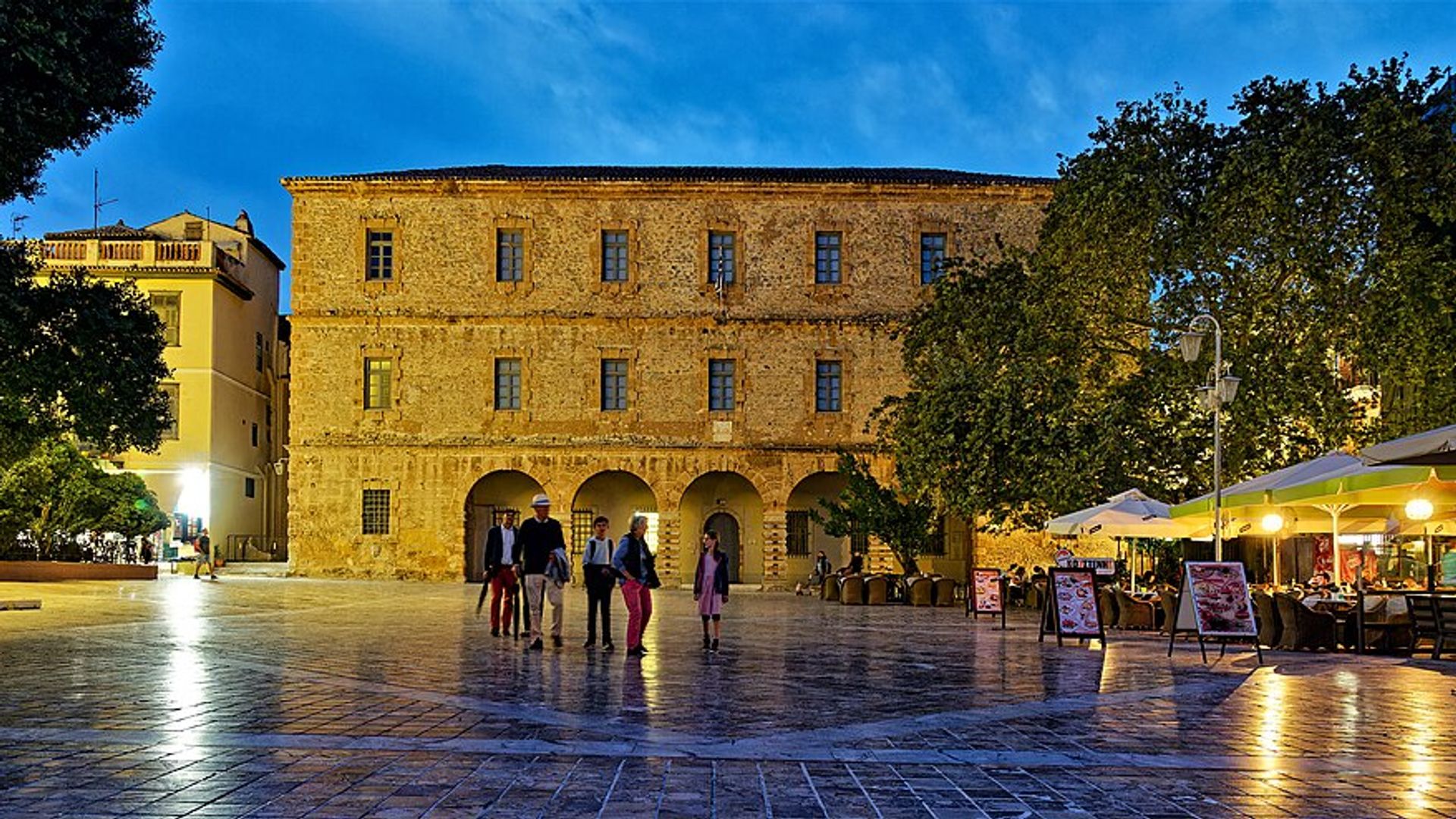
Discover Nafplio's stunning Venetian architecture, where medieval fortresses meet elegant neoclassical mansions. Explore the architectural treasures that make this Greek coastal gem a masterpiece of Mediterranean design.
Walking Through Centuries of Venetian Elegance
Nafplio stands as Greece's most architecturally cohesive town, where honey-colored Venetian walls rise above azure waters and cobblestone streets wind past neoclassical mansions. This coastal jewel in the Peloponnese preserves over three centuries of Venetian rule (1388-1540 and 1686-1715) in its fortresses, churches, and elegant townhouses that make every corner a photographer's dream.
The town's architectural heritage tells the story of Mediterranean powers vying for control of this strategic port, each leaving their mark in stone and mortar. From the commanding Palamidi Fortress overlooking the town to the intimate Venetian balconies adorning the old quarter, Nafplio offers an unparalleled journey through architectural history.
The Crown Jewels: Nafplio's Venetian Fortresses
Palamidi Fortress: The Venetian Masterpiece
Palamidi Fortress represents the pinnacle of Venetian military architecture, completed in just three years (1711-1714) before the Ottomans captured it. The fortress crowns a 216-meter hill with eight self-contained bastions, each designed to operate independently if others fell to enemy forces.
The climb up 999 steps (actually closer to 850) rewards visitors with panoramic views across the Argolic Gulf and insights into Venetian defensive engineering. The bastions bear names honoring Venetian commanders and Greek heroes, connecting military function with cultural identity.
Architectural Features:
- Eight independent bastions with interlocking fields of fire
- Massive stone walls ranging from 4 to 8 meters thick
- Sophisticated water cisterns ensuring siege survival
- Vaulted chambers showcasing Venetian masonry techniques
- Strategic gun emplacements commanding all approach routes
Acronafplia: The Original Venetian Stronghold
Acronafplia served as Nafplio's original fortress, with Venetian additions transforming Byzantine and Frankish fortifications into a formidable citadel. The Venetians added the Castle of the Greeks (Castello dei Greci) and reinforced existing walls with their characteristic military architecture.
This fortress complex reveals layers of history, where Venetian engineering merged with earlier defensive structures. The fortifications protected the town's landward approaches while Palamidi commanded the heights above.
Notable Elements:
- Castello dei Greci with distinctive Venetian stonework
- Lion of St. Mark reliefs marking Venetian sovereignty
- Integrated Byzantine and Frankish architectural elements
- Panoramic terraces overlooking the old town
- Secret passages connecting different fortress levels
Bourtzi: The Sentinel of the Harbor
Bourtzi fortress sits on a small island in Nafplio's harbor, built by the Venetians in 1473 to control maritime access. This compact fortress exemplifies Venetian naval defense strategy, with its circular tower and surrounding walls creating an impregnable barrier to unauthorized ships.
The fortress later served as the executioner's residence, a hotel, and now stands as Nafplio's most photographed landmark. Its reflection in calm harbor waters at sunset creates one of Greece's most iconic views, as featured in our guide to Greek cities.
Venetian Urban Planning: The Old Town Layout
The Venetians transformed Nafplio into a planned town with rational street grids, fortified perimeters, and designated zones for different functions. Syntagma Square formed the administrative heart, while residential quarters spread in organized blocks behind defensive walls.
This urban framework survived Ottoman occupation and Greek independence, preserving the Venetian vision of a Mediterranean port city. The narrow streets provided shade and channeled cooling breezes, demonstrating practical Mediterranean urbanism.
Urban Features:
- Grid pattern streets in the lower town
- Fortified perimeter walls with strategic gates
- Central piazza (Syntagma Square) for civic life
- Separate quarters for different communities
- Integrated defensive and residential architecture
Venetian Architectural Elements in Nafplio's Buildings
The Signature Venetian Style
Venetian architecture in Nafplio blends Italian Renaissance elegance with Greek Mediterranean practicality. Stone facades feature arched doorways, decorative balconies, and shuttered windows designed to manage the intense summer sun while capturing winter light.
The characteristic honey-colored limestone used in Venetian buildings creates visual harmony throughout the old town. This local stone weathers beautifully, developing a patina that enhances the town's romantic atmosphere.
Distinctive Features:
- Arched doorways with carved stone surrounds
- Wrought-iron balconies with geometric patterns
- Wooden shutters painted in traditional colors
- Stone lintels bearing construction dates or family crests
- Interior courtyards with covered loggias
The Venetian Arsenal
The Venetian Arsenal dominates the waterfront, its massive arched bays once housing galleys and storing naval supplies. This imposing structure showcases Venetian functional architecture at its finest, where beauty serves maritime power.
Today the building hosts cultural events and exhibitions, its vast interior spaces demonstrating the scale of Venetian naval operations. The Arsenal's waterfront location allowed ships to be launched directly into the harbor.
Historic Mansions and Townhouses
Nafplio's residential architecture preserves Venetian building traditions in elegant townhouses that line the old quarter's streets. These multi-story buildings feature ground-floor commercial spaces with residential apartments above, creating the mixed-use neighborhoods typical of Venetian urban planning.
Many mansions display coats of arms, decorative stonework, and architectural details that identify their original Venetian owners. The neoclassical additions from the Greek independence period complement rather than clash with the Venetian foundations.
Residential Characteristics:
- Three to four story buildings with commercial ground floors
- Internal courtyards providing privacy and light
- Decorative cornices and string courses
- Stone-framed windows with wooden shutters
- Terracotta tile roofs with characteristic slopes
Sacred Architecture: Venetian Churches and Monasteries
Catholic Churches from the Venetian Era
The Venetians built several Catholic churches to serve their garrison and merchant community, introducing Western ecclesiastical architecture to Nafplio. These churches feature Latin cross floor plans, barrel vaults, and bell towers distinct from Byzantine Orthodox traditions.
Saint George Catholic Church, though rebuilt, maintains its Venetian foundations and proportions. The integration of Catholic and Orthodox sacred architecture reflects Nafplio's role as a crossroads of Mediterranean cultures, similar to the religious diversity seen in Greece's monasteries.
Agios Spyridon: Architectural Witness to History
Agios Spyridon church, built during the Venetian period, witnessed the assassination of Ioannis Kapodistrias, Greece's first governor. The bullet hole in the church door remains preserved, connecting architectural heritage with national history.
The church's simple exterior and intimate interior exemplify the adapted Venetian style for Orthodox worship. Stone construction and traditional proportions create a contemplative atmosphere in the heart of the old town.
The Venetian Legacy in Modern Nafplio
Preservation and Restoration Efforts
Nafplio's architectural heritage benefits from strict preservation laws and ongoing restoration projects that maintain Venetian character while accommodating modern needs. Building owners must follow guidelines for materials, colors, and architectural details when renovating historic structures.
The town serves as a model for heritage conservation in Greece, balancing tourism development with architectural integrity. Walking through Nafplio today offers an authentic experience of Venetian Mediterranean urbanism.
Living in Venetian Buildings
Many Venetian-era buildings function as boutique hotels, restaurants, and residences, demonstrating the adaptability of historic architecture. Modern amenities integrate discreetly behind historic facades, preserving street character while providing contemporary comfort.
This living heritage approach ensures that Nafplio remains a functioning town rather than an architectural museum. The combination of historic buildings and active community life creates the authentic atmosphere that attracts visitors.
Quick Facts About Nafplio's Venetian Architecture
Historical Timeline:
- 1388-1540: First Venetian occupation period
- 1473: Construction of Bourtzi fortress
- 1686-1715: Second Venetian occupation period
- 1711-1714: Palamidi Fortress construction
- 1715: Ottoman conquest ends Venetian rule
Architectural Statistics:
- Over 100 Venetian-era buildings preserved in old town
- Three major fortresses from Venetian period
- 8 independent bastions in Palamidi alone
- 216 meters elevation of Palamidi fortress
- 999 traditional step count to Palamidi summit
Experiencing Nafplio's Venetian Architecture
Best Walking Routes for Architecture Enthusiasts
The old town's compact size makes exploring Venetian architecture on foot ideal, with most significant buildings within a 20-minute walk. Starting at Syntagma Square and wandering through the narrow streets reveals architectural treasures at every turn.
Early morning or late afternoon provides the best light for photography and comfortable temperatures for climbing to the fortresses. The golden hour illuminates honey-colored stone walls, creating magical atmospheric conditions.
Recommended Walking Route:
- Begin at Syntagma Square with the Venetian Arsenal
- Walk along Vasileos Konstantinou Street viewing townhouses
- Explore side streets in the old quarter
- Visit Agios Spyridon church
- Climb to Acronafplia fortress
- Descend and walk the waterfront to Arvanitia
- Return via Staikopoulou Street's neoclassical buildings
Photography Tips for Capturing Venetian Beauty
Nafplio's architecture photographs beautifully in various lighting conditions, from harsh midday sun creating dramatic shadows to soft evening light warming stone facades. The interplay of Venetian buildings, bougainvillea, and sea views offers endless compositional possibilities.
Bourtzi fortress provides iconic shots from the waterfront promenade, while Palamidi offers sweeping town views. Detail shots of doorways, balconies, and architectural elements capture the craftsmanship of Venetian builders.
Photography Essentials:
- Wide-angle lens for fortress interiors and narrow streets
- Telephoto for architectural details and Bourtzi from shore
- Early morning for empty streets and soft light
- Blue hour for illuminated fortress views
- Polarizing filter to enhance stone textures and sky
Combining Architecture Tours with Regional Exploration
Nafplio's central location in the Argolid makes it an ideal base for exploring the Peloponnese's archaeological and cultural treasures. The town's Venetian architecture provides elegant contrast to ancient Greek sites nearby.
A Nafplio city tour offers expert insights into the architectural heritage, while day trips to Epidaurus and Mycenae create comprehensive cultural experiences. The combination of Venetian, neoclassical, and ancient Greek architecture within one region is unique in Greece.
Nearby Architectural Attractions
The Peloponnese offers architectural diversity beyond Nafplio's Venetian treasures, from Byzantine Mystras to Ottoman Monemvasia. Each town preserves different historical layers, creating an architectural timeline of Mediterranean civilization.
Geraki Castle showcases Frankish military architecture, while Ancient Argos reveals classical Greek urban planning. This regional diversity enriches understanding of Nafplio's Venetian contribution to Greek architectural heritage.
Travel Tips for Architecture Visitors
Planning Your Visit:
- Allocate minimum two full days to explore Nafplio's architecture thoroughly
- Visit Palamidi fortress early morning to avoid heat and crowds
- Book accommodation in the old town for immersive experience
- Wear comfortable walking shoes for cobblestone streets and fortress steps
- Bring water and sun protection for fortress explorations
Best Times to Visit:
- Spring (April-May): Perfect weather, blooming bougainvillea, fewer crowds
- Fall (September-October): Excellent conditions, as detailed in Greece weather in October
- Winter (November-March): Mild temperatures, authentic local atmosphere, occasional rain
- Summer (June-August): Hot but vibrant, early morning fortress visits essential
Practical Considerations:
- Fortress admission fees: €8 for Palamidi, €4 for Acronafplia
- Combined tickets available for multiple sites
- Bourtzi accessible by water taxi from harbor (€5 round trip)
- Most historic buildings privately owned, exterior viewing only
- Guided tours available through local cultural organizations
Dining in Venetian Settings
Nafplio's restaurants occupy Venetian buildings, offering atmospheric dining in historic settings. Courtyard tavernas, rooftop terraces, and converted mansions provide memorable meals surrounded by architectural beauty.
Traditional Greek cuisine gains extra appeal when served in a 300-year-old Venetian townhouse. Our guide to Greek restaurants in Nafplio highlights establishments that combine excellent food with historic ambiance, and you might enjoy trying some Greek liquor in these atmospheric settings.
The Cultural Significance of Venetian Architecture
Nafplio's Venetian buildings represent more than aesthetic beauty—they embody cultural exchange between East and West, Italian and Greek, Catholic and Orthodox. This architectural dialogue created a unique Mediterranean synthesis that defines Nafplio's character.
The preservation of Venetian heritage alongside Greek independence monuments demonstrates how Nafplio embraces complex history. The town's architecture tells stories of conquest and liberation, occupation and independence, foreign influence and Greek identity.
Architectural Education and Research
Nafplio attracts architecture students, historians, and preservation specialists studying Venetian military and civilian construction techniques. The town's well-preserved buildings provide valuable insights into Mediterranean urbanism and defensive architecture.
Research continues on construction methods, material sources, and restoration techniques that maintain authenticity. This ongoing scholarship ensures that future generations can appreciate and learn from Nafplio's architectural legacy.
Venetian Architecture in Greek Context
Nafplio's Venetian heritage contrasts with the blue and white aesthetics of Cycladic islands, showcasing Greece's architectural diversity. While island villages embrace minimalist whitewashed geometry, Nafplio celebrates ornate stone construction and Italian Renaissance proportions.
This diversity reflects Greece's position at the crossroads of civilizations, where different cultures left architectural signatures. Understanding Greek architecture requires appreciating both classical temples and Venetian fortresses, Byzantine churches and neoclassical mansions.
Planning Your Architectural Journey
A comprehensive exploration of Nafplio's Venetian architecture benefits from expert guidance and structured itineraries that maximize limited time. Professional tours provide historical context and access to buildings not normally open to visitors.
Consider booking a Nafplio cultural tour that combines architectural highlights with regional attractions, creating a complete Peloponnese experience. Expert guides bring Venetian buildings to life with stories of merchants, soldiers, and daily life under the Lion of St. Mark.
Frequently Asked Questions
What makes Nafplio's Venetian architecture unique in Greece?
Nafplio preserves the most cohesive Venetian architectural ensemble in Greece, with three major fortresses and over 100 historic buildings from the Venetian period. The town's compact old quarter maintains its original urban layout and building character, unlike other Greek cities where modern development obscured historical layers. The combination of military fortifications, civic buildings, and residential architecture creates a complete picture of Venetian Mediterranean urbanism that survived Ottoman occupation and Greek modernization.
How long did the Venetians control Nafplio?
The Venetians controlled Nafplio during two periods: first from 1388 to 1540 (152 years), and again from 1686 to 1715 (29 years). Despite the second period's brevity, it produced Nafplio's most impressive Venetian monument—Palamidi Fortress, completed just three years before the Ottomans conquered the town. These two occupation periods left permanent architectural marks that define Nafplio's character today, making it Greece's most Venetian town outside the Ionian Islands.
Can you visit all three Venetian fortresses in one day?
Yes, visiting all three fortresses (Palamidi, Acronafplia, and Bourtzi) in one day is possible, though it requires good fitness and early starting. Begin with Palamidi in early morning to avoid heat, spending 2-3 hours exploring the bastions. Walk down to Acronafplia for another 1-2 hours, then take a water taxi to Bourtzi in the afternoon. This schedule allows time for rest breaks and photography while completing the fortress circuit. However, spreading visits across two days provides a more relaxed experience and better appreciation of each fortress's unique features.
What's the best way to reach Palamidi Fortress?
Palamidi offers two access options: climbing the famous 999 steps from the old town or driving up the paved road to the hilltop entrance. The steps provide an authentic experience with escalating views, taking 20-30 minutes depending on fitness level. The road approach suits visitors with mobility limitations or those wanting to conserve energy for exploring the fortress itself. Both routes lead to the same entrance, where you purchase admission tickets. Early morning climbing avoids the intense midday sun, while the road remains comfortable throughout the day.
Are there guided tours focusing specifically on Venetian architecture?
Several tour operators offer specialized architectural tours of Nafplio, though most combine Venetian buildings with neoclassical monuments and general history. Private guides can customize tours focusing exclusively on Venetian architecture, visiting fortresses, the Arsenal, historic churches, and significant townhouses. The local archaeological service occasionally offers expert-led tours during cultural events. Booking through established companies like Unique Greek Tours ensures knowledgeable guides who can explain architectural details and historical context that independent visitors might miss.
How has Venetian architecture influenced modern Nafplio?
Venetian architecture established building traditions and urban patterns that continue shaping Nafplio today. Strict preservation laws require new construction and renovations to respect historic scale, materials, and proportions, maintaining the town's cohesive character. Modern buildings in the old quarter use similar honey-colored stone, traditional proportions, and compatible architectural details. The Venetian street layout remains unchanged, and the fortress silhouettes define Nafplio's skyline. This architectural continuity creates the harmonious townscape that makes Nafplio Greece's most beautiful neoclassical town, where Venetian foundations support later Greek architectural expression.
What should I know about photographing Venetian buildings in Nafplio?
Photographing Nafplio's Venetian architecture requires no special permissions for exterior shots from public spaces, though commercial photography may need permits. The honey-colored stone photographs beautifully in various lighting conditions, with early morning and late afternoon providing warm, directional light that enhances textures. Narrow streets create challenging lighting contrasts—expose for highlights and lift shadows in post-processing. Respect private property when photographing residential buildings, and ask permission before entering courtyards. Fortress interiors offer dramatic arched spaces and panoramic views, while detail shots of doorways, balconies, and stonework capture Venetian craftsmanship.
Can you stay overnight in Venetian buildings?
Numerous boutique hotels, guesthouses, and vacation rentals occupy restored Venetian-era buildings in Nafplio's old town. These accommodations range from luxury hotels in converted mansions to intimate guesthouses in historic townhouses. Staying in a Venetian building provides immersive experience of historic architecture, often featuring stone walls, wooden beam ceilings, and traditional details alongside modern amenities. Book well in advance for peak season, as the most atmospheric properties fill quickly. Requesting rooms with views of Bourtzi or the fortresses enhances the experience, connecting your accommodation with Nafplio's broader Venetian landscape.