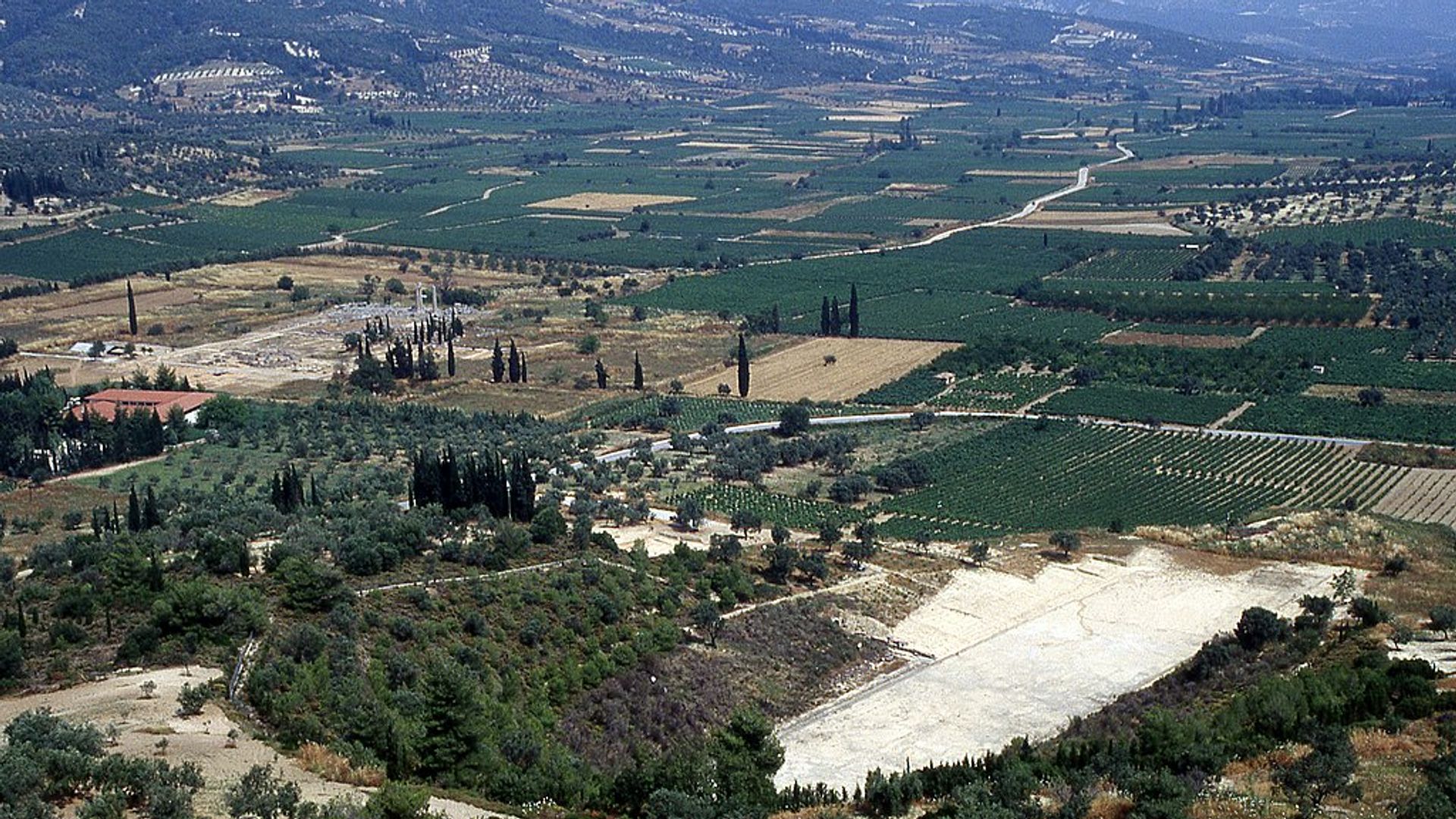
Nemea, nestled in the northeastern Peloponnese, offers an intoxicating blend of ancient ruins, world-class wineries, and mythological legends. This enchanting valley where Hercules slayed the Nemean Lion invites travelers to explore archaeological wonders and savor Greece's finest red wines.
The sun-drenched valley of Nemea whispers stories of ancient glory, mythological heroes, and viticultural excellence that stretches back millennia. This captivating corner of the northeastern Peloponnese, just 30 kilometers southwest of Corinth, offers travelers an authentic Greek experience far removed from crowded tourist trails.
Nemea's landscape unfolds like a tapestry woven with vineyard-covered hills, ancient ruins, and traditional villages where time moves at a gentler pace. Whether you're a history enthusiast, wine connoisseur, or adventurer seeking mythological connections, this remarkable destination delivers experiences that linger long after your journey ends.
The Legend of Hercules and the Nemean Lion
Nemea's fame in Greek mythology centers on the first of Hercules' twelve labors: slaying the fearsome Nemean Lion. This monstrous beast, with impenetrable golden fur, terrorized the valley until the legendary hero strangled it with his bare hands.
The lion's cave, traditionally identified in the hills surrounding ancient Nemea, became a pilgrimage site in antiquity. Today, visitors can explore the archaeological landscape where myth and history intertwine, imagining the epic struggle that would define Hercules' legendary status.
Ancient Nemea: The Archaeological Site
The archaeological sanctuary of Nemea ranks among Greece's most significant ancient sites, rivaling the grandeur of Olympia and Delphi. The Temple of Nemean Zeus, with three majestic Doric columns still standing, dominates the sacred precinct where athletes once competed in honor of the king of gods.
Excavations have revealed a remarkably preserved athletic complex that hosted the Nemean Games every two years. Walking through these ancient grounds, you'll discover the stadium, bathhouse, and ceremonial buildings that served thousands of spectators and competitors.
The Ancient Stadium
Nemea's stadium represents one of the best-preserved athletic facilities from classical Greece. The 600-foot track, complete with original stone starting blocks, allows modern visitors to stand exactly where ancient athletes prepared for competition.
The vaulted entrance tunnel, the only surviving example from ancient Greece, creates a powerful connection to the past. Stepping through this stone corridor onto the stadium floor evokes the excitement and anticipation athletes must have felt 2,400 years ago.
Stadium Features:
- 178-meter track with authentic starting mechanism
- Vaulted tunnel entrance dating to 320 BCE
- Stone seating for approximately 40,000 spectators
- Judge's stand and altar foundations
- Water channels for drainage and refreshment
The Temple of Nemean Zeus
Constructed around 330 BCE, this magnificent temple showcased the Doric architectural style at its finest. Though earthquake and time have toppled most columns, ongoing restoration efforts have re-erected three towering pillars that reach toward the Greek sky.
The temple's foundations reveal a structure measuring 42.55 by 20.07 meters, with six columns on the short sides and twelve along the flanks. Archaeological evidence suggests the temple housed a chryselephantine (gold and ivory) statue of Zeus, though this masterpiece has long since vanished.
Nemea Wine Region: Greece's Bordeaux
Nemea produces arguably Greece's most celebrated red wine from the indigenous Agiorgitiko grape variety. This "Blood of Hercules" grape thrives in Nemea's unique terroir, creating wines ranging from fresh, fruity rosés to complex, age-worthy reds.
The Protected Designation of Origin (PDO) Nemea encompasses vineyards at varying altitudes, each producing distinct wine styles. Lower elevation vineyards yield fruit-forward wines, while higher altitude plots create structured, elegant expressions with remarkable aging potential.
Top Wineries to Visit
Nemea's wine route features over 30 wineries welcoming visitors for tastings, tours, and culinary experiences. These family-owned estates and modern facilities showcase both traditional and innovative winemaking approaches.
Must-Visit Wineries:
- Domaine Spiropoulos: Organic practices and exceptional sparkling wines
- Gaia Wines: Pioneering estate with stunning architecture
- Semeli Estate: Historic property with comprehensive tours
- Palivou Estate: Family tradition spanning five generations
- Lafkiotis Winery: Mountain vineyards producing elegant expressions
- Driopi Winery: Small-batch production with personal attention
Wine Tasting Tips
The Nemea wine experience extends beyond simple tastings to include vineyard walks, food pairings, and winemaker conversations. Most wineries require advance reservations, especially during harvest season from late August through September.
Planning Your Wine Tour:
- Book tastings 2-3 days in advance during peak season
- Designate a driver or hire a local guide
- Allow 1.5-2 hours per winery visit
- Pair tastings with local cheeses and charcuterie
- Visit 2-3 wineries maximum per day
- Purchase wines directly for better prices
The Modern Nemean Games
Since 1996, the Society for the Revival of the Nemean Games has organized authentic athletic competitions in the ancient stadium. Participants from around the world compete barefoot, wearing ancient-style tunics, recreating the spirit of ancient Greek athletics.
These games, held every four years, welcome athletes of all abilities and ages. The experience of running on the same track where ancient champions competed creates an unforgettable connection across millennia.
Nemea Archaeological Museum
This exceptional museum houses artifacts excavated from the sanctuary and surrounding region. The collection spans from prehistoric times through the Byzantine period, with particular emphasis on the sanctuary's athletic and religious functions.
Museum Highlights:
- Ancient athletic equipment and victory crowns
- Architectural elements from the Temple of Zeus
- Pottery and bronze offerings to the gods
- Inscriptions documenting athletic victors
- Reconstructed bathhouse models
- Interactive displays explaining ancient competitions
The museum's thoughtful layout guides visitors through Nemea's history chronologically, providing context for the archaeological site. Informative panels in Greek and English make the ancient world accessible to all visitors.
Exploring Nemea Village
The modern village of Nemea serves as the perfect base for exploring the region's attractions. Traditional tavernas serve local specialties paired with Nemean wines, while family-run guesthouses offer authentic hospitality.
The village square comes alive in the evenings when locals gather at cafés for conversation and refreshment. This genuine Greek atmosphere provides welcome respite from more tourist-oriented destinations.
Local Cuisine and Dining
Nemea's culinary scene celebrates Peloponnesian traditions with locally sourced ingredients. Tavernas serve hearty dishes perfectly suited to accompany the region's robust red wines.
Traditional Dishes to Try:
- Kokkinisto: Beef braised in tomato sauce with Nemean wine
- Paidakia: Grilled lamb chops with mountain herbs
- Stifado: Slow-cooked rabbit or beef with pearl onions
- Horiatiki: Village salad with local feta and olives
- Giouvetsi: Baked orzo with lamb in clay pots
- Galaktoboureko: Custard pastry with local honey
Day Trips from Nemea
Nemea's central Peloponnese location makes it an ideal base for exploring nearby archaeological sites and natural wonders. The historic city of Nafplio lies just 45 minutes southeast, while ancient Corinth sits 30 minutes northeast.
The ancient theater of Epidaurus, renowned for its perfect acoustics, makes an excellent half-day excursion. Consider attending a performance at the Epidaurus Festival for an unforgettable cultural experience.
Nearby Attractions:
- Ancient Corinth and Acrocorinth fortress (30 km)
- Mycenae archaeological site (25 km)
- Nafplio old town and Palamidi fortress (40 km)
- Epidaurus ancient theater (55 km)
- Tolo beach resort (45 km)
- Ancient Argos ruins (35 km)
Explore the facts about Sparta in ancient Greece by venturing further south to this legendary city-state. The journey through the Peloponnese reveals layer upon layer of Greek history and culture.
When to Visit Nemea
Nemea welcomes visitors year-round, though each season offers distinct advantages. Spring (April-May) brings wildflowers carpeting the valley and mild temperatures perfect for archaeological exploration.
Autumn (September-October) coincides with grape harvest, offering unique opportunities to witness winemaking traditions. The Greece weather in October remains pleasant with fewer crowds than summer months.
Seasonal Considerations:
- Spring: Wildflowers, mild weather, fewer tourists
- Summer: Long days, festival events, very warm temperatures
- Autumn: Harvest activities, wine festivals, comfortable climate
- Winter: Quiet atmosphere, lower prices, some closures
Getting to Nemea
Nemea lies approximately 110 kilometers from Athens, making it accessible for day trips or extended stays. The most convenient approach involves renting a car, providing freedom to explore wineries and archaeological sites at your own pace.
Public transportation options exist but require more planning and time. KTEL buses connect Athens to Nemea with several daily departures, though reaching individual wineries without private transportation proves challenging.
Transportation Options:
- Rental car from Athens: 90-minute drive via National Road
- Private transfer: Door-to-door service with flexibility
- KTEL bus: Budget-friendly but limited schedule
- Organized tour: Hassle-free with expert guidance
- Taxi from Corinth: Shorter journey for those arriving by train
Book our comprehensive Nafplio and Corinth tour to experience Nemea alongside other Peloponnesian highlights with expert local guides.
Where to Stay in Nemea
Accommodation options in Nemea range from traditional guesthouses to boutique wine hotels. Staying within the valley provides easy access to wineries and archaeological sites, though nearby Nafplio offers more extensive lodging choices.
Several wineries operate guesthouses or small hotels, allowing visitors to wake up among the vines. These properties often include wine tastings, vineyard tours, and home-cooked meals featuring local ingredients.
Accommodation Types:
- Wine estate guesthouses with tastings included
- Traditional village rooms with local character
- Boutique hotels with modern amenities
- Agrotourism properties on working farms
- Nafplio hotels for more extensive facilities
Practical Travel Tips
Nemea rewards visitors who take time to slow down and savor the experience. Unlike rushed day trips, spending at least one night allows you to appreciate the valley's tranquil rhythms and enjoy evening wine tastings.
Most archaeological sites and museums close on Mondays, so plan accordingly. Wineries typically welcome visitors Tuesday through Sunday, with some requiring weekend reservations well in advance.
Essential Tips:
- Bring comfortable walking shoes for archaeological sites
- Carry sun protection year-round
- Reserve winery visits in advance
- Keep cash for small purchases and rural tavernas
- Download offline maps for rural areas
- Learn basic Greek phrases for authentic interactions
- Respect siesta hours (2-5 PM) in villages
Nemea for Wine Enthusiasts
Serious oenophiles will find Nemea endlessly fascinating, with opportunities to explore how altitude, soil composition, and winemaking philosophy create diverse expressions from a single grape variety. Vertical tastings showcase how Agiorgitiko wines evolve with age, developing complex tertiary characteristics.
Many wineries offer technical tours explaining viticulture practices, fermentation techniques, and aging protocols. These in-depth experiences appeal to wine professionals and educated consumers seeking deeper understanding.
Understanding Agiorgitiko
This noble Greek variety produces wines ranging from light, fruity styles to powerful, tannic expressions requiring years of cellaring. The grape's name translates to "St. George," referencing the chapel of Agios Georgios surrounded by historic vineyards.
Agiorgitiko's versatility allows winemakers to craft rosés, light reds, and full-bodied reserves from the same variety. Altitude plays a crucial role, with high-elevation vineyards (600-900 meters) producing more structured, age-worthy wines.
Combining Nemea with Other Destinations
Nemea fits perfectly into broader Peloponnese itineraries, complementing coastal destinations and mountain villages. The region's central location allows easy access to both Argolic Gulf beaches and mountainous interior attractions.
Consider pairing Nemea with Nafplio for a perfect blend of wine country, beach time, and Venetian architecture. The Euphoria Retreat near Mystras offers wellness experiences for those seeking holistic travel.
Suggested Itinerary Combinations:
- Nemea + Nafplio + Epidaurus (3-4 days)
- Nemea + Mycenae + Ancient Corinth (2-3 days)
- Nemea + Sparta + Mystras (4-5 days)
- Nemea + Porto Heli beaches (3-4 days)
- Grand Peloponnese tour including all highlights (7-10 days)
Discover our Mycenae and Epidaurus tour for a comprehensive archaeological experience combined with wine tasting opportunities.
Quick Facts About Nemea
Location & Access:
- Region: Northeastern Peloponnese, Corinthia prefecture
- Distance from Athens: 110 kilometers (68 miles)
- Nearest major city: Corinth (30 kilometers)
- Altitude: 330-900 meters (valley to vineyards)
- Population: Approximately 4,000 residents
Archaeological Site:
- Opening hours: 8:00 AM - 8:00 PM (summer), 8:30 AM - 3:30 PM (winter)
- Entrance fee: €6 (combined ticket with museum)
- Accessibility: Partially wheelchair accessible
- Guided tours: Available in multiple languages
- Average visit duration: 2-3 hours
Wine Region:
- PDO status: Granted 1971
- Primary grape: Agiorgitiko (100% for PDO wines)
- Vineyard area: Approximately 2,500 hectares
- Number of wineries: 30+ welcoming visitors
- Annual production: 5-6 million bottles
Cultural Events and Festivals
Nemea's cultural calendar celebrates both ancient traditions and modern wine culture. The Nemean Games, held every four years, attract international participants who compete in ancient-style athletics wearing traditional tunics.
The annual Wine Festival in September transforms the village into a celebration of viticultural heritage. Wineries offer tastings, traditional music fills the squares, and local restaurants prepare special menus showcasing Nemean wine pairings.
Annual Events:
- Nemean Games: Every four years (next in 2028)
- Wine Festival: Mid-September
- Agiorgitiko Festival: Late October
- Religious celebrations: August 15 (Assumption)
- Harvest celebrations: September-October
- Cultural summer programs: July-August
Photography Opportunities
Nemea offers exceptional photographic subjects from sunrise to sunset. The three standing columns of Zeus's temple create dramatic silhouettes against dawn skies, while vineyard landscapes glow golden in late afternoon light.
The ancient stadium's vaulted tunnel provides atmospheric architectural photography opportunities. Winery visits allow documentation of traditional and modern winemaking processes, from hand-harvesting to oak barrel aging.
Best Photo Locations:
- Temple columns at sunrise or sunset
- Stadium tunnel entrance with dramatic lighting
- Vineyard rows during autumn colors
- Village square during evening gatherings
- Wine cellars with traditional barrels
- Mountain views from high-altitude vineyards
Sustainable Tourism in Nemea
Nemea's wine community increasingly embraces organic and biodynamic viticulture practices. Several wineries have earned organic certification, eliminating synthetic pesticides and fertilizers while promoting biodiversity.
Visitors can support sustainable tourism by choosing certified organic wineries, dining at farm-to-table restaurants, and staying at eco-conscious accommodations. Small-scale producers particularly benefit from direct purchases and word-of-mouth recommendations.
Beyond Wine and Ruins
While wine and archaeology dominate Nemea's attractions, the surrounding countryside offers hiking, cycling, and nature exploration. Mountain trails wind through forests and olive groves, providing peaceful escapes and panoramic valley views.
The nearby Stymphalia Lake, site of another Herculean labor, offers birdwatching opportunities and environmental education. This protected wetland hosts migratory species and rare endemic plants within a dramatic mountain setting.
Frequently Asked Questions
What is Nemea Greece famous for?
Nemea is renowned for three main attractions: the ancient sanctuary and stadium where the Nemean Games were held, the mythological site where Hercules slayed the Nemean Lion, and world-class red wines produced from the indigenous Agiorgitiko grape. The region combines archaeological significance with viticultural excellence, making it unique among Greek destinations.
How do I get from Athens to Nemea?
The most convenient option is renting a car for the 90-minute drive via the National Road toward Corinth, then following signs to Nemea. KTEL buses operate several daily services from Athens to Nemea village, though this limits flexibility for visiting multiple wineries. Private transfers and organized tours offer hassle-free alternatives with door-to-door service.
Can I visit Nemea wineries without a car?
While possible, visiting Nemea wineries without private transportation proves challenging since estates are scattered across the valley. Some wineries offer pickup services from Nemea village if arranged in advance, and taxi services can be hired for winery tours. Organized wine tours from Athens or Nafplio provide the most practical car-free option.
What is the best time to visit Nemea?
Spring (April-May) and autumn (September-October) offer ideal conditions with pleasant temperatures, fewer crowds, and beautiful landscapes. Autumn provides the added attraction of harvest activities and wine festivals. Summer brings longer days and cultural events but very warm temperatures. Winter sees reduced tourist services but offers peaceful exploration and lower prices.
How many wineries should I visit in one day?
Plan to visit 2-3 wineries maximum per day to fully appreciate each experience without rushing or palate fatigue. Quality winery visits typically last 1.5-2 hours including tours, tastings, and conversations with winemakers. This pace allows time for lunch at a local taverna and visiting the archaeological site or museum.
Is Nemea suitable for families with children?
Yes, Nemea offers family-friendly activities beyond wine tasting. Children enjoy exploring the ancient stadium, running through the tunnel entrance, and learning about Hercules mythology. The archaeological museum features interactive displays, and some wineries welcome families with grape juice tastings for children. The relaxed village atmosphere and outdoor spaces suit family travel.
What should I buy in Nemea?
Nemean wines represent the best purchases, offering excellent value when bought directly from producers. Look for aged reserves and single-vineyard bottlings unavailable elsewhere. Local products include olive oil, honey, herbs, and traditional sweets. The archaeological museum shop sells quality reproductions and books about ancient athletics and mythology.
Can I run in the ancient stadium?
Yes, visitors are welcome to run on the ancient track and experience the stadium as athletes did 2,400 years ago. The site encourages this interactive engagement with history, allowing you to use the original stone starting blocks. During the modern Nemean Games, participants compete barefoot in ancient-style tunics, recreating authentic athletic traditions.
Conclusion: Nemea's Timeless Appeal
Nemea captivates visitors with its seamless blend of ancient heritage and living traditions. Few destinations offer such authentic experiences where mythology, archaeology, and contemporary culture intertwine so naturally.
Whether you're sipping age-worthy Agiorgitiko while overlooking vineyard-covered slopes, standing in the ancient stadium where champions once competed, or exploring the temple where Zeus was honored, Nemea creates memories that transcend typical tourism. This enchanting valley invites you to slow down, savor each moment, and discover why Greeks have treasured this landscape for over three millennia.
The journey to Nemea rewards travelers seeking substance over superficiality, offering genuine connections to Greece's past and present. As you plan your Peloponnese adventure, make time for this remarkable destination where every glass of wine tells a story and every stone whispers ancient secrets.