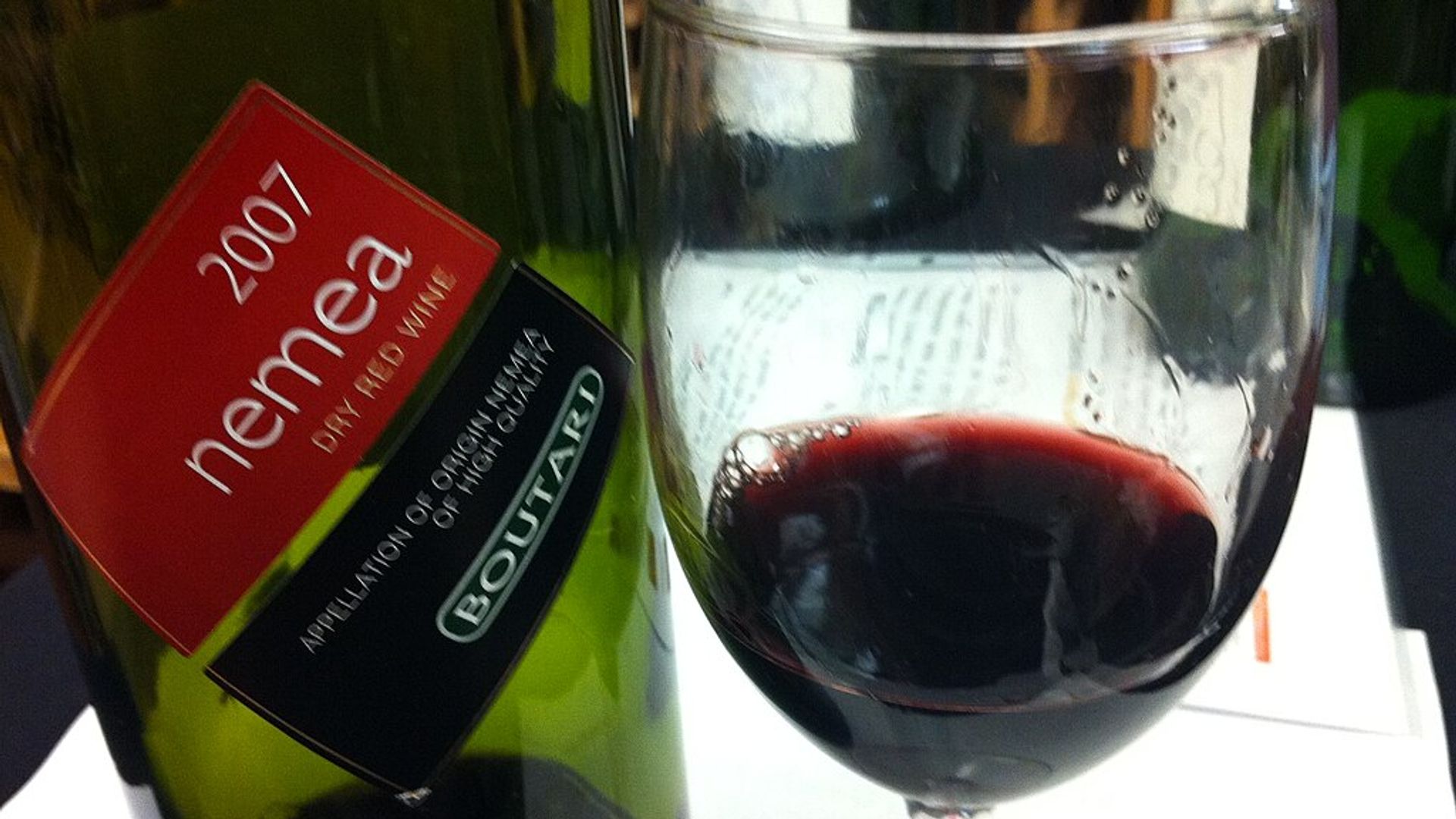
Discover Nemea's legendary wine region in the Peloponnese, where ancient vineyards produce Greece's finest Agiorgitiko red wines. Explore historic wineries, taste award-winning vintages, and walk through the birthplace of Hercules on an unforgettable wine tour.
Discovering the Heart of Greece's Premier Wine Region
Nestled in the northeastern corner of the Peloponnese, Nemea stands as one of Greece's most celebrated wine-producing regions, where ancient mythology and modern viticulture blend seamlessly. The valley where Hercules slayed the legendary Nemean Lion now produces some of the Mediterranean's most distinctive red wines, crafted from the indigenous Agiorgitiko grape variety that thrives in this historic landscape.
The region's winemaking heritage stretches back over 2,500 years, making it one of the oldest continuously cultivated wine areas in the world. Today's visitors discover a thriving wine tourism scene that honors ancient traditions while embracing contemporary winemaking techniques, creating an experience that satisfies both history enthusiasts and wine connoisseurs alike.
The Legend of Agiorgitiko: Greece's Noble Red Grape
Agiorgitiko, often called "St. George" in English, represents the soul of Nemea's wine identity. This indigenous grape variety produces wines ranging from light and fruity to deep and complex, depending on vineyard elevation and winemaking techniques.
The grape's versatility allows winemakers to create everything from fresh rosés to age-worthy reserve reds. Nemea's unique terroir—combining limestone-rich soils, Mediterranean climate, and varying altitudes from 250 to 850 meters—provides ideal conditions for Agiorgitiko to express its full potential.
Characteristics of Nemea Agiorgitiko Wines:
- Deep ruby to garnet color with purple highlights in younger vintages
- Aromatic profile featuring red fruits, plums, and subtle spice notes
- Velvety tannins that soften beautifully with age
- Medium to full body with balanced acidity
- Aging potential of 5-15 years for premium selections
- Food-friendly nature pairing excellently with Mediterranean cuisine
Understanding Nemea's Wine Zones and Terroir
The Nemea wine region encompasses approximately 2,500 hectares of vineyards spread across distinct elevation zones. Each altitude band produces wines with unique characteristics, giving winemakers diverse options for blending and single-vineyard bottlings.
Lower elevation vineyards (250-350 meters) yield fuller-bodied wines with riper fruit flavors and softer tannins. Mid-elevation sites (350-550 meters) produce balanced wines combining fruit intensity with structural elegance, while high-altitude vineyards (550-850 meters) create wines with brighter acidity, more pronounced aromatics, and greater aging potential.
Nemea Vineyard Zones:
- Valley floor vineyards producing approachable, fruit-forward styles
- Hillside sites creating structured, age-worthy wines
- Mountain vineyards yielding elegant, aromatic expressions
- Ancient Asprokampos area with century-old vines
- Koutsi region known for premium single-vineyard bottlings
Top Wineries to Visit in Nemea
Nemea's wine route features over 30 wineries ranging from family-run estates to modern facilities equipped with state-of-the-art technology. Many wineries offer guided tours, tastings, and educational experiences that illuminate the region's winemaking heritage.
Visiting multiple wineries allows travelers to appreciate the diversity of styles produced from the same grape variety. Most estates welcome visitors year-round, though harvest season (late August through September) provides particularly memorable experiences as the vineyards burst with activity.
Must-Visit Nemea Wineries:
- Gaia Wines - Modern facility showcasing terroir-driven winemaking
- Domaine Skouras - Pioneer of quality-focused Greek viticulture
- Palivou Estate - Family winery with organic vineyard practices
- Semeli Estate - Architectural beauty with premium wine portfolio
- Lafkiotis Winery - Traditional methods meeting contemporary style
- Driopi Winery - Boutique producer with exceptional single-vineyard wines
- Ktima Papaioannou - Historic estate with extensive aging cellars
The Ancient Site of Nemea: Where Wine Meets History
Beyond its viticultural fame, Nemea holds profound archaeological significance. The ancient sanctuary of Zeus and the stadium where the Nemean Games took place stand as testaments to the region's importance in classical Greece.
Visitors can explore the remarkably preserved Temple of Zeus, walk the ancient stadium track where athletes competed, and visit the archaeological museum housing artifacts spanning millennia. The proximity of these historical sites to modern wineries creates unique opportunities for combined cultural and culinary experiences that few wine regions worldwide can match.
Those interested in exploring more ancient sites in the Peloponnese should consider visiting Epidaurus, another remarkable archaeological treasure located nearby.
Historical Sites in Nemea:
- Temple of Zeus with three standing columns
- Ancient stadium with 178-meter running track
- Archaeological museum displaying regional finds
- Ancient bath complex and gymnasium remains
- Sanctuary of Opheltes with ritual structures
- Ancient wine press installations
Planning Your Nemea Wine Tour
Successful wine tourism in Nemea requires thoughtful planning to maximize your experience. The region lies approximately 110 kilometers southwest of Athens and 30 kilometers from the coastal town of Nafplio, making it accessible for day trips or longer stays.
Most wineries require advance reservations for tours and tastings, especially during peak season (May through October). Designating a driver or booking a guided tour ensures everyone can enjoy tastings responsibly while learning about the region's winemaking traditions from knowledgeable guides.
For those staying in Nafplio, consider booking a comprehensive tour combining ancient sites with wine tasting to experience the best of the Peloponnese.
Essential Planning Tips:
- Book winery visits 2-3 days in advance during high season
- Allow 1-2 hours per winery for tours and tastings
- Visit 2-3 wineries maximum per day for quality experiences
- Schedule morning visits to avoid afternoon heat in summer
- Wear comfortable walking shoes for vineyard tours
- Bring a cooler if purchasing wines to transport
- Consider hiring a local guide for deeper insights
Wine Tourism Seasons in Nemea
Each season offers distinct advantages for visiting Nemea's wine country. Spring (April-May) brings blooming vineyards and mild temperatures perfect for outdoor exploration, while autumn (September-October) features harvest activities and stunning foliage colors.
Summer months attract more visitors but also showcase the vineyards at their most vibrant. Winter (November-March) sees fewer tourists and offers intimate tasting experiences, though some smaller wineries may have limited hours.
Those planning autumn visits might also explore Greece's weather in October to prepare appropriately for their journey.
Seasonal Highlights:
- Spring - Vine flowering and temperate weather
- Summer - Lush vineyards and extended daylight hours
- Autumn - Harvest season with grape-picking opportunities
- Winter - Quiet tastings and special barrel samplings
Nemea Wine Tasting Etiquette and Tips
Approaching wine tastings with proper etiquette enhances the experience for everyone involved. Greek winemakers take pride in their craft and appreciate visitors who show genuine interest in their work and the region's winemaking heritage.
Tastings typically progress from lighter to fuller-bodied wines, with whites (if offered) before reds. Don't hesitate to ask questions about vineyard practices, aging techniques, or food pairing suggestions—winemakers and staff enjoy sharing their knowledge with curious visitors.
Tasting Room Guidelines:
- Arrive on time for scheduled appointments
- Ask permission before taking photographs in cellars
- Taste wines in the order presented
- Use provided spittoons for larger tastings
- Take notes on favorites for purchase decisions
- Tip tasting room staff (€5-10) for exceptional service
- Purchase at least one bottle if you enjoyed the experience
Pairing Nemea Wines with Greek Cuisine
Agiorgitiko's food-friendly nature makes it an ideal companion for traditional Greek dishes. The wine's balanced acidity and moderate tannins complement rich meats, aged cheeses, and tomato-based preparations common in Mediterranean cooking.
Many Nemea wineries offer food pairings or full meals showcasing regional specialties alongside their wines. These culinary experiences provide insights into how local winemakers envision their creations enhancing traditional flavors.
To deepen your understanding of Greek culinary traditions, explore more about Greek restaurants in Nafplio for additional dining inspiration.
Perfect Pairings for Nemea Agiorgitiko:
- Grilled lamb chops with herbs and lemon
- Slow-cooked beef stifado with pearl onions
- Moussaka with béchamel topping
- Aged graviera or kefalotiri cheese
- Stuffed tomatoes and peppers (gemista)
- Grilled octopus with olive oil and oregano
- Pastitsio (Greek lasagna) with meat sauce
Beyond Wine: Exploring the Nemea Region
While wine tourism forms the primary draw, Nemea offers additional attractions worth exploring. The surrounding countryside features hiking trails through vineyards and olive groves, traditional villages preserving authentic Greek character, and local tavernas serving home-style cooking.
The nearby town of Ancient Corinth provides another fascinating historical site, while the coastal areas offer beach relaxation after vineyard visits. This diversity makes Nemea an excellent base for travelers seeking varied experiences beyond wine tasting.
History enthusiasts might also appreciate learning about facts about Sparta in ancient Greece, another legendary Peloponnesian city within driving distance.
Additional Regional Attractions:
- Mount Kyllini hiking trails with panoramic views
- Traditional villages like Archaia Nemea and Petri
- Local olive oil mills offering tastings
- Artisan pottery workshops in nearby communities
- Seasonal festivals celebrating wine and harvest
- Countryside cycling routes through vineyards
Nemea Wine Festivals and Events
Throughout the year, Nemea hosts wine-related festivals and events that celebrate the region's viticultural heritage. The annual Nemea Wine Festival (typically held in August) features tastings from multiple producers, traditional music, and local cuisine.
The Nemean Games revival, held every four years, recreates the ancient athletic competitions while incorporating modern wine celebrations. These events provide unique opportunities to experience Greek hospitality and wine culture in festive, communal settings.
Annual Wine Events:
- Nemea Wine Festival (August) - Multi-day celebration with tastings
- Agiorgitiko Days (May) - Focused celebration of the signature grape
- Harvest Festivals (September) - Grape-picking and traditional festivities
- Wine and Food Pairing Events (Various dates) - Educational tastings
- Nemean Games Revival (Every four years) - Athletic and cultural celebration
Purchasing and Transporting Nemea Wines
Many travelers wish to bring Nemea wines home as souvenirs or gifts. Wineries typically offer shipping services to many European destinations, though international shipping may be limited or expensive.
When transporting wine personally, pack bottles carefully in checked luggage with protective wrapping. Airlines generally permit wine in checked bags (not carry-on) within standard liquid allowances, though regulations vary by carrier and destination country.
Wine Purchase Tips:
- Compare prices at multiple wineries before buying
- Ask about case discounts for larger purchases
- Inquire about international shipping options
- Request proper packaging for air travel
- Keep purchase receipts for customs declarations
- Check your home country's import allowances
- Consider buying wines unavailable in your local market
Sustainable Winemaking in Nemea
An increasing number of Nemea producers embrace organic and biodynamic viticulture practices. These sustainability-focused approaches minimize chemical interventions, promote biodiversity, and emphasize harmony between vineyard ecosystems and wine production.
Visiting wineries committed to sustainable practices offers insights into how traditional winemaking regions adapt to environmental challenges while maintaining quality. Many producers welcome questions about their farming methods and environmental stewardship efforts.
Sustainable Practices in Nemea Vineyards:
- Organic certification eliminating synthetic pesticides
- Cover cropping to improve soil health
- Water conservation through drip irrigation systems
- Natural pest management using beneficial insects
- Minimal intervention winemaking with native yeasts
- Solar power installations reducing carbon footprint
- Biodiversity preservation through habitat conservation
Accommodation Options Near Nemea
While Nemea itself offers limited accommodation, nearby towns provide various lodging options. The historic coastal city of Nafplio, just 30 kilometers away, features boutique hotels, traditional guesthouses, and modern resorts.
Staying in Nafplio allows visitors to combine wine tourism with beach access, historical exploration, and excellent dining options. The town serves as an ideal base for exploring the entire northeastern Peloponnese region.
For those seeking wellness experiences alongside wine tourism, the Euphoria Retreat offers luxury accommodation with holistic programs.
Accommodation Recommendations:
- Nafplio boutique hotels for historic charm
- Ancient Nemea village guesthouses for vineyard proximity
- Corinth area hotels for archaeological site access
- Rural agrotourism properties among vineyards
- Luxury resorts in Porto Heli for coastal luxury
Quick Facts About Nemea Wine Region
Location & Geography:
- Northeastern Peloponnese, Greece
- 110 km southwest of Athens
- 30 km from Nafplio
- Elevation range: 250-850 meters
- Approximately 2,500 hectares of vineyards
Wine Production:
- Primary grape: Agiorgitiko (red)
- PDO (Protected Designation of Origin) status since 1971
- Annual production: approximately 10 million bottles
- 30+ wineries open to visitors
- Wine styles: dry reds, rosés, sweet wines
Best Time to Visit:
- Spring (April-May): blooming vineyards, mild weather
- Summer (June-August): festivals, extended hours
- Autumn (September-October): harvest season, ideal temperatures
- Winter (November-March): quiet tastings, fewer crowds
Getting There:
- 90-minute drive from Athens
- 30-minute drive from Nafplio
- Accessible via rental car or organized tours
- Limited public transportation options
Combining Wine Tours with Cultural Exploration
The Nemea region's proximity to major archaeological sites creates exceptional opportunities for combined wine and culture itineraries. A single day can include morning wine tastings followed by afternoon exploration of ancient theaters, temples, or fortresses.
This combination appeals to travelers seeking diverse experiences beyond single-interest tourism. The Peloponnese's compact geography makes multi-site visits practical without excessive driving.
Consider exploring historical sites to visit near Porto Heli for additional cultural destinations in the region.
Recommended Combined Itineraries:
- Morning Nemea wine tour + afternoon Ancient Corinth visit
- Mycenae archaeological site + Nemea winery lunch
- Epidaurus theater + evening wine tasting
- Ancient Nemea stadium + multiple winery visits
- Nafplio city tour + afternoon vineyard exploration
Learning Opportunities: Wine Education in Nemea
Several Nemea wineries offer educational programs beyond standard tastings. These range from single-day workshops to multi-day courses covering viticulture, winemaking techniques, and sensory evaluation.
Participants gain hands-on experience with activities like grape harvesting (in season), barrel sampling, and blending exercises. These immersive programs appeal to serious wine enthusiasts seeking deeper understanding of Greek winemaking.
Educational Program Options:
- Half-day viticulture workshops in vineyards
- Winemaking process tours with cellar master
- Sensory evaluation and tasting technique classes
- Food and wine pairing seminars
- Harvest participation programs (September)
- Sommelier-led educational tastings
The Future of Nemea Wine Tourism
Nemea's wine tourism infrastructure continues evolving with new facilities, improved visitor experiences, and enhanced marketing efforts. The region increasingly positions itself as a premium wine destination capable of competing with established European wine regions.
Investments in hospitality, signage, and cooperative marketing initiatives make Nemea more accessible to international visitors. This development occurs while maintaining the authentic character and traditional values that distinguish Greek wine culture.
Emerging Trends:
- Luxury wine tourism accommodations opening in vineyard settings
- Enhanced digital presence and online booking systems
- Collaboration among wineries for regional promotion
- Focus on indigenous grape varieties and terroir expression
- Sustainable tourism practices and eco-certifications
- Wine education programs for international visitors
Practical Travel Tips for Nemea Wine Visitors
Successful wine tourism requires attention to practical details that enhance comfort and enjoyment. Greece's Mediterranean climate demands sun protection and hydration, especially during summer vineyard visits.
Learning a few basic Greek phrases demonstrates cultural respect and often leads to warmer interactions with winery staff and local residents. Most wine professionals speak English, but attempting Greek greetings is always appreciated.
Essential Travel Tips:
- Rent a car for maximum flexibility between wineries
- Carry cash for smaller wineries that may not accept cards
- Download offline maps as rural areas have limited cell service
- Pack sunscreen, hat, and sunglasses for outdoor tastings
- Bring a light jacket for cool cellar tours
- Stay hydrated between tastings
- Plan lunch reservations in advance during peak season
- Allow buffer time between appointments for traffic
Nemea for Different Types of Wine Travelers
Nemea accommodates diverse traveler preferences, from casual wine enthusiasts to serious collectors. Families find welcoming environments at many estates, while couples enjoy romantic vineyard settings.
Solo travelers connect with other wine lovers through group tours or winery events. The region's accessibility and variety ensure satisfying experiences regardless of wine knowledge level or travel style.
Experiences by Traveler Type:
Wine Enthusiasts:
- Technical tours with winemakers
- Vertical tastings of aged vintages
- Single-vineyard comparisons
Casual Visitors:
- Introductory tastings with food pairings
- Scenic vineyard walks
- Cultural site combinations
Families:
- Child-friendly wineries with outdoor spaces
- Grape juice tastings for children
- Combined archaeological site visits
Couples:
- Private tastings in romantic settings
- Sunset vineyard tours
- Wine-paired dinners
Understanding Greek Wine Labels and Classifications
Greek wine labels contain information about origin, grape variety, and quality classification. The PDO (Protected Designation of Origin) designation indicates wines meeting strict regional standards for grape variety, yield, and production methods.
Nemea PDO wines must contain 100% Agiorgitiko and meet specific quality criteria. Understanding these classifications helps visitors make informed purchase decisions and appreciate the regulatory framework supporting quality production.
Label Information Guide:
- Producer name and estate location
- PDO Nemea designation for regional wines
- Vintage year (harvest date)
- Alcohol percentage (typically 12-14%)
- Bottle volume (usually 750ml)
- Reserve or Grand Reserve aging designations
- Vineyard or cuvée name for special bottlings
Frequently Asked Questions About Nemea Wine
What makes Nemea wine special compared to other Greek wines?
Nemea's uniqueness stems from the indigenous Agiorgitiko grape variety grown nowhere else with such distinction. The region's varied elevations create diverse terroir expressions within a compact area, allowing winemakers to craft everything from light, fruity wines to complex, age-worthy reserves from a single grape variety. The combination of ancient winemaking heritage dating back 2,500 years and modern production techniques creates wines that honor tradition while meeting contemporary quality standards.
How many wineries should I visit in one day?
Two to three wineries represent the ideal number for a single day's touring. This allows 1-2 hours per winery for comprehensive tours, tastings, and potential purchases without rushing or overwhelming your palate. Visiting more than three wineries in one day leads to tasting fatigue and diminishes your ability to appreciate subtle differences between wines. Quality experiences at fewer wineries prove more memorable than hurried visits to many producers.
Can I visit Nemea wineries without a car?
While possible, visiting Nemea without personal transportation presents significant challenges. Public transportation to the region is limited, and wineries are spread across rural areas without walkable connections between properties. Hiring a driver, joining an organized wine tour from Athens or Nafplio, or using taxi services for winery transfers provide the best alternatives to self-driving. Many tour operators offer comprehensive packages combining transportation, winery visits, and sometimes meals.
What is the best time of year to visit Nemea for wine tourism?
Late spring (May-June) and early autumn (September-October) offer optimal conditions for Nemea wine tourism. These periods feature pleasant temperatures for outdoor vineyard exploration, fewer crowds than peak summer months, and vibrant landscapes. September provides the unique experience of witnessing or participating in harvest activities, while May showcases blooming vineyards and fresh, energetic atmosphere. Summer visits are perfectly viable but require sun protection and earlier morning scheduling to avoid afternoon heat.
Are Nemea wine tours suitable for people who don't drink alcohol?
Absolutely—Nemea offers compelling experiences beyond wine consumption. The ancient archaeological sites, beautiful countryside, traditional villages, and cultural heritage appeal to all visitors regardless of alcohol consumption. Many wineries welcome non-drinking guests who appreciate viticulture, agricultural practices, and regional history. Designated drivers in groups receive warm welcomes, and some estates offer grape juice, olive oil tastings, or other non-alcoholic alternatives alongside wine presentations.
How much does wine tasting cost at Nemea wineries?
Tasting fees vary widely depending on winery prestige and experience type. Basic tastings of 3-4 wines typically cost €5-15 per person, while premium experiences with food pairings, cellar tours, or rare vintages range from €20-50 per person. Some smaller, family-run wineries offer complimentary tastings with the expectation of purchase, while larger estates maintain structured fee systems. Many wineries waive tasting fees with wine purchases, making the experience essentially free for buyers.
Can I buy Nemea wines outside of Greece?
Nemea wines are increasingly available internationally, though selection varies significantly by country. Major wine markets like the UK, Germany, and United States stock some Nemea producers, typically in specialty wine shops rather than general retailers. Export availability remains limited compared to more famous wine regions, making purchases during your visit valuable for accessing wines unavailable at home. Many wineries offer international shipping, though costs and destination restrictions apply.
What should I wear for winery visits in Nemea?
Casual, comfortable clothing appropriate for outdoor walking works best for Nemea winery visits. Closed-toe shoes with good traction are essential for vineyard tours and cellar visits where floors may be uneven or damp. Summer visits require sun protection including hats and sunglasses, while spring and autumn call for light layers as temperatures fluctuate between sun and shade. Avoid strong perfumes or colognes that interfere with wine aromas during tastings. Most wineries maintain relaxed dress codes without formal requirements.
Experience the Magic of Nemea Wine Country
Nemea represents Greek wine culture at its finest, where ancient heritage and modern excellence create unforgettable experiences. The region's welcoming winemakers, stunning landscapes, and exceptional Agiorgitiko wines reward visitors with authentic insights into Mediterranean viticulture.
Whether you're a serious wine collector or casual enthusiast, Nemea offers discoveries that deepen appreciation for Greek wine and the passionate people who craft it. The combination of world-class wines, archaeological wonders, and genuine hospitality makes this corner of the Peloponnese an essential destination for anyone exploring Greece.
Ready to explore Nemea's legendary vineyards and taste Greece's finest red wines? Book a comprehensive Peloponnese tour that combines wine tasting with the region's most spectacular ancient sites for an unforgettable Greek adventure.