Discover Ancient Olympia, the birthplace of the Olympic Games and one of Greece's most significant archaeological sites. This comprehensive guide covers everything from the Temple of Zeus to practical travel tips for exploring this UNESCO World Heritage treasure in the Peloponnese.
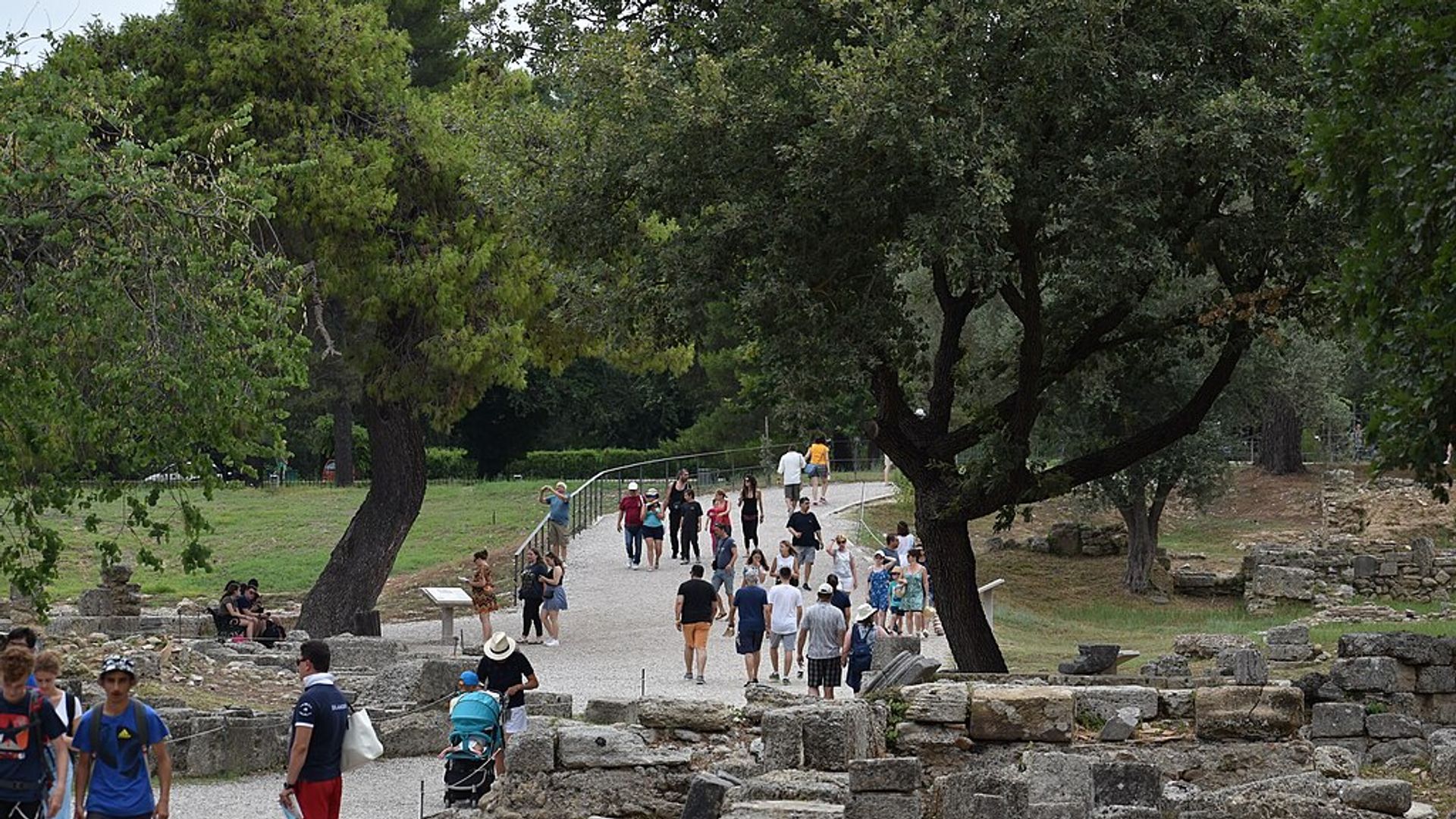
Standing among the fallen columns of Ancient Olympia, you're walking on ground where the greatest athletes of the ancient world once competed for glory. This sacred sanctuary in the western Peloponnese isn't just an archaeological site—it's the birthplace of the Olympic spirit that still captivates billions today.
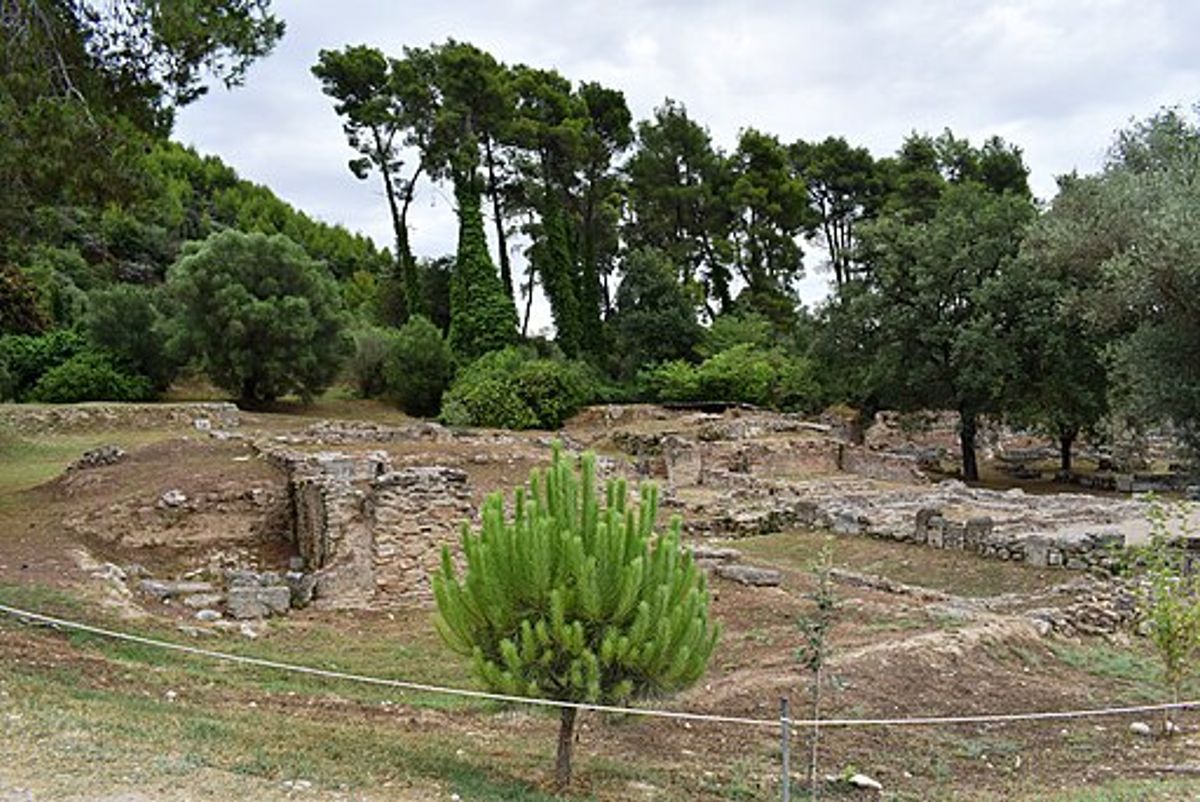
The ruins scattered across this peaceful valley tell stories of gods, champions, and ceremonies that shaped Western civilization for over a millennium. Every four years, the Olympic flame still begins its journey here, connecting modern games to traditions that started nearly 3,000 years ago.
Why Ancient Olympia Matters
Olympia served as the most important religious and athletic center in ancient Greece from the 8th century BC until the 4th century AD. The sanctuary dedicated to Zeus attracted pilgrims, athletes, and spectators from across the Mediterranean world.
Unlike other Greek cities that combined political and religious functions, Olympia existed purely as a sacred space. The site remained neutral territory where wars paused and enemies competed peacefully every four years.
Quick Facts About Olympia
Essential Information:
- Location: Western Peloponnese, Elis region
- Distance from Athens: 320 kilometers (approximately 3.5 hours by car)
- UNESCO Status: World Heritage Site since 1989
- First Olympics: 776 BC (traditional date)
- Last Ancient Games: 393 AD
- Modern Excavations: Started 1875, ongoing
- Site Size: Over 100 acres of ruins and monuments
- Annual Visitors: Over 500,000
The Major Archaeological Treasures
Temple of Zeus
The Temple of Zeus once housed one of the Seven Wonders of the Ancient World—a 12-meter gold and ivory statue of the king of gods. Though earthquakes toppled the massive Doric columns, the fallen drums still convey the temple's overwhelming scale.
Archaeologists estimate the statue alone required 200 kilograms of gold and tons of ivory. The temple's pediments featured elaborate sculptures depicting mythological battles, now displayed in the on-site museum.
Temple of Hera (Heraion)
This older temple, dating to around 600 BC, remains one of Greece's best-preserved archaic structures. The altar in front of the Heraion is where the Olympic flame ignites every two years for both Summer and Winter Games.
Original wooden columns were gradually replaced with stone over centuries, creating an architectural timeline. The temple once housed the famous statue of Hermes by Praxiteles, now a museum highlight.
The Ancient Stadium
Walking through the vaulted tunnel into the stadium creates an unforgettable moment. The 192-meter track, marked by stone starting blocks, hosted footraces for nearly 1,200 years.
The stadium could accommodate 45,000 spectators on earthen embankments. Only the judges and priestess of Demeter sat on stone seats—everyone else stood or sat on the ground.
Philippeion
Philip II of Macedon built this circular monument after his victory at Chaeronea in 338 BC. His son Alexander the Great completed the structure, which housed gold and ivory statues of the Macedonian royal family.
The Philippeion represents the shift from honoring gods to celebrating mortal rulers. Its unique circular design influenced later Roman architecture throughout the empire.
Palaestra and Gymnasium
Athletes trained in these facilities for months before the games. The palaestra's colonnaded courtyard provided space for wrestling and boxing practice.
The larger gymnasium featured a running track exactly one stadion (192 meters) long. Rooms surrounding these training grounds served as baths, changing areas, and lecture halls where philosophers taught.
The Archaeological Museums
Museum of the History of the Olympic Games
This museum traces athletic competition from ancient times through the modern Olympic revival. Exhibits include ancient sports equipment, victor lists, and objects related to training and competition.
The collection demonstrates how athletics intertwined with religion, politics, and daily life. Bronze and marble statues show athletes in action, capturing movement with remarkable realism.
Archaeological Museum of Olympia
One of Greece's finest museums houses treasures excavated from the sanctuary. The Hermes of Praxiteles, discovered intact in the Heraion, ranks among the most beautiful classical sculptures ever created.
The museum's centerpiece is the reconstructed temple pediments showing the chariot race of Pelops and the battle of Lapiths and Centaurs. The Nike of Paionios, a stunning winged victory statue, seems ready to take flight despite standing still for 2,400 years.
Museum Highlights:
- Hermes and the Infant Dionysus by Praxiteles
- Temple of Zeus pediment sculptures
- Nike of Paionios (5th century BC)
- Bronze helmet of Miltiades from Marathon
- Terracotta Zeus carrying Ganymede
- Ancient Olympic victor crowns and equipment
- Roman emperor statues
- Geometric and archaic bronze figurines
The Ancient Olympic Games Experience
Who Could Compete
Only freeborn Greek men could participate in the ancient Olympics. Athletes competed naked, and married women couldn't even attend as spectators under penalty of death.
Competitors trained for ten months, then spent the final month at Olympia under official supervision. They swore oaths before the statue of Zeus, promising they'd followed training rules and would compete fairly.
The Events
Athletic Competitions:
- Stadion: 192-meter sprint (original Olympic event)
- Diaulos: Two-stadion race (384 meters)
- Dolichos: Long-distance race (7-24 stadia)
- Wrestling: Ground wrestling until submission
- Boxing: Brutal combat with leather hand wraps
- Pankration: Combined wrestling and boxing (few rules)
- Pentathlon: Discus, javelin, jumping, running, wrestling
- Equestrian Events: Chariot and horse racing
Victors received olive wreaths cut from the sacred tree behind the Temple of Zeus. The true prize was eternal glory—their names inscribed in victory lists and immortalized by poets.
The Five-Day Festival
The classical-era Olympics followed a structured five-day program. Day one featured opening ceremonies, sacrifices, and oaths.
Days two and three hosted the main competitions, with equestrian events in the hippodrome and athletic contests in the stadium. Day four featured the boys' competitions, and the final day celebrated with feasting and honoring victors.
Planning Your Visit to Olympia
Getting There
Transportation Options:
- By Car: Most flexible option, allows exploring surrounding Peloponnese sites
- By Bus: Regular KTEL services from Athens (5-6 hours)
- Organized Tours: Ancient Olympia tours from Nafplio provide expert guides
- From Kalamata: Day trips from Kalamata cover shorter distances
- Train: Scenic route to Pyrgos, then bus to Olympia
Best Time to Visit
Spring (April-May) and autumn (September-October) offer ideal conditions with mild temperatures and fewer crowds. The site can be intensely hot in summer, with temperatures exceeding 35°C (95°F).
Winter brings rain but also solitude—you might have the ancient stadium nearly to yourself. The weather in October particularly suits archaeological exploration.
Practical Information
Visiting Details:
- Opening Hours: 8:00 AM - 8:00 PM (summer), 8:30 AM - 3:30 PM (winter)
- Combined Ticket: Includes archaeological site and both museums
- Time Needed: Minimum 3-4 hours for thorough exploration
- Accessibility: Paved paths cover main areas, wheelchairs available
- Facilities: Café, gift shop, restrooms near entrance
- Guided Tours: Available in multiple languages
- Audio Guides: Rent at entrance for self-paced exploration
- Free Entry Days: First Sunday November-March, specific cultural holidays
Travel Tips for Olympia
Essential Advice:
- Start Early: Arrive when gates open to avoid crowds and heat
- Wear Comfortable Shoes: Extensive walking on uneven ancient paths
- Bring Water: Limited shade, especially in summer months
- Visit Museums First: Provides context before exploring ruins
- Hire a Guide: Brings ancient stones to life with stories
- Allow Extra Time: Don't rush this extraordinary site
- Combine Sites: Explore nearby historical sites in the Peloponnese
- Photography: Best light early morning or late afternoon
The Modern Town of Olympia
The contemporary village offers pleasant accommodations and tavernas serving traditional Peloponnesian cuisine. Family-run hotels provide comfortable bases for exploring the region.
Local restaurants serve specialties like wild boar, mushrooms from nearby mountains, and excellent local wines. The town's relaxed atmosphere contrasts beautifully with the grandeur of the ancient sanctuary.
Where to Stay
Accommodation Options:
- Boutique hotels with archaeological site views
- Traditional guesthouses in the village center
- Luxury resorts in surrounding countryside
- Budget-friendly family pensions
- Camping facilities near the Alpheios River
Combining Olympia with Other Peloponnese Sites
Creating the Perfect Itinerary
Olympia pairs excellently with other major Peloponnese attractions. The region's compact size allows visiting multiple ancient sites in one trip.
Consider combining Olympia with Epidaurus and its famous theater, or Ancient Sparta for contrasting perspectives on Greek civilization. The Epidaurus Festival offers cultural performances in summer months.
Nearby Attractions:
- Temple of Apollo Epicurius: UNESCO site in mountain setting
- Kaiafas Lake: Natural thermal springs and spa
- Alpheios River: Scenic valley with traditional villages
- Pyrgos: Coastal city with beaches and local culture
- Zacharo: Beach resort town 25 kilometers away
Understanding Olympia's Historical Significance
The Panhellenic Games
Olympia hosted one of four major athletic festivals that rotated through Greece. The others—Pythian, Nemean, and Isthmian Games—honored different gods but followed Olympia's model.
These competitions reinforced Greek identity across hundreds of independent city-states. The Olympic truce (ekecheiria) protected travelers, creating rare moments of peace in an often-warlike world.
Religious Importance
The sanctuary's primary purpose was worshipping Zeus. Hundreds of altars and temples covered the site, receiving offerings from across the Mediterranean.
Pilgrims brought bronze tripods, statues, and weapons as dedications. Victorious city-states built treasury buildings, creating an architectural showcase of regional styles and rivalries.
Rediscovery and Excavation
Earthquakes, floods, and landslides buried Olympia under 8 meters of earth. The site's location was never completely forgotten, but systematic excavation began only in 1875.
German archaeologists have led research for nearly 150 years, uncovering structures and artifacts that revolutionized understanding of ancient Greek civilization. Excavations continue today, revealing new discoveries regularly.
The Olympic Flame Ceremony
Every two years, actresses in ancient priestess costumes use a parabolic mirror to light the Olympic flame. This ceremony at the Heraion altar connects modern games to ancient traditions.
The flame then travels by torch relay to host cities worldwide. This ritual, invented for the 1936 Berlin Olympics, has become the games' most powerful symbol.
Local Cuisine and Dining
Peloponnesian cuisine emphasizes fresh ingredients from mountains and sea. Olympia's restaurants serve regional specialties alongside standard Greek taverna fare.
Try local wines from nearby Nemea, or sample Greek liquor varieties including tsipouro and local herb-infused spirits. The area produces exceptional olive oil, honey, and mountain greens.
Regional Dishes to Try:
- Roasted lamb with oregano and lemon
- Wild mushroom risotto from Foloi forest
- Fresh trout from mountain streams
- Gardoumba (traditional meat dish)
- Local cheeses from mountain dairies
- Honey-soaked desserts with walnuts
Photography Tips
Capturing Olympia:
- Golden Hour: Sunrise and sunset provide dramatic lighting on ancient stones
- Stadium Perspective: Shoot from the judges' seats toward the track
- Museum Interiors: Check photography policies, usually allowed without flash
- Detail Shots: Focus on column capitals, inscriptions, architectural elements
- Landscape Context: Include surrounding mountains and valley views
- Human Scale: Include people to show monuments' massive size
Sustainable Tourism at Olympia
Respecting this ancient site ensures its preservation for future generations. Stay on marked paths, don't touch artifacts or structures, and remove all trash.
Support local businesses by dining at family tavernas and shopping at village stores. Consider visiting during shoulder seasons to reduce pressure on the site and surrounding community.
Frequently Asked Questions
How long do I need to visit Ancient Olympia?
Plan for 3-4 hours minimum to explore the archaeological site and both museums properly. Enthusiasts should allocate 5-6 hours to fully appreciate the ruins, read informational panels, and absorb the atmosphere without rushing. If you're combining Olympia with other Peloponnese sites, dedicate a full day to the area.
Can I visit Olympia as a day trip from Athens?
Yes, but it requires an early start and makes for a long day. The drive takes approximately 3.5 hours each way, leaving limited time at the site. Organized tours handle logistics and provide expert commentary, making them efficient options for time-limited visitors. Alternatively, consider staying overnight in the area to explore at a relaxed pace.
What's the difference between Ancient Olympia and the modern Olympics?
Ancient Olympics were religious festivals honoring Zeus, held every four years for nearly 1,200 years. Only freeborn Greek men competed, always nude, in a limited number of events. Modern Olympics, revived in 1896, welcome athletes worldwide regardless of gender, feature hundreds of events, and emphasize international cooperation rather than religious worship.
Is Ancient Olympia suitable for children?
Absolutely! Children often love running on the ancient stadium track and imagining ancient athletes competing. The site's open spaces allow kids to explore safely, though supervision is necessary near uneven terrain. The museums feature interactive elements, and the Olympic Games' competitive nature resonates with young visitors. Bring water, snacks, and sun protection for comfortable family exploration.
What should I wear when visiting Olympia?
Wear comfortable walking shoes with good support—you'll cover significant distance on uneven ancient paths. Light, breathable clothing suits warm weather, but bring layers for cooler months. A hat and sunscreen are essential as shade is limited. Modest dress is appreciated at religious sites, though Olympia is less strict than functioning churches. Bring a small backpack for water, camera, and purchased guidebooks.
Are there guided tours available at Olympia?
Licensed guides offer tours in multiple languages at the site entrance. Private tours provide personalized experiences focusing on your specific interests. Audio guides available for rent deliver comprehensive information at your own pace. Many visitors find guided tours invaluable for understanding the site's complexity and historical significance beyond what's visible in ruins.
Can I combine Olympia with other ancient sites?
The Peloponnese contains numerous significant archaeological sites within reasonable driving distances. Combine Olympia with Mycenae, Epidaurus, Ancient Corinth, or Mystras for a comprehensive ancient Greece experience. Multi-day tours allow visiting several sites without exhausting daily drives. The region's excellent roads and clear signage make independent exploration feasible for confident drivers.
What's the best season to visit Olympia?
Spring (April-May) brings wildflowers, mild temperatures, and manageable crowds. Autumn (September-October) offers similar conditions with the advantage of harvest season cuisine. Summer provides longest opening hours but intense heat and maximum crowds. Winter sees fewer visitors and lower prices, though shorter days and occasional rain limit exploration time. Each season offers distinct advantages depending on your priorities.
Conclusion: The Eternal Olympic Spirit
Standing in Ancient Olympia's stadium, you're connected to humanity's longest-running sporting tradition. The ancient athletes who competed here for olive wreaths and eternal glory established ideals that still inspire billions.
This sacred sanctuary represents more than athletic achievement—it embodies the Greek pursuit of excellence, the beauty of human potential, and the power of peaceful competition. Whether you're a history enthusiast, sports fan, or curious traveler, Olympia offers profound insights into the foundations of Western civilization.
The ruins scattered across this peaceful valley whisper stories of champions, philosophers, and pilgrims who gathered here for over a millennium. Walking the same ground where ancient Olympians competed creates an unforgettable connection to the past that enriches understanding of our present.
Plan your journey to this extraordinary site and experience where the Olympic dream began. The spirit that started here nearly three millennia ago continues burning brightly, reminding us of humanity's capacity for excellence, unity, and transcendence through athletic achievement.