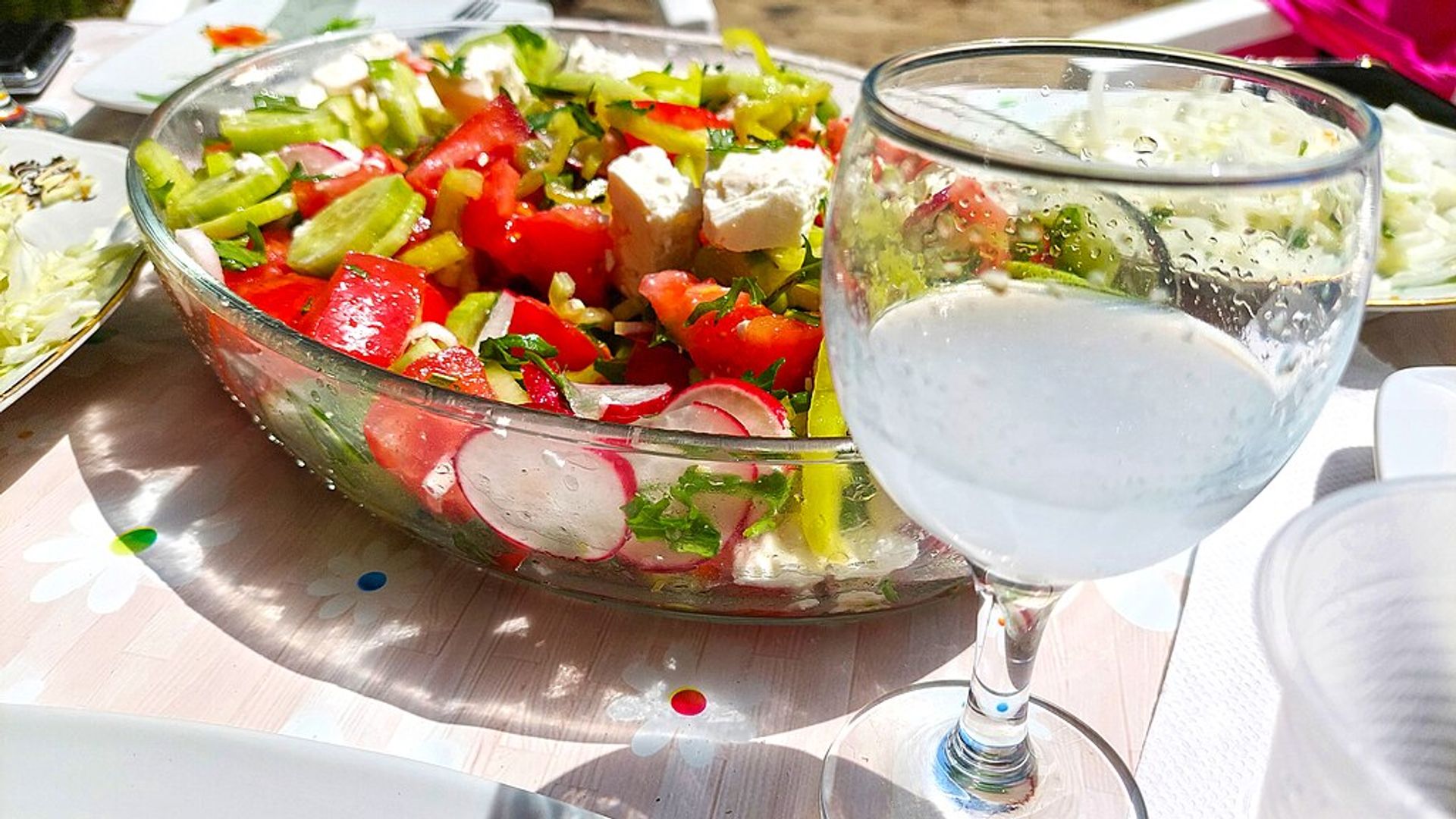
Ouzo is Greece's beloved anise-flavored aperitif that embodies the Mediterranean spirit of slow living and convivial gatherings. This comprehensive guide explores the history, production, traditions, and best ways to enjoy Greece's national drink during your travels.
The distinctive licorice aroma wafting from a seaside taverna, the milky-white transformation as water meets spirit, the clinking of small glasses among friends—ouzo captures the essence of Greek culture in a single drink. This beloved anise-flavored aperitif has been bringing Greeks together for generations, turning simple moments into celebrations of life, friendship, and the Mediterranean way.
Whether you're planning your first trip to Greece or you're a seasoned traveler, understanding ouzo opens doors to authentic cultural experiences that go far beyond typical tourist activities. From traditional distilleries in Lesvos to waterfront ouzeries in the Peloponnese, this spirit tells the story of Greek hospitality, craftsmanship, and the art of savoring life's simple pleasures.
What Is Ouzo?
Ouzo is a clear, anise-flavored spirit that serves as Greece's national drink and most famous alcoholic export. The spirit typically contains 37.5% to 50% alcohol by volume, making it significantly stronger than wine but designed for leisurely sipping rather than quick consumption.
The defining characteristic of ouzo is its transformation when mixed with water or ice—a phenomenon Greeks call the "louche effect." The clear liquid turns milky white as the anise oils separate, creating a cloudy appearance that signals the drink is ready to enjoy.
Key Characteristics:
- Base spirit distilled from grapes or grain
- Flavored primarily with anise seeds
- Additional botanicals may include fennel, coriander, cloves, and mint
- Protected Designation of Origin (PDO) status from the European Union
- Must be produced in Greece to be called "ouzo"
The History of Ouzo
Ouzo's roots trace back to the 14th century when monks in Mount Athos began distilling tsipouro, a grape-based spirit. The modern version of ouzo emerged in the early 19th century following Greek independence, when distillers began adding anise and other aromatics to distinguish their products.
The name "ouzo" itself carries mysterious origins, with several competing theories about its etymology. One popular story claims it comes from the Italian phrase "uso Massalia" (for use in Marseille), stamped on superior quality silk cocoons exported from Tyrnavos, suggesting the spirit should be of equally high quality.
Historical Milestones:
- 1856: First commercial ouzo distillery established in Tyrnavos
- 1932: Greek government standardizes ouzo production methods
- 1989: Greece obtains exclusive rights to the "ouzo" name within the EU
- 2006: Ouzo receives Protected Designation of Origin status
- Present day: Over 300 ouzo producers operate throughout Greece
The spirit became deeply embedded in Greek culture during the 20th century, evolving from a working-class drink to a symbol of national identity enjoyed across all social classes. Today, ouzo represents Greek hospitality and the Mediterranean lifestyle, much like the traditional architecture and vibrant colors that define the country's visual identity.
How Ouzo Is Made
Authentic ouzo production combines traditional methods with modern quality control, creating a spirit that balances complexity with drinkability. The process begins with a neutral base spirit, typically distilled from grapes, though grain alcohol is sometimes used.
Distillers add anise seeds and other botanicals to the base spirit, then redistill the mixture in copper stills. This second distillation extracts essential oils and aromatic compounds, creating ouzo's distinctive flavor profile that sets it apart from other Greek spirits.
Production Steps:
- Select and prepare the base spirit (grape or grain alcohol)
- Add anise seeds and chosen botanicals to the still
- Distill the mixture slowly in traditional copper stills
- Separate the "heart" of the distillation from heads and tails
- Blend different distillation batches for consistency
- Add water to achieve desired alcohol percentage
- Rest the spirit to allow flavors to marry
- Bottle without aging (ouzo is not barrel-aged)
Common Botanicals:
- Star anise (primary flavoring)
- Fennel seeds
- Coriander
- Cardamom
- Cloves
- Mint
- Mastic from Chios
- Cinnamon
Each distillery guards its exact recipe as a closely held secret, passed down through generations. The specific combination and proportion of botanicals create distinct flavor profiles that ouzo enthusiasts can identify, similar to how wine lovers distinguish between regional varieties.
The Art of Drinking Ouzo
Greeks approach ouzo drinking as a ritual that encourages conversation, relaxation, and connection rather than rapid consumption. The proper serving method enhances both flavor and the social experience, transforming a simple drink into a cultural practice.
Ouzo is traditionally served in small, narrow glasses accompanied by a separate glass of cold water and a plate of mezze (small dishes). Drinkers add water to the ouzo themselves, controlling the strength and watching the mesmerizing louche effect as the liquid clouds.
Proper Serving Method:
- Use a small, narrow glass (not a shot glass)
- Pour ouzo first, filling glass one-third to one-half full
- Add cold water in a 1:2 or 1:3 ratio (ouzo to water)
- Never add ice directly to ouzo (it can make it bitter)
- If using ice, add it after diluting with water
- Sip slowly while eating mezze
- Never drink ouzo quickly or as a shot
Common Mistakes to Avoid:
- Drinking ouzo neat without water
- Adding too little water (makes it too strong)
- Drinking on an empty stomach
- Consuming it quickly like vodka or tequila
- Mixing it with juice or other beverages
- Drinking it as an after-dinner digestif
The ideal time for ouzo is late afternoon or early evening, during the Greek tradition of aperitivo when friends gather before dinner. This timing allows for leisurely conversation and snacking without the pressure of a formal meal, embodying the relaxed pace of Greek island life.
Perfect Ouzo and Food Pairings
Ouzo and mezze form an inseparable partnership in Greek culture, with the food tempering the alcohol's strength while the spirit cleanses the palate between bites. Traditional ouzeries serve dozens of small plates designed specifically to complement ouzo's anise flavor and high alcohol content.
The salt and fat in mezze dishes balance ouzo's intensity, while the spirit's aromatic qualities enhance seafood and vegetable flavors. This symbiotic relationship explains why Greeks rarely drink ouzo without food, considering the combination essential to the experience.
Classic Mezze Pairings:
- Grilled octopus with olive oil and lemon
- Fresh anchovies or sardines
- Fried calamari
- Taramosalata (fish roe dip)
- Melitzanosalata (eggplant dip)
- Feta cheese with olive oil and oregano
- Dolmades (stuffed grape leaves)
- Grilled shrimp
- Fried zucchini or eggplant slices
- Marinated olives
- Saganaki (fried cheese)
- Cucumber and tomato salad
Seafood Specialties:
- Raw oysters with lemon
- Steamed mussels
- Grilled sea bass
- Marinated anchovies
- Sea urchin (when in season)
- Smoked mackerel
The combination of ouzo and seafood reflects Greece's maritime heritage and coastal culture, making waterfront ouzeries the ideal setting for this experience. Many travelers discover this tradition while exploring coastal towns like Gytheio or dining at Greek restaurants in Nafplio.
Regional Variations and Top Brands
While ouzo is produced throughout Greece, certain regions have earned reputations for exceptional quality and distinctive styles. The island of Lesvos claims to be ouzo's birthplace and produces roughly half of Greece's total output, with the town of Plomari serving as the epicenter of production.
Mainland Greece also contributes significantly, particularly Tyrnavos in Thessaly, which hosts an annual ouzo festival celebrating local production. Each region's ouzo reflects local water sources, botanical preferences, and distillation traditions, creating subtle variations that connoisseurs appreciate.
Famous Ouzo-Producing Regions:
- Lesvos (Mytilene) - Largest production center
- Tyrnavos - Known for strong, aromatic varieties
- Kalamata - Southern Peloponnese production
- Chios - Often includes local mastic
- Thessaloniki - Urban distillery tradition
Renowned Ouzo Brands:
- Ouzo 12 (most internationally recognized)
- Plomari (from Lesvos, premium quality)
- Barbayanni (family distillery since 1860)
- Tsantali (widely available)
- Pilavas (Plomari-based)
- Jivaeri (Tyrnavos specialty)
- Kazanisto (small-batch artisan)
- Mini (from Mytilene)
- Veto (modern premium brand)
- Aphrodite (elegant, smooth profile)
Premium ouzos typically feature more complex botanical blends and longer distillation times, resulting in smoother spirits with layered flavors. These artisanal varieties cost more but offer refined experiences that showcase ouzo's potential as a sophisticated spirit comparable to fine gin or whiskey.
Ouzo Culture and Traditions
The ouzeri (ouzo bar) represents a unique Greek institution where social life unfolds at a leisurely pace. These establishments range from simple neighborhood spots with plastic chairs to elegant waterfront venues, but all share the same philosophy: ouzo is meant to be savored slowly among friends.
Visiting an ouzeri provides insight into Greek social customs and the importance of paréa (companionship). Greeks rarely drink alone, and the ouzo ritual facilitates conversation, debate, and connection that can last for hours.
Ouzeri Customs:
- Order ouzo by the carafe or bottle, not individual drinks
- Mezze arrives continuously throughout the session
- Expect to spend 2-3 hours minimum
- Servers will keep refilling water glasses
- Payment usually comes at the end
- Tipping 10% is customary
- Loud conversation and laughter are normal
Social Etiquette:
- Wait for everyone to be served before drinking
- Toast with "Yamas!" (to our health)
- Share mezze plates among the group
- Pace yourself to match your companions
- Engage in conversation between sips
- Never rush or drink standing up
This cultural context transforms ouzo from a simple alcoholic beverage into a gateway for authentic Greek experiences. Understanding these traditions enhances your appreciation, much like learning Greek phrases deepens your connection with locals during travels.
Quick Facts About Ouzo
Essential Information:
- Alcohol Content: 37.5% to 50% ABV (most common is 40%)
- Flavor Profile: Anise-dominant with herbal, floral, and spicy notes
- Color: Clear when pure, milky white when mixed with water
- Serving Temperature: Room temperature ouzo with ice-cold water
- Typical Serving Size: 50-75ml ouzo diluted with 100-150ml water
- Price Range: €8-€40 per bottle (premium brands cost more)
- Shelf Life: Indefinite when sealed; consume within 1 year after opening
- Production: Over 300 distilleries in Greece
- Annual Consumption: Greeks drink approximately 30 million liters yearly
- Export Markets: Available in over 50 countries worldwide
Nutritional Information (per 100ml):
- Calories: Approximately 260
- Carbohydrates: 0g (unflavored varieties)
- Sugar: 0g (traditional recipes)
- Gluten: Typically gluten-free (check labels if sensitive)
Where to Experience Ouzo in Greece
The best ouzo experiences combine quality spirits with authentic settings and traditional mezze. Coastal towns throughout Greece offer exceptional ouzeries where you can watch the sunset while sipping properly prepared ouzo.
The Peloponnese region provides particularly memorable ouzo experiences, with waterfront establishments serving fresh seafood and locally produced spirits. After exploring historical sites near Porto Heli or visiting ancient Epidaurus, stopping at a traditional ouzeri offers the perfect way to unwind.
Top Ouzo Destinations:
- Lesvos - Visit distilleries and museums dedicated to ouzo
- Nafplio - Waterfront ouzeries with Peloponnese specialties
- Thessaloniki - Urban ouzo culture with innovative mezze
- Chios - Mastic-flavored ouzo varieties
- Kalamata - Southern Peloponnese coastal experiences
- Tyrnavos - Mainland tradition and annual festival
- Santorini - Sunset ouzo with volcano views
- Crete - Island variations with local character
Distillery Tours:
- Barbayanni Distillery (Plomari, Lesvos)
- Ouzo Museum (Plomari, Lesvos)
- Tsantali Distillery (Halkidiki)
- Pilavas Distillery (Plomari, Lesvos)
- Kazanisto Distillery (Volos area)
Many travelers combine ouzo experiences with cultural tours of the region. Explore Nafplio and surrounding ancient sites while discovering traditional ouzeries, or journey through the Peloponnese to experience regional variations in both landscape and local spirits.
Travel Tips for Ouzo Enthusiasts
Before Your Trip:
- Research ouzeries in your destination cities
- Learn basic Greek toasting phrases
- Understand that ouzo is an afternoon/early evening drink
- Plan for leisurely 2-3 hour sessions
- Book accommodations within walking distance of waterfront areas
- Check if your hotel has relationships with local ouzeries
During Your Visit:
- Start with a lower-proof ouzo (37.5-40%) if you're new
- Always eat substantial mezze while drinking
- Drink plenty of water between rounds
- Ask locals for their favorite ouzeri recommendations
- Try different regional brands to compare flavors
- Visit during late afternoon for the best atmosphere
- Engage with other patrons (Greeks are welcoming)
- Take your time—rushing defeats the purpose
Bringing Ouzo Home:
- Purchase bottles from distilleries or specialty shops
- Airport duty-free offers limited but quality selections
- Pack bottles in checked luggage with proper padding
- Look for premium brands not available internationally
- Consider smaller bottles (200ml) for variety
- Keep receipts for customs declarations
Safety Considerations:
- Ouzo's high alcohol content can be deceptive when diluted
- The slow drinking pace can lead to consuming more than intended
- Always arrange safe transportation if drinking
- Eat generously to slow alcohol absorption
- Stay hydrated with water throughout the session
- Be aware that Greek hospitality often means generous pours
The weather in October provides ideal conditions for outdoor ouzeri experiences, with comfortable temperatures and fewer crowds than summer months. This season allows you to enjoy waterfront settings without the intense heat that can make afternoon drinking uncomfortable.
Ouzo vs. Other Greek Spirits
Greece produces several distinctive spirits beyond ouzo, each with unique characteristics and cultural contexts. Understanding these differences helps travelers navigate Greek drinking culture and choose appropriate spirits for different occasions.
Tsipouro (or raki in Crete) represents ouzo's closest relative, distilled from grape pomace left over from winemaking. Unlike ouzo, tsipouro may or may not contain anise, and when it does, it's called "tsipouro with anise" rather than ouzo.
Comparison of Greek Spirits:
Ouzo:
- Base: Grape or grain alcohol
- Flavoring: Must contain anise
- Alcohol: 37.5-50% ABV
- Serving: Diluted with water
- Occasion: Afternoon aperitif with mezze
Tsipouro:
- Base: Grape pomace (marc)
- Flavoring: Optional anise
- Alcohol: 40-45% ABV
- Serving: Often neat, sometimes with ice
- Occasion: After meals or with mezze
Raki (Cretan):
- Base: Grape pomace
- Flavoring: Usually no anise
- Alcohol: 35-40% ABV
- Serving: Neat or with ice
- Occasion: Hospitality drink, any time
Mastika:
- Base: Grain alcohol
- Flavoring: Mastic resin from Chios
- Alcohol: 30-40% ABV
- Serving: Chilled or with ice
- Occasion: Digestif or aperitif
Exploring the full range of Greek alcohol provides deeper insight into regional traditions and historical influences. Each spirit tells a story about local ingredients, cultural practices, and the Greek approach to hospitality and celebration.
The Louche Effect Explained
The dramatic transformation when water meets ouzo—known as the louche effect—results from the solution's changing chemistry. Ouzo contains essential oils from anise and other botanicals that dissolve in high-proof alcohol but not in water.
When you add water to ouzo, you lower the alcohol percentage below the point where these oils remain dissolved. The oils separate and form microscopic droplets suspended throughout the liquid, scattering light and creating the characteristic milky appearance.
Science Behind the Louche:
- Essential oils are soluble in alcohol above 30% ABV
- Adding water reduces alcohol percentage
- Oils form an emulsion of tiny droplets
- Light scatters through the droplets (Tyndall effect)
- Creates the cloudy, opalescent appearance
- Temperature changes can affect the intensity
This same phenomenon occurs with other anise spirits like French pastis, Turkish raki, and Lebanese arak. The quality of the louche can indicate ouzo quality—a stable, milky-white cloudiness suggests proper distillation and adequate essential oil content.
Louche Quality Indicators:
- Smooth, even cloudiness throughout
- Stable appearance that doesn't separate
- Milky white color (not gray or translucent)
- Forms immediately upon adding water
- Remains consistent as drink sits
Watching the louche effect provides a moment of anticipation that marks the transition from preparation to enjoyment, adding a visual element to ouzo's multisensory appeal. This transformation has become so associated with Greek drinking culture that many consider it essential to the authentic experience.
Ouzo Cocktails and Modern Interpretations
While purists insist ouzo should only be enjoyed traditionally with water, modern mixologists have begun incorporating this distinctive spirit into creative cocktails. These contemporary interpretations introduce ouzo to new audiences while respecting its fundamental character.
The anise flavor pairs surprisingly well with citrus, herbs, and even some fruits, creating refreshing drinks that maintain ouzo's Mediterranean essence. However, these cocktails remain controversial in Greece, where traditional serving methods dominate.
Modern Ouzo Cocktails:
Greek Mojito:
- 50ml ouzo
- Fresh mint leaves
- Lime juice
- Sugar or simple syrup
- Soda water
- Crushed ice
Aegean Sunset:
- 40ml ouzo
- 20ml orange liqueur
- Fresh orange juice
- Splash of grenadine
- Orange slice garnish
Ouzo Sour:
- 50ml ouzo
- 25ml fresh lemon juice
- 15ml simple syrup
- Egg white (optional)
- Lemon twist garnish
Mediterranean Mule:
- 50ml ouzo
- Ginger beer
- Fresh lime juice
- Cucumber slices
- Mint garnish
Traditional Variations:
- Ouzo with lemonade (summer refresher)
- Ouzo with orange juice (breakfast cocktail)
- Ouzo with coffee (Greek espresso variation)
- Frozen ouzo granita (dessert application)
While experimenting with ouzo cocktails can be enjoyable, travelers should first experience the traditional preparation to understand the spirit's cultural context. The ritual of water, ice, and mezze represents centuries of refinement and social tradition that cocktails cannot replicate.
Health Considerations and Moderation
Ouzo's high alcohol content requires mindful consumption, particularly in warm Mediterranean climates where dehydration can intensify effects. The traditional Greek approach of slow sipping with substantial food offers a model for responsible enjoyment.
The anise and other botanicals in ouzo may provide some digestive benefits, which partly explains its traditional role as an aperitif. However, these potential benefits don't offset the risks associated with excessive alcohol consumption.
Health Awareness:
- High calorie content (approximately 260 calories per 100ml)
- Dehydration risk in hot weather
- Alcohol content can be deceptive when diluted
- Anise may interact with certain medications
- Not recommended for pregnant women
- Can affect blood sugar levels
Responsible Consumption:
- Always eat substantial food while drinking
- Alternate ouzo with plain water
- Limit consumption to 2-3 diluted glasses
- Never drink on an empty stomach
- Allow several hours before driving
- Be aware of cumulative effects over long sessions
- Respect your personal tolerance levels
- Stay in shaded areas during hot weather
Potential Benefits (in moderation):
- Anise may aid digestion
- Social aspects support mental well-being
- Encourages slow, mindful drinking
- Promotes conversation and connection
- Part of Mediterranean lifestyle patterns
The Greek approach to ouzo emphasizes quality over quantity and social connection over intoxication. This philosophy aligns with broader Mediterranean lifestyle principles that prioritize balance, moderation, and enjoying life's pleasures within reasonable limits.
Frequently Asked Questions
What's the difference between ouzo and sambuca?
While both are anise-flavored spirits, ouzo must be produced in Greece and typically contains additional botanicals beyond anise, while sambuca is Italian and usually sweeter with a simpler flavor profile. Ouzo is traditionally served diluted with water, whereas sambuca is often consumed neat or with coffee beans. The production methods also differ, with ouzo requiring specific distillation techniques and Greek ingredients to qualify for its protected designation of origin status.
Can you drink ouzo straight without water?
While technically possible, drinking ouzo neat is not recommended and goes against Greek tradition. The high alcohol content (typically 40% ABV or higher) makes it harsh when undiluted, and you miss the louche effect that releases aromatic compounds and softens the flavor. Greeks consider drinking ouzo without water a sign of inexperience or disrespect for the tradition, similar to how wine experts wouldn't drink fine wine from a plastic cup.
Why does ouzo turn white when you add water?
The louche effect occurs because essential oils from anise and other botanicals dissolve in high-proof alcohol but not in water. When you dilute ouzo, the alcohol percentage drops below the point where these oils stay dissolved, causing them to separate into microscopic droplets that scatter light and create the milky-white appearance. This same phenomenon occurs with other anise spirits like pastis, raki, and arak, and indicates quality ouzo with proper essential oil content.
What foods pair best with ouzo?
Ouzo pairs exceptionally well with seafood, particularly grilled octopus, fresh anchovies, fried calamari, and steamed mussels. Greek mezze like taramosalata, melitzanosalata, feta cheese, olives, and grilled vegetables also complement ouzo perfectly. The key is choosing salty, fatty, or acidic foods that balance the spirit's intensity and cleanse the palate between sips. Greeks never drink ouzo without food, considering the combination essential to the proper experience.
Is ouzo similar to other anise spirits from different countries?
Ouzo shares characteristics with French pastis, Turkish raki, Lebanese arak, and Italian sambuca, all featuring anise as the dominant flavor. However, ouzo's specific botanical blend, Greek production methods, and cultural context make it distinct. Greek distillers often include additional herbs and spices beyond anise, and the spirit must meet specific criteria to carry the "ouzo" name under European Union protected designation of origin regulations.
When is the best time of day to drink ouzo?
Traditionally, Greeks drink ouzo in late afternoon or early evening (roughly 5-8 PM) as an aperitif before dinner. This timing allows for leisurely socializing with friends while the day's heat subsides, creating the perfect atmosphere for conversation and mezze. Drinking ouzo during lunch is also acceptable, particularly on weekends or holidays, but it's rarely consumed after dinner when Greeks might prefer wine or coffee instead.
How should I store ouzo at home?
Store unopened ouzo bottles in a cool, dark place away from direct sunlight and temperature fluctuations, where they'll keep indefinitely. Once opened, ouzo remains good for about a year if properly sealed and stored upright to minimize air exposure. Unlike wine, ouzo doesn't improve with age and doesn't require refrigeration, though some people prefer serving it slightly chilled. Keep the bottle tightly closed between uses to prevent evaporation and oxidation.
Can I bring ouzo back from Greece in my luggage?
You can transport ouzo in checked luggage following airline liquid restrictions, typically allowing several bottles if properly packed with padding to prevent breakage. Check your destination country's customs regulations regarding alcohol import limits and duties. Airport duty-free shops offer convenient purchasing options that count toward your allowance, though selection may be limited compared to specialty shops or distilleries. Always declare alcohol when passing through customs to avoid penalties.
Conclusion: Embracing the Ouzo Experience
Ouzo represents far more than an alcoholic beverage—it embodies Greek philosophy about time, friendship, and savoring life's pleasures. Understanding its traditions, production, and cultural significance transforms a simple drink into a gateway for authentic Greek experiences.
Whether you're sipping ouzo at a waterfront ouzeri in Nafplio, touring distilleries in Lesvos, or bringing a bottle home to recreate the experience, approach this spirit with the respect and leisurely pace it deserves. The ritual of water meeting spirit, the array of mezze plates, the hours of conversation—these elements combine to create moments that define Greek hospitality.
As you explore Greece's rich cultural landscape, from ancient monasteries to vibrant modern cities, let ouzo serve as your companion and guide to understanding the Greek approach to living well. The spirit's transformation from clear to cloudy mirrors your own journey from tourist to traveler, gaining deeper appreciation for traditions that have endured for generations.
Final Tips for Your Ouzo Journey:
- Start with quality brands to understand proper flavor
- Always follow the traditional water-and-mezze ritual
- Engage with locals to learn regional preferences
- Visit different ouzeries to compare atmospheres
- Take your time—rushing defeats the entire purpose
- Share the experience with companions
- Respect the cultural traditions surrounding consumption
- Bring home bottles to share stories with friends
Your Greek adventure awaits, complete with sunset views, fresh seafood, and the distinctive taste of properly prepared ouzo. Discover the Peloponnese's hidden treasures while experiencing authentic ouzeri culture, or explore ancient sites and modern traditions that make Greece an unforgettable destination.
Yamas! To your health and memorable Greek experiences.