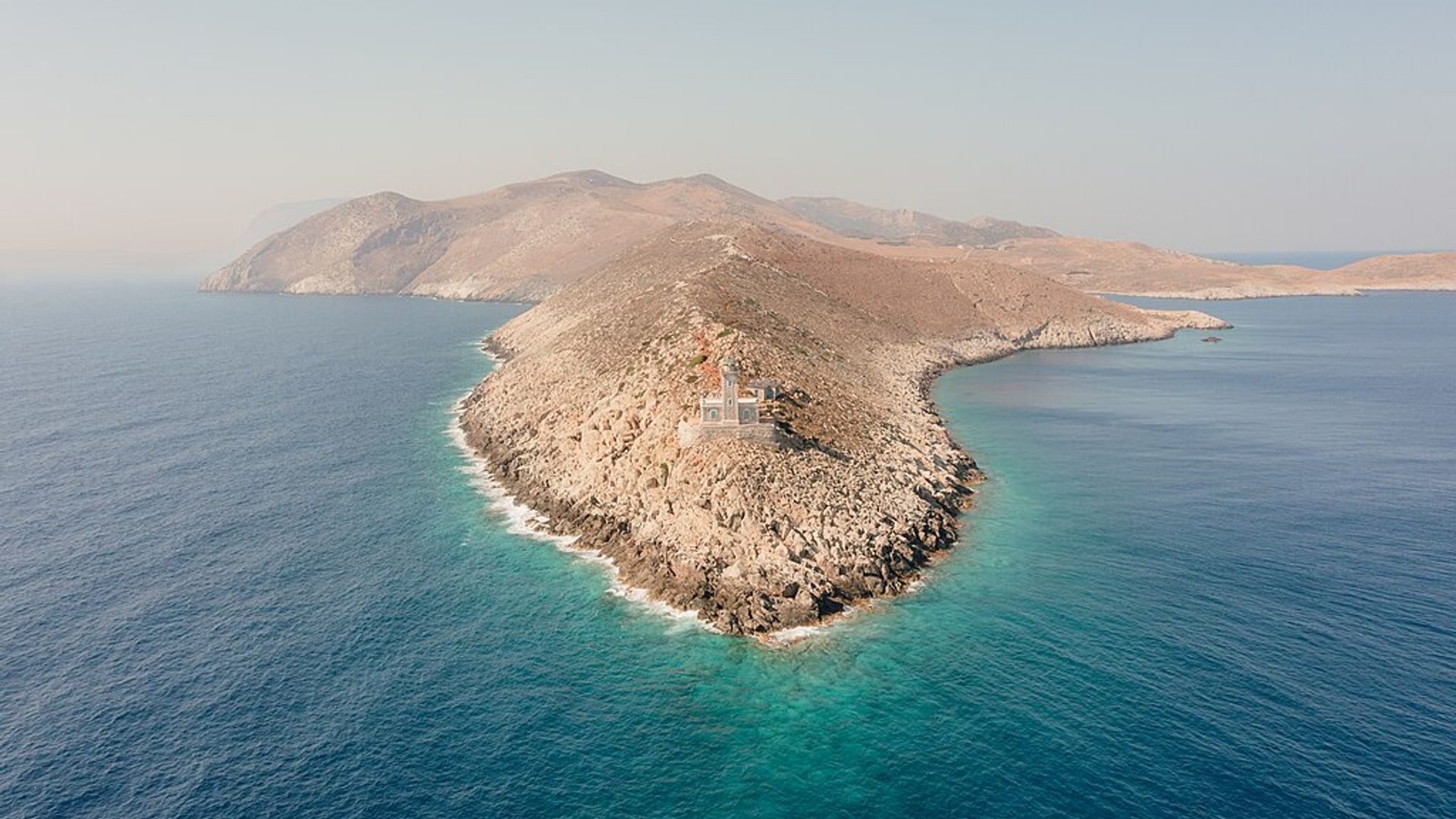
Discover the Peloponnese peninsula, where ancient Greek history meets stunning Mediterranean landscapes. From Sparta's legendary ruins to pristine beaches and mountain villages, this comprehensive guide reveals why the Peloponnese should be your next Greek adventure.
The Peloponnese peninsula rises from the azure Aegean like a giant hand, its finger-like promontories reaching into the Mediterranean with stories that shaped Western civilization. This legendary landmass, connected to mainland Greece by the narrow Isthmus of Corinth, holds more UNESCO World Heritage sites and ancient treasures than almost anywhere else in the country.
While Athens captures the spotlight and the islands steal Instagram feeds, the Peloponnese offers something increasingly rare: authentic Greece where ancient history breathes through olive groves, where fishing villages remain unspoiled, and where every mountain pass reveals another Byzantine chapel or Venetian fortress. This is where mythology becomes geography, where you can walk in Hercules' footsteps and swim in waters that witnessed the Trojan War's heroes returning home.
Why the Peloponnese Captivates Travelers
The peninsula's diversity astounds even seasoned travelers who think they've seen Greece. In a single day, you can explore a 3,000-year-old palace, hike through alpine forests, and watch the sunset from a seaside taverna where fishermen still mend their nets by hand.
Unlike the crowded islands, the Peloponnese rewards slow travel and curious exploration. The region remains refreshingly uncommercialized despite housing some of Greece's most significant archaeological sites, including Ancient Epidaurus with its acoustically perfect theater.
Quick Facts About the Peloponnese
Essential Information:
- Size: Approximately 21,549 square kilometers
- Population: Around 1.1 million residents
- Major Cities: Patras, Kalamata, Tripoli, Nafplio, Sparta
- Best Time to Visit: April-June and September-October
- Main Regions: Corinthia, Argolis, Arcadia, Laconia, Messenia, Elis, Achaea
- UNESCO Sites: Epidaurus, Mycenae, Olympia, Mystras
- Coastline: Over 1,000 kilometers of beaches
- Highest Peak: Mount Taygetos (2,407 meters)
Ancient Sites That Define Greek History
The Peloponnese functions as an open-air museum where classical Greek civilization reached its zenith. Every major city-state that dominated ancient Greece—Sparta, Corinth, Argos, Mycenae—called this peninsula home.
Mycenae: Kingdom of Agamemnon
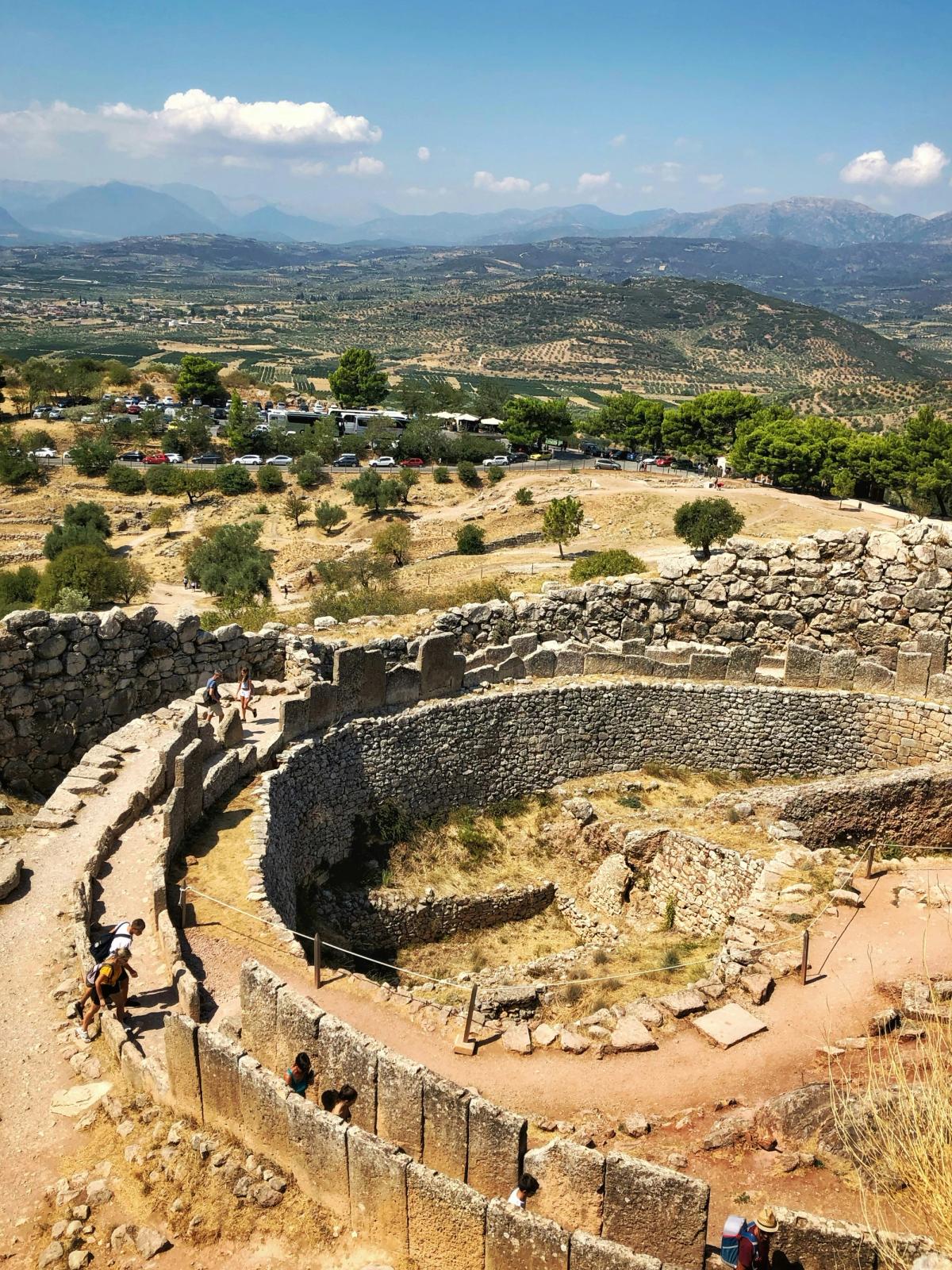
The massive Lion Gate still guards the entrance to Mycenae, just as it did when Bronze Age kings ruled an empire. Walking through this 3,300-year-old portal sends shivers down your spine, especially when you realize Homer described these very walls in the Iliad.
The Treasury of Atreus, a beehive tomb of breathtaking engineering, demonstrates the sophistication of Mycenaean architecture. Book our Mycenae and Epidaurus tour to explore these legendary ruins with expert guides who bring ancient stories to life.
Ancient Olympia: Birthplace of the Olympics
Standing in the original Olympic stadium where athletes competed for 1,000 years creates an almost spiritual connection to human achievement. The ancient Greeks didn't just invent athletic competition here—they created a sacred truce that united warring city-states every four years.
The archaeological museum houses some of Greece's finest classical sculptures, including the magnificent Hermes of Praxiteles. The site's peaceful setting among pine trees and the Alpheios River valley makes it easy to understand why the Greeks chose this sacred grove for their greatest festival.
Epidaurus: Theater of Miracles
The Epidaurus Festival continues a 2,400-year tradition of theatrical performance in the ancient world's most perfectly preserved theater. The acoustics remain so flawless that you can hear a whisper from the stage while sitting in the top row, 55 rows up.
The sanctuary of Asclepius, the healing god, made Epidaurus the ancient world's premier medical center. Patients came from across the Mediterranean seeking cures through dreams, theater therapy, and the ministrations of priest-physicians.
Mystras: Byzantine Ghost City
Clinging to Mount Taygetos' slopes, Mystras represents Byzantine civilization's last flowering before Constantinople fell. The fortified city's churches contain some of the finest Byzantine frescoes anywhere, their colors still vivid after six centuries.
Wandering the cobbled paths between ruined palaces and monasteries feels like time travel. Discover the fascinating history of Sparta and visit nearby Mystras on our specialized tour.
Regional Highlights Worth Exploring
Nafplio: The Peloponnese's Jewel
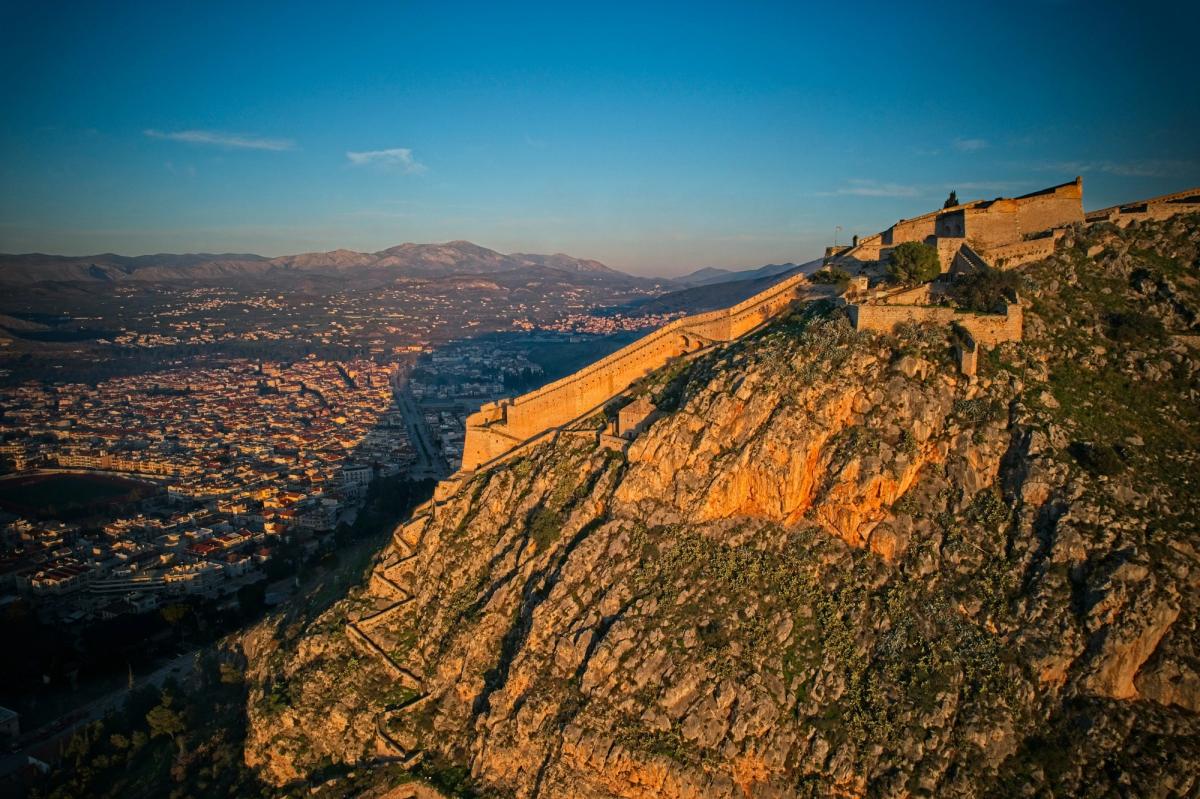
Nafplio deserves several days of your itinerary with its Venetian architecture, waterfront promenades, and three imposing fortresses. Greece's first capital after independence combines elegance with accessibility, making it the perfect base for exploring the Argolid region.
The best Greek restaurants in Nafplio serve traditional dishes with creative twists, from fresh seafood to mountain lamb. Evening strolls through the old town reveal neoclassical mansions, bougainvillea-draped balconies, and squares where locals gather for their evening volta.
Monemvasia: The Gibraltar of Greece
This medieval fortress town occupies a massive rock connected to the mainland by a single causeway. Cars cannot enter the walled settlement, so exploring means wandering narrow lanes past Byzantine churches and stone houses that seem to grow from the rock itself.
The upper town, reached by a steep path, offers ruins of a Venetian citadel and views that stretch to Crete on clear days. Staying overnight lets you experience Monemvasia after day-trippers leave, when the town returns to its timeless rhythm.
Mani Peninsula: Untamed Beauty
The Mani's stark landscape of stone tower houses and wild coastline represents Greece at its most elemental. This region maintained fierce independence throughout history, with vendetta-driven clans building fortified towers that still dominate villages like Vathia.
The Diros Caves offer one of Europe's most spectacular underground boat rides through chambers adorned with stalactites and stalagmites. Above ground, the Mani's hiking trails connect Byzantine churches, hidden beaches, and villages where time seems suspended.
Arcadia: Mountain Heart
Arcadia's name became synonymous with pastoral paradise in literature, and the reality lives up to the reputation. Mountain villages like Dimitsana and Stemnitsa preserve traditional architecture and crafts, from silversmithing to bell-making.
The Monastery of Malevis perches dramatically on a mountainside, housing miraculous icons and offering sweeping views. The surrounding forests and gorges provide excellent hiking, especially the dramatic Lousios Gorge with its cliff-hanging monasteries.
Beaches and Coastal Treasures
The Peloponnese's coastline rivals any Greek island for beauty while offering far more variety and fewer crowds. From sheltered coves to endless sandy stretches, the peninsula's beaches satisfy every preference.
Top Beach Destinations:
- Voidokilia: Perfectly semicircular bay with golden sand and turquoise water
- Elafonisos: Caribbean-like beaches with white sand and crystal-clear shallows
- Simos: Twin beaches separated by sand dunes and juniper groves
- Stoupa: Family-friendly beaches with excellent tavernas and water sports
- Methoni: Historic town beach overlooked by an impressive Venetian fortress
- Porto Heli: Cosmopolitan resort area with nearby historical sites
- Gytheio: Working port town with authentic character and local beaches
The charming town of Gytheio combines beach relaxation with Mani exploration, offering colorful harborfront dining and access to secluded coves. Unlike overdeveloped island resorts, these coastal towns maintain their fishing-village authenticity.
Wine Routes and Culinary Traditions
The Peloponnese's wine-making tradition stretches back 4,000 years, with modern vintners reviving ancient varieties and creating world-class wines. The Nemea region produces robust reds from the Agiorgitiko grape, while Mantinia's high-altitude vineyards yield crisp, aromatic whites.
Culinary Specialties to Seek:
- Kalamata olives: The world-famous variety originated here
- Ladotyri: Hard cheese preserved in olive oil
- Pasteli: Honey and sesame seed bars, an ancient energy food
- Diples: Crispy fried pastries drizzled with honey and walnuts
- Syglino: Smoked pork preserved in orange peel and spices
- Fresh seafood: Especially octopus, red mullet, and sardines
Learning a few essential Greek phrases enhances your dining experiences, as locals appreciate efforts to speak their language. Don't miss trying traditional Greek liquors like tsipouro and local wines after dinner.
Outdoor Adventures Beyond Archaeology
The Peloponnese's dramatic topography creates perfect conditions for active travelers seeking more than museum visits. Mountains, gorges, and coastlines offer activities from gentle walks to serious mountaineering.
Adventure Activities:
- Hiking: Taygetos Mountain trails, Lousios Gorge, Menalon Trail
- Rock Climbing: Leonidio's limestone cliffs attract international climbers
- Kayaking: Explore sea caves along the Mani coast
- Cycling: Quiet country roads through olive groves and villages
- Canyoning: Technical descents in Neda Gorge and other waterways
- Diving: Underwater archaeological sites and marine reserves
- Skiing: Mainalo and Helmos mountains offer winter sports
The Euphoria Retreat near Mystras combines wellness with outdoor activities, offering a luxurious base for exploring the region. October provides ideal conditions for hiking and sightseeing, as detailed in our Greece weather guide.
Hidden Gems Off the Beaten Path
Venturing beyond major sites reveals the Peloponnese's most memorable experiences. These lesser-known destinations offer authentic encounters without tourist crowds.
Geraki and Its Byzantine Legacy
The medieval village of Geraki spreads beneath a Frankish castle, with over 30 Byzantine churches dotting the hillside. Most visitors never discover this time capsule, making exploration feel like a private treasure hunt.
The churches' frescoes, though faded, display the artistic sophistication of provincial Byzantine culture. Village life continues much as it has for centuries, with shepherds still grazing flocks among the ruins.
Ancient Argos: Continuous Habitation
While Mycenae gets the fame, Ancient Argos claims Europe's longest continuous habitation—11,000 years. The ancient theater, larger than Epidaurus, sits largely empty of tourists, and the archaeological museum houses treasures in peaceful galleries.
Modern Argos functions as a working Greek town rather than a tourist destination, offering authentic market experiences and traditional kafeneions. Our Argos cultural tour reveals layers of history from Neolithic settlements to Roman baths.
Mountain Villages of Arcadia
Villages like Karytaina, Langadia, and Vytina preserve stone architecture and traditional crafts while offering mountain hospitality. These settlements perch on dramatic locations, with views across forested valleys to distant peaks.
Local tavernas serve hearty mountain cuisine—wild greens, handmade pasta, grilled meats—accompanied by local wine. Winter brings a different charm, with fireplaces blazing and nearby ski slopes attracting Greek families.
Practical Travel Tips for the Peloponnese
Getting Around:
- Rent a car: Essential for exploring beyond major towns; roads are generally good
- Allow extra time: Mountain roads wind dramatically; distances take longer than maps suggest
- GPS caution: Download offline maps; signals can be unreliable in mountains
- Fuel planning: Gas stations can be sparse in rural areas; fill up regularly
- KTEL buses: Connect major towns but limit flexibility for archaeological sites
Accommodation Strategy:
- Base yourself centrally: Nafplio offers access to Argolid sites within an hour
- Book ahead in summer: July-August sees Greek domestic tourism peaks
- Try guesthouses: Family-run establishments offer character and local knowledge
- Coastal vs. mountain: Consider splitting your stay between beach and interior
- Monastery stays: Some working monasteries offer simple, atmospheric lodging
Money and Logistics:
- Cash is king: Many tavernas and small shops don't accept cards
- ATMs available: Found in all towns but scarce in villages
- Siesta respect: Shops close 2-5 PM; plan accordingly
- Sunday closures: Many businesses shut; stock up Saturday
- Tipping customs: Round up bills; 10% for excellent service
Cultural Considerations:
- Dress modestly: Cover shoulders and knees for monasteries and churches
- Photography restrictions: Ask before photographing in churches; never use flash on frescoes
- Greeting customs: Say "kalimera" (good morning) when entering shops
- Meal timing: Greeks eat late; dinner service starts around 9 PM
- Pace yourself: The Peloponnese rewards slow travel over rushed itineraries
Understanding Peloponnesian Architecture
The peninsula's architectural heritage reflects its complex history of Greek, Roman, Byzantine, Frankish, Venetian, and Ottoman occupation. Each civilization left distinctive structures that create the region's unique aesthetic.
Venetian fortresses dominate coastal towns, their massive walls and bastions designed to protect maritime trade routes. Greek architectural traditions evolved through these influences, creating regional styles distinct from the islands.
Mani's tower houses represent purely defensive architecture, with families fortifying against both Ottoman authorities and rival clans. These stark stone structures contrast sharply with Nafplio's elegant neoclassical mansions, which reflect 19th-century European influences.
Festivals and Cultural Events
The Peloponnese's festival calendar blends ancient traditions with contemporary celebrations, offering insights into living Greek culture beyond tourist performances.
Notable Events:
- Epidaurus Festival: Ancient drama in the historic theater (June-August)
- Nafplio Festival: Music and theater throughout the old town (June-July)
- Kalamata Dance Festival: International contemporary dance (July)
- Wine Harvest Festivals: Throughout wine regions (September-October)
- Easter Celebrations: Particularly moving in traditional villages
- August 15th (Dormition): Major religious festival with processions
- Carnival: Pre-Lenten celebrations, especially vibrant in Patras
Planning Your Peloponnese Itinerary
A week barely scratches the surface, but strategic planning maximizes your experience. Consider your priorities—ancient sites, beaches, mountain villages, or a combination—and choose your base accordingly.
Sample One-Week Itinerary:
- Days 1-3: Nafplio base—explore Mycenae, Epidaurus, Tiryns, and the town itself
- Days 4-5: Western Peloponnese—Ancient Olympia and coastal Messenia
- Days 6-7: Southern exploration—Monemvasia, Mani villages, and beaches
Two-Week Deep Dive:
- Days 1-4: Argolid region from Nafplio base
- Days 5-7: Arcadia mountains and villages
- Days 8-10: Messenia coast, Ancient Messini, and beaches
- Days 11-14: Mani Peninsula and Laconia, including Sparta and Mystras
The diverse Greek cities across the Peloponnese each offer distinct character worth experiencing. Rather than rushing between highlights, choose fewer destinations and explore them thoroughly.
Connecting with Local Culture
The Peloponnese's relative isolation from mass tourism means locals genuinely welcome curious travelers. Small gestures—attempting Greek phrases, showing interest in local history, respecting traditions—open doors to authentic experiences.
Visit local markets where farmers sell produce from their own land, olives from their groves, cheese from their flocks. These interactions, more than any museum, reveal the continuity between ancient agricultural traditions and modern life.
Kafeneions (traditional coffee houses) remain male-dominated spaces in villages, but respectful visitors are usually welcomed. Watching old men play tavli (backgammon) over Greek coffee provides a window into daily rhythms unchanged for generations.
Seasonal Considerations
Each season transforms the Peloponnese's character, offering different advantages for various interests.
Spring (April-May):
- Wildflowers carpet hillsides and archaeological sites
- Comfortable temperatures for hiking and exploration
- Easter celebrations offer cultural immersion
- Beaches empty but water still cool
Summer (June-August):
- Perfect beach weather with guaranteed sunshine
- Epidaurus Festival brings ancient theater to life
- Crowded at major sites and coastal areas
- Intense heat makes midday sightseeing challenging
Autumn (September-October):
- Ideal conditions for all activities
- Grape harvest and wine festivals
- Sea temperature perfect for swimming
- Fewer tourists but all services operating
Winter (November-March):
- Snow-capped mountains create dramatic scenery
- Archaeological sites practically empty
- Mountain villages cozy with fireplaces
- Some coastal businesses closed
- Skiing available on higher peaks
Beyond the Tourist Trail
The Peloponnese rewards adventurous spirits willing to explore dirt roads, follow local recommendations, and trust that getting lost sometimes leads to the best discoveries. That unnamed beach reached by a rocky track, the tiny chapel with exceptional frescoes, the taverna where you're the only non-Greek—these unplanned moments define memorable travel.
Many villages maintain traditional festivals celebrating their patron saints, events rarely mentioned in guidebooks but offering genuine cultural experiences. If you encounter a panigiri (village festival), you'll likely be invited to join the dancing, eating, and celebrating.
The peninsula's monasteries range from working communities to abandoned ruins, each with stories spanning centuries. Some welcome visitors for services, offering glimpses of Orthodox traditions continuing unbroken since Byzantine times.
FAQ: Your Peloponnese Questions Answered
How many days do you need in the Peloponnese?
A minimum of 5-7 days allows you to experience major highlights without constant rushing, though two weeks enables deeper exploration of the peninsula's diverse regions. Focus on one or two areas rather than attempting to see everything, as distances are deceptive and mountain roads require time. Most visitors base themselves in Nafplio for the Argolid region, then move to coastal Messenia or the Mani for variety.
Is the Peloponnese better than the Greek islands?
The Peloponnese offers different experiences rather than better or worse—it combines archaeological significance exceeding any island with authentic Greek culture less affected by mass tourism. You'll find excellent beaches without island crowds, plus mountains, gorges, and medieval towns impossible on islands. The peninsula suits travelers interested in history, culture, and diverse landscapes, while islands appeal more to those prioritizing beach life and nightlife.
What is the best base for exploring the Peloponnese?
Nafplio serves as the ideal base for first-time visitors, offering elegant accommodations, excellent restaurants, and easy access to Mycenae, Epidaurus, and other Argolid sites within 30-60 minutes. The town itself warrants several days of exploration with its fortresses, museums, and waterfront. For western Peloponnese, Olympia or coastal Pylos work well, while Gytheio or Monemvasia suit southern exploration.
Can you visit the Peloponnese without a car?
While possible using KTEL buses connecting major towns and archaeological sites, a car dramatically improves your experience by enabling spontaneous exploration, mountain village visits, and hidden beach discoveries. Buses run infrequently to smaller destinations, and many of the peninsula's greatest treasures lie off public transportation routes. Consider guided tours from Nafplio if you prefer not to drive but want comprehensive site access.
What should I not miss in the Peloponnese?
The "must-see" list includes Mycenae's Bronze Age palace, Epidaurus's ancient theater, Ancient Olympia's sanctuary, and Mystras's Byzantine ghost city—all UNESCO World Heritage sites representing different eras of Greek civilization. Beyond archaeology, experience Nafplio's Venetian charm, Monemvasia's medieval atmosphere, and Mani's wild landscapes. Allow time for unplanned discoveries: a village festival, a deserted beach, or a mountain taverna where locals share their stories.
Is the Peloponnese safe for solo travelers?
The Peloponnese ranks among Europe's safest destinations, with extremely low crime rates and locals known for hospitality toward solo travelers. Women traveling alone report feeling comfortable, though normal precautions apply regarding isolated areas after dark. The main challenges involve driving mountain roads (take your time) and occasional language barriers in remote villages (where friendly gestures bridge communication gaps). Emergency services function well, and locals will go out of their way to help lost or confused visitors.
What's the difference between the Peloponnese and Peloponnesus?
Both terms refer to the same peninsula, with "Peloponnese" being the modern English spelling and "Peloponnesus" representing the Latinized classical form. The Greek name "Pelopónnisos" literally means "Island of Pelops," referring to the mythological figure who gave the region its name. Most contemporary travel resources use "Peloponnese," though you'll encounter the classical spelling in historical texts and older guidebooks.
When is the best time to visit the Peloponnese?
Late April through June and September through October offer optimal conditions combining pleasant weather, manageable crowds, and full service availability. Spring brings wildflowers and green landscapes, while autumn offers warm seas and harvest festivals. July-August means guaranteed sunshine and beach weather but also peak crowds and heat that makes midday sightseeing uncomfortable. Winter appeals to those seeking solitude at archaeological sites and cozy mountain village experiences, though some coastal businesses close.
Your Peloponnese Adventure Awaits
The Peloponnese peninsula remains one of Greece's best-kept secrets, offering experiences that rival or exceed more famous destinations while maintaining authentic character increasingly rare in Mediterranean tourism. Whether you're walking through Bronze Age palaces, swimming in turquoise coves, or sharing wine with villagers in a mountain taverna, you'll discover a Greece that feels both timeless and vibrantly alive.
This is travel that engages all senses and intellects—where history isn't confined to museums but lives in landscapes, traditions, and the stories locals share. The peninsula's layers of civilization, from Mycenaean to modern, create a cultural richness that rewards curiosity and careful exploration.
Start planning your Peloponnese journey today, allowing enough time to truly experience rather than merely see this extraordinary region. The ancient sites will still be there in another 3,000 years, but the chance to experience them without crowds, to discover your own hidden beach, to stumble upon a village festival—these opportunities exist now for travelers willing to venture beyond the obvious.
The Peloponnese doesn't reveal itself to rushed visitors or those seeking only Instagram moments. It rewards slow travel, genuine curiosity, and respect for both ancient heritage and living culture. Come with an open schedule, comfortable shoes, and readiness for unexpected discoveries. The peninsula that gave birth to Western civilization still has countless stories to share with those willing to listen.