Discover the magic of Peloponnese tours through ancient ruins, pristine beaches, and charming villages. From Mycenae to Monemvasia, explore Greece's most captivating peninsula with expert local guides.
Why Peloponnese Tours Should Top Your Greece Bucket List
The Peloponnese peninsula dangles like a jewel from mainland Greece, offering travelers an authentic slice of Hellenic culture that remains blissfully uncrowded compared to the islands. This legendary land where gods walked and heroes battled contains more UNESCO World Heritage sites than any other region in Greece, yet somehow manages to feel like your own private discovery.
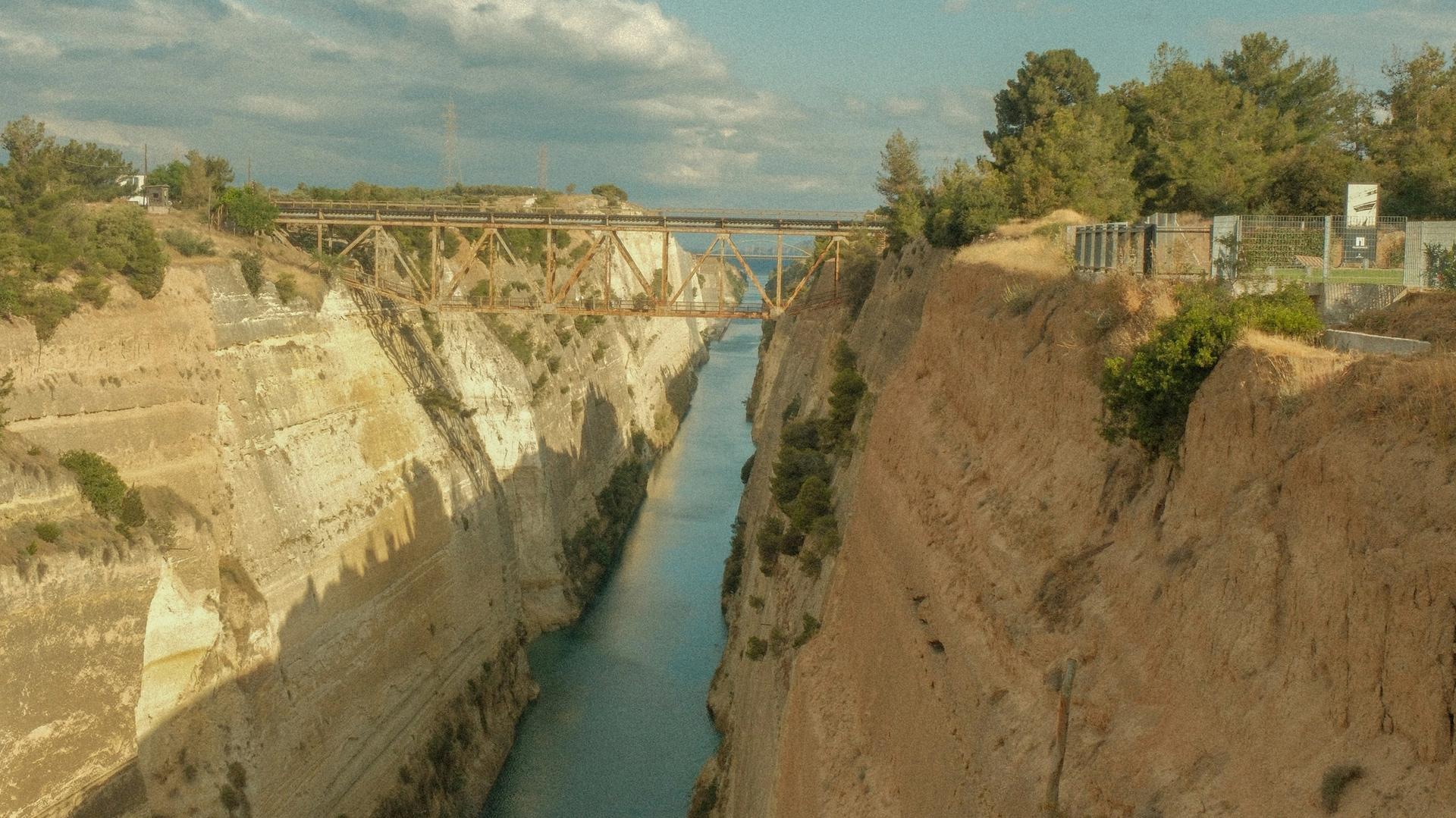
From the moment you cross the Corinth Canal into this mythical peninsula, you'll understand why seasoned travelers consider Peloponnese tours the ultimate Greek experience. The region seamlessly blends archaeological wonders with medieval fortresses, mountain monasteries with turquoise beaches, and world-class wineries with traditional tavernas where recipes haven't changed in centuries.
Quick Facts About Peloponnese Tours
Essential Information:
- Best Time to Visit: April-June and September-October for perfect weather
- Tour Duration: 3-7 days recommended for comprehensive exploration
- Starting Points: Nafplio, Kalamata, or direct from Athens
- UNESCO Sites: 4 major sites including Epidaurus, Mycenae, and Olympia
- Climate: Mediterranean with hot, dry summers and mild winters
- Transportation: Private tours recommended for flexibility and comfort
The Ancient Wonders: Archaeological Highlights
No Peloponnese tour would be complete without exploring the archaeological treasures that make this region legendary. These aren't just dusty ruins—they're the birthplaces of Western civilization, democracy, and the Olympic Games.
The ancient theater of Epidaurus stands as perhaps the most acoustically perfect venue ever constructed, where you can still hear a whisper from the stage while sitting in the top row. During summer months, the Epidaurus Festival brings ancient Greek dramas to life in this 2,400-year-old setting, creating an unforgettable cultural experience.
Must-See Archaeological Sites:
- Ancient Olympia: Birthplace of the Olympic Games with the original stadium
- Mycenae: Home of King Agamemnon and the famous Lion Gate
- Ancient Messini: One of Greece's best-preserved ancient cities
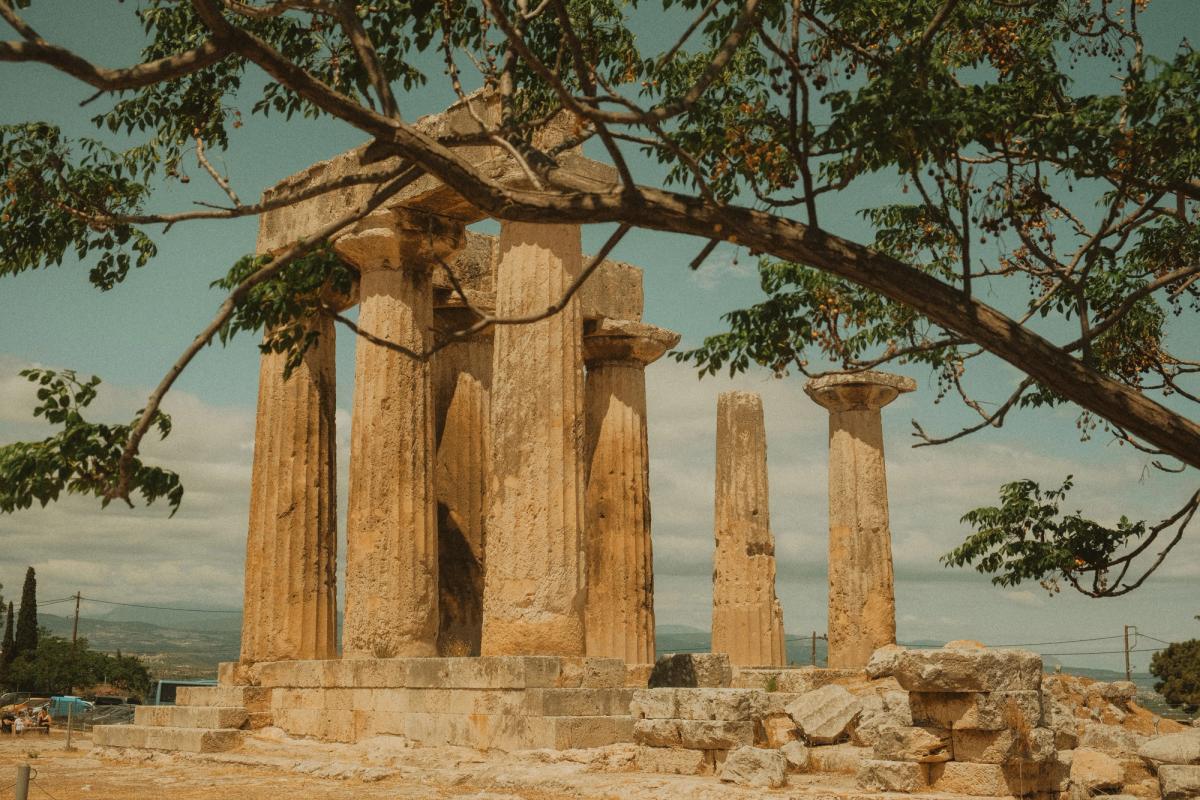
- Corinth: Powerful city-state with impressive temple ruins
- Tiryns: Massive Mycenaean fortress with cyclopean walls
- Sparta: The legendary warrior city with fascinating museums
Mycenae particularly captivates visitors with its massive bronze-age fortifications and the legendary Treasury of Atreus. The famous death mask once attributed to Agamemnon (now in Athens) was discovered here, though the site itself offers countless treasures including the royal tombs and palace complex.
Discover fascinating facts about ancient Sparta and understand why this military powerhouse shaped Western culture. The modern town of Sparta may not match its ancient glory, but the nearby Byzantine city of Mystras more than compensates with its stunning hillside monasteries and churches.
Medieval Magic: Byzantine and Venetian Treasures
The Peloponnese's medieval heritage rivals its ancient past in both beauty and historical significance. Venetian fortresses crown coastal promontories while Byzantine churches hide frescoes that have survived centuries virtually untouched.
Monemvasia rises from the sea like a stone ship, its medieval town clinging to a massive rock connected to the mainland by a single causeway. Walking through its car-free cobblestone streets feels like stepping back six centuries, especially when evening light bathes the honey-colored stone buildings.
Medieval Highlights:
- Mystras: Byzantine ghost city cascading down a mountainside
- Monemvasia: The "Gibraltar of Greece" with Venetian fortress
- Methoni Castle: Massive seaside fortress with octagonal tower
- Palamidi Fortress: Nafplio's Venetian masterpiece with 999 steps
- Geraki Castle: Hidden gem with nine Byzantine churches
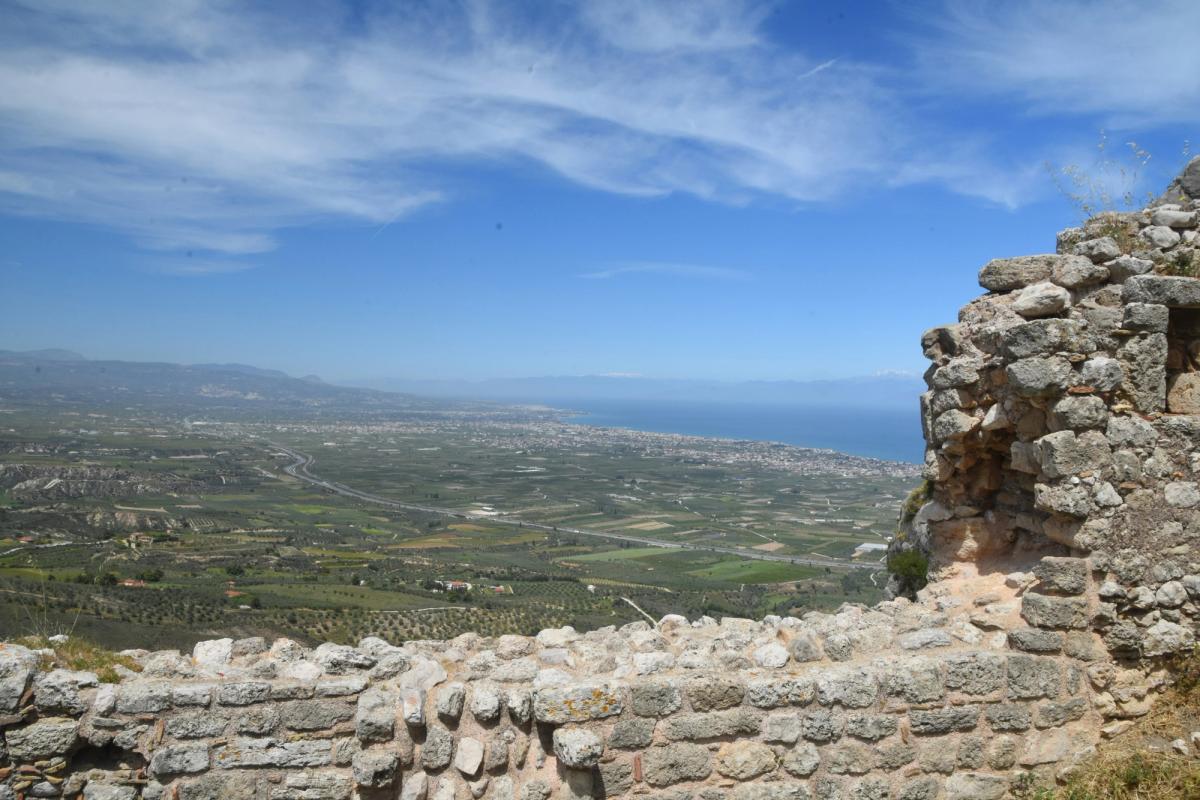
- Acrocorinth: Ancient citadel used by Romans, Byzantines, and Venetians
The Geraki Castle area remains wonderfully off the beaten path, offering intimate encounters with Byzantine art without the crowds. Its nine churches contain some of the finest frescoes in the Peloponnese, rivaling anything you'll find in more famous locations.
Book our Nafplio to Monemvasia tour to experience the region's most spectacular medieval fortress city with expert local guides.
Nafplio: The Perfect Base for Your Peloponnese Adventure
Nafplio serves as the ideal headquarters for exploring the Peloponnese, combining Venetian elegance with Greek warmth in Greece's most romantic town. Its perfectly preserved old town features neoclassical mansions, bougainvillea-draped balconies, and waterfront promenades that make every evening stroll memorable.
The town's strategic location puts you within an hour of Epidaurus, Mycenae, and ancient Corinth, while offering sophisticated dining and charming accommodations. Three fortresses overlook the town, each telling different chapters of Nafplio's complex history as Greece's first capital.
Why Choose Nafplio as Your Base:
- Central location for day trips throughout eastern Peloponnese
- Excellent restaurants serving regional specialties
- Boutique hotels in restored neoclassical buildings
- Charming pedestrian old town perfect for evening exploration
- Beautiful beaches within minutes of the center
- Rich cultural scene with galleries and museums
The Greek restaurants in Nafplio range from traditional tavernas serving family recipes to innovative chefs reimagining regional cuisine. Don't miss trying local specialties like hilopites (traditional pasta) with rooster, or fresh seafood at waterfront establishments.
Coastal Gems and Hidden Beaches
While the Peloponnese's cultural treasures draw most visitors, its coastline offers equally compelling reasons to explore. Unlike the crowded island beaches, the peninsula's shores range from organized beach resorts to secret coves accessible only by boat or hiking trail.
The eastern coast around Porto Heli and Ermioni attracts yachting enthusiasts with its protected bays and crystal-clear waters. The historical sites to visit near Porto Heli include ancient Epidaurus Limera and the sunken city of ancient Halieis, where you can snorkel over 2,500-year-old ruins.
Best Coastal Destinations:
- Arvanitia Beach: Nafplio's scenic pebble beach with dramatic cliffs
- Voidokilia: Perfect horseshoe bay near Pylos with golden sand
- Elafonisos: Caribbean-quality turquoise waters in the Mediterranean
- Stoupa: Charming village with excellent swimming beaches
- Gytheio: Traditional fishing port with waterfront tavernas
- Methoni: Beach town dominated by impressive Venetian fortress
Gytheio particularly enchants visitors with its authentic fishing village atmosphere and proximity to the dramatic Mani peninsula. The waterfront pastel-colored houses and excellent seafood restaurants make it a perfect overnight stop when exploring the southern Peloponnese.
Mountain Monasteries and Spiritual Retreats
The Peloponnese's mountainous interior harbors monasteries that have served as spiritual centers for centuries. These sanctuaries offer both architectural beauty and profound peace, often with spectacular mountain views as bonus.
The Holy Monastery of Malevis sits high in the Parnon mountains, its white walls gleaming against the dark forest backdrop. This 13th-century monastery dedicated to the Virgin Mary hosts an important September festival that draws pilgrims from across Greece.
Notable Monasteries:
- Monastery of Malevis: Mountain sanctuary with miraculous icon
- Mega Spilaio: Built into a cliff face near Kalavryta
- Monastery of Philosophou: Hidden gem in a dramatic gorge
- Elona Monastery: Carved into a sheer rock face in Leonidio
- Monastery of Loukous: Byzantine complex near ancient Gortys
These Greece monasteries offer visitors a chance to experience Orthodox spirituality and often feature stunning Byzantine frescoes and icons. Remember to dress modestly (covered shoulders and knees) and respect photography restrictions inside churches.
For those seeking deeper wellness experiences, the Euphoria Retreat near Mystras combines luxury accommodations with holistic healing programs in a spectacular mountain setting. This award-winning destination spa offers the perfect counterpoint to active archaeological exploration.
Wine Routes and Culinary Experiences
The Peloponnese has emerged as one of Greece's premier wine regions, with indigenous grape varieties producing distinctive wines that pair perfectly with regional cuisine. The Nemea region particularly excels with its Agiorgitiko grape, creating velvety reds that rival any Mediterranean wine.
Olive oil production here reaches artisanal heights, with some estates offering tastings that reveal the complexity of truly exceptional extra virgin olive oil. The Koroneiki olives grown in the Peloponnese produce some of Greece's finest oils, with peppery notes and remarkable smoothness.
Culinary Highlights:
- Wine tasting in Nemea's historic vineyards
- Olive oil tours with harvesting experiences (November-December)
- Traditional cheese making in mountain villages
- Honey farms producing thyme and wildflower varieties
- Citrus groves around Argos offering seasonal tastings
- Cooking classes featuring regional specialties
Local markets burst with seasonal produce, from Kalamata olives to Arcadian honey, from mountain herbs to fresh figs. Learning a few Greek phrases enhances market interactions and shows respect for local culture.
Join our olive oil tasting and Epidaurus tour to combine cultural exploration with authentic culinary experiences led by local experts.
Planning Your Peloponnese Tour: Practical Tips
Successful Peloponnese tours require thoughtful planning to maximize your experience while maintaining a relaxed pace. The region's diversity means you could easily spend weeks exploring, but even a long weekend offers rewarding discoveries.
Private tours provide the flexibility to adjust itineraries based on your interests and energy levels. Unlike group tours that rush from site to site, private experiences allow time to linger at places that captivate you and skip those that don't resonate.
Travel Tips:
- Timing: Visit in spring for wildflowers or fall for harvest season
- Pacing: Don't try to see everything—focus on 2-3 regions maximum
- Accommodation: Stay in at least two different bases to reduce driving
- Transportation: Private tours eliminate navigation stress and parking hassles
- Reservations: Book popular restaurants and hotels well in advance
- Clothing: Bring layers—mountain areas cool significantly in evenings
- Footwear: Comfortable walking shoes essential for archaeological sites
- Sun Protection: Strong Mediterranean sun requires hat and sunscreen
The Greece weather in October offers ideal touring conditions with warm days, cool evenings, and minimal crowds. This shoulder season provides the best balance of pleasant temperatures and uncrowded sites.
Understanding Greek Culture and Customs
Appreciating the Peloponnese fully requires some cultural context beyond just visiting monuments. The region maintains traditional customs more strongly than cosmopolitan Athens or touristy islands, offering authentic cultural encounters.
The concept of *philoxenia* (hospitality to strangers) runs deep in Peloponnesian culture. Don't be surprised when taverna owners offer complimentary desserts or locals go out of their way to help with directions—this generosity reflects core Greek values.
Cultural Insights:
- Meal times: Lunch 2-4pm, dinner rarely before 9pm
- Siesta: Many shops close 2-5pm, especially in smaller towns
- Dress codes: Modest attire required for monasteries and churches
- Tipping: 10% appreciated in restaurants, round up for taxis
- Greetings: *Kalimera* (good morning) and *kalispera* (good evening) open doors
- Gestures: Upward nod means "no," downward nod means "yes"
The distinctive Greek architecture you'll encounter ranges from ancient temples to neoclassical mansions, each style telling stories about different historical periods. Understanding these architectural languages enriches your touring experience significantly.
The famous Greece blue and white color scheme actually appears less frequently in the Peloponnese than on the Cycladic islands. Here you'll find more natural stone, warm ochres, and terracotta roofs reflecting the region's different aesthetic traditions and Greece colors.
Beyond the Highlights: Hidden Peloponnese Treasures
While the famous sites deserve their reputation, some of the Peloponnese's most memorable experiences happen in lesser-known locations. These hidden gems reward travelers who venture beyond standard itineraries with authentic encounters and crowd-free exploration.
The mountain villages of Arcadia preserve traditional architecture and lifestyles that have vanished elsewhere. Stone houses cluster around central squares where old men still gather at kafeneia, debating politics over Greek coffee and backgammon.
Off-the-Beaten-Path Experiences:
- Dimitsana: Mountain village with traditional watermill museums
- Kardamyli: Mani coast gem beloved by writer Patrick Leigh Fermor
- Leonidio: Rock climbing destination with stunning red cliffs
- Vytina: Alpine-style mountain resort with excellent restaurants
- Stemnitsa: Medieval village famous for silversmithing traditions
- Ancient Lerna: Mythological site of Hercules' hydra battle
Exploring Greek cities beyond the obvious tourist centers reveals how contemporary Greeks live, work, and maintain traditions. Regional capitals like Tripoli or Kalamata offer authentic urban experiences without tourist crowds.
Sampling Greek alcohol and Greek liquor provides delicious cultural insights. Beyond ubiquitous ouzo, discover tsipouro (similar to Italian grappa), local wines, and regional specialties like Tentura (cinnamon-clove liqueur from Patras).
Seasonal Considerations for Peloponnese Tours
Each season offers distinct advantages for Peloponnese exploration, from spring wildflowers to autumn grape harvests. Understanding seasonal variations helps you choose the perfect timing for your interests and preferences.
Summer brings guaranteed sunshine and beach weather but also crowds at major sites and intense heat that can make midday archaeological exploration exhausting. Coastal areas fill with Greek families on holiday, creating festive atmospheres but higher prices.
Seasonal Highlights:
Spring (April-May):
- Wildflowers blanket hillsides and archaeological sites
- Perfect temperatures for hiking and exploration
- Easter celebrations if you time it right
- Fewer tourists than summer months
Summer (June-August):
- Beach weather and swimming in crystal-clear waters
- Epidaurus Festival performances in ancient theater
- Long daylight hours maximize touring time
- Village festivals and outdoor cultural events
Autumn (September-October):
- Grape harvest and wine festivals
- Still warm enough for swimming
- Excellent hiking weather in mountains
- Olive harvest begins in November
Winter (November-March):
- Dramatic mountain landscapes, sometimes snow-capped
- Lowest prices and zero crowds
- Cozy tavernas with fireplaces
- Some sites have reduced hours
Many travelers find shoulder seasons (April-May and September-October) offer the ideal balance. You'll enjoy pleasant weather, manageable crowds, and the opportunity to experience seasonal activities like harvests or spring festivals.
Combining Peloponnese with Other Greek Destinations
The Peloponnese's proximity to Athens makes it perfect for multi-region itineraries. You can easily combine peninsula exploration with island hopping or extend your journey to other mainland regions.
Starting from Athens, you're just 90 minutes from Corinth and two hours from Nafplio. This accessibility means you can dive into Peloponnese tours immediately after arriving in Greece, or save the peninsula as your grand finale before departure.
Popular Combination Itineraries:
- Athens (3 days) + Peloponnese (5 days) + Santorini (3 days)
- Peloponnese (7 days) + Crete (7 days) for deep cultural immersion
- Athens (2 days) + Peloponnese (4 days) + Hydra/Spetses islands (2 days)
- Peloponnese (5 days) + Delphi (2 days) + Meteora (2 days)
- Extended Peloponnese circuit (10-14 days) covering the entire peninsula
The fun facts about Greece you'll discover during Peloponnese tours often surprise even well-traveled visitors. From the region's role in Greek independence to its continuing cultural influence, the peninsula offers constant revelations.
Frequently Asked Questions
How many days do you need for a Peloponnese tour?
A minimum of 4-5 days allows you to see the main highlights including Mycenae, Epidaurus, Nafplio, and one additional region like Monemvasia or Olympia. Seven to ten days enables more thorough exploration with time to discover hidden villages, enjoy beach days, and experience the region at a relaxed pace without constant packing and unpacking.
What is the best base for exploring the Peloponnese?
Nafplio serves as the ideal base for eastern Peloponnese, offering charm, excellent restaurants, and proximity to major sites like Mycenae and Epidaurus. For western regions, Kalamata provides good access to Messinia's attractions including Ancient Messini and coastal villages. Using two bases during your trip allows comprehensive coverage without excessive daily driving.
Are Peloponnese tours suitable for families with children?
Absolutely—the Peloponnese offers excellent family touring with diverse activities beyond just archaeological sites. Children often love exploring castles like Palamidi and Monemvasia, swimming at beautiful beaches, and hearing mythological stories at ancient sites. Private tours allow flexible pacing with breaks when young travelers need them, and many sites feature interactive elements that engage kids.
Can you do Peloponnese tours without a car?
While public buses connect major towns, exploring the Peloponnese properly requires either a rental car or private tour. Archaeological sites often sit outside town centers with limited bus service, and the region's hidden gems remain inaccessible via public transport. Private tours eliminate navigation stress while providing expert commentary and flexible itineraries tailored to your interests.
What should I pack for a Peloponnese tour?
Bring comfortable walking shoes with good support for archaeological sites, a sun hat and sunscreen for protection, modest clothing for monastery visits (covering shoulders and knees), and layers for evening temperature drops especially in mountain areas. Include swimwear for coastal areas, a light rain jacket in spring or fall, and a small daypack for carrying water and essentials during site visits.
Is the Peloponnese better than the Greek islands?
The Peloponnese and islands offer different experiences rather than one being objectively better. The peninsula provides deeper cultural immersion, more extensive archaeological sites, authentic village life, and dramatic mountain landscapes alongside beautiful beaches. Islands offer classic Greek aesthetics, easier island-hopping, and sometimes more developed tourist infrastructure. Many travelers find the Peloponnese more rewarding for cultural exploration while islands excel for pure relaxation.
What are the must-see sites in the Peloponnese?
The essential Peloponnese sites include the ancient theater of Epidaurus with its perfect acoustics, Mycenae's bronze-age fortress and Lion Gate, the birthplace of the Olympics at Ancient Olympia, the Byzantine ghost city of Mystras, and the medieval fortress town of Monemvasia. Nafplio deserves at least a full day for its Venetian old town and fortresses. Ancient Messini impresses as one of Greece's best-preserved ancient cities.
When is the best time to visit the Peloponnese?
Late April through June and September through October offer ideal conditions with pleasant temperatures, fewer crowds than summer, and opportunities to experience seasonal activities like spring wildflowers or autumn harvests. Summer (July-August) brings guaranteed sunshine and beach weather but intense heat and crowds at major sites. Winter offers solitude and low prices but some reduced hours at attractions and cooler temperatures limiting beach activities.
Your Peloponnese Adventure Awaits
The Peloponnese rewards travelers who seek authentic Greece beyond postcard-perfect island sunsets. Here, history breathes through ancient stones, traditions survive in mountain villages, and landscapes range from alpine forests to turquoise coves.
Whether you're drawn by archaeological wonders, medieval castles, culinary discoveries, or simply the chance to experience Greece as locals live it, the peninsula delivers experiences that linger long after you've returned home. The region's diversity means every traveler finds their own highlights—perhaps it's watching sunset from Monemvasia's fortress walls, perhaps it's standing in Epidaurus theater imagining ancient dramas, or perhaps it's simply sharing wine with new friends at a family taverna.
Peloponnese tours aren't just about ticking off UNESCO sites or collecting photos for social media. They're about connecting with the landscapes and stories that shaped Western civilization while discovering a Greece that remains wonderfully, authentically itself despite centuries of change.
The peninsula's magic lies in these layers—ancient temples and Byzantine churches, Venetian fortresses and neoclassical mansions, mountain monasteries and seaside villages all coexisting in a landscape of extraordinary beauty. Each bend in the road reveals new wonders, each conversation with locals adds depth to your understanding, and each meal becomes a delicious education in regional traditions.
Start planning your Peloponnese adventure today, and discover why this legendary peninsula captivates everyone who explores its treasures. Whether you have four days or four weeks, whether you're passionate about archaeology or simply seeking beauty and authenticity, the Peloponnese welcomes you with open arms and endless discoveries.