Discover modern Sparta and ancient ruins in the heart of the Peloponnese. From the legendary warrior culture to Byzantine Mystras, explore what makes Sparta Greece an unforgettable destination for history lovers and adventurous travelers.
The name Sparta conjures images of fearless warriors, rigorous training, and one of history's most formidable military societies. Today, this legendary city in the southern Peloponnese offers travelers a unique blend of ancient history, Byzantine splendor, and authentic Greek culture that extends far beyond the Hollywood portrayals.
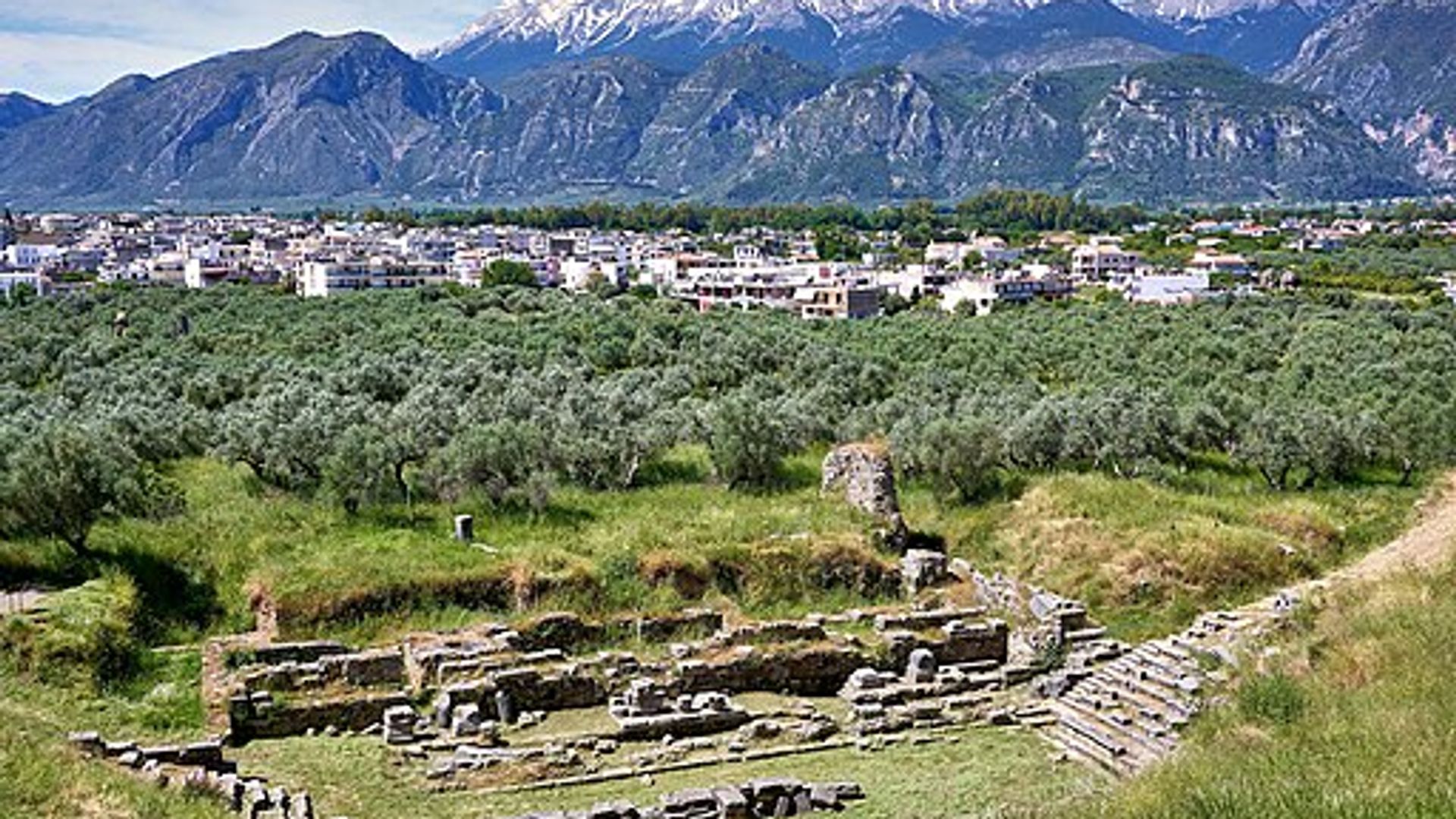
Modern Sparta sits near the ruins of its ancient predecessor, surrounded by olive groves and the dramatic Taygetos Mountains. While less visually spectacular than Athens or Delphi, Sparta rewards curious travelers with authentic experiences, fascinating museums, and proximity to some of Greece's most remarkable hidden treasures.
Why Visit Sparta Greece
Stepping into Sparta means walking in the footsteps of history's most disciplined warriors. The city offers an intimate glimpse into ancient Greek civilization without the overwhelming crowds that descend upon more famous archaeological sites.
The modern town maintains a relaxed, authentic atmosphere where locals outnumber tourists year-round. This genuine character makes Sparta an ideal base for exploring the wider Laconia region, including the breathtaking Byzantine city of Mystras and the rugged beauty of the Mani Peninsula.
Top Reasons to Visit:
- Explore the legendary homeland of ancient Greece's greatest warriors
- Visit UNESCO-listed Mystras, one of Europe's best-preserved Byzantine cities
- Experience authentic Greek life away from tourist crowds
- Discover exceptional museums with world-class Spartan artifacts
- Access stunning mountain landscapes and traditional villages
- Enjoy excellent local cuisine and Laconian wine traditions
Quick Facts About Sparta
Essential Information:
- Population: Approximately 16,000 residents
- Location: Southern Peloponnese, Laconia region
- Distance from Athens: 210 kilometers (130 miles)
- Elevation: 210 meters (689 feet)
- Ancient founding: Approximately 10th century BCE
- Best months: April-June, September-October
- Main language: Greek (English widely spoken in tourism)
- Currency: Euro (€)
The city enjoys a Mediterranean climate with hot, dry summers and mild winters. The surrounding Taygetos Mountains create dramatic weather variations, with snow-capped peaks visible even in spring.
Ancient Sparta: Understanding the Legend
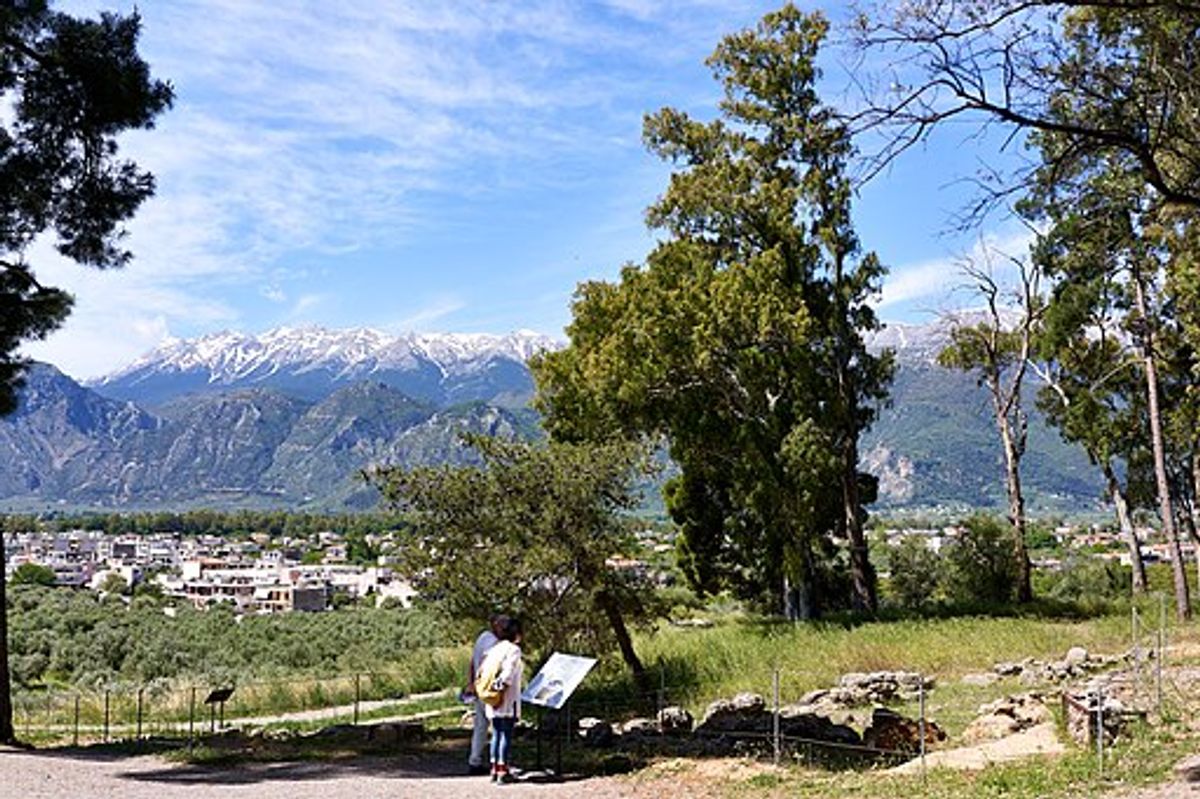
Unlike Athens or Corinth, ancient Sparta left few monumental buildings behind. The Spartans famously invested in people rather than architecture, creating a society centered on military excellence and physical perfection.
This philosophical approach means archaeological remains are modest compared to other Greek cities. However, the sites that survive offer profound insights into this unique civilization that dominated the Peloponnese for centuries.
Key Historical Points:
- Ancient Sparta controlled much of the Peloponnese from 650-371 BCE
- The city-state valued military training above artistic or architectural achievement
- Spartan warriors trained from age seven in the famous agoge system
- Women enjoyed unusual freedom and education compared to other Greek cities
- Sparta's defeat of Athens in the Peloponnesian War (404 BCE) marked its zenith
- The city declined after defeat by Thebes at Leuctra (371 BCE)
For deeper insights into Sparta's fascinating history, explore our detailed guide on facts about Sparta in ancient Greece.
Top Archaeological Sites in Sparta
Ancient Sparta Archaeological Site
The ruins of ancient Sparta spread across olive groves north of the modern city center. While less dramatic than other Greek sites, walking these grounds where legendary warriors trained creates a powerful connection to the past.
The site includes remnants of the ancient acropolis, the sanctuary of Athena Chalkioikos, and the ancient theater. Interpretive signs help visitors understand the layout of this once-mighty city-state.
What to See:
- Remains of the Temple of Athena Chalkioikos (Bronze House)
- Ancient theater dating to the Hellenistic and Roman periods
- Scattered architectural fragments and foundations
- The acropolis with panoramic valley views
- Sanctuary areas dedicated to various deities
Sanctuary of Artemis Orthia
This remarkable sanctuary located east of the acropolis reveals much about Spartan religious practices. Archaeological excavations uncovered thousands of votive offerings, including lead figurines, ivory objects, and masks.
The site gained particular fame as the location of the brutal diamastigosis ritual, where Spartan boys endured whipping to prove their endurance. Roman-era tourists built a theater here to watch these displays of Spartan toughness.
Tomb of Leonidas
A modest monument honors King Leonidas, who led 300 Spartans at the Battle of Thermopylae in 480 BCE. While the attribution remains debated among scholars, the site serves as a powerful memorial to Spartan sacrifice.
The statue of Leonidas nearby has become Sparta's most photographed monument. This modern bronze depicts the warrior king in full battle readiness, embodying the Spartan ideal of martial excellence.
Museum of the Olive and Greek Olive Oil
This exceptional museum showcases the 6,000-year relationship between Greeks and olive cultivation. Interactive exhibits, ancient presses, and multimedia presentations bring olive oil production to life across the millennia.
The museum occupies a beautifully designed modern building that won architectural awards. Tastings of local Laconian olive oils complete the educational experience.
Museum Highlights:
- Ancient olive presses and oil production equipment
- Interactive exhibits on cultivation techniques through history
- Multimedia presentations on olive oil's cultural significance
- Collection of ancient oil lamps and storage vessels
- Tasting room featuring premium Laconian oils
- Beautiful modern architecture integrating traditional elements
Archaeological Museum of Sparta
This essential museum houses extraordinary artifacts from ancient Sparta and the wider Laconia region. The collection spans from Neolithic times through the Roman period, with particular strength in archaic Spartan art.
Room after room reveals the artistic sophistication that Spartans supposedly rejected. Exquisite marble sculptures, intricate bronze work, and beautiful pottery demonstrate that Sparta produced remarkable art despite its austere reputation.
Must-See Exhibits:
- Marble head of a warrior (possibly Leonidas) from the 5th century BCE
- Votive sickles dedicated to Artemis Orthia
- Archaic period limestone reliefs showing mythological scenes
- Roman mosaics from elite Spartan homes
- Bronze figurines depicting warriors and athletes
- Inscribed stone slabs with ancient Spartan laws
Mystras: Sparta's Byzantine Jewel
Just eight kilometers from modern Sparta, the Byzantine city of Mystras clings to a mountainside in stunning preservation. This UNESCO World Heritage Site represents one of the Byzantine Empire's last great achievements before the Ottoman conquest.
Founded in 1249, Mystras became the cultural and political center of the Byzantine Peloponnese. Emperors, scholars, and artists gathered here, creating a final flowering of Byzantine civilization that influenced the Italian Renaissance.
Mystras Highlights:
- Palace of the Despots with magnificent views
- Monastery of Pantanassa with resident nuns
- Church of Peribleptos featuring stunning frescoes
- Metropolitan Cathedral with intricate floor patterns
- Castle ruins at the summit
- Medieval houses and cobbled streets
- Breathtaking mountain and valley panoramas
Exploring Mystras requires good walking shoes and stamina for steep paths. Allow at least three to four hours to appreciate this extraordinary site properly, and visit early morning or late afternoon during summer to avoid intense heat.
Our Sparta and Mystras tour from Nafplio combines both destinations for a comprehensive day exploring ancient and Byzantine history.
Modern Sparta: The Contemporary City
Today's Sparta was rebuilt in 1834 following Greek independence, laid out in a grid pattern with wide boulevards. The spacious design creates an unusually relaxed atmosphere for a Greek city, with tree-lined streets and numerous parks.
The central square buzzes with cafes where locals gather for coffee and conversation. Unlike tourist-oriented destinations, Sparta maintains authentic rhythms of Greek provincial life, offering visitors genuine cultural immersion.
City Highlights:
- Central square with statue of King Leonidas
- Wide boulevards perfect for evening strolls (volta)
- Traditional tavernas serving Laconian specialties
- Local markets selling regional products
- Cafes with authentic neighborhood atmosphere
- Parks and green spaces throughout the city
Local Cuisine and Dining
Laconian cuisine emphasizes simple preparation of exceptional local ingredients. The region's olive oil ranks among Greece's finest, while the mountains provide wild greens, herbs, and game.
Pork features prominently in local dishes, a tradition dating to ancient times when Spartans sacrificed pigs to the gods. Citrus fruits thrive in the mild climate, adding bright flavors to many preparations.
Traditional Dishes to Try:
- Syglino - cured pork preserved in olive oil and orange peel
- Laganopita - rustic pie with olive oil, onions, and tomatoes
- Diples - crispy honey pastries traditionally served at celebrations
- Trachanas - fermented grain and milk soup
- Wild greens (horta) gathered from mountain slopes
- Local sausages flavored with orange and regional spices
- Laconian olive oil drizzled over everything
Pair your meal with wines from local producers who are reviving Laconia's ancient winemaking traditions. The indigenous Monemvasia grape creates distinctive white wines worth seeking out.
Day Trips from Sparta
Geraki Medieval Town
This remarkably preserved medieval settlement sits 40 kilometers east of Sparta, crowned by a Frankish castle. Thirteen Byzantine churches dot the hillside, many retaining original frescoes from the 12th-15th centuries.
Geraki sees few visitors despite its extraordinary heritage, offering peaceful exploration of authentic Byzantine architecture. Learn more in our guide to Geraki Castle.
Monemvasia
The "Gibraltar of Greece" rises dramatically from the sea 95 kilometers southeast of Sparta. This fortified Byzantine town occupies an enormous rock connected to the mainland by a narrow causeway.
Medieval buildings cascade down narrow lanes inside the walls, while the upper town ruins command spectacular views. Monemvasia makes an excellent full-day excursion or overnight stay.
The Mani Peninsula
South of Sparta, the wild Mani Peninsula stretches toward Africa with dramatic coastline and tower-house villages. This remote region maintained fierce independence throughout history, preserving unique traditions and architecture.
Stone towers built by feuding clans dominate villages like Vathia and Kitta. The landscape combines rugged beauty with fascinating cultural heritage unlike anywhere else in Greece.
Gytheio
This charming port town 45 kilometers south of Sparta offers seaside relaxation and excellent seafood. Pastel neoclassical buildings line the waterfront, while the islet of Marathonisi (ancient Cranae) sits just offshore.
According to mythology, Paris and Helen spent their first night here after fleeing Sparta. Today, Gytheio serves as the gateway to the Mani and a pleasant base for coastal exploration. Discover more in our Gytheio guide.
Travel Tips for Visiting Sparta
Planning Your Visit:
- Allocate at least two full days to explore Sparta and Mystras properly
- Rent a car for maximum flexibility exploring the wider region
- Book accommodation in advance during summer months
- Bring comfortable walking shoes for archaeological sites
- Pack sun protection - Laconia enjoys intense sunshine
- Learn a few basic Greek phrases for authentic interactions
- Visit Mystras early morning or late afternoon in summer
- Allow time for spontaneous discoveries in surrounding villages
Getting There:
- Drive from Athens (approximately 2.5-3 hours via modern highways)
- Take KTEL bus service from Athens (4-5 daily departures)
- Join organized tours from Nafplio or other Peloponnese bases
- Combine with wider Peloponnese road trip itinerary
Best Time to Visit:
Spring (April-June) brings wildflowers, mild temperatures, and green landscapes perfect for exploration. Autumn (September-October) offers excellent weather with fewer visitors and harvest season abundance.
Summer heat can be intense, especially when exploring archaeological sites without shade. Winter remains mild in the valleys but brings snow to the Taygetos peaks, creating dramatic scenery.
For comprehensive information about Greek weather patterns, consult our guide on Greece weather in October.
Where to Stay in Sparta
Modern Sparta offers accommodation ranging from budget hotels to boutique properties. Most visitors choose lodging in the city center for convenient access to restaurants and sites.
Alternatively, consider staying in nearby villages or the mountain slopes for more atmospheric settings. Several restored traditional guesthouses offer authentic architecture with modern comforts.
Accommodation Options:
- City center hotels with easy walking access to museums and dining
- Traditional guesthouses in surrounding villages
- Mountain retreats in the Taygetos foothills
- Boutique properties in restored historic buildings
- Budget-friendly family-run hotels
- Luxury options including the renowned Euphoria Retreat
Combining Sparta with Wider Exploration
Sparta's central Peloponnese location makes it an excellent base for exploring multiple regions. Ancient Olympia lies two hours northwest, while Nafplio and Epidaurus sit 90 minutes northeast.
Many travelers combine Sparta with a circuit including Mycenae, Epidaurus, and other major Peloponnese sites. This approach maximizes your understanding of ancient Greek civilization across multiple city-states and sanctuaries.
Recommended Multi-Day Itineraries:
- Classical Greece Circuit: Athens → Corinth → Mycenae → Epidaurus → Nafplio → Sparta → Mystras → Olympia
- Byzantine Heritage Route: Mystras → Monemvasia → Geraki → Mani tower villages → monasteries
- Southern Peloponnese Loop: Sparta → Gytheio → Mani Peninsula → Kalamata → Ancient Messini → return
The Epidaurus ancient theater makes an excellent addition to any Peloponnese itinerary, especially during the famous Epidaurus Festival summer season.
Shopping for Local Products
Sparta's markets and specialty shops offer excellent regional products worth bringing home. Laconian olive oil ranks among Greece's finest, with several award-winning producers operating in the area.
Local honey, mountain herbs, and traditional textiles reflect authentic Laconian heritage. Small family operations maintain traditional production methods passed down through generations.
What to Buy:
- Premium Laconian extra virgin olive oil
- Mountain honey from wildflower and thyme
- Dried herbs gathered from Taygetos slopes
- Local wines from revived indigenous varieties
- Handwoven textiles in traditional patterns
- Ceramic reproductions of ancient Spartan pottery
- Preserved olives and olive-based products
Practical Information
Getting Around:
Sparta's compact center allows easy walking between most attractions. Taxis are readily available for trips to Mystras or other nearby sites.
Renting a car provides maximum flexibility for exploring the wider region at your own pace. Roads throughout Laconia are generally well-maintained, though mountain routes require careful driving.
Money and Banking:
ATMs are widely available throughout Sparta's center. Credit cards are accepted at most hotels and restaurants, though smaller tavernas and shops may prefer cash.
Prices in Sparta remain notably lower than tourist-heavy destinations like Santorini or Mykonos. This authentic pricing reflects the city's genuine character as a working Greek town rather than a tourist resort.
Language:
While Greek remains the primary language, English is widely spoken in hotels, restaurants, and tourist-oriented businesses. Learning basic Greek phrases enhances interactions and shows respect for local culture.
Safety:
Sparta ranks among Greece's safest cities, with very low crime rates. Standard travel precautions suffice - watch belongings in crowded areas and secure valuables in accommodations.
Frequently Asked Questions
Is Sparta worth visiting in Greece?
Absolutely - Sparta offers unique insights into ancient Greek history combined with access to spectacular Mystras and authentic Peloponnese culture. While archaeological remains are modest compared to Athens or Delphi, the museums house world-class artifacts, and the surrounding region provides exceptional exploration opportunities. Visitors seeking genuine Greek experiences away from tourist crowds will find Sparta particularly rewarding.
How much time do you need in Sparta?
Plan at least two full days to properly explore Sparta's museums and archaeological sites plus nearby Mystras. Three to four days allows comfortable exploration of the wider region including Monemvasia, the Mani Peninsula, or mountain villages. Many visitors base themselves in Sparta for three to five days, using it as a hub for daily excursions throughout Laconia.
What is the best way to get to Sparta from Athens?
Driving from Athens takes approximately 2.5-3 hours via modern highways through Corinth and Tripoli, offering flexibility to stop at sites along the way. KTEL buses run 4-5 times daily from Athens' Kifissos terminal, taking about 3.5 hours. Organized tours from Athens or Nafplio provide guided experiences combining Sparta with other Peloponnese highlights. Renting a car offers the most freedom for exploring the region thoroughly.
Can you visit ancient Sparta and Mystras in one day?
Yes, though it requires early starting and efficient planning. Visit Sparta's archaeological sites and museum in the morning (3-4 hours), then spend the afternoon exploring Mystras (3-4 hours minimum). This pace allows seeing major highlights but feels rushed - two separate days provides more satisfying exploration. Summer visitors should start very early to avoid afternoon heat at both outdoor sites.
What should I wear when visiting Sparta's archaeological sites?
Wear comfortable walking shoes with good grip for uneven ancient paths and Mystras' steep cobblestones. Bring sun protection including hat, sunglasses, and high-SPF sunscreen, as shade is limited at archaeological sites. Modest clothing covering shoulders and knees is required for Mystras' active monasteries and churches. Layer clothing for mountain weather changes, and carry water bottles for hydration during exploration.
Is Sparta good for families with children?
Sparta works well for families with older children interested in history, offering engaging stories of ancient warriors and Byzantine adventures. The museums feature impressive artifacts that bring history to life, while Mystras provides castle exploration that children enjoy. However, extensive walking at archaeological sites and limited playgrounds may challenge families with very young children. The relaxed city atmosphere and authentic Greek culture provide educational family experiences.
What are the best day trips from Sparta?
Mystras (8 km) tops the list as an unmissable UNESCO World Heritage Byzantine city. Monemvasia (95 km) offers spectacular medieval fortress-town atmosphere. Gytheio (45 km) provides seaside relaxation and excellent seafood. The Mani Peninsula delivers dramatic landscapes and unique tower-house villages. Geraki (40 km) preserves remarkable Byzantine churches with original frescoes. Ancient Messini (60 km) showcases exceptionally preserved ruins rivaling any Greek site.
Where can I try authentic Spartan food?
Traditional tavernas around Sparta's central square serve authentic Laconian cuisine including syglino (preserved pork), laganopita (rustic pies), and dishes featuring exceptional local olive oil. Family-run establishments in surrounding villages often provide the most authentic experiences with recipes passed through generations. The Saturday morning market offers local products including cheeses, olives, honey, and seasonal produce. Ask locals for current recommendations, as the best traditional tavernas change over time.
Experience the Legend of Sparta
Stepping into Sparta means encountering one of history's most fascinating civilizations in its authentic homeland. Beyond the warrior legends, you'll discover Byzantine splendors, mountain beauty, and genuine Greek culture that few tourists experience.
The combination of ancient sites, world-class museums, spectacular Mystras, and the wider Laconia region creates a destination that rewards curious travelers with depth and authenticity. Whether you're passionate about ancient history, Byzantine art, or simply seeking real Greece beyond the tourist trail, Sparta delivers unforgettable experiences.
Start planning your Spartan adventure today, and discover why this legendary city continues to captivate visitors millennia after its warriors walked these same olive-shaded valleys. The spirit of Sparta lives on - not in Hollywood fantasies, but in the stones, museums, and mountains of this remarkable corner of the Peloponnese.
Ready to explore Sparta and the Peloponnese with expert local guides? Book our comprehensive Sparta and Mystras tour for an unforgettable journey into Greek history and culture.