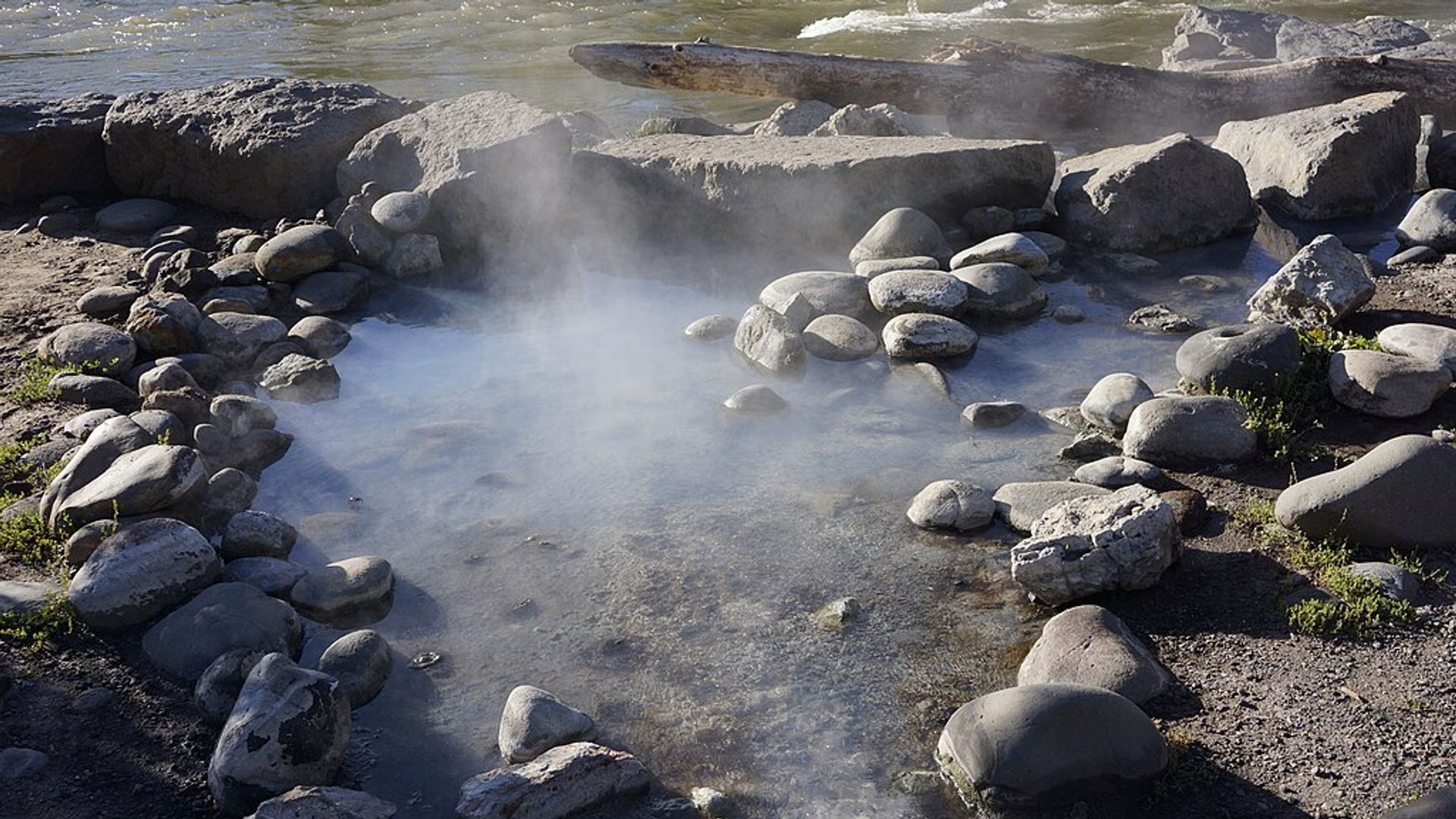
Discover the healing thermal springs of Peloponnese, from ancient bathhouses to modern spa retreats. Explore natural hot springs, therapeutic waters, and wellness destinations across Greece's legendary peninsula.
The Peloponnese peninsula holds some of Greece's most treasured secrets beneath its rugged landscape—thermal springs that have drawn healers, warriors, and wellness seekers for thousands of years. These geothermal waters, rich in minerals and steeped in mythology, continue to offer rejuvenation and relief to modern travelers exploring this historic region.
From coastal spa towns to mountain retreats, the thermal springs of Peloponnese provide a unique blend of natural therapy and cultural immersion that you won't find anywhere else in Greece.
The Ancient Tradition of Thermal Bathing in Peloponnese
The Greeks recognized the healing power of thermal waters long before modern science validated their therapeutic benefits. Ancient warriors would soak their battle-weary bodies in these mineral-rich springs, while priests prescribed thermal bathing as medical treatment for various ailments.
Archaeological evidence throughout Peloponnese reveals sophisticated bathhouse complexes built around natural springs, some dating back to the Classical period. The connection between thermal springs and healing sanctuaries, like the famous ancient healing center at Epidaurus, demonstrates how deeply embedded hydrotherapy was in Greek medical practice.
Top Thermal Springs Destinations in Peloponnese
Kaiafas Lake Thermal Springs
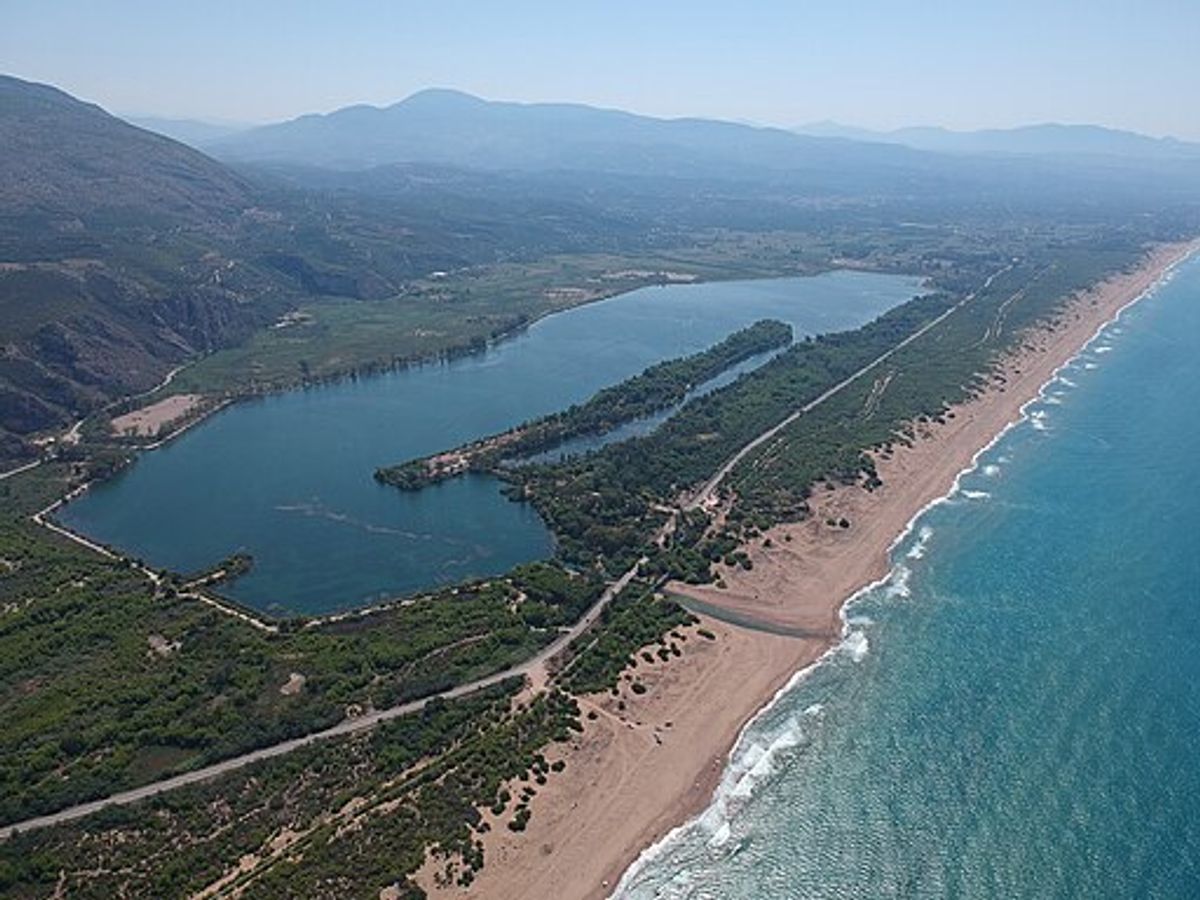
Nestled in a eucalyptus forest near ancient Olympia, Kaiafas Lake offers one of the most scenic thermal spring experiences in Greece. The natural hot springs emerge at temperatures reaching 32-34°C (90-93°F), creating a unique ecosystem where thermal waters meet freshwater lake.
The therapeutic properties of Kaiafas waters have been celebrated since antiquity, with high concentrations of sulfur, sodium, and calcium. Modern facilities now complement the natural springs, offering both traditional open-air bathing and contemporary spa treatments that harness these mineral-rich waters.
Key Features:
- Natural thermal lake surrounded by protected forest
- Traditional bathhouse dating to 1910
- Water temperature: 32-34°C year-round
- Therapeutic benefits for skin conditions and rheumatism
- Nearby archaeological sites including Ancient Olympia
Loutraki Thermal Baths (Northeastern Peloponnese)
Though technically just across the Corinth Canal, Loutraki represents the gateway to Peloponnese thermal experiences. This coastal town has built its reputation entirely on its exceptional thermal springs, which produce some of the most mineral-rich waters in the Mediterranean.
The springs here emerge at temperatures between 30-37°C (86-99°F), containing beneficial concentrations of radon, sodium, and magnesium. Modern hydrotherapy centers offer everything from traditional thermal baths to cutting-edge spa treatments, making Loutraki a premier wellness destination.
Treatment Specialties:
- Rheumatic and arthritic conditions
- Dermatological treatments
- Respiratory therapy
- Stress and fatigue recovery
- Post-surgical rehabilitation
Methana Peninsula Hot Springs
The volcanic Methana Peninsula juts into the Saronic Gulf like a geological anomaly, its geothermal activity creating numerous hot springs along its rugged coastline. This is perhaps the most dramatically situated thermal destination in Peloponnese, where springs bubble directly into the sea.
Methana's volcanic origins give its waters unique chemical compositions, particularly high in sulfur and trace minerals. The combination of seaside location, volcanic landscape, and therapeutic waters creates an otherworldly bathing experience that feels transported from ancient times.
Notable Springs:
- Pausanias Spring (named after the ancient geographer)
- Agios Nikolaos coastal thermal pool
- Vromolimni (sulfur lake)
- Multiple seaside thermal vents
- Historic bathhouses from various periods
Ypati Thermal Springs (Fthiotida Border)
While technically just north of the traditional Peloponnese boundary, Ypati deserves mention for travelers exploring the region's thermal offerings. The springs here have served as healing waters since the time of Hercules, according to local mythology.
The water emerges at an impressive 38°C (100°F), making these among the hottest natural springs in the region. The high mineral content, particularly sulfur and radon, makes Ypati waters especially effective for therapeutic treatments.
Health Benefits of Peloponnese Thermal Waters
Scientific research has validated what ancient Greeks knew intuitively—thermal spring bathing offers genuine therapeutic benefits. The mineral composition of Peloponnese springs varies by location, but common beneficial elements include sulfur, radon, calcium, magnesium, and sodium.
Regular thermal bathing has been shown to improve circulation, reduce inflammation, ease chronic pain, and promote skin health. The combination of heat, buoyancy, and mineral absorption creates a multi-faceted healing experience that modern medicine increasingly recognizes.
Documented Benefits:
- Relief from arthritis and rheumatic conditions
- Improved skin conditions (psoriasis, eczema, dermatitis)
- Enhanced respiratory function
- Stress reduction and improved sleep quality
- Accelerated recovery from injuries
- Improved cardiovascular circulation
- Detoxification through mineral absorption
Modern Spa Resorts and Wellness Centers
Peloponnese has embraced its thermal heritage by developing world-class wellness facilities that combine ancient bathing traditions with contemporary luxury. These resorts offer comprehensive programs that extend beyond simple bathing to include physiotherapy, massage, nutrition, and holistic wellness approaches.
The Euphoria Retreat near Mystras represents the pinnacle of this evolution, incorporating thermal elements into a comprehensive wellness philosophy. Other facilities throughout the region offer varying levels of services, from basic thermal pools to full medical spa programs.
Typical Spa Offerings:
- Thermal pool immersion therapy
- Hydrotherapy treatments
- Mud therapy using thermal spring sediments
- Massage and bodywork
- Inhalation therapy for respiratory conditions
- Drinking cures using mineral water
- Physiotherapy and rehabilitation programs
Planning Your Thermal Springs Visit
Timing your thermal springs experience can significantly impact your enjoyment and the therapeutic benefits you receive. While thermal springs operate year-round, certain seasons offer distinct advantages depending on your preferences and health goals.
Winter and early spring (November through April) represent peak season for serious therapeutic treatments, when the contrast between cool air and warm water feels most invigorating. Summer months attract more casual visitors who combine beach holidays with thermal bathing, while autumn offers a perfect balance of pleasant weather and fewer crowds.
Quick Facts:
- Best therapeutic season: November-April
- Most crowded period: July-August
- Ideal weather balance: May-June, September-October
- Average treatment duration: 2-3 weeks for therapeutic programs
- Typical daily bathing time: 20-30 minutes per session
- Water temperatures: 28-38°C depending on location
What to Bring and Expect
Preparing properly for your thermal springs experience ensures maximum comfort and benefit. Most facilities provide basic amenities, but bringing certain personal items enhances your experience and meets specific health needs.
Expect a more relaxed, therapeutic atmosphere than typical swimming pools or beaches. Many thermal facilities maintain quiet zones and encourage contemplative relaxation rather than active recreation.
Essential Items:
- Swimsuit (conservative styles preferred at traditional facilities)
- Flip-flops or water shoes
- Towel and robe (often provided but personal ones preferred)
- Reusable water bottle for hydration
- Waterproof bag for wet items
- Sunscreen for outdoor pools
- Personal toiletries
- Medical documentation if seeking therapeutic treatment
Combining Thermal Springs with Cultural Exploration
The beauty of Peloponnese thermal springs lies not just in the waters themselves, but in their integration with the region's rich cultural landscape. Many springs sit within easy reach of major archaeological sites, creating opportunities for holistic experiences that nourish both body and mind.
After soaking in the therapeutic waters of Kaiafas, you can explore ancient Olympia where athletes once prepared for the Games. The Methana Peninsula combines thermal bathing with traditional village life and coastal beauty, while Loutraki provides access to ancient Corinth and the dramatic fortress of Acrocorinth.
Nearby Cultural Sites:
- Ancient Olympia (near Kaiafas)
- Ancient Corinth and Acrocorinth (near Loutraki)
- Epidaurus Theater and Asclepieion (accessible from most locations)
- Mycenae and Tiryns (central Peloponnese)
- Medieval Mystras (southern region)
- Traditional mountain villages throughout the peninsula
Travel Tips for Thermal Springs Visitors
Navigating Peloponnese's thermal spring destinations requires some practical knowledge to maximize your experience. Most facilities operate on specific schedules, and understanding local customs ensures respectful and enjoyable visits.
Public thermal baths typically cost between €5-15 per session, while private spa resorts charge significantly more for comprehensive treatments. Some locations require advance booking, especially during peak seasons or for specialized therapeutic programs.
Practical Advice:
- Book therapeutic programs at least 2-3 weeks in advance
- Consult with on-site medical staff about your specific health needs
- Start with shorter bathing sessions (15-20 minutes) and gradually increase
- Drink plenty of water before and after thermal bathing
- Avoid thermal bathing immediately after heavy meals
- Respect quiet zones and local bathing customs
- Shower before entering thermal pools
- Don't expect English to be widely spoken at traditional facilities
Getting to Peloponnese Thermal Springs
Most thermal spring destinations in Peloponnese are accessible by car, with varying degrees of public transportation availability. Renting a car provides the greatest flexibility for exploring multiple springs and combining thermal visits with sightseeing.
From Athens, Loutraki is the most accessible destination at just 90 minutes by car or bus. Kaiafas requires a longer journey (approximately 4 hours from Athens), but can be combined with visits to ancient Olympia and the western Peloponnese coast.
Transportation Options:
- Private car rental (most flexible option)
- KTEL intercity buses (serve major thermal destinations)
- Organized tours from Athens or Nafplio
- Private transfers arranged through hotels
- Taxi services for shorter distances
- Combined tours visiting multiple sites
Discover our Peloponnese cultural tours that can incorporate thermal springs visits into comprehensive regional exploration.
Traditional vs. Modern Thermal Facilities
Peloponnese offers both ends of the thermal bathing spectrum—from rustic, traditional bathhouses that have operated for centuries to sleek, modern wellness resorts with every contemporary amenity. Each type of facility offers distinct advantages and appeals to different traveler preferences.
Traditional bathhouses provide authentic experiences steeped in local culture, where you might share facilities with Greek families who have visited for generations. These venues emphasize the communal, therapeutic aspects of thermal bathing over luxury or privacy.
Traditional Facilities:
- Lower costs (€5-10 per visit)
- Authentic local atmosphere
- Basic but functional amenities
- Often gender-separated bathing times
- Minimal English spoken
- Focus purely on thermal bathing
- Historic architecture and settings
Modern Spa Resorts:
- Comprehensive wellness programs
- Luxury amenities and private facilities
- English-speaking staff
- Additional treatments beyond thermal bathing
- Higher costs (€50-200+ per day)
- Appointment-based scheduling
- Contemporary comfort and design
Seasonal Considerations and Weather
While thermal springs themselves maintain consistent temperatures year-round, the surrounding environment and overall experience vary dramatically with seasons. Understanding these variations helps you choose the optimal time for your thermal springs journey.
Winter bathing creates magical experiences, especially when steam rises from warm pools into crisp mountain air. However, some outdoor facilities may close or reduce hours during the coldest months, and weather conditions in October and beyond require warmer clothing for transitions between pools and changing rooms.
Seasonal Highlights:
- Spring (March-May): Wildflowers, moderate temperatures, fewer crowds
- Summer (June-August): Combined beach and thermal experiences, busiest period
- Autumn (September-November): Perfect weather, harvest season, ideal for touring
- Winter (December-February): Most therapeutic, dramatic steam effects, quietest period
Local Cuisine and Thermal Springs Culture
The culture surrounding thermal springs in Peloponnese extends beyond the waters themselves to encompass local food traditions, social rituals, and regional hospitality. Many thermal destinations feature traditional tavernas where locals gather after bathing to share meals and conversation.
The therapeutic philosophy of thermal bathing often emphasizes nutrition as complementary to water treatments. You'll find restaurants near thermal facilities serving lighter, healthier fare alongside traditional Greek dishes, often featuring local ingredients from the surrounding region.
Regional Specialties Near Thermal Areas:
- Fresh fish and seafood (coastal thermal destinations)
- Mountain greens and herbs (inland springs)
- Local olive oil and olives
- Honey from thermal region flora
- Traditional bean soups (revithada, fasolada)
- Herbal teas using local medicinal plants
- Seasonal vegetables and salads
Explore Greek restaurants in nearby Nafplio for exceptional dining experiences that complement your wellness journey.
Medical Tourism and Therapeutic Programs
Peloponnese thermal springs increasingly attract international medical tourists seeking natural alternatives or complements to conventional treatments. Many facilities now offer structured therapeutic programs supervised by medical professionals, combining thermal bathing with physiotherapy, nutrition counseling, and lifestyle guidance.
These programs typically run 2-3 weeks, allowing sufficient time for the cumulative effects of daily thermal treatments to manifest. Conditions commonly addressed include chronic pain, arthritis, respiratory issues, skin disorders, and stress-related ailments.
Therapeutic Program Components:
- Initial medical consultation and health assessment
- Customized thermal bathing schedule
- Physiotherapy and movement therapy
- Nutritional guidance and meal planning
- Complementary treatments (massage, mud therapy, inhalation)
- Follow-up consultations and home care recommendations
- Progress monitoring and treatment adjustments
Sustainability and Conservation
The thermal springs of Peloponnese represent precious natural resources requiring careful stewardship to ensure their availability for future generations. Modern facilities increasingly implement sustainable practices that balance tourism development with environmental protection.
Responsible visitors can support these conservation efforts by choosing facilities that demonstrate environmental commitment, respecting natural areas around springs, and following guidelines that minimize ecological impact.
Sustainable Practices:
- Use biodegradable personal care products
- Conserve water in changing facilities
- Respect protected natural areas around springs
- Support facilities with environmental certifications
- Avoid disturbing natural spring formations
- Dispose of waste properly
- Choose accommodations with sustainability programs
Combining Thermal Springs with Adventure Activities
For active travelers, Peloponnese offers opportunities to balance thermal relaxation with outdoor adventures. The region's diverse landscape supports hiking, cycling, sea kayaking, and other activities that complement the restorative benefits of thermal bathing.
This combination creates ideal wellness experiences—exerting yourself through physical activity, then soothing muscles and joints in therapeutic thermal waters. Many visitors find this rhythm of activity and recovery deeply satisfying and beneficial.
Adventure + Thermal Combinations:
- Hiking Mount Taygetos, then bathing at nearby thermal springs
- Cycling coastal routes with thermal pool stops
- Sea kayaking around Methana Peninsula's thermal vents
- Mountain village exploration followed by evening thermal sessions
- Archaeological site touring with thermal recovery
- Rock climbing or canyoning with therapeutic bathing
Discover adventure opportunities throughout Peloponnese that can be paired with thermal springs experiences.
Photography and Thermal Springs Etiquette
While the misty, atmospheric environments around thermal springs create stunning photographic opportunities, visitors must balance their desire to capture memories with respect for other bathers' privacy and facility rules. Many traditional bathhouses prohibit photography entirely, while modern resorts designate specific areas where cameras are permitted.
Always ask permission before photographing, especially in public bathing areas where people may be in swimwear or seeking private relaxation. Focus on landscape and architectural elements rather than people when sharing images publicly.
Photography Guidelines:
- Always check facility photography policies
- Never photograph people without explicit permission
- Respect designated no-photography zones
- Focus on natural features and architecture
- Avoid flash photography in therapeutic areas
- Be mindful of others' privacy and comfort
- Share responsibly on social media
Lesser-Known Thermal Springs Worth Discovering
Beyond the major thermal destinations, Peloponnese hides numerous smaller springs known primarily to locals. These undeveloped or minimally developed sites offer authentic experiences for adventurous travelers willing to venture off the beaten path.
Some of these springs require hiking to access, while others sit in remote coastal locations or mountain villages. The trade-off for accessibility challenges is often complete solitude and connection with nature that commercial facilities cannot provide.
Hidden Thermal Gems:
- Small coastal thermal vents around Methana Peninsula
- Mountain springs near traditional villages in Arcadia
- Undeveloped springs along the Mani Peninsula
- Historic bathhouses in lesser-known towns
- Natural thermal pools in river gorges
- Seaside springs accessible only by boat or hiking
Accommodation Options Near Thermal Springs
Where you stay significantly impacts your thermal springs experience. Options range from luxury spa resorts with on-site thermal facilities to simple guesthouses in nearby villages, each offering different advantages for different traveler types.
Staying at thermal spa resorts provides ultimate convenience and comprehensive wellness programs, but at premium prices. Village accommodations offer authentic cultural experiences and lower costs, requiring short drives to thermal facilities.
Accommodation Types:
- Luxury thermal spa resorts (all-inclusive wellness)
- Boutique hotels near thermal facilities
- Traditional guesthouses in nearby villages
- Seaside hotels with thermal access
- Mountain retreats within driving distance
- Camping options near some thermal areas
- Apartment rentals for longer stays
The Science Behind Thermal Waters
Understanding the geological processes that create thermal springs enriches appreciation for these natural phenomena. Peloponnese's thermal waters result from complex interactions between the Earth's heat, groundwater, and mineral-rich rocks deep underground.
Water percolates through porous rock layers, descending to depths where geothermal heat warms it. The heated water, now less dense, rises back toward the surface, dissolving minerals from surrounding rocks along its journey. This process creates the therapeutic mineral cocktails that emerge at thermal springs.
Geological Factors:
- Tectonic activity creating heat and fractures
- Volcanic geology (especially Methana)
- Limestone formations allowing water circulation
- Fault lines providing pathways to surface
- Mineral-rich rock strata
- Geothermal gradients heating deep water
- Aquifer systems feeding thermal sources
Historical Thermal Bathing Practices
The ancient Greeks developed sophisticated bathing cultures around thermal springs, viewing them as gifts from the gods and essential components of health maintenance. Archaeological evidence reveals elaborate bathhouse complexes with heated rooms, cold plunges, and social spaces surrounding natural springs.
These ancient practices influence modern thermal bathing traditions in Peloponnese, where you can still experience bathing rituals that echo classical customs. Understanding this historical context adds depth to contemporary thermal experiences.
Ancient Bathing Traditions:
- Ritual purification before bathing
- Progressive temperature exposure (warm to hot to cold)
- Social bathing in communal pools
- Oil application and scraping (strigil use)
- Rest periods between bathing sessions
- Integration with athletic training
- Therapeutic prescriptions from physicians
- Votive offerings at sacred springs
Thermal Springs and Greek Mythology
Many Peloponnese thermal springs carry mythological associations, believed by ancient Greeks to possess divine origins or healing powers granted by gods. These stories add enchantment to thermal bathing experiences, connecting modern visitors with millennia of cultural tradition.
The springs at Methana were associated with volcanic activity attributed to Hephaestus, god of fire and forge. Other springs throughout Peloponnese were sacred to nymphs or connected to hero legends, creating rich narrative landscapes around natural features.
Mythological Connections:
- Springs sacred to healing deities
- Nymph-inhabited waters
- Hercules' bathing sites after labors
- Volcanic springs linked to Hephaestus
- Therapeutic waters blessed by Asclepius
- Springs marking divine appearances
- Waters with prophetic properties
Preparing for Your Thermal Springs Journey
Successful thermal springs experiences require some advance preparation beyond simple travel logistics. Understanding your health status, setting realistic expectations, and planning appropriate duration all contribute to maximizing therapeutic benefits and enjoyment.
Consult with healthcare providers before undertaking thermal treatments, especially if you have cardiovascular conditions, are pregnant, or take medications that might interact with heat exposure. Most reputable thermal facilities require health questionnaires and offer medical consultations.
Pre-Visit Preparation:
- Consult your doctor about thermal bathing suitability
- Research specific facilities and their specialties
- Book therapeutic programs well in advance
- Plan adequate duration (minimum 3-5 days for benefits)
- Arrange flexible schedules allowing rest between sessions
- Pack appropriate clothing and personal items
- Learn basic Greek phrases for traditional facilities
- Set realistic expectations for therapeutic outcomes
FAQ
What are the best thermal springs in Peloponnese for first-time visitors?
Kaiafas Lake near Olympia offers the most accessible and scenic introduction to Peloponnese thermal springs, combining natural beauty with modern facilities and proximity to major archaeological sites. Loutraki provides the most comprehensive spa facilities with English-speaking staff and easy access from Athens, making it ideal for visitors seeking comfort and convenience alongside thermal experiences.
How long should I stay to experience therapeutic benefits from thermal springs?
Minimum stays of 3-5 days allow you to experience noticeable relaxation and minor therapeutic effects, but serious therapeutic programs typically run 2-3 weeks with daily bathing sessions. The cumulative effects of regular thermal bathing manifest over time, with chronic conditions requiring extended treatment periods for significant improvement. Plan at least one week if seeking genuine therapeutic benefits rather than simple relaxation.
Are thermal springs safe for children and elderly visitors?
Most thermal springs welcome all ages, but specific precautions apply to very young children and elderly visitors with health conditions. Water temperatures above 34°C may be too intense for small children, who should limit bathing time and use cooler pools when available. Elderly visitors should consult facility medical staff about appropriate bathing duration and temperature, especially if they have cardiovascular conditions or take medications.
Can I visit thermal springs year-round in Peloponnese?
Yes, thermal springs operate throughout the year, with indoor facilities functioning regardless of weather conditions. Outdoor thermal pools and natural springs offer the most magical experiences during cooler months (November-April) when steam creates atmospheric effects, though summer visits allow combination with beach activities. Some smaller facilities reduce hours or close briefly for maintenance during winter, so verify operating schedules before visiting.
What should I wear to thermal springs facilities?
Standard swimwear is appropriate for most thermal facilities, with conservative one-piece suits or swim trunks preferred at traditional bathhouses. Some older facilities maintain gender-separated bathing times when minimal or no swimwear is worn, following traditional customs. Bring flip-flops or water shoes for walking between pools and changing areas, plus a robe or cover-up for comfort during rest periods between bathing sessions.
Do I need to speak Greek to visit thermal springs in Peloponnese?
Modern spa resorts typically employ English-speaking staff, making communication easy for international visitors. Traditional public bathhouses may have limited English availability, but basic gestures and simple phrases suffice for most interactions. Learning a few key Greek phrases enhances your experience and shows respect for local culture, though thermal bathing itself requires minimal verbal communication.
How much does it cost to visit thermal springs in Peloponnese?
Public thermal baths charge €5-15 per session, offering affordable access to therapeutic waters with basic facilities. Private spa resorts range from €50-200+ per day depending on treatments included, with comprehensive therapeutic programs costing €500-2000+ per week. Many facilities offer multi-day packages providing better value than single sessions, especially for extended therapeutic stays.
Can thermal springs help with specific health conditions?
Thermal springs demonstrate documented effectiveness for rheumatic conditions, arthritis, certain skin disorders, respiratory issues, and stress-related ailments. The combination of heat, mineral absorption, and buoyancy provides therapeutic benefits that complement conventional medical treatments. However, thermal bathing should not replace professional medical care—consult healthcare providers about integrating thermal therapy into comprehensive treatment plans for specific conditions.
Conclusion: Embracing Peloponnese's Thermal Heritage
The thermal springs of Peloponnese offer far more than simple relaxation—they provide gateways to ancient healing traditions, connections with Greece's geological wonders, and opportunities for genuine therapeutic benefit. Whether you seek relief from chronic pain, stress reduction, or simply wish to experience a uniquely Greek wellness tradition, these mineral-rich waters deliver transformative experiences.
Combining thermal springs visits with exploration of Peloponnese's rich cultural landscape creates journeys that nourish body, mind, and spirit. From soaking in volcanic springs overlooking the Saronic Gulf to bathing in forest-surrounded thermal lakes near ancient Olympia, each thermal destination offers distinct character and benefits.
Explore our comprehensive Peloponnese tours that can incorporate thermal springs experiences into unforgettable cultural journeys through this legendary region.