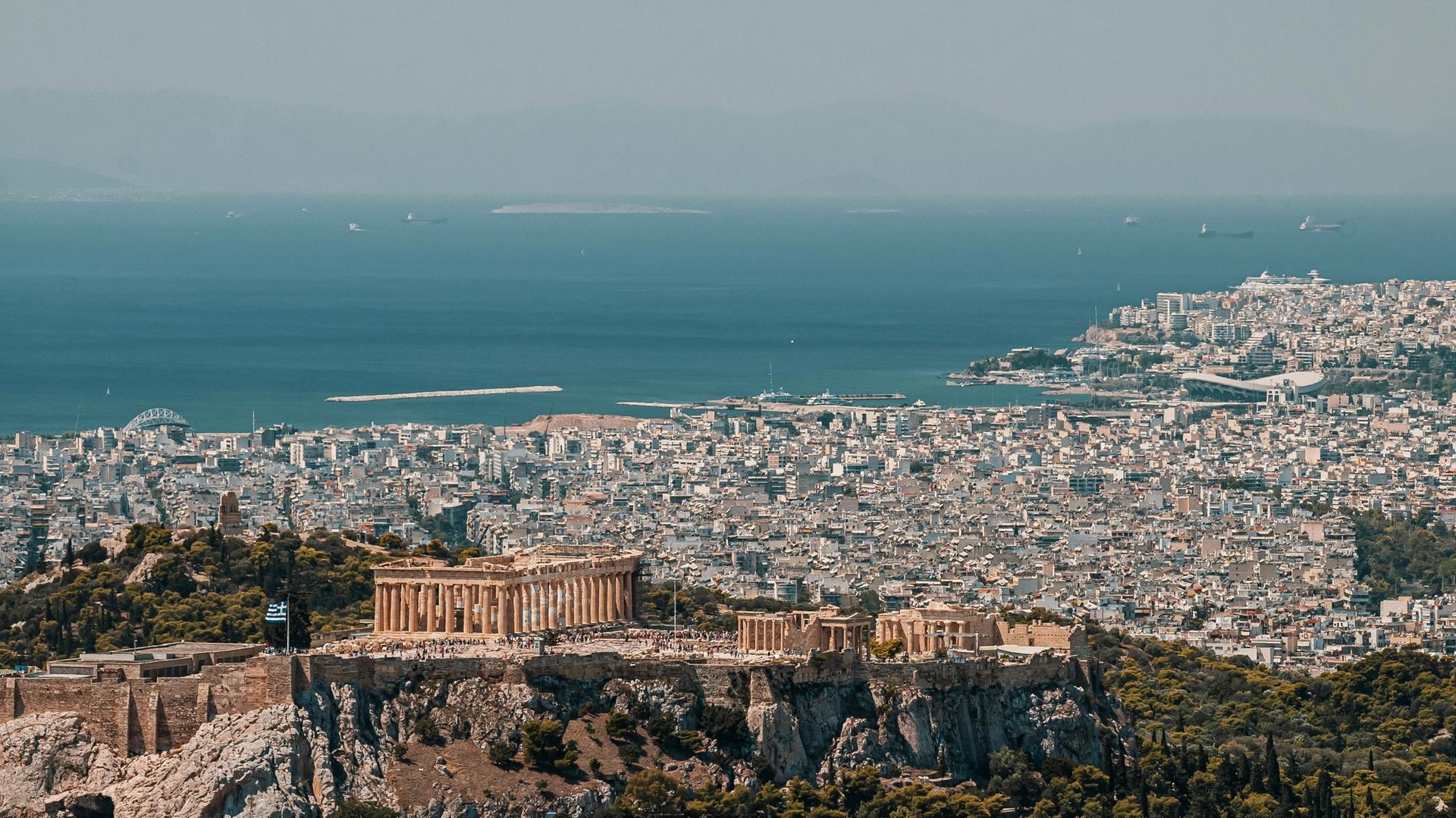
Discover the best things to do in Athens, from exploring ancient wonders like the Acropolis to savoring authentic Greek cuisine in vibrant neighborhoods. This comprehensive guide covers top attractions, hidden gems, and insider tips for an unforgettable Athens experience.
Your Gateway to Ancient Wonders and Modern Delights
Athens stands as a living museum where millennia of history collide with contemporary European culture, creating an intoxicating blend that captivates every visitor. The Greek capital offers an extraordinary range of experiences, from wandering through ruins that shaped Western civilization to sipping coffee in trendy cafés where locals debate philosophy just as their ancestors did.
Whether you're a history enthusiast, foodie, culture seeker, or adventure traveler, Athens delivers unforgettable moments at every turn. The city's compact center makes it incredibly walkable, allowing you to transition seamlessly from ancient temples to bustling markets within minutes.
Quick Facts About Athens
Essential Information:
- Best Time to Visit: April-June and September-October for pleasant weather
- Average Stay: 3-4 days to cover major attractions
- Getting Around: Metro, walking, and taxis are most convenient
- Language: Greek, but English widely spoken in tourist areas
- Currency: Euro (€)
- Time Zone: Eastern European Time (EET, UTC+2)
Explore the Acropolis and Ancient Monuments
The Acropolis towers over Athens as the ultimate symbol of classical Greece, and no visit to the city is complete without ascending this sacred rock. The Parthenon, dedicated to goddess Athena, remains one of the most influential buildings in architectural history, its perfect proportions inspiring structures worldwide.
Arrive early in the morning or late afternoon to avoid crowds and harsh midday sun that can make the marble surfaces blindingly bright. The Acropolis Museum at the base of the hill provides essential context with its stunning collection of original sculptures and artifacts.
Must-See Ancient Sites:
- The Parthenon: The iconic temple crowning the Acropolis
- Erechtheion: Famous for its elegant Caryatid porch with maiden columns
- Temple of Athena Nike: Compact but perfectly preserved temple
- Ancient Agora: The heart of ancient Athenian democracy and commerce
- Roman Agora: Later marketplace with the Tower of the Winds
- Hadrian's Arch: Monumental gateway marking old and new Athens
- Temple of Olympian Zeus: Once the largest temple in Greece
The Ancient Agora deserves several hours of exploration, as this sprawling site served as the political, commercial, and social hub of classical Athens. The reconstructed Stoa of Attalos now houses an excellent museum displaying artifacts from daily life in ancient times.
Wander Through Historic Neighborhoods
Plaka, the oldest continuously inhabited neighborhood in Athens, unfolds like a labyrinth of narrow streets beneath the Acropolis's northern slopes. Neoclassical houses with colorful shutters, Byzantine churches, and family-run tavernas create an atmosphere that feels worlds away from the modern city.
Anafiotika, hidden within Plaka, transports you to a Greek island village with its whitewashed houses and bougainvillea-draped staircases. This tiny enclave was built by craftsmen from Anafi island in the 19th century, who recreated their island home in the shadow of ancient ruins.
Neighborhoods Worth Exploring:
- Plaka: The charming old town with tavernas and souvenir shops
- Monastiraki: Vibrant flea market area with eclectic shopping
- Psyrri: Trendy district filled with bars, clubs, and street art
- Koukaki: Residential area with authentic local atmosphere
- Kolonaki: Upscale neighborhood for designer shopping and cafés
- Exarchia: Alternative, bohemian quarter popular with students and artists
The Monastiraki Flea Market operates daily but reaches peak energy on Sundays when vendors spread their wares across surrounding streets. You'll find everything from antique coins and vintage cameras to handmade jewelry and traditional Greek products.
Discover World-Class Museums
The National Archaeological Museum houses the world's finest collection of Greek antiquities, spanning from prehistoric times through late antiquity. The golden Mask of Agamemnon, discovered at Mycenae, represents just one of countless treasures that tell the story of Greek civilization.
Allow at least half a day to properly appreciate the museum's extensive galleries, which include stunning bronze sculptures, intricate pottery, and the mysterious Antikythera Mechanism. The Acropolis Museum's modern architecture creates a stunning dialogue between ancient artifacts and contemporary design, with glass floors revealing archaeological excavations below.
Top Museums to Visit:
- National Archaeological Museum: Comprehensive ancient Greek collection
- Acropolis Museum: Dedicated to Parthenon sculptures and findings
- Benaki Museum: Greek culture from prehistory to modern times
- Museum of Cycladic Art: Minimalist ancient island sculptures
- Byzantine and Christian Museum: Religious art and icons
- National Gallery: Greek and European paintings
Many museums offer reduced admission on certain days, and several are free on the first Sunday of each month from November through March. The Museum of Cycladic Art's elegant white marble figurines from 3000 BCE influenced modern artists like Picasso and Modigliani with their abstract forms.
Experience Authentic Greek Cuisine
Athens offers an extraordinary culinary journey from humble souvlaki stands to sophisticated restaurants reimagining traditional recipes. The central food market at Varvakios Agora pulses with energy as vendors hawk fresh fish, mountains of olives, and every ingredient imaginable.
Traditional tavernas in neighborhoods like Koukaki serve time-honored dishes prepared from family recipes passed down through generations. Don't miss trying moussaka, slow-cooked lamb, fresh grilled octopus, and the creamy tzatziki that accompanies nearly every meal.
Essential Foods to Try:
- Souvlaki and gyros from street vendors
- Moussaka with layers of eggplant and béchamel
- Fresh Greek salad with Kalamata olives and feta
- Spanakopita (spinach pie) and other savory pastries
- Grilled octopus with lemon and olive oil
- Saganaki (fried cheese) flambéed tableside
- Baklava and galaktoboureko for dessert
- Greek coffee or frappé to finish
The tradition of meze—small shared plates—encourages social dining that can stretch for hours. Pair your meal with local wine or ouzo, the anise-flavored spirit that turns milky white when mixed with water, and you'll understand why Greeks consider dining a sacred ritual rather than mere sustenance.
For a deeper dive into Greek beverages, explore our guide to Greek liquor and discover traditional spirits beyond ouzo.
Climb Lycabettus Hill for Panoramic Views
Lycabettus Hill rises 277 meters above the city, offering the most spectacular panoramic views of Athens and beyond. The summit provides a 360-degree perspective encompassing the Acropolis, Saronic Gulf, and mountains ringing the Attica basin.
You can hike the winding path through pine forests in about 30-45 minutes, or take the funicular railway that tunnels through the hill's interior. Sunset draws crowds to the hilltop chapel of St. George, where the city's white buildings glow golden before lights begin twinkling across the urban landscape.
What You'll Find at the Summit:
- Chapel of St. George with beautiful views
- Outdoor café and restaurant
- Open-air theater hosting summer concerts
- Perfect photo opportunities in all directions
- Peaceful escape from city noise below
Watch the Changing of the Guard
The Evzones, Greece's elite presidential guards, perform their distinctive ceremonial march at Syntagma Square every hour. These soldiers, dressed in traditional fustanella kilts and pompom shoes, execute synchronized movements with balletic precision.
The elaborate Sunday morning ceremony at 11:00 AM features the full guard unit with a military band, creating an impressive spectacle. Each element of the Evzone uniform carries symbolic meaning, from the 400 pleats in the fustanella representing years of Ottoman occupation to the tsarouchi shoes' metal-tipped toes.
Viewing Tips:
- Arrive 15 minutes early for a good viewing position
- Sunday 11:00 AM ceremony is most elaborate
- Hourly changes occur 24/7 year-round
- Respectful silence during ceremony is appreciated
- Photos allowed but don't approach guards on duty
Enjoy Athens Riviera Beaches
The Athens Riviera stretches along the Saronic Gulf coast, offering sandy beaches and crystal-clear waters just 30-45 minutes from the city center. This coastal escape provides welcome relief from summer heat and urban exploration.
Glyfada, Vouliagmeni, and Varkiza feature organized beaches with sunbeds, water sports, and beachfront restaurants serving fresh seafood. Lake Vouliagmeni, a natural thermal spa where warm mineral water bubbles up through underground caves, offers a unique swimming experience year-round.
Popular Beach Areas:
- Glyfada: Cosmopolitan beach with shopping and nightlife
- Vouliagmeni: Upscale area with thermal lake
- Varkiza: Long sandy beach with water sports
- Kavouri: Family-friendly with shallow waters
- Astir Beach: Premium beach club experience
The coastal tram connects central Athens to the southern beaches, making car-free beach days entirely feasible. Many beaches remain swimmable from May through October, with August bringing the warmest water temperatures.
Explore Day Trip Destinations
Athens serves as an ideal base for exploring significant archaeological sites and scenic destinations throughout the surrounding region. The Temple of Poseidon at Cape Sounion, perched on cliffs above the Aegean Sea, makes a spectacular sunset excursion.
Delphi, once considered the center of the ancient world, sits about 2.5 hours northwest and rewards visitors with both archaeological wonders and mountain scenery. The ancient theater at Epidaurus showcases acoustics so perfect that a whisper on stage reaches the back row, and still hosts performances during the summer Epidaurus Festival.
Top Day Trips from Athens:
- Cape Sounion and Temple of Poseidon (70 km)
- Delphi archaeological site (180 km)
- Ancient Corinth and Acrocorinth fortress (80 km)
- Mycenae and Epidaurus (140 km)
- Nafplio, Greece's first capital (140 km)
- Hydra island by ferry (2 hours)
Consider joining organized tours that handle transportation and provide expert guides to enrich your understanding of these sites. Book a comprehensive tour combining Mycenae and Epidaurus for an unforgettable journey through Bronze Age palaces and classical theaters.
The Peloponnese peninsula offers countless attractions beyond Athens, from the ancient ruins of Sparta to charming coastal towns. You might even discover unexpected gems like Geraki Castle during your explorations.
Shop for Unique Souvenirs
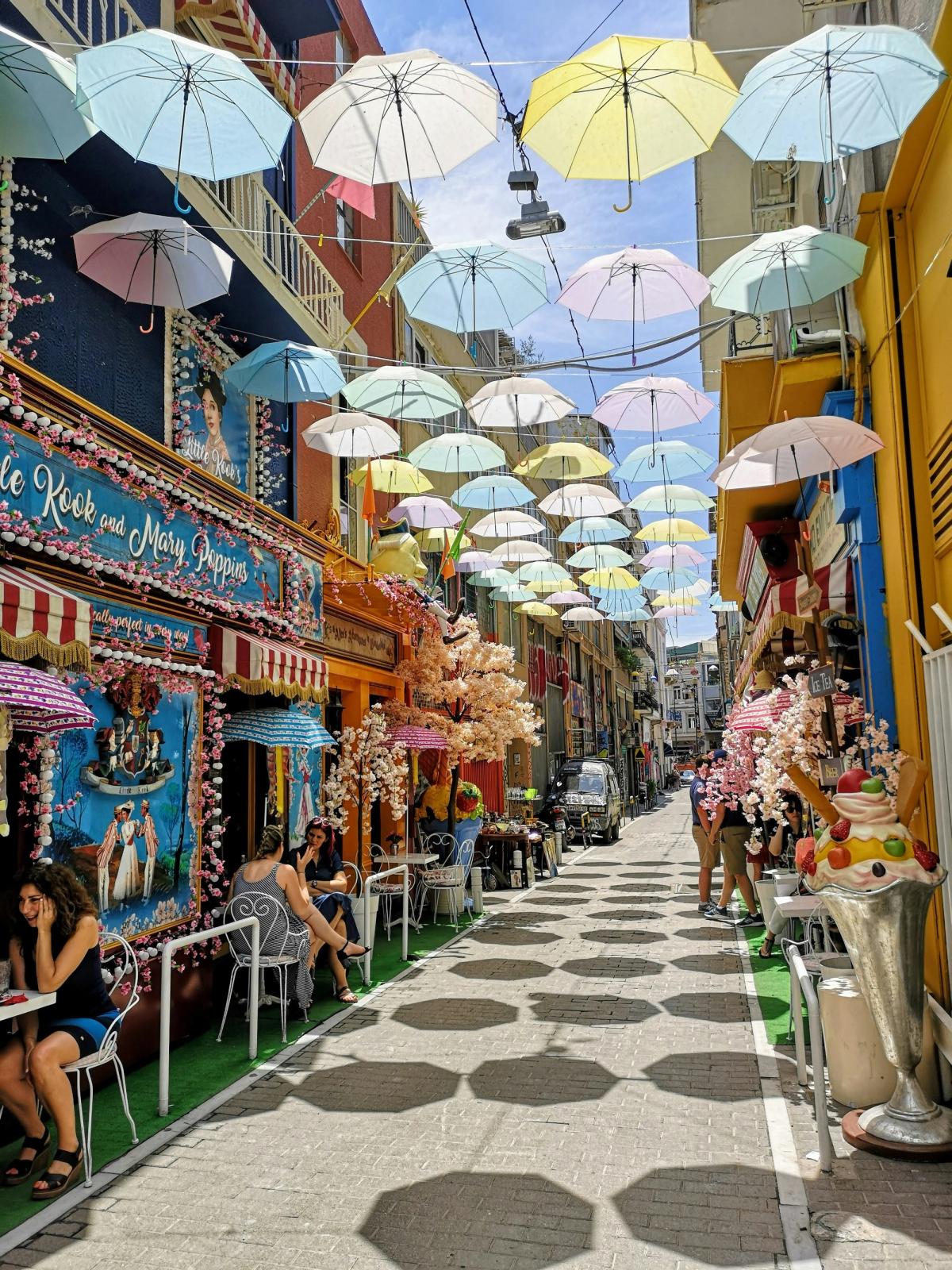
Athens shopping ranges from bustling street markets to elegant boutiques selling Greek designer goods. The Monastiraki Flea Market offers the most eclectic shopping experience, where you can haggle over antiques, leather goods, and handmade jewelry.
Ermou Street, the main shopping thoroughfare, features international brands alongside Greek retailers. For authentic local products, seek out shops selling olive oil, honey, herbs, natural sponges, and traditional textiles.
Best Souvenirs to Bring Home:
- Extra virgin olive oil from family producers
- Greek honey, especially thyme or pine varieties
- Handmade leather sandals crafted to measure
- Evil eye (mati) jewelry and decorative items
- Natural sea sponges from Greek waters
- Worry beads (komboloi) in amber or semi-precious stones
- Traditional Greek coffee and briki pot
- Mastiha liqueur or products from Chios
The Sunday morning flea market in Monastiraki expands significantly, with vendors displaying vintage treasures, antique coins, Byzantine icons, and curiosities. Always check customs regulations regarding antiques before purchasing items that appear genuinely old.
Experience Athens Nightlife
Athens comes alive after dark with a nightlife scene that rivals any European capital. Greeks dine late, often not sitting down for dinner until 10:00 PM, and the evening extends into early morning hours.
Psyrri and Gazi neighborhoods pulse with bars, clubs, and live music venues offering everything from traditional rebetiko to electronic dance music. Rooftop bars provide glamorous settings for cocktails with Acropolis views illuminated against the night sky.
Nightlife Highlights:
- Rooftop bars with Acropolis views
- Traditional tavernas with live Greek music
- Rebetiko clubs for authentic folk songs
- Dance clubs in Gazi staying open until dawn
- Jazz and blues venues in Exarchia
- Beach clubs along the Riviera in summer
Summer brings Athens residents to open-air cinema gardens screening both Greek and international films. The tradition of watching movies under the stars with the Acropolis as backdrop creates magical evenings unique to Athens.
Visit Traditional Markets
The Central Market (Varvakios Agora) offers an authentic slice of Athenian life where locals shop for fresh produce, meat, and seafood. The meat market occupies a grand 19th-century building where whole lambs hang from hooks and butchers expertly carve orders.
Surrounding streets host fruit and vegetable vendors creating colorful displays of seasonal produce. Small tavernas within the market serve workers and early risers traditional dishes like patsas (tripe soup) and grilled meats.
Markets Worth Visiting:
- Varvakios Agora: Central food market for meat, fish, produce
- Monastiraki Flea Market: Antiques, clothing, souvenirs daily
- Avissinias Square: Antique furniture and collectibles
- Kallidromiou Street Market: Saturday farmers market in Exarchia
- Kypseli Municipal Market: Renovated neighborhood market hall
Markets typically operate early morning through early afternoon, with the liveliest atmosphere between 9:00 AM and noon. Bring cash, as many vendors don't accept cards, and don't hesitate to sample offered tastes.
Discover Street Art and Urban Culture
Athens has evolved into a major street art destination, with entire neighborhoods transformed into open-air galleries. Psyrri, Metaxourgeio, and Exarchia showcase works by international artists alongside Greek talents.
The economic crisis paradoxically sparked creative expression, as abandoned buildings became canvases for political commentary, whimsical characters, and stunning murals. Organized street art tours reveal hidden masterpieces and explain the social context behind the art.
Street Art Hotspots:
- Psyrri: Dense concentration of murals and installations
- Metaxourgeio: Edgy neighborhood with large-scale works
- Exarchia: Political art and anarchist aesthetics
- Gazi: Former industrial area now cultural hub
- Kerameikos: Ancient cemetery area with modern interventions
The alternative culture scene extends beyond visual art to include independent bookstores, record shops, and experimental performance spaces. This creative energy provides fascinating contrast to the ancient monuments, showing Athens as a living, evolving city rather than a static museum.
Relax in Urban Parks and Gardens
The National Garden, a green oasis in the heart of Athens, offers shaded paths, duck ponds, and ancient ruins scattered among the vegetation. Created for Queen Amalia in the 1840s, these 15.5 hectares provide peaceful retreat from urban intensity.
Zappeion Hall's neoclassical elegance anchors the southern end of the garden, while the adjacent Panathenaic Stadium—the only stadium in the world built entirely of marble—hosted the first modern Olympics. The garden's café makes a pleasant stop for refreshments surrounded by greenery.
Green Spaces to Explore:
- National Garden: Central park with botanical variety
- Filopappou Hill: Archaeological park with monuments and views
- Pedion tou Areos: Large park popular with local families
- Stavros Niarchos Park: Modern waterfront park with activities
- Plaka Gardens: Small neighborhood parks beneath the Acropolis
Attend Cultural Performances
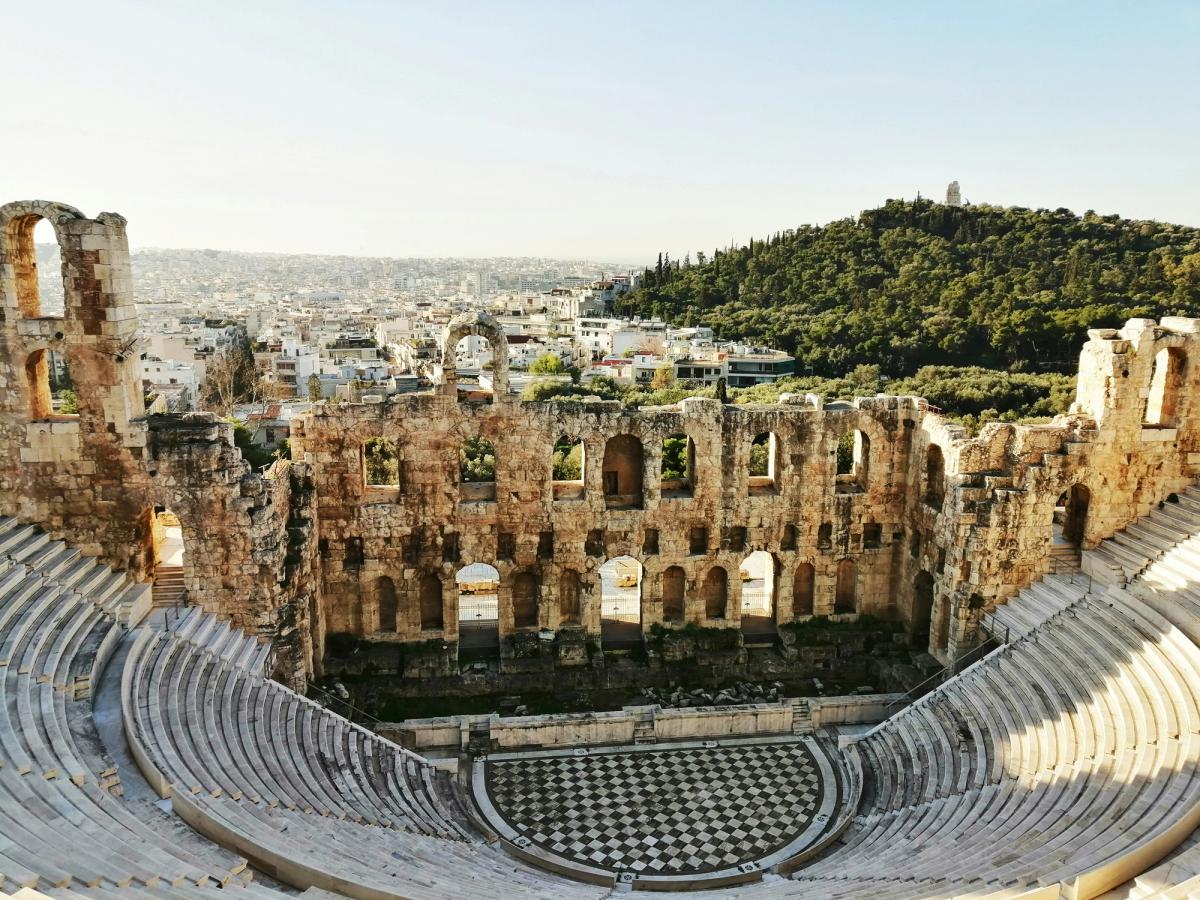
The Athens and Epidaurus Festival brings world-class performances to ancient venues each summer from June through August. Watching Greek tragedy performed in the Odeon of Herodes Atticus, a Roman theater on the Acropolis's southern slope, creates unforgettable cultural experiences.
The festival also includes contemporary dance, classical music, and modern theater at venues throughout the city. The ancient theater at Epidaurus hosts weekend performances that draw audiences willing to travel for the perfect acoustics and magical setting.
Performance Venues:
- Odeon of Herodes Atticus: Ancient theater on Acropolis
- Epidaurus Ancient Theater: Perfect acoustics, weekend shows
- Stavros Niarchos Foundation Cultural Center: Modern opera and ballet
- Megaron Athens Concert Hall: Classical music and jazz
- Technopolis: Industrial complex hosting festivals and concerts
Book tickets well in advance for popular performances, especially those in ancient theaters. Bring a cushion for stone seats and a light jacket, as evenings can cool even in summer.
Understanding Greek Architecture
Athens serves as a living textbook of Greek architecture spanning from ancient temples to neoclassical mansions and modernist buildings. The three classical orders—Doric, Ionic, and Corinthian—all appear in the city's ancient structures.
The 19th-century neoclassical revival created elegant buildings housing museums, universities, and government offices. This architectural heritage helps visitors understand why Greece's influence on Western building design remains so profound.
Architectural Highlights:
- Parthenon: Pinnacle of Doric order perfection
- Erechtheion: Elegant Ionic columns and Caryatids
- Tower of the Winds: Octagonal Roman-era structure
- Academy of Athens: Neoclassical masterpiece
- Zappeion Hall: Exhibition space with beautiful gardens
The distinctive blue and white colors synonymous with Greece appear throughout Athens, though the tradition is stronger on the islands. Understanding these Greek colors adds depth to your visual appreciation of the city.
Travel Tips for Visiting Athens
Getting Around Athens:
- Metro system is efficient, clean, and affordable
- Walking is best for central neighborhoods
- Taxis are reasonably priced but insist on meter
- Combo tickets cover multiple archaeological sites
- Download offline maps for navigation
- Wear comfortable shoes for cobblestone streets
Money and Practical Matters:
- ATMs widely available, credit cards accepted most places
- Tipping 5-10% appreciated but not mandatory
- Siesta time means shops close 2:00-5:00 PM
- Pharmacies rotate 24-hour emergency service
- Tap water safe to drink throughout city
- Learn basic Greek phrases for courtesy
Safety and Etiquette:
- Athens is generally safe but watch for pickpockets in crowds
- Dress modestly when visiting churches and monasteries
- Photography allowed at most sites except museums
- Respect barriers at archaeological sites
- Greeks appreciate attempts to speak their language
- Dining is social—don't rush through meals
Best Times to Visit:
- Spring (April-June) offers perfect weather and blooming flowers
- Fall (September-October) brings fewer crowds and pleasant temperatures
- Summer (July-August) is hot but lively with festivals
- Winter (November-March) sees rain but also lowest prices
- Shoulder seasons provide best value and comfort
For specific seasonal planning, check our guide to Greece weather in October if you're considering autumn travel.
Planning Your Athens Itinerary
Three-Day Athens Itinerary:
Day 1: Ancient Athens
- Morning: Acropolis and Parthenon
- Afternoon: Acropolis Museum
- Evening: Dinner in Plaka with Acropolis views
Day 2: Museums and Markets
- Morning: National Archaeological Museum
- Afternoon: Central Market and Monastiraki shopping
- Evening: Sunset at Lycabettus Hill
Day 3: Neighborhoods and Culture
- Morning: Wander Anafiotika and Ancient Agora
- Afternoon: Street art tour in Psyrri
- Evening: Traditional taverna with live music
Extended Itinerary Options:
- Add day trip to Cape Sounion
- Visit Delphi or Epidaurus
- Explore Athens Riviera beaches
- Take cooking class or food tour
- Visit additional museums and galleries
The beauty of Athens lies in its flexibility—you can pack days with structured sightseeing or simply wander and discover. Many visitors find the unplanned moments, like stumbling upon a neighborhood festival or striking up conversation with a taverna owner, become their most treasured memories.
Beyond Athens: Exploring the Peloponnese
While Athens deserves several days of exploration, the nearby Peloponnese peninsula offers extraordinary attractions within easy reach. The charming town of Nafplio, Greece's first modern capital, combines Venetian fortresses, neoclassical architecture, and seaside promenades.
Ancient sites like Mycenae, Epidaurus, and Olympia provide context for the artifacts you've seen in Athens museums. The region's diverse landscapes range from mountain villages to coastal retreats, including wellness destinations like the Euphoria Retreat.
Peloponnese Highlights:
- Nafplio's romantic old town and fortresses
- Mycenae's Bronze Age palace and tombs
- Epidaurus theater with perfect acoustics
- Ancient Olympia birthplace of Olympic Games
- Byzantine Mystras on mountain slopes
- Monemvasia's medieval castle town
Consider basing yourself in Nafplio for a few days to explore the region properly. Book a Sparta and Mystras tour to discover the legendary warrior city and its Byzantine successor.
The Peloponnese also offers insights into broader Greek culture, from monasteries perched on cliffsides to traditional mountain villages preserving ancient customs. This region complements Athens perfectly, showing Greece's diversity beyond the capital.
Frequently Asked Questions
How many days do you need in Athens?
Three to four days allows you to see major attractions without rushing, though you could easily spend a week exploring museums, neighborhoods, and taking day trips. First-time visitors should allocate at least three full days to cover the Acropolis, major archaeological sites, and experience the city's neighborhoods and cuisine. If you plan day trips to places like Delphi or Cape Sounion, add extra days accordingly.
What is the best time of year to visit Athens?
Spring (April through June) and fall (September through October) offer ideal weather with temperatures in the 20s Celsius, fewer crowds, and lower prices than peak summer. These shoulder seasons provide comfortable conditions for exploring archaeological sites without the intense heat and tourist masses of July-August. Winter can be rainy and some island ferries reduce schedules, but you'll find excellent hotel deals and authentic local atmosphere.
Is Athens safe for tourists?
Athens is generally very safe for tourists, with violent crime extremely rare, though pickpocketing occurs in crowded areas like Monastiraki, the metro, and major tourist sites. Stay aware of your surroundings, keep valuables secure, and avoid deserted areas late at night, particularly around Omonia Square. The vast majority of visitors experience no safety issues beyond minor scams or overcharging by occasional unscrupulous taxi drivers.
What should I wear when visiting Athens?
Wear comfortable walking shoes with good support as you'll cover significant distances on uneven ancient stones and cobblestones. Dress modestly when visiting churches and monasteries (covered shoulders and knees), bring sun protection including hat and sunglasses for archaeological sites, and layer clothing as temperatures vary between sun and shade. Summer requires light, breathable fabrics, while spring and fall need a light jacket for evenings.
How do I get from Athens airport to the city center?
The Metro Line 3 (blue line) connects the airport to central Athens in about 40 minutes for €9, running approximately every 30 minutes from early morning to midnight. Express buses operate 24/7 to various city locations for €5.50, while taxis cost around €38-50 depending on time of day and traffic, with the journey taking 30-60 minutes. Pre-booked private transfers offer convenience for groups or those with significant luggage.
Can I drink tap water in Athens?
Yes, tap water in Athens is completely safe to drink and meets EU standards, though some visitors find the taste slightly chlorinated. Many locals and restaurants serve bottled water by preference, but you can safely fill reusable bottles from taps to stay hydrated while sightseeing. The water quality is monitored regularly and poses no health risks.
What are the must-try foods in Athens?
Don't miss souvlaki and gyros from street vendors, traditional moussaka, fresh Greek salad with quality feta, grilled octopus, spanakopita, saganaki cheese, and desserts like baklava or galaktoboureko. Experience the meze tradition of small shared plates at tavernas, try Greek coffee or frappé, and sample local wines or ouzo. Visit the Central Market to see ingredients and eat at workers' tavernas for authentic, inexpensive meals.
Do I need to buy tickets in advance for Athens attractions?
Advance tickets are recommended for the Acropolis and Acropolis Museum during peak season (June-August) to avoid long queues, especially midday. Most other archaeological sites and museums allow walk-up purchases with minimal wait, though the National Archaeological Museum can get busy. Consider purchasing the combined ticket (€30) covering the Acropolis and six other major sites, valid for five days, which saves money and time.
Final Thoughts on Experiencing Athens
Athens rewards visitors who look beyond the obvious tourist sites to discover layers of history, culture, and contemporary life woven throughout the city. The ancient monuments that draw millions annually represent just one dimension of this complex, vibrant metropolis.
Take time to experience Athens as locals do—lingering over coffee, exploring neighborhood markets, striking up conversations, and embracing the slower Mediterranean pace. The city's greatest treasures often reveal themselves in unexpected moments: a perfect sunset view discovered while lost in winding streets, a family taverna where the owner insists you try his mother's recipe, or a quiet moment alone in an ancient temple contemplating the continuity of human civilization.
Whether you spend three days or three weeks in Athens, you'll leave with a deeper appreciation for the birthplace of Western civilization and the enduring Greek spirit that continues to inspire the world. The city's ability to honor its extraordinary past while embracing the present creates an atmosphere unlike anywhere else on earth, making Athens an essential destination for any traveler seeking to understand the roots of European culture.
For those inspired to explore beyond Athens, the entire Greek mainland offers incredible experiences, from historical sites near Porto Heli to charming coastal towns like Gytheio. Greece's diversity ensures that every visit brings new discoveries and lasting memories.