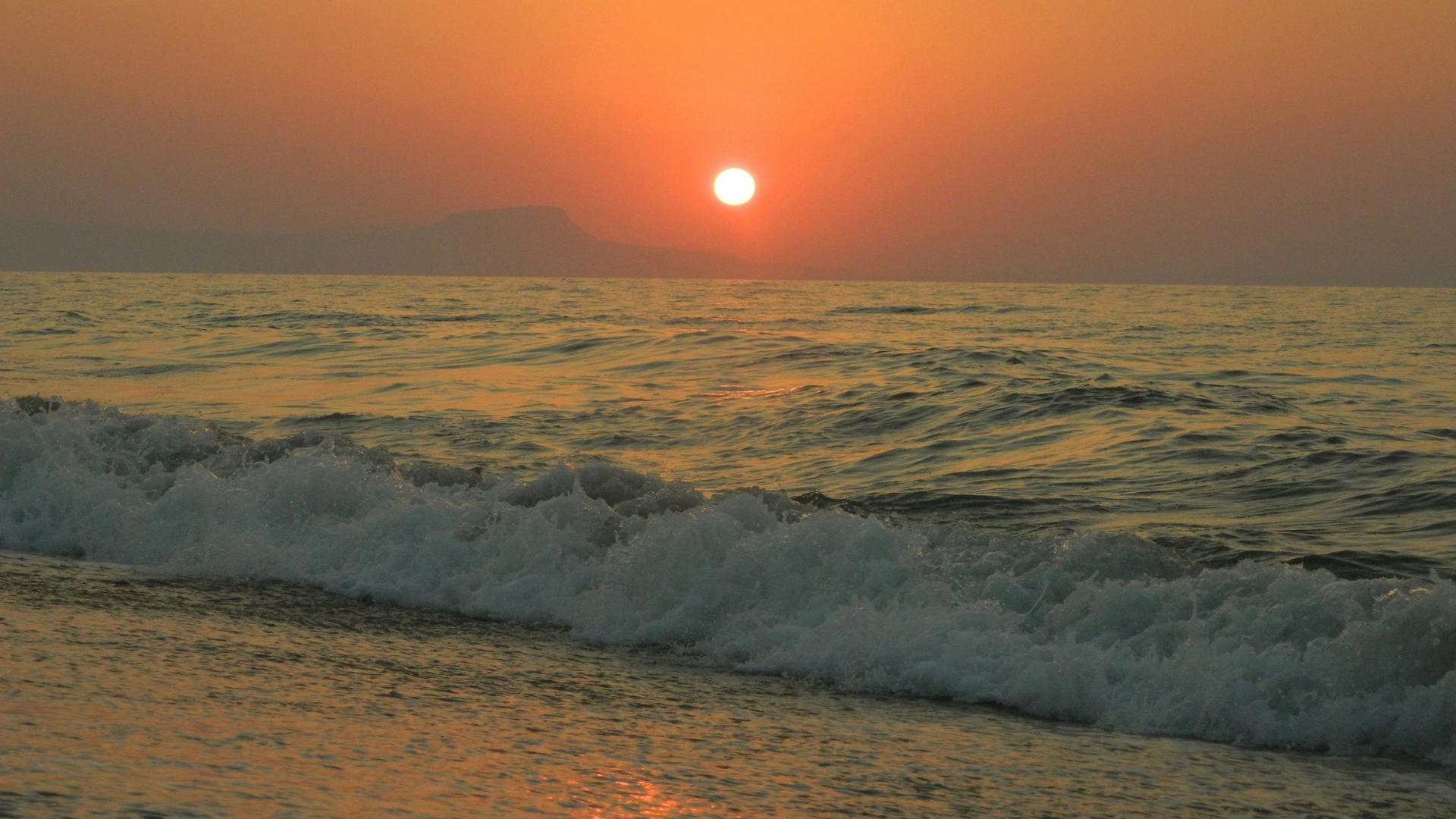
Discover the best things to do in Greece, from ancient ruins and island hopping to culinary adventures and hidden gems. Your complete guide to experiencing authentic Greek culture, history, and natural beauty.
Greece beckons travelers with its intoxicating blend of ancient history, sun-drenched islands, and warm Mediterranean hospitality. Whether you're drawn to the philosophical ruins of Athens, the whitewashed villages of the Cyclades, or the rugged beauty of the Peloponnese, this timeless destination offers experiences that will stay with you forever.
From exploring archaeological wonders that shaped Western civilization to savoring fresh seafood by the Aegean Sea, Greece delivers moments of pure magic at every turn. This comprehensive guide reveals the essential experiences, hidden treasures, and authentic adventures that make Greece one of the world's most captivating destinations.
Explore Ancient Archaeological Wonders
Greece's archaeological sites transport you back thousands of years to the birthplace of democracy, philosophy, and theater. These UNESCO World Heritage sites aren't just ruins—they're living testaments to human achievement that continue to inspire visitors from around the globe.
The Acropolis in Athens stands as the crown jewel of classical civilization, where the Parthenon's marble columns have watched over the city for 2,500 years. Walking through the Propylaea gateway as ancient Athenians once did creates an almost spiritual connection to history.
Must-Visit Ancient Sites:
- The Acropolis and Parthenon in Athens
- Ancient Olympia, birthplace of the Olympic Games
- Delphi, home of the famous Oracle
- Mycenae's Lion Gate and royal tombs
- Epidaurus and its acoustically perfect theater
- Ancient Messini's remarkably preserved ruins
- Knossos Palace on Crete
- The Temple of Poseidon at Cape Sounion
The ancient theater at Epidaurus demonstrates Greek engineering genius with acoustics so perfect that a coin dropped on stage can be heard from the top row. The Epidaurus Festival brings classical Greek drama back to life in this magnificent setting each summer.
Book our Nafplio to Epidaurus and Mycenae tour to experience these archaeological masterpieces with expert local guides.
Island Hop Through the Aegean
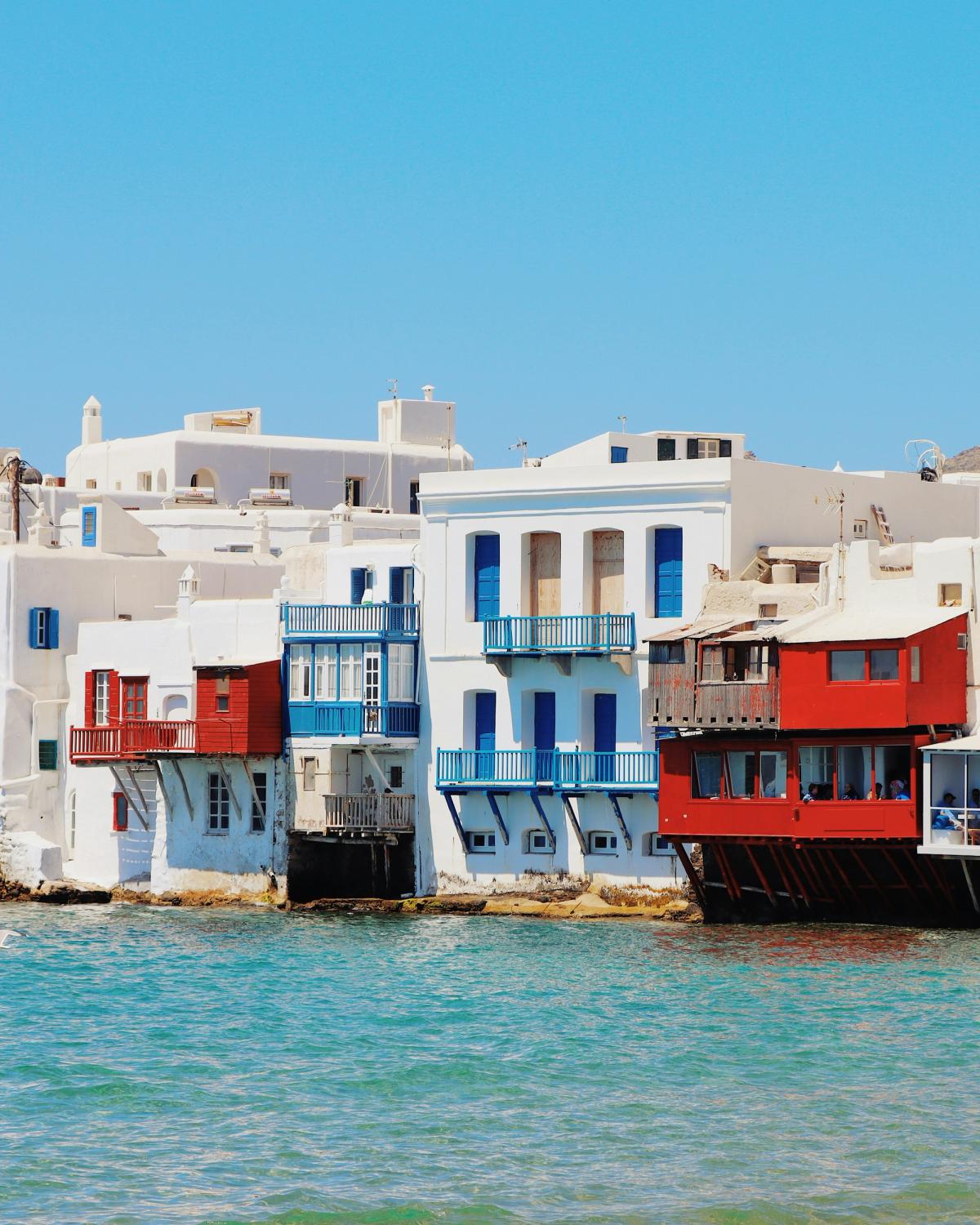
The Greek islands number over 6,000, with 227 inhabited gems scattered across the Aegean and Ionian seas. Each island possesses its own distinct personality, from party-loving Mykonos to serene, traditional Naxos.
Santorini's volcanic caldera creates one of the world's most photographed landscapes, where white cube houses cascade down crimson cliffs toward the sapphire sea. Watching the sunset from Oia while sipping local Assyrtiko wine ranks among travel's most romantic experiences.
Top Islands to Explore:
- Santorini for dramatic sunsets and volcanic beaches
- Mykonos for vibrant nightlife and cosmopolitan atmosphere
- Crete for diverse landscapes and Minoan history
- Rhodes for medieval charm and ancient wonders
- Corfu for Venetian architecture and lush greenery
- Naxos for authentic villages and pristine beaches
- Milos for otherworldly geology and hidden coves
- Paros for traditional Cycladic beauty
Island hopping allows you to experience Greece's incredible diversity within a single trip. Ferry connections make it easy to combine multiple islands, creating your perfect Mediterranean odyssey.
Savor Authentic Greek Cuisine
Greek food celebrates simple, fresh ingredients transformed through centuries of culinary tradition. The Mediterranean diet originated here, where olive oil, fresh vegetables, seafood, and aromatic herbs create dishes that are both healthy and utterly delicious.
Traditional tavernas serve meals that bring families and friends together for hours of conversation and laughter. Dining in Greece is never rushed—it's a cherished social ritual where food nourishes both body and soul.
Essential Greek Dishes to Try:
- Moussaka with layers of eggplant, meat, and béchamel
- Fresh grilled octopus drizzled with lemon and olive oil
- Spanakopita (spinach and feta pie)
- Souvlaki and gyros with tzatziki
- Greek salad with authentic feta cheese
- Dolmades (stuffed grape leaves)
- Fresh seafood mezze platters
- Baklava and galaktoboureko for dessert
Visit local markets early in the morning to see Greeks shopping for the day's freshest produce, fish, and herbs. The vibrant colors, enticing aromas, and friendly banter create an authentic cultural experience.
Pair your meals with Greek wines that are experiencing a renaissance, from crisp Assyrtiko to robust Xinomavro. Don't miss trying traditional Greek spirits like ouzo, tsipouro, and distinctive Greek liquors that accompany mezze perfectly.
Discover the Peloponnese Peninsula
The Peloponnese offers Greece's most concentrated collection of historical sites, medieval castles, and natural beauty. This legendary peninsula where Spartan warriors trained and Byzantine emperors ruled remains surprisingly undiscovered by mass tourism.
Nafplio, Greece's first capital, enchants visitors with its Venetian fortresses, neoclassical mansions, and waterfront promenades. The town serves as the perfect base for exploring the surrounding archaeological treasures and coastal villages.
Peloponnese Highlights:
- Nafplio's charming old town and Palamidi Fortress
- Ancient Mycenae's cyclopean walls and Treasury of Atreus
- Mystras' Byzantine ghost city near Sparta
- Monemvasia's medieval castle town on a rock island
- Ancient Olympia's athletic sanctuary
- Mani Peninsula's tower houses and dramatic coastline
- Gytheio's picturesque harbor
- Epidaurus' healing sanctuary and theater
The region's diverse landscapes range from snow-capped Mount Taygetos to golden beaches along the Argolic Gulf. Olive groves, vineyards, and orange orchards blanket the valleys between ancient sites.
Explore Sparta and Mystras on our specialized tour to discover the Peloponnese's Byzantine heritage and Spartan legacy.
Experience Traditional Greek Culture
Greek culture pulses with passion, whether expressed through music, dance, or spirited conversation. Experiencing authentic cultural traditions provides deeper insight into what makes Greece so captivating beyond its famous monuments.
Greek hospitality, or *philoxenia*, literally means "love of strangers" and remains a cornerstone of the culture. Locals genuinely delight in sharing their traditions, stories, and way of life with visitors.
Cultural Experiences:
- Join a traditional Greek dance evening
- Attend an Orthodox Easter celebration
- Visit working monasteries like Meteora or Malevis
- Learn essential Greek phrases for authentic interactions
- Participate in an olive oil tasting experience
- Watch traditional shadow puppet theater (Karagiozis)
- Experience a Greek coffee fortune-telling session
- Attend a local panigiri (village festival)
The Greek concept of *kefi* describes the spirit of joy, passion, and high spirits that infuses celebrations. You'll witness this infectious energy at traditional tavernas when live music starts and spontaneous dancing erupts.
Understanding Greek architectural traditions and why Greece is blue and white adds depth to your visual appreciation of the country's distinctive aesthetic.
Relax on Stunning Beaches
Greece boasts some of Europe's most beautiful beaches, from organized resorts with every amenity to secluded coves accessible only by boat. The country's 13,676 kilometers of coastline ensure you'll find your perfect stretch of sand or pebbles.
The crystal-clear waters of the Aegean and Ionian seas reveal underwater visibility of up to 40 meters. Swimming in these pristine Mediterranean waters feels like bathing in liquid sapphire.
Best Beach Destinations:
- Navagio Beach (Shipwreck Beach) on Zakynthos
- Myrtos Beach on Kefalonia's dramatic coast
- Elafonissi's pink sand beaches in Crete
- Porto Katsiki on Lefkada's western shore
- Balos Lagoon in northwestern Crete
- Sarakiniko's lunar landscape on Milos
- Voidokilia's perfect horseshoe bay in Messinia
- Simos Beach on Elafonisos island
Many beaches feature beach bars serving fresh seafood, cold beer, and fruity cocktails throughout the long summer days. The beach culture in Greece emphasizes relaxation, with locals often spending entire Sundays by the sea with family.
Water sports enthusiasts can enjoy windsurfing, kitesurfing, paddleboarding, and kayaking at numerous beaches. The Meltemi winds that blow through the Cyclades in summer create ideal conditions for sailing and windsurfing.
Hike Through Dramatic Landscapes
Greece's mountainous terrain and coastal paths offer spectacular hiking opportunities for all fitness levels. Ancient footpaths once traveled by shepherds, merchants, and pilgrims now provide modern adventurers with unforgettable journeys through pristine nature.
The Vikos Gorge in Epirus holds the Guinness World Record as the world's deepest canyon relative to its width. Hiking through this dramatic landscape reveals traditional stone villages where time seems to have stopped.
Top Hiking Destinations:
- Samaria Gorge in Crete (16 km descent)
- Mount Olympus, home of the gods
- Vikos Gorge in Zagori region
- Meteora's rock forest trails
- Menalon Trail through the Arcadian mountains
- Coastal paths on the Mani Peninsula
- Mount Taygetos above Sparta
- Santorini's caldera rim walk
Spring (April-May) and autumn (September-October) provide ideal hiking conditions with mild temperatures and wildflower displays. The weather in October offers particularly pleasant conditions for outdoor activities.
Many hiking routes pass through traditional villages where you can refresh yourself at local tavernas and experience authentic mountain hospitality. The combination of natural beauty, physical challenge, and cultural encounters creates deeply rewarding experiences.
Visit Charming Greek Cities
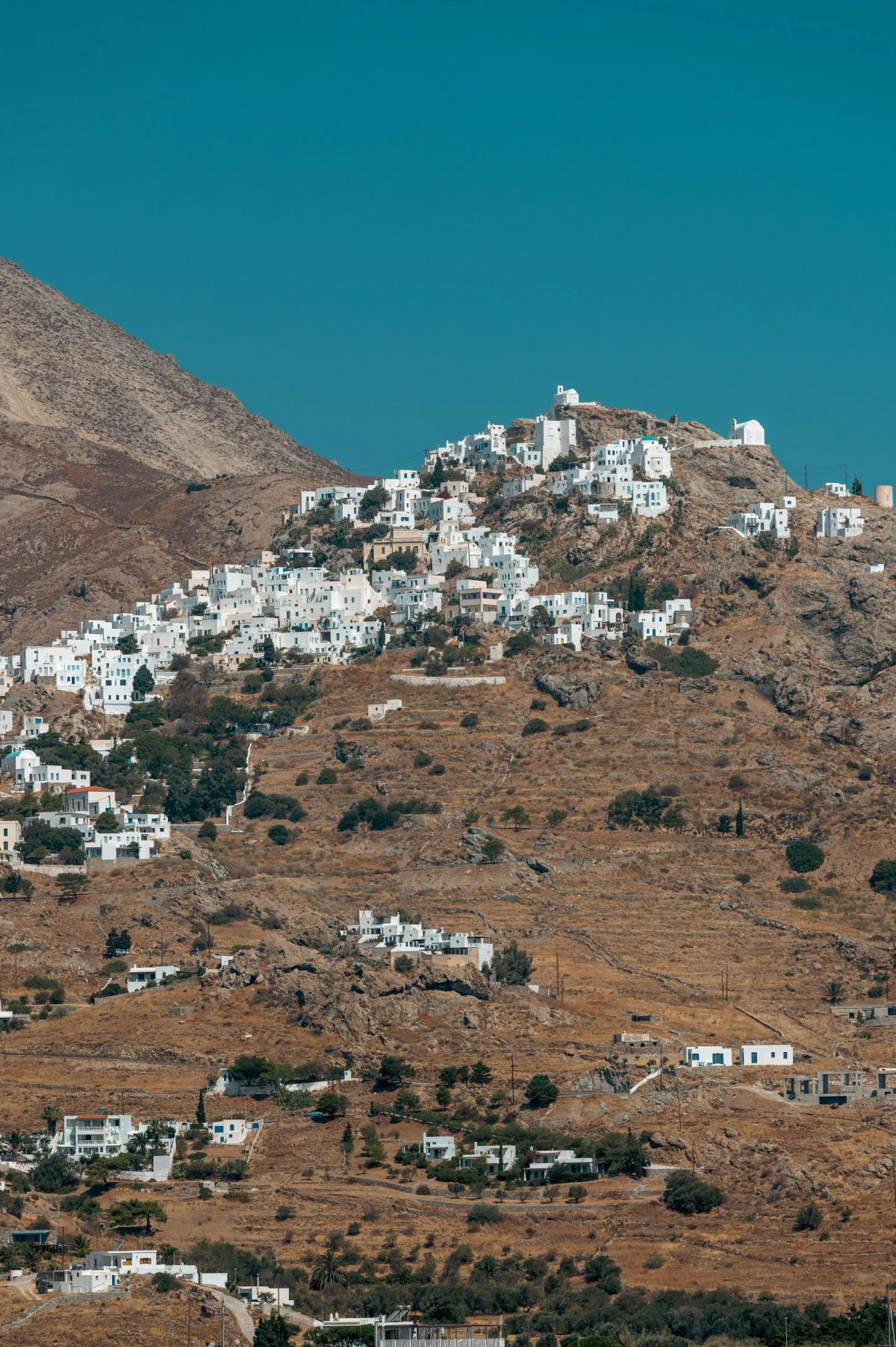
Beyond Athens, Greece's regional cities offer rich history, vibrant culture, and authentic local life without the crowds. These urban centers provide perfect bases for exploring their surrounding regions while offering excellent dining, shopping, and nightlife.
Thessaloniki, Greece's second-largest city, combines Byzantine heritage with a cosmopolitan café culture and thriving arts scene. The waterfront promenade buzzes with energy as locals enjoy their evening *volta* (stroll).
Cities Worth Exploring:
- Thessaloniki for Byzantine monuments and vibrant nightlife
- Chania on Crete for Venetian harbor charm
- Rhodes Town for medieval walled city
- Ioannina for lakeside beauty and Ottoman heritage
- Kalamata for beaches and culinary traditions
- Patras for carnival celebrations
- Nafplio for romantic elegance
- Corfu Town for Venetian and British influences
Each Greek city possesses its own character shaped by centuries of diverse influences—Venetian, Ottoman, Byzantine, and modern Greek. This layered history creates fascinating architectural and cultural tapestries.
Local markets in these cities offer glimpses into daily Greek life, where vendors sell everything from fresh produce to handmade crafts. The social atmosphere of morning market shopping reveals the importance Greeks place on fresh, quality ingredients.
Explore Medieval Castles and Fortresses
Greece's strategic position at the crossroads of civilizations resulted in countless fortifications built by Byzantines, Venetians, Franks, and Ottomans. These impressive castles crown hilltops and guard harbors throughout the country.
The fortress of Monemvasia rises from the sea like a stone ship, its medieval town hidden behind massive walls. Walking through the narrow cobblestone streets feels like stepping into a Byzantine time capsule.
Remarkable Fortifications:
- Palamidi Fortress overlooking Nafplio (999 steps to the top)
- Monemvasia's castle town on a rock peninsula
- Rhodes' Palace of the Grand Master
- Mystras' fortified Byzantine city
- Geraki Castle in Laconia
- Methoni's Venetian sea fortress
- Acrocorinth's ancient acropolis fortress
- Angelokastro on Corfu's dramatic cliffs
Many fortresses offer panoramic views that explain their strategic importance. Watching sunset from Palamidi or Angelokastro provides both visual splendor and historical perspective.
The Venetian fortifications demonstrate remarkable military architecture, with their distinctive winged lion emblems still visible on gates and walls. These structures tell stories of sieges, conquests, and the constant struggle for control of Greece's strategic territories.
Indulge in Wellness and Relaxation
Greece pioneered the concept of healing sanctuaries in ancient times, and modern wellness retreats continue this tradition. The combination of Mediterranean climate, natural hot springs, and holistic philosophies creates ideal conditions for rejuvenation.
The Euphoria Retreat in the Peloponnese represents Greece's new generation of world-class wellness destinations. These sanctuaries blend ancient Greek healing wisdom with contemporary spa treatments.
Wellness Experiences:
- Natural hot springs on volcanic islands
- Luxury spa resorts in the Peloponnese
- Yoga retreats with Aegean Sea views
- Thalassotherapy using seawater treatments
- Traditional Greek massage with olive oil
- Meditation in ancient healing sanctuaries
- Hammam experiences in restored Ottoman baths
- Ayurvedic treatments in peaceful settings
The ancient Greeks understood the connection between physical health, mental well-being, and spiritual harmony. Modern Greek wellness retreats embrace this holistic approach, offering programs that address body, mind, and spirit.
Many spa treatments incorporate local ingredients like olive oil, honey, sea salt, and herbs. These natural products have been used for beauty and healing in Greece for thousands of years.
Quick Facts for Greece Travelers
Essential Information:
- Best Time to Visit: April-June and September-October for ideal weather and fewer crowds
- Currency: Euro (€)
- Language: Greek, but English widely spoken in tourist areas
- Electrical Outlets: Type C and F (220V)
- Tipping: 5-10% in restaurants, round up for taxis
- Island Ferry Seasons: Most routes operate May-October
- Siesta Time: Many shops close 2-5 PM, especially in summer
- Dining Hours: Lunch 1-3 PM, dinner typically starts after 8 PM
Getting Around Greece:
- Domestic flights connect major islands and cities quickly
- Ferry networks link islands and coastal cities
- KTEL buses serve most destinations affordably
- Rental cars offer freedom to explore at your pace
- Private tours provide comfort and local expertise
- Trains connect major mainland cities
- Taxis and ride-sharing available in urban areas
Greece's tourism infrastructure balances modern convenience with traditional charm. While major destinations offer every amenity, smaller villages maintain their authentic character and slower pace.
Travel Tips for Your Greek Adventure
Planning Your Trip:
- Book accommodation 2-3 months ahead for summer travel
- Reserve ferry tickets in advance during peak season
- Allow extra time for island hopping—delays can occur
- Pack light, breathable clothing and comfortable walking shoes
- Bring reef-safe sunscreen (essential for beach days)
- Download offline maps for remote areas
- Learn basic Greek phrases—locals appreciate the effort
- Respect dress codes at monasteries (covered shoulders and knees)
Money-Saving Strategies:
- Visit during shoulder seasons (May or October) for lower prices
- Eat at tavernas where locals dine
- Take ferries instead of flights between islands
- Stay in traditional guesthouses rather than chain hotels
- Shop at local markets for picnic supplies
- Book tours directly with local operators
- Use public transportation in cities
- Fill water bottles from public fountains (water is safe)
Cultural Etiquette:
- Greet shopkeepers when entering stores
- Dress modestly when visiting religious sites
- Ask permission before photographing locals
- Don't flush toilet paper in older buildings
- Accept offered hospitality graciously
- Avoid discussing politics unless invited
- Don't wave with open palm (considered rude)
- Take your time—rushing is considered stressful and unnecessary
Greeks value personal connections and genuine conversation. Taking time to chat with locals often leads to the most memorable experiences and insider recommendations.
Discover Hidden Gems Off the Beaten Path
While Santorini and Mykonos capture headlines, Greece's lesser-known destinations offer equally compelling experiences without the crowds. These hidden treasures reward adventurous travelers with authentic encounters and pristine beauty.
The Pelion Peninsula combines mountain villages with secluded beaches, creating a magical landscape where traditional stone architecture nestles among chestnut forests. This region remains largely undiscovered by international tourism.
Undiscovered Destinations:
- Pelion Peninsula's mountain villages and hidden beaches
- Zagorochoria stone villages in Epirus
- Symi island's neoclassical harbor town
- Folegandros for authentic Cycladic charm
- Kythira island between Peloponnese and Crete
- Prespa Lakes region near Albania border
- Kastellorizo, Greece's easternmost island
- Alonissos in the Northern Sporades
These destinations offer the Greece of imagination—where fishermen still mend nets by hand, grandmothers bake bread in outdoor ovens, and traditional festivals celebrate patron saints with genuine community spirit.
Exploring historical sites near Porto Heli or visiting the Holy Monastery of Malevis reveals the Peloponnese's hidden cultural wealth.
Understand Greek Colors and Symbolism
The iconic blue and white color scheme adorning Greek islands carries deeper meaning than mere aesthetics. Understanding why Greece uses these colors enhances appreciation for the visual harmony you'll encounter throughout the country.
The blue represents the sea and sky that define Greek life, while white symbolizes purity and reflects the intense summer sun. This color combination also connects to Greek Orthodox religious symbolism and national identity.
Symbolic Elements in Greek Culture:
- Blue and white reflect sea, sky, and national flag
- Evil eye charms (mati) ward off negative energy
- Olive branches symbolize peace and prosperity
- Laurel wreaths represent victory and honor
- Greek key patterns signify infinity and unity
- Dolphins represent protection and good fortune
- Pomegranates symbolize fertility and abundance
- Owls represent wisdom and Athena's protection
These symbols appear throughout Greek art, architecture, and daily life. Recognizing their significance adds layers of meaning to your visual experiences.
The Greek architectural style you'll encounter varies by region, from Cycladic minimalism to Venetian elegance to Ottoman influences. Each style tells stories of the cultures that shaped Greece's complex history.
Frequently Asked Questions
What is the best time of year to visit Greece?
The ideal times to visit Greece are late spring (April-June) and early autumn (September-October) when weather is pleasant, prices are lower, and crowds are manageable. Summer (July-August) offers guaranteed sunshine and vibrant island life but brings peak prices and tourist crowds. Winter suits travelers interested in cities, skiing, or experiencing authentic local life without tourists.
How many days do you need to explore Greece properly?
A minimum of 10-14 days allows you to experience Greece's diversity without feeling rushed. This timeframe permits exploring Athens (2-3 days), visiting 2-3 islands (3-4 days each), and discovering mainland regions like the Peloponnese. Three weeks enables deeper exploration including multiple regions and a more relaxed pace that matches Greek culture.
Is Greece expensive for tourists?
Greece offers excellent value compared to other Mediterranean destinations, though costs vary significantly by location and season. Budget travelers can manage on €50-70 daily, mid-range travelers should budget €100-150, while luxury experiences cost €200+. Islands like Santorini and Mykonos are pricier, while mainland destinations and lesser-known islands offer better value.
Do I need to rent a car in Greece?
Renting a car provides freedom to explore remote beaches, mountain villages, and archaeological sites at your own pace, especially in the Peloponnese and Crete. However, it's unnecessary for island hopping or staying in major cities where public transportation, ferries, and organized tours work well. Greek drivers can be aggressive, and parking in old towns is challenging.
What should I pack for a trip to Greece?
Pack lightweight, breathable clothing in natural fabrics, comfortable walking shoes with good support, a sun hat, quality sunglasses, and reef-safe sunscreen. Include modest clothing for visiting monasteries and churches (covering shoulders and knees), a light jacket for evenings, swimwear, and a small daypack. Don't forget electrical adapters, any prescription medications, and a reusable water bottle.
Is it safe to travel in Greece?
Greece is very safe for travelers, with low violent crime rates and welcoming locals. Standard precautions apply in crowded tourist areas where pickpocketing can occur. The main safety concerns involve sun exposure, dehydration, and occasional ferry delays during rough weather. Political demonstrations in Athens are usually peaceful but best avoided.
Can I visit multiple Greek islands in one trip?
Island hopping is one of Greece's greatest pleasures and easily accomplished via extensive ferry networks. Plan to spend at least 2-3 days per island to avoid feeling rushed. Book ferry tickets in advance during summer, allow buffer time for weather delays, and choose islands in geographical clusters (Cyclades, Dodecanese, Ionian) to minimize travel time.
What are the must-try foods in Greece?
Essential Greek dishes include fresh grilled octopus, traditional moussaka, Greek salad with authentic feta, souvlaki and gyros, spanakopita, dolmades, fresh seafood, Greek yogurt with honey, baklava, and galaktoboureko. Don't miss trying local specialties that vary by region, visiting traditional tavernas, sampling Greek wines, and enjoying mezze platters with ouzo or tsipouro.
Start Your Greek Adventure Today
Greece rewards every type of traveler—history enthusiasts, beach lovers, food adventurers, culture seekers, and those simply wanting to slow down and savor life's pleasures. The country's magic lies not just in its world-famous monuments and stunning landscapes, but in moments of connection with warm-hearted locals, spontaneous taverna celebrations, and the timeless rhythms of Mediterranean life.
Whether you're watching the sunset paint the Acropolis golden, swimming in crystalline Aegean waters, or sharing a meal with new Greek friends, you'll discover why this ancient land continues to captivate modern travelers. The memories you create here will call you back long after you've returned home.
Discover our curated Peloponnese tours designed to reveal Greece's authentic beauty beyond the typical tourist trail. Let our local expertise transform your Greek dreams into unforgettable reality.
Explore more fascinating facts about Greece to deepen your appreciation before you go, and discover the best Greek restaurants in Nafplio for authentic culinary experiences. Your Greek adventure awaits—*Kalo taxidi!* (Have a good trip!)