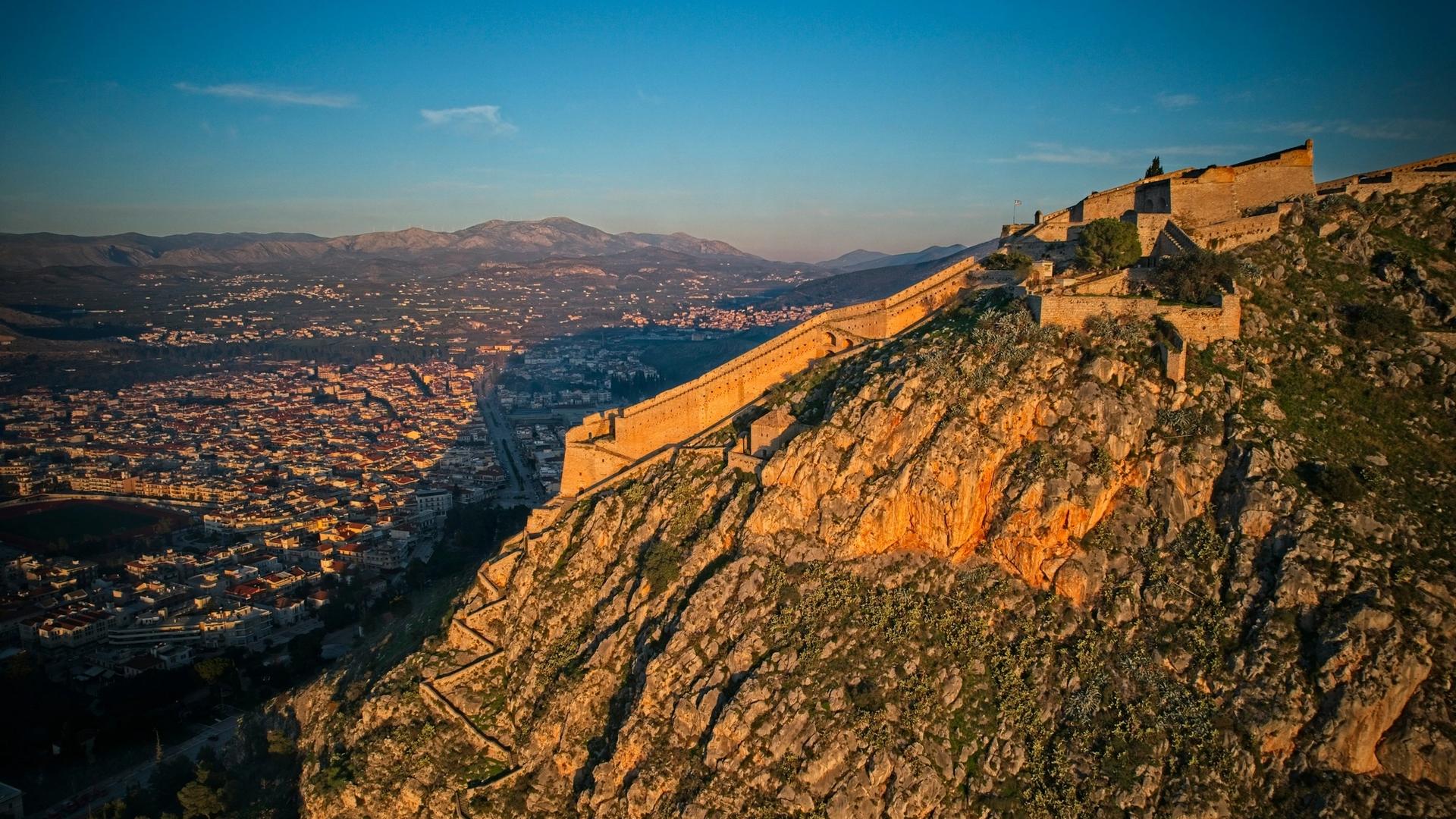
Discover the best tours from Athens to Peloponnese, exploring ancient ruins, Byzantine castles, and coastal villages. Your comprehensive guide to planning the perfect Peloponnese adventure from Greece's capital city.
The Peloponnese peninsula beckons travelers with its legendary ancient sites, medieval castles, and sun-drenched coastlines just a short journey from Athens. This mythical land where gods walked among mortals offers some of Greece's most spectacular archaeological treasures and breathtaking landscapes.
Whether you're dreaming of standing in the birthplace of the Olympic Games, exploring the fortress city of Mycenae, or wandering through Byzantine Monemvasia's cobblestone streets, tours from Athens to Peloponnese unlock a world of wonder. The peninsula's proximity to the capital makes it perfect for both day trips and extended explorations.
Why Choose Peloponnese Tours From Athens
The Peloponnese region delivers an authentic Greek experience that rivals any destination in the Mediterranean. Ancient history comes alive at every turn, from the acoustically perfect theater of Epidaurus to the imposing Lion Gate of Mycenae.
Traveling with organized tours eliminates the stress of navigation and parking while providing expert commentary that transforms ruins into vivid stories. Professional guides share insights about Greek architecture and historical context that you'd never discover on your own.
Key Advantages:
- Skip the hassle of driving on unfamiliar mountain roads
- Access archaeological sites with skip-the-line privileges
- Learn from certified guides fluent in multiple languages
- Enjoy comfortable, air-conditioned transportation
- Maximize your time with carefully planned itineraries
- Visit multiple UNESCO World Heritage sites in one trip
Top Peloponnese Destinations From Athens
Nafplio: The Romantic Capital
Nafplio enchants visitors with its Venetian fortresses, neoclassical mansions, and harbor-side cafés. This elegant town served as Greece's first capital and remains one of the country's most beautiful destinations.
The Palamidi Fortress towers above the old town, rewarding those who climb its 999 steps with panoramic views across the Argolic Gulf. Stroll through the atmospheric streets and discover why Nafplio captivates everyone who visits.
Must-See Attractions:
- Palamidi Fortress with its eight bastions
- Bourtzi Castle on its tiny island
- Syntagma Square's historic cafés
- Arvanitia promenade along the sea
- Archaeological Museum collections
- Constitution Square's Venetian architecture
Ancient Mycenae: Kingdom of Agamemnon
The legendary citadel of Mycenae rises dramatically from the Argolid plain, its massive walls built from stones so large the ancients believed only Cyclops could have moved them. This Bronze Age palace complex inspired Homer's epic tales and defined an entire civilization.
Walking through the Lion Gate feels like stepping into mythology itself. The Treasury of Atreus, a spectacular beehive tomb, demonstrates the engineering prowess of Mycenaean architects 3,300 years ago.
Epidaurus: Ancient Healing and Drama
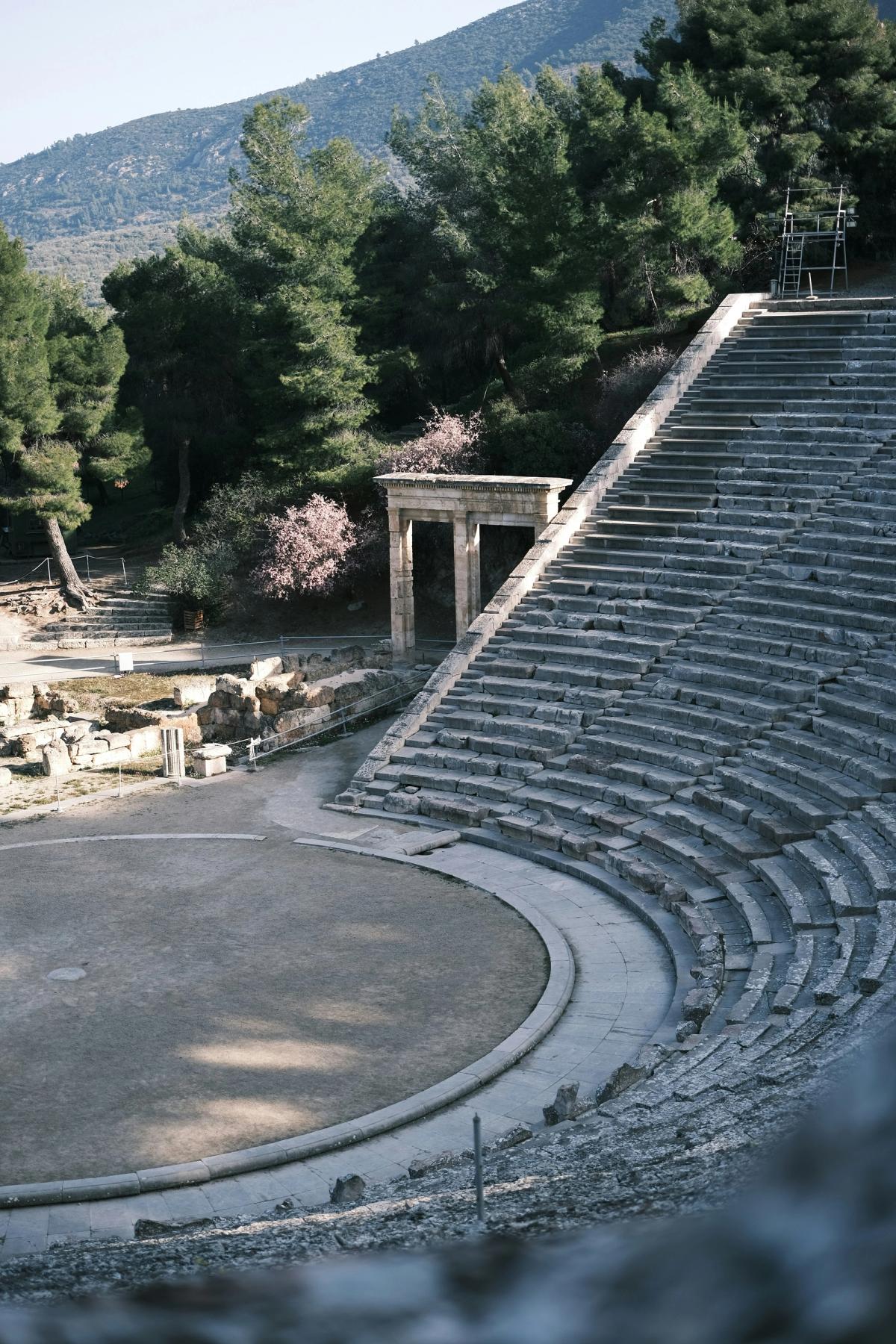
The Sanctuary of Asclepius at Epidaurus served as antiquity's most celebrated healing center where medicine and spirituality intertwined. Pilgrims traveled from across the Mediterranean seeking cures from the god of medicine.
The ancient theater steals every visitor's breath with its perfect proportions and incredible acoustics. A whisper from the stage can be heard clearly in the top row, 55 meters away—a testament to ancient engineering genius that modern science still studies.
Experience the magic during the Epidaurus Festival when classical Greek dramas come alive on this ancient stage. Learn more about this remarkable archaeological site and its fascinating history.
Sparta and Mystras: Byzantine Splendor
While ancient Sparta left few physical remains due to its warriors' disdain for monumental architecture, nearby Mystras preserves Byzantine glory in stunning detail. This fortified city cascades down Mt. Taygetos, its churches adorned with vibrant frescoes.
The ruins of Mystras transport visitors to the final flowering of Byzantine culture before the Ottoman conquest. Wandering through its palaces, monasteries, and chapels reveals a civilization of remarkable artistic achievement.
Discover fascinating facts about ancient Sparta that separate myth from historical reality. Book your Sparta and Mystras tour to explore both destinations with expert guides.
Ancient Olympia: Birthplace of the Games
Standing in the ancient stadium where the first Olympic Games were held in 776 BC stirs something profound in every visitor. The sacred sanctuary of Olympia honored Zeus with athletic competitions that united the Greek world every four years.
The archaeological site preserves temples, training facilities, and the workshop where Phidias created the statue of Zeus—one of the Seven Wonders of the Ancient World. The excellent museum displays priceless sculptures including the Hermes of Praxiteles.
Olympia Highlights:
- Original Olympic stadium and starting line
- Temple of Zeus foundations
- Phidias's workshop remains
- Archaeological Museum treasures
- Temple of Hera where Olympic flame is lit
- Ancient gymnasium and palaestra
Monemvasia: The Gibraltar of the East
This medieval fortress town clings to a massive rock island connected to the mainland by a single causeway. Monemvasia's car-free streets wind between Byzantine churches, Venetian mansions, and Ottoman mosques.
The lower town buzzes with boutique hotels and tavernas serving fresh seafood, while the upper fortress rewards climbers with spectacular views. Sunset from the castle walls ranks among Greece's most magical experiences.
Popular Tour Itineraries From Athens
Classic One-Day Peloponnese Tour
Most first-time visitors choose a comprehensive day tour combining the greatest hits of the Argolid region. This packed itinerary covers three UNESCO World Heritage sites in approximately 12 hours.
Departing Athens early morning, you'll visit the Corinth Canal, explore Mycenae's citadel, experience Epidaurus's acoustic marvel, and enjoy lunch in charming Nafplio. Discover this popular route that showcases Peloponnese's highlights.
Typical Schedule:
- 08:00 - Depart Athens
- 09:00 - Photo stop at Corinth Canal
- 10:30 - Guided tour of Mycenae
- 13:00 - Lunch in Nafplio
- 15:00 - Visit Epidaurus Theater
- 17:00 - Return journey to Athens
- 19:30 - Arrival in Athens
Two-Day Extended Exploration
A two-day tour allows deeper immersion into Peloponnese's treasures with overnight accommodation in Nafplio. This relaxed pace includes additional sites and more time to savor local cuisine and atmosphere.
Day one typically covers Mycenae, Nafplio, and Epidaurus, while day two ventures to Sparta, Mystras, or Ancient Olympia depending on your interests. Evening strolls through Nafplio's romantic streets make this option particularly appealing.
Specialized Thematic Tours
Beyond standard archaeological tours, specialized itineraries cater to specific interests. Wine tours explore Nemea's renowned vineyards, while spiritual journeys visit monasteries throughout Greece including Peloponnese's hidden gems.
Culinary tours combine ancient sites with olive oil tastings, local cheese producers, and traditional tavernas. Adventure seekers can add hiking, sea kayaking, or rock climbing to archaeological exploration.
Quick Facts About Peloponnese Tours
Essential Information:
- Distance from Athens: 90-250 km depending on destination
- Typical tour duration: 10-12 hours for day trips
- Best seasons: April-June and September-October
- Average group size: 8-18 participants
- Departure times: Usually 7:30-8:30 AM
- Return times: 7:00-8:00 PM
- Physical difficulty: Easy to moderate
- UNESCO sites accessible: 3-4 on most tours
Planning Your Peloponnese Adventure
Best Time to Visit
Spring (April-June) brings wildflowers, mild temperatures, and fewer crowds to archaeological sites. The landscape glows green after winter rains, creating perfect photography conditions.
Autumn (September-October) offers equally pleasant weather with the added bonus of harvest season. Greece's October weather typically provides sunny days ideal for exploration without summer's intense heat.
Seasonal Considerations:
- Spring: Wildflowers, Easter celebrations, perfect temperatures
- Summer: Long days, festivals, but intense heat and crowds
- Autumn: Harvest season, comfortable weather, wine festivals
- Winter: Fewer tourists, lower prices, but shorter days
What to Pack
Essential Items:
- Comfortable walking shoes with good grip
- Sun protection (hat, sunglasses, SPF 50+ sunscreen)
- Refillable water bottle (1.5 liters minimum)
- Light layers for varying temperatures
- Camera with extra batteries
- Small backpack for personal items
- Cash for souvenirs and tips
- Motion sickness medication if prone
Choosing the Right Tour
Consider your interests, fitness level, and available time when selecting a tour. Archaeological enthusiasts might prefer in-depth explorations with extended site visits, while families may want shorter tours with more variety.
Small group tours provide more personalized attention and flexibility, while larger groups often cost less. Private tours offer maximum customization but command premium prices.
Tour Selection Criteria:
- Group size and composition
- Guide qualifications and language skills
- Included meals and entrance fees
- Vehicle comfort and amenities
- Pickup/drop-off locations
- Cancellation policies
- Customer reviews and ratings
Cultural Insights and Local Customs
Archaeological Site Etiquette
Respecting ancient sites ensures their preservation for future generations. Never touch frescoes, climb on restricted structures, or remove any artifacts—even small stones.
Photography is generally permitted at most sites, but flash photography and tripods may be restricted. Always follow your guide's instructions regarding restricted areas.
Site Guidelines:
- Stay on designated paths
- Don't touch ancient walls or artifacts
- Keep voices moderate near sacred spaces
- Dispose of trash properly
- Respect photography restrictions
- Follow guide instructions carefully
Greek Hospitality and Dining
Peloponnese locals take pride in their hospitality, often going out of their way to help visitors. Learning a few basic Greek phrases demonstrates respect and usually earns warm smiles.
Traditional tavernas serve generous portions meant for sharing. Don't rush meals—Greeks view dining as a social experience to be savored, not hurried.
Regional Specialties
The Peloponnese produces some of Greece's finest ingredients including Kalamata olives, Nemean wines, and exceptional olive oil. Each region boasts unique dishes reflecting local traditions and available ingredients.
Try local specialties like pasteli (sesame honey bars), diples (crispy honey pastries), and fresh seafood in coastal towns. Sample traditional Greek spirits like tsipouro and local wines.
Travel Tips for Athens to Peloponnese Tours
Practical Advice
Before Your Tour:
- Book at least one week in advance during peak season
- Confirm pickup location and time 24 hours before
- Eat a substantial breakfast—lunch may be late
- Charge camera and phone batteries fully
- Check weather forecast and dress accordingly
- Inform guides of any mobility limitations
- Bring prescribed medications in original containers
During Your Tour:
- Stay hydrated throughout the day
- Apply sunscreen regularly, especially on exposed sites
- Keep pace with the group to maximize time
- Ask questions—guides love sharing knowledge
- Respect scheduled departure times
- Try local foods your guide recommends
- Take notes or photos to remember details
Money Matters
Most tour costs include transportation, guide services, and entrance fees, but meals are often extra. Bring 30-50 euros cash per person for lunch, snacks, and souvenirs.
Credit cards work in Nafplio and major sites, but smaller villages may be cash-only. ATMs are available in larger towns but may be scarce in remote areas.
Photography Tips
Early morning tours offer the best light for photography at outdoor archaeological sites. The golden hour before sunset creates magical conditions, though most day tours return to Athens before this time.
Bring a polarizing filter to reduce glare from white marble and enhance blue skies. Wide-angle lenses capture expansive ruins, while telephoto lenses isolate architectural details.
Combining Peloponnese With Other Destinations
Extended Greece Itineraries
Many travelers combine Peloponnese tours with other Greek highlights. A week-long itinerary might include three days in Athens, two days exploring Peloponnese, and two days in the islands.
The Peloponnese's central location makes it an ideal hub for exploring southern Greece. Nafplio serves as an excellent base for multi-day explorations without the daily commute from Athens.
Sample 7-Day Itinerary:
- Arrive Athens, Acropolis tour
- Athens museums and neighborhoods
- Day tour to Delphi
- Transfer to Nafplio, explore town
- Mycenae and Epidaurus from Nafplio
- Monemvasia or Olympia day trip
- Return Athens, departure
Nearby Attractions Worth Exploring
Beyond the major sites, the Peloponnese hides countless treasures. Porto Heli's historical sites include underwater ruins and Mycenaean tombs.
The coastal town of Gytheio offers beautiful beaches and traditional character, while Geraki Castle preserves Byzantine churches with stunning frescoes.
Health and Safety Considerations
Physical Requirements
Most Peloponnese tours involve moderate walking on uneven ancient surfaces. Archaeological sites feature stone paths, stairs without handrails, and minimal shade.
Inform tour operators of mobility issues in advance—many can accommodate wheelchairs at certain sites or modify itineraries. Heat exhaustion poses the biggest health risk during summer months.
Fitness Considerations:
- Expect 3-5 km of walking throughout the day
- Stairs and uneven terrain at all archaeological sites
- Limited seating at outdoor locations
- Minimal shade at most ancient ruins
- Summer temperatures can exceed 35°C (95°F)
- Altitude changes may affect some visitors
Safety Precautions
Greece enjoys low crime rates, but remain aware of belongings in crowded tourist areas. Keep valuables secure and avoid displaying expensive jewelry or electronics.
The greatest risks involve sun exposure, dehydration, and minor injuries from uneven surfaces. Wear appropriate footwear and watch your step on ancient stone paths.
Sustainable and Responsible Tourism
Protecting Cultural Heritage
Mass tourism threatens ancient sites through erosion, vandalism, and environmental stress. Choose tour operators committed to sustainable practices and small group sizes.
Support local businesses by purchasing authentic handicrafts, dining at family-owned tavernas, and staying in locally-owned accommodations. Your choices directly impact community prosperity.
Responsible Travel Practices:
- Choose certified guides and licensed operators
- Respect site preservation rules strictly
- Support local artisans and businesses
- Minimize plastic waste with reusable bottles
- Stay on marked paths to prevent erosion
- Learn about and respect local customs
- Travel during shoulder seasons when possible
Environmental Considerations
The Peloponnese's natural beauty deserves protection equal to its cultural treasures. Carry reusable water bottles, refuse single-use plastics, and dispose of trash properly.
Many tour operators now offer carbon offset programs or support local environmental initiatives. Ask about sustainability practices when booking your tour.
Making the Most of Your Experience
Pre-Tour Preparation
Reading about sites before visiting dramatically enhances your experience. Understanding the myths, history, and significance transforms ruins from mere stones into vivid stories.
Watch documentaries about ancient Greece, read historical accounts, or explore fun facts about Greece to build context. This preparation helps you ask informed questions and notice significant details.
Engaging With Your Guide
Experienced guides possess encyclopedic knowledge about their regions. Don't hesitate to ask questions about anything that interests you—from ancient building techniques to modern Greek life.
Guides appreciate engaged participants who show genuine interest. Share your own knowledge or perspectives to create enriching conversations that benefit the entire group.
Capturing Memories Beyond Photos
While photos preserve visual memories, consider keeping a travel journal to record impressions, stories, and emotions. The smell of wild herbs at Mycenae or the echo of your voice in Epidaurus's theater can't be photographed.
Collect small mementos like site brochures, tickets, or postcards to create a physical record of your journey. These tangible items often evoke memories more powerfully than digital photos.
Frequently Asked Questions
How long does a typical tour from Athens to Peloponnese take?
Most day tours from Athens to Peloponnese last 10-12 hours including travel time. You'll typically depart Athens around 8:00 AM and return between 7:00-8:00 PM, allowing time to visit 3-4 major sites with lunch included.
What's the best Peloponnese tour for first-time visitors?
The classic Mycenae-Epidaurus-Nafplio combination offers the perfect introduction to Peloponnese's highlights. This itinerary covers three UNESCO World Heritage sites and includes the region's most impressive ancient theater, Bronze Age citadel, and most beautiful town all in one day.
Can I visit Peloponnese independently without a tour?
Yes, independent travel is possible by rental car or public buses, but tours offer significant advantages. Professional guides provide historical context you'd miss on your own, organized transportation eliminates parking hassles and navigation stress, and you'll see more sites in less time with efficient routing.
Are Peloponnese tours suitable for children?
Many families enjoy Peloponnese tours, though consider your children's ages and attention spans. Kids over 8 typically find ancient sites fascinating, especially with engaging guides who share myths and stories, while younger children may struggle with long bus rides and extensive walking on hot days.
What should I wear on a Peloponnese archaeological tour?
Wear comfortable walking shoes with good traction, light breathable clothing in layers, and a wide-brimmed hat for sun protection. Avoid flip-flops or sandals without ankle support as ancient sites feature uneven stone surfaces, and bring a light jacket as mountain areas can be cool even in summer.
How much do tours from Athens to Peloponnese typically cost?
Day tours range from €90-150 per person depending on group size, inclusions, and destinations. Private tours cost €400-800 for groups up to 4-6 people, while multi-day tours with accommodation start around €300 per person for two days.
Is it better to take a day tour or stay overnight in Nafplio?
Staying overnight in Nafplio allows a more relaxed pace, evening exploration of this romantic town, and easier access to multiple sites without long daily commutes from Athens. Day tours work well if you have limited time but involve long travel days with early departures and late returns.
What's included in most Peloponnese tour packages?
Standard tours include air-conditioned transportation, professional English-speaking guide, all entrance fees to archaeological sites, and hotel pickup/drop-off in central Athens. Meals are typically not included except on some premium tours, so budget €15-25 per person for lunch.
Final Thoughts on Peloponnese Tours
The Peloponnese peninsula offers travelers an unmatched combination of ancient wonders, medieval castles, and natural beauty all within easy reach of Athens. From Mycenae's legendary gold to Epidaurus's acoustic perfection, every site tells stories that shaped Western civilization.
Whether you choose a comprehensive day tour or an extended exploration, the Peloponnese rewards visitors with experiences that linger long after you've returned home. The region's layers of history—from Bronze Age palaces to Byzantine churches to Venetian fortresses—create a living museum where past and present intertwine.
Explore our carefully crafted Peloponnese tours designed to showcase the region's greatest treasures with expert guides who bring ancient stones to life. Start planning your Peloponnese adventure today and discover why this legendary peninsula captivates everyone who visits its timeless landscapes and archaeological wonders.