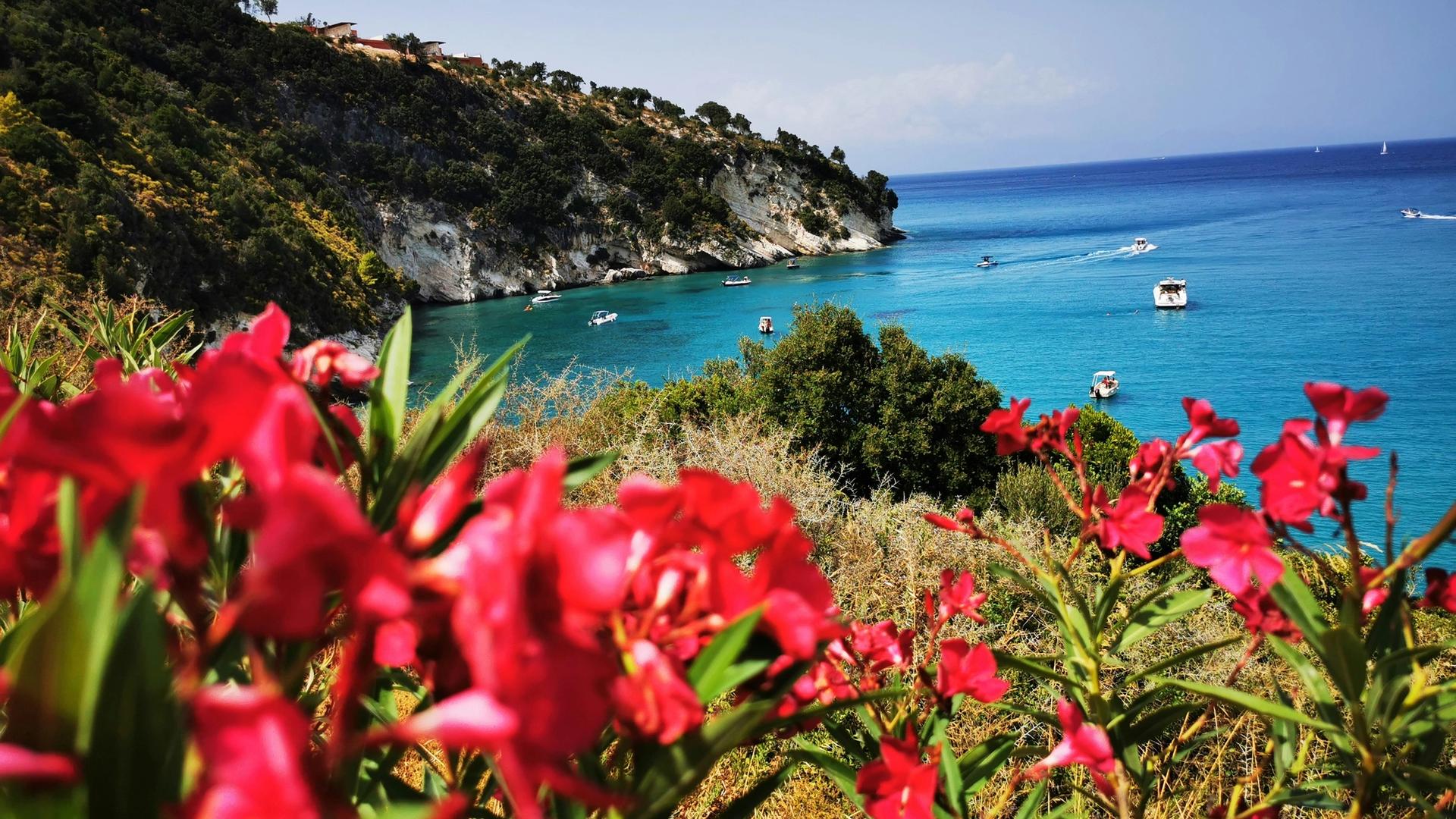
April brings Greece to life with mild temperatures, blooming wildflowers, and fewer crowds. Discover what to expect from the weather across different regions and how to make the most of your springtime Greek adventure.
Experience Greece's Most Beautiful Season
April transforms Greece into a traveler's paradise, with wildflowers carpeting ancient ruins and temperatures perfect for exploration. The country awakens from its winter slumber, offering visitors the ideal combination of pleasant weather, authentic experiences, and landscapes painted in vibrant spring colors.
This shoulder season provides the sweet spot between winter's chill and summer's intense heat, making it one of the best times to discover everything from archaeological wonders to coastal villages. Whether you're planning to explore ancient sites in the Peloponnese or island-hop through the Aegean, understanding April's weather patterns will help you pack smart and plan the perfect itinerary.
Quick Facts: Greece Weather in April
Temperature Overview:
- Average daytime high: 18-22°C (64-72°F)
- Average nighttime low: 10-14°C (50-57°F)
- Sea temperature: 16-17°C (61-63°F)
- Average rainfall: 30-40mm across most regions
- Sunshine hours: 8-9 hours daily
- Humidity levels: 60-70%
Regional Weather Variations Across Greece
Athens and Mainland Greece
Athens enjoys particularly pleasant weather in April, with daytime temperatures hovering around 20°C (68°F) and minimal rainfall. The Acropolis and other archaeological sites become infinitely more enjoyable without the oppressive summer heat and massive cruise ship crowds.
The Peloponnese region experiences similar conditions, making it perfect for exploring ancient sites near Porto Heli and discovering fascinating facts about Sparta. Morning mist often adds an ethereal quality to mountain monasteries and archaeological sites, creating unforgettable photographic opportunities.
Greek Islands in April
The Cycladic islands experience slightly cooler temperatures than the mainland, with Santorini and Mykonos averaging 17-19°C (63-66°F) during the day. While swimming might be brisk for some, the dramatic reduction in tourist numbers makes famous viewpoints and beaches feel like private discoveries.
The Ionian islands on Greece's western coast receive more rainfall than the eastern Aegean islands but compensate with lush, green landscapes. Crete, being the southernmost island, offers the warmest April temperatures, often reaching 22°C (72°F) in coastal areas.
Northern Greece and Mountain Regions
Thessaloniki and northern Greece remain cooler in April, with temperatures ranging from 15-18°C (59-64°F). Mountain regions like Meteora may still experience occasional cool spells, particularly in early April.
The monasteries of Greece perched on dramatic cliffs look especially stunning against April's clear blue skies. Higher elevations may still have patches of snow, creating beautiful contrasts with blooming valleys below.
What to Pack for Greece in April
Essential Clothing Items:
- Lightweight layers including long-sleeve shirts and sweaters
- Light jacket or windbreaker for evenings
- Comfortable walking shoes with good support
- One warm layer for cooler evenings or mountain visits
- Sunglasses and sun hat for midday protection
- Light scarf for visiting churches and monasteries
Additional Recommendations:
- Pack both shorts and long pants for temperature flexibility
- Bring a compact umbrella for occasional spring showers
- Include sunscreen (SPF 30+) as Mediterranean sun remains strong
- Add a small backpack for day trips and archaeological site visits
- Consider quick-dry fabrics for unexpected rain
Best Activities for April Weather
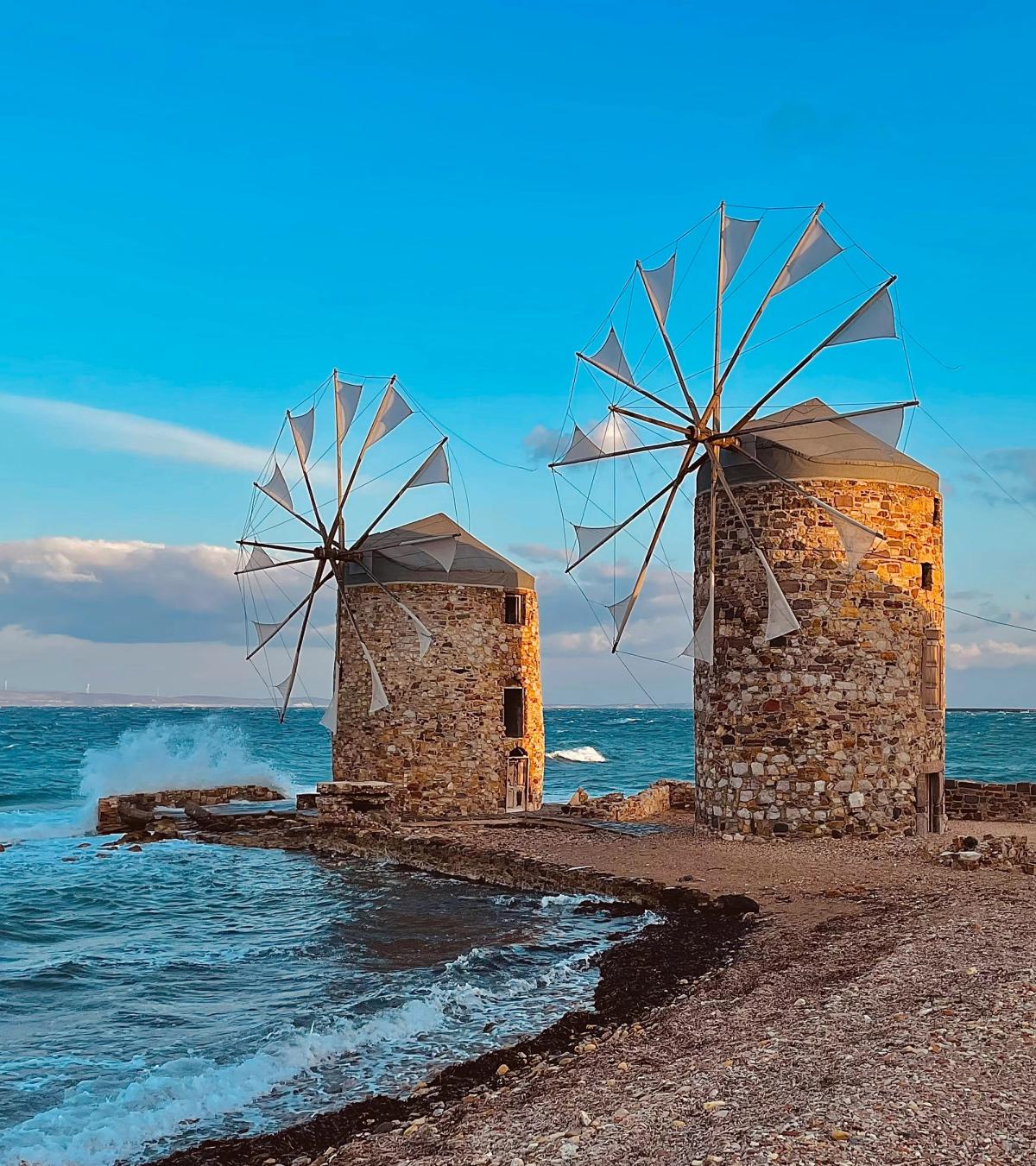
Archaeological Site Exploration
April provides ideal conditions for exploring Greece's legendary archaeological sites without the scorching heat or overwhelming crowds. The moderate temperatures make climbing the Acropolis, wandering through Ancient Olympia, or exploring Mycenae genuinely enjoyable rather than endurance tests.
Consider booking a Nafplio Mycenae and Epidavros tour to experience these UNESCO World Heritage sites in perfect spring weather. The ancient theaters, including the remarkable Epidaurus amphitheater, showcase exceptional acoustics that you can test without summer's tourist throngs.
Hiking and Nature Exploration
April transforms Greek landscapes into hiking paradise, with wildflowers blooming across hillsides and temperatures perfect for outdoor activities. Trails that become unbearably hot in summer offer comfortable conditions and spectacular views of spring-green valleys.
The countryside explodes with color as poppies, daisies, and countless other wildflowers carpet fields and mountainsides. This natural spectacle provides photographers and nature lovers with opportunities unavailable during any other season.
Cultural Festivals and Events
Greek Easter frequently falls in April, bringing the country's most important religious and cultural celebration. Villages and cities alike come alive with candlelit processions, traditional music, and festive meals that welcome visitors to participate.
The Epidaurus Festival season approaches, and you might catch early performances in this ancient setting. Local festivals celebrating spring, patron saints, and regional traditions occur throughout the month, offering authentic cultural experiences.
Coastal and Beach Activities
While swimming remains refreshing (some might say chilly) in April, beaches offer peaceful settings for walks, photography, and sunset watching. Coastal tavernas begin opening for the season, serving fresh seafood without the summer rush.
Water sports enthusiasts will find conditions excellent for activities like kayaking and stand-up paddleboarding, with calm seas and comfortable air temperatures. The sea's coolness actually proves refreshing after hiking or cycling along coastal paths.
Travel Tips for Visiting Greece in April
Planning Considerations:
- Book accommodations in advance around Easter week, as Greeks travel domestically
- Check island ferry schedules, as some routes operate reduced frequencies
- Reserve car rentals early for better rates and vehicle selection
- Verify opening hours for attractions, as some transition to summer schedules mid-month
- Plan for occasional rainy days with indoor alternatives like museums
Money-Saving Opportunities:
- Enjoy shoulder-season rates on hotels and vacation rentals
- Find better flight deals compared to peak summer months
- Experience less crowded restaurants with more attentive service
- Negotiate better rates for private tours and experiences
- Access early-season discounts on activities and attractions
Regional Highlights Worth Visiting in April
The Peloponnese Peninsula
The Peloponnese shines in April, with ancient sites like Mycenae, Epidaurus, and Olympia surrounded by blooming landscapes. The region's diverse Greek architecture tells stories spanning millennia, from Mycenaean palaces to Byzantine churches.
Charming towns like Nafplio serve as perfect bases for exploration, offering excellent Greek restaurants and comfortable spring weather for waterfront strolls. A Nafplio Sparta and Mystras tour showcases the region's Byzantine heritage against a backdrop of spring wildflowers.
The Cycladic Islands
Santorini's famous caldera views become even more dramatic without summer's haze, while the island's iconic blue and white architecture pops against April's clear skies. Photographers find perfect lighting conditions and empty streets in famous locations.
Mykonos, Paros, and Naxos offer authentic island experiences with locals outnumbering tourists. Villages retain their traditional character, and you'll actually get to know shopkeepers and taverna owners rather than competing with crowds.
Crete's Diverse Landscapes
Crete's size and southern location provide the warmest April weather in Greece, with southern coastal areas often reaching swimming-friendly temperatures. The island's dramatic gorges, including the famous Samaria Gorge, open for the season with rushing streams from winter snowmelt.
Venetian harbors in Chania and Rethymno become perfect settings for leisurely meals and evening strolls. Minoan archaeological sites like Knossos offer comfortable exploration conditions with knowledgeable guides available without summer's overwhelming groups.
Understanding Greek Spring Weather Patterns
Typical Daily Weather Progression
April mornings in Greece often start cool and crisp, with temperatures around 12-14°C (54-57°F) requiring a light jacket. By mid-morning, the Mediterranean sun warms the air quickly, and you'll likely shed layers as temperatures climb.
Afternoons bring the warmest temperatures, typically peaking between 2-4 PM at 20-22°C (68-72°F) in most regions. Evenings cool down pleasantly, creating ideal conditions for outdoor dining, though you'll want that light jacket again after sunset.
Rainfall and Storm Patterns
April marks the tail end of Greece's rainy season, with precipitation decreasing as the month progresses. When rain does occur, it typically arrives as brief showers rather than all-day downpours, often clearing quickly to reveal brilliant sunshine.
Thunderstorms occasionally develop, particularly in mountainous regions and the Ionian islands, but they're usually short-lived and dramatic rather than persistent. These storms actually enhance the landscape's beauty, washing dust from the air and intensifying colors.
Wind Conditions
The famous Meltemi winds that dominate summer haven't yet established their pattern, making April relatively calm for sailing and island hopping. Occasional spring breezes keep temperatures comfortable and provide excellent conditions for outdoor activities.
Coastal areas experience gentle sea breezes that moderate temperatures and create pleasant conditions for waterfront walks. Mountain regions may experience stronger winds, particularly in the afternoon, adding a refreshing element to hiking adventures.
Comparing April to Other Months
Advantages Over Summer Travel:
- Temperatures 10-15°C cooler than July-August peaks
- Hotel rates 30-50% lower than high season
- Archaeological sites accessible without extreme heat
- Authentic interactions with locals instead of tourist-focused experiences
- Wildflower displays unavailable in summer's dry conditions
- Better air quality with less dust and haze
Considerations Compared to Other Seasons:
- Warmer and drier than March with longer daylight hours
- Greener landscapes than summer's golden-brown hillsides
- More attractions and services open than winter months
- Sea temperature cooler than September-October but air more comfortable
- Fewer crowds than May when European tourists increase
Special Events and Celebrations in April
Greek Orthodox Easter
Greek Easter represents the country's most significant celebration, often falling in April and transforming villages and cities alike. Candlelit processions wind through streets on Good Friday, while midnight services on Holy Saturday culminate in fireworks and joyous celebrations.
Easter Sunday brings traditional feasts featuring lamb roasted on spits, red-dyed eggs, and special breads. Visitors who respectfully participate in these celebrations gain profound insights into Greek culture and hospitality that transcend typical tourist experiences.
Local Festivals and Traditions
Various regions celebrate patron saints and local traditions throughout April with festivals featuring traditional music, dancing, and regional specialties. These authentic events welcome visitors and provide opportunities to experience Greek culture beyond tourist attractions.
Wine regions begin hosting tastings and vineyard tours as vines burst into leaf. Olive oil producers offer tours explaining production processes, often including tastings of the previous season's harvest.
Practical Weather-Related Advice
Photography Considerations:
- Morning and late afternoon provide the best lighting conditions
- Wildflowers reach peak bloom mid-to-late April
- Clear skies create dramatic contrasts with white architecture
- Occasional clouds add interest to landscape photography
- Sea conditions remain calm for coastal and sunset shots
Health and Comfort Tips:
- Apply sunscreen even on partly cloudy days
- Stay hydrated despite moderate temperatures
- Wear comfortable, broken-in walking shoes for archaeological sites
- Carry a light rain jacket in your daypack
- Use layers to adjust to changing temperatures throughout the day
Island vs. Mainland: Making the Choice
Mainland Advantages in April
The mainland offers more consistent transportation options with no dependency on ferry schedules or weather-related cancellations. Archaeological sites, mountain monasteries, and traditional villages provide diverse experiences within easy driving distances.
Cities like Athens and various Greek cities offer cultural attractions, museums, and dining options that operate year-round regardless of season. The mainland's infrastructure remains fully operational, unlike some island services that open gradually through April.
Island Benefits During Shoulder Season
Islands in April reveal their authentic character without summer's tourist overlay, offering genuine interactions with local communities. Accommodation bargains abound, and you'll have iconic photo spots virtually to yourself during most of the day.
The slower pace allows deeper exploration of island culture, traditions, and hidden corners that become inaccessible during peak season crowds. Ferry travel itself becomes an adventure rather than a crowded necessity, with spacious decks for enjoying sea views.
Culinary Experiences in April Weather
Seasonal Ingredients and Dishes
April brings fresh spring vegetables to Greek markets, including tender artichokes, wild greens, and early tomatoes. Traditional dishes incorporating these seasonal ingredients appear on taverna menus, offering flavors unavailable during other seasons.
Local Greek alcohol and Greek liquor tastings become more intimate experiences with proprietors having time to explain production methods and family histories. Wine regions welcome visitors to cellars and vineyards for unhurried tastings and conversations.
Outdoor Dining Opportunities
April's comfortable temperatures make outdoor dining genuinely pleasant throughout the day and into the evening. Tavernas set up terrace seating, offering meals with views of harbors, archaeological sites, or mountain landscapes without summer's oppressive heat.
Learning a few Greek phrases enhances these dining experiences, as locals appreciate visitors' efforts to engage with their language and culture. The relaxed April atmosphere encourages longer meals and conversations that summer's rush often prevents.
Frequently Asked Questions
Is April a good time to visit Greece?
April ranks among the best months to visit Greece, offering comfortable temperatures perfect for sightseeing, fewer crowds at major attractions, and lower prices than peak season. The combination of blooming wildflowers, pleasant weather, and authentic cultural experiences makes it ideal for travelers seeking both natural beauty and historical exploration without summer's intensity.
Can you swim in Greece in April?
While sea temperatures in April range from 16-17°C (61-63°F), which most people find too cool for extended swimming, hardy swimmers and those acclimated to cooler water will find it refreshing. Southern Crete and some protected bays may reach slightly warmer temperatures, and many hotels with heated pools offer comfortable swimming alternatives.
What should I pack for Greece in April?
Pack versatile layers including light long-sleeve shirts, a sweater or fleece, and a light jacket for evenings. Comfortable walking shoes are essential for archaeological sites, along with sun protection (hat, sunglasses, sunscreen) for daytime exploration. Include both shorts and long pants, a compact umbrella for occasional showers, and a light scarf for visiting religious sites.
Does it rain much in Greece during April?
April experiences decreasing rainfall as Greece transitions from spring to early summer, with most regions receiving 30-40mm of precipitation throughout the month. Rain typically arrives as brief showers rather than all-day events, often clearing quickly to reveal sunny skies. The frequency and intensity of rainfall decrease noticeably as April progresses toward May.
Are Greek islands open in April?
Most Greek islands are open in April, though services may be limited compared to peak summer season. Major islands like Santorini, Mykonos, Crete, and Rhodes have restaurants, hotels, and attractions operating, while smaller islands may have reduced ferry schedules and some businesses still preparing for full summer operations. Researching specific islands beforehand ensures you'll find adequate services.
What are the best places to visit in Greece in April?
The Peloponnese region excels in April with perfect weather for exploring archaeological sites like Mycenae, Epidaurus, and Ancient Olympia surrounded by wildflowers. Athens offers comfortable sightseeing conditions, while islands like Crete, Santorini, and Rhodes provide warm weather with fewer crowds. Mountain regions and monasteries showcase dramatic landscapes enhanced by spring greenery.
How does April weather compare to October in Greece?
April and October share similar temperature ranges, but April features greener landscapes with wildflowers while October shows golden-brown summer-dried vegetation. April has slightly higher rainfall probability as winter ends, whereas October marks autumn's beginning with the sea at its warmest after summer heating. Both months offer excellent shoulder-season advantages, with the choice depending on whether you prefer spring's renewal or autumn's mellow warmth.
Is Greek Easter always in April?
Greek Orthodox Easter follows the Julian calendar and can fall in April or early May, often differing from Western Easter dates. When Easter occurs in April, it significantly impacts travel with increased domestic tourism, fuller accommodations, and spectacular cultural celebrations. Checking the specific year's Easter date helps travelers either plan to experience these unique festivities or avoid the busiest travel period.
Making the Most of Your April Visit
April in Greece offers that rare combination of ideal weather, authentic experiences, and value that defines perfect travel timing. The country reveals itself without summer's tourist veneer, inviting deeper connections with landscapes, culture, and people.
Whether you're exploring ancient theaters, hiking wildflower-covered hillsides, or savoring fresh spring vegetables in a family taverna, April provides the comfortable conditions that transform good trips into unforgettable journeys. The moderate temperatures, blooming nature, and unhurried pace create exactly the Greece that travelers dream about discovering.
Start planning your April Greek adventure today, knowing that the weather will enhance rather than challenge your explorations. From archaeological wonders to coastal villages, from mountain monasteries to island sunsets, Greece in April welcomes you with open arms and perfect conditions for creating memories that last a lifetime.