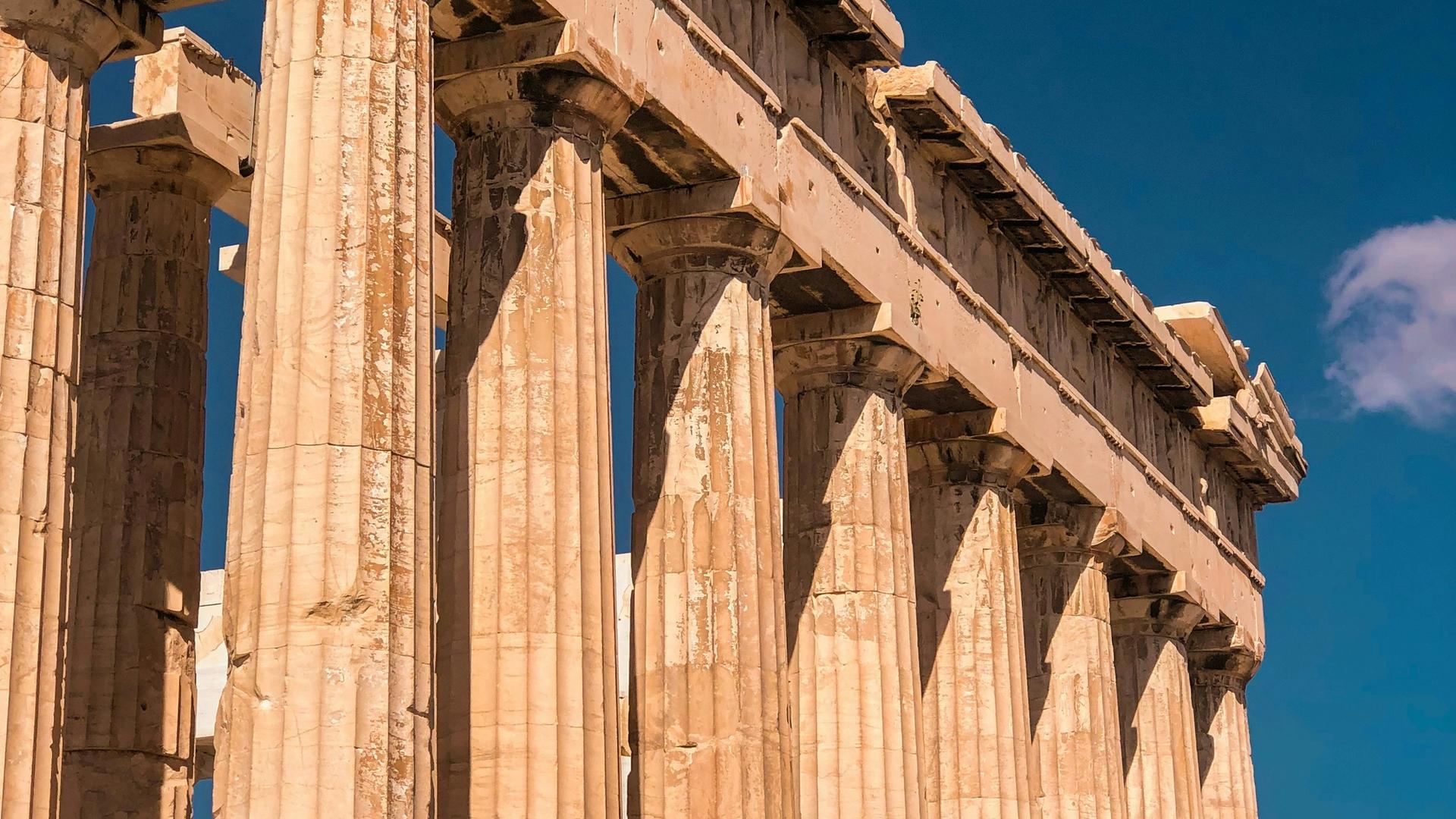
Discover the fascinating timeline of Greece's foundation, from ancient civilizations to modern statehood. Explore how this remarkable nation evolved through millennia of cultural achievement, conquest, and rebirth to become the Greece we know today.
Standing among the ancient ruins of Mycenae or gazing at the Parthenon, travelers often wonder about the origins of this extraordinary civilization. The question "when was Greece founded" doesn't have a simple answer—it's a story that spans thousands of years across multiple civilizations.
Understanding Greece's foundation requires exploring several distinct periods, each marking a new chapter in the nation's remarkable journey. From Bronze Age kingdoms to city-states, from Byzantine glory to Ottoman rule, and finally to modern independence, Greece has been founded and refounded many times throughout history.
The Ancient Foundations: Prehistoric Greece
The story of Greece begins long before recorded history, in the mists of the Bronze Age. The first advanced civilization on Greek soil emerged around 3000 BCE with the Cycladic culture, followed by the mighty Minoans of Crete around 2700 BCE.
The Mycenaean civilization, which flourished from approximately 1600 to 1100 BCE, represents what many consider the first truly "Greek" culture. These warrior-kings built massive fortresses and developed Linear B script, the earliest form of written Greek that we can decipher today.
Key Prehistoric Periods:
- Cycladic Civilization: 3000-2000 BCE
- Minoan Civilization: 2700-1450 BCE
- Mycenaean Civilization: 1600-1100 BCE
- Greek Dark Ages: 1100-800 BCE
The Birth of Classical Greece (800-323 BCE)
The Greece most people envision when they think of ancient history emerged during the Archaic Period around 800 BCE. This era saw the development of the polis (city-state), the establishment of colonies throughout the Mediterranean, and the creation of the Greek alphabet.
The Classical Period, beginning around 500 BCE, witnessed Greece's golden age of philosophy, art, and democracy. Athens, Sparta, Corinth, and other city-states reached their zenith, though they never unified into a single nation—a crucial point in understanding Greek identity.
Classical Greece Milestones:
- 776 BCE: First Olympic Games held
- 508 BCE: Democracy established in Athens
- 490-479 BCE: Persian Wars unite Greek city-states
- 447-432 BCE: Parthenon constructed
- 431-404 BCE: Peloponnesian War between Athens and Sparta
Visitors exploring these ancient sites today can walk through history at locations like Epidaurus, where the perfectly preserved theater still hosts performances at the Epidaurus Festival. Experience the glory of ancient Greece firsthand with our Nafplio Mycenae and Epidavros Tour.
The Hellenistic Period (323-31 BCE)
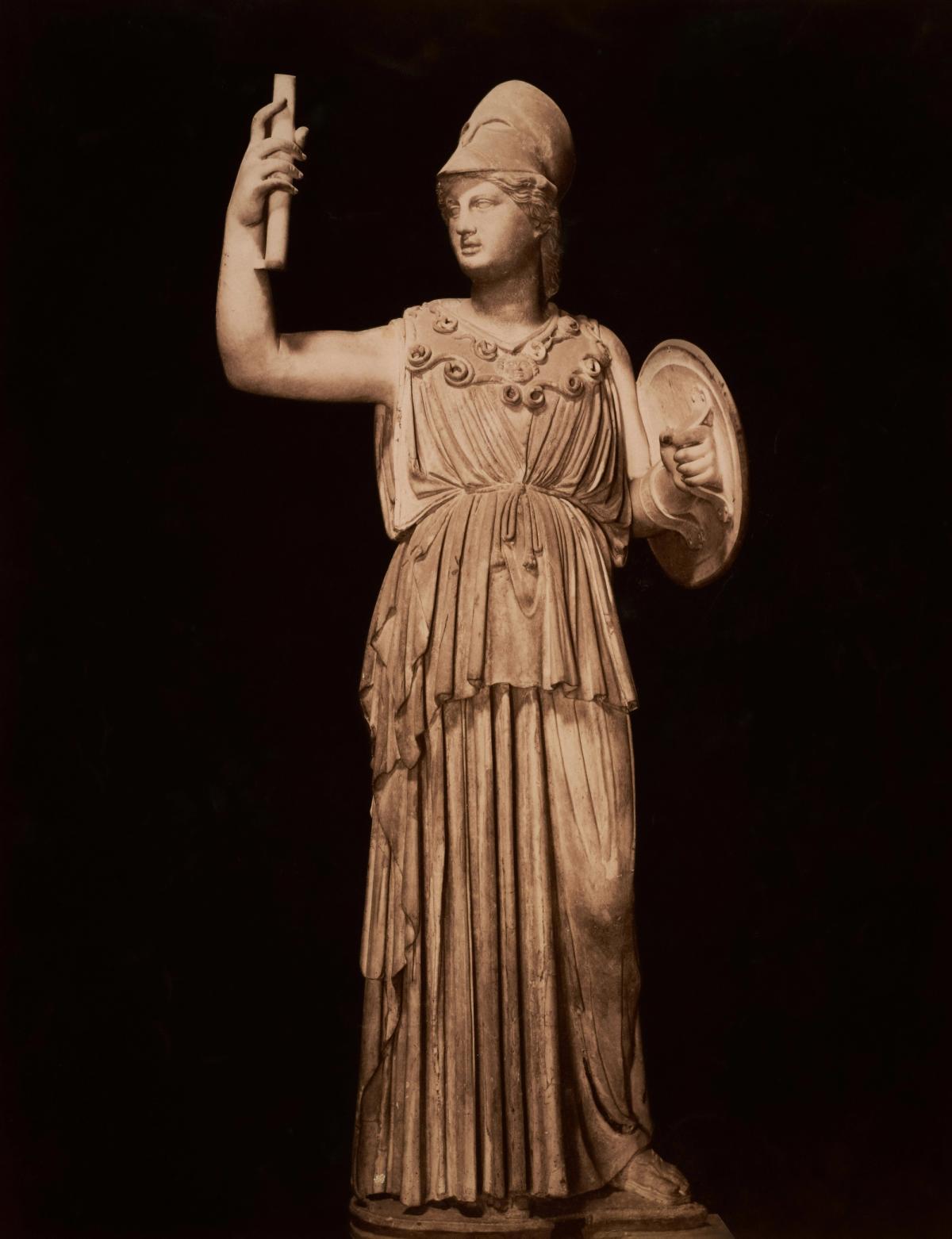
Alexander the Great's conquests transformed Greece from a collection of independent city-states into part of a vast empire. When he died in 323 BCE, his generals divided his territories, creating the Hellenistic kingdoms that spread Greek culture from Egypt to India.
This period saw Greek culture achieve unprecedented influence, even as Greece itself came under Macedonian and later Roman control. The fusion of Greek and Eastern cultures created a cosmopolitan civilization that would shape the ancient world for centuries.
Roman and Byzantine Greece (31 BCE - 1453 CE)
Greece became a Roman province in 146 BCE, yet its cultural influence remained so powerful that Romans adopted Greek art, philosophy, and religion. When the Roman Empire split in 395 CE, Greece became the heart of the Byzantine Empire, with Constantinople (modern Istanbul) as its capital.
The Byzantine period represents a thousand-year chapter when Greece was thoroughly Christian and Greek became the language of a vast empire. Magnificent monasteries and churches from this era still dot the Greek landscape, showcasing the distinctive Greek architecture that blended classical and Christian elements.
Byzantine Era Highlights:
- 330 CE: Constantinople founded as "New Rome"
- 395 CE: Eastern Roman Empire established
- 527-565 CE: Justinian's reign, Byzantine golden age
- 1204 CE: Fourth Crusade temporarily conquers Constantinople
- 1453 CE: Ottoman Turks capture Constantinople, ending Byzantine Empire
Ottoman Rule (1453-1821)
The fall of Constantinople marked the beginning of nearly four centuries of Ottoman Turkish rule over Greece. While this period is often portrayed as oppression, it was actually complex, with Greek communities maintaining their language, Orthodox faith, and cultural identity.
Greek merchants and sailors prospered under Ottoman rule, and the Orthodox Church preserved Greek education and traditions. This cultural continuity would prove essential when Greeks began dreaming of independence in the late 18th century.
Modern Greece: The 1821 Revolution
If we're asking when modern Greece was founded as an independent nation-state, the answer is clear: the Greek War of Independence began on March 25, 1821. This date is now celebrated as Greek Independence Day, marking the moment when Greeks rose against Ottoman rule.
The revolution, inspired by Enlightenment ideals and supported by European powers, lasted until 1829. The first independent Greek state was formally recognized by the Treaty of Constantinople in 1832, though it controlled only a fraction of the territories where Greeks lived.
Path to Independence:
- March 25, 1821: Revolution begins in the Peloponnese
- 1822: First National Assembly declares independence
- 1827: Battle of Navarino—European powers intervene
- 1829: Treaty of Adrianople ends major fighting
- 1832: Treaty of Constantinople recognizes Greek independence
- 1833: Otto of Bavaria becomes first king of modern Greece
The Peloponnese, where the revolution began, remains rich with historical sites commemorating this struggle. Learn about the region's warrior heritage at Sparta and explore revolutionary history on our Nafplio Sparta and Mystras Tour.
The Expansion of Modern Greece
The Greece founded in 1832 was tiny compared to today's nation, comprising mainly the Peloponnese, Central Greece, and some Aegean islands. Through diplomacy and war, Greece gradually expanded throughout the 19th and 20th centuries.
The Ionian Islands joined in 1864, Thessaly in 1881, Macedonia and Crete in 1913, and the Dodecanese islands in 1947. Each addition brought more Greeks into the nation-state, though significant Greek populations remained outside its borders.
Territorial Expansion Timeline:
- 1832: Initial kingdom established
- 1864: Ionian Islands ceded by Britain
- 1881: Thessaly acquired from Ottoman Empire
- 1913: Macedonia, Epirus, Crete, and Aegean islands added
- 1920: Thrace acquired (partially lost in 1923)
- 1947: Dodecanese islands transferred from Italy
Quick Facts About Greece's Foundation
Ancient Greece:
- First advanced civilizations: 3000 BCE (Cycladic)
- Mycenaean Greece: 1600-1100 BCE
- Classical Greek city-states: 800-323 BCE
- Never unified into single ancient nation
Modern Greece:
- Independence declared: March 25, 1821
- International recognition: 1832
- Current borders established: 1947
- Joined European Union: 1981
- Adopted euro currency: 2001
Understanding Greek Identity Across Time
What makes Greece's foundation story unique is the continuity of Greek identity despite political discontinuity. Greeks maintained their language, Orthodox Christian faith, and cultural traditions through Roman, Byzantine, and Ottoman rule—a span of over two millennia.
This explains why Greeks today feel a direct connection to ancient Athens and Sparta, even though the modern Greek state is less than 200 years old. The colors of Greece—the iconic blue and white—symbolize this connection between ancient glory and modern national pride.
Travel Tips for History Enthusiasts
Planning Your Historical Journey:
- Visit archaeological sites early morning to avoid crowds and heat
- Hire knowledgeable guides who can bring ancient stones to life
- Combine ancient sites with Byzantine monasteries for complete historical perspective
- Allow time to explore regional museums with artifacts from excavations
- Consider visiting during shoulder season (April-May or September-October) for pleasant weather
Essential Historical Destinations:
- Athens: Acropolis, Ancient Agora, National Archaeological Museum
- Delphi: Oracle sanctuary and archaeological site
- Mycenae: Bronze Age palace and Lion Gate
- Epidaurus: Ancient theater and healing sanctuary
- Olympia: Birthplace of the Olympic Games
- Mystras: Byzantine ghost city near Sparta
- Nafplio: First capital of modern Greece
What to Pack:
- Comfortable walking shoes with good grip for ancient ruins
- Sun protection (hat, sunscreen, sunglasses)
- Water bottle for staying hydrated at archaeological sites
- Light layers for varying temperatures in different seasons
- Camera for capturing incredible historical monuments
Check our guide to Greece weather in October to plan the perfect historical tour. After exploring ancient sites, relax with traditional Greek liquor and learn about Greek alcohol traditions.
Experiencing Greek History Today
Modern travelers can trace Greece's entire historical journey across the country's diverse regions. The Peloponnese offers particularly rich historical layers, from Mycenaean palaces to Byzantine fortresses to revolutionary battlefields.
Greek cities like Nafplio blend ancient ruins, Venetian fortifications, and neoclassical buildings from the independence era. Exploring these urban centers provides insight into how different periods of Greek history coexist in the modern landscape.
Regional Historical Highlights:
- Peloponnese: Mycenaean palaces, Spartan ruins, revolutionary sites
- Central Greece: Delphi, Thermopylae, Byzantine Meteora monasteries
- Northern Greece: Macedonian tombs, Roman Thessaloniki, Byzantine churches
- Crete: Minoan palaces, Venetian harbors, WWII battle sites
- Cyclades: Ancient Delos, medieval Venetian castles
The Cultural Continuum
Understanding when Greece was founded requires appreciating how cultural and political foundations differ. Culturally, Greece has existed for over 3,000 years with remarkable continuity in language, religion (shifting from polytheism to Orthodox Christianity), and self-identification as Hellenes.
Politically, modern Greece is a young nation, founded in the 19th century during the age of nationalism. This duality makes Greece unique among European nations—simultaneously ancient and modern, rooted in classical civilization yet shaped by contemporary European values.
Cultural Continuities:
- Greek language: 3,500+ years of continuous evolution
- Hellenistic identity: Self-identification as Greeks since ancient times
- Orthodox Christianity: 1,700+ years as defining religious identity
- Maritime tradition: Continuous from ancient colonization to modern shipping
- Philosophical inquiry: From ancient philosophers to modern Greek intellectuals
Practical Information for Historical Tours
Best Times to Visit Historical Sites:
- Spring (April-May): Wildflowers bloom among ruins, perfect temperatures
- Early Fall (September-October): Summer crowds gone, weather still excellent
- Winter (November-March): Fewer tourists, though some sites have reduced hours
- Summer (June-August): Longest hours but intense heat and crowds
Ticket Information:
- Multi-site passes available for major archaeological areas
- EU students often receive free admission with valid ID
- Many sites offer free entry on specific dates annually
- Guided tours typically include skip-the-line access
- Photography allowed at most sites (no flash, no tripods)
Getting Around:
- Organized tours provide historical context and convenient transportation
- Rental cars offer flexibility for exploring remote sites
- Public buses connect major archaeological destinations
- Private drivers can customize itineraries for serious history buffs
- Walking tours ideal for compact historical districts
Discover more fun facts about Greece to enhance your historical understanding before visiting.
Frequently Asked Questions
When was ancient Greece founded?
Ancient Greece as a civilization emerged around 3000 BCE with the Cycladic culture, followed by the Minoans (2700 BCE) and Mycenaeans (1600 BCE). However, Classical Greece—the period most associated with ancient Greek civilization—developed around 800 BCE with the rise of city-states like Athens and Sparta. Ancient Greece was never a unified nation but rather a collection of independent city-states sharing language, religion, and culture.
When did Greece become an independent country?
Greece declared independence from the Ottoman Empire on March 25, 1821, when the Greek War of Independence began. The modern Greek state received international recognition through the Treaty of Constantinople in 1832, making Greece officially independent after nearly four centuries of Ottoman rule. This date marks the foundation of Greece as a modern nation-state.
How old is Greece as a nation?
As a modern nation-state, Greece is relatively young at approximately 193 years old (founded 1832). However, Greek civilization and cultural identity extend back over 3,000 years to the Bronze Age Mycenaean civilization. This makes Greece simultaneously one of the world's oldest continuous cultures and one of Europe's younger nation-states.
What came before ancient Greece?
Before Classical ancient Greece, several Bronze Age civilizations flourished in the region. The Cycladic civilization (3000-2000 BCE) developed in the Aegean islands, while the Minoan civilization (2700-1450 BCE) dominated Crete with sophisticated palaces and art. The Mycenaean civilization (1600-1100 BCE) represented the first truly Greek culture, followed by the Greek Dark Ages (1100-800 BCE) before Classical Greece emerged.
Why did ancient Greece never unite into one country?
Ancient Greece's mountainous geography created natural barriers between communities, fostering independent city-states rather than unified kingdoms. Each polis (city-state) developed its own government, laws, and identity, fiercely guarding its independence. While Greeks shared language, religion, and culture, they valued local autonomy over national unity. Only external threats like Persian invasions temporarily united Greek city-states in common cause.
What happened to Greece between ancient times and modern independence?
After the Classical period, Greece became part of Alexander the Great's empire (336-323 BCE), then fragmented into Hellenistic kingdoms. Rome conquered Greece in 146 BCE, but Greek culture profoundly influenced Roman civilization. When Rome split in 395 CE, Greece became the heart of the Byzantine Empire for a thousand years. After Constantinople fell in 1453, Greece spent nearly four centuries under Ottoman Turkish rule before winning independence in 1821.
How did Greece expand from 1832 to its current size?
The Greece recognized in 1832 controlled only the Peloponnese, Central Greece, and some islands—about one-third of modern Greece's territory. Through diplomacy and warfare, Greece gradually expanded: the Ionian Islands joined in 1864, Thessaly in 1881, and Macedonia, Epirus, and Crete in 1913 after the Balkan Wars. The Dodecanese islands were transferred from Italy in 1947, completing Greece's current borders.
Can you visit sites from all periods of Greek history?
Yes, Greece offers remarkably well-preserved sites from every historical period. Visitors can explore Bronze Age Mycenaean palaces, Classical temples and theaters, Hellenistic cities, Roman ruins, Byzantine monasteries and churches, Venetian fortresses, Ottoman mosques and baths, and neoclassical buildings from the independence era. The Peloponnese region particularly excels in offering this complete historical timeline, with sites representing over 3,500 years of continuous civilization.
Conclusion: A Nation Founded Many Times
So when was Greece founded? The answer depends on which Greece you mean. Bronze Age Mycenaean Greece emerged around 1600 BCE, Classical Greece around 800 BCE, Byzantine Greece in 395 CE, and modern independent Greece in 1821-1832.
This layered history makes Greece endlessly fascinating for travelers who can literally walk through millennia in a single day. From ancient theaters still hosting performances to Byzantine monasteries echoing with chants to neoclassical buildings housing modern cafes, Greece's many foundations coexist in remarkable harmony.
Whether you're drawn to philosophy and democracy's birthplace, Byzantine spirituality, or revolutionary heroism, Greece offers authentic connections to pivotal moments in human history. The country's greatest gift to visitors is this tangible link to the past, where history isn't confined to museums but lives in the landscape, architecture, and cultural traditions that continue today.
Plan your journey through Greek history with expert local guides who can reveal the stories behind the stones, helping you understand not just when Greece was founded, but why this question has so many fascinating answers.