Planning your first trip to Greece? Discover the perfect blend of ancient history, stunning islands, and authentic culture. This comprehensive guide covers Athens, the Peloponnese, and iconic Greek islands to help you create an unforgettable maiden voyage.
Your First Greek Adventure Starts Here
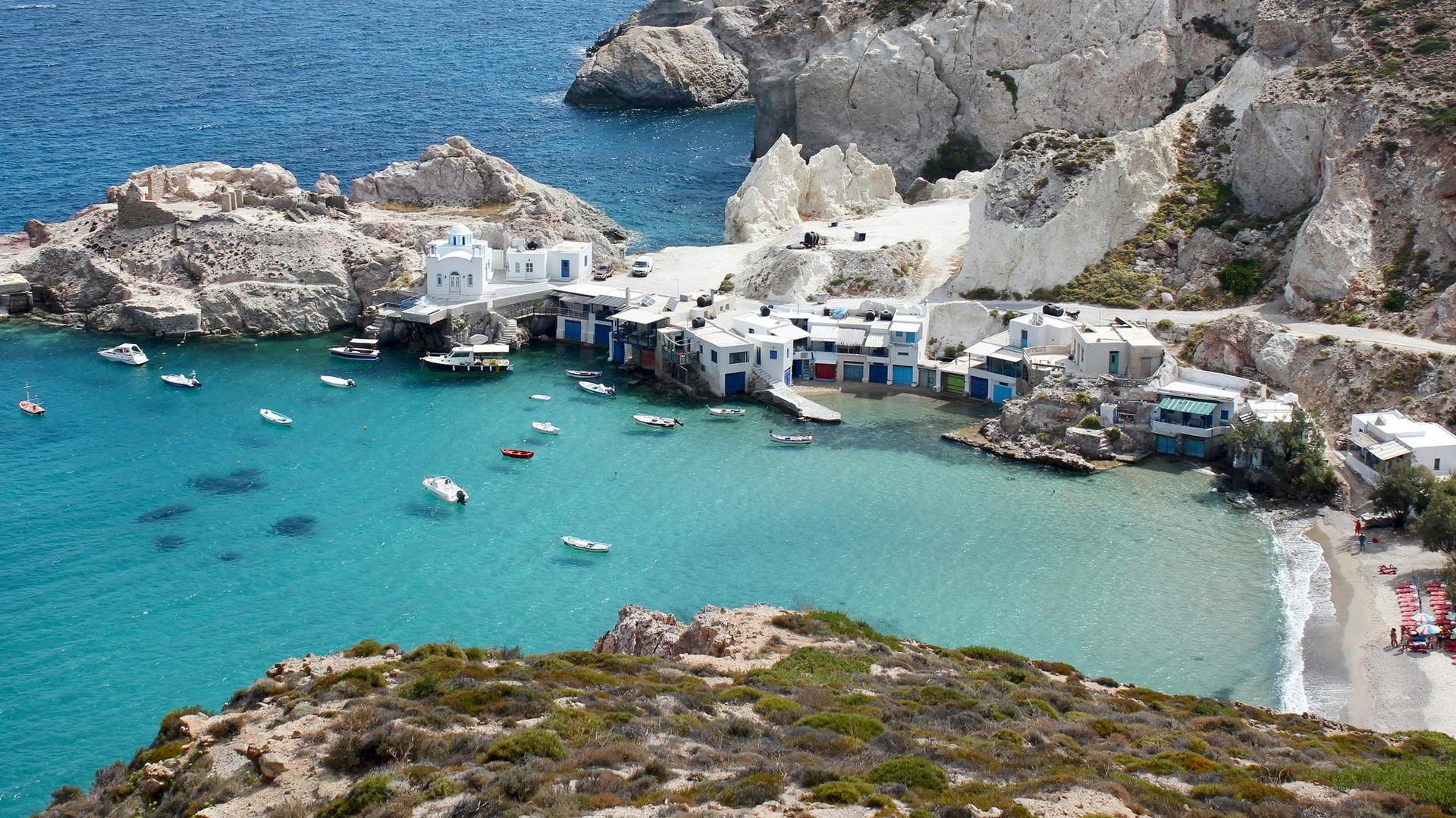
Greece beckons first-time visitors with promises of ancient ruins bathed in golden sunlight, turquoise waters lapping against whitewashed villages, and tavernas serving food that tastes like it was blessed by the gods themselves. The challenge isn't finding reasons to visit—it's deciding where to start in a country with over 6,000 islands and a history spanning 4,000 years.
Your inaugural Greek journey deserves careful planning to capture the essence of this Mediterranean paradise without overwhelming yourself. The secret lies in combining Athens' archaeological treasures with the Peloponnese's authentic charm and perhaps one stunning island to complete the trifecta.
Why Athens Should Be Your Starting Point
Athens serves as the perfect gateway to understanding Greece's soul, where ancient monuments stand defiantly amid a vibrant modern metropolis. The city offers first-timers an immediate immersion into Greek culture, with the Acropolis visible from nearly every neighborhood.
Spend at least two full days exploring the capital before venturing elsewhere. The Acropolis Museum alone deserves half a day, while wandering through Plaka's narrow streets and discovering hidden tavernas requires another evening.
Essential Athens Experiences:
- The Acropolis and Parthenon at sunrise (fewer crowds, magical light)
- Ancient Agora where Socrates once walked
- National Archaeological Museum housing treasures from across Greece
- Monastiraki Flea Market for souvenirs and street food
- Sunset views from Lycabettus Hill
- Traditional dinner in Psiri neighborhood
The city's compact historic center means you can walk between major sites, though the metro system is modern and efficient. Athens also provides the perfect opportunity to adjust to Greek time, where lunch happens at 3 PM and dinner rarely starts before 9 PM.
The Peloponnese: Greece's Hidden Treasure
While most first-timers rush to the islands, the Peloponnese peninsula offers something more valuable—authentic Greece without the tourist crowds. This region, connected to Athens by a narrow isthmus, packs ancient sites, medieval castles, mountain villages, and pristine beaches into an area smaller than Sicily.
Nafplio stands as the crown jewel of the Peloponnese, a romantic seaside town that served as Greece's first capital. The Venetian fortress of Palamidi towers above terracotta rooftops, while the harbor promenade invites evening strolls past elegant neoclassical mansions.
Top Peloponnese Destinations:
- Nafplio for charming architecture and central location
- Epidaurus to experience the ancient theater's perfect acoustics
- Mycenae for Bronze Age citadel ruins
- Ancient Olympia birthplace of the Olympic Games
- Monemvasia's Byzantine castle-town on a sea rock
- Mystras medieval ghost city near Sparta
The Peloponnese rewards those who venture beyond Athens with experiences that feel undiscovered. You'll share historical sites near Porto Heli with local Greek families rather than tour buses, and taverna owners will remember your name.
Consider basing yourself in Nafplio for 3-4 nights to explore the Argolid region properly. Book a comprehensive Mycenae and Epidaurus tour to maximize your time at these UNESCO World Heritage sites.
Ancient Sites That Define Greece
Greece's archaeological treasures aren't just ruins—they're portals to civilizations that shaped Western thought, democracy, and culture. First-time visitors often underestimate how moving it feels to stand where ancient Greeks once debated philosophy or competed in athletic glory.
Epidaurus hosts the best-preserved ancient theater in Greece, where you can still hear a pin drop from the top row. The Epidaurus archaeological site extends beyond the theater to include the Sanctuary of Asklepios, the ancient world's most famous healing center.
Must-See Ancient Sites:
- The Acropolis in Athens (Greece's most iconic monument)
- Delphi where priestesses delivered cryptic prophecies
- Epidaurus for theater and healing sanctuary
- Mycenae's Lion Gate and royal tombs
- Ancient Olympia's original Olympic stadium
- Knossos Palace in Crete (Minoan civilization)
Mycenae transports you to the Bronze Age world of Agamemnon and the Trojan War. Walking through the Lion Gate, you're following the same path as warriors who left for Troy 3,200 years ago—a humbling perspective on human history.
Ancient Olympia offers something special: the chance to stand in the original Olympic stadium where naked athletes competed for olive wreaths. The site's peaceful setting among pine trees contrasts beautifully with the modern Olympics' commercialization.
Island Hopping for First-Timers
The Greek islands seduce travelers with their distinct personalities, from Santorini's volcanic drama to Crete's mountain villages. First-time visitors should resist the temptation to island-hop excessively—quality trumps quantity when discovering island life.
Santorini delivers the postcard-perfect Greece of white buildings cascading down cliffsides toward an impossibly blue caldera. The sunsets from Oia village justify every Instagram cliché, though arriving in shoulder season (May or October) means enjoying them without elbow-to-elbow crowds.
Best Islands for First-Time Visitors:
- Santorini for iconic sunsets and volcanic beaches
- Mykonos for vibrant nightlife and Cycladic charm
- Crete for diverse landscapes and Minoan history
- Rhodes for medieval Old Town and beach resorts
- Naxos for authentic villages and less tourism
- Paros for balanced mix of beauty and accessibility
Crete deserves special consideration as Greece's largest island, essentially a country within a country. You could spend two weeks exploring Crete alone, from Chania's Venetian harbor to Samaria Gorge's dramatic hiking trails.
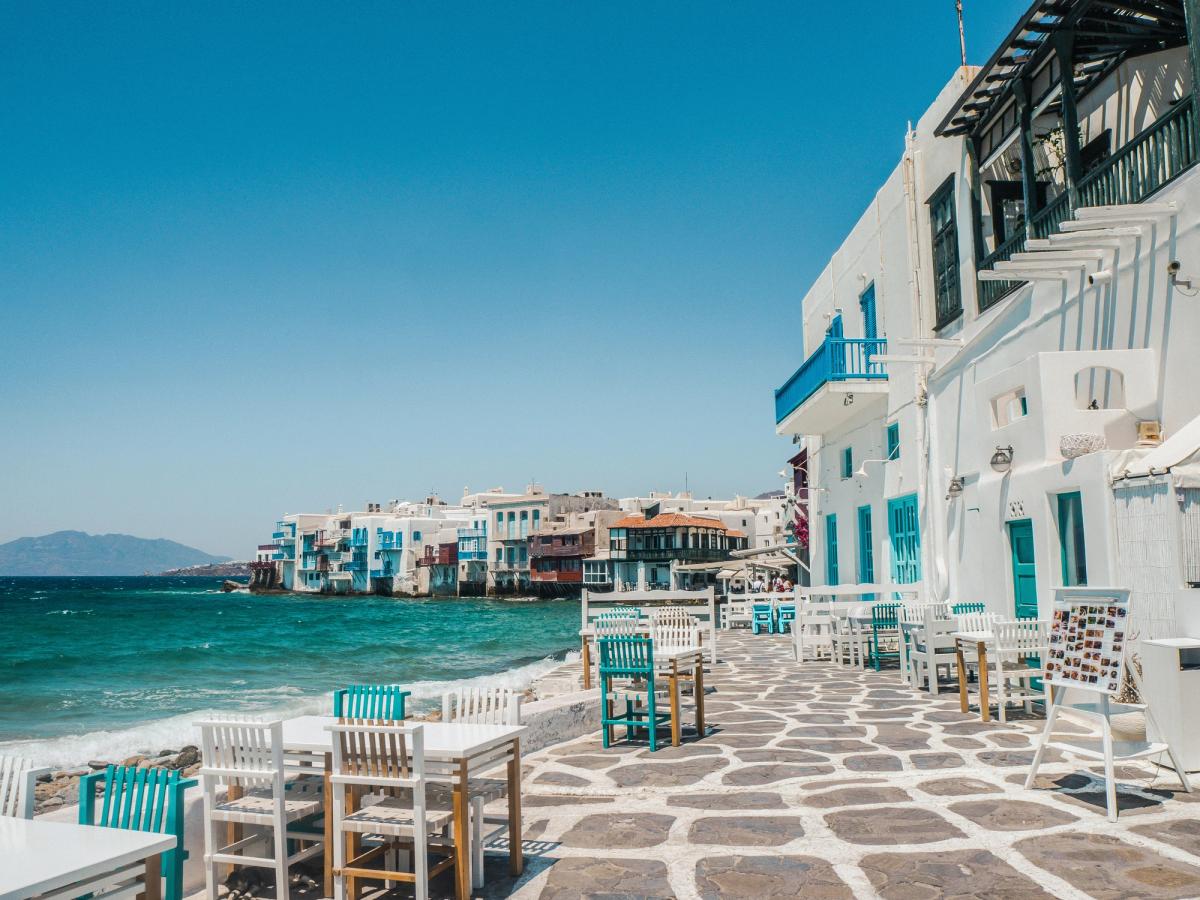
Mykonos offers the quintessential Cycladic experience with sugar-cube houses, windmills, and beaches ranging from family-friendly to party-central. The island's compact size means you can explore thoroughly in 2-3 days before moving on.
Planning Your First Greek Itinerary
The ideal first-time Greece itinerary balances ancient sites, island beauty, and enough downtime to savor long Greek lunches. A 10-14 day trip allows proper exploration without feeling rushed, though even a week can capture Greece's essence if planned strategically.
Start with 2-3 days in Athens to overcome jet lag while diving into ancient history. The capital's museums and archaeological sites provide context for everything you'll see elsewhere in Greece.
Recommended 10-Day First-Timer Itinerary:
- Days 1-3: Athens (Acropolis, museums, neighborhoods)
- Days 4-6: Peloponnese based in Nafplio (Epidaurus, Mycenae, Olympia)
- Days 7-8: Santorini (caldera views, wine tasting, beaches)
- Days 9-10: Return to Athens (final shopping, departure)
This itinerary provides archaeological depth, authentic Greek culture, and iconic island beauty without excessive travel days. Ferry connections from Athens to Santorini take 5-8 hours, or fly in 45 minutes if time is precious.
Alternatively, skip the islands entirely and explore the Peloponnese more thoroughly. Discover Sparta's ancient history and the Byzantine splendor of Mystras on a dedicated Sparta and Mystras tour.
Understanding Greek Culture and Customs
Greece operates on a different rhythm than Northern Europe or North America, and embracing this tempo enhances your experience immeasurably. The afternoon siesta isn't laziness—it's survival during summer heat and a cultural institution worth respecting.
Greeks take hospitality seriously, viewing guests as gifts from Zeus himself. Don't be surprised when taverna owners offer complimentary dessert or locals give unsolicited directions—philoxenia (love of strangers) remains deeply embedded in Greek culture.
Cultural Tips for First-Timers:
- Learn basic Greek phrases like "efharisto" (thank you)
- Dress modestly when visiting monasteries and churches
- Expect lunch from 2-4 PM, dinner after 9 PM
- Don't flush toilet paper in older buildings (use the bin)
- Tipping 10% is appreciated but not mandatory
- Greeks speak directly—it's honesty, not rudeness
The iconic blue and white colors you'll see everywhere aren't just aesthetic choices—they carry historical and symbolic meaning. Understanding these Greek colors and their significance adds depth to your observations.
Greek food deserves reverence, from simple horiatiki salad to slow-cooked stifado. Forget everything you think you know about "Greek food" from restaurants back home—authentic Greek cuisine emphasizes fresh ingredients, olive oil, and simplicity over heavy sauces.
When to Visit Greece for the First Time
Timing your inaugural Greek adventure significantly impacts your experience, with each season offering distinct advantages. Summer delivers guaranteed sunshine and warm seas but also brings crowds and premium prices to popular destinations.
May and September-October represent the sweet spot for first-time visitors, combining pleasant weather with manageable tourist numbers. Greece's weather in October remains warm enough for swimming while archaeological sites become bearable without summer's scorching heat.
Seasonal Considerations:
- Spring (April-May): Wildflowers, Easter celebrations, mild temperatures
- Summer (June-August): Beach weather, long days, crowded sites, high prices
- Fall (September-October): Warm seas, fewer tourists, harvest season
- Winter (November-March): Lowest prices, Athens focus, some island closures
Summer's intense heat makes exploring ruins physically demanding, with temperatures regularly exceeding 35°C (95°F). If visiting in July or August, plan archaeological site visits for early morning or late afternoon.
Winter transforms Greece into a different destination, with Athens and mainland sites remaining accessible while many island hotels close. This season suits budget travelers and those interested in Greek monasteries without summer crowds.
Getting Around Greece
Greece's transportation network connects major destinations efficiently, though traveling like a local requires patience and flexibility. Athens' metro system ranks among Europe's most modern, while ferries link islands in an extensive maritime network.
Renting a car unlocks the Peloponnese's hidden corners, from mountain villages to secluded beaches. Greek drivers have a reputation for creativity, but main roads are well-maintained and signage includes Latin alphabet alongside Greek.
Transportation Options:
- Domestic flights for island hopping (Athens to Santorini in 45 minutes)
- Ferries for scenic island connections (book ahead in summer)
- Rental cars for Peloponnese exploration (international license required)
- KTEL buses connecting major mainland cities
- Private tours for stress-free archaeological site visits
- Taxis and ride-sharing in Athens (affordable compared to Western Europe)
Ferry schedules vary by season, with reduced service in winter months. Book ferries online in advance during summer, but shoulder season often allows walk-up tickets.
Private tours eliminate navigation stress while providing expert commentary at archaeological sites. Local guides transform ancient stones into vivid stories of gods, heroes, and ordinary Greeks who shaped civilization.
Accommodation Strategies
Where you stay in Greece dramatically affects your experience, from boutique hotels in Nafplio's Old Town to cave houses carved into Santorini's cliffs. First-timers should prioritize location over luxury—staying within walking distance of major sites saves time and taxi fares.
Athens offers accommodation for every budget, from hostels in Monastiraki to five-star hotels with Acropolis views. The Plaka and Syntagma neighborhoods provide central locations, though expect some noise in this vibrant city.
Accommodation Recommendations:
- Athens: Plaka or Syntagma for central location
- Nafplio: Old Town within the Venetian walls
- Santorini: Oia or Fira for caldera views (or Kamari for budget)
- Mykonos: Mykonos Town for nightlife, beaches for relaxation
- Crete: Chania Old Town or Rethymno for charm
Nafplio's boutique hotels occupy restored neoclassical mansions, offering romantic atmospheres perfect for couples. The town's compact size means everywhere is walkable, from waterfront tavernas to Palamidi fortress.
Island accommodation requires advance booking for summer months, especially Santorini where caldera-view hotels fill months ahead. Shoulder season offers better rates and last-minute availability.
Greek Cuisine Beyond Moussaka
Greek food culture extends far beyond the usual suspects of moussaka and souvlaki, encompassing regional specialties that vary dramatically from Athens to Crete. First-time visitors should approach Greek cuisine with adventurous appetites, trying everything from octopus to wild greens.
Traditional tavernas serve the most authentic food, often family-run establishments where grandmother's recipes haven't changed in generations. Look for places where locals eat, typically away from major tourist areas.
Must-Try Greek Dishes:
- Horiatiki (Greek salad with tomatoes, cucumber, feta, olives)
- Grilled octopus with lemon and olive oil
- Gemista (vegetables stuffed with rice and herbs)
- Saganaki (fried cheese, often flambéed)
- Dolmades (grape leaves stuffed with rice)
- Fresh fish grilled whole (priced by weight)
- Baklava and galaktoboureko for dessert
Greek wine deserves attention beyond the ubiquitous retsina, with regions like Santorini producing distinctive wines from indigenous grapes. Assyrtiko white wine from Santorini's volcanic soil pairs perfectly with seafood.
Greek alcohol extends to spirits like ouzo and tsipouro, anise-flavored liquors traditionally served with mezze. Greek liquor culture emphasizes social drinking over intoxication, with spirits accompanying long conversations.
Seafood shines in coastal areas, from grilled sardines to seafood pasta. Always ask about the day's catch and how recently it was caught—Greeks take fish freshness seriously.
Practical Tips for First-Time Visitors
Successful Greek travel requires some practical knowledge beyond guidebook highlights. Small preparation details make the difference between smooth sailing and frustrating obstacles.
Greece uses the Euro, with ATMs widely available in cities and tourist areas. Credit cards work in most establishments, though small tavernas and shops may prefer cash.
Essential Practical Tips:
- Bring European plug adapters (Type C and F)
- Download offline maps before exploring remote areas
- Carry toilet paper (public restrooms often lack it)
- Wear comfortable walking shoes (ancient sites have uneven surfaces)
- Pack sun protection (Greek sun is intense year-round)
- Bring a reusable water bottle (tap water is safe in most areas)
- Keep shoulders and knees covered for monastery visits
Pharmacies in Greece are well-stocked and pharmacists knowledgeable, often providing medical advice for minor ailments. Look for the green cross sign marking pharmacies.
Greek tap water is safe to drink in most areas, though islands sometimes face summer shortages. Bottled water is inexpensive and widely available.
Hidden Gems Worth Discovering
Beyond the famous sites, Greece conceals treasures that most first-timers miss in their rush between Athens and Santorini. These lesser-known destinations reward curious travelers with authentic experiences.
The medieval castle town of Monemvasia clings to a sea rock connected to the mainland by a single causeway. Walking its car-free Byzantine streets feels like time travel, with boutique hotels occupying restored tower houses.
Off-the-Beaten-Path Discoveries:
- Monemvasia's Byzantine castle-town on a sea rock
- Gytheio fishing village in the Mani peninsula
- Delphi's mountain setting and ancient oracle
- Meteora's monasteries perched on rock pillars
- Geraki Castle with medieval churches
- Nafplio's Arvanitia Beach walking path
Meteora's monasteries seem to defy gravity, built atop towering rock formations in central Greece. The sunset views from these cliff-top sanctuaries rank among Greece's most spectacular sights.
The Mani peninsula in the southern Peloponnese preserves traditional tower houses and a fierce independence that resisted Ottoman rule. This rugged region offers authentic Greece far from tourist crowds.
Quick Facts for First-Time Visitors
Essential Greece Information:
- Capital: Athens (population 3.7 million)
- Language: Greek (English widely spoken in tourist areas)
- Currency: Euro (€)
- Time Zone: Eastern European Time (GMT+2, GMT+3 in summer)
- Electricity: 230V, 50Hz (European plugs)
- Emergency Number: 112 (European standard)
- Tipping: 10% appreciated, not mandatory
- Driving: Right-hand side, international license recommended
Frequently Asked Questions
How many days do I need for my first trip to Greece?
A minimum of 7-10 days allows you to experience Athens and one other region without feeling rushed. Two weeks is ideal for combining Athens, the Peloponnese, and one or two islands, giving you time to absorb Greek culture rather than just checking off sites.
Is Greece expensive for tourists?
Greece offers excellent value compared to Western Europe, with meal prices 20-30% lower than France or Italy. Budget €50-70 daily for mid-range travel including accommodation, meals, and local transport, or €100+ for more comfort and tours.
Do I need to rent a car in Greece?
Renting a car is highly recommended for exploring the Peloponnese but unnecessary in Athens or on small islands. Public transportation and organized tours work well for archaeological sites near Athens, while island hopping relies on ferries rather than cars.
What's the best Greek island for first-time visitors?
Santorini delivers the iconic Greek island experience with dramatic caldera views and stunning sunsets, though it's crowded and expensive in summer. Naxos or Paros offer more authentic island life with beautiful beaches and villages at lower prices.
Is it safe to travel to Greece as a first-time visitor?
Greece ranks as one of Europe's safest destinations, with low violent crime rates and friendly locals. Exercise normal precautions against pickpockets in crowded Athens areas, but you'll find Greeks remarkably honest and helpful toward tourists.
Should I book tours in advance or locally?
Book popular tours like Delphi or Meteora from Athens in advance during summer, as they fill quickly. Peloponnese tours can often be arranged locally in Nafplio, though advance booking guarantees availability and better prices.
What should I pack for my first Greece trip?
Pack light, breathable clothing for warm weather, comfortable walking shoes for archaeological sites, and a light jacket for evening breezes or air-conditioned spaces. Don't forget sun protection, a hat, and modest clothing for monastery visits.
Can I visit Greece if I don't speak Greek?
English is widely spoken in tourist areas, hotels, and restaurants throughout Greece. Learning a few basic Greek phrases like "kalimera" (good morning) and "efharisto" (thank you) will delight locals and enhance your experience.
Making Your First Greece Trip Unforgettable
Your inaugural Greek journey sets the template for a lifetime love affair with this ancient land. The key lies in balancing famous sites with spontaneous discoveries—yes, visit the Acropolis, but also get lost in Plaka's backstreets where locals shop.
Allow time for the Greek concept of "siga siga" (slowly, slowly), where rushing contradicts the entire philosophy of Mediterranean life. Your best memories might come from a three-hour lunch watching fishermen mend nets rather than another museum.
Greece rewards those who venture beyond Athens and Santorini with experiences that feel genuinely undiscovered. The Peloponnese offers this authentic Greece in abundance, from Nafplio's romantic streets to ancient theaters where performances still echo.
Your first Greek adventure is just the beginning—most visitors leave already planning their return, having discovered that one trip barely scratches the surface of this endlessly fascinating country.